Delacroix
Delacroix brings Louisiana's hunting and fishing traditions to the table in a format that treats the bayou's seasonal harvest as seriously as any fine-dining sourcing program. The kitchen draws from the same coastal wetlands and inland game corridors that define the state's culinary identity, positioning it within a growing tier of New Orleans restaurants that treat provenance as premise rather than garnish.
Pearl is the En Primeur Club membership app — saves, bookings, and concierge access live there. Same editors, same standards.
- Address
- New Orleans, United States
- Website
- delacroixrestaurant.com
 Saves & bookings on Pearl
Delacroix is a New Orleans restaurant serving Modern Cajun & Creole Seafood at about $35 per person. Delacroix works within that register. The name itself is a geographic signal: Delacroix Island, southeast of the city in St. Bernard Parish, sits at the edge of Louisiana's coastal marshes, a working fishing community that has supplied the city's kitchens for generations. Delacroix argues for ingredients drawn from Louisiana's hunting and fishing traditions.
Louisiana's Hunting and Fishing Table
New Orleans has never suffered from a lack of restaurants serious about local sourcing, but the city's fine-dining tier has historically framed Creole and Cajun traditions through the lens of French technique. What Delacroix represents is a different emphasis: the hunting camp and the fishing skiff as primary references, with the kitchen operating closer to the source. This is a strand of Louisiana cooking that runs parallel to the white-tablecloth Creole tradition associated with Commander's Palace or the Cajun-rooted showmanship of Emeril's, but it draws its authority from the marsh and the season rather than from classical brigade structure.
That distinction matters when you sit down to eat. The proteins on a hunting and fishing menu shift with what the wetlands are yielding: redfish and speckled trout from the coastal bays, duck from the rice prairies west of the city, crawfish when the season is right and the water temperature cooperates. Pêche Seafood Grill has built its identity around Gulf seafood and wood-fire cooking. Delacroix operates from a related premise but with a tighter geographic focus on the bayou parishes immediately east and south of New Orleans.
The Case for Pairing: Whites Against the Bayou
Louisiana's hunting and fishing table presents one of the more interesting wine-pairing problems in American regional cooking. The ingredients lean saline, smoky, and fat-rich, crab fat worked into a sauce, duck confit rendered over a low fire, shrimp with shells still carrying the iodine note of brackish water. The classical French reflex is to reach for Chablis or a Burgundy Chardonnay, and that reflex is not wrong. Chablis Premier Cru, with its chalk-driven tension and oyster-shell mineral register, performs reliably against Gulf shellfish in the way it performs against the bivalves of the English Channel.
But the more interesting pairings tend to come from regions that share some climatic and textural logic with Louisiana's cooking. White Rhône varieties, particularly Roussanne and Grenache Blanc with some age on them, carry a waxy richness that meets the fat of crab and crawfish without being overwhelmed. Vermentino from Sardinia or the Ligurian coast brings the saline brightness the cooking needs without stripping the palate. For smoked or grilled fish, Chenin Blanc from Savennières or the upper Loire provides the combination of weight, acidity, and honeyed texture that keeps the pairing interesting across multiple bites.
The temptation with duck and game is to reach immediately for red, and a Pinot Noir from Oregon or a lighter Grenache from the southern Rhône will hold the conversation without overwhelming the kitchen's work. But white Burgundy with some bottle age, or an Alsatian Pinot Gris Vendanges Tardives served slightly cool, can be a more considered move against duck preparations that lean sweet or spiced. Restaurants that handle this sourcing tradition well tend to maintain a wine list structured around this kind of range rather than defaulting to a prestige-label Cabernet list that reads against the food rather than with it.
The wider New Orleans scene has been developing along similar lines. Saint-Germain at the upper price tier and Zasu in the contemporary American space both maintain wine programs with enough range to reward this kind of thinking. Bayona has been doing it for decades in the French Quarter, and Re Santi e Leoni applies a similar rigor from the contemporary European side.
Where Delacroix Sits in the National Conversation
Broader category of serious American restaurants built around regional sourcing and a specific geographic identity has become one of the more credible formats in the country. Single Thread Farm in Healdsburg operates from a Japanese kaiseki framework applied to Northern California's farm calendar. Lazy Bear in San Francisco works through a tasting-menu structure with strong regional sourcing signals. Providence in Los Angeles has built its reputation specifically on Pacific seafood, with a wine and pairing program that treats fish with the same seriousness that Le Bernardin in New York City has maintained for decades.
What distinguishes the Louisiana version of this format is the depth of the sourcing geography. The coastal wetlands of southeast Louisiana represent among the more productive fishery systems in North America, Gulf shrimp, blue crab, oysters from named reefs in Plaquemines Parish, multiple species of inshore finfish, and migratory waterfowl passing through the Mississippi Flyway. A kitchen serious about working with that system has a sourcing palette that most American regional restaurants cannot match for variety or seasonal specificity. The challenge is building a menu and a wine program sophisticated enough to do justice to that variety without flattening it into a single register.
Precision-driven tasting formats at restaurants like Alinea in Chicago or Atomix in New York City approach that complexity through technique and conceptual framing. The French Laundry in Napa and Alain Ducasse at Louis XV in Monte Carlo approach it through classical rigor applied to notable product. The hunting and fishing table in Louisiana approaches it differently: through an accumulated regional intelligence about what comes from where and when, and what traditions have developed around those ingredients over two centuries of serious eating.
Planning a Visit
Price Lens
Comparable venues nearby, for context on price, style, and recognition.
| Venue | Cuisine | Price | Notes |
|---|---|---|---|
| DelacroixThis venue — the venue you are viewing | Not listed | $$$ | Not listed |
| SeaWitch | Central City, Cajun Seafood Oyster Bar | $$$ | Not listed |
| Drago’s | Not listed | $$$ | Central Business District, Cajun & Creole Seafood |
| Seaworthy | Arts District, Modern Seafood Oyster Bar | $$$ | Not listed |
| The Italian Barrel French Quarter | French Quarter, Northern Italian | $$$ | Not listed |
| Headquarters by NGN | Not listed | $$$ | Central Business District, Creole / Cajun / Southern with a Twist |
Continue exploring
More in New Orleans
Restaurants in New Orleans
Browse all →
Bars in New Orleans
Browse all →
At a Glance
- Rustic
- Elegant
- Cozy
- Scenic
- Date Night
- Waterfront
- Open Kitchen
- Local Sourcing
- Waterfront
- Street Scene
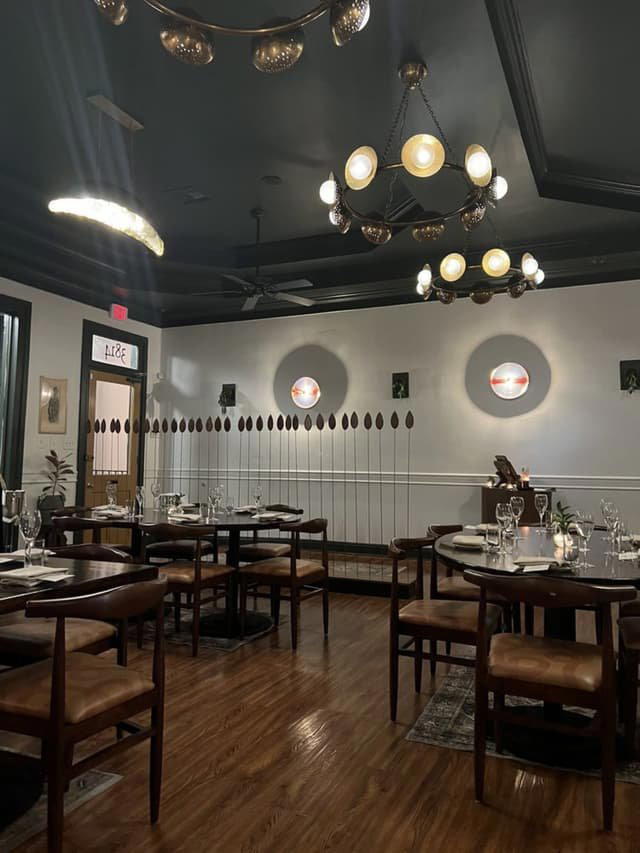
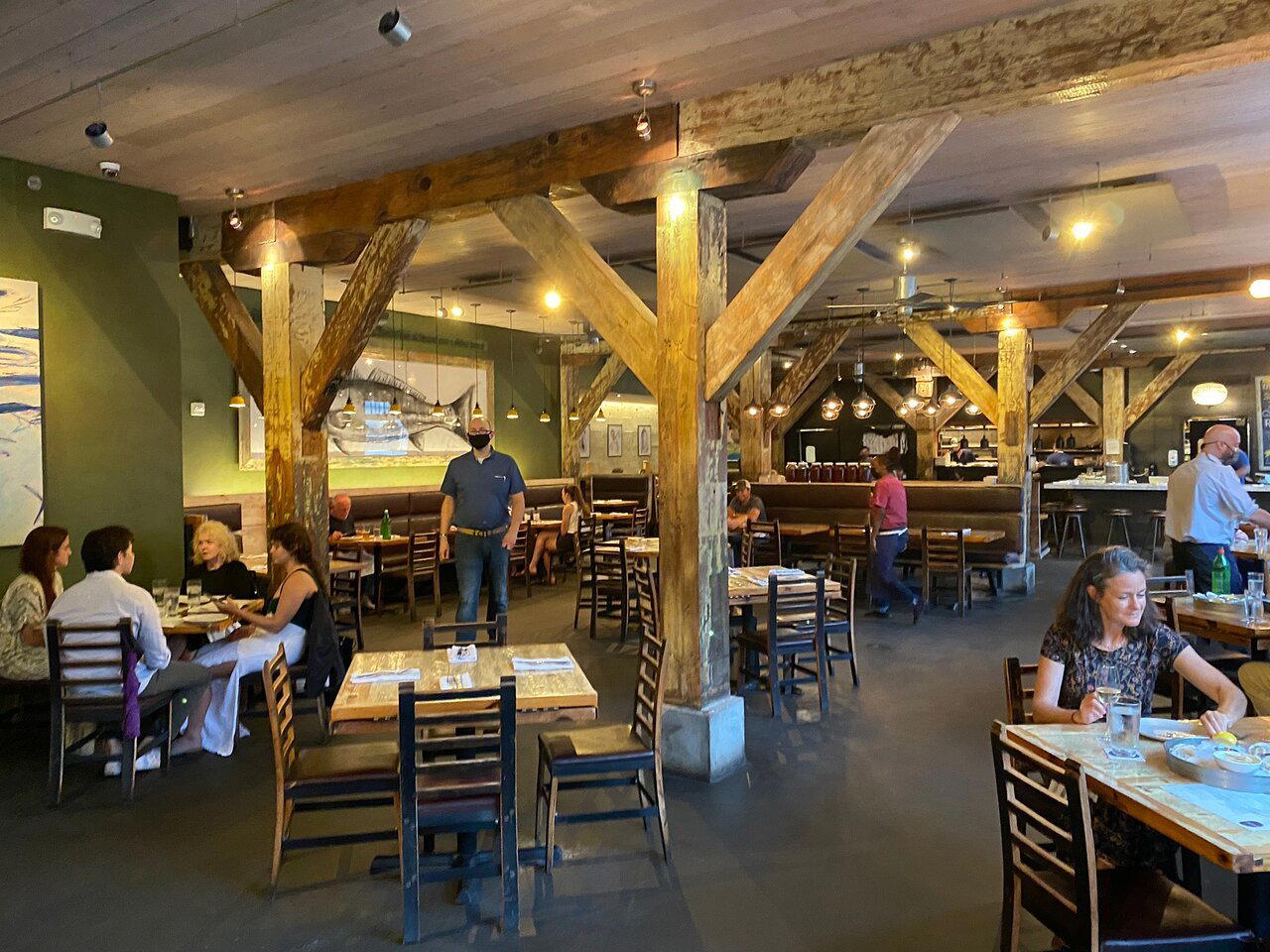
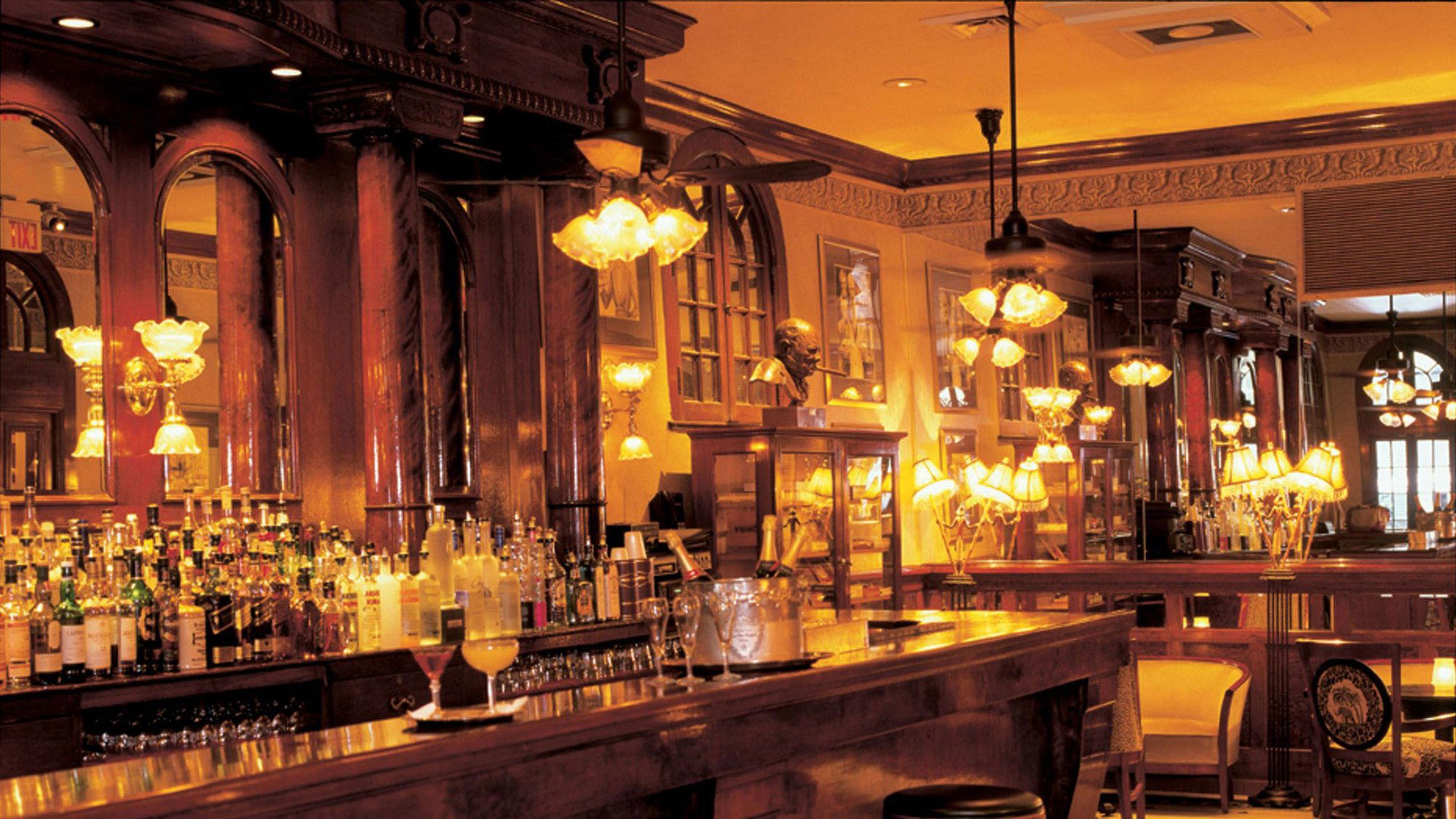
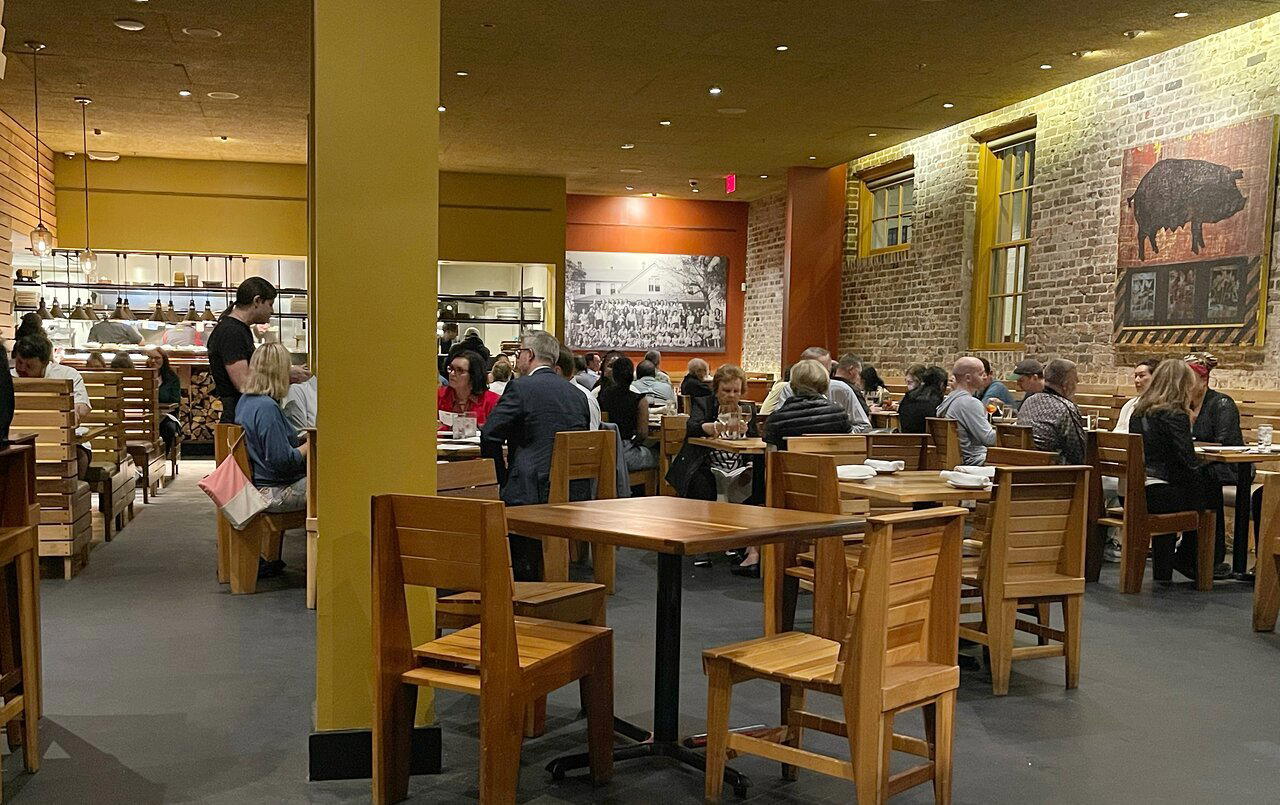
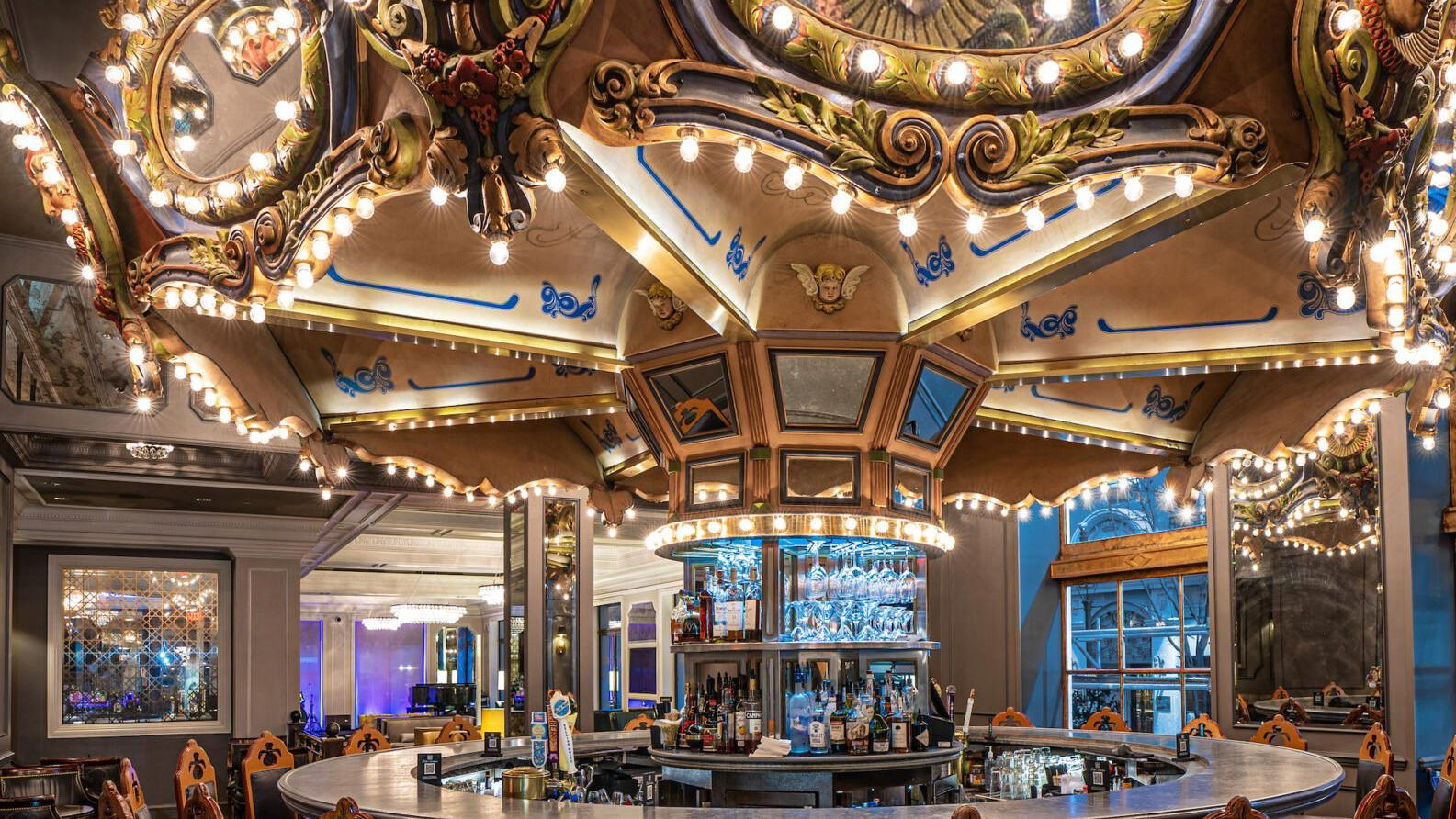
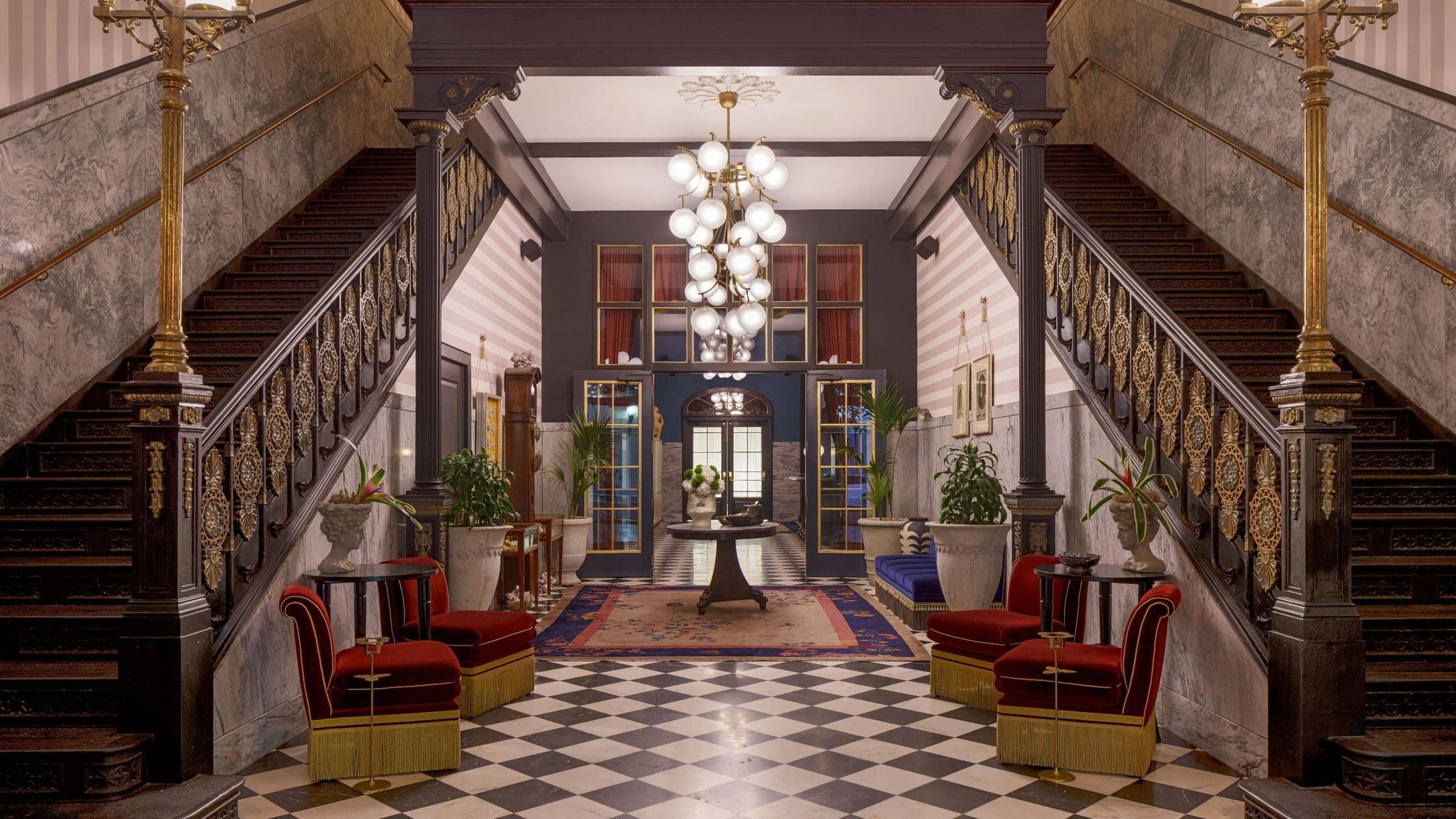
Warm, well-designed dining room with festive riverfront energy, beautiful decor, and Mississippi River views.