ATRIO RESTAURANT AND WINE ROOM
ATRIO Restaurant and Wine Room occupies a prominent address on Brickell Avenue, positioning itself within Miami's most concentrated corridor of fine dining. The wine room format places it in a specific tier of the city's upscale dining scene, where bottle depth and room design carry as much weight as the plate. For Brickell diners tracking the shift toward wine-integrated dining experiences, ATRIO is a fixture worth understanding.
- Address
- 1395 Brickell Ave, Miami, FL 33131
- Phone
- +1 305 503 6500
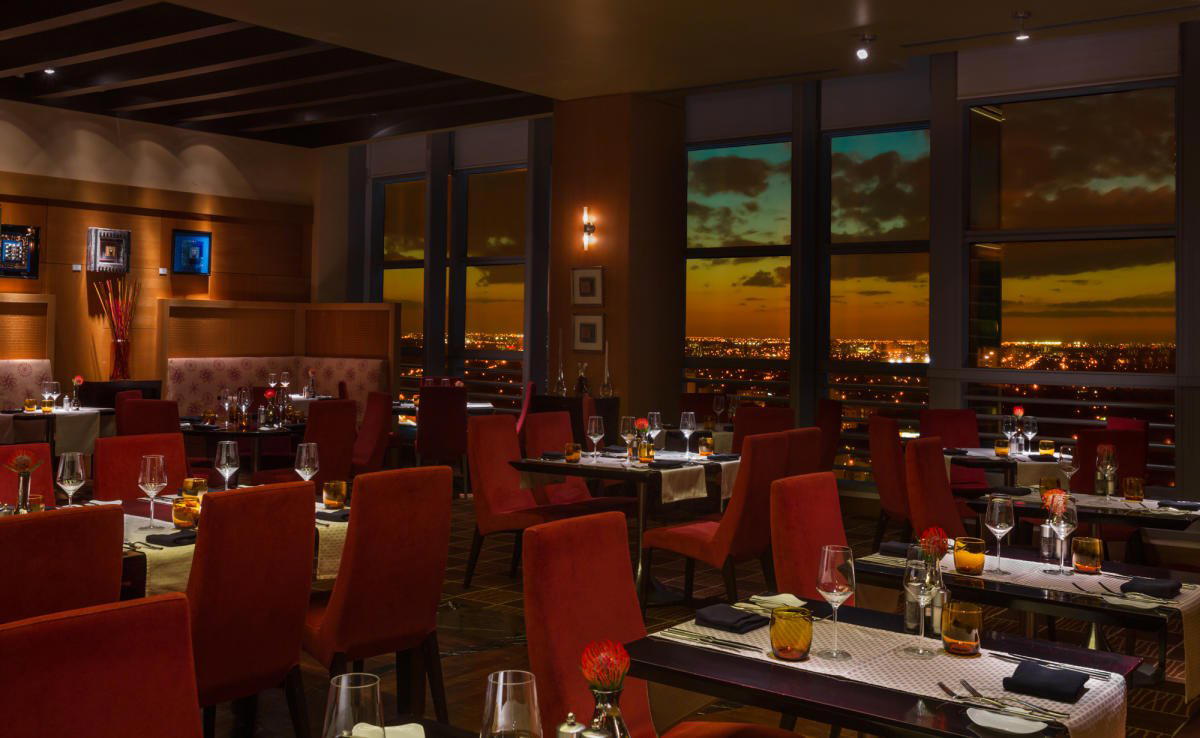
Brickell's Fine Dining Axis and Where ATRIO Sits on It
Brickell Avenue has spent the last decade consolidating Miami's most formal dining ambitions into a single corridor. The neighborhood's density of corporate headquarters, luxury residential towers, and internationally mobile clientele created demand for a specific kind of restaurant: one that can hold a business dinner, a celebration, and a serious wine conversation in the same room on the same evening. ATRIO Restaurant and Wine Room, at 1395 Brickell Ave, Miami, addresses that demand directly. The wine room component is not incidental branding, it signals a format where the cellar program is structural, not decorative, and where the dining experience is built around the assumption that guests arrive with opinions about what they are drinking.
This positions ATRIO within a defined tier of Miami fine dining, one that sits above the $$$-bracket Korean steakhouse and Italian contemporary operators like Cote Miami and Boia De, and aligns more closely with the format ambitions of L'Atelier de Joël Robuchon Miami, properties where room design, service architecture, and program depth are meant to justify the price of admission on their own terms.
The Wine Room Format as Cultural Statement
Wine-integrated restaurant formats have a particular lineage in American fine dining. The model, where the cellar is visible, accessible, and woven into the room's physical identity rather than hidden behind a service door, draws from European traditions in which wine and food are treated as a single discipline rather than parallel tracks. In the United States, that format gained traction through properties like The French Laundry in Napa and Le Bernardin in New York City, where the wine program carries institutional authority alongside the kitchen.
Miami is an interesting city for this format to take hold. The market has historically skewed toward scene-driven dining, spectacle, volume, and celebrity attachment, rather than the quieter authority of a cellar-led room. That Brickell, specifically, has become the address of choice for wine-serious formats reflects a broader shift in the city's dining culture, driven partly by the influx of internationally traveled residents who arrive with reference points from New York, London, and São Paulo. For that cohort, a wine room is not a novelty; it is a baseline expectation.
Brickell as a Dining Neighborhood
Understanding ATRIO requires understanding the block it occupies. Brickell is Miami's financial district in the most literal sense, a dense grid of towers housing banks, law firms, and the regional offices of multinationals. Lunch here runs on corporate accounts; dinner is where the neighborhood's real dining ambitions surface. The clientele on any given evening skews toward Latin American business travelers, Miami's finance and legal community, and the city's growing population of relocated New Yorkers who tend to bring demanding dining expectations with them.
That clientele shapes what a restaurant on this corridor needs to deliver: consistency above surprise, depth over novelty, and a room that reads as serious without being stiff. It is a different brief than the one handed to a Wynwood concept or a South Beach spectacle venue, and it explains why the wine room format, stable, authoritative, built for repeat visits, has found its home here rather than elsewhere in the city. Restaurants like Ariete and ITAMAE operate with more creative latitude in neighborhoods that reward risk-taking; Brickell rewards reliability.
How ATRIO Compares Within Miami's Broader Fine Dining Field
Miami's fine dining field has matured considerably since the mid-2010s. The city now holds restaurants that compete credibly with properties in cities that have longer institutional dining histories, a fact that becomes apparent when you map Miami's top-tier operators against national benchmarks like Smyth in Chicago, Providence in Los Angeles, or Addison in San Diego. The gap has closed, and properties like ATRIO are part of the evidence for that shift.
Within Miami specifically, the competitive set for a wine-room format at this address includes the kind of chef-driven $$$$-tier operators that have opened in Brickell and the Design District over the past five years. The distinction ATRIO draws is its explicit integration of the wine program into the room's identity, a choice that narrows the comparable set and creates a more specific dining proposition. Guests who arrive primarily for the cellar are a different demographic than those chasing a tasting menu or a chef's-table experience, and ATRIO's format is calibrated accordingly.
For broader context on how Miami's serious dining scene has developed, properties like Lazy Bear in San Francisco, Single Thread Farm in Healdsburg, Blue Hill at Stone Barns in Tarrytown, The Inn at Little Washington, Atomix in New York City, and Emeril's in New Orleans represent the national tier against which ambitious American regional dining is measured. The question for any Brickell operator is whether it can hold that conversation. ATRIO's wine room format is, at minimum, an argument that it intends to. A venue with a comparable dedication to cellar identity in the European context is Atelier Moessmer Norbert Niederkofler in Brunico, where the room and the program are inseparable.
Know Before You Go
Address: 1395 Brickell Ave, Miami, FL 33131
Neighborhood: Brickell, Miami's financial district corridor
Format: Restaurant with integrated wine room; suited to business dining and occasion meals
Booking: Reservations are recommended.
Reputation Context
Comparable venues nearby, for context on price, style, and recognition.
| Venue | Cuisine | Price | Awards | Notes |
|---|---|---|---|---|
| ATRIO RESTAURANT AND WINE ROOMThis venue — the venue you are viewing | Modern New American with Global Influences | $$$ | , | |
| Verde | Art-Inspired Modern Fusion | $$$ | , | Downtown |
| Swan | Refined Rustic American Brasserie | $$$ | , | Design District |
| Red Rooster Overtown | Afro-Caribbean Soul Food Fusion | $$ | , | Overtown |
| Isabelle's Coconut Grove | Contemporary American Grill & Garden | $$$ | , | Coconut Grove |
| Alter | Progressive American | $$$ | , | Miami Fashion District |
Continue exploring
More in Miami
Restaurants in Miami
Browse all →







At a Glance
- Elegant
- Sophisticated
- Modern
- Date Night
- Special Occasion
- Business Dinner
- Rooftop
- Panoramic View
- Hotel Restaurant
- Extensive Wine List
- Local Sourcing
- Skyline
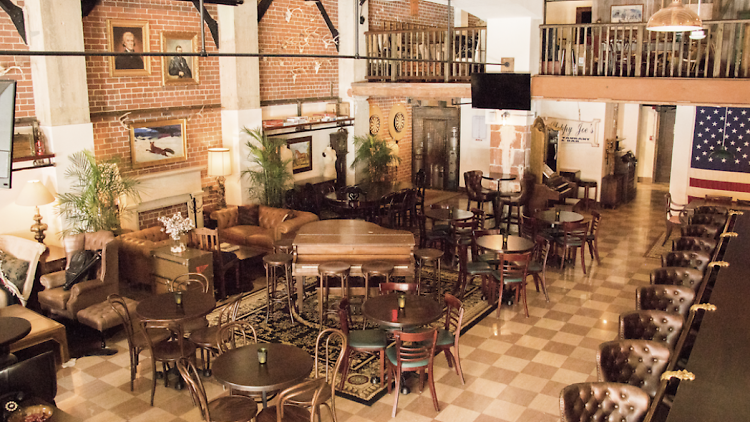
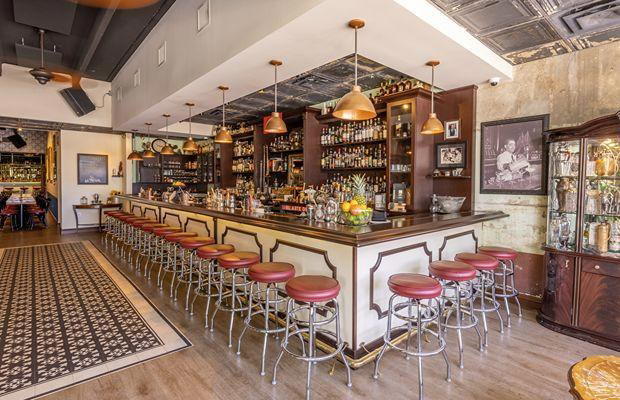
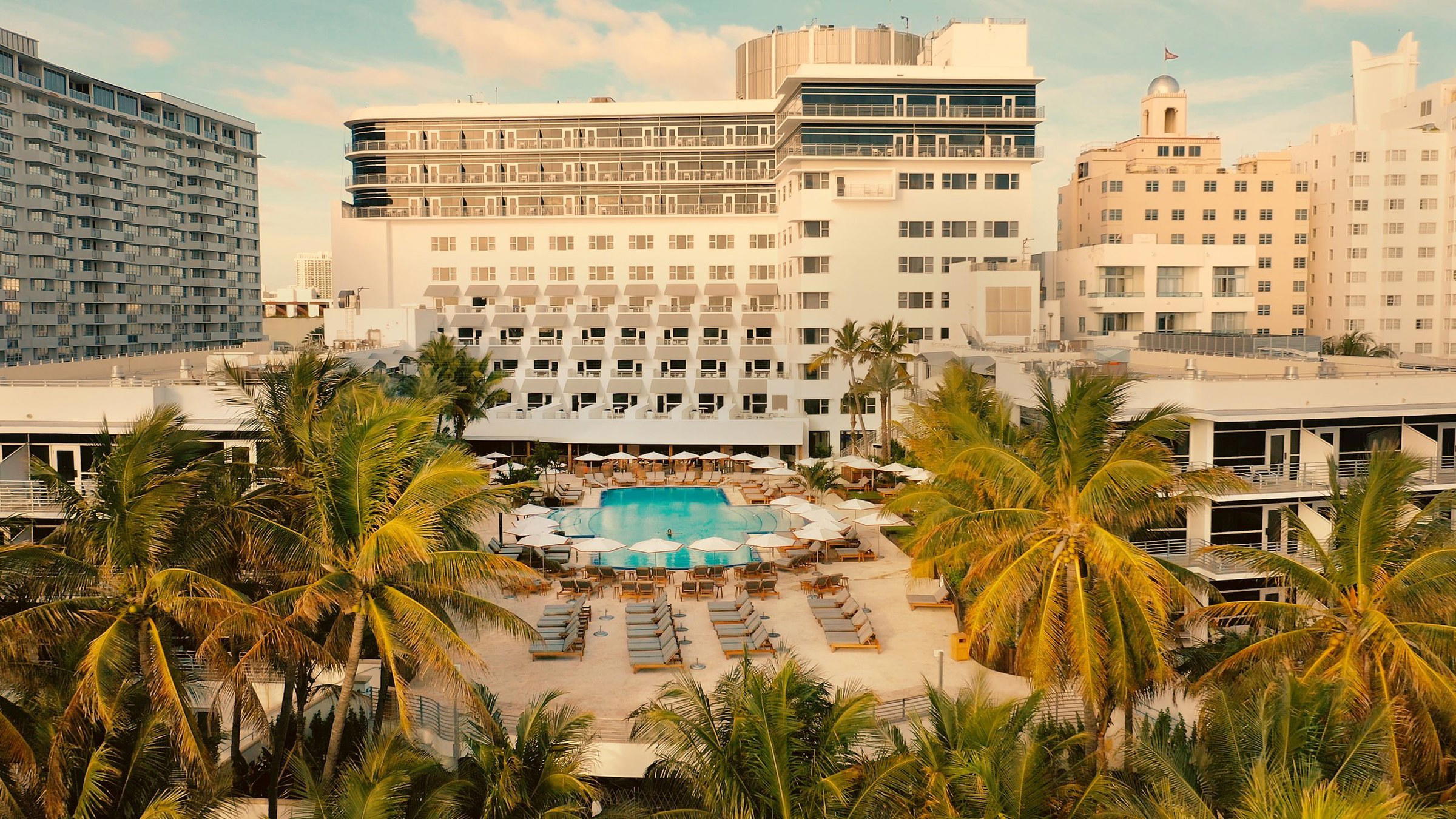
Elegant and sophisticated with breathtaking city skyline views and ambient lighting.