Our verdict
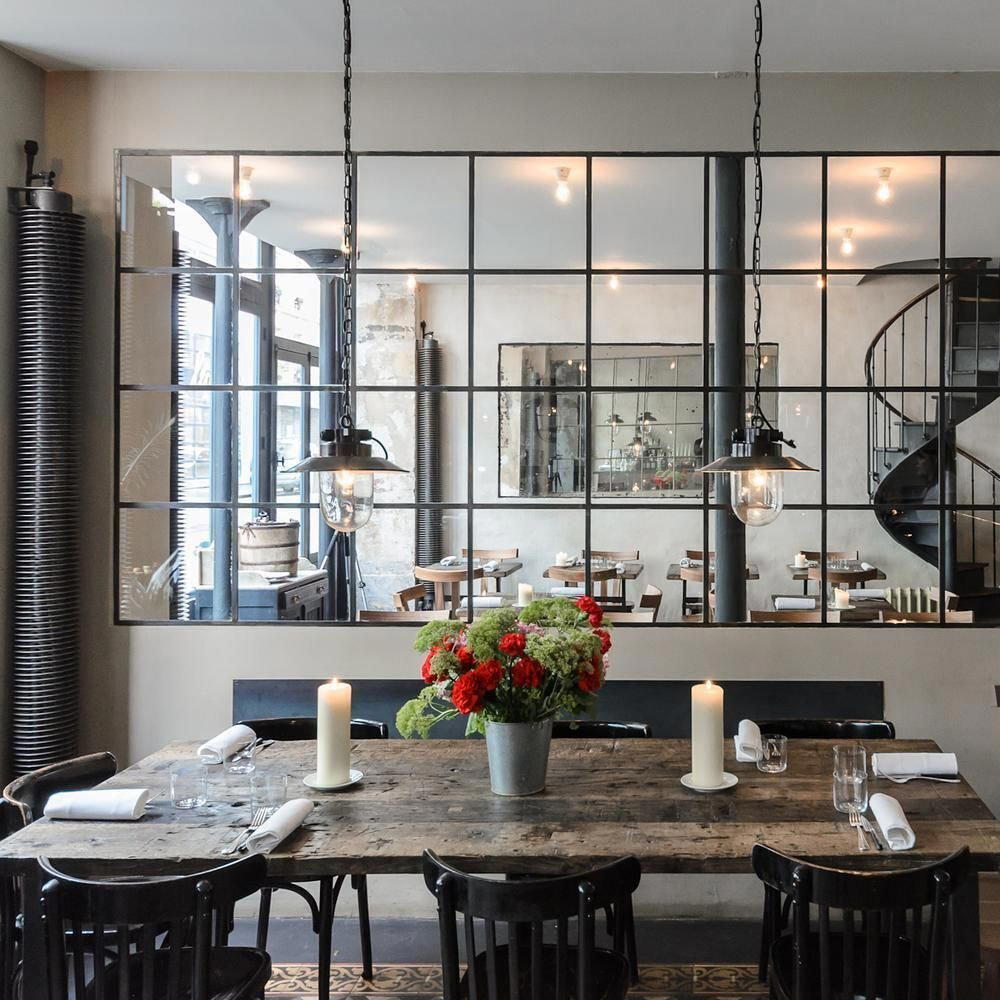
Mauvaises Graines occupies a quiet stretch of the 13th arrondissement at 30 Rue de Domrémy, operating in a register that separates it from the grand-salle formality of Paris's Michelin circuit. The room itself does the editorial work: a considered interior that signals intent before the first plate arrives. For Paris dining that trades spectacle for substance, this address rewards attention.

Pearl is the En Primeur Club membership app, where members save venues, book tables and use the concierge.

The menu
What to order
- Tarte tomate burrata
- Burger façon corse
The 13th and What It Says About Paris Dining Now
Paris's dining geography has shifted measurably over the past decade. The 1st, 6th, and 8th arrondissements still concentrate the city's most decorated tables: Alléno Paris au Pavillon Ledoyen, Le Cinq at the Four Seasons George V, and L'Ambroisie on the Place des Vosges anchor a tier defined as much by postcode as by kitchen output. But the 13th arrondissement has quietly developed a different kind of credibility: lower rents, fewer tourists, and a dining room culture that tends to attract a local professional crowd rather than a visiting one. Mauvaises Graines, at 30 Rue de Domrémy, sits inside that shift.
The name itself, literally "bad seeds" in French, a colloquial term for troublemakers or misfits, signals something about positioning. It is a deliberate lean away from the reverence that defines the Michelin-starred circuit, a posture that places it in conversation with a broader movement of serious Paris restaurants that have chosen neighbourhood roots over grand-boulevard visibility. That movement has precedent across France: Auberge du Vieux Puits in Fontjoncouse and Bras in Laguiole both built reputations at a remove from obvious luxury corridors. In Paris, the 13th is that remove.
What the Room Communicates
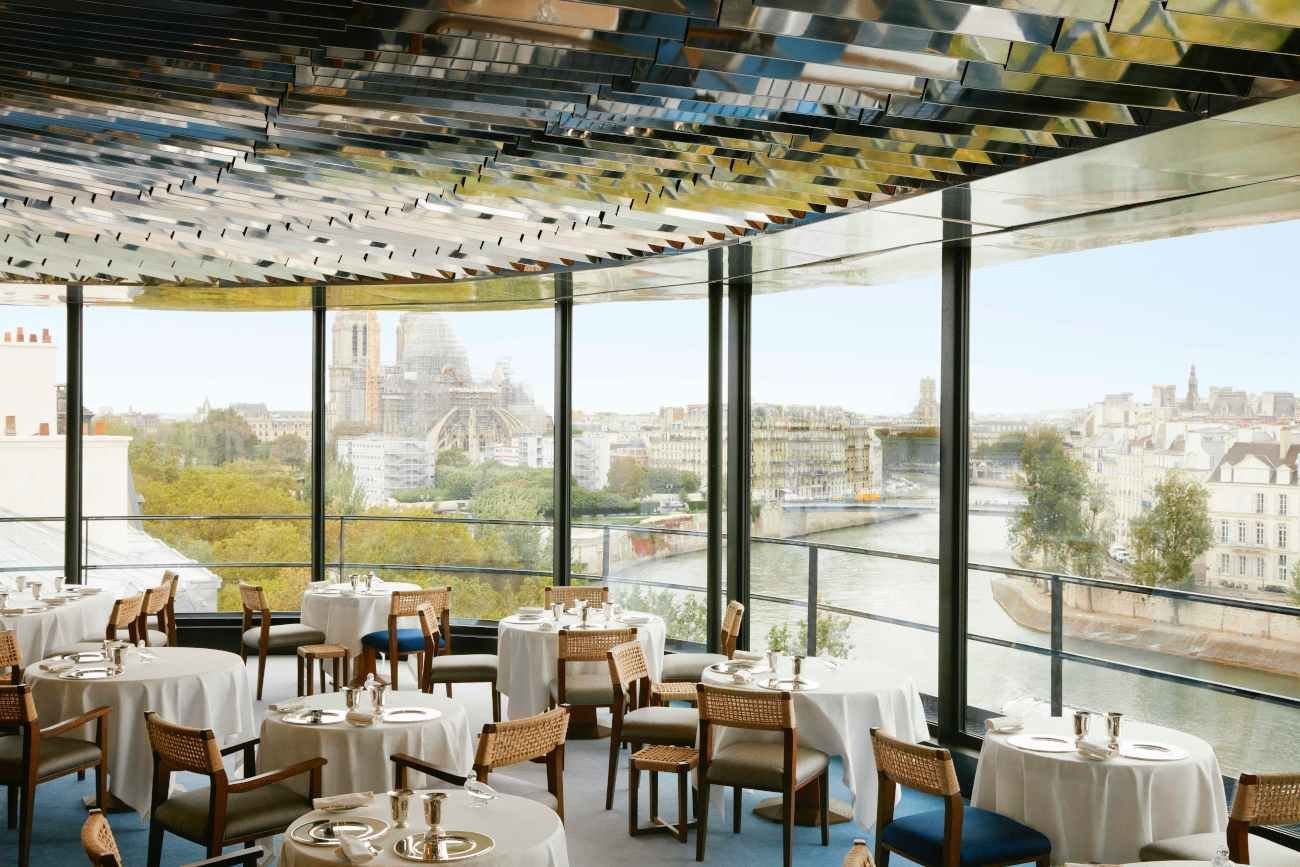
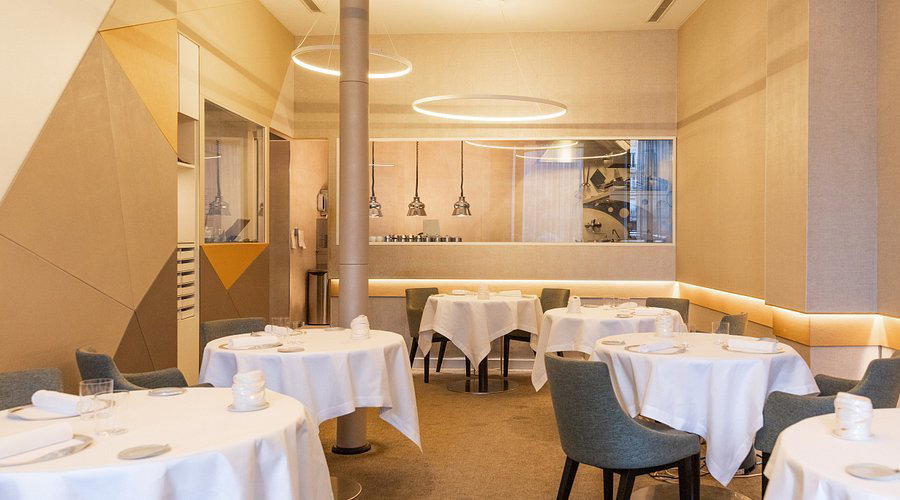
Interior design in Paris restaurants increasingly functions as a positioning statement. The formal white-tablecloth tradition, still operating at Arpège and Kei, signals a particular kind of seriousness: hierarchical, ceremony-oriented, built around a front-of-house choreography that frames the kitchen as a distant authority. The counter-movement, which has been building since roughly 2015, favours stripped materials, exposed service, and a spatial logic that compresses the distance between cook and diner.
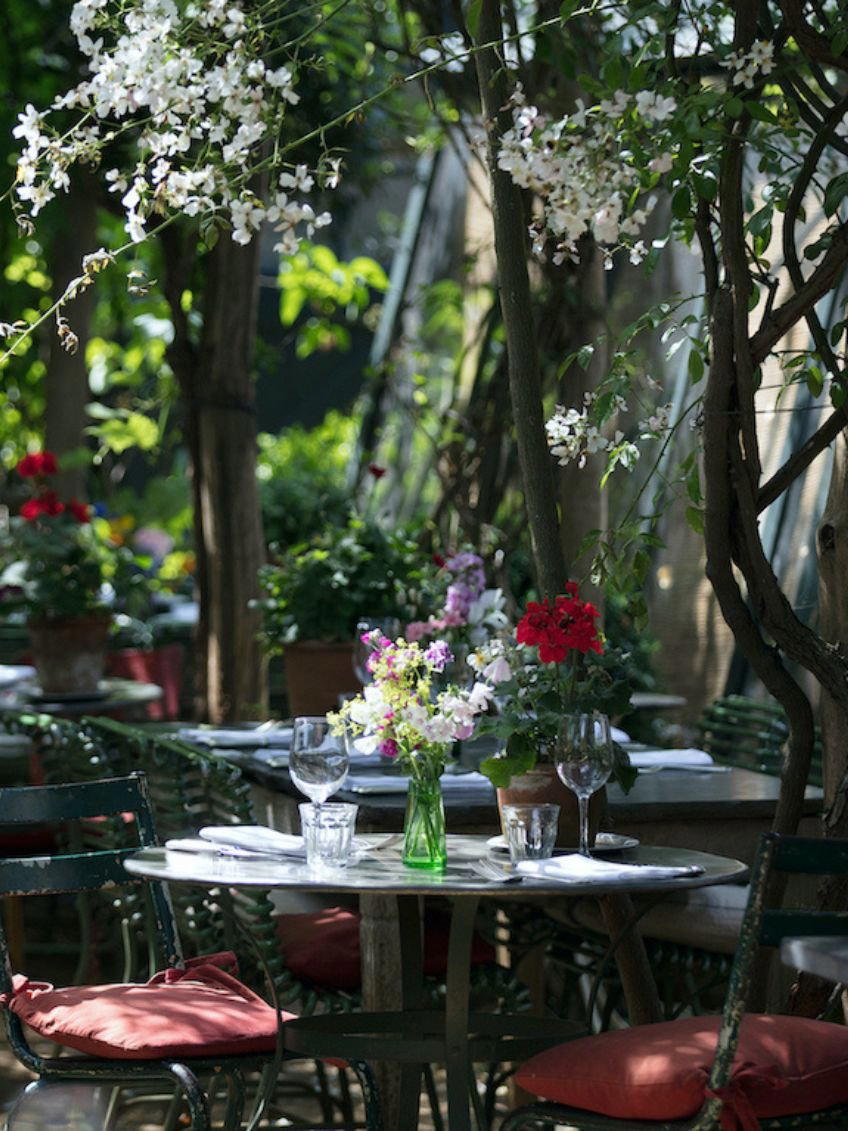
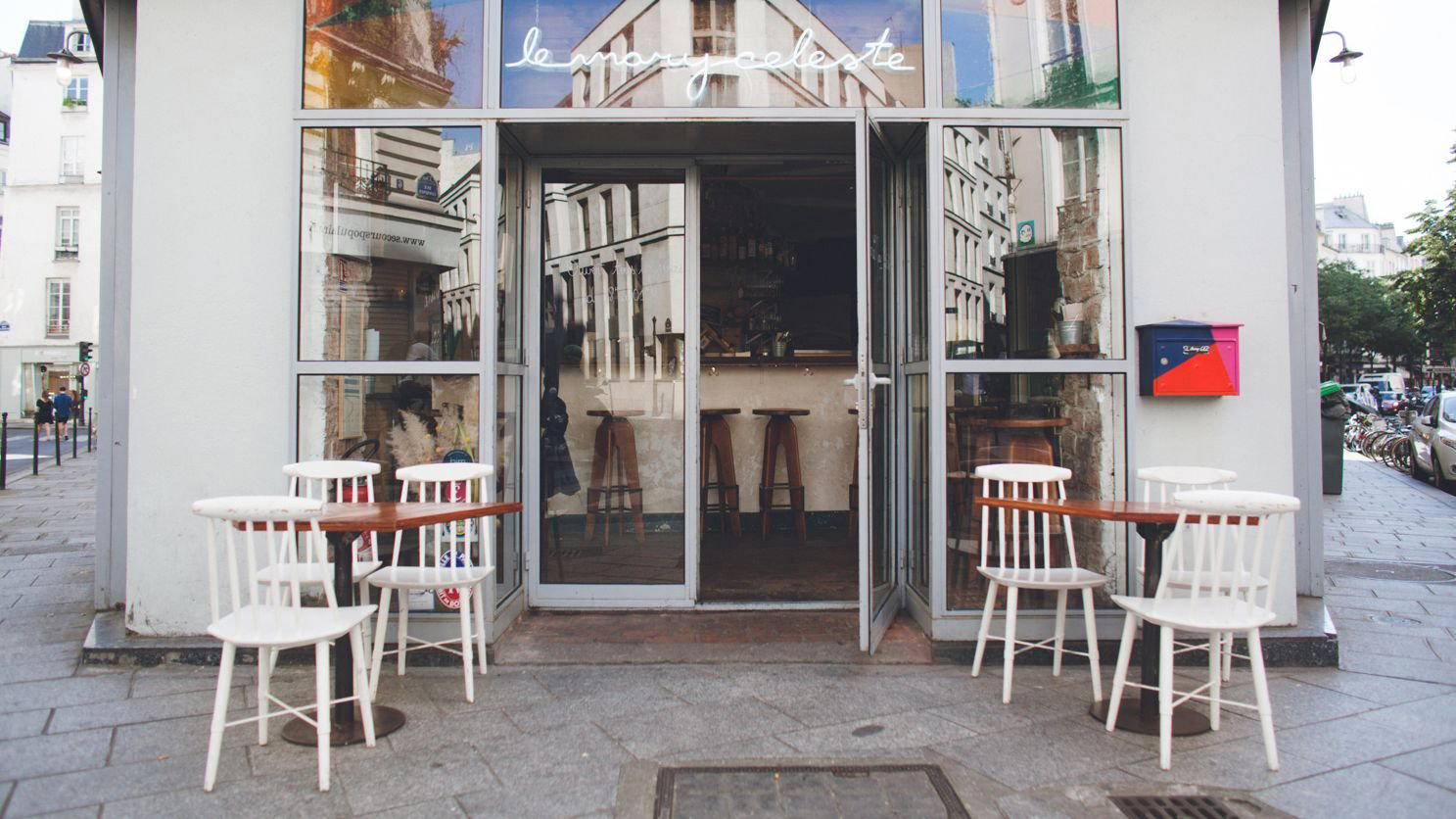
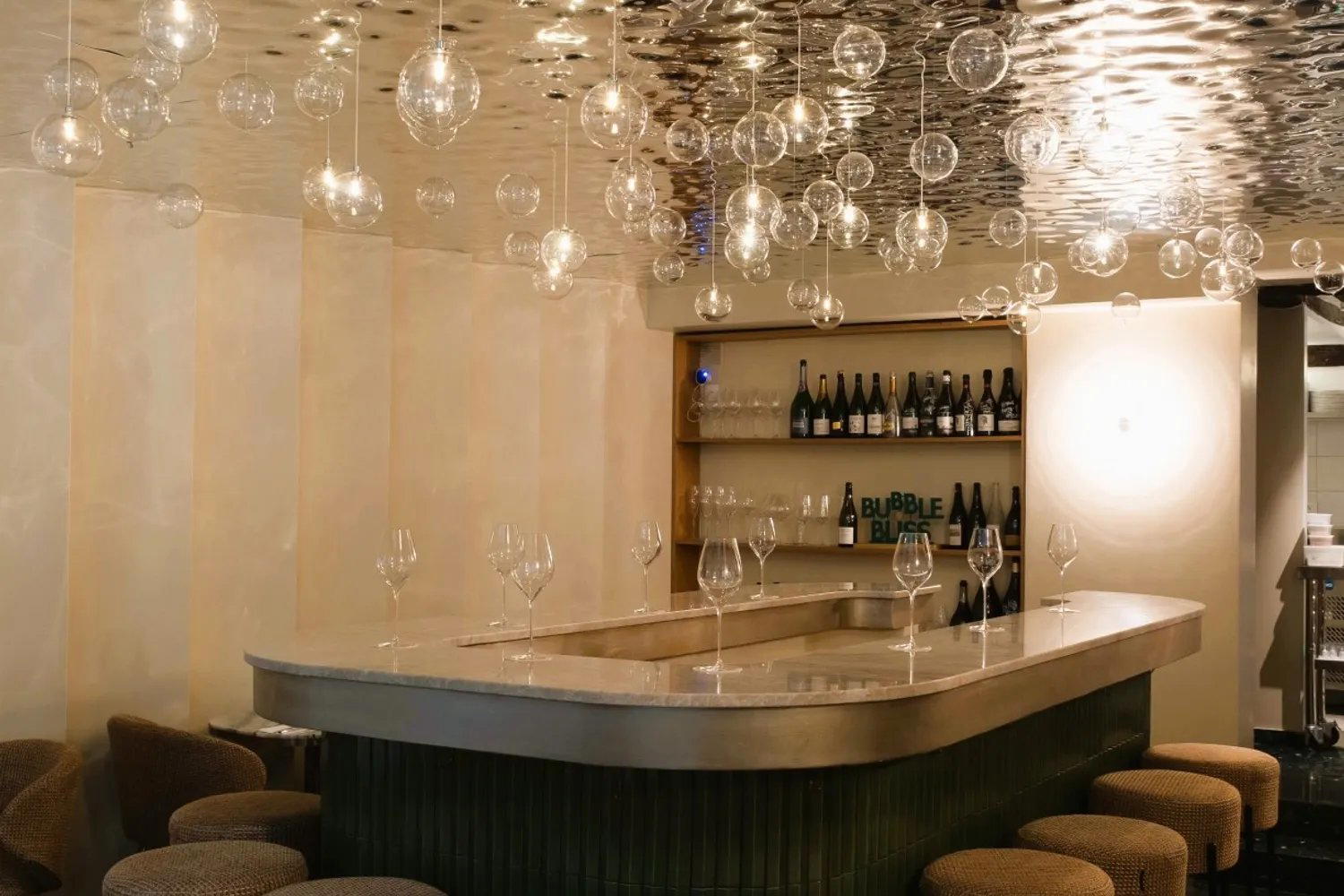
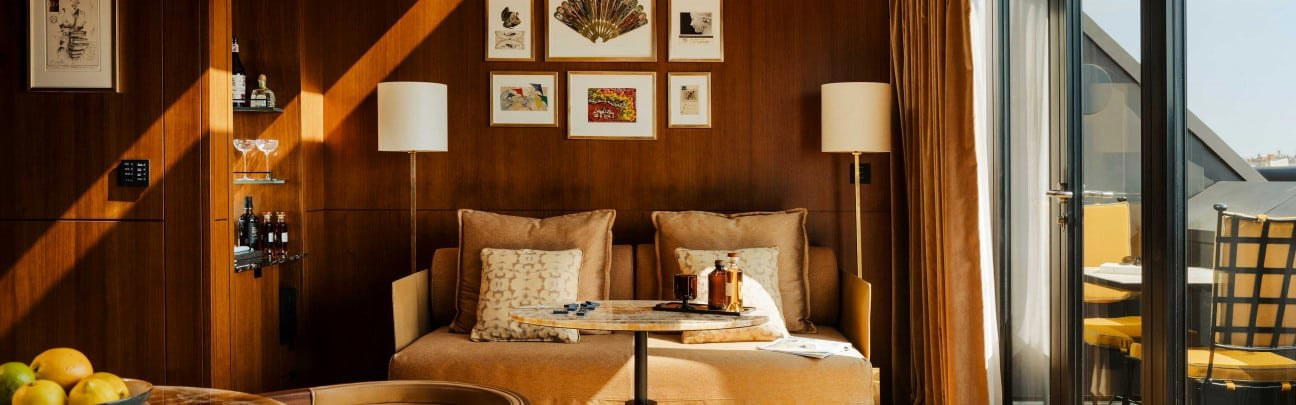
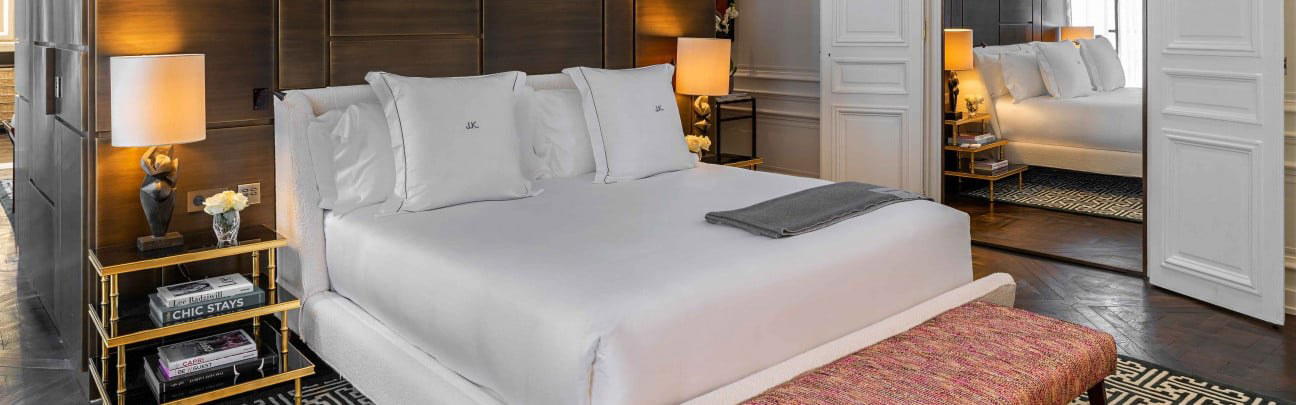
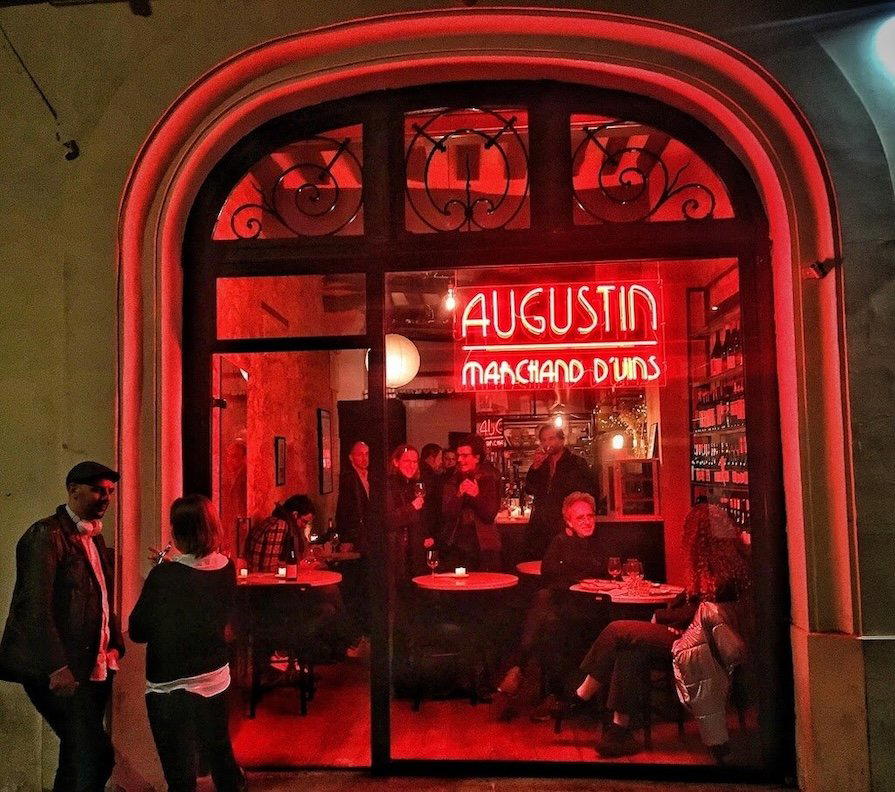
Mauvaises Graines reads as part of that second tendency. The address on Rue de Domrémy, a quiet residential street without significant foot traffic, already removes the performative exterior-facing element that characterises a large-boulevard placement. Inside, the physical container does what good restaurant design should: it establishes a register before the menu arrives. The room is not a backdrop, it is an argument about what kind of experience is on offer.
This matters editorially because the design choices in this tier of Paris dining are never arbitrary. They signal price expectations, service style, and the assumed familiarity of the clientele. A room that reads warm rather than imposing, intimate rather than theatrical, is communicating something specific about the transaction it expects to have with its guests. In the 13th, that transaction is typically less about occasion dining and more about frequency, the kind of room regulars return to on a Tuesday without ceremony.
Placing Mauvaises Graines in the Paris Field
The Paris restaurant field in 2024 operates across several distinct tiers. At the leading, multi-starred institutions like Alléno and Arpège set price and expectation benchmarks that have drifted significantly upward: tasting menus at three-starred Paris addresses now regularly exceed €300 per person before wine. Below that, a dense mid-tier operates in the €60-120 range, often described by French critics as bistronomy, the post-Robuchon generation of chef-owners who left grand kitchens to cook at lower margins and higher personal expression.
Mauvaises Graines occupies space in that mid-tier, defined by neighbourhood address and independent operation rather than group affiliation or starred validation. It does not compete directly with Le Cinq any more than a focused natural wine bar competes with a Champagne house.
For context on what institutional French cooking looks like at its most established, France's regional backbone, Paul Bocuse outside Lyon, Auberge de l'Ill in Alsace, Georges Blanc in Vonnas, and Michel Guérard at Eugénie-les-Bains, provides a useful counterpoint. Those addresses are built around destination gravity, heritage, and decades of consistent recognition. Mauvaises Graines is building something different: a neighbourhood argument about what Paris dining looks like when it stops performing for visitors.
Internationally, the comparison holds too. Mirazur in Menton and Flocons de Sel in Megève have both demonstrated that French fine dining can achieve global recognition from addresses that required deliberate travel. The 13th does not require that kind of travel, but it does require the decision to go there rather than defaulting to the Marais or Saint-Germain.
The 13th Arrondissement as Dining Context
The 13th has several distinct dining micro-zones. The Avenue de Choisy corridor and the stretch around Place d'Italie concentrate Paris's most serious Cantonese and Vietnamese cooking, a food culture that arrived with Southeast Asian immigration in the 1970s and has deepened rather than diluted over time. Rue de Domrémy sits slightly apart from that concentration, in a quieter residential section between the Bibliothèque François Mitterrand end of the arrondissement and the traditional village-quarter streets around the Butte-aux-Cailles.
That micro-location tells you something about the intended clientele. Butte-aux-Cailles has been a destination for independent bars and casual bistros for two decades; the BnF end of the 13th draws a younger, culturally active crowd from the university campus and media companies that relocated to that part of the Left Bank during the 2000s redevelopment. A restaurant on Rue de Domrémy draws from both pools without being obviously oriented toward either, which is itself a positioning choice.
Is a meal at Mauvaises Graines worth the investment?
Price data is not confirmed for Mauvaises Graines. In the context of Paris dining, where three-starred addresses now routinely price at €250-350 per person, an independent neighbourhood restaurant in the 13th operates at a structurally different price point, typically representing more value per euro than the grand-salle tier, particularly for diners who are not specifically seeking ceremony. The relevant question is whether the cooking matches the room's intent. For a comparative sense of what serious French cooking at different investment levels looks like across France, Troisgros in Ouches and La Table du Castellet both represent different points on the price-to-ambition spectrum.
What makes Mauvaises Graines a notable address in the 13th arrondissement?
In a Paris arrondissement better known internationally for its Southeast Asian food culture than for destination French cooking, Mauvaises Graines represents the kind of independent restaurant that defines neighbourhood dining credibility, an address that local diners return to because the room and cooking have established a consistent identity, not because a guidebook directed them there. The 13th has relatively few restaurants generating this kind of word-of-mouth gravity in the French bistronomy register, which places Mauvaises Graines in a smaller field than the competition it would face in Saint-Germain or the Marais. For readers planning a broader Paris dining itinerary that moves beyond the obvious postcodes, the full Paris restaurants guide maps the city's dining across all tiers and neighbourhoods. International comparisons for this style of commitment-over-spectacle cooking include Lazy Bear in San Francisco and Le Bernardin in New York, both of which have built sustained reputations through consistency rather than visibility.
Frequently asked questions
How do I find Mauvaises Graines?
Mauvaises Graines is located at 30 Rue de Domrémy, 75013 Paris, France, Paris.
Why is Mauvaises Graines located in the 13th arrondissement rather than a more central Paris district?
The 13th has attracted a steady wave of independent operators over the past decade, drawn by lower rents and a resident dining base less reliant on tourism than the 6th or 8th arrondissements. Mauvaises Graines at 30 Rue de Domrémy sits in a part of Paris where a restaurant's reputation is built through neighbourhood repeat visits rather than guidebook placement. That geography shapes the cooking register and the room atmosphere at addresses in this tier.
What do regulars order at Mauvaises Graines?
Independent restaurants at this address tier in the 13th arrondissement typically run short, market-driven menus that rotate with supply rather than season. check the venue's official channels or check recent visitor reviews for current dish guidance.
How hard is it to get a table at Mauvaises Graines?
Booking pressure at independent Paris addresses like Mauvaises Graines on Rue de Domrémy correlates closely with press attention and room size rather than award status.
What's Mauvaises Graines best at?
Mauvaises Graines occupies a register common to the stronger independent addresses in the 13th: considered cooking without the overhead costs or formality of starred Paris institutions. In an arrondissement more internationally associated with its Avenue de Choisy Southeast Asian corridor, a French independent at this postcode tends to draw a local repeat clientele rather than tourist foot traffic.
Is Mauvaises Graines good for vegetarians?
Given that information, contact the restaurant at 30 Rue de Domrémy, 75013 Paris before booking if vegetarian or dietary requirements are a deciding factor.
Is a meal at Mauvaises Graines worth the investment?
Price data is not confirmed for Mauvaises Graines. For context, Paris dining in 2024 spans from €15 lunch plates at 13th arrondissement neighbourhood spots to €300-plus per head at multi-starred addresses elsewhere in the city. An independent on Rue de Domrémy sits well below the upper tier on cost, making the value calculation straightforward if the cooking meets expectations.
Comparable Spots, Quickly
| Venue | Cuisine | Price | Awards | Notes |
|---|---|---|---|---|
| Mauvaises GrainesThis venue (the venue you are viewing) | Modern French with Corsican influences | $20–30 | Not listed | Not listed |
| Alléno Paris au Pavillon Ledoyen | Modern French Fine Dining | $150–200 | 3 Michelin Stars · World's 50 Best #79 | Creative |
| Kei | Modern French with Japanese Influences | $300–500 | 3 Michelin Stars · World's 50 Best #93 | Contemporary French, Modern Cuisine |
| L'Ambroisie | Classic French Haute Cuisine | $300–500 | 2 Michelin Stars · World's 50 Best #23 | French, Classic Cuisine |
| Le Cinq - Four Seasons Hôtel George V | Modern French Fine Dining | $300–500 | 3 Michelin Stars · World's 50 Best #24 | French, Modern Cuisine |
| Pierre Gagnaire | Avant-Garde French Fine Dining | $200–300 | 3 Michelin Stars · World's 50 Best #17 | French, Creative |
Continue exploring
More in Paris
Restaurants in Paris
All restaurants in Paris →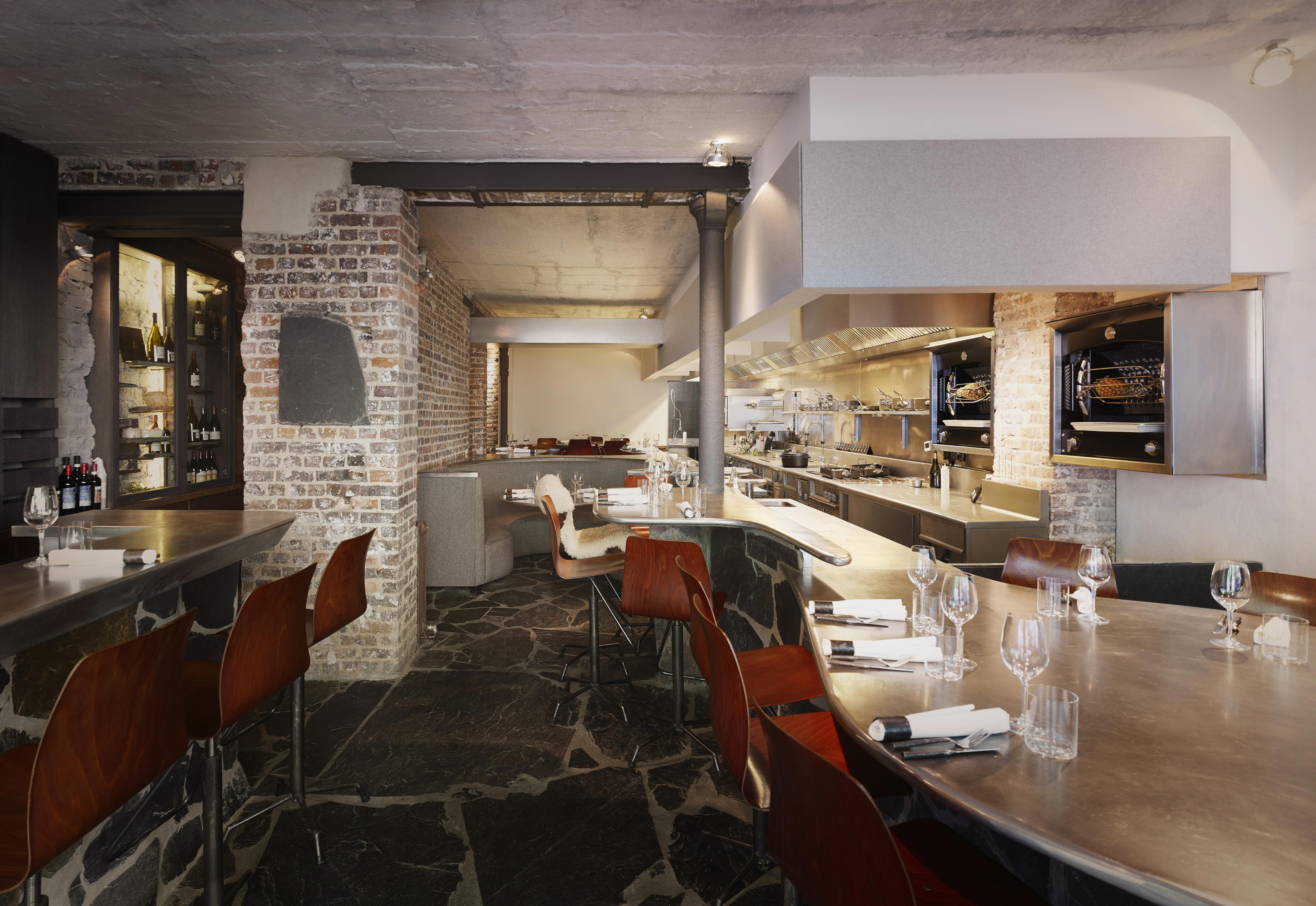
Bars in Paris
All bars in Paris →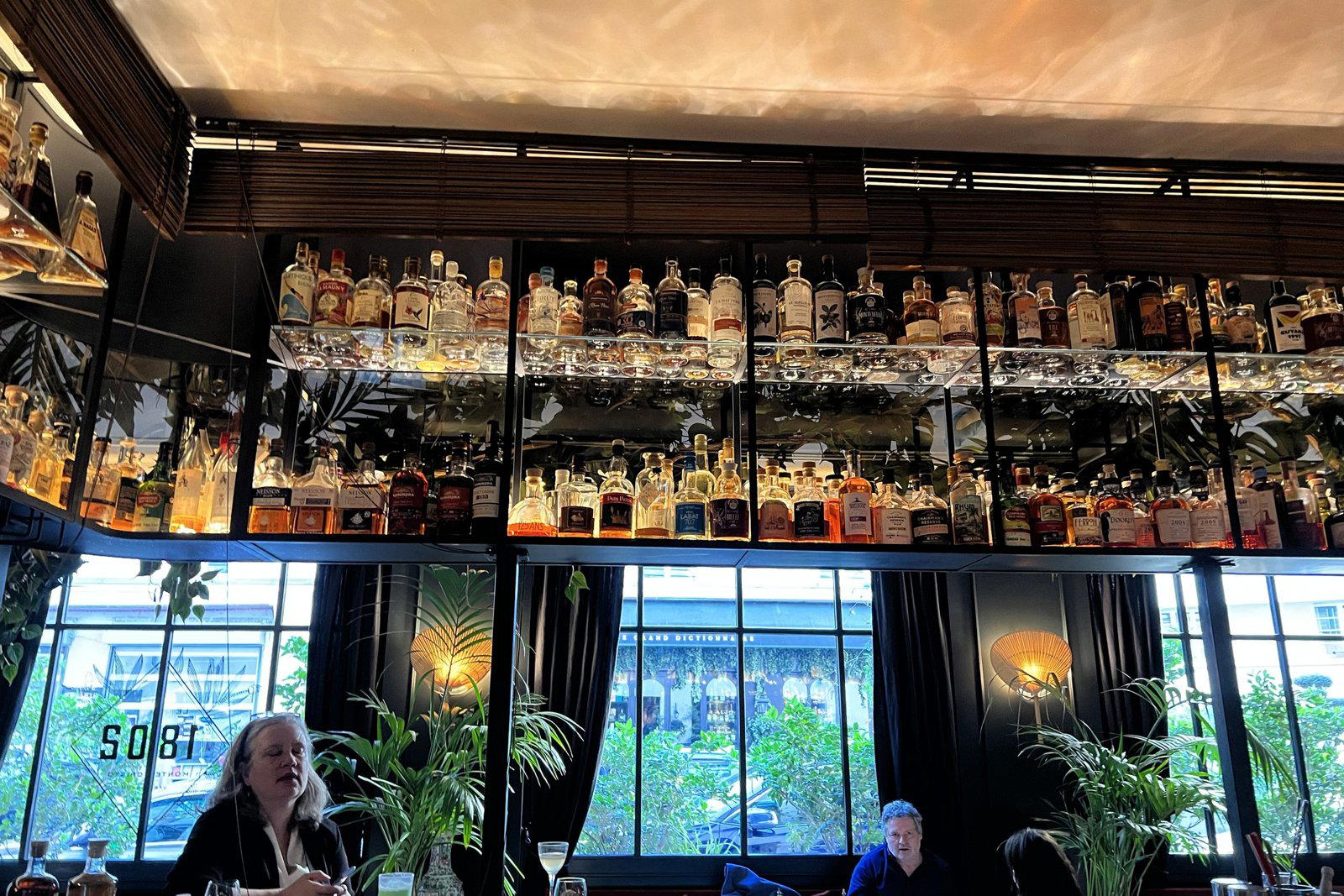

Details
- Cozy
- Trendy
- Lunch
- Dinner
- Terrace
- Natural Wine
- Organic
- A La Carte
- Wine
- Vegetarian Friendly
Beautiful atmosphere with spectacular decor and soigne decoration.