
Gambero Rosso 1 Forchetta
Our verdict
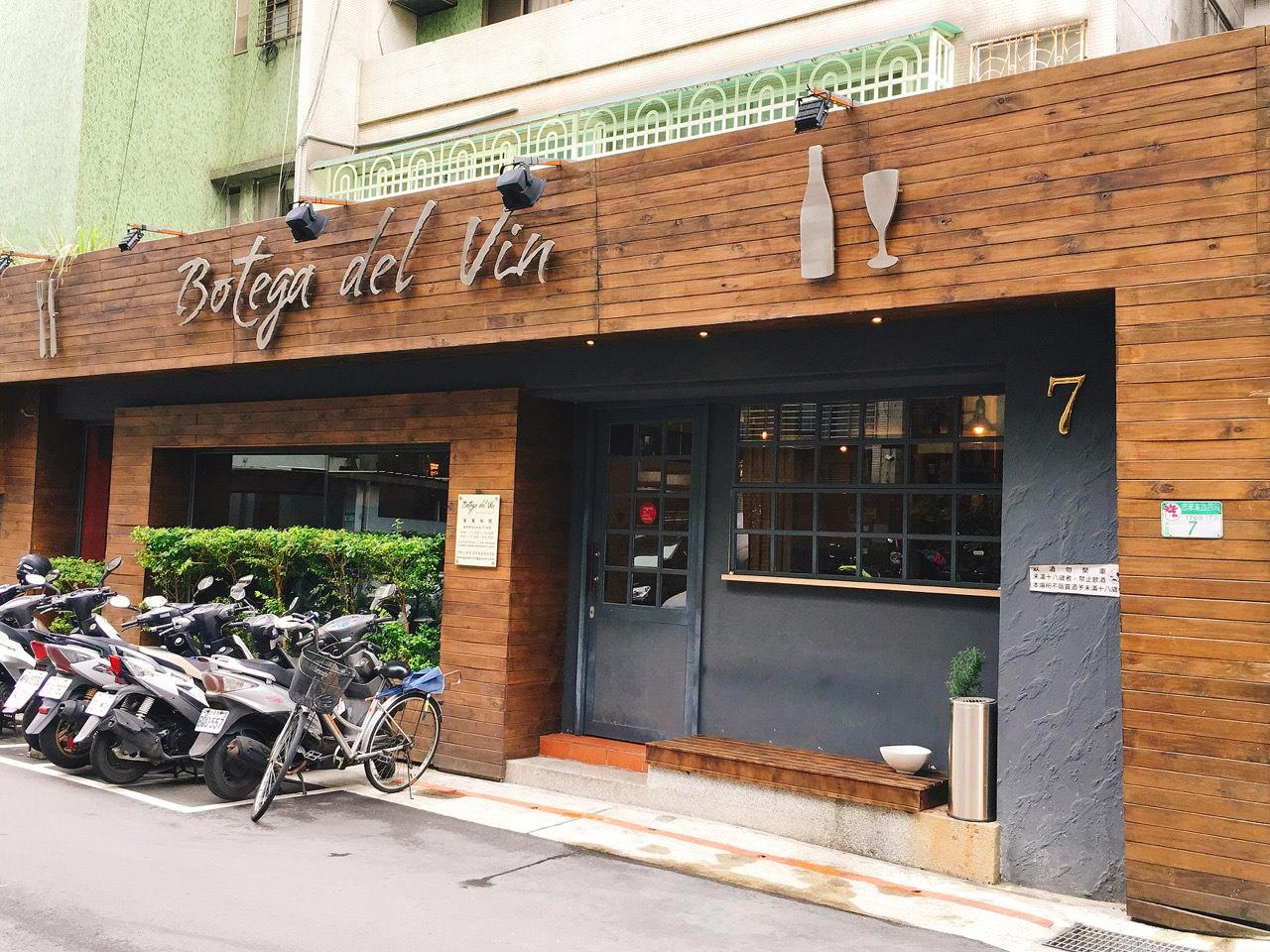
An Italian wine bar tucked into a laneway off Zhongxiao East Road's fourth section, Botega del Vin sits at an interesting intersection in Taipei's evolving bar and dining scene, where European wine-bar traditions meet a city increasingly serious about its drinking culture. The address, in Da'an District, places it within reach of Taipei's densest concentration of premium restaurants and independent bars.

Pearl is the En Primeur Club membership app, where members save venues, book tables and use the concierge.
The menu
What to order
- Homemade gnocchi
- Osso bucco
- Tiramisu
- Risotto
A Laneway Address in Da'an's Drinking Scene
Taipei's Da'an District has spent the better part of two decades accumulating some of the city's most interesting small-format eating and drinking spaces. The fourth section of Zhongxiao East Road anchors a corridor that runs from department-store dining toward quieter residential alleys where independent operators tend to outlast the trends that produced them. Botega del Vin occupies one of those alleys, Alley 17, off Lane 170, a setting that, in Taipei's architectural shorthand, signals deliberate neighbourhood insertion rather than high-street ambition. The physical approach, down a narrow residential lane, does much of the tonal work before you arrive.
That kind of address matters in a city where dining and drinking rooms have migrated steadily away from main roads and into side-street formats. The same drift has shaped how Logy and Taïrroir built their reputations, venues where the deliberate inconvenience of finding the entrance functions as a first filter on the guest list. Botega del Vin operates in the same neighbourhood logic, if at a different price tier and category.
The Italian Wine Bar Format in Taipei's Broader Context
The wine bar format, particularly the Italian-inflected osteria or enoteca model, has found genuine traction in East Asian cities over the past decade. In Tokyo it arrived early and stayed; in Hong Kong it competed with a Cantonese banquet culture that never fully ceded ground; in Taipei the format has evolved alongside a local drinking public that now reads wine lists with more confidence than it did even five years ago. The city's premium restaurant tier, which includes Le Palais and L'Atelier de Joël Robuchon at the formal end, and a wider set of European-inflected independents below that, has created demand for more casual wine-forward rooms where guests can drink well without committing to a full tasting format.
Botega del Vin fits that demand. The name itself, a deliberate variant spelling of the Italian bottega, meaning a workshop or artisan's shop, signals an informality that separates it from the more architecturally serious fine-dining operations nearby. In a city where Molino de Urdániz represents contemporary European at its most structured, a venue at the enoteca end of the spectrum fills a different function: it is where the industry eats and drinks after service, where the list matters more than the room, and where regulars return on weeknights without ceremony.
Evolution and Positioning Over Time
Wine bars in Taipei that have lasted have generally done so by adapting, expanding their food programs as the city's cooking talent deepened, narrowing their wine lists as import access improved, or repositioning themselves as the competition around them changed. A venue on a Da'an laneway, operating without the floor area or capital of a hotel-backed operation, survives through repeat business and a guest base that treats it as a local rather than a destination. That is both a constraint and a competitive advantage. The venues that have tried to compete directly with the formal dining rooms on prestige or theatrics have generally fared worse than those that held their category clearly.
Taiwan's broader dining scene has matured in a direction that supports this kind of operation. The emergence of Michelin coverage in Taipei from 2018 onward shifted attention toward the formal tier, venues like those recognising Taiwan's indigenous cooking traditions at Akame in Wutai Township or the refined regional cooking at Amei in Tainan, but it also clarified the space that informal European-style rooms occupy: somewhere between the high-ceremony and the street, where the guest relationship is built on wine knowledge and hospitality rather than tasting-menu architecture. Outside Taipei, you see a similar pattern at JL Studio in Taichung and GEN in Kaohsiung, where operators have carved distinct niches rather than competing against the capital's formal tier.
The Practical Case for Booking Ahead
Small-format wine rooms in Taipei's alleys do not absorb walk-in volume the way ground-floor street restaurants can. The lane address and the room's likely seat count, typical for the format in Da'an, mean that popular evenings fill through regulars and reservation holders before casual passers-by enter the equation. If you are visiting Taipei with a specific evening in mind, particularly on a weekend or during a period when the city is busy with events, contacting the venue directly before arrival is the sensible approach. The address at No. 7, Alley 17, Lane 170, Section 4, Zhongxiao East Road, Da'an District is navigable by taxi or the Zhongxiao Dunhua MRT station, which sits within the surrounding block cluster. Walking time from the station is short. For broader planning across the city, the EP Club Taipei guide covers the full range of the city's dining and drinking options by neighbourhood and tier.
For reference points outside Taiwan, the wine-bar model that Botega del Vin approximates sits closer to the informal end of the European spectrum, more Lazy Bear's neighbourhood-rooted ethos than Le Bernardin's institutional seriousness. Within Taiwan, venues like Chi Yuan in New Taipei, Bebu in Hsinchu County, and Shen Yen in Yilan illustrate how independent operators across the island have built sustainable models outside the capital's formal tier, each working a distinct regional angle. Abura Yakiniku in Taichung City and Dongmen Rice Noodle Soup in Hsinchu City show how specialist formats with a clear identity tend to outlast generalist competitors in Taiwan's mid-tier market. Volando Urai Spring Spa and Resort in Wulai District operates at a different register entirely, resort-integrated dining, but underlines how varied Taiwan's hospitality offer has become beyond the Taipei city core.
Frequently asked questions
Where do I go for Botega del Vin?
Botega del Vin is located at No. 7號, Alley 17, Lane 170, Section 4, Zhongxiao E Rd, Da’an District, Taipei City, Taiwan 106, Taipei.
Is Botega del Vin a good option for Italian wine in Taipei's Da'an District?
The Italian enoteca and osteria model has found a specific audience in Taipei over the past decade, and Botega del Vin's Da'an address places it within the district's established small-format drinking scene. The laneway location on Alley 17, Lane 170, Zhongxiao East Road Section 4, signals the kind of deliberate, room-first format the format requires. For those seeking Italian wine in a contained, neighbourhood-scale setting rather than a hotel bar, it fits that brief directly.
What do regulars order at Botega del Vin?
Botega del Vin operates within the Italian enoteca tradition, where the wine list drives the order of the evening rather than the food menu. In that format, regulars typically anchor around a bottle chosen for the occasion and work the kitchen's offerings around it. The lane address in Da'an's alley network draws a crowd that knows the room, so expect the ordering rhythm to follow the staff's lead.
Should I book Botega del Vin in advance?
Yes. The venue sits on Alley 17, Lane 170 off Zhongxiao East Road Section 4 in Da'an, a laneway address that limits walk-in capacity by design. Small-format wine rooms in Taipei's alleys do not absorb unplanned guests the way street-level restaurants can. Booking ahead is the reliable approach, particularly for evenings and weekends.
Reputation Context
Comparable venues nearby, for context on price, style, and recognition.
| Venue | Cuisine | Price | Awards | Notes |
|---|---|---|---|---|
| Botega del VinThis venue (the venue you are viewing) | Authentic Northern Italian Trattoria | $30–50 | Gambero Rosso 1 Forchetta | Not listed |
| Andrea Style | Italian Pizza Omakase | Not listed | 50 Top Pizza Asia-Pacific #27 | Zhongshan District |
| Domani 義式餐廳 | New Italy義式料理 | $30–50 | Not listed | 大安區 |
| Beef Father (牛爸爸牛肉麵) | Premium Taiwanese Beef Noodle Soup | $20–30 | Not listed | Neihu District |
| Buttermilk 摩登美式餐廳 | Modern American | $20–30 | Not listed | Zhongshan |
| TUGA Portuguese Restaurant | Authentic Portuguese | Not listed | Star Wine List | Checeng |
Recognition history
Dated appearances from independent guides and award organizations, with the underlying list record or original source where available.
Gambero Rosso 1 Forchetta
Gambero Rosso
Continue exploring
More in Taipei
Restaurants in Taipei
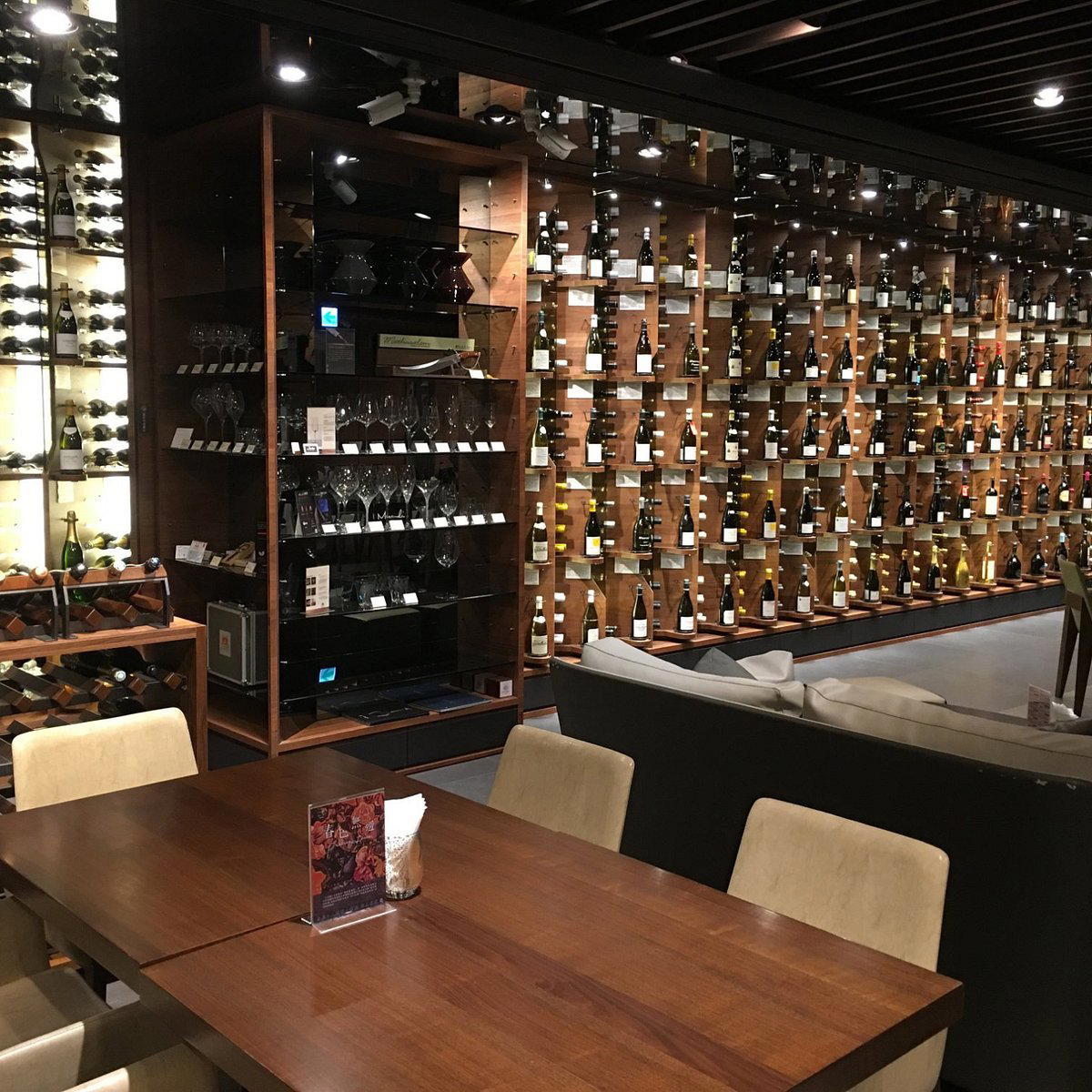
All restaurants in Taipei →
Bars in Taipei
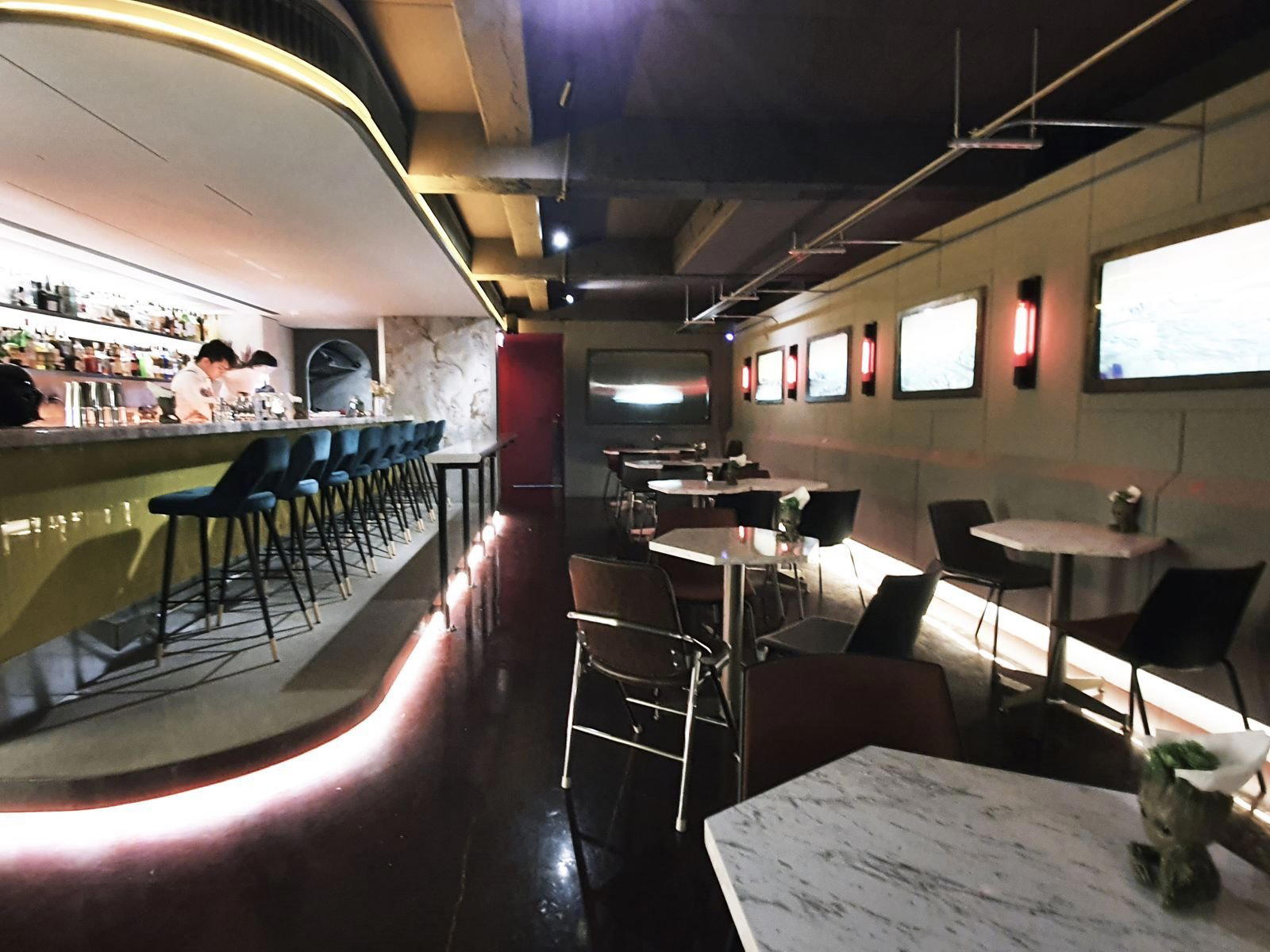
All bars in Taipei →
Hotels in Taipei
All hotels in Taipei →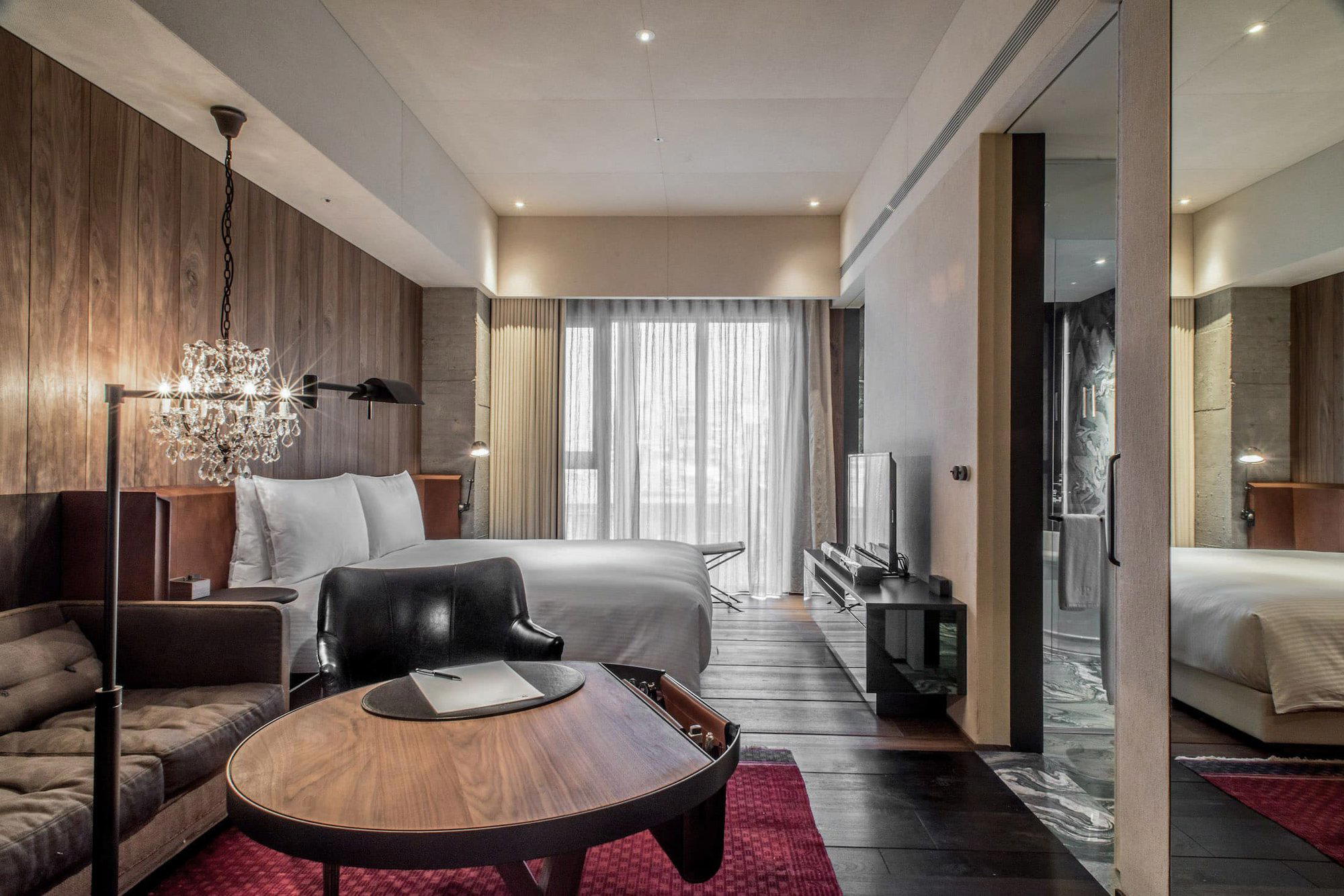
Wineries in Taipei
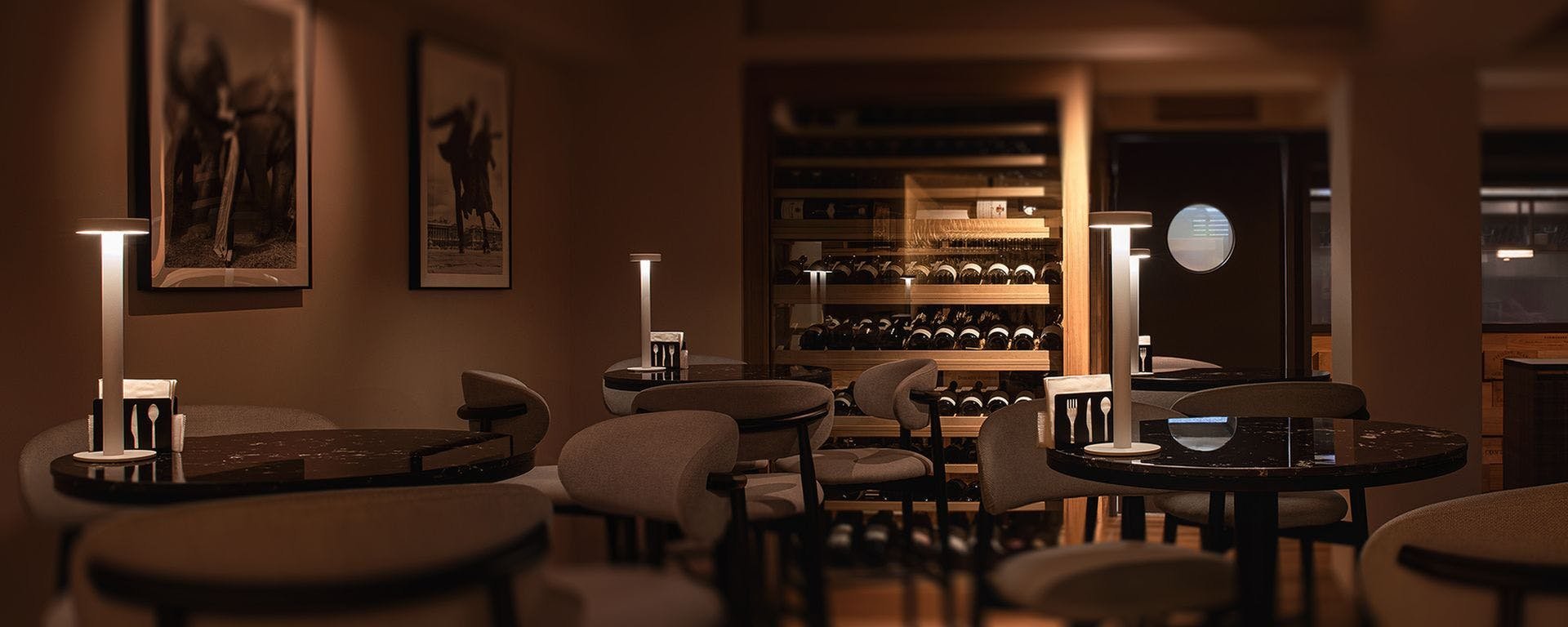
Browse all →
Details
- Cozy
- Classic
- Intimate
- Elegant
- Date Night
- Business Dinner
- Group Dining
- Family
- Wine Cellar
- Extensive Wine List
- A La Carte
- Vegetarian Friendly
Current opening hours
- Monday
- 11:30 AM–2 PM, 5:30–10 PM
- Tuesday
- 11:30 AM–2 PM, 5:30–10 PM
- Wednesday
- 11:30 AM–2 PM, 5:30–10 PM
- Thursday
- 11:30 AM–2 PM, 5:30–10 PM
- Friday
- 11:30 AM–2 PM, 5:30–10 PM
- Saturday
- 11:30 AM–2 PM, 5:30–10 PM
- Sunday
- 11:30 AM–2 PM, 5:30–10 PM
Hours can change for holidays and private events. Hours as of .
Warm, bustling, and romantic atmosphere reminiscent of a northern Italian osteria with friendly attentive service.