Bote Veit occupies a quiet address at Borneplatz 3 in Rheine, a mid-sized Westphalian town that sits well outside Germany's established fine-dining corridors. The venue draws attention in a city where serious restaurant options are limited, making it a reference point for the local dining scene. For visitors passing through the Münsterland region, it warrants consideration alongside the broader context of northwestern German hospitality.
Pearl is the En Primeur Club membership app — saves, bookings, and concierge access live there. Same editors, same standards.
- Address
- Borneplatz 3, 48431 Rheine, Germany
- Phone
- +4959719815344
- Website
- boteveit.de
- Directions
- Get directions
 Saves & bookings on Pearl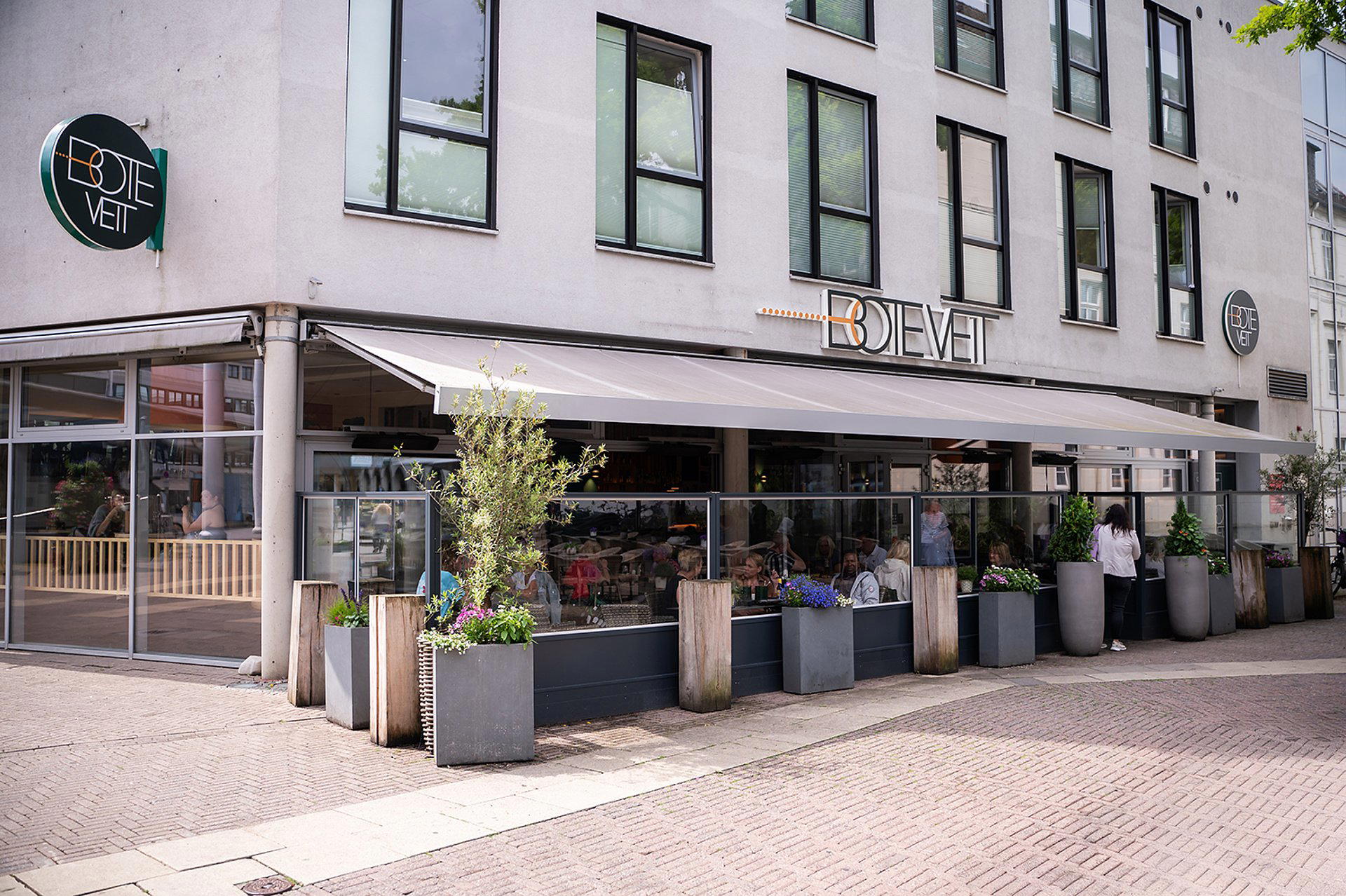
Rheine at the Table: What Dining in This Corner of Westphalia Actually Looks Like
Westphalia's dining culture has always operated at a remove from the glossy restaurant circuits anchored in Hamburg, Munich, or Berlin. Towns like Rheine, sitting along the Ems River in the northwest of North Rhine-Westphalia, developed a hospitality tradition rooted in practicality and regional loyalty rather than in culinary prestige-seeking. Restaurants here are embedded in civic life in a way that Germany's major cities have largely lost: regulars occupy the same tables across decades, menus respond to what is growing or being raised within reach, and the room's social function matters as much as what arrives on the plate. Bote Veit is a Traditional German Bistro at Borneplatz 3 in Rheine, Germany.
Borneplatz itself is a telling location. Central squares in mid-sized German towns of this scale function as social anchors, drawing in a cross-section of the population that a restaurant in an isolated neighbourhood rarely achieves. A venue positioned there makes a particular bet: that breadth of audience and civic visibility matter, and that the experience on offer is legible to a broad range of diners rather than pitched exclusively at a specialist crowd. This is a different calculus from the one made by, say, JAN in Munich or CODA Dessert Dining in Berlin, where the address itself signals exclusivity and the format demands culinary fluency from the guest.
The Sourcing Logic of a Regional Kitchen
In smaller German cities, the restaurants that endure tend to do so because they have built genuine sourcing relationships with the surrounding agricultural region rather than importing prestige ingredients from further afield. The Münsterland is one of Germany's more productive agricultural zones: dairy farming, pork production, and grain cultivation are all concentrated in the flat terrain around Rheine, and a kitchen that draws on those inputs directly operates with a freshness and cost structure that a metropolitan venue importing the same products cannot easily match.
This sourcing logic matters because it shapes not just what ends up on the plate but how a kitchen approaches consistency. When the supply chain is short, seasonal variation is real and visible: what is available in October differs meaningfully from what is available in April, and a kitchen that tracks those shifts closely produces food that reads differently across the calendar year. Germany's most celebrated regional kitchens, from Waldhotel Sonnora in Dreis to Schanz in Piesport, have built reputations partly on this kind of regional fidelity, even when operating at a much higher price point than a Westphalian town-centre restaurant. The principle translates across price tiers: sourcing specificity is a discipline, not a luxury.
For context on how this compares within the broader northwestern German dining picture, our full Rheine restaurants guide places Bote Veit alongside other options in the city and maps them against what the region's dining culture currently offers.
Where Bote Veit Sits in Rheine's Competitive Set
Rheine is not a city with a deep bench of serious dining options, which means that the relevant comparisons shift away from immediate neighbours and toward the wider regional frame. Within Rheine itself, Beesten (Classic Cuisine) represents a different point on the local spectrum, anchored in the classic German-European tradition. Together, these two venues define something close to the upper range of what the city currently offers at the table.
At the national level, the gap between what a town like Rheine can support and what Germany's destination restaurants provide is significant. Venues such as Aqua in Wolfsburg, Vendôme in Bergisch Gladbach, or Victor's Fine Dining by Christian Bau in Perl operate with Michelin recognition, tasting menus priced in the triple figures, and the kind of international draw that puts them in conversation with rooms like Le Bernardin in New York City or Lazy Bear in San Francisco. That is a different category entirely. The restaurant is better understood within its actual competitive frame: a regional restaurant serving a community that values reliability and local character over culinary spectacle.
Germany's smaller-city dining scene has not attracted the critical apparatus that would generate fine-grained comparisons between venues in cities like Rheine, and that absence itself is informative. The lack of Michelin coverage, the absence of named-publication reviews, and the thin digital footprint of venues in this tier are all features of the mid-sized German city dining ecosystem rather than signals about individual quality. The same pattern applies across comparable towns in Westphalia, Lower Saxony, and the Rhineland.
Planning a Visit: What to Know Before You Go
Rheine is accessible by rail from Münster in under an hour, placing it within direct day-trip range for travellers based in that city. The Borneplatz address puts the restaurant within walking distance of the town centre and the main train station, so arrival logistics are simple. The restaurant is recommended for reservations and keeps daily hours from 9 AM to midnight. Visitors with a specific interest in the broader western Germany dining circuit might use Rheine as a stop between Münster and Osnabrück, both of which have more documented restaurant options. For reference, the regional picture extends south toward destinations like GästeHaus Klaus Erfort in Saarbrücken, Bagatelle in Trier, and L.A. Jordan in Deidesheim, all of which have more published information and clearer booking paths for visitors planning ahead. Closer to Rheine, the southern Germany circuit anchored by Schwarzwaldstube in Baiersbronn, ES:SENZ in Grassau, and Ösch Noir in Donaueschingen represents the country's destination-dining tier, which operates on a different planning horizon entirely. Rheine and the restaurant occupy a quieter register, and that is precisely what makes the venue relevant for travellers interested in how Germany eats outside its restaurant-media spotlight. North Germany's dining circuit also includes Restaurant Haerlin in Hamburg for those building a longer itinerary through the region.
Comparison Snapshot
Comparable venues nearby, for context on price, style, and recognition.
| Venue | Cuisine | Price | Awards | Notes |
|---|---|---|---|---|
| Bote VeitThis venue — the venue you are viewing | Traditional German Bistro | $$ | Not listed | Not listed |
| Beesten | Classic French and German | $$$ | Michelin Plate | heart of Rheine |
| Restaurant Küferei | Traditional German | $$ | Not listed | Krefeld |
| Ham Ham bei Josef | Traditional German Schweinshaxe | $$ | Not listed | Altstadt |
| Rotkehlchen Speise-& Cocktailbistro | Modern German Bistro with Cocktails | $$$ | Not listed | Innenstadt |
| der gockel | German Gastropub - Grilled Chicken & Kölsch | $$ | Not listed | Altstadt/Süd |
At a Glance
- Classic
- Cozy
- Casual Hangout
- Family
Current opening hours
- Monday
- 9 AM–12 AM
- Tuesday
- 9 AM–12 AM
- Wednesday
- 9 AM–12 AM
- Thursday
- 9 AM–12 AM
- Friday
- 9 AM–12 AM
- Saturday
- 9 AM–12 AM
- Sunday
- 9 AM–12 AM
Hours can change for holidays and private events. Last verified .
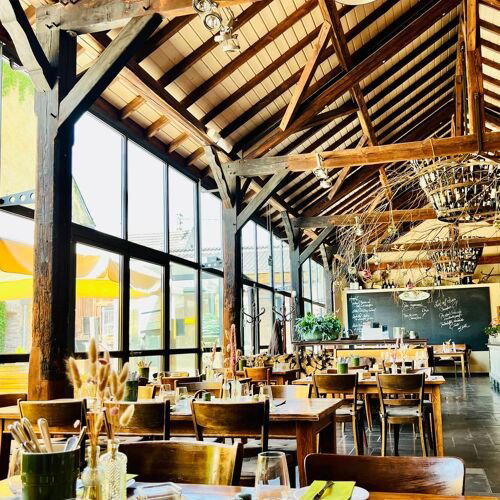
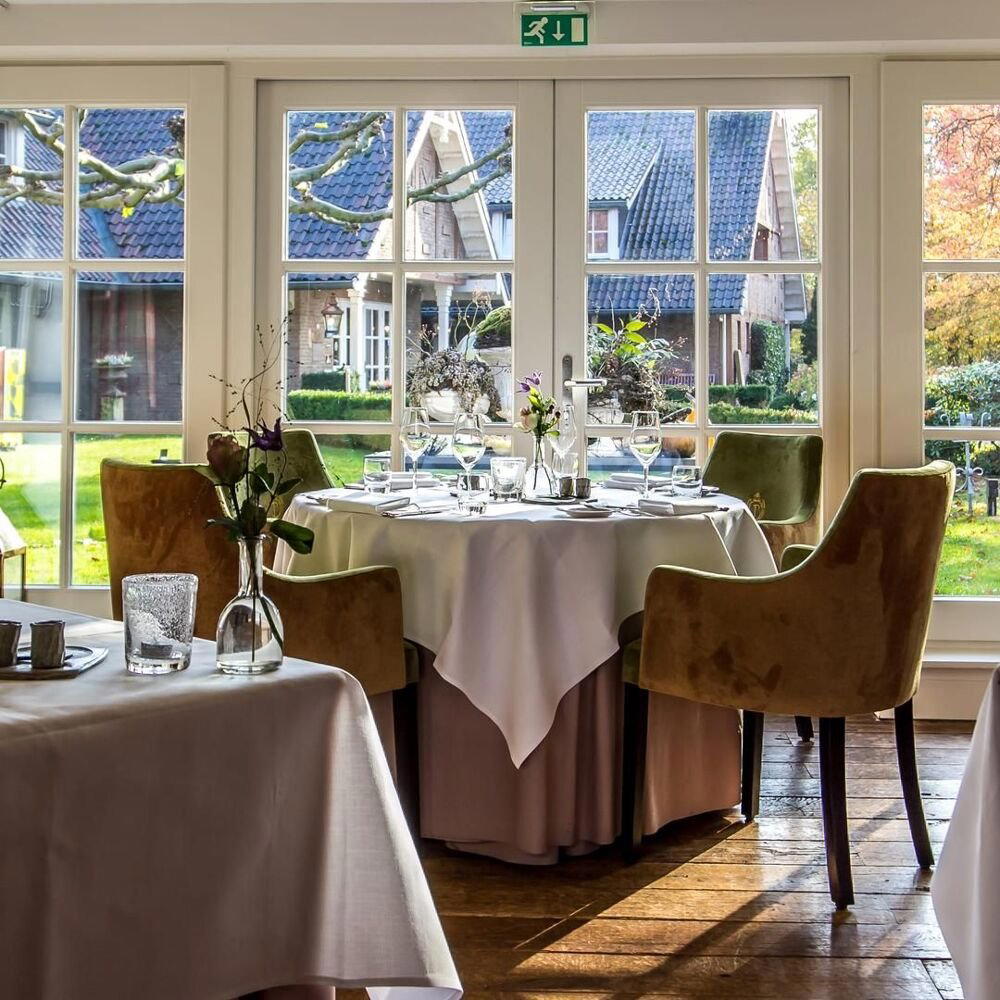
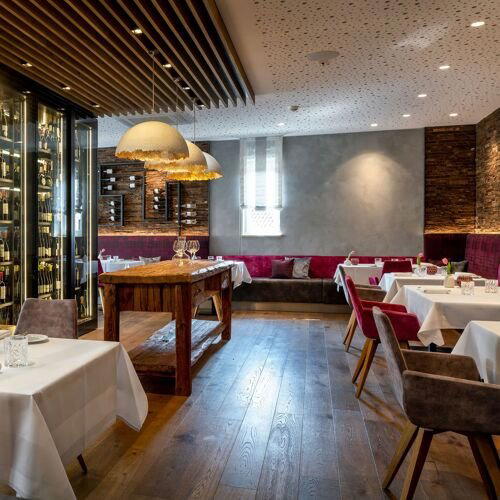
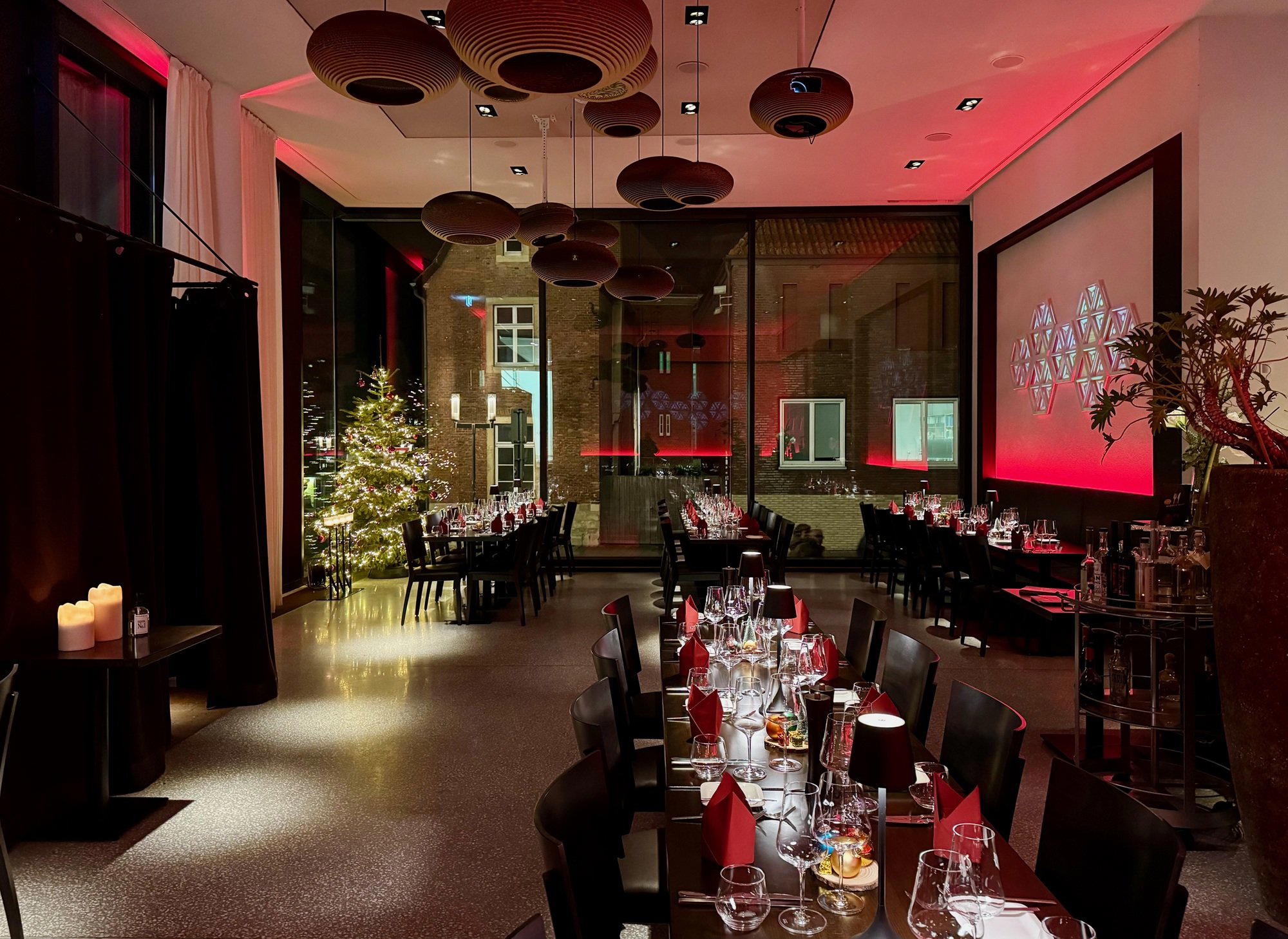
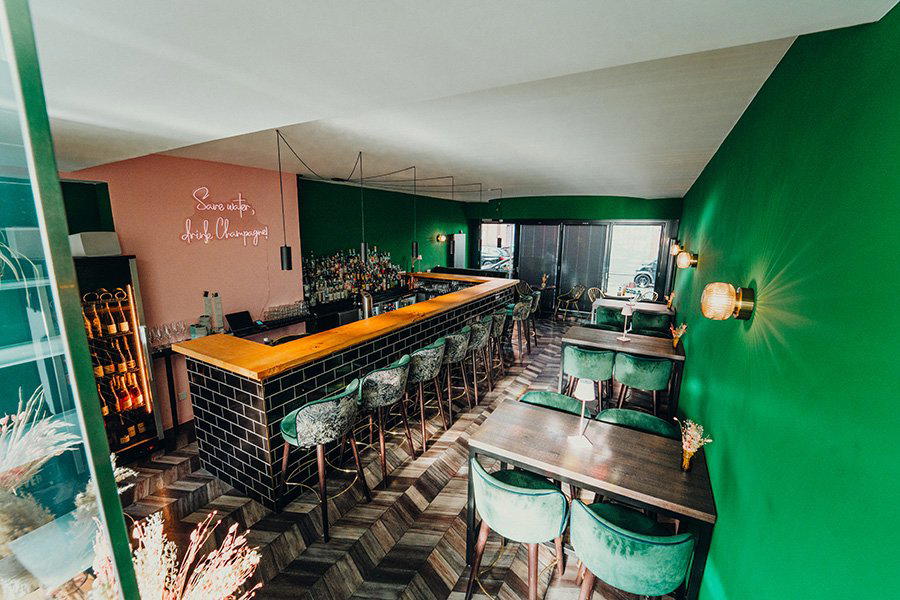
Carefree and traditional atmosphere with well-tried classics.