Positioned among Toronto's upper-tier hotel dining rooms at 188 University Avenue, bosk operates within the formal register that defines Financial District fine dining in Canada. Where peers like Alo compete on tasting-menu prestige, bosk's dining room format and address place it squarely in the corporate-luxury tier, where wine program depth and service precision tend to separate the serious from the ceremonial.
Pearl is the En Primeur Club membership app — saves, bookings, and concierge access live there. Same editors, same standards.
- Address
- 188 University Ave, Toronto, ON M5H 0A3, Canada
- Phone
- +16477888281
- Website
- bosktoronto.com
- Directions
- Get directions
 Saves & bookings on Pearl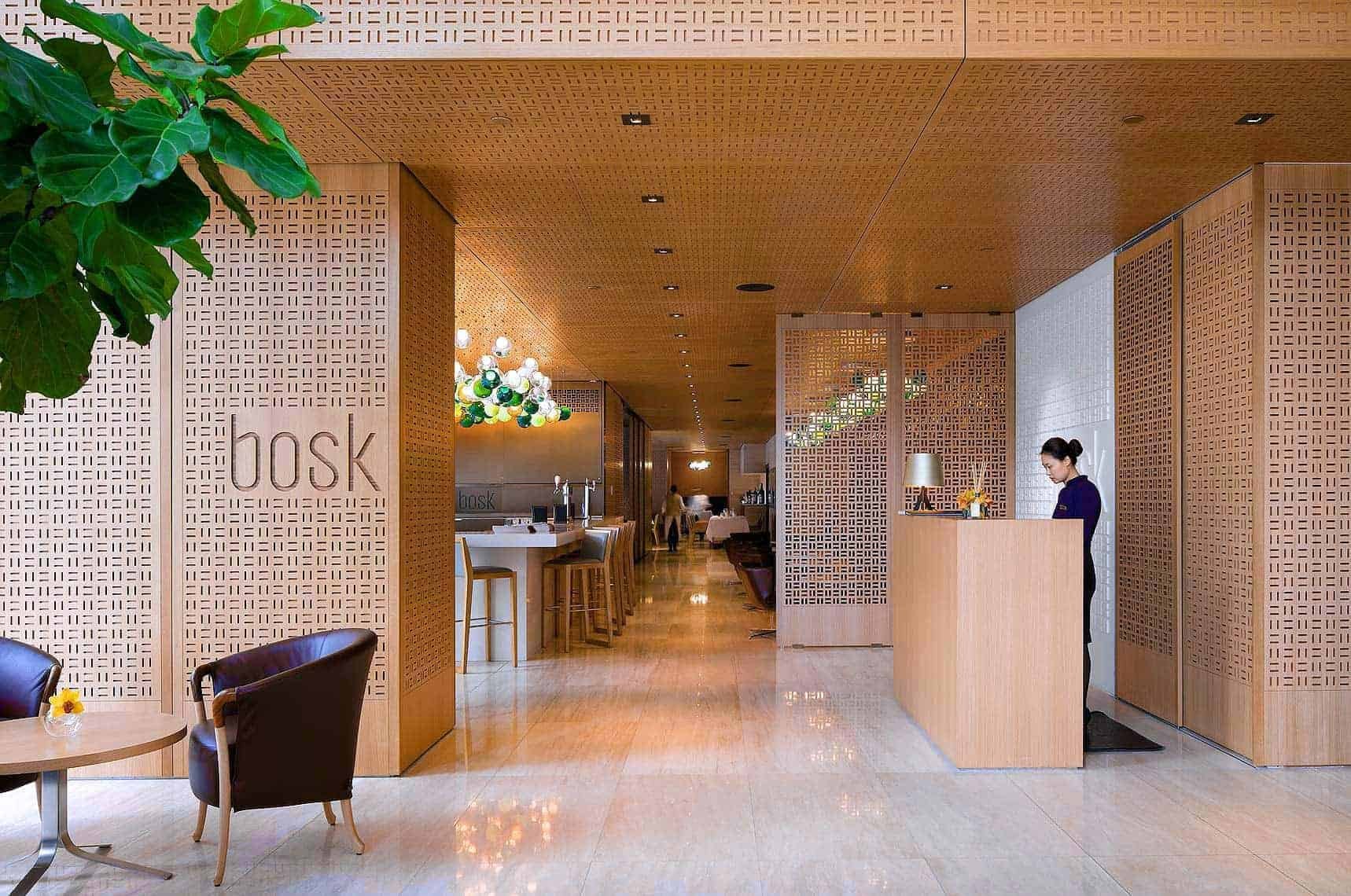
The Address and What It Signals
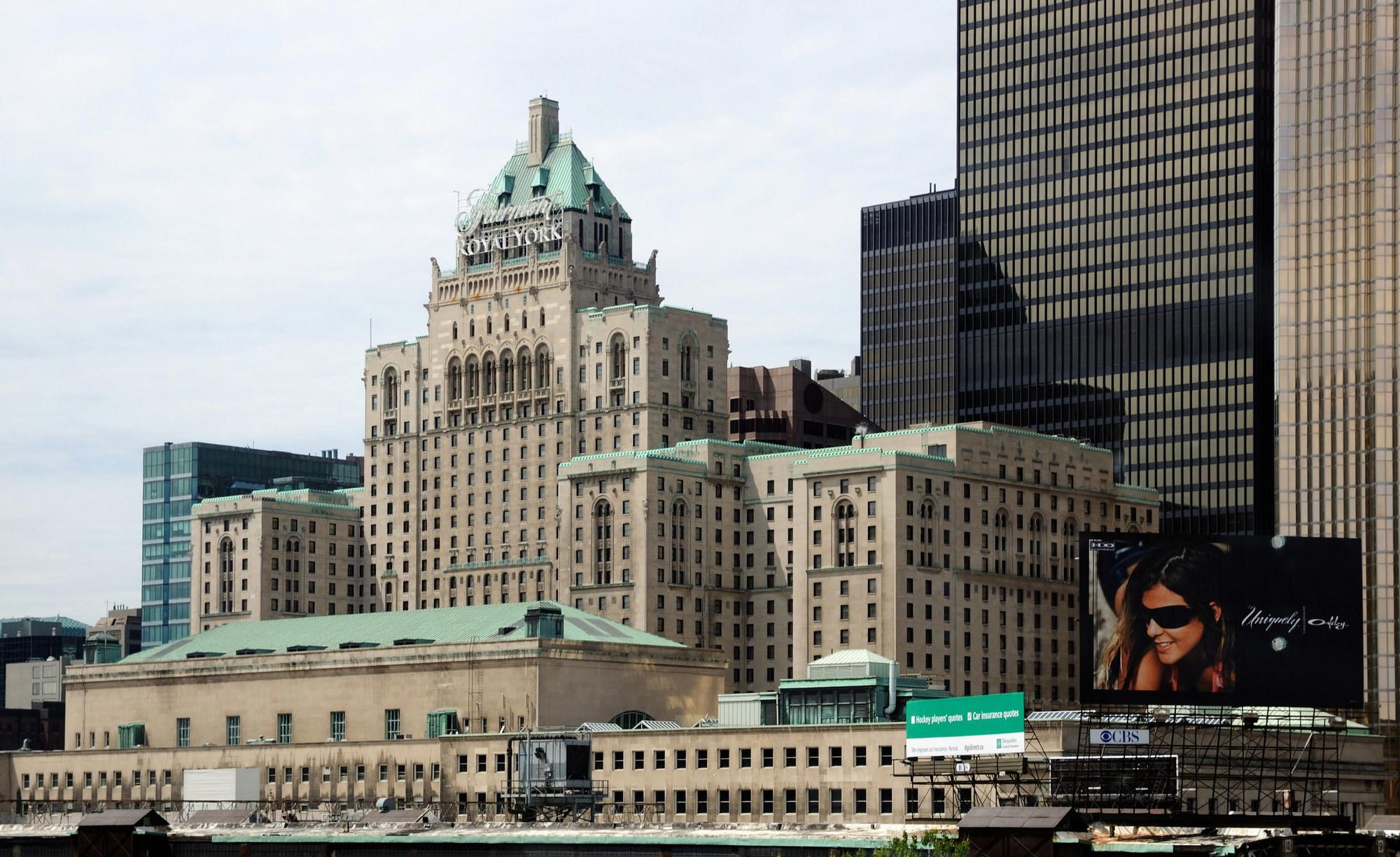
University Avenue's wide, monument-lined corridor is not where Toronto hides its experimental dining. The hotels that line this stretch, from the major international flags down to the boutique properties, operate dining rooms that serve a specific function: receive well-travelled guests, accommodate expense accounts, and deliver the kind of formal table service that business dinners require. bosk is a Northern Italian Fine Dining restaurant at 188 University Ave in Toronto. Understanding the address is understanding the restaurant's competitive logic before you ever sit down.
Toronto's upper-tier hotel restaurants have sharpened considerably over the past decade, partly under pressure from the standalone fine-dining scene that Alo (Contemporary) has helped define at the leading, and partly because the city's general dining sophistication now sets a higher floor for what counts as serious. Hotel dining rooms that want to compete for destination reservations, rather than just capture in-house guests, have had to respond.
Where the Wine Program Carries the Argument
In hotel fine dining, the wine list is often where the gap between real ambition and polished indifference becomes clearest. A curated, depth-first cellar signals that someone in the operation has made deliberate choices over time, not simply filled a list with recognizable labels at predictable markups. At this level, the wine program is a primary differentiator.
The cellar at a property of this address and positioning should, by the logic of the category, skew toward Old World benchmarks: Burgundy, Bordeaux, Barolo, Rioja. These are the bottles that corporate diners recognize and that expense-account entertaining demands. The more interesting question is whether a wine program at this tier moves beyond safe selections toward genuine depth: older vintages, grower Champagnes, or Canadian bottles given serious representation alongside European classics. For a Toronto dining room with genuine cellar ambition, the latter matters. Ontario's Niagara Peninsula has produced Chardonnay and Pinot Noir of genuine note, and a sommelier team operating at hotel fine-dining scale has the purchasing power to hold those bottles properly. Whether the list leans into that regional dimension is the kind of detail that separates a thoughtful wine program from a well-stocked but generic one. Visitors interested in Ontario wine at its more serious end can cross-reference with Restaurant Pearl Morissette in Lincoln, which operates within the vineyard itself and sets the benchmark for Canadian wine-forward dining.
The Dining Room Format and Its comparable set
Toronto's fine-dining tier has stratified. At the summit sit omakase-format rooms like Sushi Masaki Saito and kaiseki specialists like Aburi Hana, where a single chef-directed sequence defines the entire experience and capacity is deliberately constrained. Below that tier, but still within the upper bracket, sit the tablecloth rooms: Italian-anchored formats like DaNico and Don Alfonso 1890 (Contemporary Italian), and the hotel fine-dining rooms that can absorb larger parties, private dining requests, and the corporate event business that sustains them operationally.
bosk operates in that second tier, where the room and service structure must accommodate solo business travellers, tables of four on a client dinner, and larger groups in semi-private configurations. This format demands a different kind of discipline than the intimate counter. Pacing must flex. The menu has to work for guests on tight schedules as well as those settling in for a long evening. The wine service, in particular, has to match that range, which is why a sommelier team's ability to read a table, suggest at multiple price points without condescension, and move confidently between approachable and ambitious bottles matters more here than in a counter-format room.
For comparison at the Canadian scale, Tanière³ in Quebec City represents what hotel-adjacent fine dining can achieve when the kitchen commits fully to a regional culinary identity. Jérôme Ferrer - Europea in Montréal holds a similar position in that city's upscale dining map. Both offer a useful frame for assessing what Toronto's hotel dining rooms should aspire to beyond the functional.
The Financial District Context
Dining on or near University Avenue means navigating a neighbourhood that largely empties after 6pm on weekdays and operates at reduced intensity on weekends. The foot traffic that sustains bar programs and casual dining elsewhere in Toronto is thinner here. That dynamic pushes a restaurant like bosk to function primarily as a destination rather than a neighbourhood walk-in, and it shapes everything from the booking pattern to the service register. Guests arrive with a purpose, tables are held longer, and the room absorbs the kind of quiet that midtown Toronto's denser dining corridors rarely offer.
That physical calm is itself a selling point in a city that has progressively noisy dining rooms across most price points. The contrast with the west-end and midtown restaurant strips is significant enough that the neighbourhood's dining character, rather than its density, is the draw for a specific kind of evening.
How bosk Sits Within Toronto's Broader Map
For visitors building a Toronto dining itinerary, the Financial District fine-dining tier serves a different function than the standalone tasting-menu rooms or the neighbourhood-anchored independents. Venues like Eigensinn Farm in Singhampton or The Pine in Creemore require a destination commitment and deliver a particular kind of experiential dining that hotel rooms cannot replicate. At the other end of the travel arc, Fogo Island Inn Dining Room integrates dining into a total environment in a way that is categorically different from urban hotel dining.
bosk's value proposition is more specific: a formal dining room with serious wine program ambitions, an address that suits business and travel convenience, and a service register calibrated to the corporate-luxury tier. For the traveller staying nearby or the Toronto resident seeking that format without travelling to a standalone tasting-menu room, it occupies a defined and useful position.
Beyond Toronto, the broader Canadian fine-dining comparison set extends to AnnaLena in Vancouver, while internationally, hotel-adjacent fine dining at its most technically disciplined is represented by rooms like Le Bernardin in New York City and, at the communal-luxury end, Lazy Bear in San Francisco.
Planning Your Visit
Address: 188 University Avenue, Toronto, ON M5H 0A3. Reservations: Recommended for dinner, particularly mid-week when the Financial District is at its busiest. Dress: Smart casual to business formal is consistent with the hotel dining room register at this address.
A Tight Comparison
Comparable venues nearby, for context on price, style, and recognition.
| Venue | Cuisine | Price | Notes |
|---|---|---|---|
| boskThis venue — the venue you are viewing | Not listed | $$$ | Not listed |
| Trattoria Nervosa | Yorkville, Southern Italian Trattoria | $$$ | Not listed |
| Ristorante Sotto Sotto | Annex, Authentic Italian Trattoria | $$$ | Not listed |
| Pizza e Pazzi | Not listed | $$$ | Earlscourt, Authentic Neapolitan Pizza & Traditional Italian |
| Zitto Zitto Taverna | Not listed | $$$ | Palmerston-Little Italy, Sicilian-Inspired Italian Taverna |
| Carisma | Not listed | $$$ | Church-Yonge Corridor, Authentic Italian Fine Dining |
Continue exploring
More in Toronto
Restaurants in Toronto
Browse all →
Bars in Toronto
Browse all →
Hotels in Toronto
Browse all →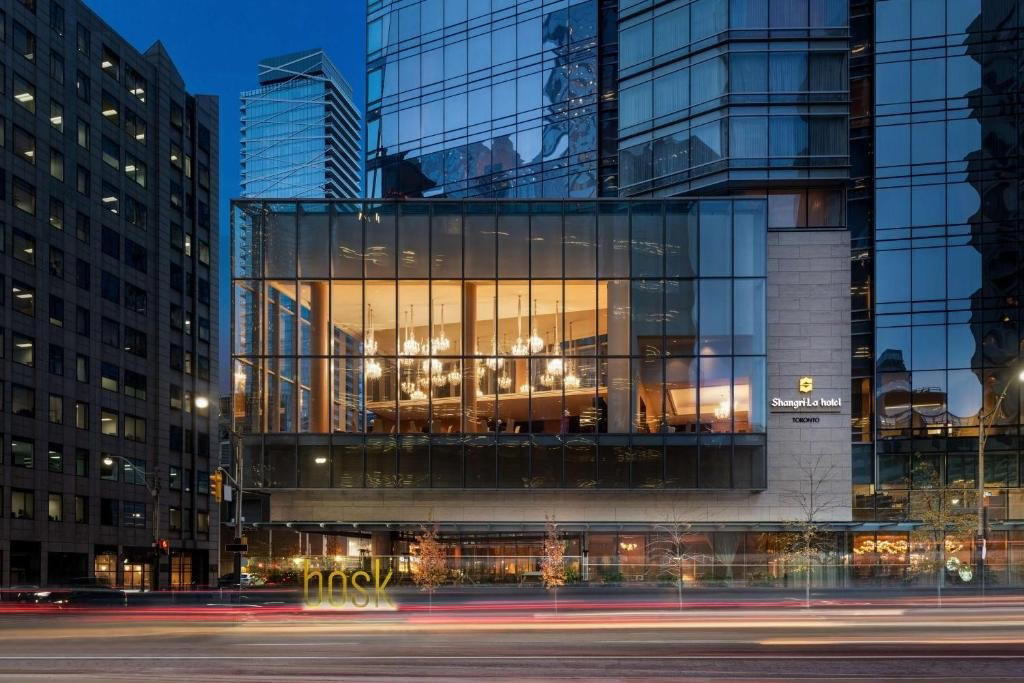

At a Glance
- Elegant
- Modern
- Sophisticated
- Serene
- Date Night
- Business Dinner
- Special Occasion
- Celebration
- Hotel Restaurant
- Open Kitchen
- Terrace
- Design Destination
- Extensive Wine List
- Sommelier Led
- Farm To Table
- Local Sourcing
- Sustainable Seafood
Current opening hours
- Monday
- 7 AM–10 PM
- Tuesday
- 7 AM–10 PM
- Wednesday
- 7 AM–10 PM
- Thursday
- 7 AM–10 PM
- Friday
- 7 AM–10 PM
- Saturday
- 7 AM–10 PM
- Sunday
- 7 AM–3 PM
Hours can change for holidays and private events. Last verified .
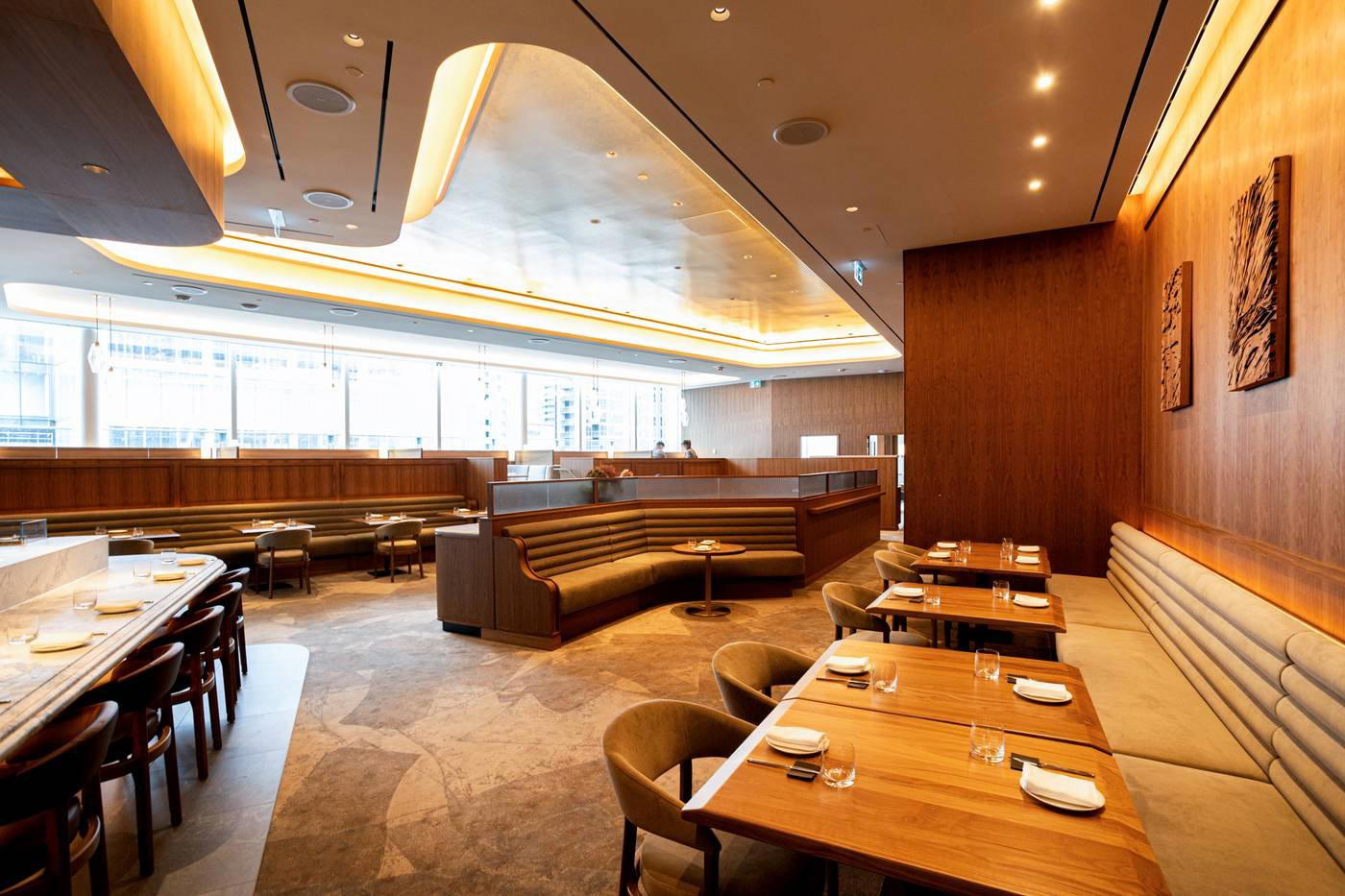
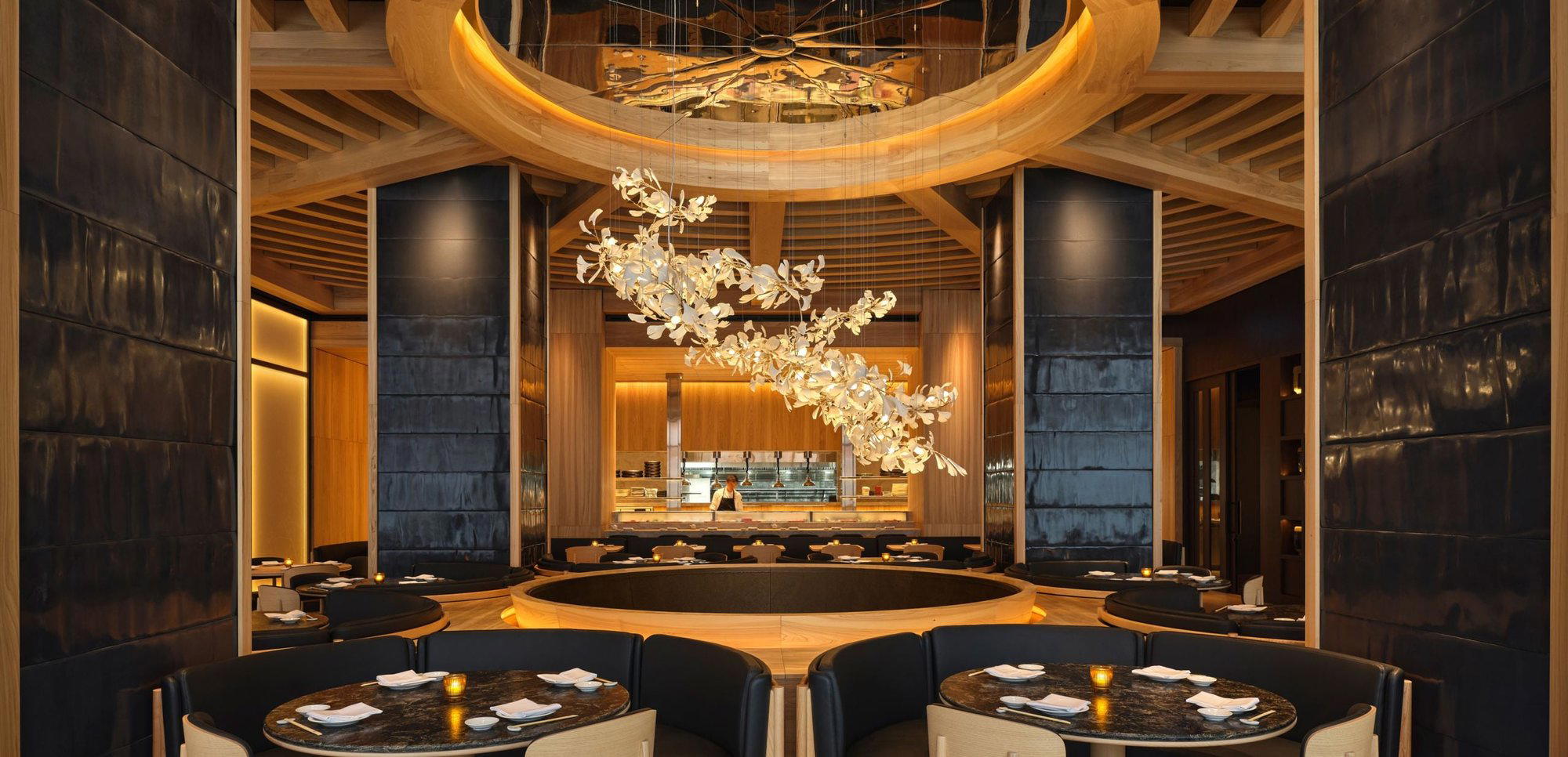
Welcoming and serene with natural wood furnishings, nature paintings, warm oak panelling, artfully designed Bocci pendant lights, and a seasonal terrace offering a luxe outdoor dining experience.