Kai



La Liste Top Restaurants · James Beard Award Semi Finalist · Forbes 5-Star
Our verdict
Kai at the Sheraton Grand at Wild Horse Pass holds Forbes Travel Guide Five-Star status and a place on La Liste's 2026 Top Restaurants list, making it the most decorated fine-dining address in the Phoenix metro. The kitchen builds its menus around Native American culinary traditions and Arizona's indigenous agricultural heritage, operating at a remove from downtown Phoenix that makes the Sonoran Desert setting as central to the experience as anything on the plate.

Pearl is the En Primeur Club membership app, where members save venues, book tables and use the concierge.
The menu
What to order
- Grilled Tenderloin of Tribal Buffalo
- Pee-Posh Garden
- Halibut Collar with Scallop Sausage and Octopus
- Bison Bone Marrow Crème Brûlée
Where the Sonoran Desert Sets the Table
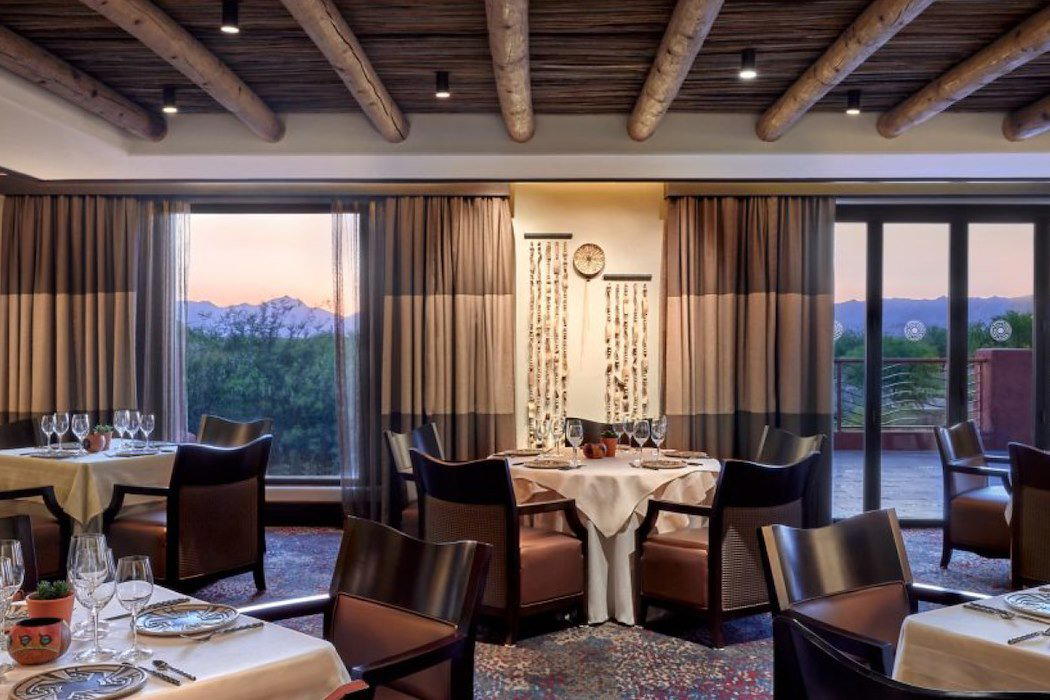
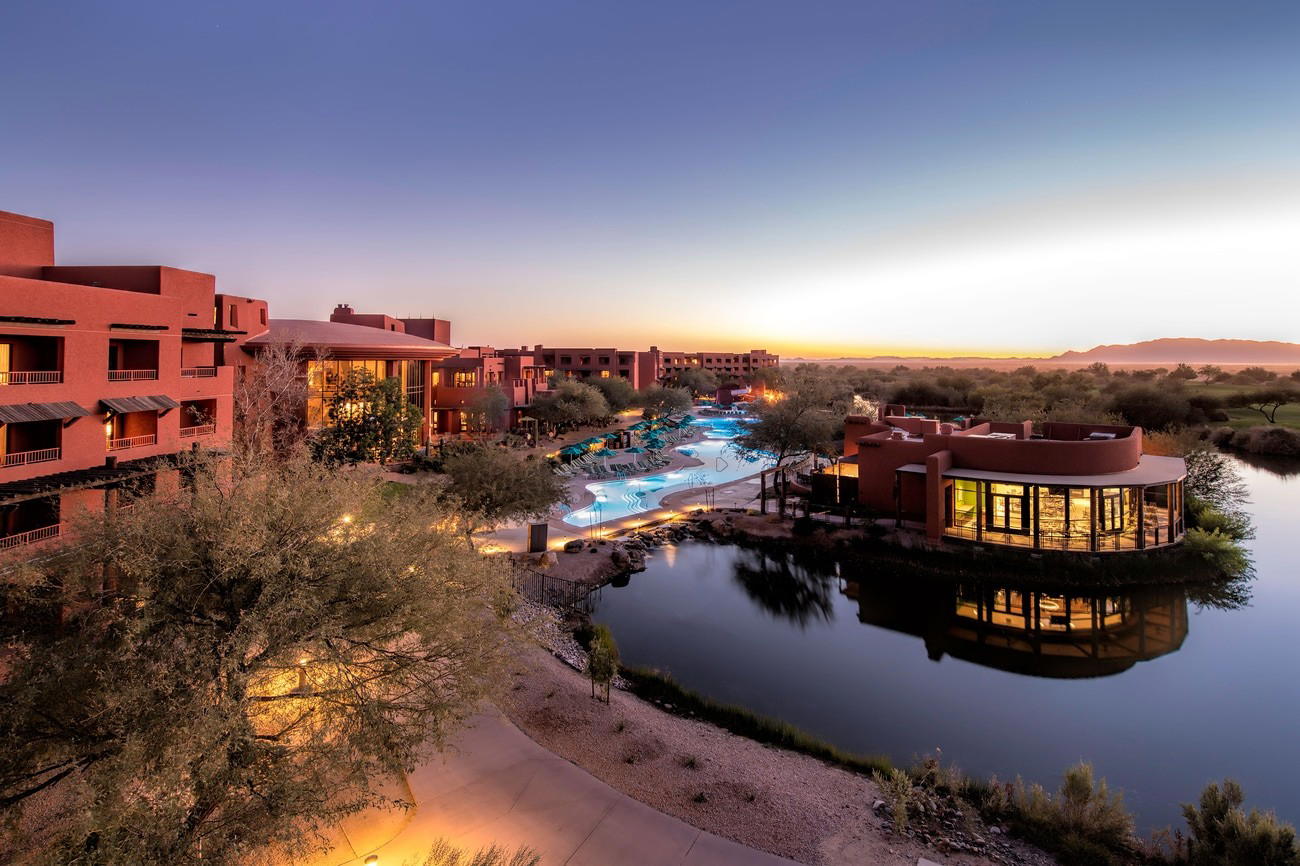
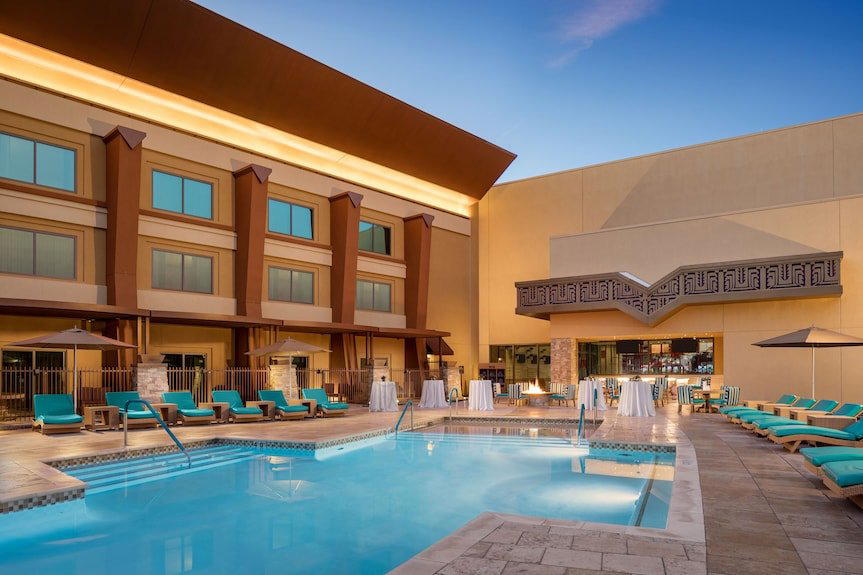
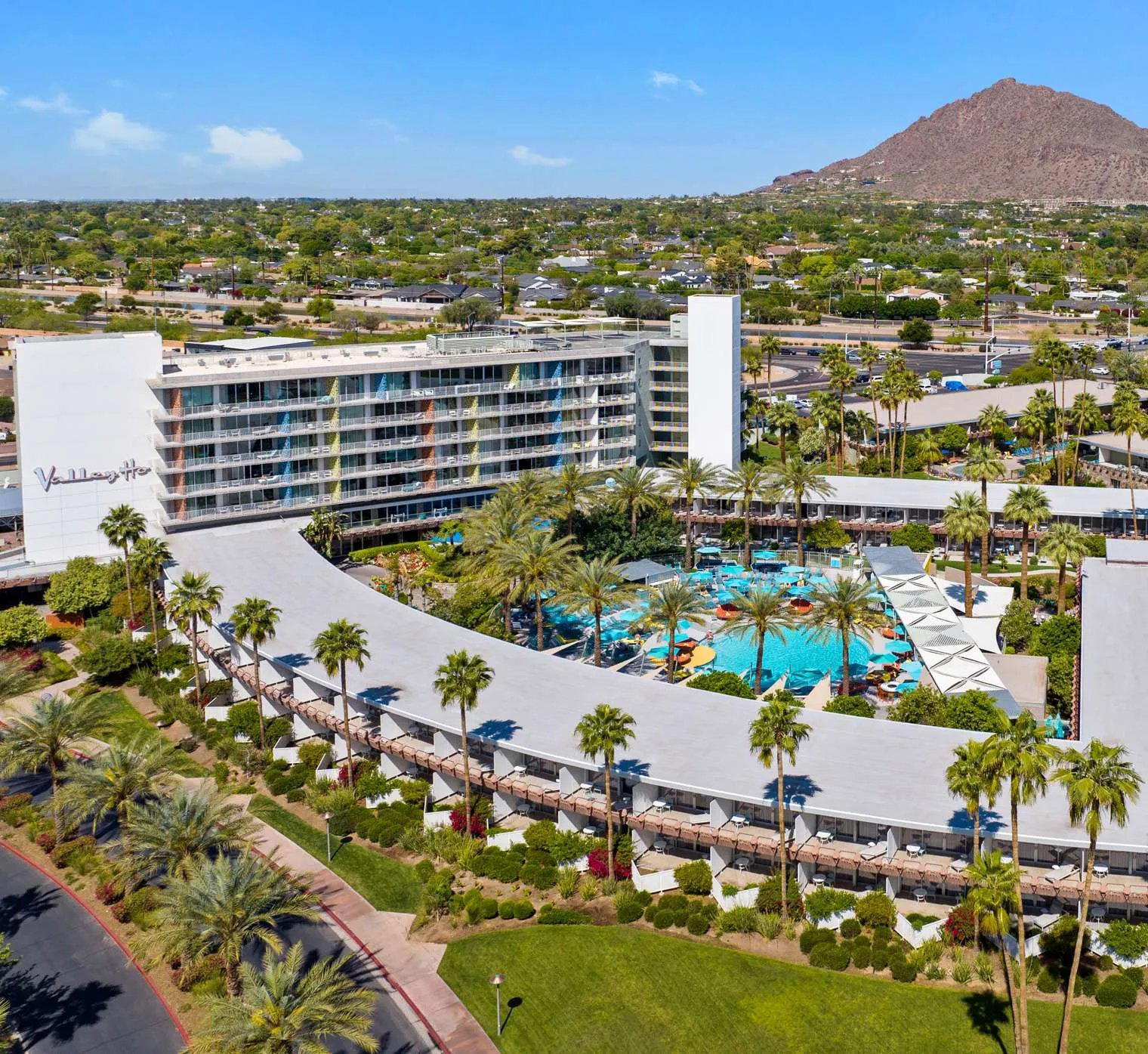
The drive to Kai is part of the argument. Wild Horse Pass sits roughly twenty miles south of downtown Phoenix, deep into the Gila River Indian Community's land, and arriving there in the early evening means watching the desert light shift across saguaro and scrub as the resort complex appears against an open horizon. The Sheraton Grand at Wild Horse Pass is one of the larger resort properties in the Phoenix area, but Kai occupies a distinct position within it: a Forbes Travel Guide Five-Star restaurant that reads as a destination in its own right rather than a hotel dining amenity.
That physical remove matters more here than at most fine-dining addresses. At Vincent Guerithault on Camelback or Chilte, the surrounding neighbourhood is part of the dining context. At Kai, the land itself is the context. The restaurant sits on the Gila River Indian Community's territory, and the menu draws on Pima and Maricopa agricultural traditions, the word "Kai" meaning "seed" in the Pima language. That's not a marketing framing layered onto otherwise conventional fine dining; it's the structural logic of the kitchen.
Arizona Agriculture as a Fine-Dining Foundation
One of the more persistent assumptions about Arizona dining is that the state's agricultural output is limited, and that fine-dining kitchens here necessarily lean on imported produce. Kai's positioning contradicts that directly. The restaurant's awards record is built on a commitment to locally grown ingredients and what the Forbes citation describes as "surprisingly rich Arizona agriculture," a descriptor that reflects genuine regional depth: the Sonoran Desert supports a longer and more complex growing season than most outsiders expect, and the Gila River Indian Community's land has supported agriculture for centuries.
This places Kai in a relatively rare category among American fine-dining addresses: restaurants where the regional agricultural tradition is not a supplementary sourcing story but the primary culinary framework. The comparison set is instructive. Single Thread Farm in Healdsburg operates on a similar premise of farm-to-counter discipline, while Lazy Bear in San Francisco applies a communal-format approach to California ingredient culture. Kai's version of this logic runs through Native American technique rather than European fine-dining structure, which makes it a different proposition from either.
The kitchen merges contemporary tastes with time-honored Native American preparation methods, according to the Forbes citation. That synthesis is not direct: it requires working within a culinary tradition that predates European contact and treating indigenous technique as a primary grammar rather than an accent. At the level Kai operates, where La Liste placed it among its Leading Restaurants globally in 2026 with 80 points, that synthesis has been sustained and recognised at an international scale.
The Awards Context and What It Implies
Forbes Travel Guide Five-Star designation is awarded to fewer than 200 restaurants worldwide in any given year, and it measures service, physical environment, and culinary quality against a consistent global standard. Kai holds that rating from within a hotel property, which places it alongside a select group of hotel-based fine-dining rooms that have separated their identity from the broader resort offering. Le Bernardin in New York City and 8½ Otto e Mezzo Bombana in Hong Kong operate in comparably high-expectation environments, though each in very different culinary registers.
La Liste's 2026 ranking is a separate data point worth understanding. La Liste aggregates scores from restaurant guides, critic reviews, and inspection programs across multiple countries to produce a ranked global list. An 80-point score places Kai within a tier of restaurants that receive consistent international critical attention, not merely regional recognition. For a restaurant operating in Arizona rather than New York, San Francisco, or Chicago, that placement reflects a track record that goes well beyond local reputation.
The Phoenix metro's fine-dining scene has historically sat in the shadow of those larger American culinary cities. Kai's position on international rankings is part of a broader case that the region, and particularly the Sonoran Desert's indigenous food traditions, produces cooking that reads at the highest levels of American gastronomy. Bacanora and Lom Wong represent Phoenix's depth at a different price tier, each working within distinct culinary traditions. Kai operates at the opposite end of the formality and pricing spectrum, which is why it functions as a benchmark for the city's ceiling rather than a representative sample of its breadth. For the full picture of where Phoenix dining stands, our full Phoenix restaurants guide maps the range.
Planning the Visit
The Wild Horse Pass address means that a dinner at Kai is most logically treated as an evening in itself rather than one stop among several. At the Forbes Five-Star level, reservations are advisable well in advance, particularly for weekend tables. The resort setting also means that visitors combining the dinner with a hotel stay have access to Phoenix's wider hotel options, though the Sheraton Grand at Wild Horse Pass is a natural anchor given the restaurant's location within it. Those building a broader Phoenix itinerary can supplement with the city's bar scene, local winery options, and curated experiences that engage the Sonoran Desert's cultural context.
What differentiates Kai within that company is not price tier or service standard, where it competes directly, but culinary tradition: no other restaurant in that comparison set is structured around indigenous North American agriculture and technique as its primary framework. That specificity is also what makes the twenty-mile drive from central Phoenix a reasonable calculation. Pane Bianco and Emeril's in New Orleans both illustrate how strongly a kitchen's regional identity can define its dining proposition; at Kai, the regional identity runs deeper than almost anywhere else in American fine dining.
Frequently asked questions
Where exactly is Kai?
Kai is located at 5594 W Wild Horse Pass Blvd, Chandler, AZ 85226, Phoenix.
Has Kai won any awards?
Kai has received recognition including: Lodged within the Sheraton Grand at Wild Horse Pass, the Forbes Travel Guide Five-Star Kai Restaurant showcases locally grown produce and surprisingly rich Arizona agriculture through recipes that merge contemporary tastes and time-honored ….
What dish is Kai famous for?
Kai's kitchen is built around locally grown Arizona produce and Native American culinary traditions rooted in Pima culture, the name itself means 'seed' in Pima. The menu draws on the surprisingly deep agricultural output of the Sonoran region, so signature preparations tend to reflect what the Gila River Indian Community's land yields seasonally. Specific current dishes are best confirmed directly with the restaurant at Wild Horse Pass.
Do I need a reservation for Kai?
Given Kai's Forbes Travel Guide Five-Star status and its position as one of fewer than 200 restaurants worldwide to hold that designation, securing a reservation well in advance is the practical approach. The restaurant sits within the Sheraton Grand at Wild Horse Pass at 5594 W Wild Horse Pass Blvd, Chandler, AZ 85226, and the property can be contacted directly for booking. Walking in without a reservation at a Five-Star property of this profile carries real risk, particularly on weekends.
What's Kai best at?
Kai holds a Forbes Travel Guide Five-Star rating and an 80-point placement on La Liste's 2026 Top Restaurants list, credentials that reflect both service standards and culinary execution. Where it sits apart from other Phoenix-area fine dining is its structural commitment to Native American technique and Arizona-grown ingredients, a framework that gives the menu a regional specificity most hotel restaurants don't attempt. The combination of that culinary identity with Five-Star service infrastructure is the core proposition.
A Tight Comparison
| Venue | Cuisine | Price | Awards | Notes |
|---|---|---|---|---|
| KaiThis venue (the venue you are viewing) | Native American Sonoran Desert Fine Dining | $200–300 | La Liste Top Restaurants · James Beard Award Semi Finalist | Not listed |
| Pane Bianco | Italian Wood-Fired Sandwiches & Pizza | $20–30 | James Beard Award Outstanding Restaurateur #1 | Sandwiches |
| Little Miss BBQ | Central Texas BBQ | $20–30 | James Beard Award Semi Finalist | Barbecue |
| Lom Wong | Hyper-Regional Thai | $50–100 | Michelin Bib Gourmand · James Beard Award Semi Finalist | Thai |
| Matt’s Big Breakfast | Classic American Breakfast | $10–20 | Diners, Drive-Ins and Dives Featured Restaurant | Breakfast |
| Vincent Guerithault on Camelback | Southwest French Fusion | $100–150 | World's 50 Best #24 · Star Wine List | French Southwestern |
Recognition history
Dated appearances from independent guides and award organizations, with the underlying list record or original source where available.
La Liste Top Restaurants
La Liste
James Beard Award Semi Finalist
James Beard Award
Forbes 5-Star
Forbes
Continue exploring
More in Phoenix
Restaurants in Phoenix
All restaurants in Phoenix →
Bars in Phoenix
All bars in Phoenix →
Details
- Elegant
- Intimate
- Sophisticated
- Scenic
- Special Occasion
- Celebration
- Date Night
- Private Dining
- Panoramic View
- Open Kitchen
- Hotel Restaurant
- Sommelier Led
- Farm To Table
- Local Sourcing
- Organic
- Mountain
- Tasting Menu
- A La Carte
- Wine Pairing
- Desert Botanicals
- Vegetarian Friendly
- Allergy Accommodating
Current opening hours
- Monday
- Closed
- Tuesday
- 5:30–8:30 PM
- Wednesday
- 5:30–8:30 PM
- Thursday
- 5:30–8:30 PM
- Friday
- 5:30–8:30 PM
- Saturday
- 5:30–8:30 PM
- Sunday
- Closed
Hours can change for holidays and private events. Hours as of .
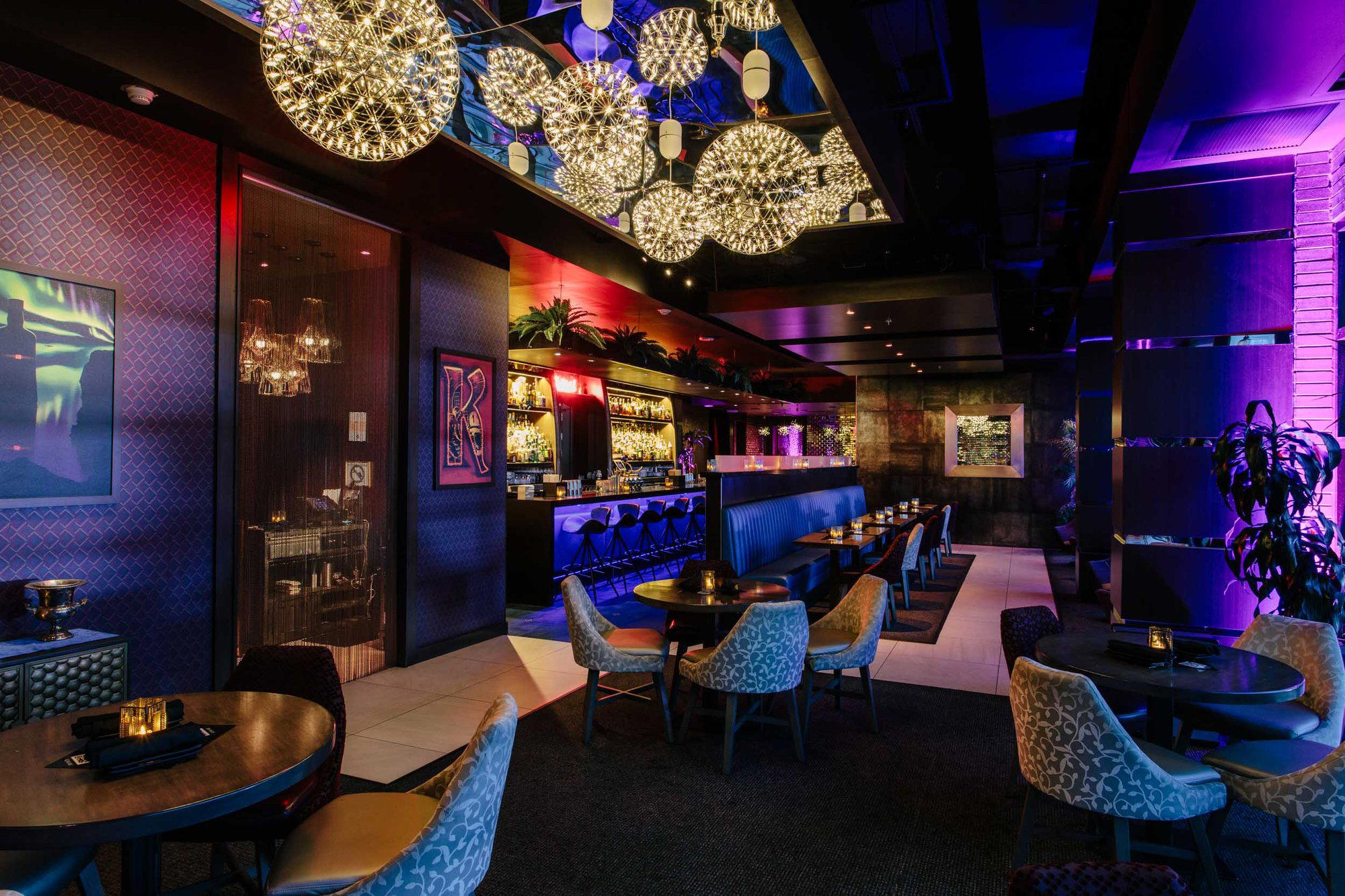
Elegant and refined with soft lighting, white-clothed tables, local indigenous artwork, mountain views at sunset, and subtle flute music creating an intimate, artful atmosphere.