Arriba Mexican Grill
On East Camelback Road, Arriba Mexican Grill sits within one of Phoenix's most active dining corridors, where the Arizona desert's indigenous pantry meets broader Mexican culinary traditions. The address places it in direct conversation with some of the city's more established kitchens, making it a practical reference point for understanding how the Camelback strip handles the local-ingredient question across different cuisine formats.
Pearl is the En Primeur Club membership app — saves, bookings, and concierge access live there. Same editors, same standards.
- Address
- 1812 E Camelback Rd, Phoenix, AZ 85016
- Phone
- +16022659112
- Website
- arribamexicangrill.com
- Directions
- Get directions
 Saves & bookings on Pearl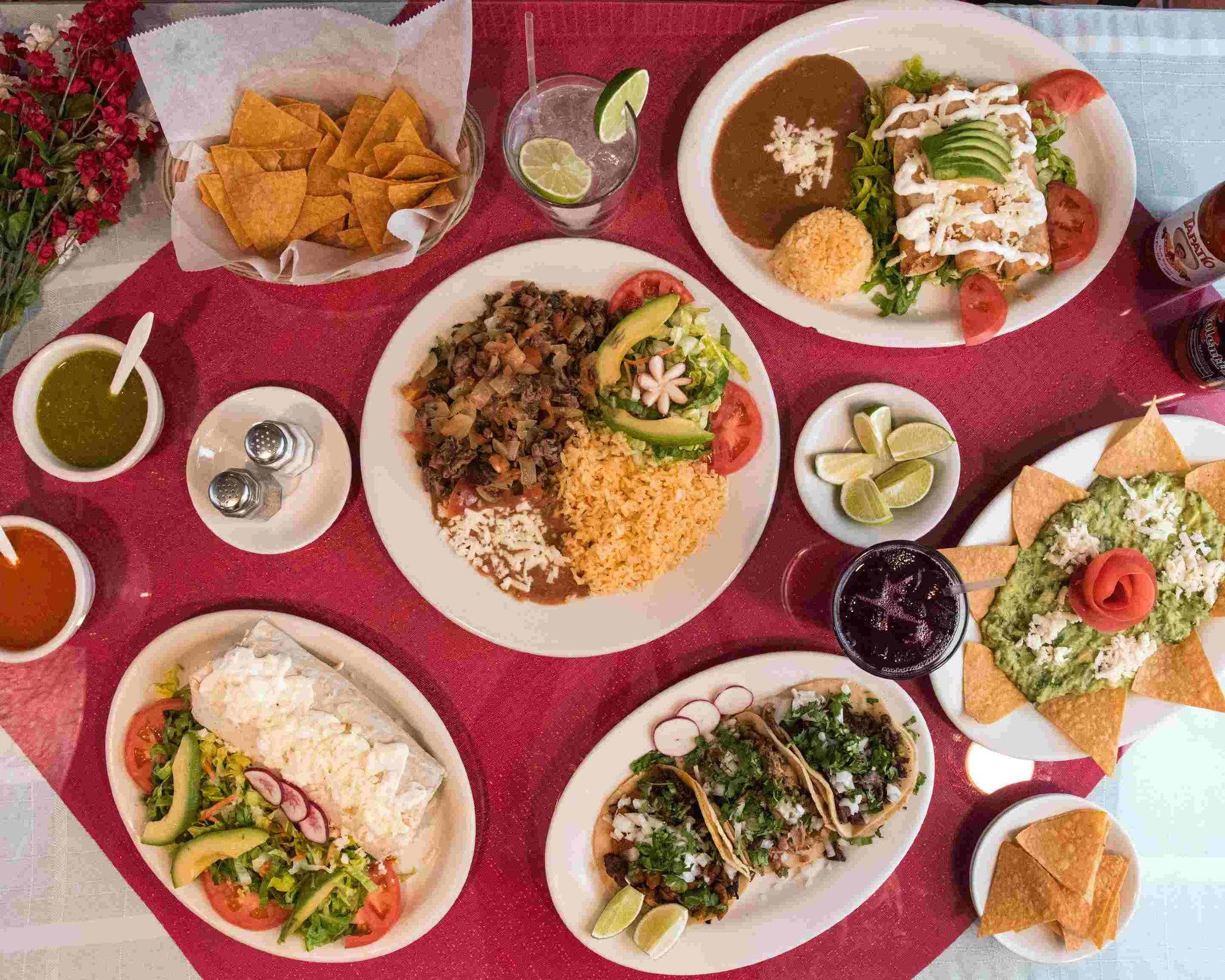
East Camelback and the Mexican Grill Format in Phoenix
East Camelback Road has long functioned as a cross-section of Phoenix dining ambition. The corridor runs through some of the city's more consequential restaurant real estate, where French Southwestern cooking sits a few blocks from Sonoran-inflected Mexican, and where the broader question of how to handle Arizona's desert pantry plays out across multiple cuisines and price points. Arriba Mexican Grill is a casual New Mexico-Style Mexican Grill at 1812 E Camelback Rd, Phoenix,840 reviews. It occupies that stretch and enters a conversation the neighbourhood has been having for years about what Mexican cooking looks like when it is grounded in the specific range of the Sonoran Desert rather than in generalized Tex-Mex convention.
That conversation is worth taking seriously. Phoenix's proximity to the Mexican state of Sonora gives the city's better Mexican kitchens access to a regional tradition that is quieter and more ingredient-specific than the chile-loaded formats that dominate in other American Southwest cities. Sonoran cooking is historically defined by wheat flour tortillas, mesquite-grilled meats, and a restrained use of dried chiles relative to, say, the Oaxacan or Yucatecan traditions. When a restaurant on Camelback positions itself within the Mexican grill format, the meaningful question is how it handles that local inheritance, whether it leans into the Sonoran specificity or defaults to the crowd-pleasing standardization that has flattened much of the category across American dining.
The Sonoran Pantry and the Local-Ingredient Question
Across the American Southwest, the more serious Mexican restaurants have increasingly framed their work through the lens of regional sourcing and technique specificity. This mirrors a broader pattern visible in fine dining well beyond Phoenix: at places like Single Thread Farm in Healdsburg or Blue Hill at Stone Barns in Tarrytown, the relationship between kitchen and local land is the organizing principle of the menu. Those are rarefied examples, but the underlying logic, that a kitchen's credibility is partly built on how it handles what grows or grazes nearby, has filtered into more accessible formats too.
In Phoenix, that logic points toward a specific set of ingredients. Prickly pear, saguaro fruit, tepary beans, cholla buds, and mesquite pods are native to the Sonoran Desert and have been used in the cooking of this region for centuries. The question for any Mexican restaurant in the city is how deliberately it draws on that indigenous pantry versus how much it relies on the standardized commodity supply chain that produces consistent but locationless food. This is a distinction that matters to the kind of diner who uses Camelback Road as a reference corridor and who has already worked through comparison options like Bacanora, which positions itself explicitly within the Sonoran tradition and has become a useful benchmark for the category in Phoenix.
The Mexican grill format, specifically, tends to anchor around grilled proteins, house-made salsas, and tortillas, a structure that either exposes or conceals a kitchen's ingredient sourcing depending on how it is executed. When the format is done with seriousness, the char on a mesquite-grilled carne asada or the texture differential between a fresh masa tortilla and a commercial one becomes legible to the diner. When it is done for throughput and margin, those distinctions collapse.
The Camelback Corridor as a Comparative Frame
Part of what makes East Camelback Road a useful editorial reference is the density of comparison it provides. Vincent Guerithault on Camelback has spent decades working the intersection of French classical technique and Southwestern ingredients, a project that sits at the high end of the local-ingredient, imported-method equation. That kitchen's longevity on Camelback is itself a signal about what the corridor rewards: cooking that takes the Arizona pantry seriously enough to build a sustained identity around it.
Further along the Phoenix dining map, Lom Wong demonstrates how a non-native cuisine can establish serious credibility in the city through technique discipline and sourcing specificity. Pane Bianco works a simpler format but with a localist sourcing commitment that has kept it relevant. These are different category comparisons, but collectively they sketch a Phoenix dining culture that has become increasingly attentive to provenance and less tolerant of formats that substitute volume for quality.
The broader national reference points are also worth holding in view. Restaurants like Smyth in Chicago, Providence in Los Angeles, and Addison in San Diego represent the fine-dining end of the local-ingredient, global-technique framework. Le Bernardin in New York City and The French Laundry in Napa anchor the classical-technique end of that spectrum. Arriba operates at a different register than any of these, but the underlying critical question, how deliberately does a kitchen locate itself in its geography, applies across price tiers and format types.
Planning a Visit
Arriba Mexican Grill sits at 1812 E Camelback Rd, Phoenix, AZ 85016, in a stretch of Camelback that is accessible by car and reasonably well-served by nearby parking. The Camelback corridor is most active in the evening, when the competing restaurants on the strip draw a cross-section of the city's dining public, and the ideal time to visit for a sense of the room's energy is on a weekday evening when the neighbourhood settles into a steadier pace than weekend service typically allows. Current hours are Monday through Thursday 10:45 AM to 9 PM, Friday 10:45 AM to 10 PM, Saturday 9 AM to 10 PM, and Sunday 9 AM to 9 PM. The restaurant is walk-in friendly and runs casual service at about $20 per person. Readers building a broader Phoenix itinerary can reference our full Phoenix restaurants guide for neighbourhood-level context across cuisine types and price ranges.
For diners working the Camelback corridor in sequence, pairing a meal here with a stop at a format as different as 5 & Diner covers the breadth of what the strip offers, from its most casual American diner format to its Mexican and Southwestern cooking options. The comparison is useful for understanding how the neighbourhood functions across different meal occasions rather than as a single-cuisine destination.
Comparable Spots
Comparable venues nearby, for context on price, style, and recognition.
| Venue | Cuisine | Price | Notes |
|---|---|---|---|
| Arriba Mexican GrillThis venue — the venue you are viewing | New Mexico-Style Mexican Grill | $$ | Not listed |
| El Portal | Sonoran Mexican | $$ | Downtown |
| Los Dos Molinos | New Mexican | $$ | South Phoenix |
| Chilte | Modern Mexican | $$ | Downtown |
| Filiberto’s | Arizona Mexican Taqueria | $ | Steeplechase |
| Salt Tacos y Tequila - Norterra | Mexican Tacos and Tequila | $$ | Deer Valley |
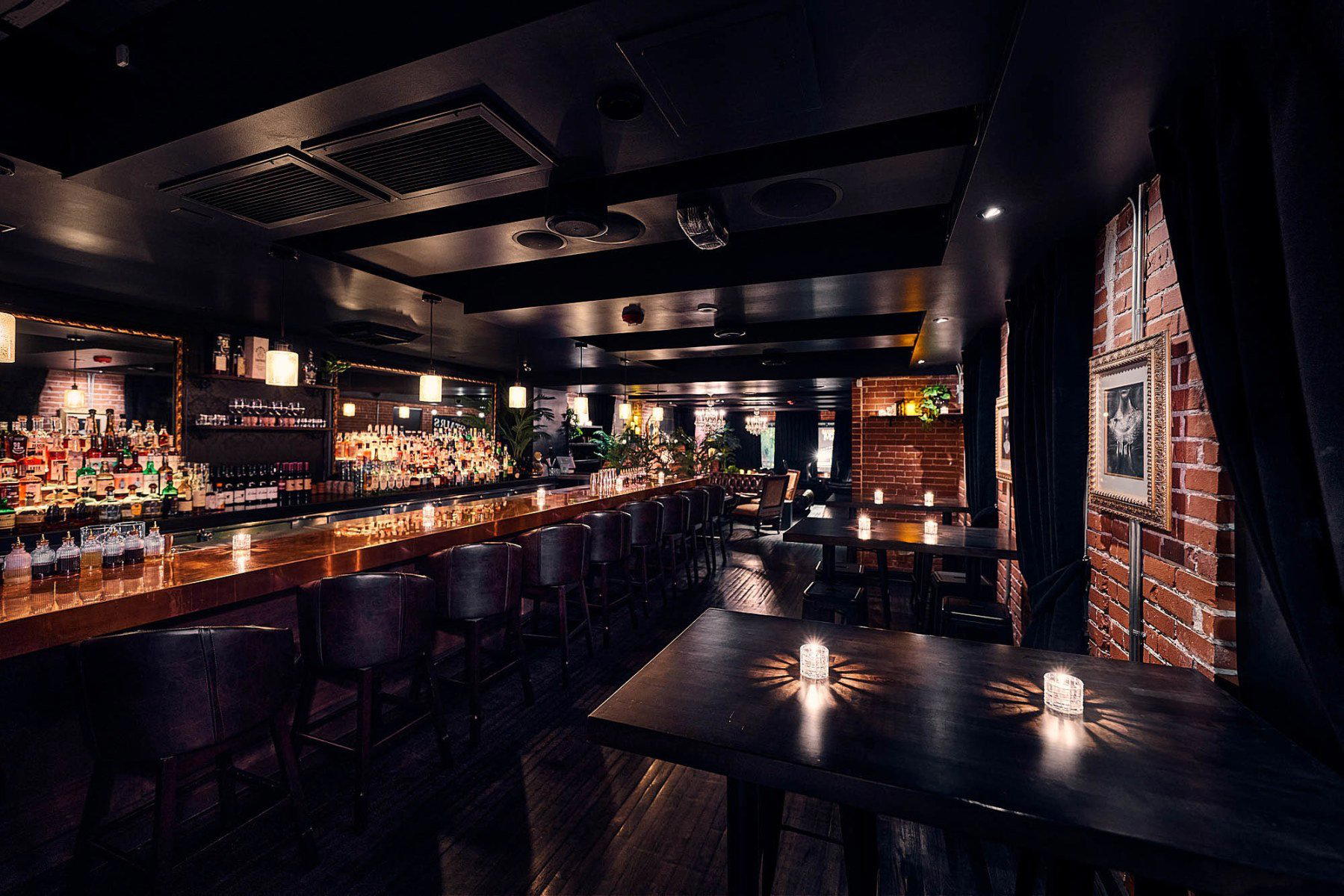
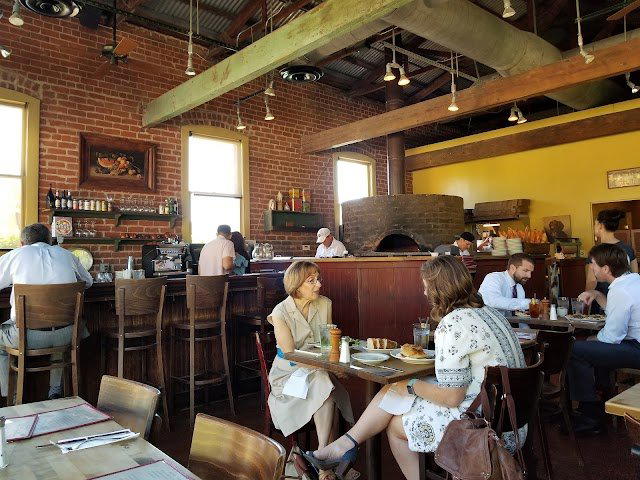
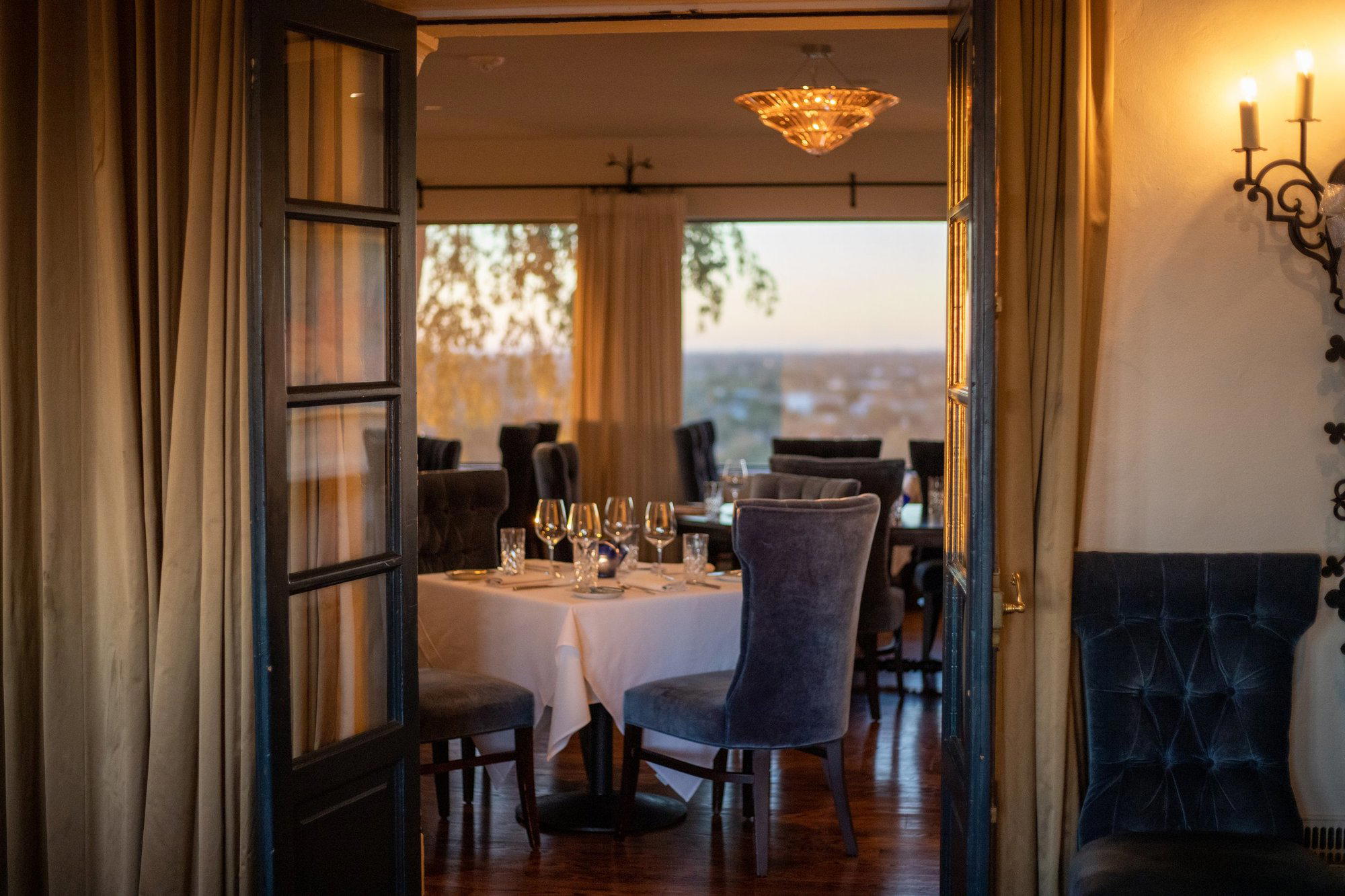
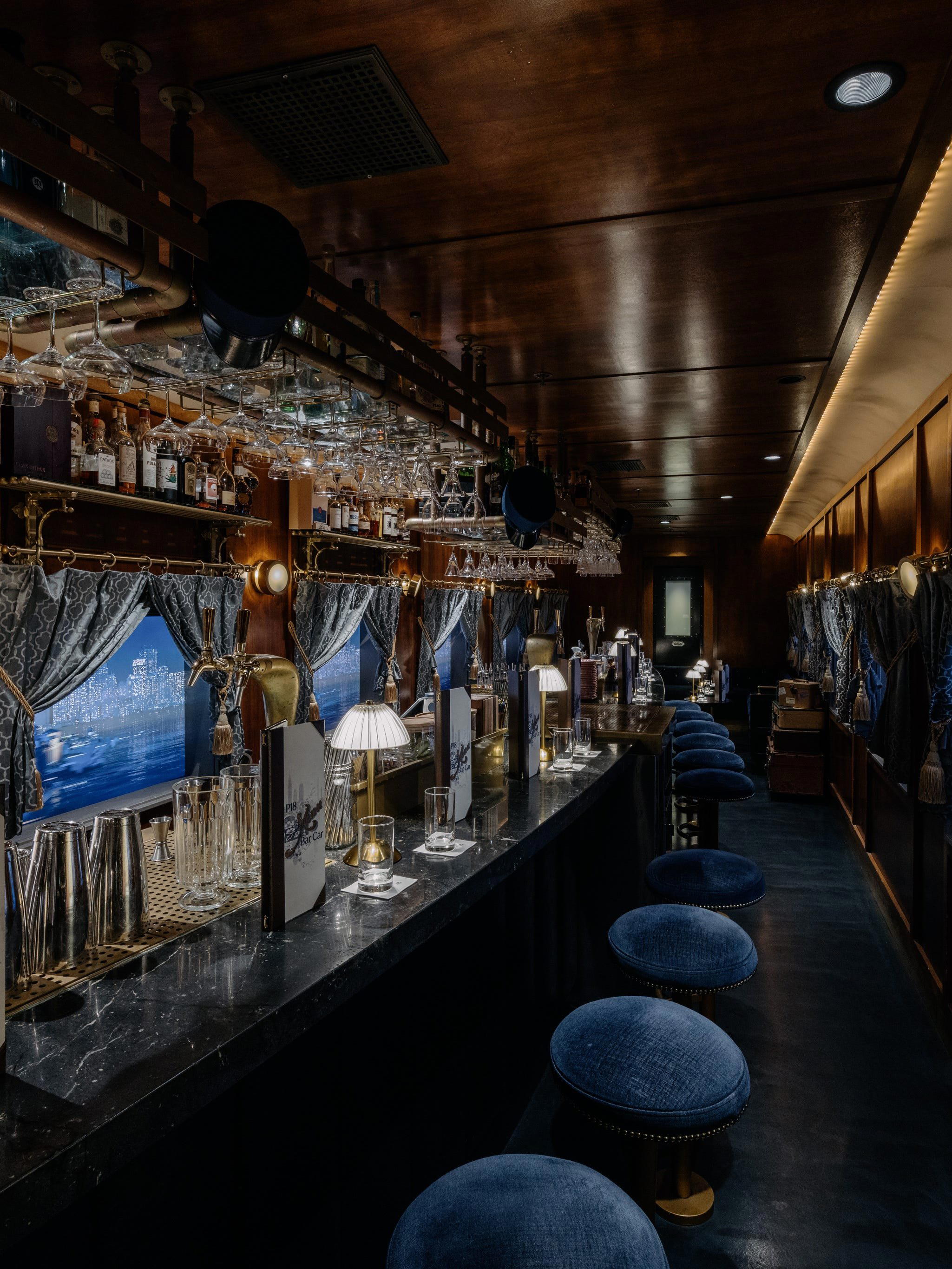
At a Glance
- Lively
- Rustic
- Casual Hangout
- Group Dining
- Family
Current opening hours
- Monday
- 10:45 AM–9 PM
- Tuesday
- 10:45 AM–9 PM
- Wednesday
- 10:45 AM–9 PM
- Thursday
- 10:45 AM–9 PM
- Friday
- 10:45 AM–10 PM
- Saturday
- 9 AM–10 PM
- Sunday
- 9 AM–9 PM
Hours can change for holidays and private events. Last verified .
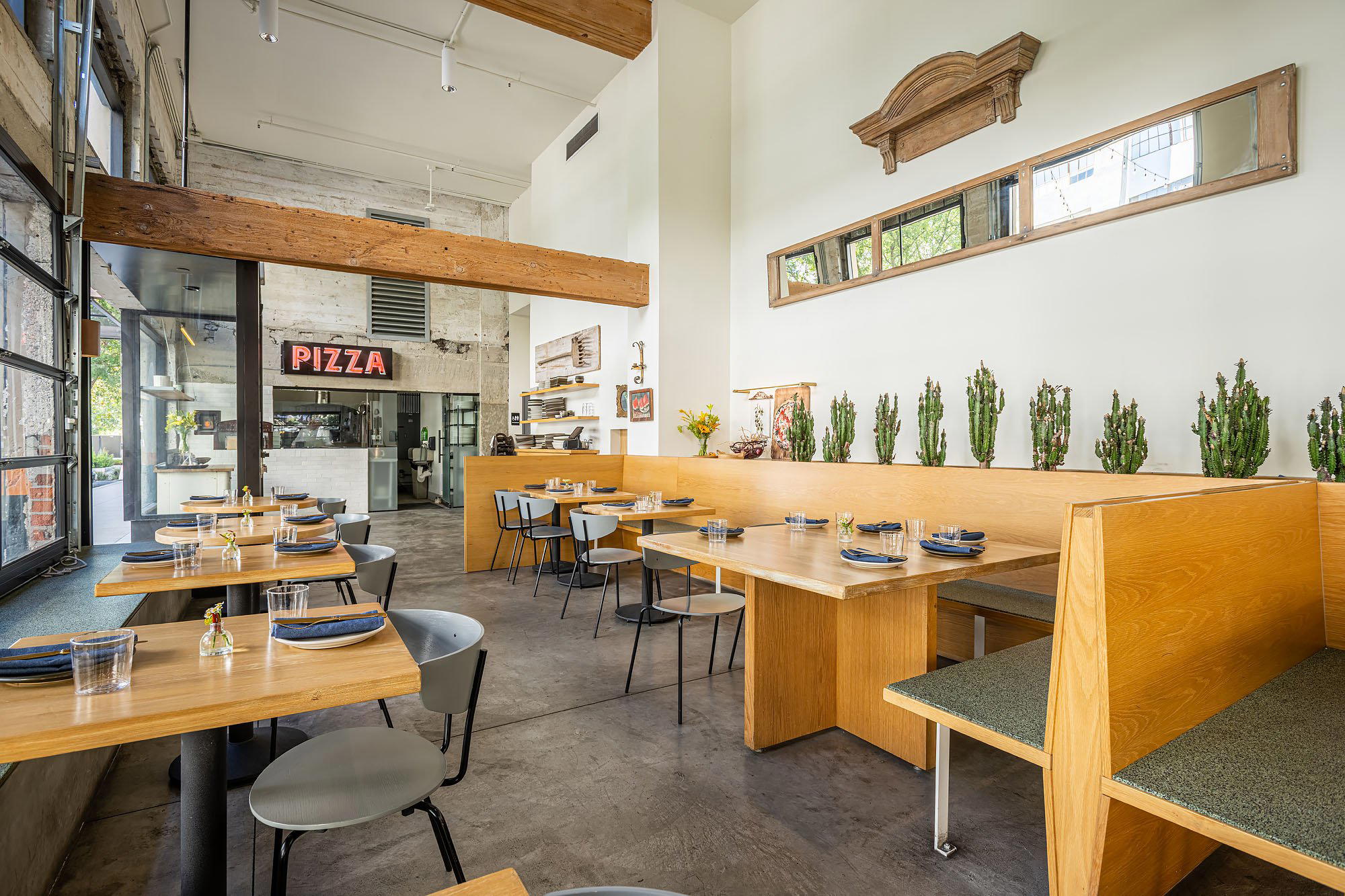
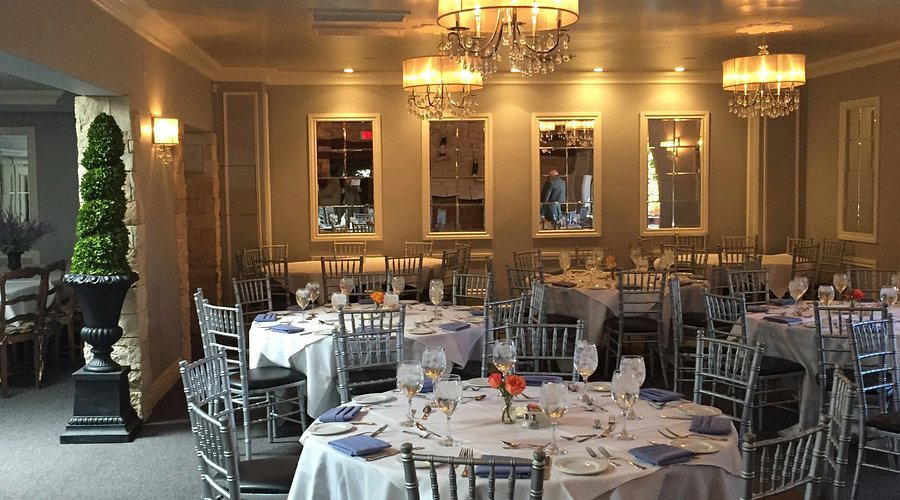
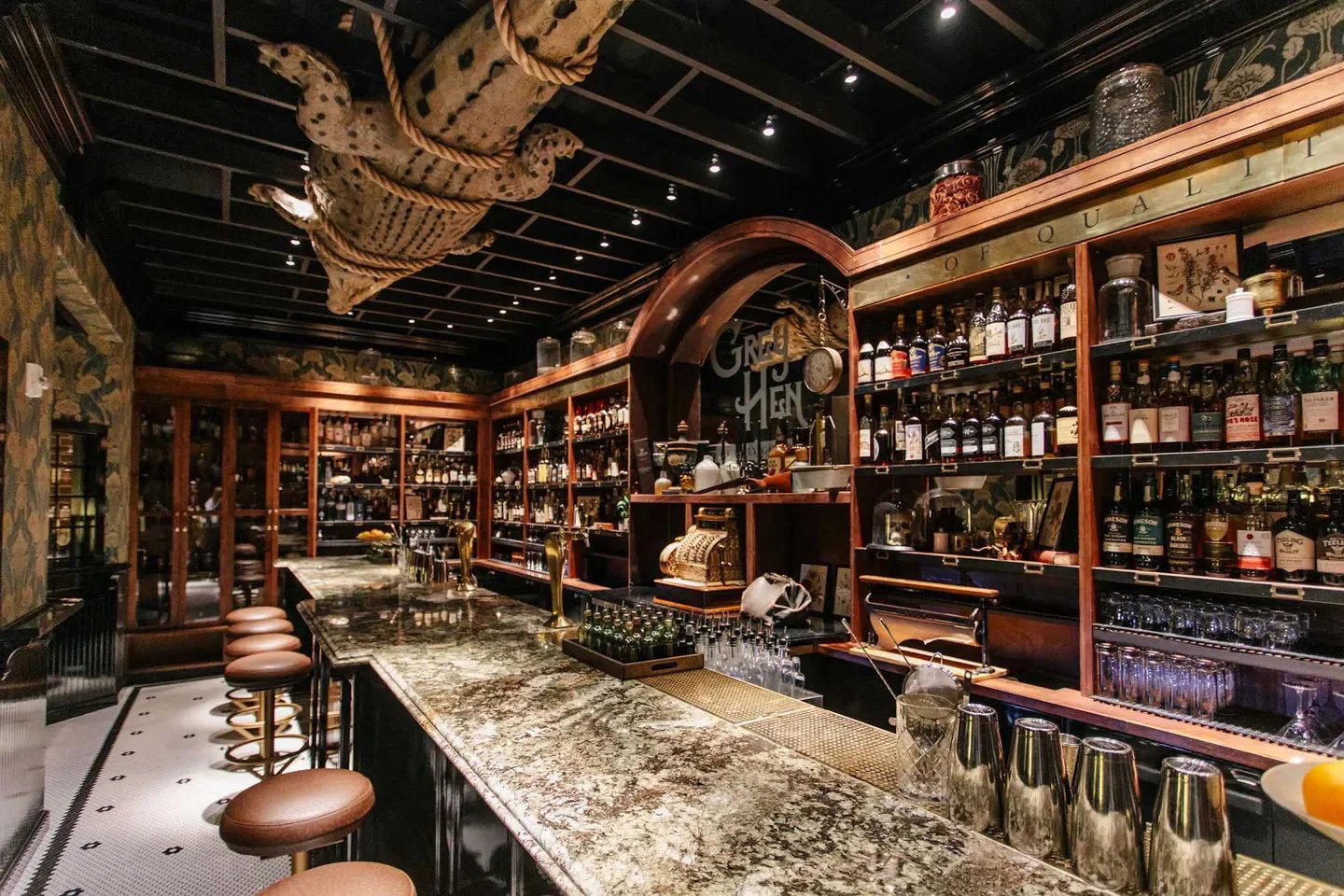
Festive Mexican decor with giant birds and lively atmosphere evoking New Mexico