Greekfest
On Camelback Road, Greekfest brings Greek culinary tradition to one of Phoenix's most commercially active corridors. The restaurant sits at a point where the city's appetite for Mediterranean cooking has grown steadily, drawing diners who want the register of the Aegean without a transatlantic flight. For Phoenix's broader international dining scene, it represents a distinct and underserved corner of the map.
Pearl is the En Primeur Club membership app — saves, bookings, and concierge access live there. Same editors, same standards.
- Address
- 1940 E Camelback Rd suit 104, Phoenix, AZ 85016
- Phone
- +16022652990
- Website
- thegreekfest.com
- Directions
- Get directions
 Saves & bookings on Pearl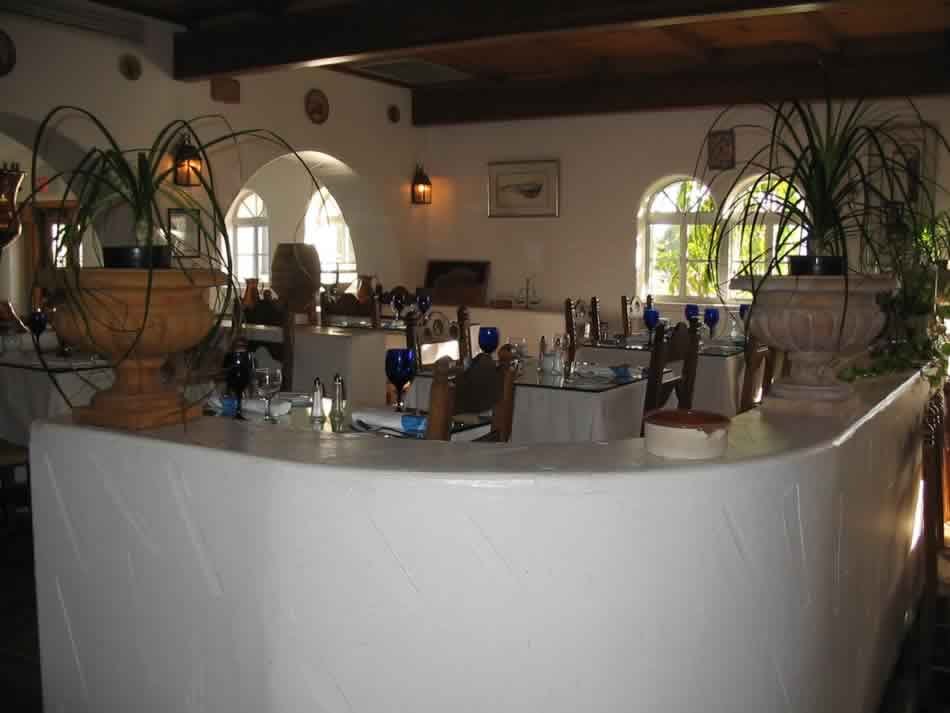
Camelback Road and the Case for Greek in Phoenix
The stretch of Camelback Road running through central Phoenix is not the city's most atmospheric dining corridor. It is, however, one of its most transited: a commercial artery lined with mid-century retail and newer mixed-use developments that draws a cross-section of residents, professionals, and visitors staying in the surrounding hotel cluster. Suite 104 at 1940 East Camelback sits within that flow, and the position matters. Greek food in American cities has historically concentrated in older urban neighborhoods with established immigrant communities, places like Astoria in Queens or Greektown in Chicago. Phoenix, a city built largely on post-war migration and Sun Belt expansion, lacks that kind of ethnic neighborhood infrastructure.
What fills that gap in Phoenix is a dining public that has grown increasingly comfortable with Mediterranean as a broad category, partly through the mainstreaming of Lebanese, Israeli, and Turkish cuisines over the past decade. Greek cooking sits within that orbit but carries its own distinct registers: the brininess of Kalamata olives and feta aged in whey, the slow-cooked lamb preparations common to central and northern Greece, the charcoal-forward grilling tradition of souvlaki and whole fish that defines taverna culture across the Aegean islands. Whether those registers arrive intact in a Phoenix context is the meaningful editorial question.
The Culinary Tradition Behind the Menu
Greek cuisine is often flattened in American interpretation into a shortlist of familiar items: gyros, spanakopita, a Greek salad with a wedge of iceberg. The actual tradition is considerably more layered. Regional variation within Greece is substantial, and the cooking of Crete differs markedly from that of Macedonia or the Cyclades. The Cretan diet, which researchers began documenting seriously in the 1960s as part of the Seven Countries Study, represented one of the earliest documented examples of what became known as the Mediterranean diet, heavy in olive oil, legumes, wild greens, and fish, with red meat playing a secondary role. Northern Greek cuisine, by contrast, incorporates Balkan and Ottoman influences, with heavier use of red pepper, walnuts, and slow-braised meat dishes that carry clear Ottoman DNA.
In the American context, Greek restaurants occupy an interesting position relative to their Mediterranean peers. Italian and Spanish cuisines long ago fragmented into tiers, with casual trattorias and high-concept tasting menus coexisting across major cities. Greek dining in the US has been slower to make that bifurcation, remaining largely in the casual-to-mid category. That creates both a limitation and an opportunity: the cuisine is accessible and broadly appealing, but the upper tier of serious Greek cooking remains relatively unexplored in most American markets. Cities like New York have seen some movement in that direction, but across the Southwest, dedicated Greek restaurants remain comparatively scarce.
Phoenix's broader dining scene has developed considerable depth in certain categories. Bacanora represents serious Sonoran Mexican cooking, while Vincent Guerithault on Camelback has long anchored the French Southwestern end of the city's more considered dining. The Thai end of the international spectrum finds expression at Lom Wong. What the city has not historically had is a Greek presence that competes for the same level of critical attention. That creates context for understanding Greekfest's position on Camelback Road: it operates in a category with limited direct local competition, which is both an advantage in terms of market positioning and a responsibility in terms of representing the cuisine accurately.
Mediterranean Cooking in a Desert Climate
There is a certain environmental logic to Greek food in Phoenix that rarely gets acknowledged. The Mediterranean climate type, defined by hot, dry summers and mild, wet winters, is exactly what characterizes much of the Valley of the Sun. The vegetables that thrive in Greek agricultural conditions, tomatoes, eggplant, zucchini, bell peppers, and legumes, are also well-suited to desert growing environments. Arizona's agricultural output includes a meaningful olive industry in addition to the Sonoran produce that has shaped the city's dominant culinary identity. The raw material logic for Mediterranean cooking in the desert Southwest is, in other words, more coherent than it might initially appear.
That parallel extends to grilling culture. The souvlaki tradition, threading meat onto skewers and cooking over open flame or charcoal, finds an easy analogue in the Southwest's long history of live-fire cooking, a tradition that Little Miss BBQ and similar operations have developed into a serious local form. The techniques differ, but the underlying logic of high heat, smoke, and direct flame is shared terrain.
Placing Greekfest in the Phoenix Casual Dining Tier
Greekfest's address on Camelback puts it in proximity to Phoenix's mid-market dining strip rather than the higher-concept zones around downtown or the Arcadia neighborhood. That positioning is consistent with the broader American Greek restaurant category, which tends toward accessible price points and formats that prioritize frequency of visit over occasion dining. Venues like Pane Bianco operate in a similar register, offering quality cooking without the signaling apparatus of the special-occasion tier. At the other end of the spectrum nationally, tasting-menu restaurants such as Alinea in Chicago or The French Laundry in Napa have established what high-investment dining looks like in an American context. Greek cuisine, for the most part, has not entered that conversation yet, which means restaurants like Greekfest are doing the foundational work of building the category's audience rather than competing for a position within an already tiered market.
For diners exploring Phoenix's international options beyond the city's dominant Mexican and American comfort food traditions, the Greek category represents genuine territory worth engaging with. The full sweep of what Phoenix offers across cuisines is covered in our complete Phoenix restaurants guide.
Planning a Visit
Greekfest is located at 1940 East Camelback Road, Suite 104, in Phoenix, placing it within easy reach of the Camelback corridor's broader retail and hospitality cluster. The Camelback address is accessible by car with direct parking options typical of the area's strip-mall format, and the central location puts it within a short drive of several Phoenix neighborhoods including Arcadia, Biltmore, and the Midtown corridor.
- Grilled Octopus with Fava Beans
- Lamb Souvlaki
- Moussaka
- Pastitsio
- Baklava
- Galaktoboureko
- Saganaki
At a Glance
- Classic
- Elegant
- Rustic
- Well Known
- Date Night
- Group Dining
- Family
- Celebration
- Special Occasion
- Live Music
- Standalone
- Extensive Wine List
- Local Sourcing
- Sustainable Seafood
Current opening hours
- Monday
- 11:30 AM–1:30 PM, 5:30–7:30 PM
- Tuesday
- 11:30 AM–1:30 PM, 5:30–7:30 PM
- Wednesday
- 11:30 AM–1:30 PM, 5:30–7:30 PM
- Thursday
- 11:30 AM–1:30 PM, 5:30–7:30 PM
- Friday
- 11:30 AM–1:30 PM, 5:30–7:30 PM
- Saturday
- 5:30–7:30 PM
- Sunday
- Closed
Hours can change for holidays and private events. Last verified .
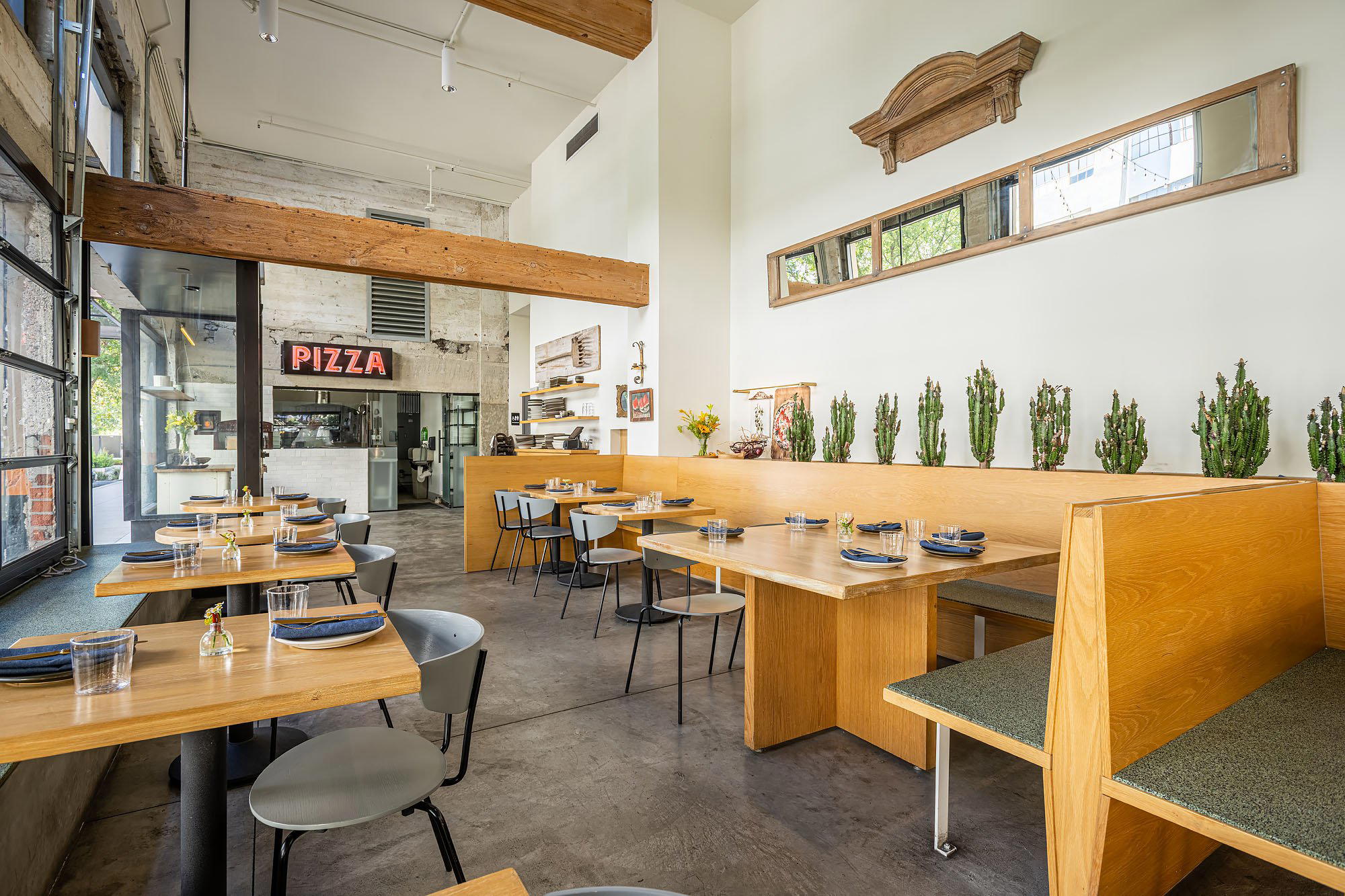
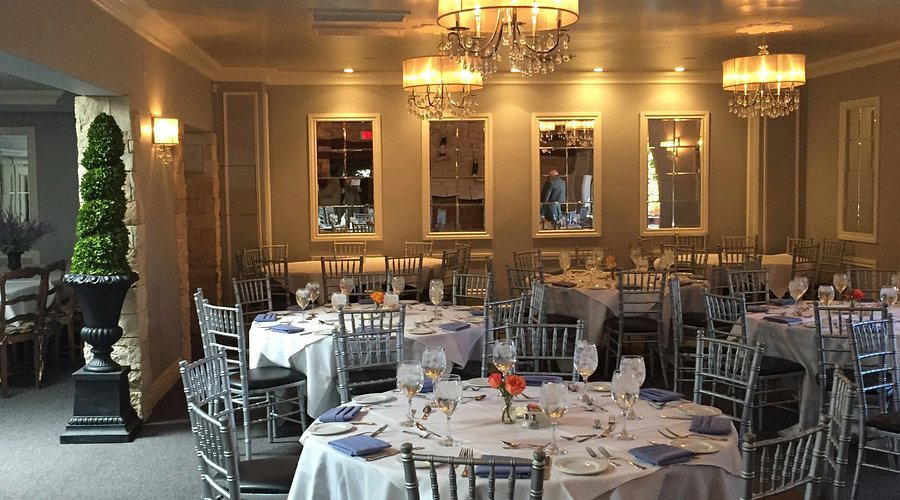
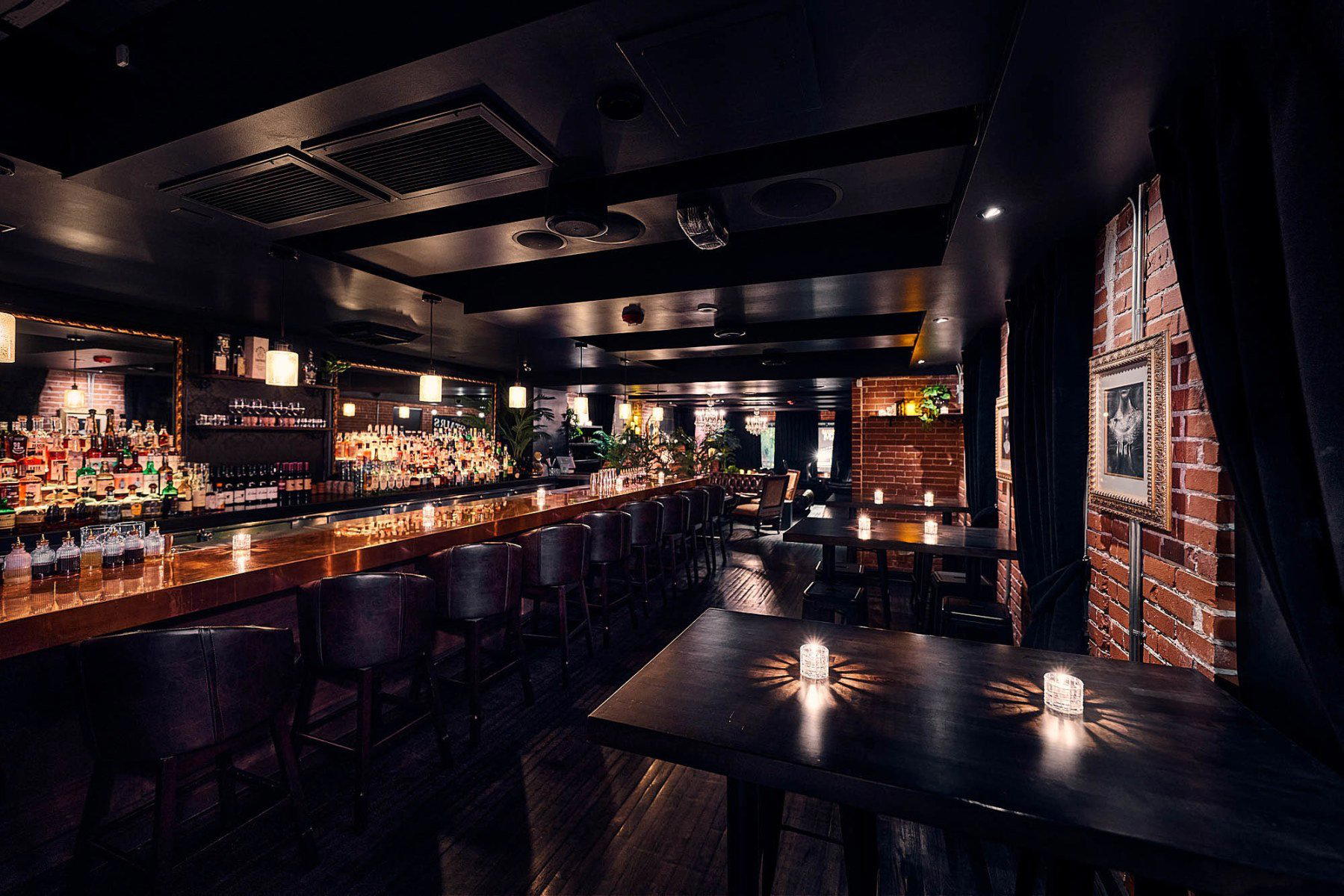
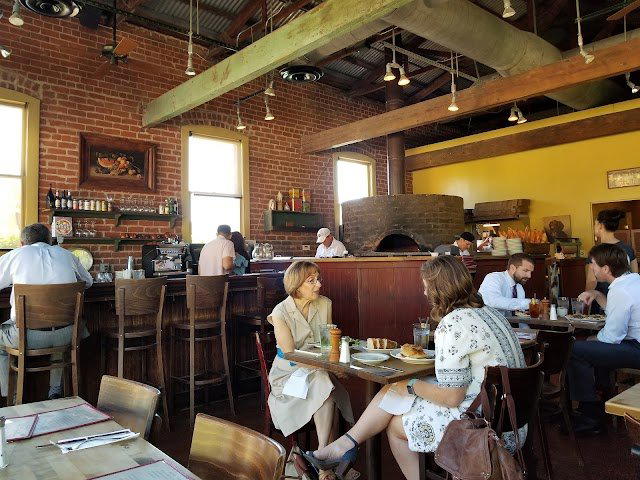
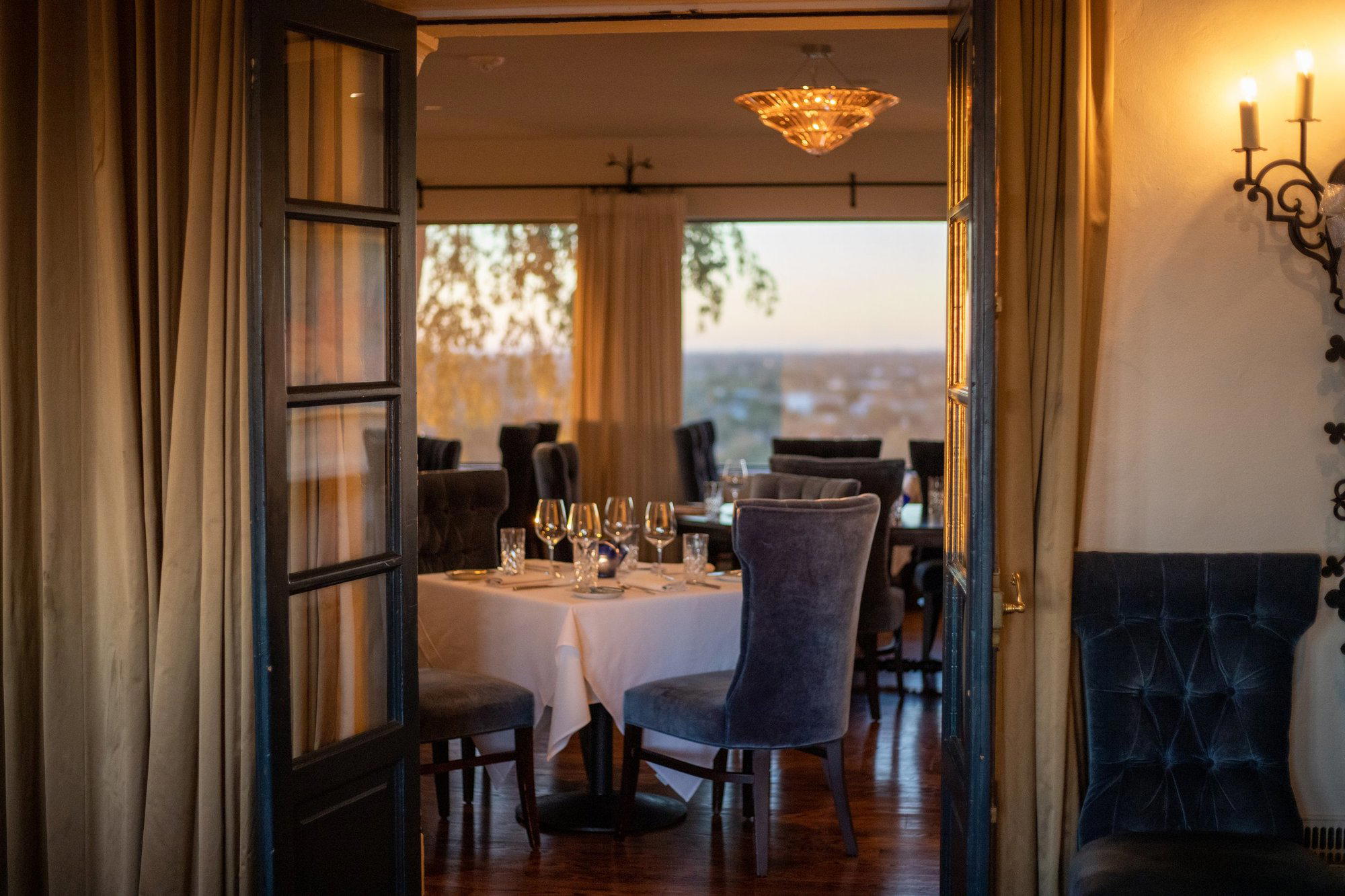
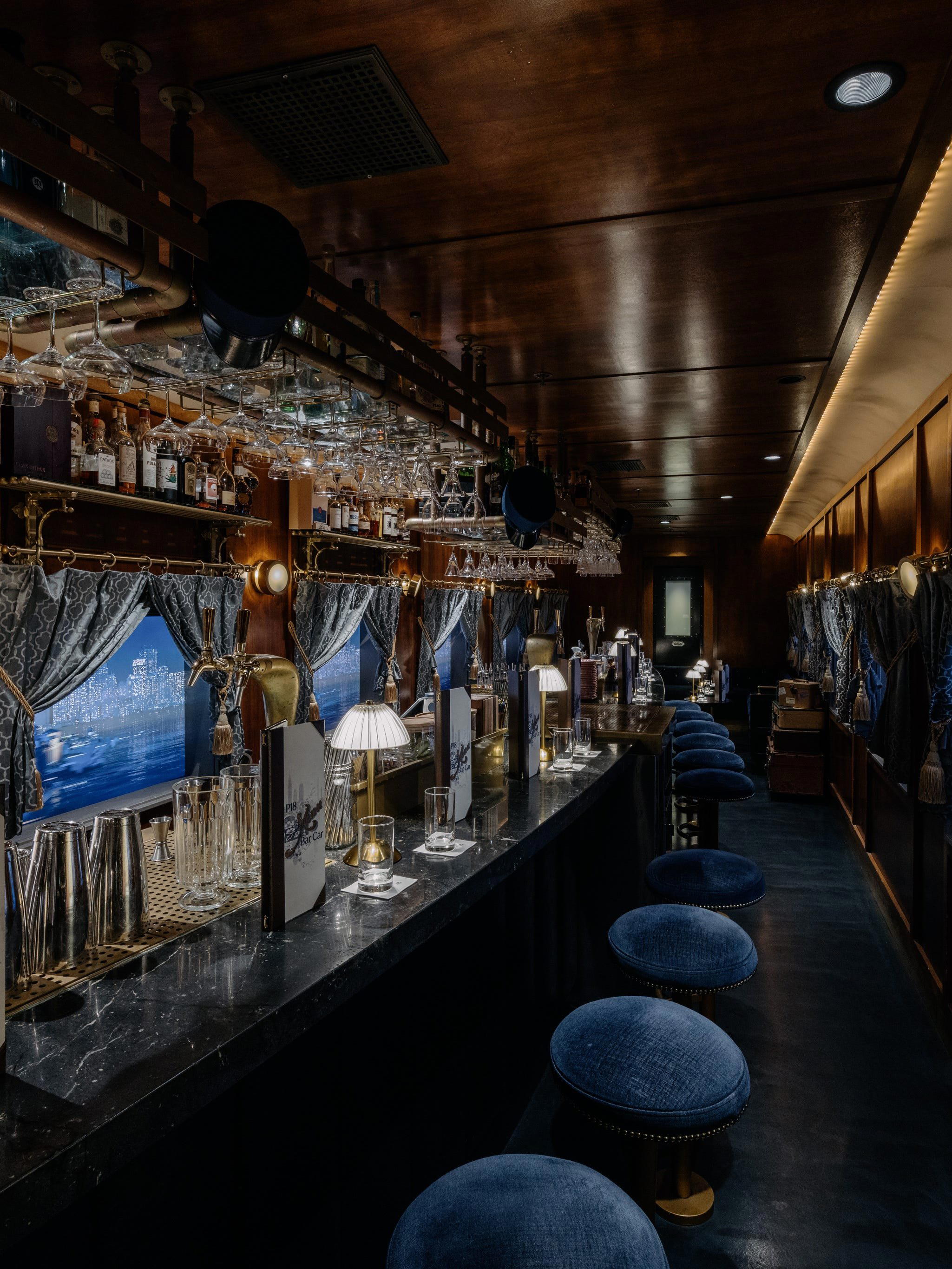
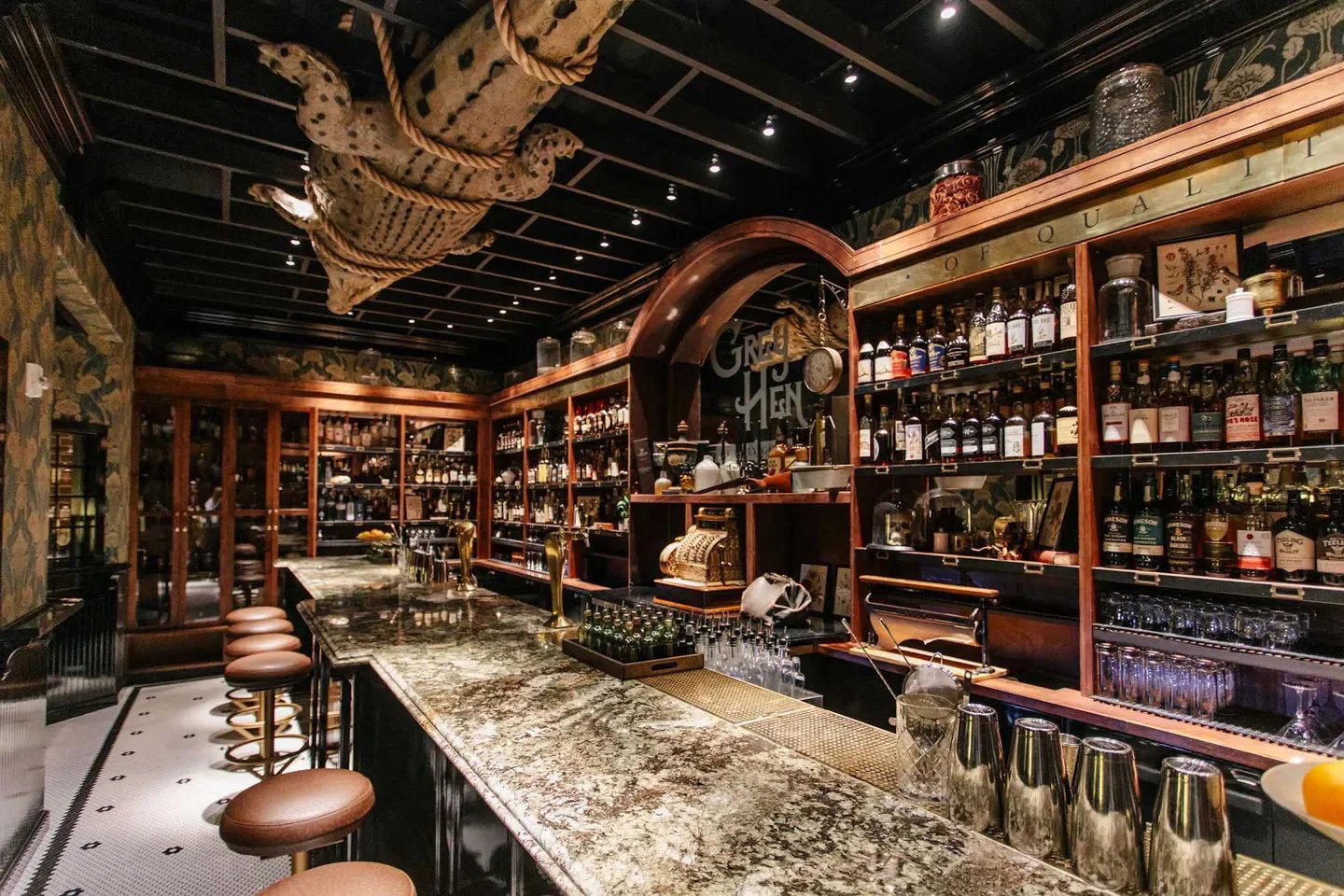
Warm, authentic atmosphere reminiscent of the Aegean Islands with traditional Greek hospitality and occasional live music performances.
Know Before You Go
- Getting there
- 1940 E Camelback Rd suit 104, Phoenix, AZ 85016