Hotel du Vin Bristol

Michelin Selected
A Michelin Selected hotel occupying a converted Georgian sugar refinery on Narrow Lewins Mead, Hotel du Vin Bristol places industrial heritage at the centre of its identity. The exposed brickwork, vaulted cellars, and wine-focused programming sit within Bristol's broader shift toward character-led accommodation. For travellers choosing between the city's design-conscious properties, this one anchors itself firmly in history.

Pearl is the En Primeur Club membership app, where members save venues, book tables and use the concierge.
Where Industry Becomes Atmosphere
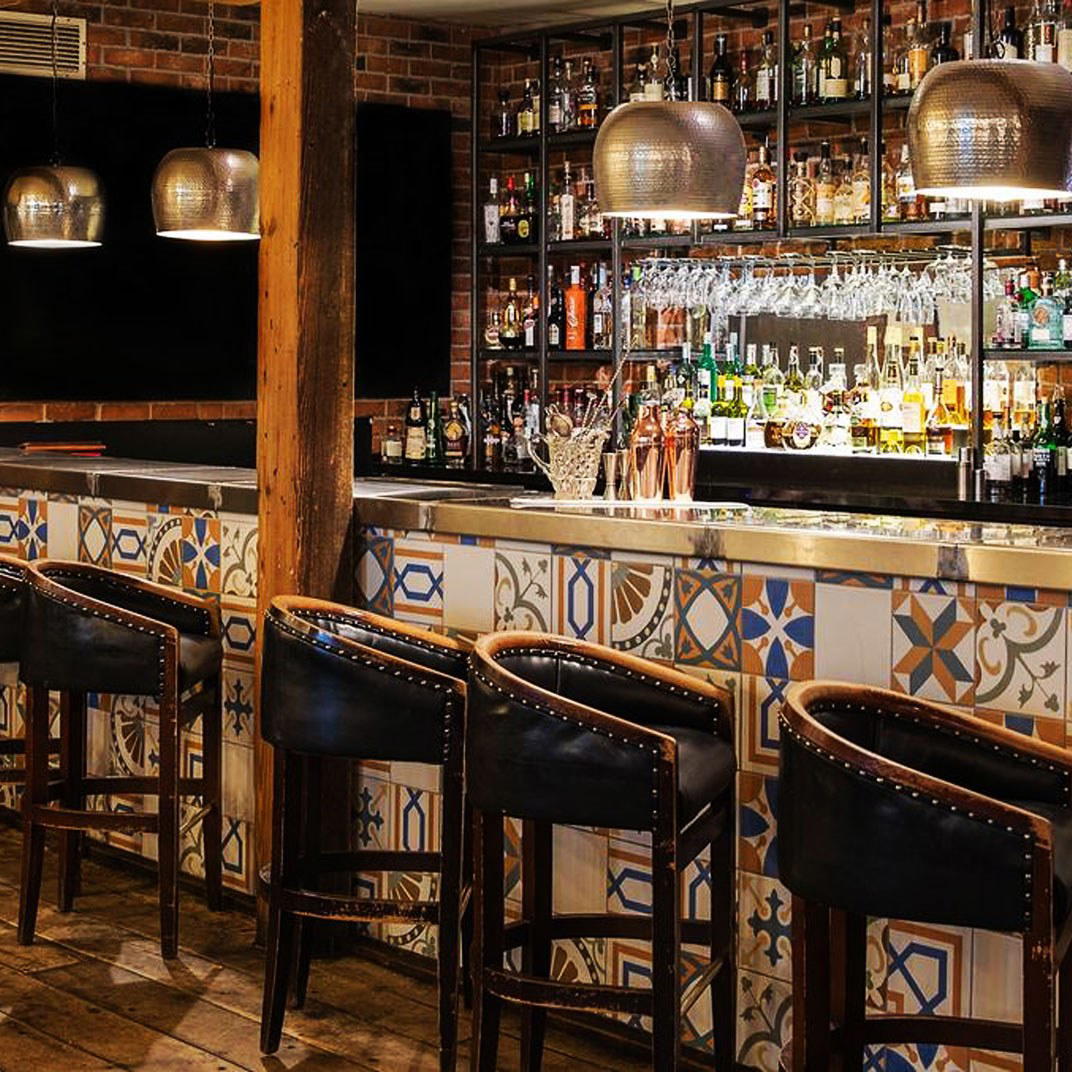
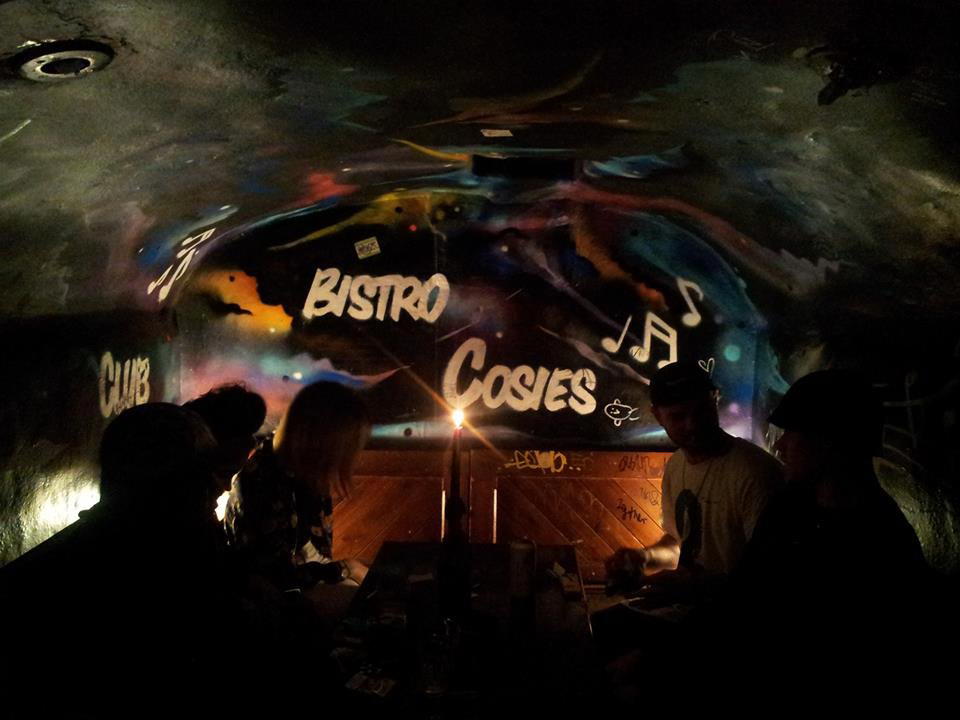
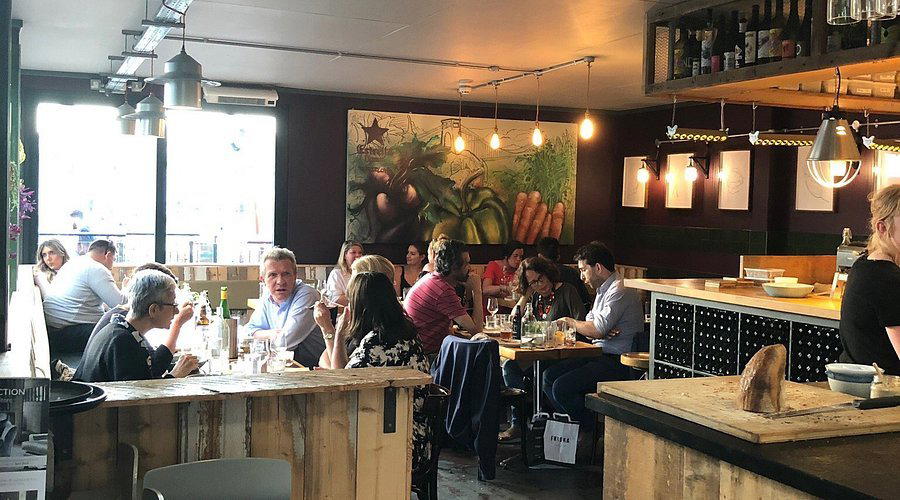
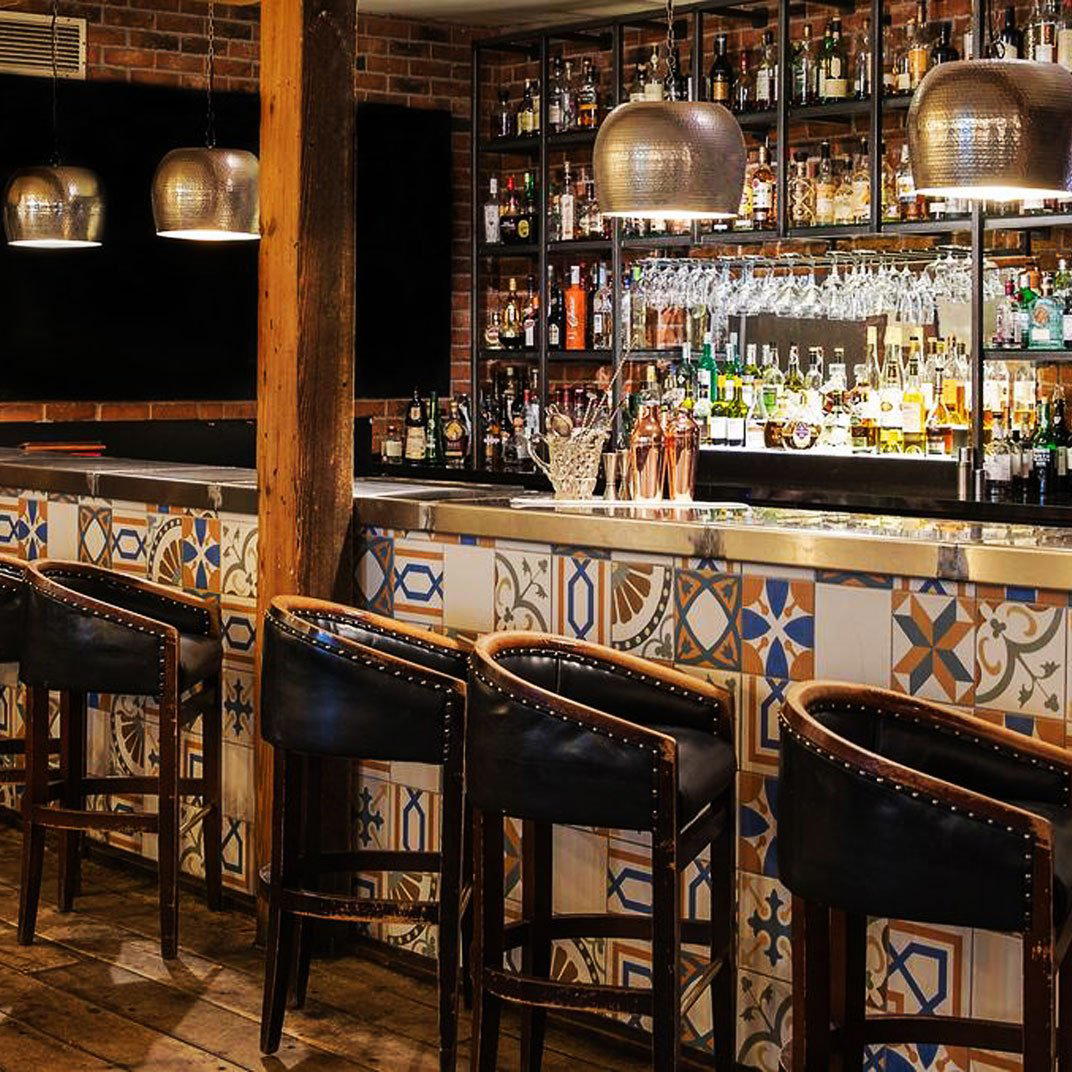
The Sugar House on Narrow Lewins Mead does not announce itself. The building arrives as a fact of Bristol's post-industrial waterfront: thick Georgian brick, warehouse proportions, and a street-level presence that reads more as civic structure than hotel entrance. That restraint is the point. Hotel du Vin Bristol occupies a former sugar refinery, and the conversion leans into the bones of the original rather than papering over them. Exposed masonry runs through the public spaces, vaulted ceilings carry the weight of two centuries of commerce, and the general atmosphere is of a building repurposed with enough confidence to leave the rough edges visible.
Bristol's accommodation market has developed along two distinct trajectories over the past decade. On one side sit the large-format, full-service hotels oriented toward the conference and leisure markets. On the other, a smaller cohort of properties has pursued character over capacity, converting the city's architectural inheritance, Georgian townhouses, Victorian warehouses, dockside structures, into stays with a stronger sense of place. Hotel du Vin Bristol belongs to this second group.
For context on how this property fits Bristol's broader hospitality options, the EP Club Bristol guide maps the full range of the city's hotels, restaurants, and bars.
The Conversion Approach: What the Building Does for the Guest
Adaptive reuse in British hospitality runs a spectrum from sympathetic restoration to aggressive modernisation. The more credible end of that spectrum tends to resist the urge to smooth everything over. Properties that leave structural evidence of their former use, load-bearing columns, industrial-gauge ironwork, the particular quality of light that enters through windows designed for a different purpose, tend to generate a more grounded sense of arrival than those that treat the original building merely as a shell.
Hotel du Vin as a group has built its identity around exactly this approach across its UK portfolio. The Bristol property applies it to a sugar refinery context, which gives the interiors a particular material character: the warmth of aged brick against darker furnishings, the contrast between vaulted lower spaces and higher-ceilinged upper floors. This is not the kind of hotel that photographs well from a single angle. The texture is cumulative, experienced as you move through it.
Comparable conversions in Bristol take different approaches. Artist Residence Bristol pursues a more eclectic, art-forward aesthetic in a Georgian townhouse setting. Bristol Lido wraps its accommodation around a Victorian swimming pool, making the communal water space the architectural centrepiece. Harbour Hotel Bristol and The Bristol Hotel both operate at a more conventional full-service scale. Number 38 Clifton offers a boutique guesthouse format up on the hill, with a very different relationship to the city. Hotel du Vin Bristol occupies a specific niche in that range: city-centre, heritage-led, mid-to-upper price bracket, with wine programming built into the experience rather than added as an afterthought.
The group's wine focus, vaulted cellars, wine lists, an institutional commitment to the category, places Bristol alongside its sister properties in a format that few UK hotel groups have attempted at this scale. For comparison, Hotel du Vin at One Devonshire Gardens in Glasgow applies the same framework to a Victorian West End terrace, with a very different architectural character but the same underlying programme.
Location and the City Around It
Narrow Lewins Mead sits at the edge of Bristol's old city core, a short walk from Cabot Circus, the Harbourside, and the cluster of independent bars and restaurants that has made the city's centre increasingly worth staying in rather than simply passing through. Bristol has developed a food and drink culture over the past fifteen years that punches above the weight of a city its size. The independent hospitality sector is dense and competitive, which makes the choice of where to stay in the centre more consequential than it might be in a city with fewer options within walking distance.
The Sugar House location puts the Harbourside and the areas around King Street within easy reach on foot. Clifton, with its Georgian crescent and the Suspension Bridge, requires either a walk uphill or a short taxi, though Avon Gorge by Hotel du Vin, a sister property sitting directly at the bridge, is the obvious choice for guests who want that view at the centre of their stay. The Lewins Mead location is more practical than scenic, but practical has value when the point of a Bristol trip is the city itself rather than a specific outlook.
Among UK properties in a similar Michelin Selected tier, Bristol competes with destinations that carry stronger established reputations. Lime Wood in Lyndhurst operates in the New Forest at the country-house end of the spectrum. The Newt in Somerset has built a destination-travel case around its estate model. Hotel du Vin Bristol makes a different argument: that a well-converted historic building in a city with a strong independent culture is its own category of stay, separate from both the country-house and the five-star urban hotel formats.
Planning Your Stay
Hotel du Vin Bristol sits at Narrow Lewins Mead in the city centre, accessible by taxi from Bristol Temple Meads station in under ten minutes. Bristol Airport, served by a range of European carriers, connects to the city by bus or taxi. Given the wine cellar programming and the group's established room format, booking directly through Hotel du Vin's central reservations or a reputable booking platform is the standard approach, the group does not operate a particularly opaque allocation system, and availability is generally visible online. Weekend demand in Bristol has tightened as the city's profile has grown, so earlier booking applies for Friday and Saturday nights, particularly during major festivals or sporting events. Full Moon Inn and Nicewonder Farm and Vineyards offer alternative formats for different types of Bristol visit.
For travellers comparing this against the group's other UK properties or against the broader field of Michelin Selected hotels, the Bristol property's strongest argument is the building itself. The architecture does work that amenity lists cannot.
Side-by-Side Snapshot
Comparable venues nearby, for context on price, style, and recognition.
| Venue | Cuisine | Price | Awards | Notes |
|---|---|---|---|---|
| Hotel du Vin BristolThis venue (the venue you are viewing) | Converted historic sugar warehouse with contemporary design and historic character | $100–200 | Michelin Selected | Not listed |
| Avon Gorge by Hotel du Vin | Historic boutique hotel merging Victorian heritage with modern luxury | Not listed | Not listed | Clifton |
| Harbour Hotel Bristol | Boutique luxury in historic former bank buildings with period features and contemporary design. | $100–200 | Not listed | Central |
| Full Moon Inn | Traditional English country inn with contemporary comfort amenities | $100–200 | Not listed | Bedminster |
| The Bristol Hotel | Modern Brutalist landmark with contemporary luxury interiors | $200–300 | Not listed | Central |
Recognition history
Dated appearances from independent guides and award organizations, with the underlying list record or original source where available.
Michelin Selected
Michelin
Continue exploring
More in Bristol
Hotels in Bristol
All hotels in Bristol →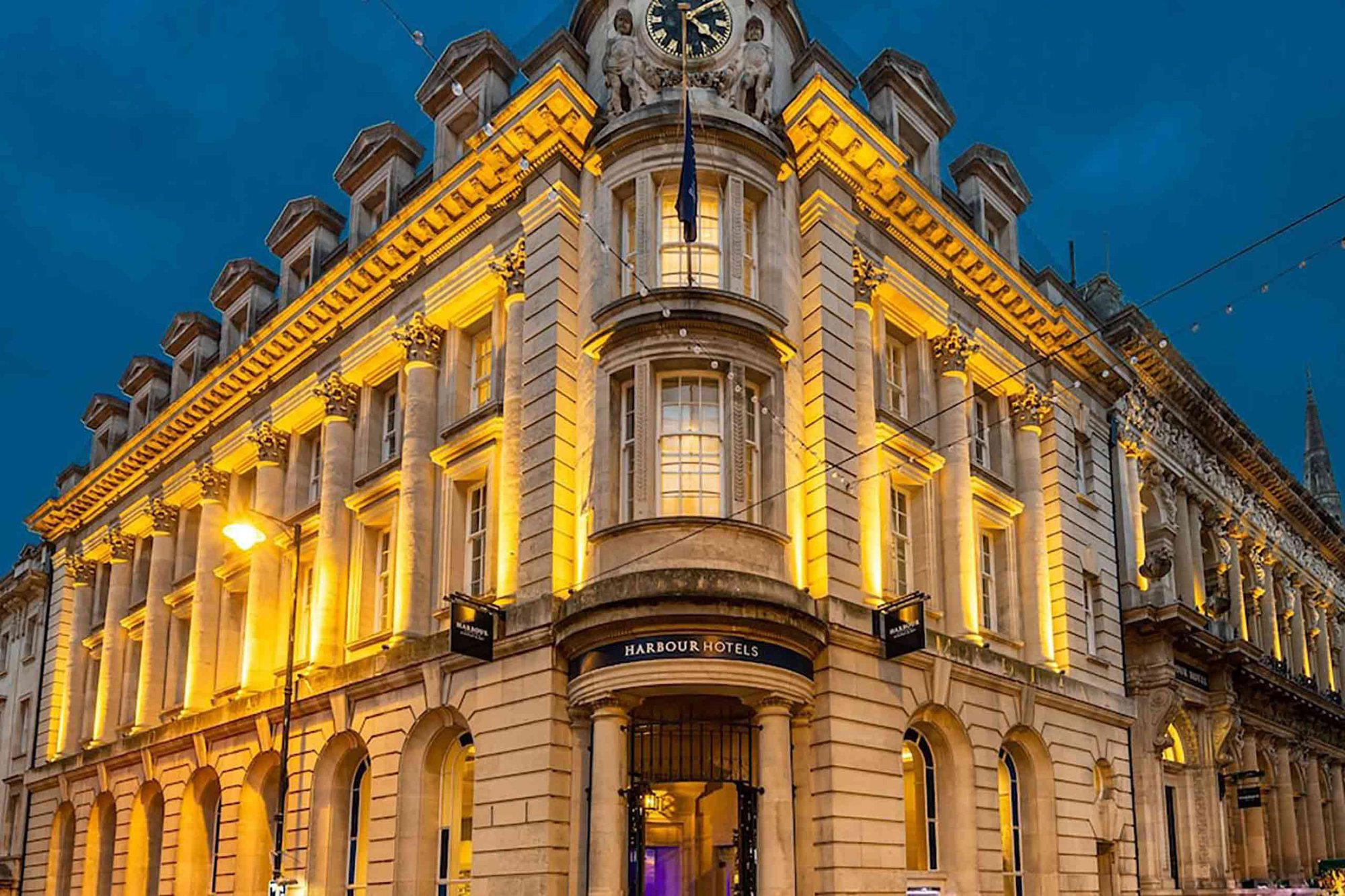
Bars in Bristol
All bars in Bristol →
Details
- Elegant
- Sophisticated
- Cozy
- Classic
- Intimate
- Romantic Getaway
- Business Trip
- Weekend Escape
- Historic Building
- Terrace
- Wi Fi
- Room Service
- Concierge
- Restaurant
- Wheelchair Accessible
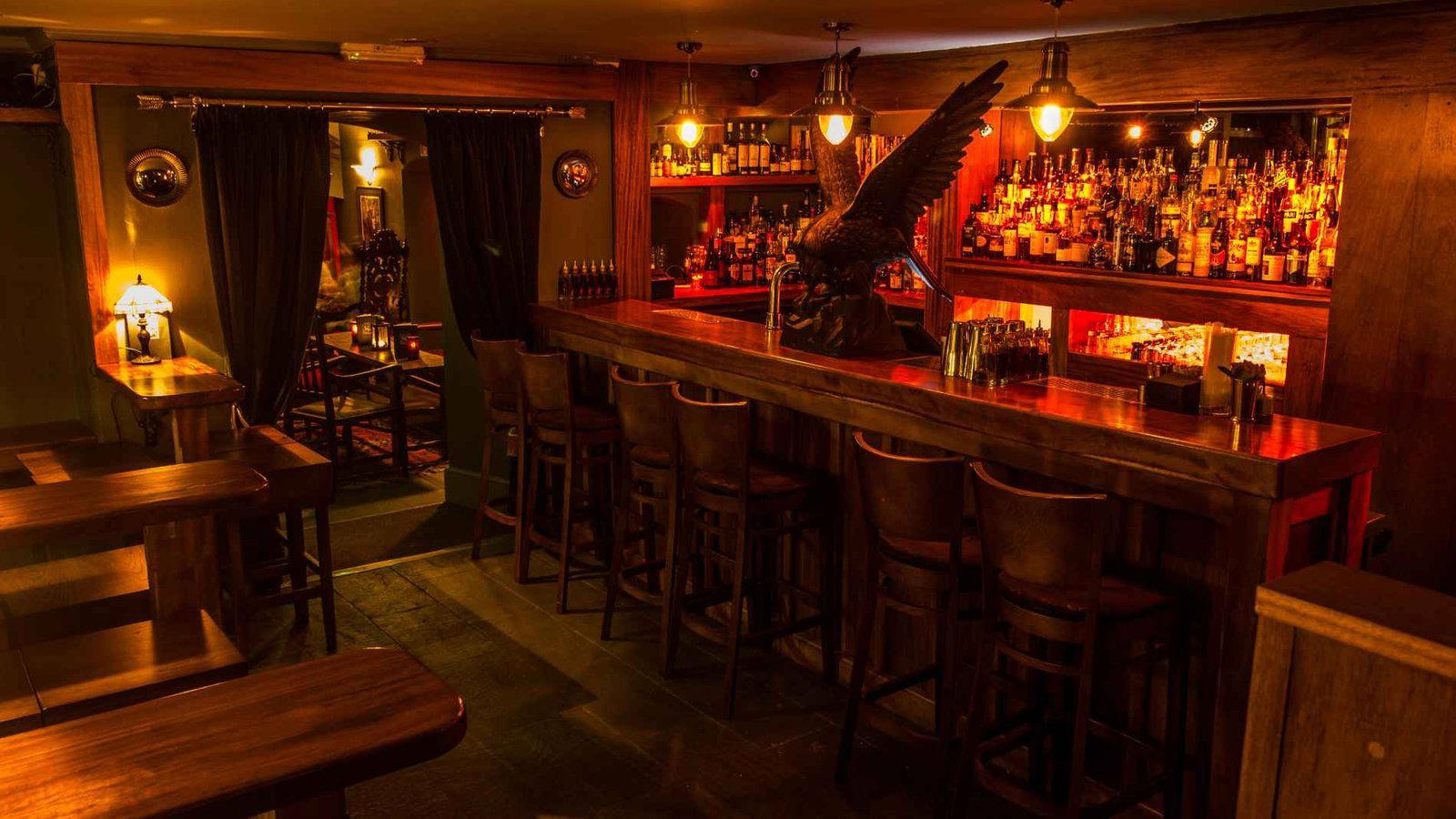
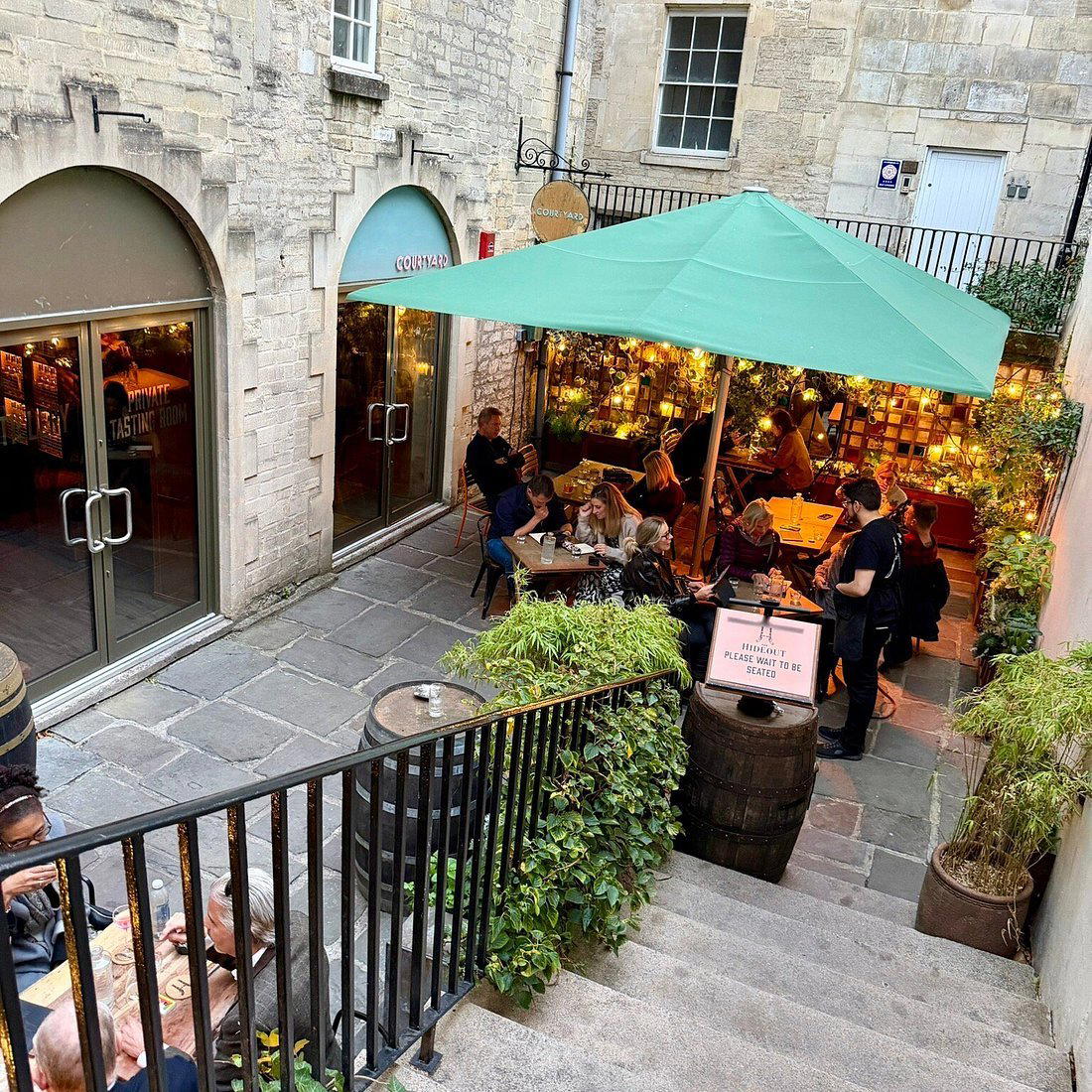
Contemporary classic and lively atmosphere with moody, stylish loft-style rooms, spacious and elegantly unpretentious with a focus on wine and bistro dining.