Long Story Short Eatery & Bakery

A creative seasonal bistro inside a 19th-century military bakery, Long Story Short brings an à la carte menu of produce-driven plates to Olomouc's Koželužská quarter. The open kitchen with Jopser grill and a dedicated chef's table set the format; the sourdough and pastry program extends the offer into daytime. An attached café bar and hostel make it a rare multi-purpose address in Moravian dining.
Pearl is the En Primeur Club membership app — saves, bookings, and concierge access live there. Same editors, same standards.
- Address
- 31c, Koželužská 945, 779 00 Olomouc-Olomouc 9, Czechia
- Phone
- +420 727 800 900
- Website
- longstoryshort.cz
- Directions
- Get directions
 Saves & bookings on Pearl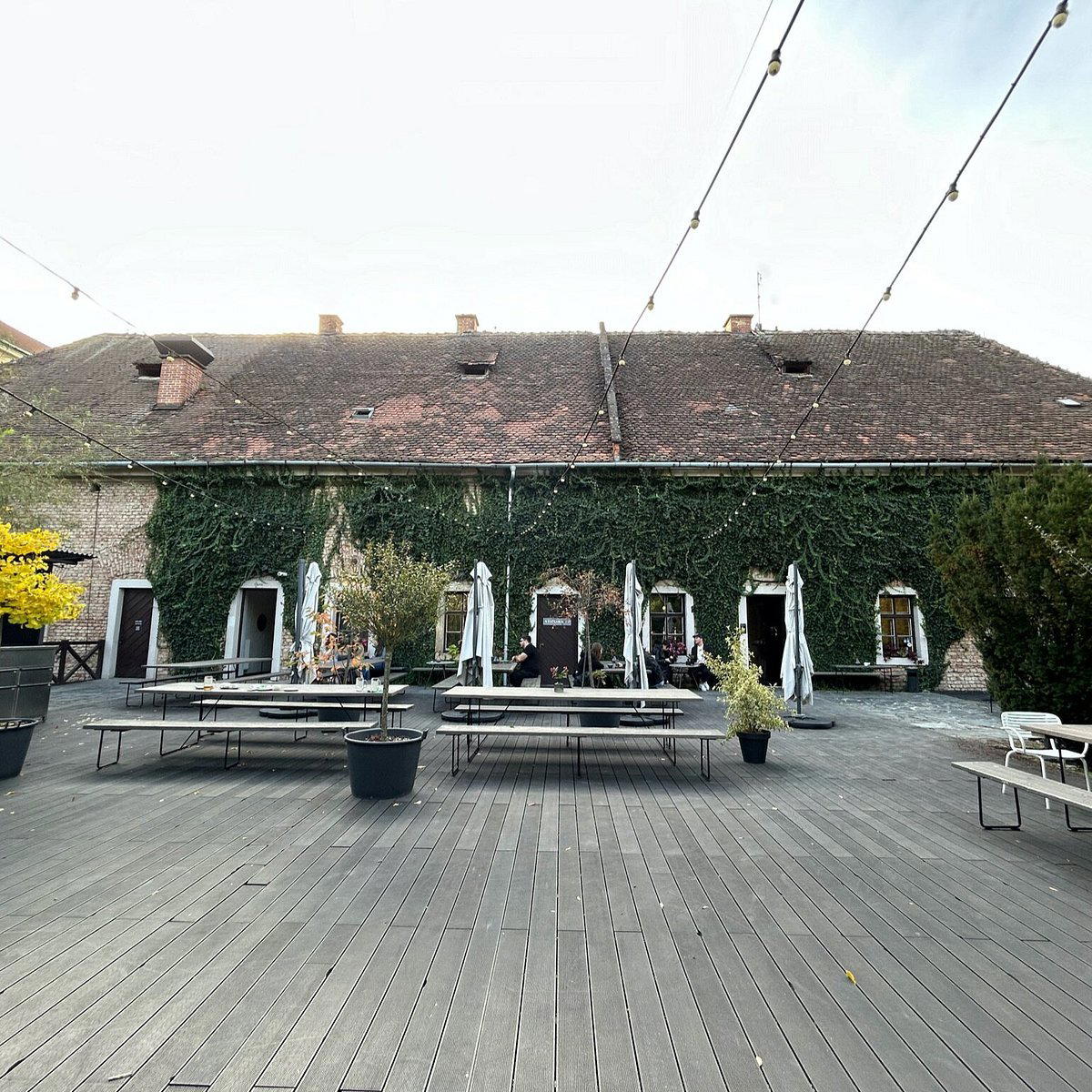
A Bakery Repurposed, a Menu That Earns Its Space
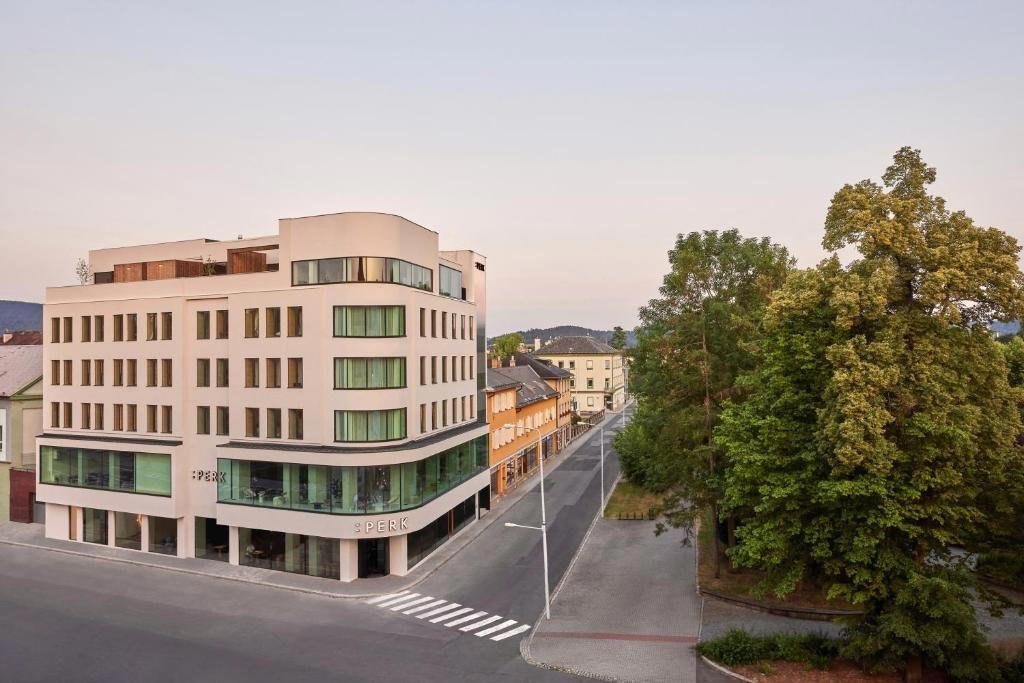
There is a specific pleasure in eating well inside a building that was designed for an entirely different purpose. The vaulted ceilings of a 19th-century military bakery on Koželužská street carry a weight of function and history that no purpose-built restaurant can manufacture. Long Story Short is a restaurant in Olomouc, Czechia, serving modern fusion with bakery elements at a price point around $25 per person. The architecture does real work on arrival: the height of the room, the aged masonry, and the lofted atmosphere create conditions that the kitchen then has to meet. In Olomouc, a Moravian city whose old town carries more Baroque heritage per square metre than most visitors expect, this kind of adaptive reuse has become the more interesting model for serious dining.
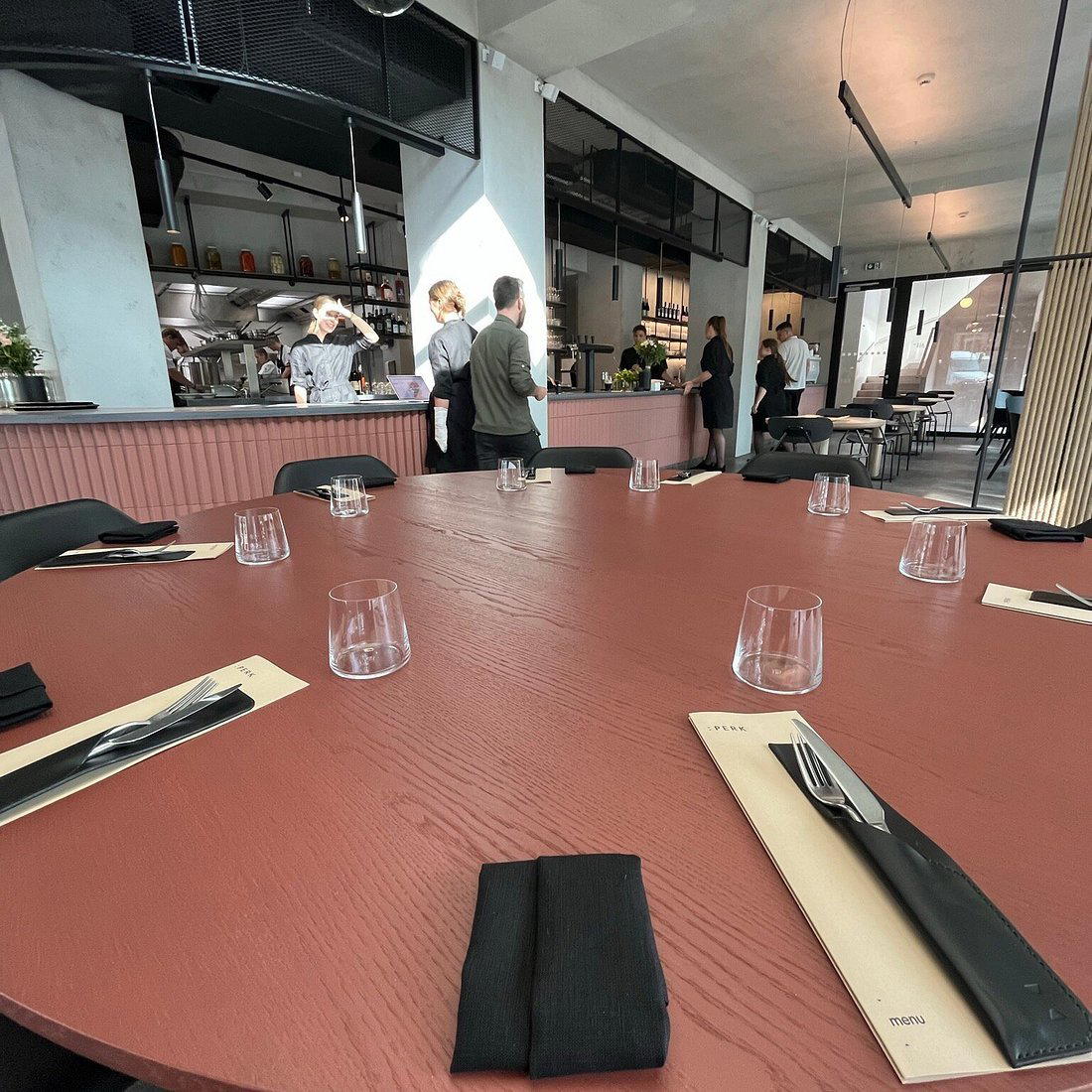
The building context matters for the editorial angle here, because Czech bistro culture has moved through a recognisable arc. A decade ago, the gap between formal fine dining and casual café eating was wide and not especially well-served in regional cities. What has emerged since is a mid-tier format, call it the modern bistro, where seasonal ingredients, technique-forward cooking, and relaxed service coexist. Long Story Short sits confidently in that format, and its choice of setting signals something about ambition: you do not install a chef's table and an open kitchen complete with a Jopser grill inside a military bakery unless you intend to be taken seriously.
The Menu: Seasonal, Sharing-Friendly, Genuinely Considered
The à la carte structure at Long Story Short reflects a current tendency in Central European bistro cooking toward plates that are complete in themselves but also designed for the table to share. This matters practically: dishes such as grilled oyster mushroom with cream cheese and bread chips, chickpea tofu with hoisin, yuzu and chard, and venison with rosehip, Brussels sprout and semolina are not the kind of food that demands a fixed order of courses to make sense. They sit in that productive zone where the kitchen is clearly cooking with intention, pulling from fermentation, umami-building condiments, and seasonal sourcing, while the format stays loose enough to allow spontaneity at the table.
Yuzu and hoisin combination on the chickpea tofu dish is worth noting as a cultural positioning signal. This is not the Czech cooking of dumplings and roast pork; it is a kitchen that has absorbed influences from Japanese and East Asian technique without overclaiming fusion credentials. That approach aligns Long Story Short more closely with the broader wave of produce-led European bistro cooking than with any specific national tradition, which is its own kind of coherence. For a Moravian city that sits outside the main Prague-Brno culinary corridor, this represents a meaningful step in the regional dining conversation. ATELIER bar & bistro in Brno and ARRIGŌ in Děčín occupy comparable positions in their respective cities: modern bistro formats operating at the sharper edge of regional dining outside Prague.
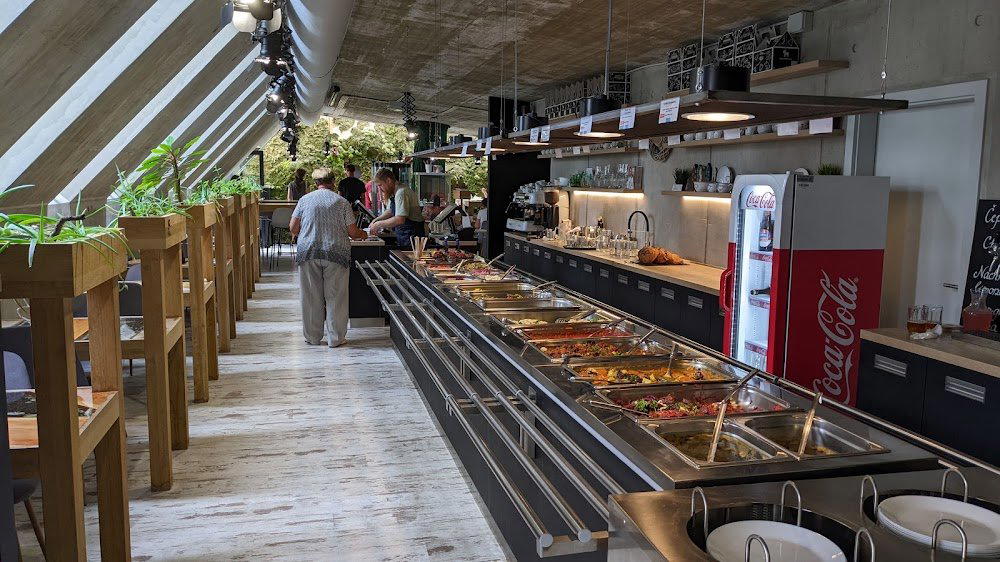
Lunchtime menu adds an extra dish to the standard à la carte, a detail that functions as both a value proposition and a signal of operational seriousness. It is the kind of decision that suggests a kitchen running at consistent output rather than holding back a simpler service for midday trade.
Bread, Pastry, and the Bakery Lineage
Sourdough bread and pastry program at Long Story Short is not incidental to the food offer; it is the address's most direct connection to the building's original function. A military bakery that now produces sourdough loaves and sweet pastries for a creative modern bistro is a satisfying continuity, and the quality of the bread here is a notable part of the venue's recognition. In the current Czech dining scene, where bread service has become a genuine differentiator at the serious end of the mid-market, this matters. La Degustation Bohême Bourgeoise in Prague operates at the formal fine dining tier where bread is integral to a multi-course progression; Long Story Short makes it a reason to visit in its own right, at a more accessible register.
Café bar element of the premises extends the bakery logic into a daytime format, giving Long Story Short a dual identity that is increasingly common among serious bistro operations across Central Europe. Venues like Chapelle in Písek and Bohém in Litomyšl demonstrate how regional Czech addresses are building multi-register operations that serve morning and afternoon trade without diluting the evening dining proposition.
The Chef's Table and the Jopser Grill
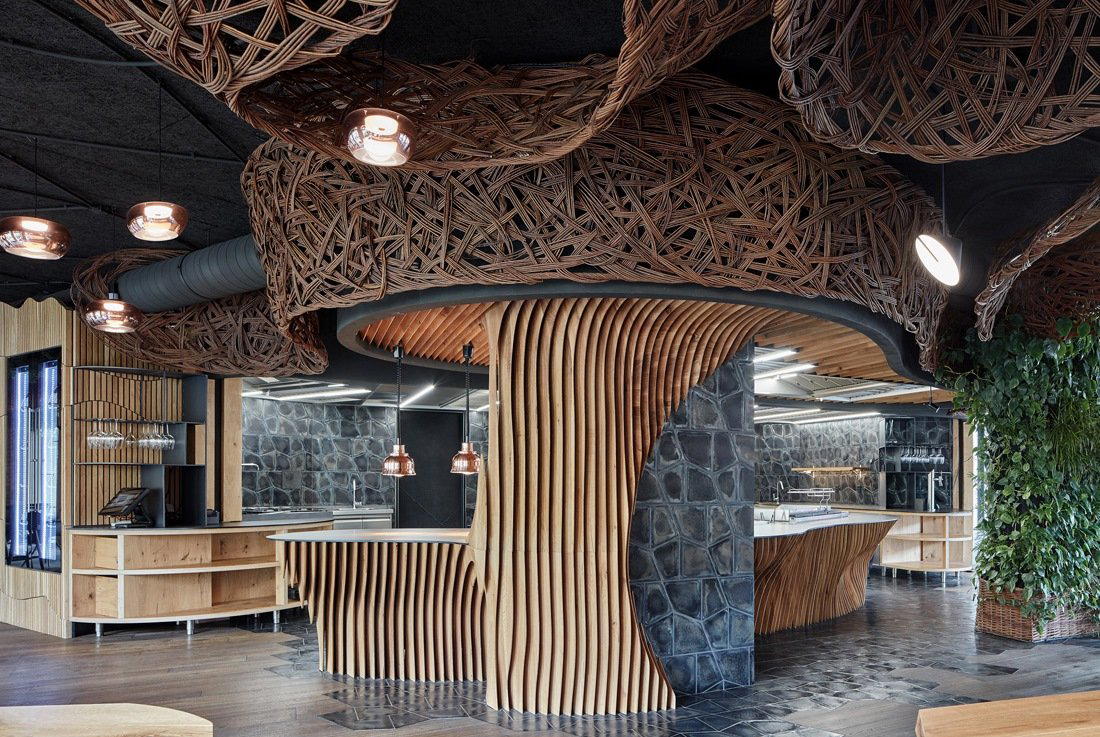
Open kitchen format with a dedicated chef's table is now standard at modern bistros operating at the upper end of the mid-market across Europe, but the specific presence of a Jopser grill indicates something about the kitchen's technical priorities. The Jopser, a Czech-manufactured grill with a documented presence in a number of the country's more serious kitchens, produces a specific quality of char and heat distribution that shapes how proteins and vegetables are finished. Its inclusion here is less a novelty than a statement about the kitchen's approach to fire and texture as finishing tools, which connects logically to dishes like the venison plate and the grilled mushroom preparation.
Chef's table format itself places Long Story Short in a comparable set that includes some of the more ambitious regional addresses in Czech and Slovak dining. Cattaleya in Čeladná and ESSENS in Hlohovec operate in that same register where the kitchen's physical transparency is part of the dining proposition. Internationally, the gap between this format and something like Atomix in New York City is one of scale and price tier, not ambition of approach.
Olomouc Context and Where Long Story Short Fits
Olomouc's dining scene has historically operated in the shadow of Brno and Prague, but the city's compact old town and university population have created conditions for a more sustained creative hospitality scene than its size might suggest. Long Story Short occupies a distinct position in that scene. Entrée and STeaK Restaurant represent other registers of Olomouc dining, more formal or more protein-focused respectively, while Long Story Short covers the creative seasonal bistro tier with a format that is genuinely difficult to find in a Moravian city of this scale. The attached hostel on the premises is an unusual operational combination, but it also points toward a younger, more mobile guest profile that expects both quality food and a relaxed atmosphere.
For practical planning, the address on Koželužská places Long Story Short in a quarter that is walkable from the old town centre, with a public car park approximately 100 metres from the entrance. Further afield, Dvůr Perlová voda in Budyně nad Ohří and Babiččina zahrada in Průhonice are regional addresses worth considering if a Bohemian road trip frames the wider journey.
Cost Snapshot
Comparable venues nearby, for context on price, style, and recognition.
| Venue | Cuisine | Price | Awards | Notes |
|---|---|---|---|---|
| Long Story Short Eatery & BakeryThis venue — the venue you are viewing | city centre, Modern Fusion with Bakery | $$ | Bib Gourmand | Not listed |
| Koza zůstala celá | Skalka, Vegetarian Czech Buffet | $$ | Not listed | Not listed |
| Entrée | Not listed | $$$$ | Michelin 1 Star | Hodolany, Modern International Fine Dining |
| STeaK Restaurant | Hodolany, Premium Steakhouse | $$$$ | Michelin Plate | Not listed |
| Emperor Square | Nové Město, Asian Fusion & Sushi | $$ | Not listed | Not listed |
| ELEMENT | city center, Modern European Fusion | $$$ | Michelin Plate | Not listed |
Recognition history
Dated appearances from independent guides and award organizations, with the underlying list record or original source where available.
Michelin Bib Gourmand
Michelin
At a Glance
- Modern
- Cozy
- Trendy
- Intimate
- Date Night
- Casual Hangout
- Brunch
- Open Kitchen
- Chefs Counter
- Courtyard
- Extensive Wine List
- Local Sourcing
- Garden
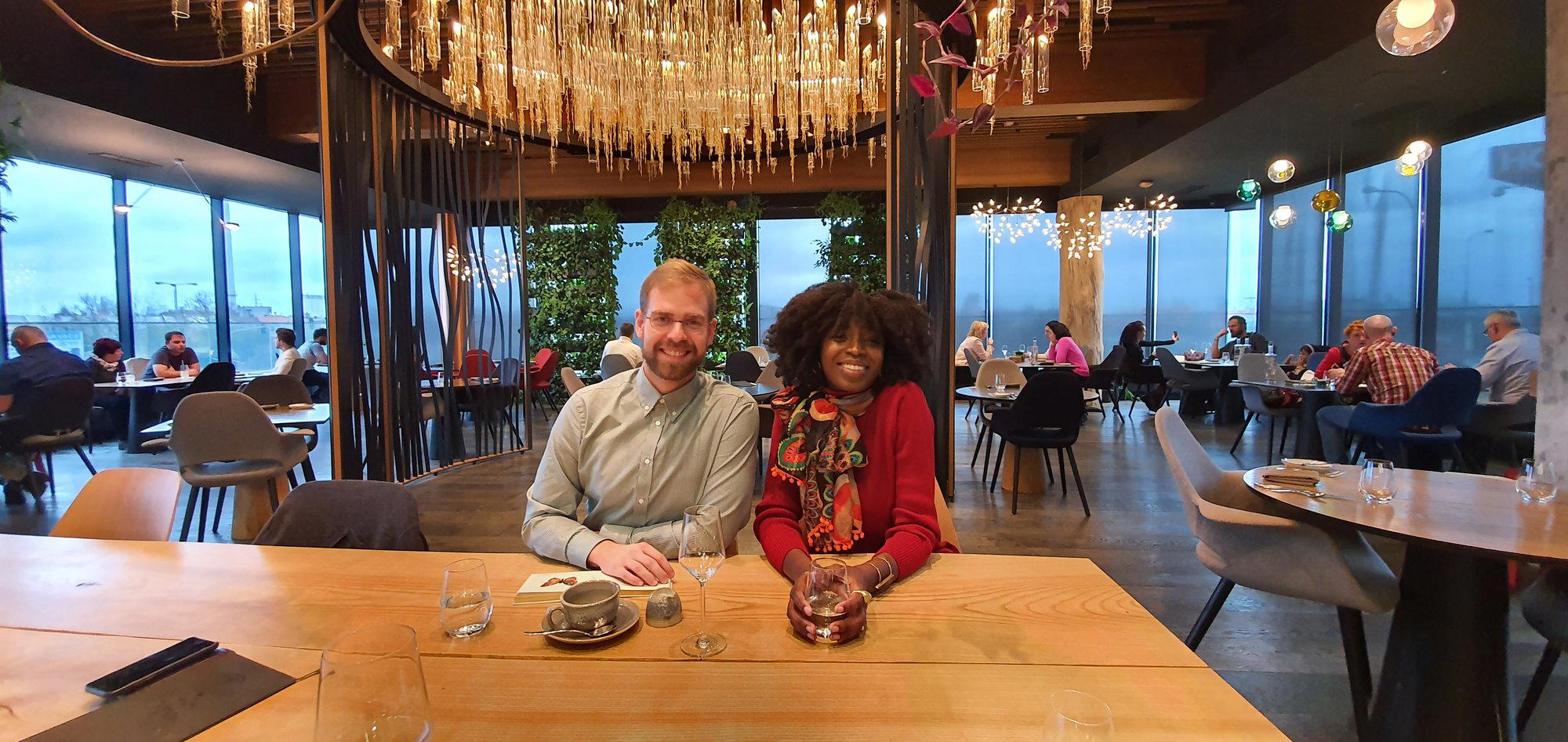
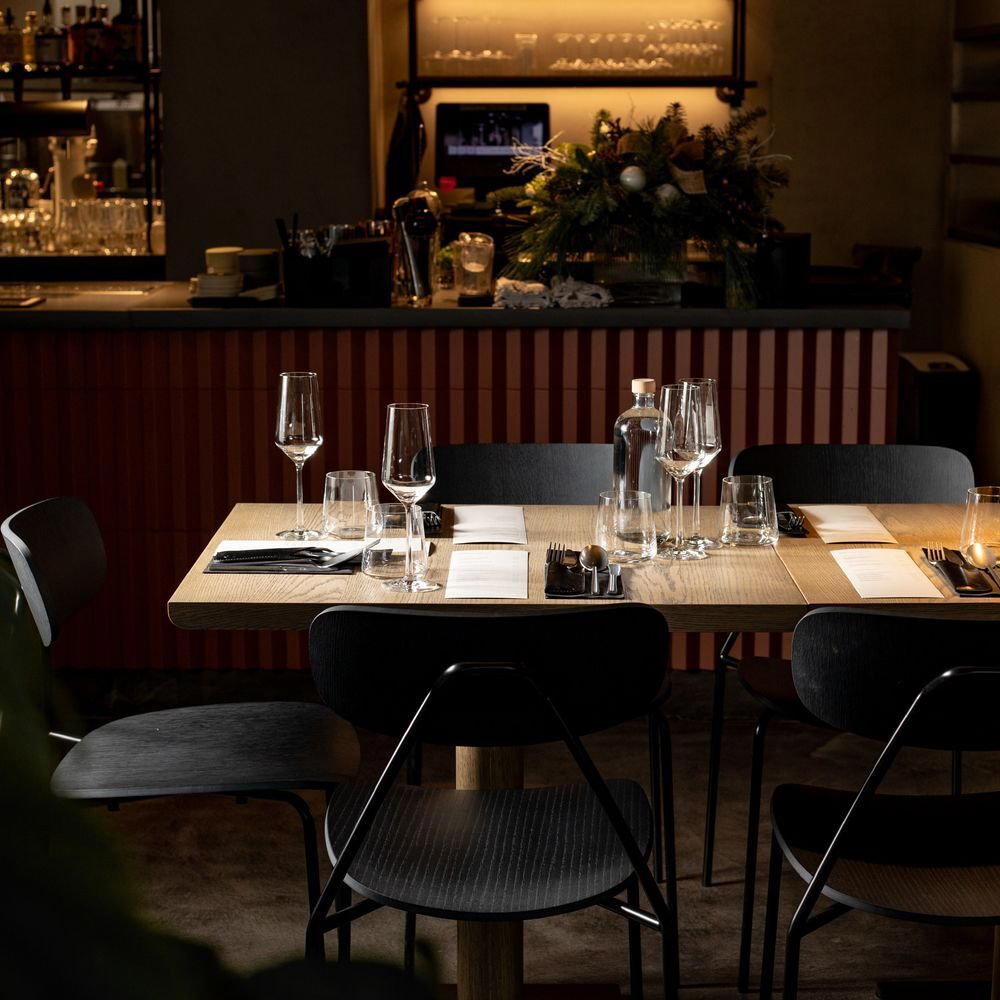
Relaxed and informal atmosphere with elegant touches, lofty vaulted ceilings, cozy courtyard seating, and a hip, on-trend vibe.