Blue Mermaid
Blue Mermaid sits at 495 Jefferson Street on San Francisco's Fisherman's Wharf, placing it directly inside one of the city's most historically layered waterfront corridors. The address positions it within walking distance of the bay's working piers and the broader seafood dining tradition that has defined this stretch of the northern waterfront for generations. Visitors to the area will find it alongside the Wharf's concentrated cluster of seafood-forward establishments.
Pearl is the En Primeur Club membership app — saves, bookings, and concierge access live there. Same editors, same standards.
- Address
- 495 Jefferson St, San Francisco, CA 94109
- Phone
- +14157712222
- Website
- argonauthotel.com
- Directions
- Get directions
 Saves & bookings on Pearl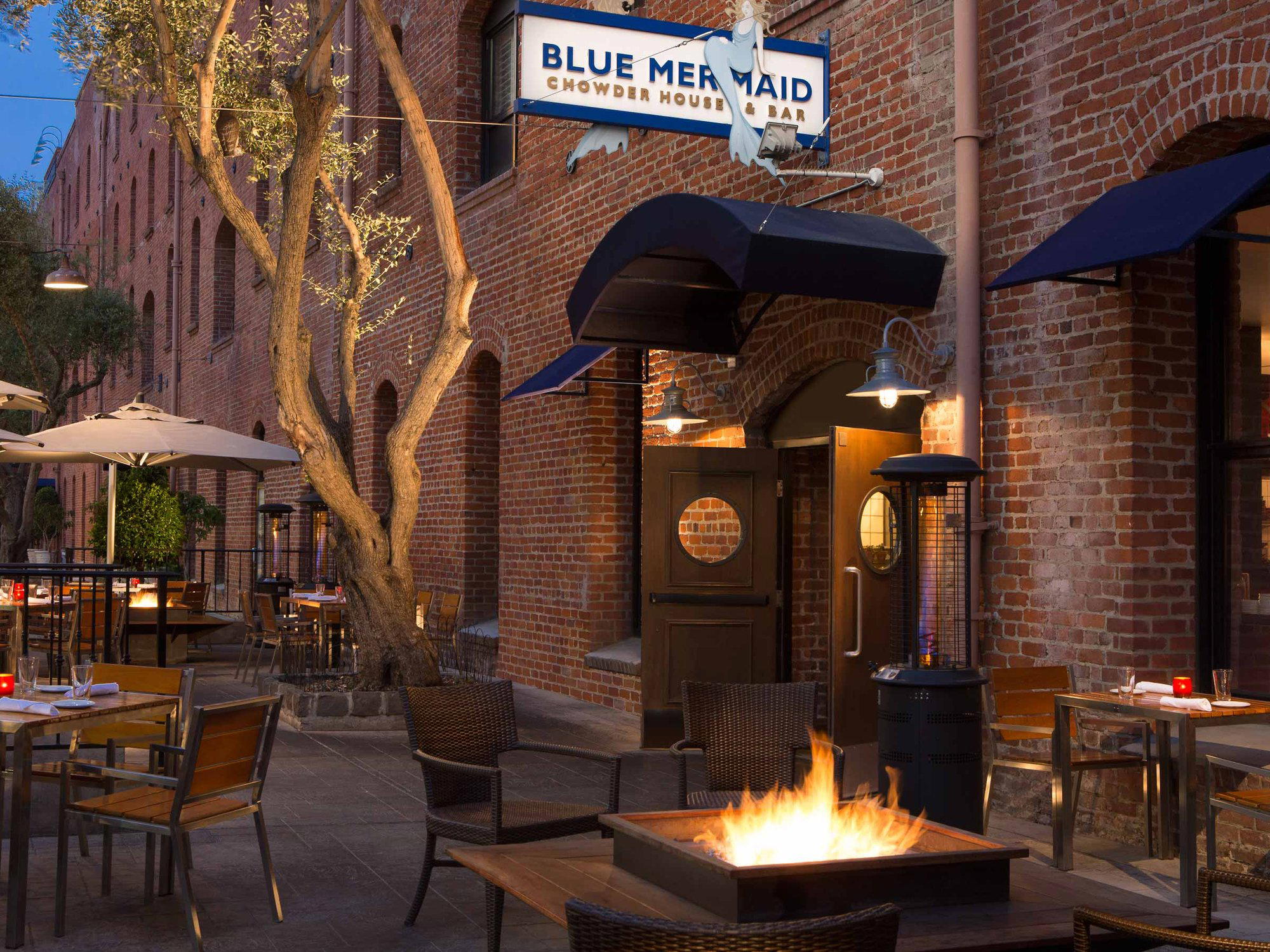
Jefferson Street and the Architecture of the Wharf Experience
San Francisco's northern waterfront has never been a quiet stretch. Jefferson Street, which runs parallel to the bay between the working piers and the tourist-facing row of crab stands and sourdough windows, carries the accumulated density of a neighbourhood that has been feeding people off the water for well over a century. The physical environment here is layered in a way that few urban dining corridors in California can match: salt air, the irregular geometry of pier structures, and the competing visual noise of a working port that gradually became a destination. Blue Mermaid occupies 495 Jefferson Street, a Fisherman's Wharf address that places it squarely within this tradition rather than adjacent to it.
What that address means in practice is access to among the more legible dining contexts in the city. Fisherman's Wharf doesn't require the same orientation effort as, say, the Mission or Hayes Valley. The waterfront logic is immediate: you're here for seafood, for the bay, for a particular kind of meal that connects to the geography of the place rather than to any particular culinary movement. That clarity of purpose has sustained the Wharf's dining corridor through decades of shift in San Francisco's broader restaurant scene, even as the city's critical attention moved inland toward tasting-menu formats at places like Lazy Bear, Atelier Crenn, and Benu.
The Space as Context: How Wharf Addresses Read Physically
Buildings on Jefferson Street exist in a particular tension between interior ambition and exterior reality. The Wharf's built environment was not designed for the kind of stripped-back architectural drama that defines San Francisco's more recent dining investments, the raw concrete of Saison's firehouse conversion, or the considered restraint of Quince's Jackson Square room. Instead, Wharf properties tend to work with and against a vernacular that is part nautical, part tourist-corridor commercial, part genuine port infrastructure. The better operators in this zone use that vernacular rather than fighting it: the physical cues of the waterfront, materials, sightlines toward the water, the scale appropriate to a neighbourhood built around catch and trade, are assets when handled with awareness.
The name Blue Mermaid is itself a spatial signal, placing the venue inside Fisherman's Wharf's long tradition of marine-themed identity markers that date back to the mid-twentieth century expansion of the area's hospitality offer. On a street where the built environment tells the story before a guest walks through the door, the address and name function as orientation devices, establishing genre and expectation before any menu is consulted.
Fisherman's Wharf in the Broader San Francisco Dining Conversation
San Francisco's dining conversation in the 2020s has fragmented across more neighbourhoods and price tiers than at any previous point. The city's Michelin-starred tier, anchored by venues with the kind of credential-heavy positioning that draws international comparisons to Le Bernardin in New York, The French Laundry in Napa, or Providence in Los Angeles, operates largely apart from the Wharf's register. The Wharf's dining corridor serves a different function in the city's hospitality ecosystem: it absorbs the large-volume visitor traffic that the city's critical dining tier cannot and does not attempt to serve, and it does so through a combination of accessibility, location legibility, and seafood-forward programming that remains coherent with what the neighbourhood has always been.
That positioning is not a limitation. Visitor-facing dining corridors in port cities worldwide, from Pike Place in Seattle to the Vieux-Port in Marseille, have produced serious seafood establishments precisely because proximity to supply chains and the expectations of a seafood-seeking audience create consistent demand. The Wharf's leading operators have historically understood this. The corridor's challenge is that it also contains establishments that rely on location alone, where the address does the work the kitchen should be doing. Separating those two categories requires the kind of scrutiny that travellers tend to apply more readily at higher price points, and less readily at the Wharf's typically mid-market register.
For readers calibrating where Fisherman's Wharf sits relative to the broader California fine-dining circuit, the relevant reference points are not the tasting-menu corridor. They are other waterfront-anchored, seafood-forward operators: Single Thread Farm in Healdsburg for a sense of what hyper-local sourcing looks like at the upper end of the California register, or Addison in San Diego for a coastal California fine-dining comparison point. The Wharf operates well below that tier by design and by audience, but the geographical logic, dining that makes sense of its location, is shared.
Planning a Visit: Logistics at 495 Jefferson Street
Readers building a San Francisco itinerary with multiple dining commitments should note that the Wharf occupies a distinct neighbourhood register from the city's downtown and SoMa dining clusters. Combining a Wharf lunch with an evening reservation at one of the city's tasting-menu rooms, Benu, Atelier Crenn, or Lazy Bear, is a viable structure for covering multiple tiers of the city's dining offer in a single day.
| Venue | Neighbourhood | Format | Price Tier |
|---|---|---|---|
| Blue Mermaid | Fisherman's Wharf | Waterfront casual | Not confirmed |
| Lazy Bear | Mission | Progressive American tasting menu | $$$$ |
| Atelier Crenn | Marina | Modern French tasting menu | $$$$ |
| Benu | SoMa | French-Chinese tasting menu | $$$$ |
| Quince | Jackson Square | Contemporary Italian | $$$$ |
Cuisine and Awards Snapshot
Comparable venues nearby, for context on price, style, and recognition.
| Venue | Cuisine | Price | Notes |
|---|---|---|---|
| Blue MermaidThis venue — the venue you are viewing | California Seafood Fusion | $$$ | Not listed |
| Bar Crudo | Modern Seafood Raw Bar | $$$ | Hayes Valley |
| Franciscan Crab Restaurant | Fresh Seafood & Dungeness Crab | $$$ | North Beach |
| Mission Rock Resort | Fresh Seafood with Bay Views | $$$ | Potrero Hill |
| Pompei's Grotto | Fresh Seafood | $$ | North Beach |
| Popi's Oysterette | Coastal Seafood & Raw Bar | $$ | Marina |
Continue exploring
More in San Francisco
Restaurants in San Francisco
Browse all →
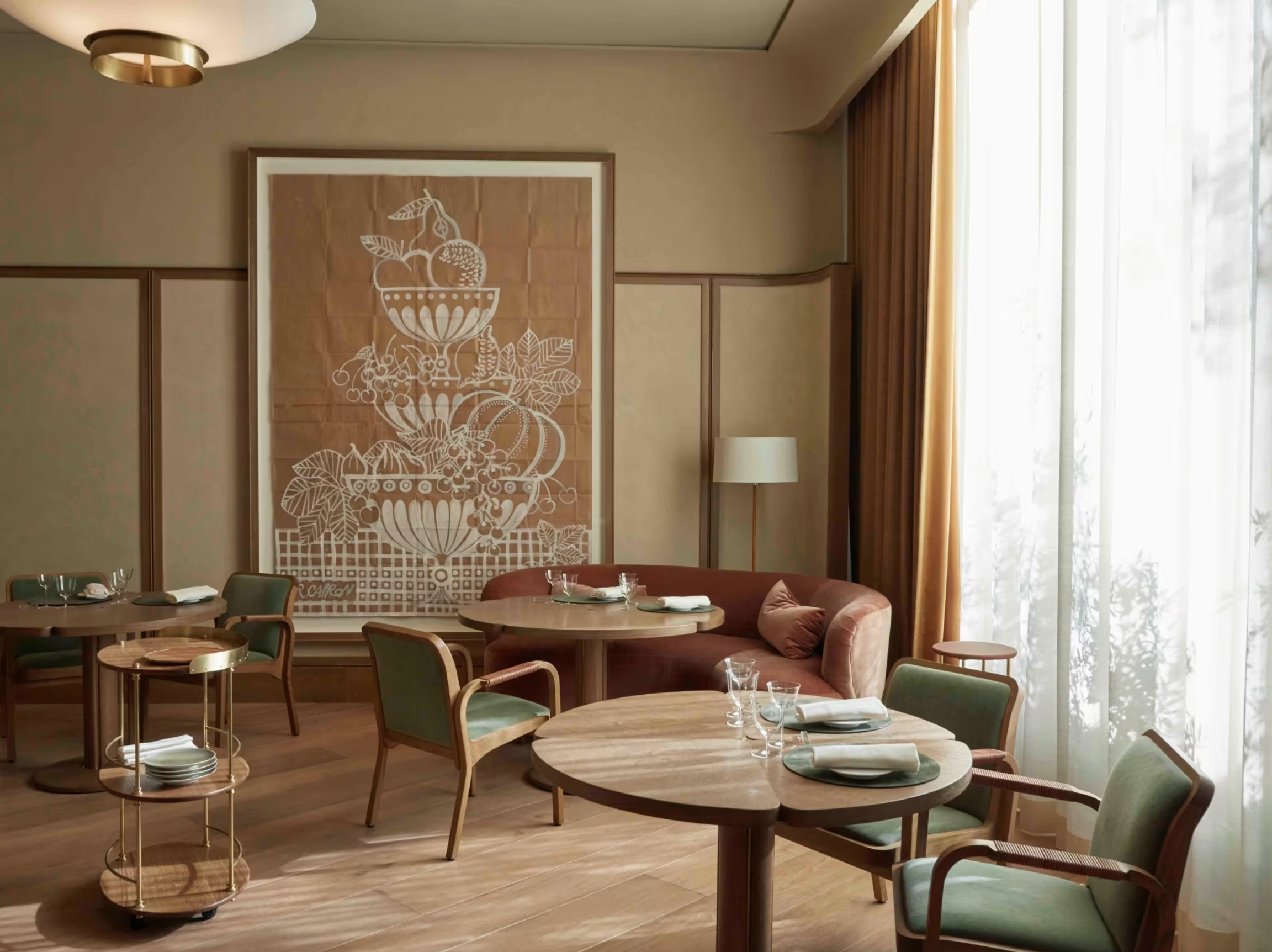
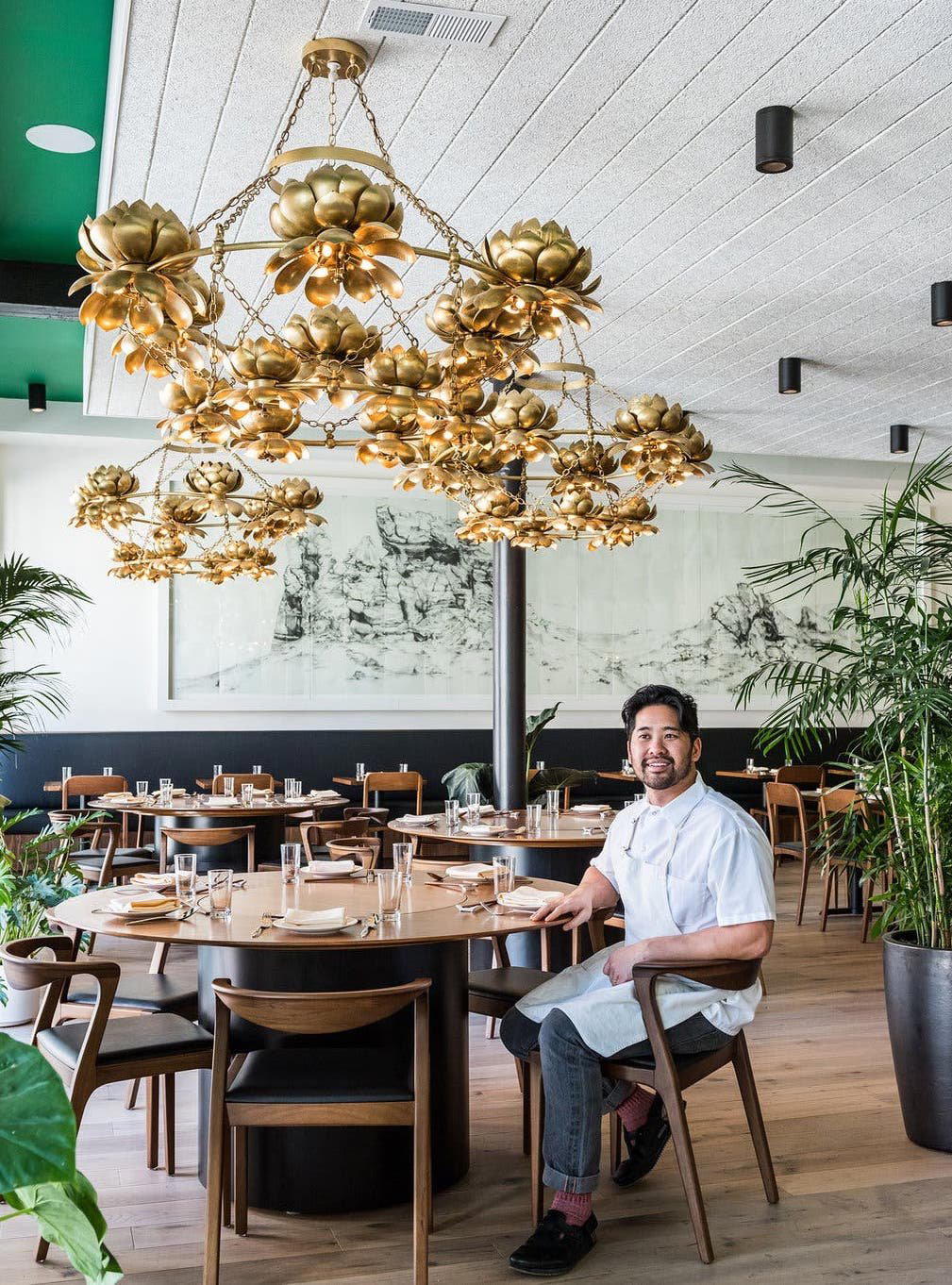
Bars in San Francisco
Browse all →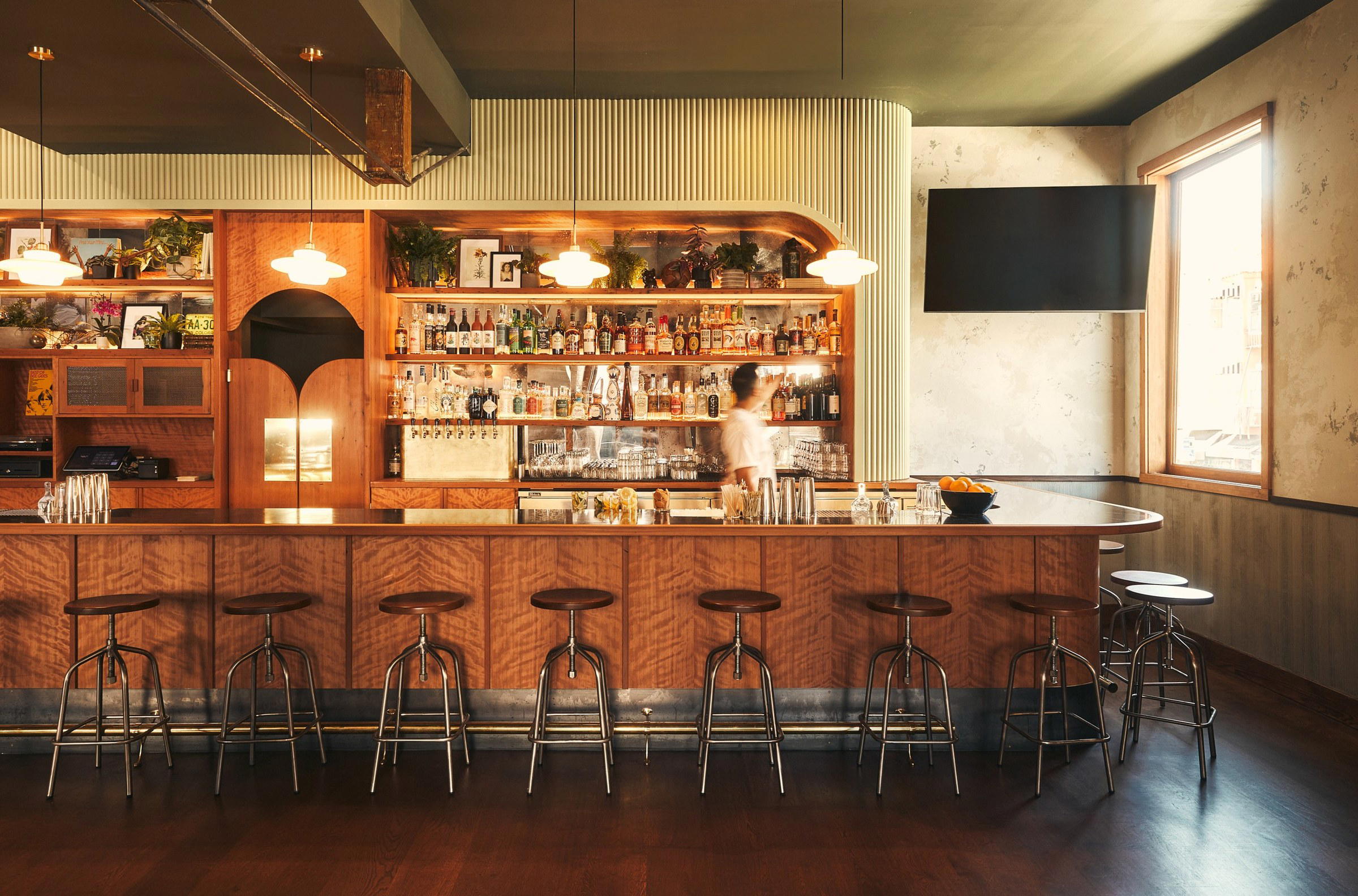
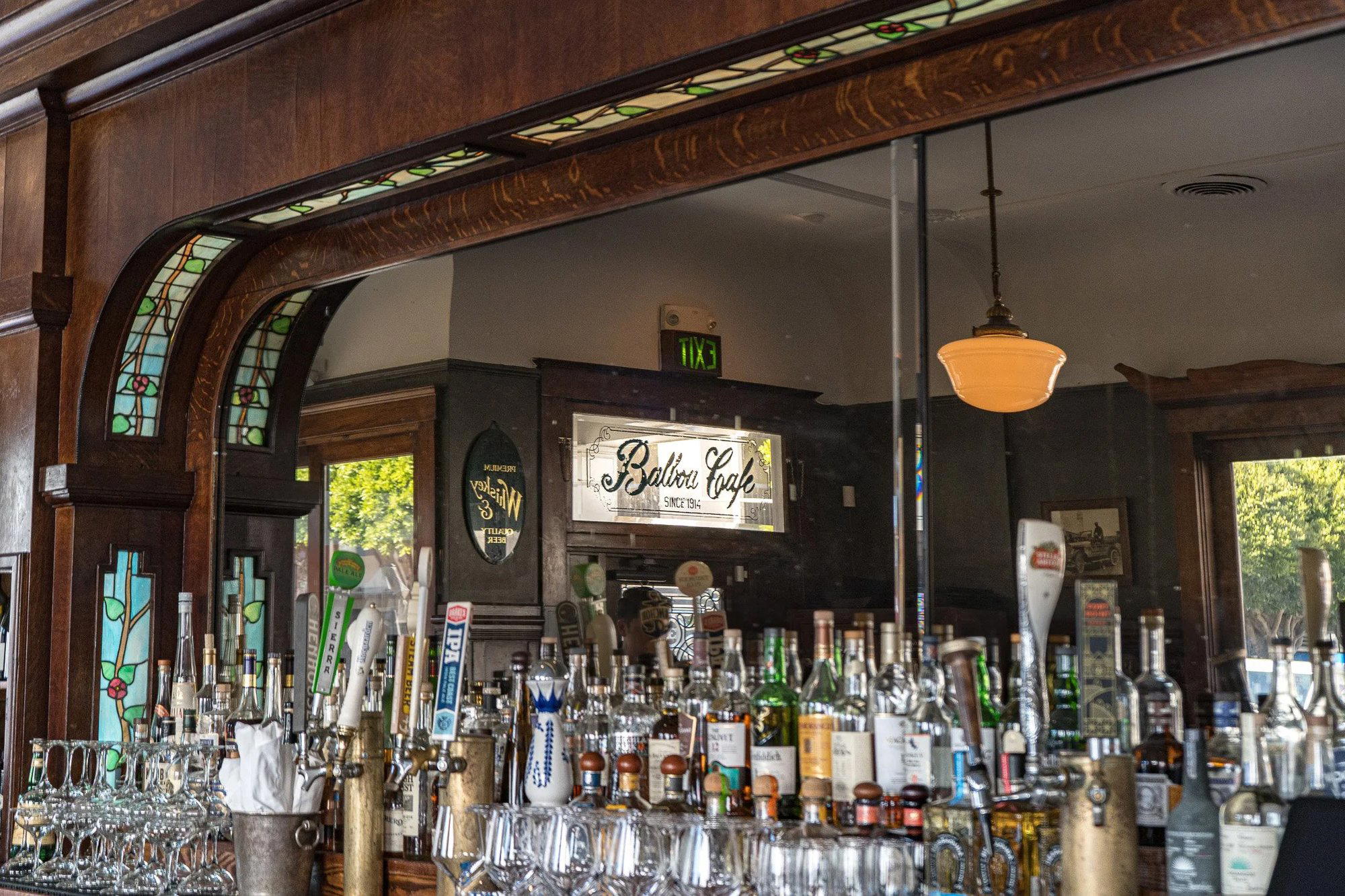
Hotels in San Francisco
Browse all →
At a Glance
- Lively
- Cozy
- Brunch
- Family
- Casual Hangout
- Waterfront
- Terrace
- Hotel Restaurant
- Craft Cocktails
- Sustainable Seafood
- Waterfront
Current opening hours
- Monday
- 7 AM–9 PM
- Tuesday
- 7 AM–9 PM
- Wednesday
- 7 AM–9 PM
- Thursday
- 7 AM–9 PM
- Friday
- 7 AM–9 PM
- Saturday
- 7 AM–9 PM
- Sunday
- 7 AM–9 PM
Hours can change for holidays and private events. Last verified .
Lively atmosphere with Gold Rush Era charm, moderate noise, and brilliant waterfront views.