Dinnerhorn
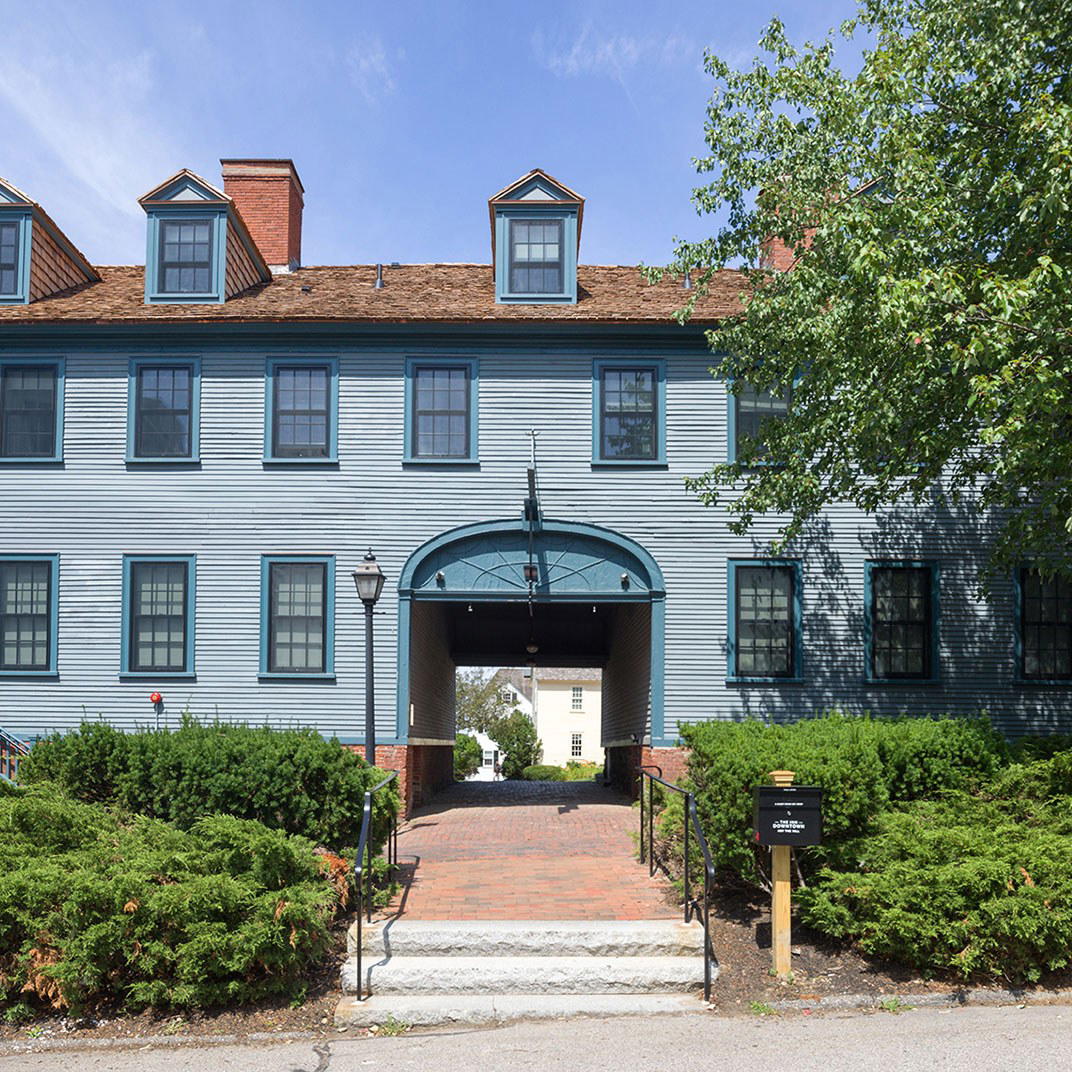
Dinnerhorn serves Classic American Seafood in a historic building on Lafayette Road, with local sourcing, street-scene views, and signature Prime Rib, Lobster Roll, and Haddock.
Pearl is the En Primeur Club membership app — saves, bookings, and concierge access live there. Same editors, same standards.
- Address
- 980 Lafayette Rd, Portsmouth, NH 03801
- Phone
- +16034360717
- Website
- dinnerhorn.com
- Directions
- Get directions
 Saves & bookings on Pearl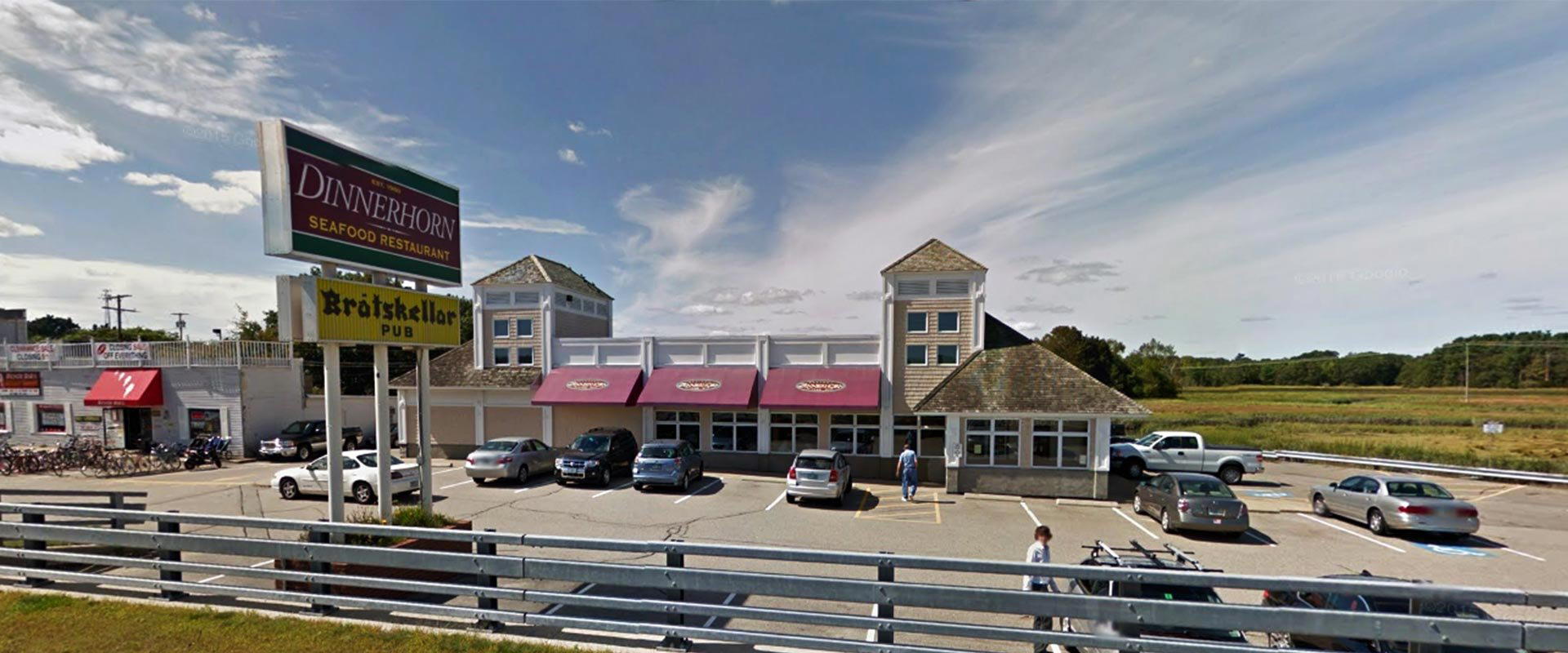
Lafayette Road and the Question of What Portsmouth Dining Looks Like Outside the Historic District
Portsmouth's restaurant conversation tends to collapse around a few blocks of the old city center, where colonial-era buildings and a dense concentration of independently owned kitchens have made the city's dining reputation. Lafayette Road sits outside that gravitational pull. The corridor running south from the downtown core is a different kind of Portsmouth: commercial, practical, oriented around the city's working geography rather than its tourism identity. Dinnerhorn, at 980 Lafayette Rd, occupies that zone, which puts it in a different relationship with the city's dining scene than spots closer to Market Square. For readers familiar with Portsmouth's food reputation, that address is itself an editorial fact worth sitting with.
In most American mid-size cities with strong local food cultures, the interesting question is rarely what's happening at the obvious destination address. It's what a neighborhood that doesn't perform for visitors is actually doing for the people who live and work there. Lafayette Road's commercial strip, like comparable corridors in cities across New England, runs on regulars. The venues that survive there do so on repeat business, on being the place a household returns to rather than the place a visitor photographs. That dynamic shapes what gets cooked, how it's priced, and what the room feels like on a Tuesday.
Portsmouth's Dining Tiers and Where the Outer Corridors Fit
Portsmouth has developed one of the stronger independent dining scenes of any New Hampshire city. The historic district concentration includes waterfront-adjacent spots that draw from a regional audience well beyond the city's own population. Jumpin' Jay's Fish Café has built a durable reputation around its fish-forward format, and Bwa Denn (Caribbean Fusion) represents the kind of independent cuisine investment that gives a small city culinary range. 15 Point Road and the Captain's Table restaurant anchor different parts of the waterfront-adjacent category. These are the venues that tend to occupy Portsmouth's external reputation.
Outside the historic core, venues like Dinnerhorn operate in a different competitive register. They're not competing for the same visitor traffic or the same editorial attention. This is a format that every American city of Portsmouth's size sustains, and it's often where the least-discussed, most-used dining actually happens.
For context on what destination-tier looks like at the national level, the gap is substantial. Restaurants like The French Laundry in Napa, Le Bernardin in New York City, or Blue Hill at Stone Barns in Tarrytown operate with tasting menus, advance reservations, and formal press recognition as structural features of the business. At a different scale, Smyth in Chicago, Lazy Bear in San Francisco, and Atomix in New York City represent the tier where serious technique and strong identity intersect with regional recognition. Portsmouth's historic district supports a version of that ambition at a smaller scale. Lafayette Road is a different story entirely, and that's not a criticism: it's a description of what that corridor actually does.
What the Address Tells You Before You Arrive
A Lafayette Road location signals something practical to anyone who knows Portsmouth. The area is accessible by car from the surrounding Seacoast region in a way that the old downtown is not, particularly during the warmer months when tourist traffic compresses parking and circulation. Residents of Greenland, Newington, and the neighboring towns that feed into Portsmouth's commercial zone find this corridor more navigable than the historic center. That accessibility shapes who comes, how often, and what the dining occasion looks like.
This pattern recurs across New England's smaller cities. The outer commercial strip tends to host the regulars; the historic core handles the visitors. Neither is more legitimate as a dining format. They're different products for different uses. Knowing which one you're walking into is the most useful piece of navigation information available. For a Portsmouth visitor staying downtown and planning a single dinner, the historic district venues will likely serve better. For someone based in the wider Seacoast area who returns to the same table quarterly, the calculus is different. Indian River is another Portsmouth option worth factoring into that comparison depending on the occasion.
The Broader Regional Frame
New Hampshire's restaurant scene has grown considerably in sophistication over the past decade. Portsmouth has led that shift, with independent operators building formats that wouldn't look out of place in a larger coastal city. The influence of Boston's dining culture is present but not dominant; there's enough local identity to make Portsmouth's scene legible on its own terms. Regional sourcing from New Hampshire farms and the proximity to Gulf of Maine seafood create the conditions for serious ingredient-led cooking at multiple price points.
That regional frame matters when assessing any Portsmouth venue. Restaurants like Single Thread Farm in Healdsburg, Providence in Los Angeles, Addison in San Diego, or Atelier Moessmer Norbert Niederkofler in Brunico represent what the category looks like when deep regional sourcing and serious technique converge at the highest level. Portsmouth's scene doesn't operate at that altitude, but it draws on comparable geographic advantages: cold-water seafood, a strong local agricultural network, and a population with real expectations about what ends up on the plate. Emeril's in New Orleans and The Inn at Little Washington in Washington represent a different model, where a single named chef becomes a regional reference point; Portsmouth hasn't produced that equivalent, but it has produced durable independent operators across multiple neighborhoods.
Planning a Visit
Dinnerhorn is located at 980 Lafayette Rd, Portsmouth, NH 03801, on the commercial corridor south of the historic downtown. The address is car-accessible and sits within the zone that serves the broader Seacoast region rather than the pedestrian traffic of the old city center. For specific information on hours, current menus, pricing, and booking, visiting the venue directly is the right approach, as those details are subject to change. Readers planning a broader Portsmouth dining itinerary can find the full scope of options in our full Portsmouth restaurants guide, which covers venues across the city's different neighborhoods and dining tiers.
Continue exploring
More in Portsmouth
Restaurants in Portsmouth
Browse all →
Bars in Portsmouth
Browse all →

At a Glance
- Cozy
- Classic
- Family
- Casual Hangout
- Historic Building
- Local Sourcing
- Street Scene
Current opening hours
- Monday
- Closed
- Tuesday
- 11:30 AM–9 PM
- Wednesday
- 11:30 AM–9 PM
- Thursday
- 11:30 AM–9 PM
- Friday
- 11:30 AM–9 PM
- Saturday
- 11:30 AM–9 PM
- Sunday
- Closed
Hours can change for holidays and private events. Last verified .
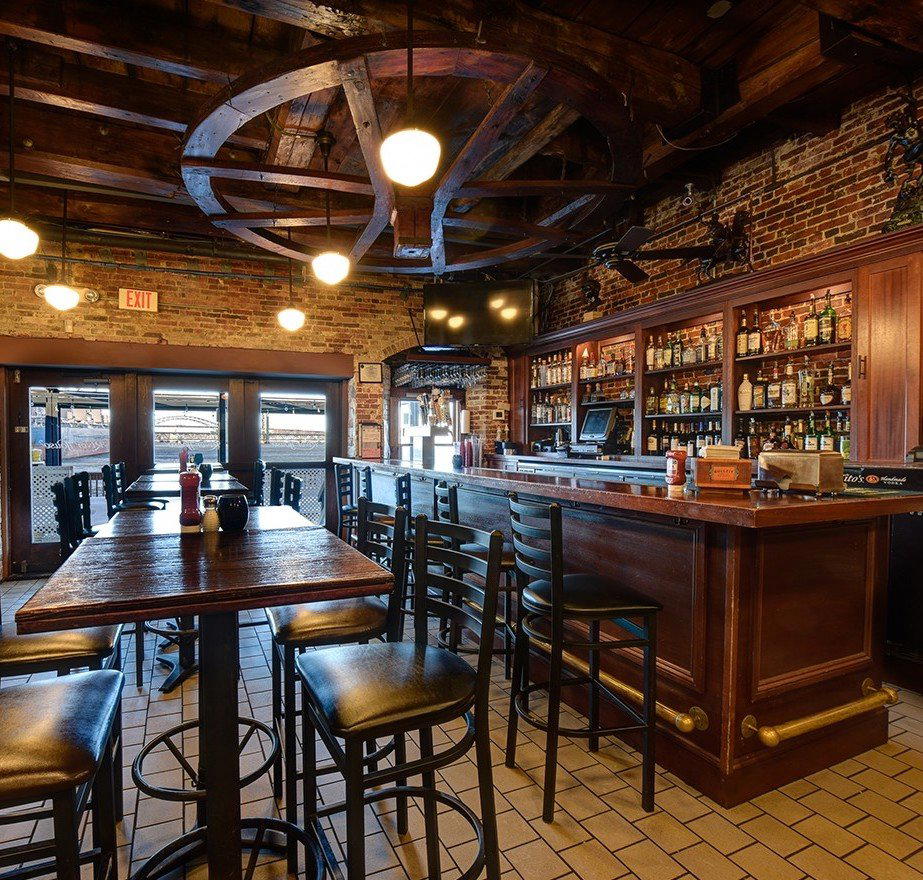
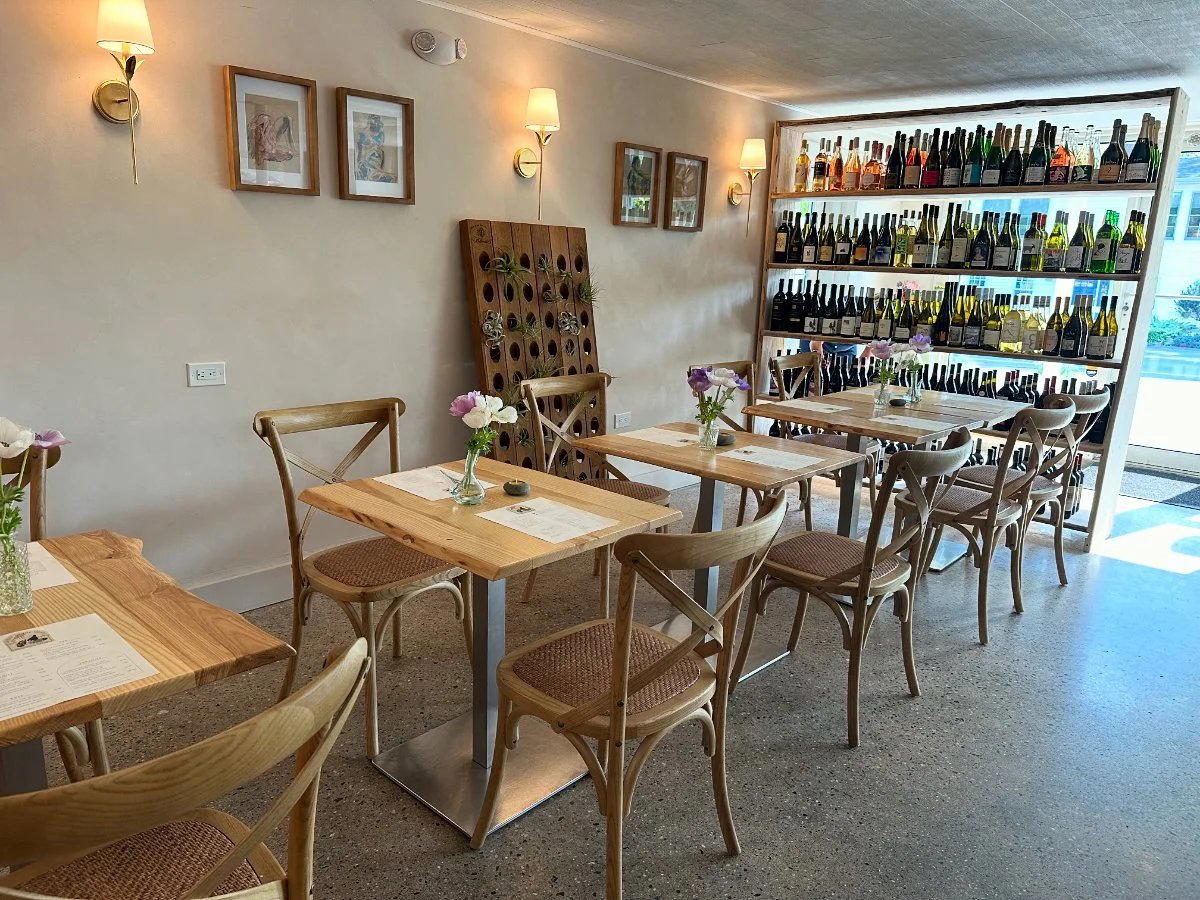
Cozy and welcoming dining room with a fireplace, bright, cheery, and comfortable atmosphere resembling a classic supper club.