Taparelle

At Manarat Al Sa'adiyat, Taparelle occupies one of Abu Dhabi's more quietly considered dining rooms, where a French-Italian menu runs from scallop Grenobloise to oxtail ragu against a backdrop of locally sourced pottery and a terrace that draws a loyal crowd back every Saturday. The brunch format has become a fixture on the Saadiyat calendar, offering a pace and aesthetic that sets it apart from the capital's heavier fine-dining circuit.
Pearl is the En Primeur Club membership app — saves, bookings, and concierge access live there. Same editors, same standards.
- Address
- Manarat Al Sa’adiyat
- Phone
- +971 2 657 5832
- Website
- taparelle.com
- Directions
- Get directions
 Saves & bookings on Pearl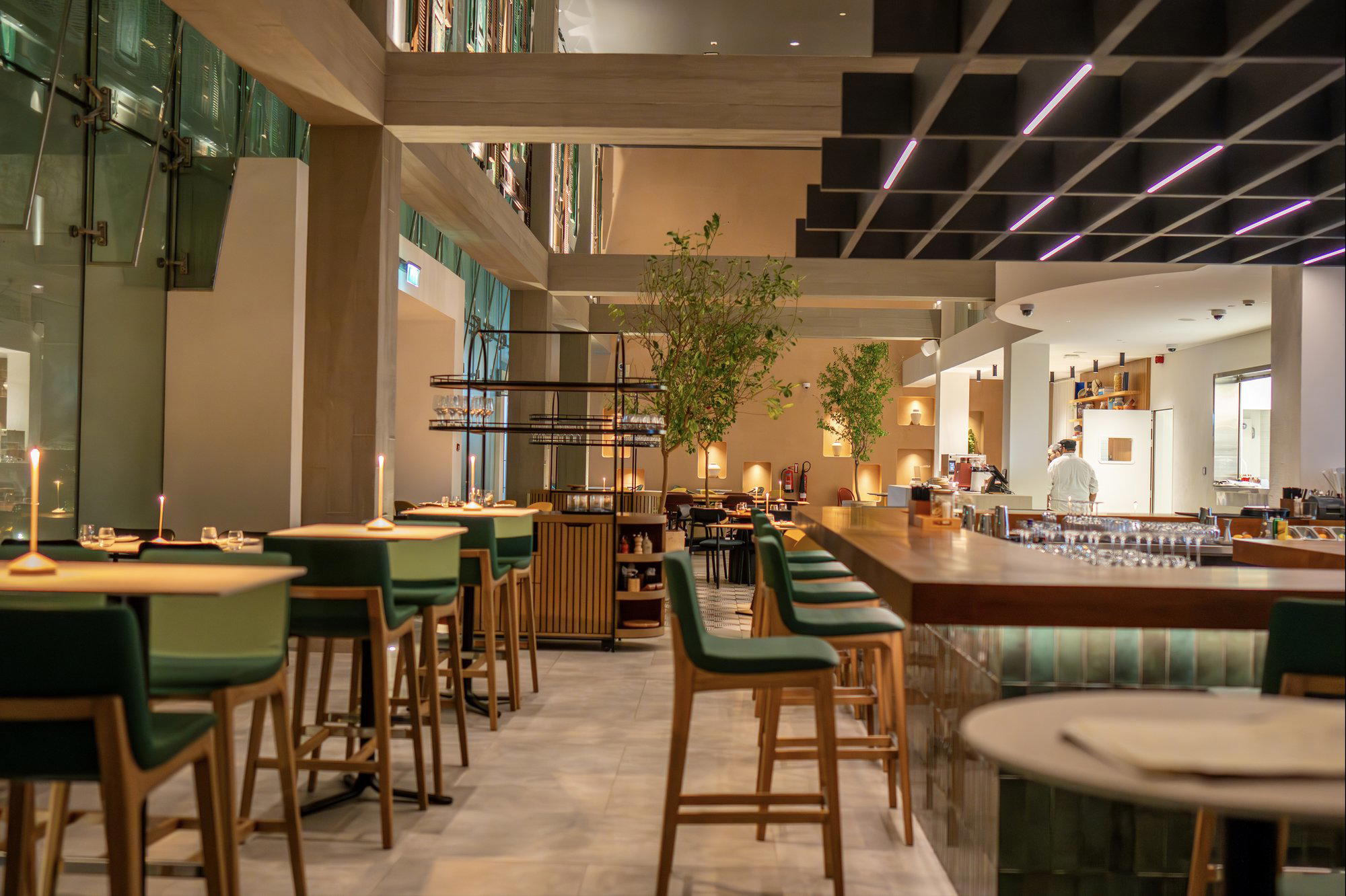
Where the Art District Eats on a Saturday
Manarat Al Sa'adiyat was designed as a cultural anchor for Abu Dhabi's emerging arts island, and the dining that has grown around it reflects that brief more accurately than most venue clusters in the capital. The complex houses galleries, event halls, and community programming, which means the people who eat at Taparelle are typically not hotel guests or tourists filling a table between landmarks. They are residents, collectors, and the city's creative-adjacent professional class, returning because the context suits them as much as the food does.
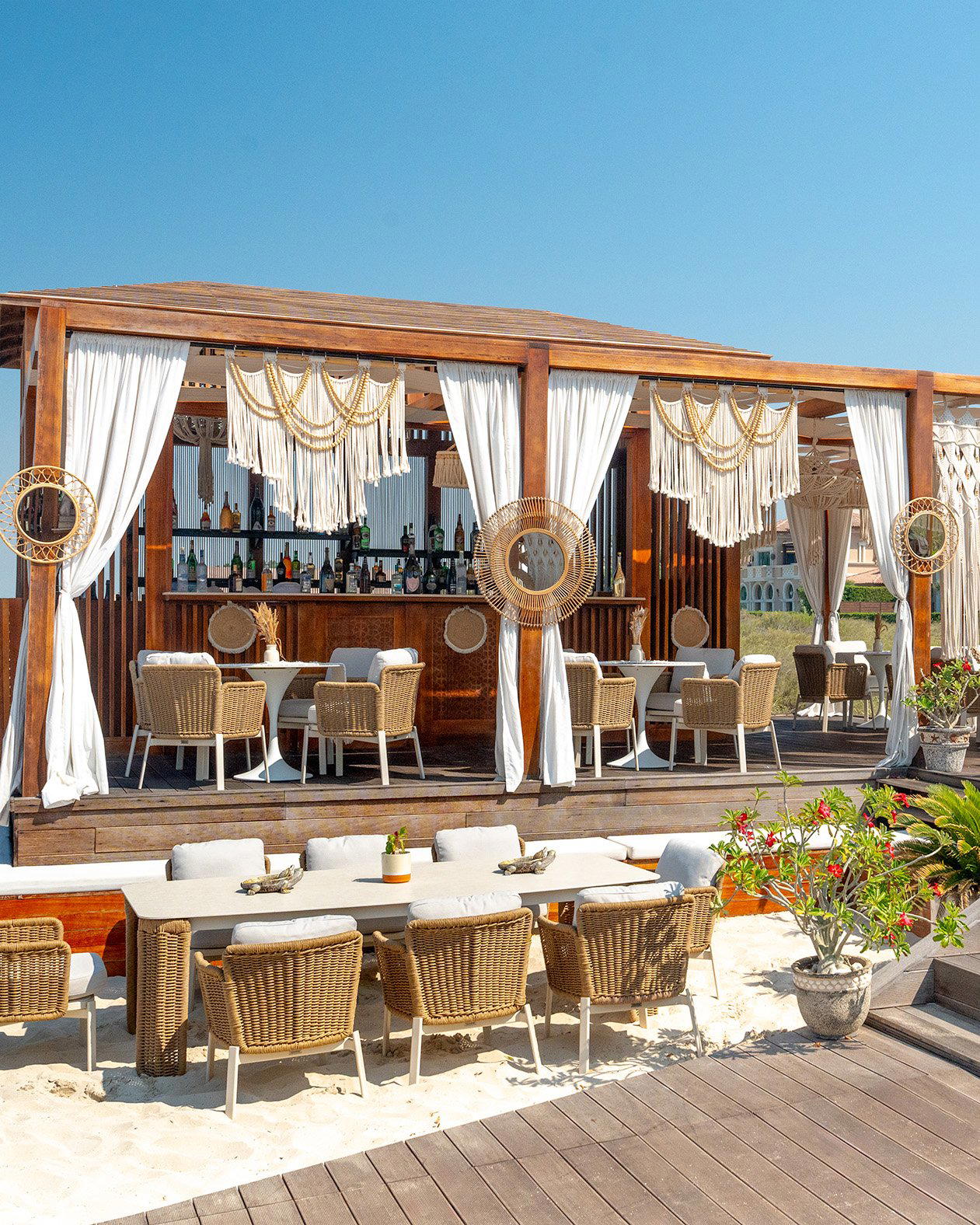
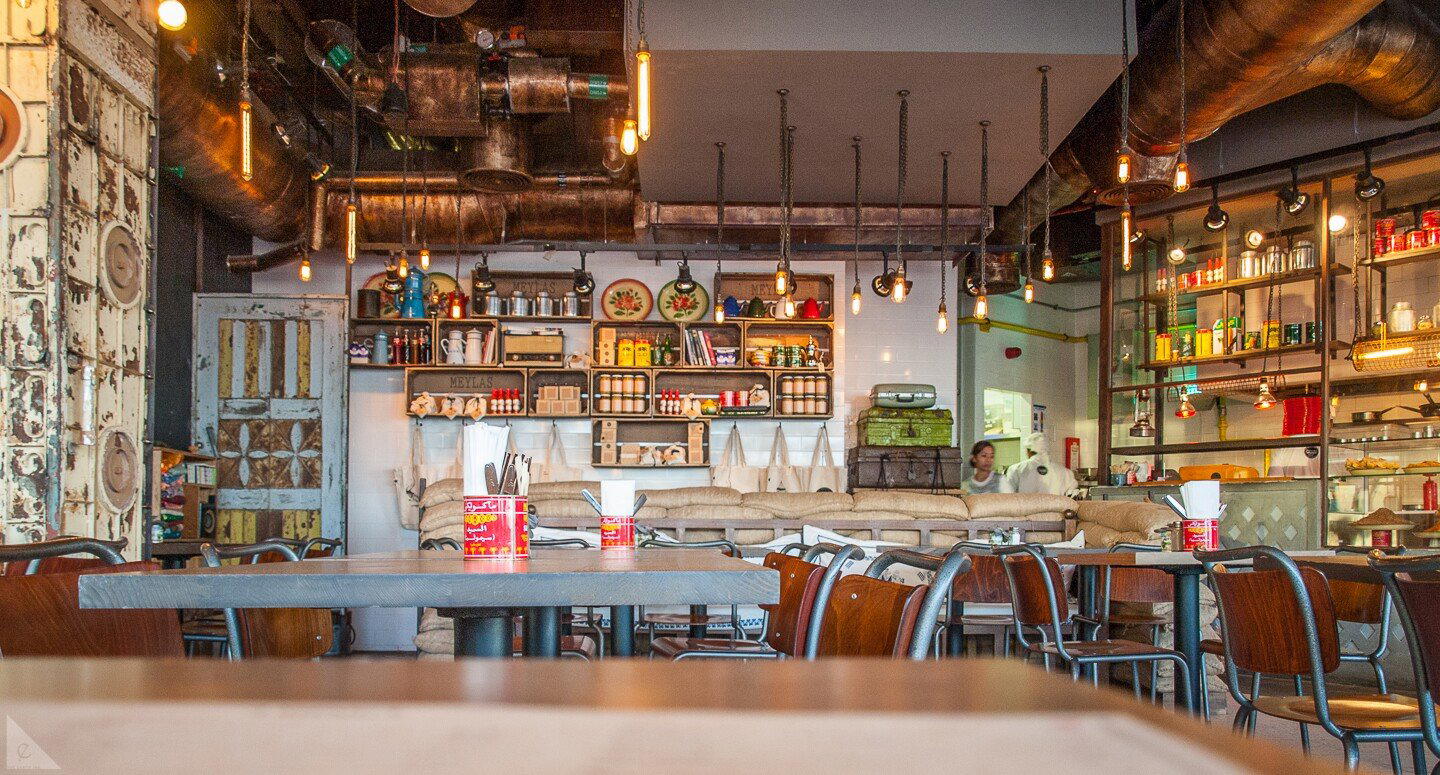
That regulars-driven dynamic shapes the experience before you sit down. The room carries the kind of light, airy composition that works across a long lunch or a leisurely Saturday stretch. Locally sourced pottery dots the interior, a detail that reads less as decoration and more as curatorial consistency with the building around it. The terrace is where the committed regulars position themselves, particularly for the Saturday brunch, which has built its own following on Saadiyat independently of the broader Abu Dhabi brunch circuit.
The Franco-Italian Position in Abu Dhabi's Dining Map
Abu Dhabi's mid-to-upper restaurant tier has grown more stratified over the past decade. The highest price bracket now belongs to properties like Talea by Antonio Guida, the Italian fine-dining room that anchors the Louvre Abu Dhabi precinct at the summit of the city's Italian offer, and Hakkasan, which occupies a comparable position in the Chinese category. Below that tier, the Franco-Italian hybrid is a less crowded proposition. LPM Abu Dhabi is one prominent example of French-Mediterranean crossover in the city, operating at a price point and energy level that skews toward the business lunch and terrace scene. Taparelle draws from a different demographic pool, shaped more by its cultural-district setting than by hotel adjacency or corporate expense accounts.
The French-Italian culinary synthesis that Taparelle works within has a long pedigree in European cooking. The cuisines share a structural logic built around technique-first preparation, seasonal produce, and an understanding of fat as flavour carrier rather than indulgence signal. That confluence produces menus where the Italian and French sections don't fight each other. Dishes like scallop Grenobloise, which comes from the French alpine tradition of brown butter, lemon, and capers, and oxtail ragu, one of Rome's most durable trattoria staples, can coexist on the same menu without tonal dissonance because the underlying discipline is compatible. At restaurants like Alain Ducasse at Louis XV in Monte Carlo and Alléno Paris au Pavillon Ledoyen, the Provençal-Italian overlap has been worked at a Michelin level for decades. Taparelle operates at a different register, but the menu logic is recognisably part of that same culinary lineage.
What Keeps the Regulars Returning
The Saturday brunch is the clearest indicator of who Taparelle's audience actually is. In a city where the Friday-Saturday brunch format has become an industry unto itself, ranging from alcohol-led hotel spectacles to family-focused buffets in mall-adjacent restaurants, the Saadiyat crowd gravitates toward something slower and more compositionally intentional. The terrace setting, the cultural-district address, and a menu built around dishes like crispy charred sea bass rather than generic international spreads signal a different contract with the diner.
For those familiar with the brunch culture at galleries and cultural institutions in cities like London, Paris, or New York, Taparelle's positioning is immediately legible. The space does the work of communicating a value system before the menu arrives. That clarity is part of what builds return behaviour. The regulars are not coming back because they cannot find comparable food elsewhere; they are returning because the combination of setting, pace, and menu coherence is harder to replicate than any single dish.
The comparison venues in Abu Dhabi's more affordable bracket, such as Marmellata Bakery, serve a different segment of the Saadiyat food scene. Taparelle occupies the sit-down, full-menu tier for the same arts-island audience. Further afield on the Abu Dhabi dining map, Erth represents the modern Emirati end of the capital's considered-dining spectrum, a useful orientation point for understanding how Taparelle sits within the broader city offer rather than competing directly with it.
The Menu's Reference Points
Scallop Grenobloise is a dish with a fixed set of references: the scallop must be seared with sufficient heat to develop a crust, and the Grenobloise sauce, a meunière variant with capers and lemon, demands timing discipline to avoid over-browning the butter. It is a dish that rewards technical confidence over invention, and its presence on the menu signals an intent to work within classical French grammar rather than reinterpret it for novelty. Oxtail ragu is the counterpart from the Italian side, a slow-cooked cut that requires hours of reduction to extract the collagen-rich depth that defines the dish in its Roman form. Crispy charred sea bass completes a picture of a kitchen that moves between French and Italian registers without treating either as secondary.
Those looking for comparative reference points at the Michelin end of the French-Italian spectrum can find them at 8½ Otto e Mezzo Bombana in Hong Kong or, in a different register, at Le Bernardin in New York for classical French seafood technique. Taparelle does not position itself in that company by price or format, but the menu choices reflect an awareness of the same canon.
Planning Your Visit
Taparelle sits within the Manarat Al Sa'adiyat complex, which also hosts the annual Abu Dhabi Art fair and regular gallery programming, making the surrounding precinct worth planning around rather than treating as mere context. The Saturday brunch warrants advance planning, particularly during the Abu Dhabi cultural season, which runs roughly October through April, when the island's event calendar fills. For those tracking how Abu Dhabi's contemporary dining scene compares to the wider Gulf, Trèsind Studio in Dubai represents a useful high-water mark for the region's more experimental end, against which Taparelle's classically grounded approach reads as a deliberate counterpoint.
A Lean Comparison
Comparable venues nearby, for context on price, style, and recognition.
| Venue | Cuisine | Price | Notes |
|---|---|---|---|
| TaparelleThis venue — the venue you are viewing | Not listed | $$$ | Not listed |
| Antonia | Not listed | $$$ | Al Saadiyat Island, Authentic Italian Trattoria |
| terra | Al Maqtaa, Traditional Italian Trattoria | $$$ | Not listed |
| Paradiso | Yas Island, Mediterranean Italian | $$$ | Not listed |
| Kopitiam by Chandy's | Not listed | $$ | Al Danah, Authentic Malaysian & Singaporean Kopitiam |
| Sand & Koal | Not listed | $$$ | Al Ras Al Akhdar, Beachfront Woodfire Grill & Seafood |
Recognition history
Dated appearances from independent guides and award organizations, with the underlying list record or original source where available.
Michelin Plate
Michelin · 2026 Michelin Plate
Continue exploring
More in Abu Dhabi
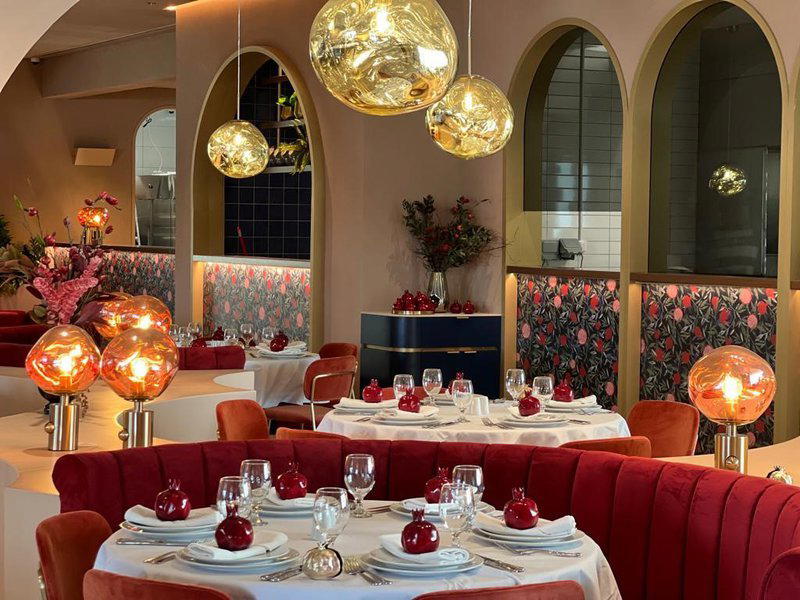
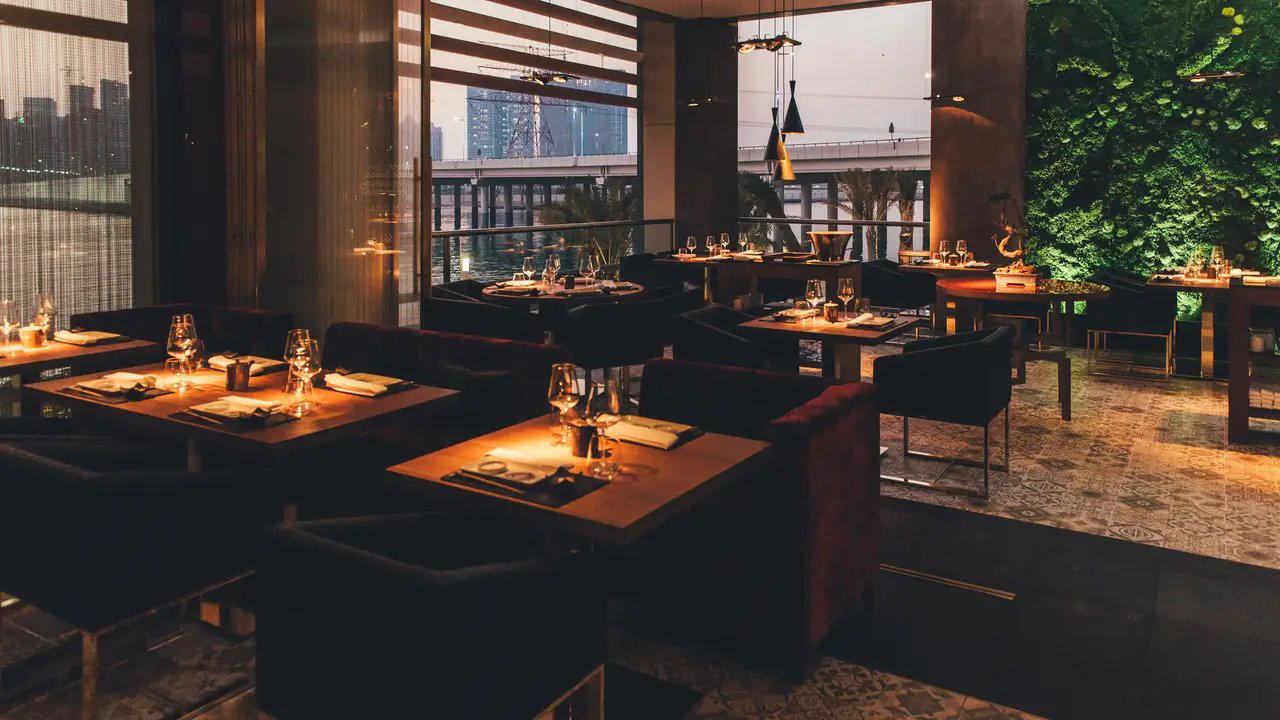
Restaurants in Abu Dhabi
Browse all →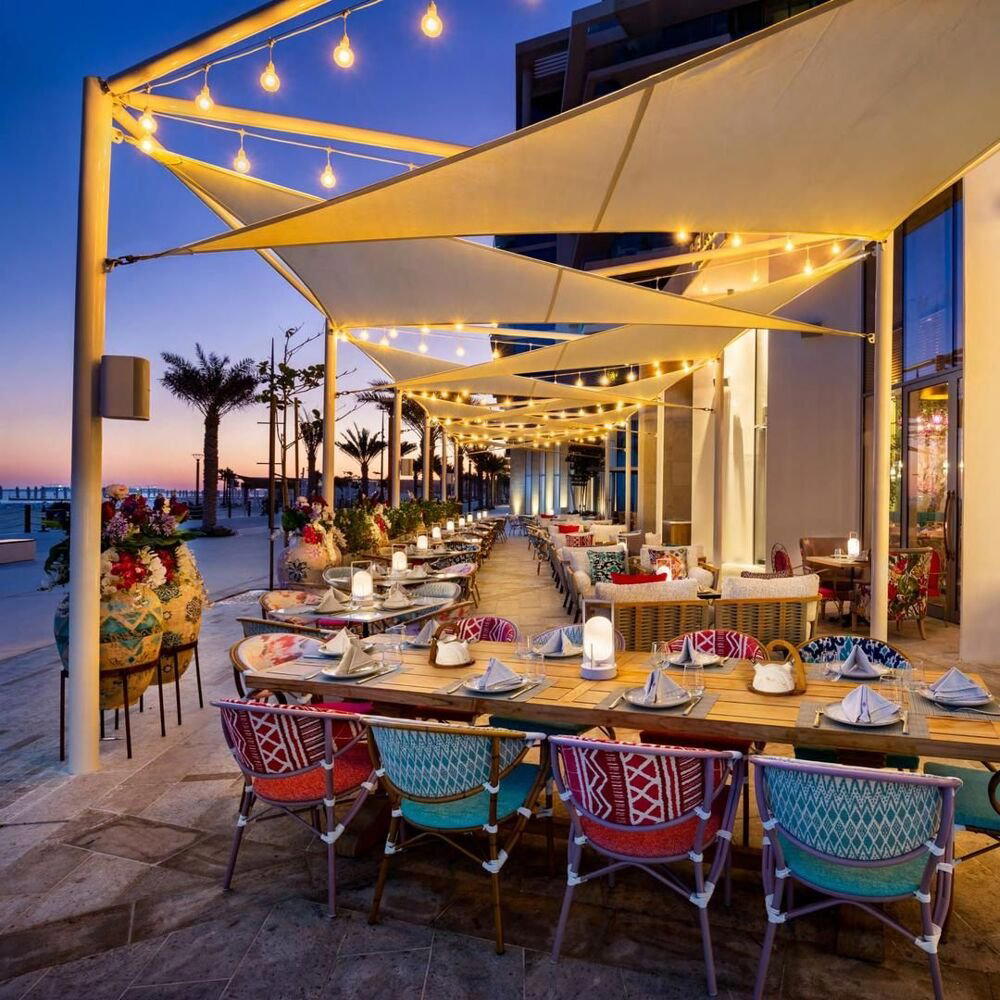
Bars in Abu Dhabi
Browse all →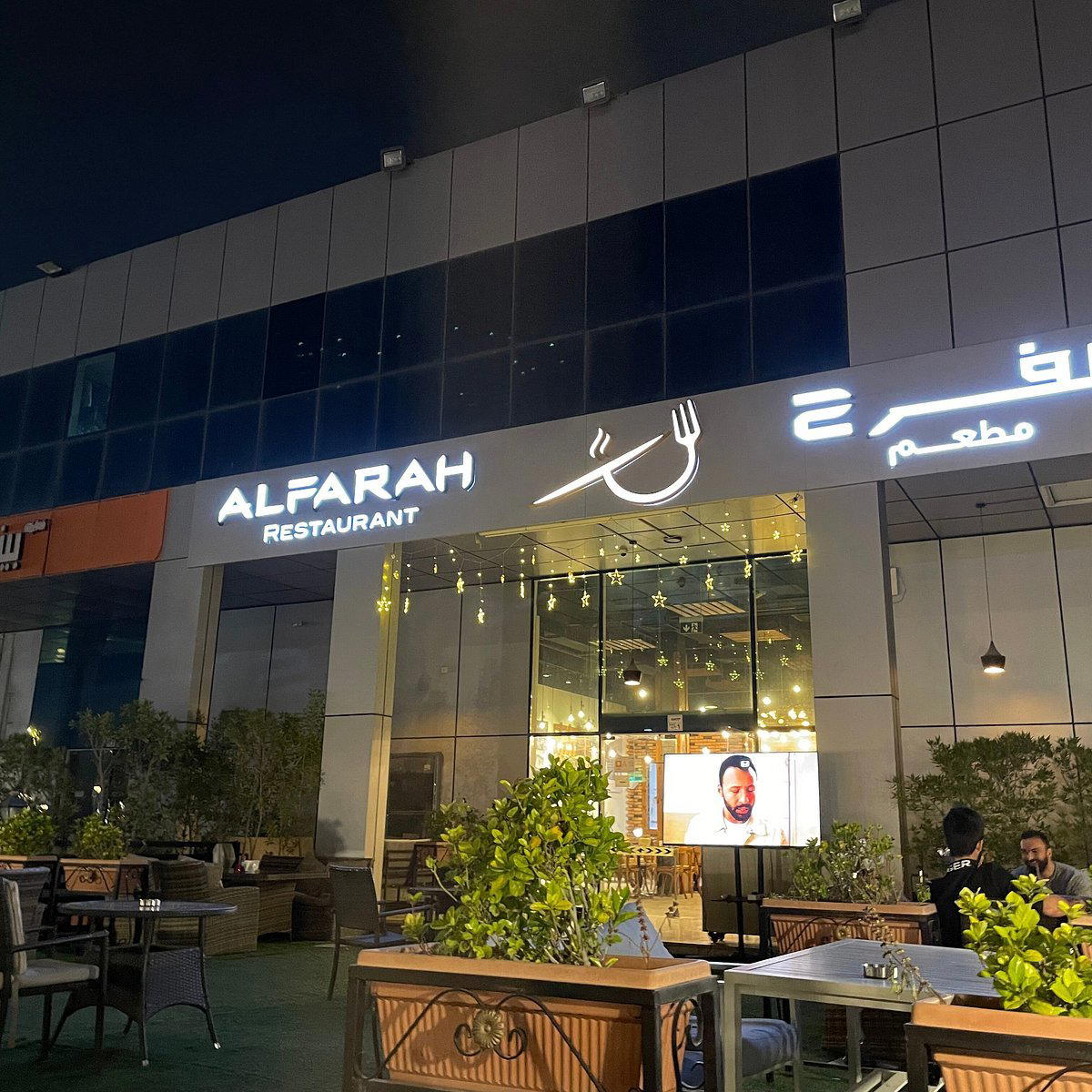
At a Glance
- Trendy
- Modern
- Cozy
- Elegant
- Date Night
- Business Dinner
- Casual Hangout
- Brunch
- Garden
- Open Kitchen
- Terrace
- Extensive Wine List
- Craft Cocktails
- Local Sourcing
- Garden
Current opening hours
- Monday
- 8 AM–11 PM
- Tuesday
- 8 AM–11 PM
- Wednesday
- 8 AM–11 PM
- Thursday
- 8 AM–11 PM
- Friday
- 8 AM–12 AM
- Saturday
- 8 AM–12 AM
- Sunday
- 8 AM–12 AM
Hours can change for holidays and private events. Last verified .
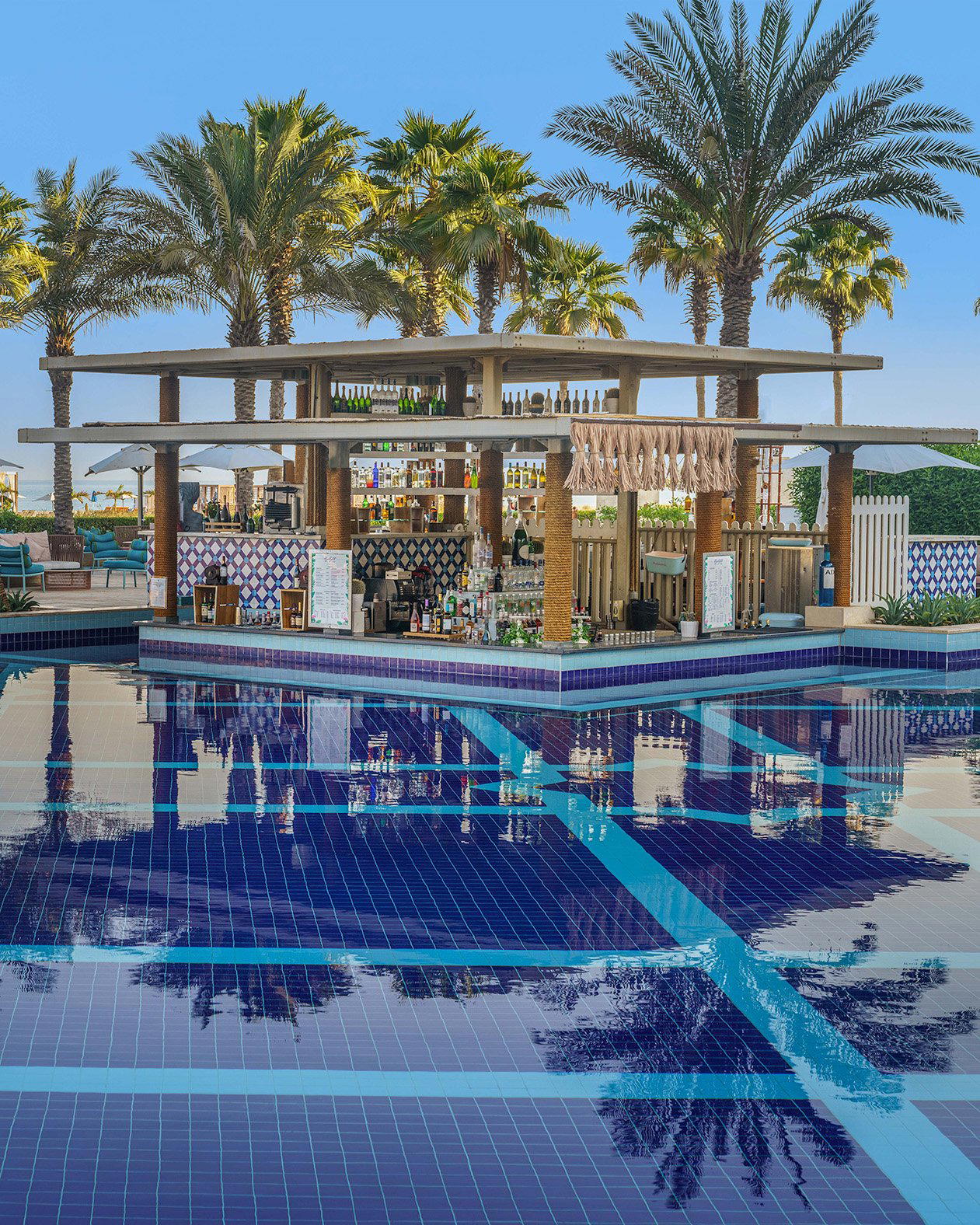
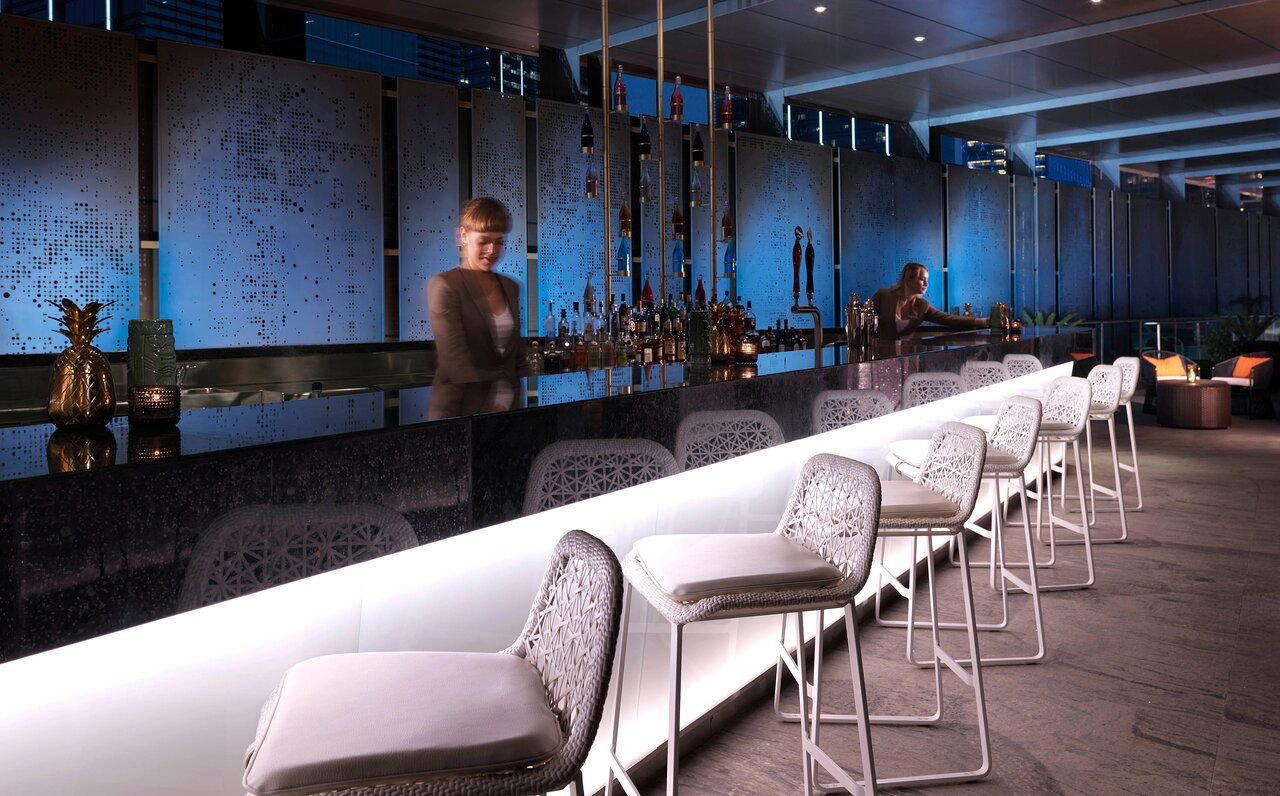
Green tree-filled garden with comfortable high-end seats, casual street area for coffee, elegant main dining with open kitchen and artistic elements; relaxed alfresco vibe.