Sabroso+Sorbo
Our verdict
At 21 N Juniper St in Philadelphia's Center City, Sabroso+Sorbo occupies a corner of the city's expanding roster of neighborhood-driven dining. The name signals a bilingual sensibility, flavor and absorption, taste and sustenance, that positions it inside Philadelphia's growing interest in Latin-influenced culinary traditions. For the full context on where it fits in Philly's current dining scene, our guide covers the broader picture.

Pearl is the En Primeur Club membership app, where members save venues, book tables and use the concierge.
The menu
What to order
- Papas bravas
- Brussel sprouts
- Flat iron steak
A Street Address in a City That Rewards Curiosity
Juniper Street runs through the middle of Philadelphia's Center City grid, a block that connects Midtown Village's bar-dense corridors to the quieter residential stretch toward South Broad. It is not a destination street in the way that Passyunk Avenue commands a pilgrimage or that Fishtown draws weekend crowds from across the Delaware Valley. That makes 21 N Juniper St an address worth pausing on: venues that set up here are betting on their own pull rather than a neighborhood's gravitational force.
Sabroso+Sorbo sits at that address. The name is the first interpretive clue. Sabroso, Spanish for flavorful, savory, appealing to the palate, and Sorbo, a reference to absorption or uptake, together suggest something about intent: this is a place oriented around flavor as a primary value, not around format, prestige signaling, or theater. In a city where dining rooms like Fork (New American) and Friday Saturday Sunday (New American) have built reputations on considered technique and editorial menus, a bilingual name with this kind of semantic weight carries a distinct positioning signal.
Latin Flavor Traditions in the Philadelphia Context
Philadelphia's relationship with Latin American food has historically been underrepresented at the level of upscale or editorially recognized dining. The city's Mexican and Central American communities have long supported neighborhood taquerias and family-run counters, particularly in Kensington and North Philly, but those traditions have rarely crossed into the kind of coverage that shapes a city's dining reputation. That gap has been closing. Across American cities, Latin-influenced cooking has moved from ethnic-category restaurants into the broader fine-casual and chef-driven tiers, with venues drawing on Mexican, Colombian, Peruvian, and pan-Caribbean techniques without flattening them into fusion shorthand.
In Philadelphia specifically, the move toward ingredient-driven, culturally grounded cooking has shown up across multiple cuisines. Kalaya brought southern Thai cooking into serious critical conversation in the city. Mawn (Cambodian, Pan-Asian) demonstrated that diaspora-rooted kitchens could operate at a level that demanded attention from beyond the neighborhood. These are the reference points that matter when thinking about where a name like Sabroso+Sorbo might land: a city that has shown, across the past decade, that it is willing to take culturally specific cooking seriously at the editorial level.
The Spanish-language component of the name signals an orientation toward Latin traditions rather than a generic American interpretation of global flavor. Whether that means Mexican regional cooking, Afro-Caribbean technique, or something drawn from South American culinary practice, the name frames an expectation that the food is grounded in a specific cultural inheritance rather than assembled from borrowed elements. That kind of specificity, when it holds, tends to produce more interesting restaurants than category-blurring menus built around approximation.
Where This Address Fits in Philadelphia's Dining Map
Center City Philadelphia runs a wide range in dining quality and ambition. The blocks around Rittenhouse Square support some of the city's more established rooms. Midtown Village, which surrounds the intersection of 13th and Locust, has become a concentration point for independently operated restaurants with some critical backing. Juniper Street sits adjacent to this activity without being inside its densest zone, which means a venue here tends to serve both destination diners and the office-lunch and weeknight-dinner crowd that populates Center City's grid from Monday through Saturday.
For visitors approaching Philadelphia's dining scene for the first time, the city rewards itinerary planning across neighborhoods rather than a single-district focus. Our full Philadelphia restaurants guide covers the spread from South Philly's Italian-American legacy to Fishtown's current concentration of ambitious independents. My Loup (French-Inspired) represents the kind of technique-forward independent that has raised the city's profile in recent years. Sabroso+Sorbo occupies a different cultural register, one oriented toward Latin flavor traditions rather than European frameworks.
Philadelphia Against the National Field
At the highest end of the American dining spectrum, institutions like Le Bernardin in New York City, Alinea in Chicago, and The French Laundry in Napa operate at a tier defined by Michelin recognition, multi-year waiting lists, and menus priced north of $300 per person. Philadelphia does not currently host a restaurant at that specific tier, but it has consistently produced venues that earn national editorial attention without requiring that level of institutional scaffolding. Lazy Bear in San Francisco, Single Thread Farm in Healdsburg, and Blue Hill at Stone Barns in Tarrytown represent the farm-anchored, narrative-driven format that defines one strand of American fine dining. Philadelphia's leading independents, including those drawing on non-European traditions, sit in a productive middle distance from that model: serious about sourcing and execution, less interested in the theatrical apparatus.
Restaurants like Providence in Los Angeles, Addison in San Diego, The Inn at Little Washington in Washington, and Atomix in New York City show the range of formats that serious American dining now spans, from tasting-counter Korean to French-informed mid-Atlantic. Emeril's in New Orleans represents the earlier wave of chef-driven American restaurants with Latin and Gulf-coast influence built into the DNA. The conversation about where Latin flavor traditions belong in American fine dining has been running for decades; what has changed is that more cities are contributing to it seriously, and Philadelphia is among them. 8½ Otto e Mezzo Bombana in Hong Kong offers a useful offshore reference for how a specific culinary tradition can maintain authority when transplanted far from its origin, a dynamic that diaspora-rooted kitchens in American cities navigate on their own terms.
Know Before You Go
Address: 21 N Juniper St, Philadelphia, PA 19107
Neighbourhood: Center City, adjacent to Midtown Village
Price range: Not confirmed; verify directly before visiting
Hours: Not confirmed; contact the venue for current service times
Frequently asked questions
Is Sabroso+Sorbo better for a quiet night or a lively one?
Philadelphia dining at the neighborhood-independent level tends to split between intimate rooms built for conversation and louder, more social formats that draw from the city's after-work crowd.
What should I eat at Sabroso+Sorbo?
Go with whatever signals the kitchen's clearest cultural anchor. Venues that lead with a specific tradition, and the name here points toward Latin roots, tend to do their most confident work in dishes that are hardest to approximate elsewhere in the city. In Philadelphia's current dining scene, that specificity is the value; ordering broadly from a culturally grounded menu almost always rewards more than playing it safe.
What's the ideal way to book Sabroso+Sorbo?
If the venue is new or operates as a neighborhood independent without a high-profile awards profile, walk-in availability during off-peak hours is often more accessible than at established Center City rooms. For Philadelphia dining at a higher demand tier, booking two to four weeks ahead is standard; for venues without a confirmed reservation platform, a direct call to the address remains the most reliable approach.
What's the standout thing about Sabroso+Sorbo?
In a Philadelphia dining scene that has increasingly recognized the depth of non-European culinary traditions, from Kalaya's Thai program to Mawn's Cambodian kitchen, Sabroso+Sorbo's bilingual name and Latin-flavor orientation place it inside a conversation the city has been building for years. That positioning, in a city that has shown it takes culturally grounded cooking seriously, is a more durable signal than a single dish or format detail.
Does Sabroso+Sorbo fit within Philadelphia's broader Latin dining scene?
Philadelphia's Latin dining traditions run deep in neighborhood contexts but have historically been less represented at the level of broader critical attention. A venue at a Center City address with a name drawing explicitly on Spanish-language flavor vocabulary is making a positioning choice that aligns it with the upward critical movement of Latin-rooted cooking in American cities. For travelers mapping that specific thread across the country, Sabroso+Sorbo sits at an address worth noting, in a city that has demonstrated it knows how to support this kind of kitchen when the cooking delivers.
Cuisine Context
Comparable venues nearby, for context on price, style, and recognition.
| Venue | Cuisine | Price | Awards | Notes |
|---|---|---|---|---|
| Sabroso+SorboThis venue (the venue you are viewing) | Spanish Tapas | $30–50 | Not listed | Not listed |
| Le Bec Fin | Dining | Not listed | James Beard Award Best Chefs | Rittenhouse Square |
| Mi Lah Vegetarian | Vegan Asian Fusion | Not listed | Not listed | Rittenhouse Square |
| Morning Glory Diner | American Breakfast & Brunch Diner | $10–20 | Not listed | Hawthorne |
| Zorba's Tavern | Authentic Greek | $20–30 | Not listed | Spring Garden |
| PIZZATA PIZZERIA & BIRRERIA | Italian Pizzeria | $20–30 | Not listed | East Passyunk Crossing |
Continue exploring
More in Philadelphia
Restaurants in Philadelphia
All restaurants in Philadelphia →
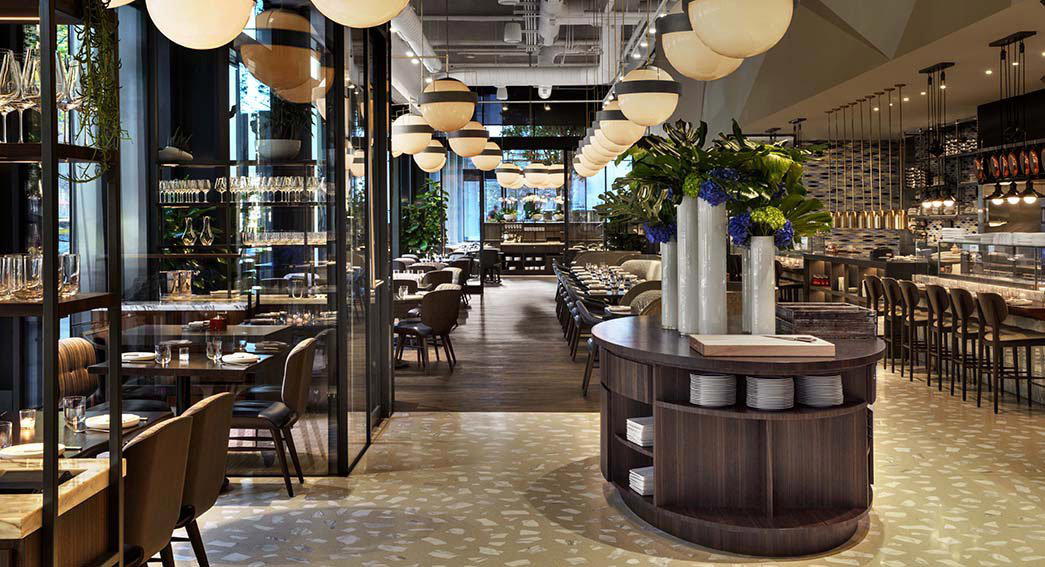
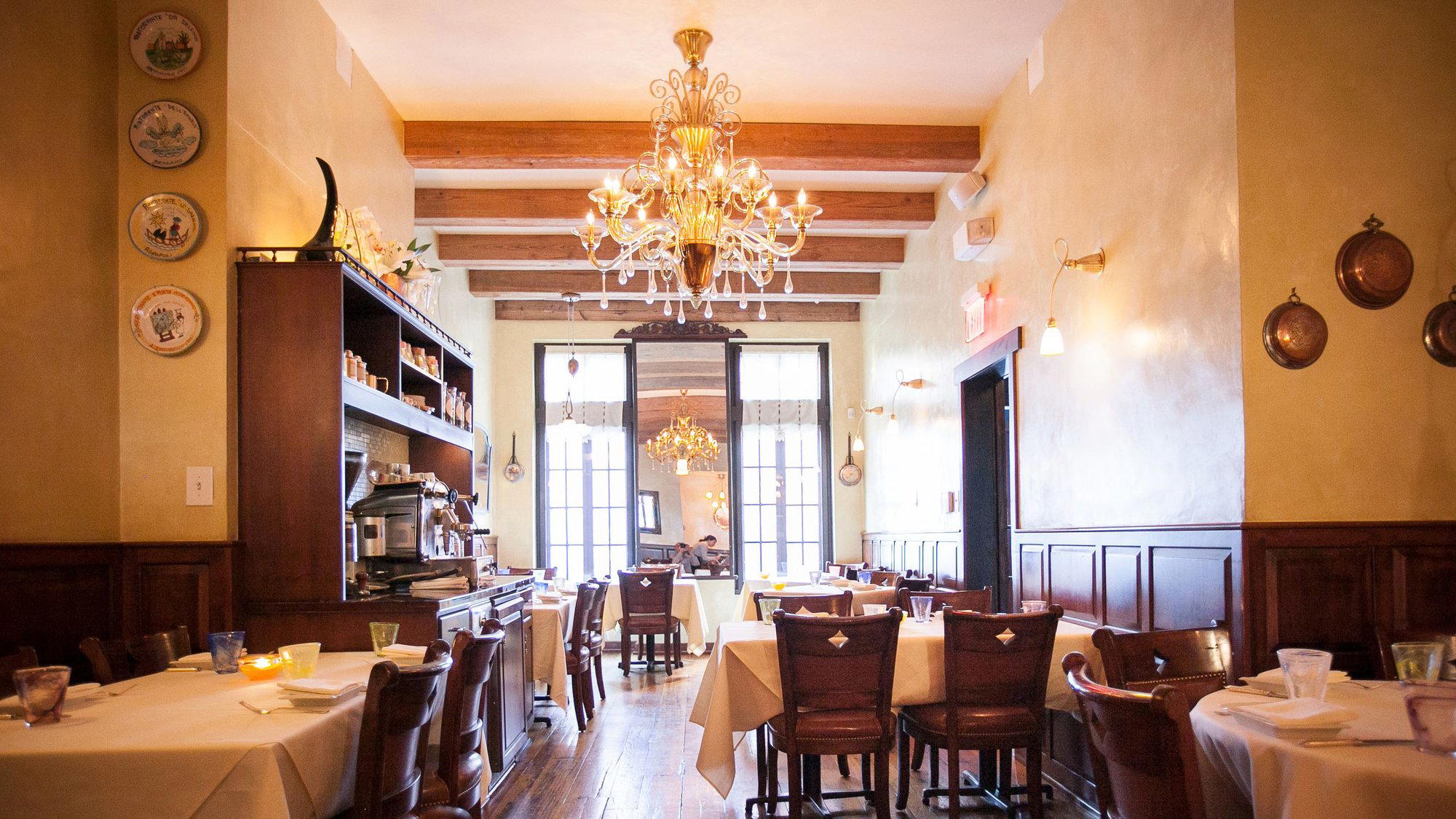
Bars in Philadelphia
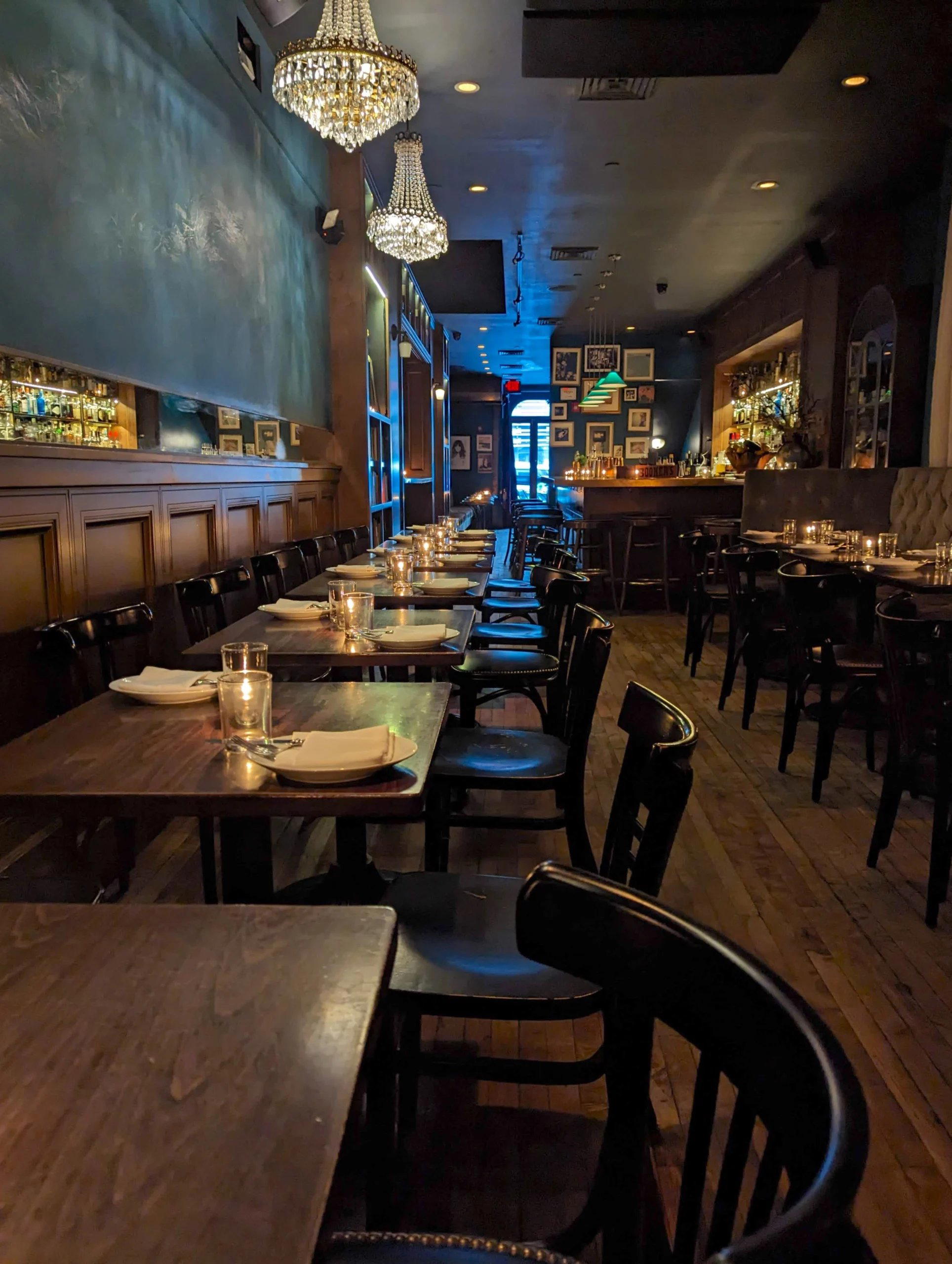
All bars in Philadelphia →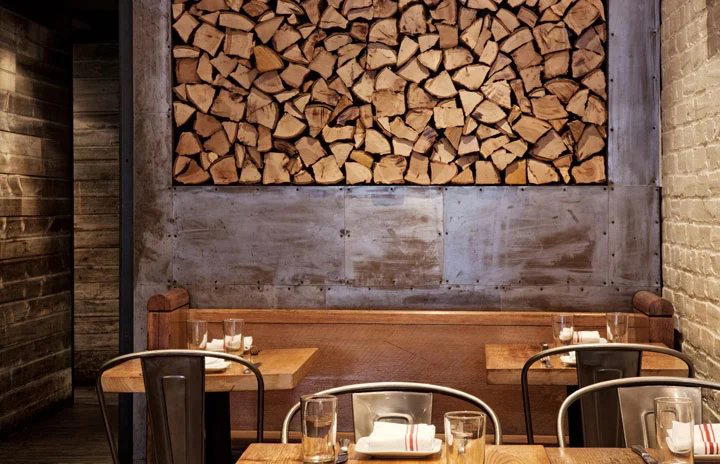
Details
- Trendy
- Modern
- Lively
- Group Dining
- Brunch
- Casual Hangout
- Hotel Restaurant
- Open Kitchen
- Craft Cocktails
- Extensive Wine List
- Small Plates
- A La Carte
- Craft Cocktails
- Sangria
- Spanish Wine
Current opening hours
- Monday
- 6:30 AM–10 PM
- Tuesday
- 6:30 AM–10 PM
- Wednesday
- 6:30 AM–10 PM
- Thursday
- 6:30 AM–10 PM
- Friday
- 6:30 AM–10 PM
- Saturday
- 6:30 AM–10 PM
- Sunday
- 6:30 AM–10 PM
Hours can change for holidays and private events. Hours as of .
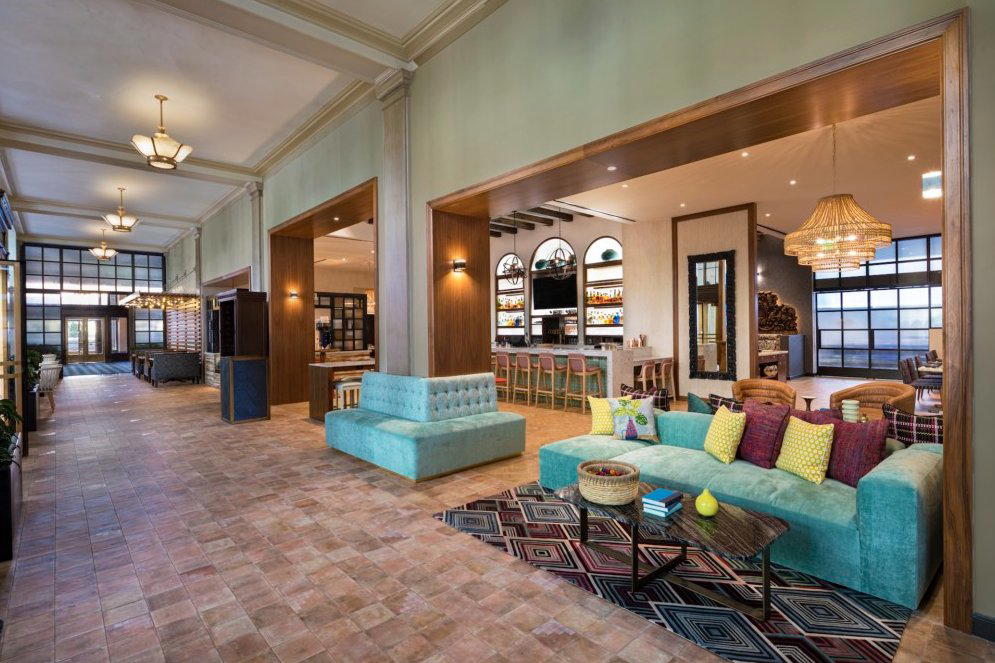
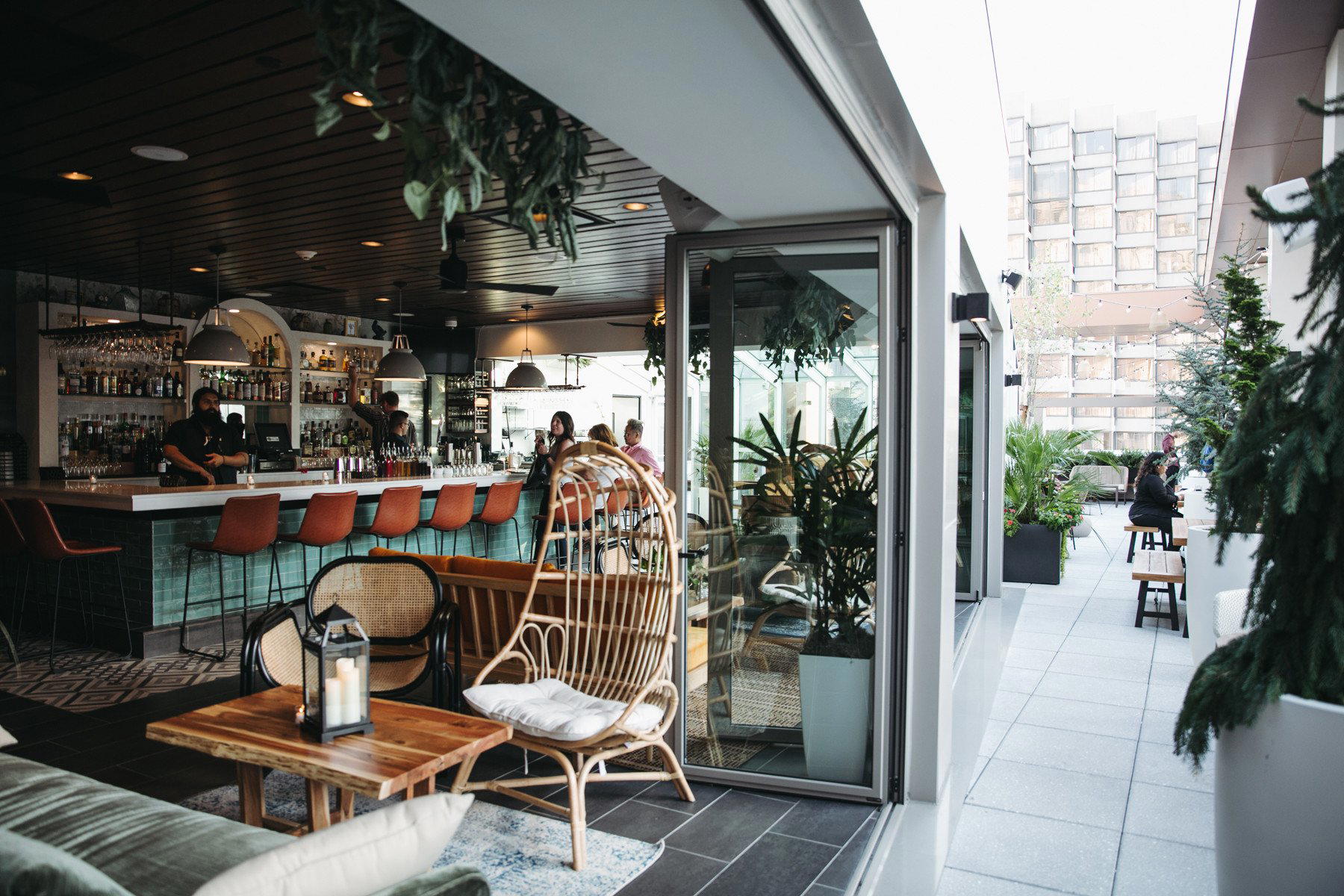
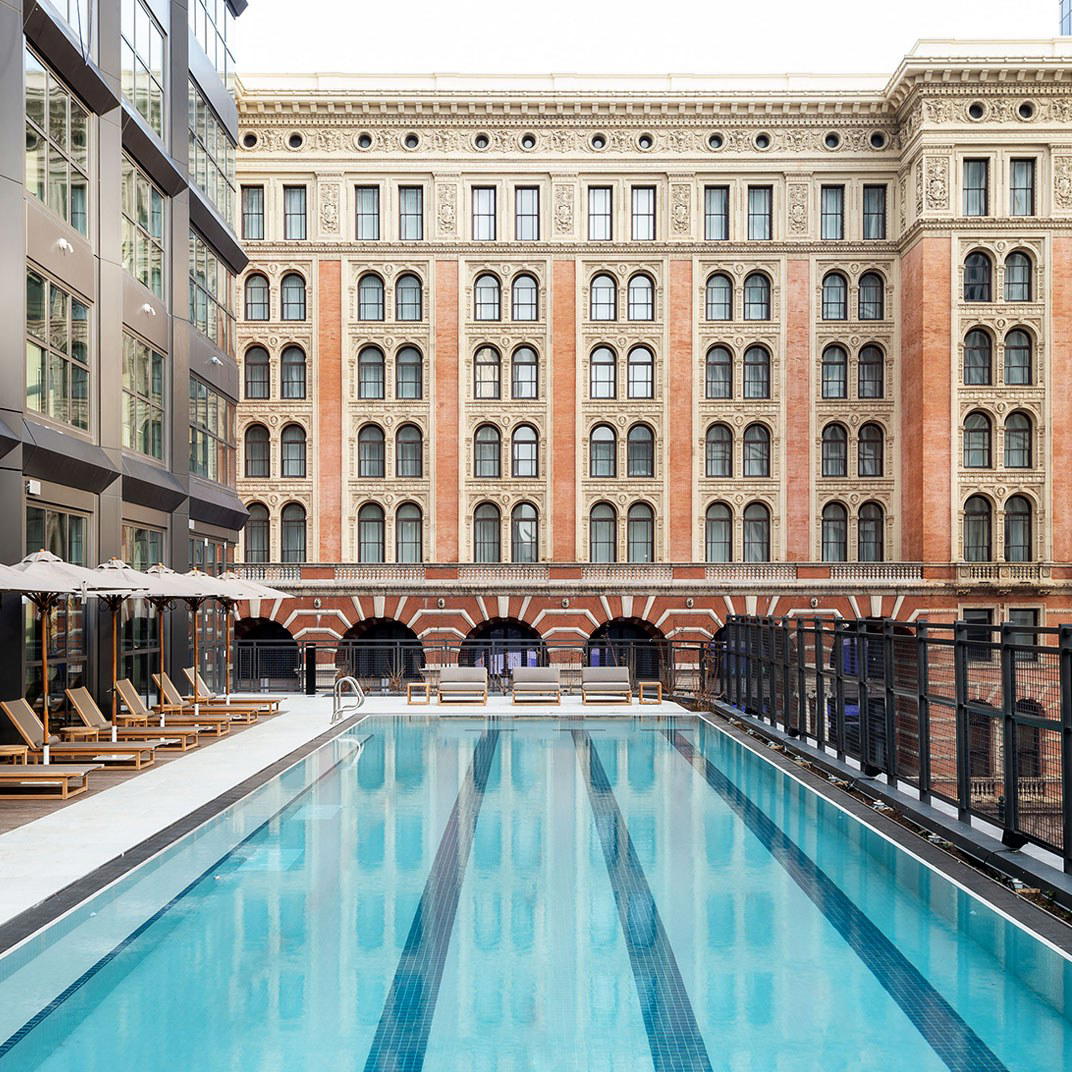
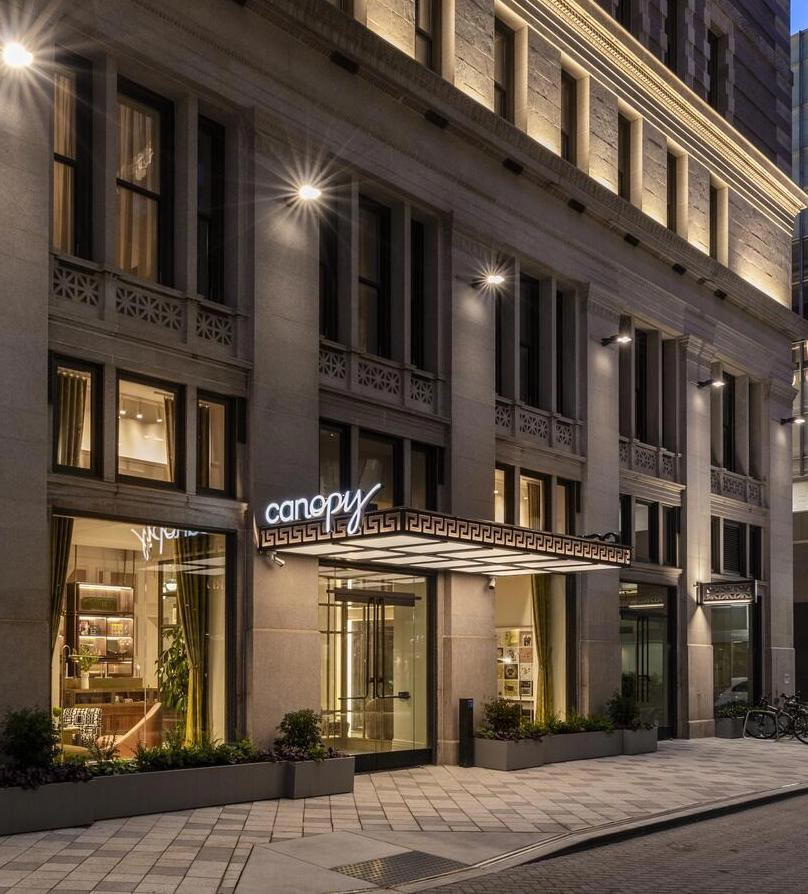
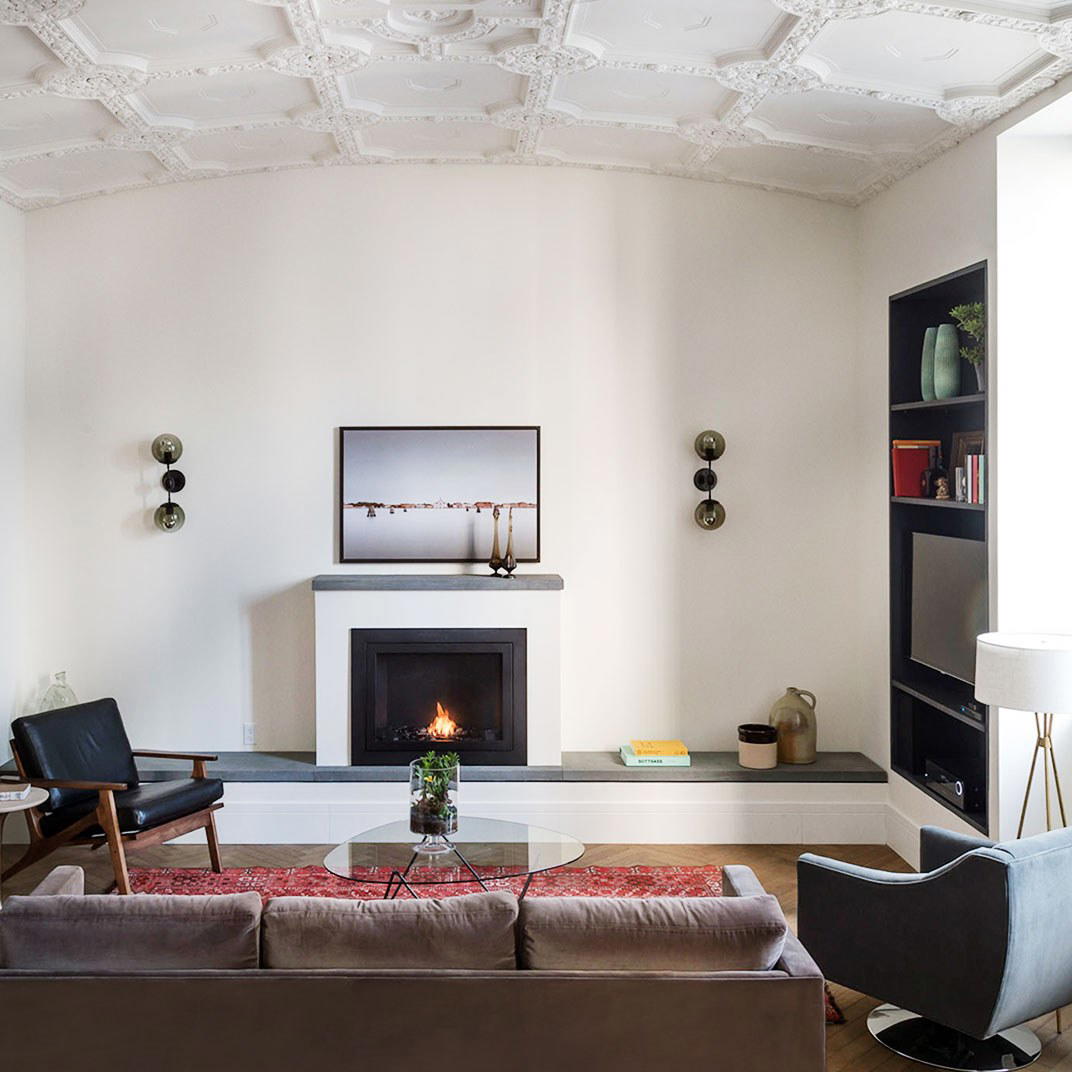
Stylish and modern with a cozy home-like feel, featuring creative presentation and attentive service.