Fuji Mountain
Our verdict
On Chestnut Street in Center City, Fuji Mountain occupies a familiar spot in Philadelphia's dining rotation — the kind of address that regulars return to on instinct rather than occasion. Japanese cuisine in a city that has grown increasingly serious about the category, it draws a loyal crowd that knows what it wants and finds it here consistently. A practical choice for neighborhood residents and downtown regulars alike.

Pearl is the En Primeur Club membership app — saves, bookings, and concierge access live there. Same editors, same standards.
- Address
- 2030 Chestnut St, Philadelphia, PA 19103
- Phone
- (215) 751-0939
- Hours
- Mon–Thu 12–10 PMFri 12 PM–12 AMSat 1 PM–12 AMSun 3–10 PM
- Website
- fujimt.com
- Directions
- Get directions
- Booking
- Book on OpenTable
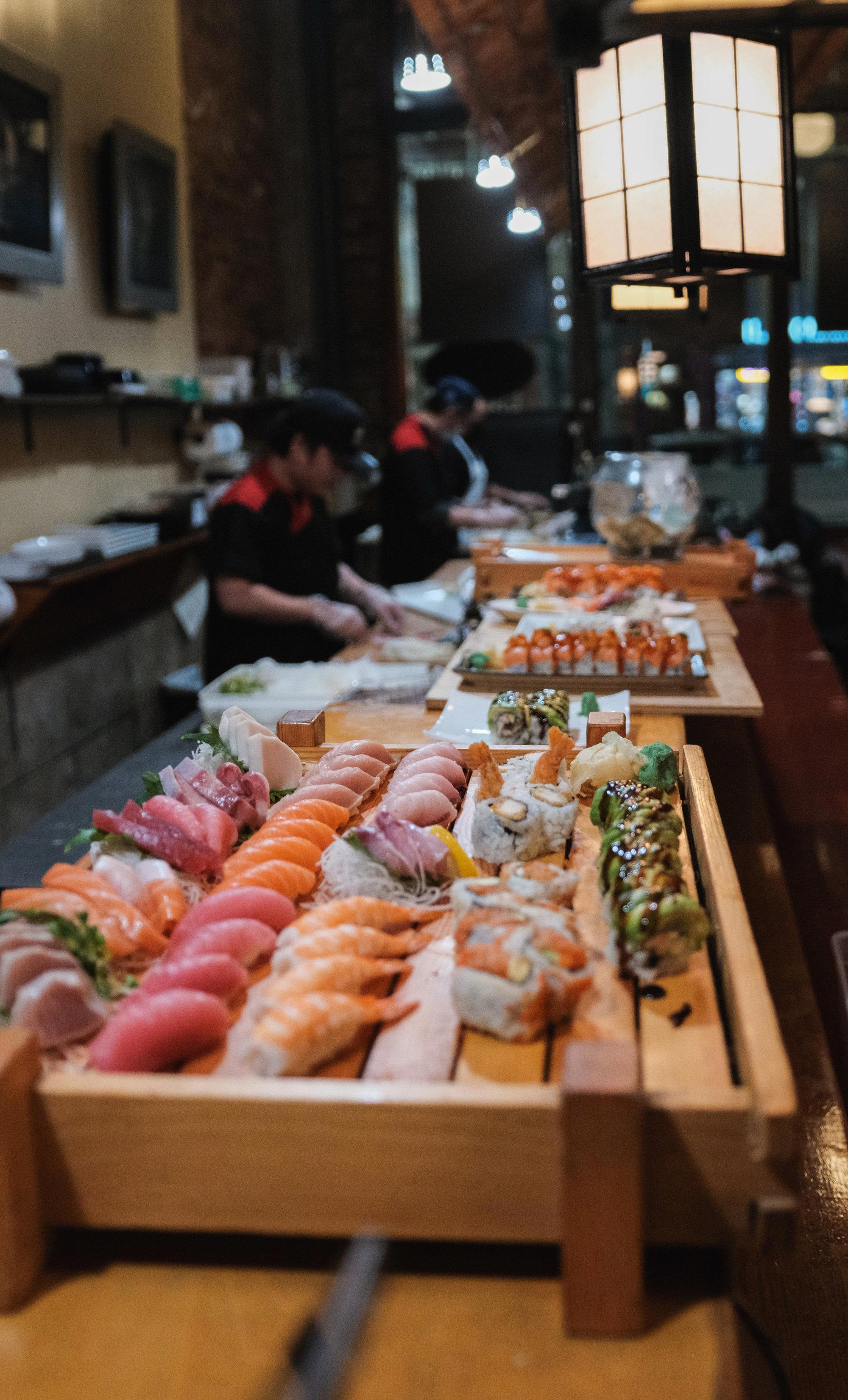
The Return Visit Address on Chestnut Street
There is a particular kind of restaurant that doesn't announce itself loudly — no marquee chef narrative, no tasting-menu theatrics, no reservation system that requires a calendar alert three months out. On Chestnut Street in Center City, Fuji Mountain occupies exactly that register. The address at 2030 Chestnut sits in a stretch of the city where residents and office workers overlap, where the dining decision is often made by muscle memory rather than research. That repeatability is not a consolation prize. In most cities, it is the hardest thing for a restaurant to earn.
Philadelphia's broader dining scene has shifted considerably over the past decade. New American kitchens like Fork and Friday Saturday Sunday have pushed the city into national conversations, while more focused international formats — Mawn for Cambodian and pan-Asian, South Philly Barbacoa for regional Mexican, have deepened the city's credibility beyond its French and New American defaults. Japanese cuisine sits within that broader expansion, and Fuji Mountain holds a position in the neighborhood tier of that category: less about formal omakase ritual, more about consistent delivery to an audience that returns often enough to know the menu by feel.
What Keeps the Regulars Coming Back
The regulars' logic at a restaurant like this is rarely about discovery. It is about reliability. The question they have already answered, and answered correctly enough to return, is whether the kitchen delivers what it promises without requiring the diner to do interpretive work. Japanese restaurants at this neighborhood tier in American cities tend to succeed or fail on that exact axis. When the rice is right, the fish is fresh-sourced rather than frozen-thawed, and the service doesn't treat the room as a transaction, regulars stop looking elsewhere.
Philadelphia has enough Japanese options across different price points that a restaurant on Chestnut Street is not the only choice for anyone. That Fuji Mountain continues to draw a returning clientele in that environment says something functional about what it offers. The unwritten menu, the things regulars order without checking the card, is usually built from whatever the kitchen executes with the most consistency. In Japanese dining at this level, that tends to mean rolls assembled with care, kitchen staples like miso soup or edamame done without shortcuts, and perhaps a handful of cooked dishes that the kitchen has refined through repetition rather than reinvention.
For comparison, consider how the category plays at the national level. A counter with eight seats and a three-month waitlist serves a fundamentally different function than a Chestnut Street address that fills on a Tuesday. Neither is more legitimate; they answer different questions. Fuji Mountain answers the question of where a Center City resident goes when they want Japanese food without orchestrating an event around it.
Neighborhood Position and Peer Context
The Chestnut Street corridor runs through a part of Center City that is residential-dense and commercially active. It is not a dining destination block in the way that Fishtown or East Passyunk function, it is more transactional, more embedded in daily life. A restaurant at this address competes less with formal destination dining and more with the habits of people who live or work within walking distance. The loyalty it earns is often geographical before it is culinary.
Across the broader Philadelphia dining map, this positions Fuji Mountain differently from the city's more discussed addresses. My Loup operates in a French-inspired register that requires deliberate planning; the same is true of the New American kitchens that have attracted national press. Fuji Mountain does not compete in that tier. It competes for the regular Tuesday or Thursday dinner, the decision made at 6pm rather than three weeks in advance. That is a crowded field, but also a durable one, restaurants that embed themselves in neighborhood routine tend to outlast those chasing trend cycles.
The broader pattern in American cities is that Japanese restaurants at the neighborhood tier have become more consistent over the past fifteen years, as sourcing networks improved and the category became better understood by kitchen staff trained outside Japan.
Planning Your Visit
The practical details below situate Fuji Mountain against the neighborhood context and a cross-section of comparable dining decisions in Center City and beyond.
| Venue | Category | Booking Lead Time | Format |
|---|---|---|---|
| Fuji Mountain | Japanese, Neighborhood | Walk-in or short notice (unconfirmed) | À la carte, neighborhood format |
| Friday Saturday Sunday | New American | Weeks in advance | Tasting and à la carte |
| Fork | New American | Days to weeks ahead | À la carte, formal |
| Mawn | Cambodian, Pan-Asian | Reservations recommended | Prix-fixe / set format |
Fuji Mountain is located at 2030 Chestnut St, Philadelphia, PA 19103. For a wider view of where this fits in Philadelphia's dining options, see our full Philadelphia restaurants guide.
Frequently asked questions
What should I order at Fuji Mountain?
Is Fuji Mountain reservation-only?
What's Fuji Mountain leading at?
Can Fuji Mountain adjust for dietary needs?
How does Fuji Mountain fit into Philadelphia's Japanese dining scene compared to higher-end Japanese formats in the city?
How It Stacks Up
Comparable venues nearby, for context on price, style, and recognition.
| Venue | Cuisine | Price | Awards | Notes |
|---|---|---|---|---|
| Fuji MountainThis venue — the venue you are viewing | Japanese Sushi and Seafood | $20–30 | Not listed | Not listed |
| Bleu Sushi | Modern Japanese Sushi | $30–50 | Not listed | Washington Square West |
| Tomo Sushi & Ramen | Japanese Sushi & Ramen | $20–30 | Not listed | Old City |
| Almanac | Japanese-American Cocktail Lounge | $30–50 | James Beard Award Semi Finalist · Esquire Best Martinis in America | Old City |
| Osteria Ama Philly | Italian Trattoria | $30–50 | Not listed | Rittenhouse Square |
| Thanal Indian Tavern | South Indian Tavern | $20–30 | Not listed | Logan Square |
Continue exploring
More in Philadelphia
Restaurants in Philadelphia
Browse all →
Bars in Philadelphia
Browse all →
Details
- Lively
- Family
- Casual Hangout
- Group Dining
- Open Kitchen
- Sake Program
- A La Carte
- Vegetarian Friendly
Current opening hours
- Monday
- 12–10 PM
- Tuesday
- 12–10 PM
- Wednesday
- 12–10 PM
- Thursday
- 12–10 PM
- Friday
- 12 PM–12 AM
- Saturday
- 1 PM–12 AM
- Sunday
- 3–10 PM
Hours can change for holidays and private events. Last verified .
Welcoming atmosphere suitable for families and couples with a focus on fresh sushi and Japanese dishes.