Blackbarn
Blackbarn occupies a considered position in Manhattan's Flatiron district, bringing an farm-to-table philosophy rooted in American agricultural traditions to East 26th Street. The kitchen draws on local sourcing and technique-driven preparation to situate itself within New York's broader conversation about ingredient provenance and culinary craft. For a city that perpetually debates the relationship between land and plate, Blackbarn offers a grounded answer.
Pearl is the En Primeur Club membership app — saves, bookings, and concierge access live there. Same editors, same standards.
- Address
- 19 E 26th St, New York, NY 10010
- Phone
- +12122655959
- Website
- blackbarnrestaurant.com
- Directions
- Get directions
 Saves & bookings on Pearl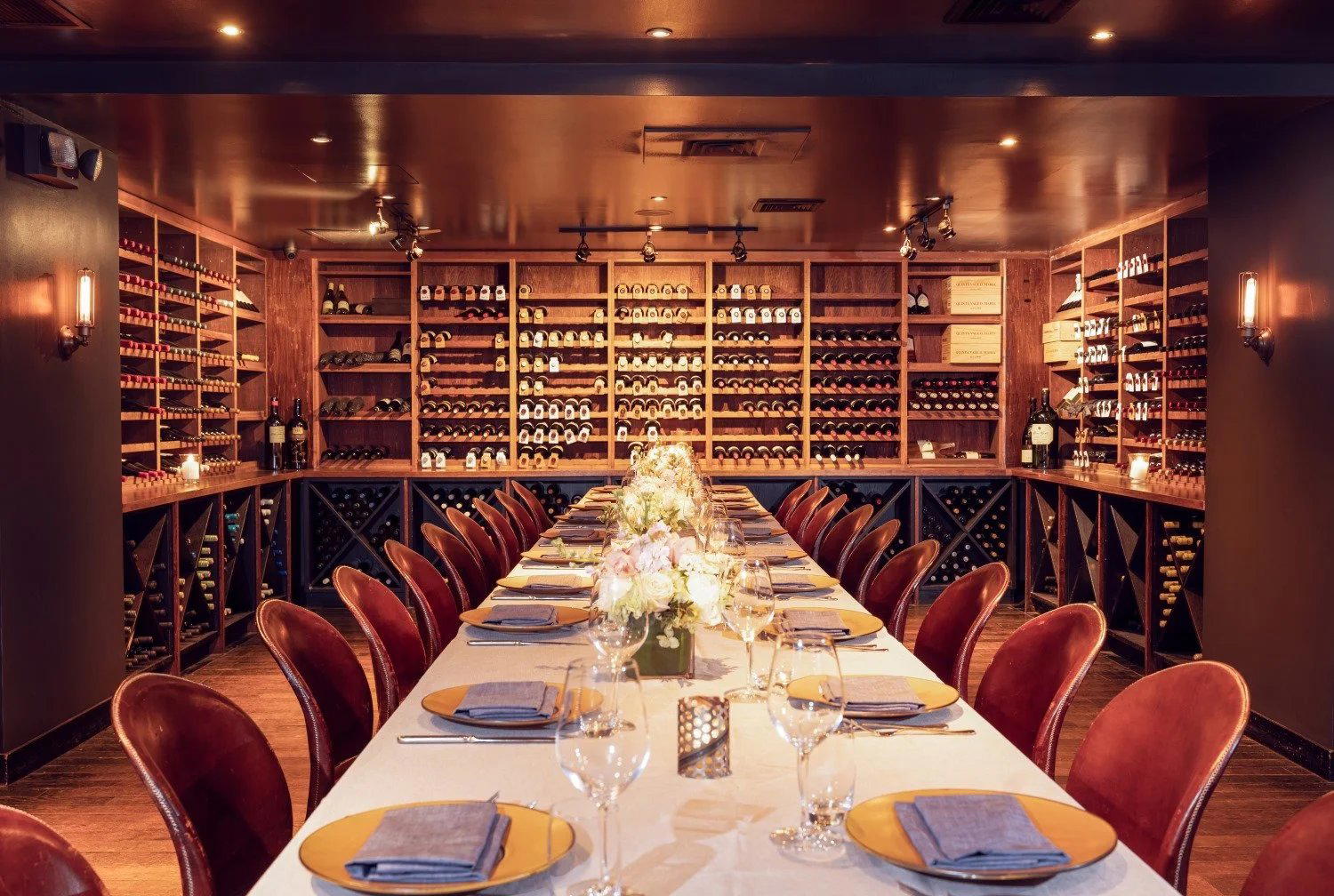
Flatiron's Farm-Driven Counterpoint
New York's fine-dining conversation has long been dominated by European frameworks: the French classicism of Le Bernardin, the tasting-menu precision of Per Se, the plant-forward idealism of Eleven Madison Park. Within that context, a smaller cohort of New York restaurants has spent the past decade arguing for something different: American agriculture as the primary creative engine, with technique imported from global traditions serving the ingredient rather than the other way around. Blackbarn, at 19 East 26th Street in the Flatiron district, belongs to that cohort.
The farm-to-table movement in American dining has a complicated history. What began as a California idea in the 1970s, institutionalized at places like The French Laundry in Napa and later codified by operations such as Single Thread Farm in Healdsburg, arrived in New York with considerable cultural baggage. By the time it reached Manhattan, it had been both celebrated and parodied. What separates the restaurants that have made it meaningful from those that merely invoke it is specificity: named farms, seasonal discipline, and kitchens that let sourcing decisions shape the menu rather than reverse-engineer a local story around a fixed format.
The Intersection of Imported Method and Local Harvest
The editorial angle that most accurately describes what distinguishes Blackbarn within the Flatiron dining scene is the intersection of globally trained technique and regionally sourced product. This is not an uncommon ambition in American fine dining at this price tier, but the execution varies considerably. At one end of the spectrum, restaurants like Blue Hill at Stone Barns in Tarrytown have built their entire identity around farm ownership and hyper-local supply chains. At the other, plenty of New York restaurants claim local sourcing while their menus remain essentially global in reference and ingredient. Blackbarn sits between those poles: a city restaurant drawing on a farm-to-table ethos without the vertically integrated agricultural infrastructure of its Westchester counterpart.
This positioning places Blackbarn in a comparable set that also includes operations like Smyth in Chicago and Lazy Bear in San Francisco, where ingredient provenance is central to the editorial identity of the kitchen, and where European or global technique is applied in service of North American product rather than in spite of it. The analogy extends internationally: establishments like Atelier Moessmer Norbert Niederkofler in Brunico have demonstrated that rooting fine dining firmly in a specific landscape's ingredients, while applying rigorous classical method, produces a category of restaurant that reads as neither rustic nor fusionist, but as something with genuine locational authority.
The Flatiron Context
The Flatiron district has developed into one of Manhattan's more interesting dining corridors over the past fifteen years, partly because of its geography between Midtown's expense-account restaurants and downtown's trend-driven openings. The neighbourhood attracts a mix of office professionals, hotel guests, and residents from the surrounding blocks, and its restaurant population reflects that range. Blackbarn occupies a position toward the more considered end of the local spectrum, where the dining proposition requires some investment from the guest, both in terms of price point and in terms of engagement with what the kitchen is doing.
For readers planning a broader New York City dining itinerary, the Flatiron location makes Blackbarn a natural anchor for an evening that might include cocktails nearby before or after. The full range of Manhattan's serious dining options, from the omakase counters covered in Masa to the technique-intensive Korean tasting menus at Atomix, is covered in our full New York City restaurants guide.
American Farm-to-Table in National Context
To understand where Blackbarn sits in the national conversation about American ingredient-driven cooking, it helps to trace the lineage of that conversation outside New York. Emeril's in New Orleans represents one strain of the tradition: a chef-driven restaurant that built its identity around Southern American product interpreted through classical French training. Providence in Los Angeles does something similar with Pacific seafood. Addison in San Diego has pursued a California-inflected version with considerable formal ambition. And The Inn at Little Washington in Virginia has spent decades making the case that American country produce, handled with classical precision, can sustain a restaurant at the highest critical tier.
What these operations share is a refusal to treat local ingredients as a marketing layer applied over a menu that could have been constructed anywhere. The ingredient decision comes first; the technique follows. For reference, the same logic plays out differently in European contexts: Dal Pescatore in Runate demonstrates how a restaurant can build multi-generational credibility around the produce of a specific Italian river valley. And Frasca Food and Wine in Boulder has transferred that Friulian logic to the Colorado mountains with considerable critical success.
Blackbarn's position in this lineage is that of a Manhattan expression of the same underlying argument: that American agricultural abundance, taken seriously, produces menus that don't require European reference points to justify their ambition.
Planning Your Visit
Blackbarn is located at 19 East 26th Street in Manhattan's Flatiron district, within walking distance of Madison Square Park and the surrounding hotel and office corridor. Dietary accommodation queries are best directed to the venue ahead of booking.
Quick reference: 19 E 26th St, New York, NY 10010.
Cuisine Context
Comparable venues nearby, for context on price, style, and recognition.
| Venue | Cuisine | Price | Notes |
|---|---|---|---|
| BlackbarnThis venue — the venue you are viewing | Modern American Farm-to-Table | $$$ | Not listed |
| Forty Four | New American Gastropub | $$$ | Midtown-Times Square |
| LECIEL | Modern French-American Bistro | $$$ | Lower East Side |
| Felix Roasting Co. | Specialty Coffee Shop | $$$ | SoHo-Little Italy-Hudson Square |
| Pershing Square | American Bistro | $$$ | East Midtown-Turtle Bay |
| Freemans | Rustic American Tavern | $$$ | Lower East Side |
Continue exploring
More in New York City
Restaurants in New York City
Browse all →
Bars in New York City
Browse all →
Hotels in New York City
Browse all →





At a Glance
- Rustic
- Elegant
- Scenic
- Sophisticated
- Cozy
- Date Night
- Business Dinner
- Group Dining
- Celebration
- Special Occasion
- Brunch
- Open Kitchen
- Private Dining
- Terrace
- Panoramic View
- Design Destination
- Craft Cocktails
- Sommelier Led
- Farm To Table
- Local Sourcing
- Organic
- Street Scene
Current opening hours
- Monday
- 11:30 AM–3 PM, 4–9 PM
- Tuesday
- 11:30 AM–3 PM, 4–9 PM
- Wednesday
- 11:30 AM–3 PM, 4–9 PM
- Thursday
- 11:30 AM–3 PM, 4–9 PM
- Friday
- 11:30 AM–3 PM, 4–9 PM
- Saturday
- 10:30 AM–3 PM, 4–9 PM
- Sunday
- 10:30 AM–3 PM
Hours can change for holidays and private events. Last verified .
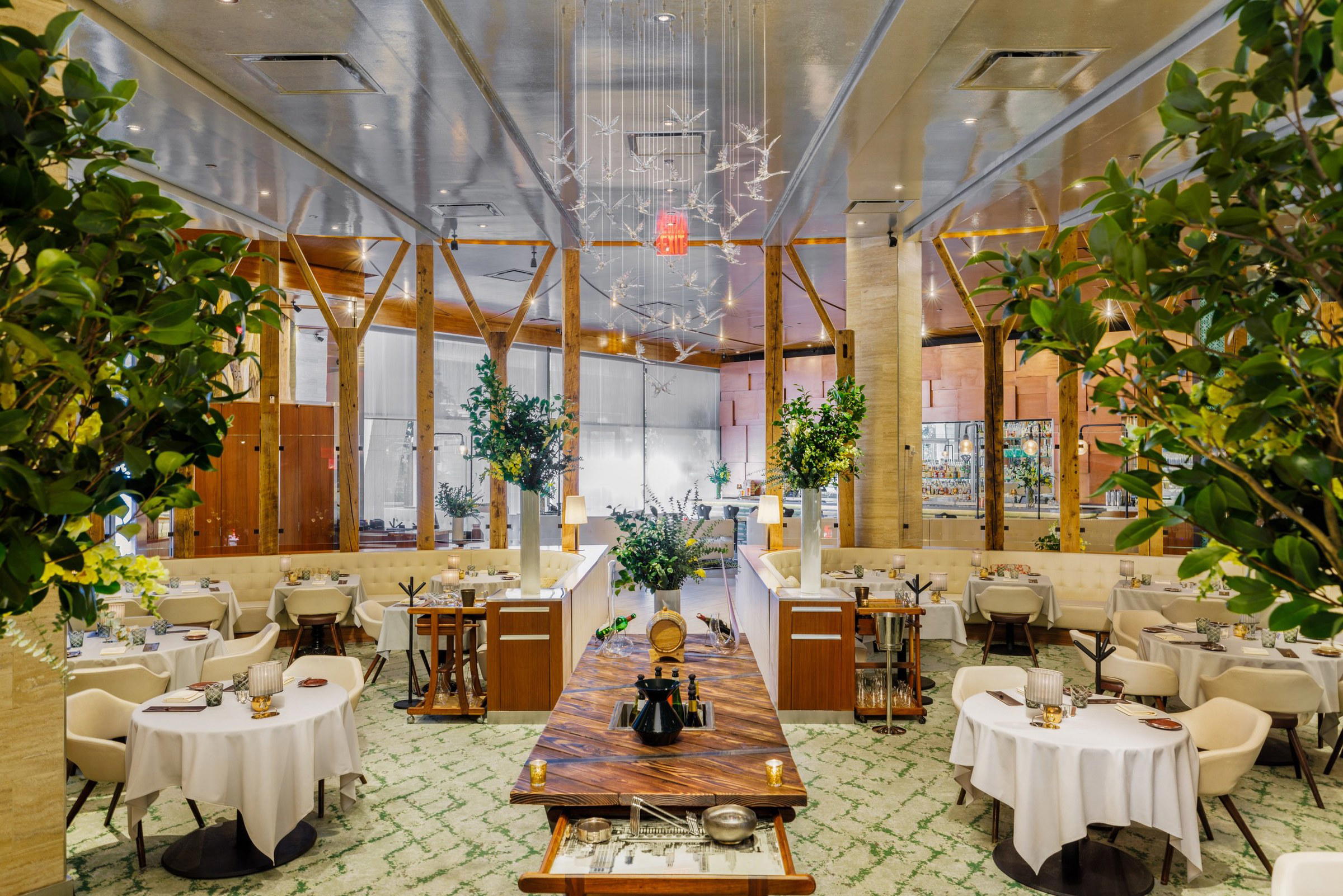
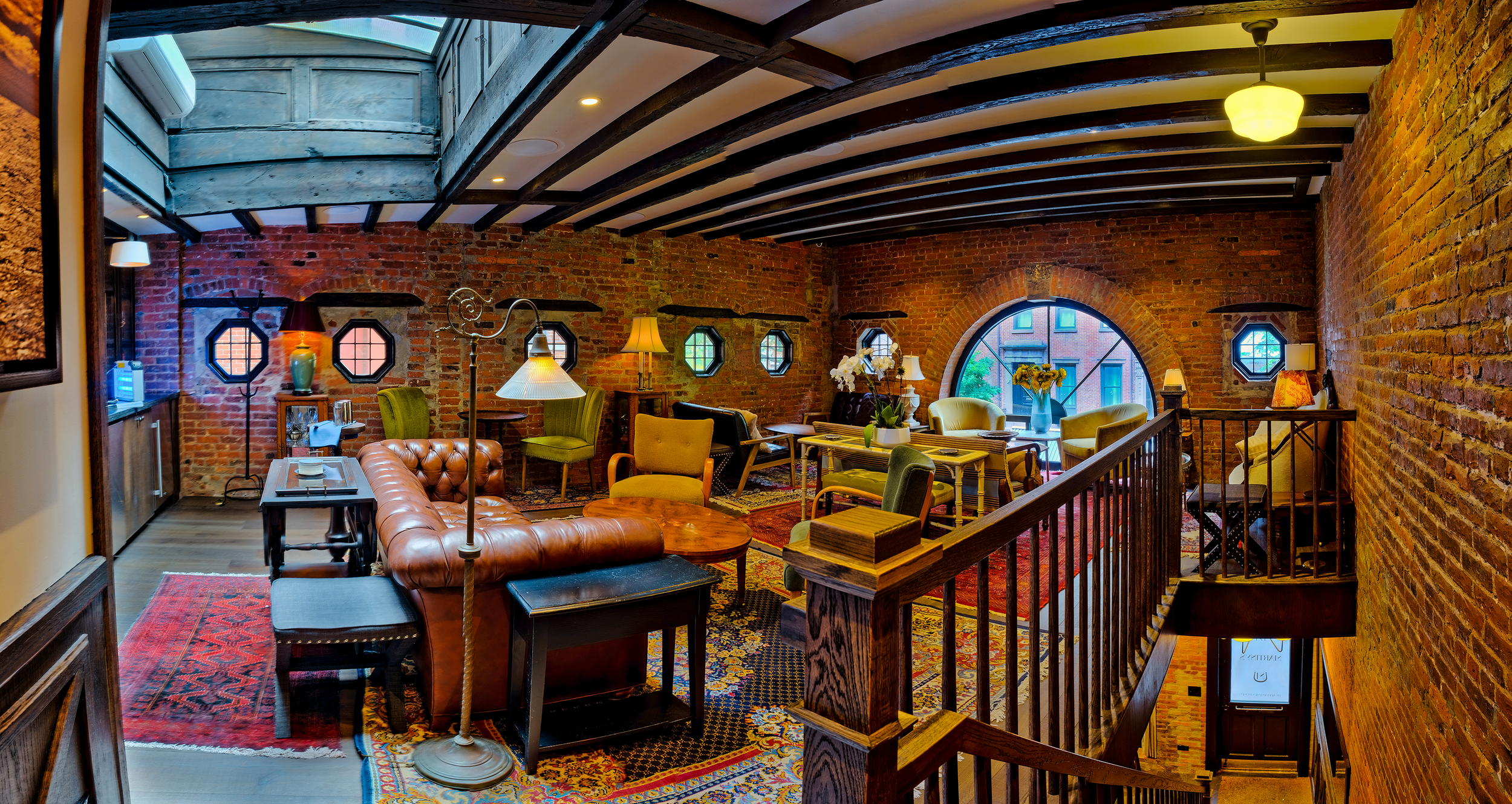
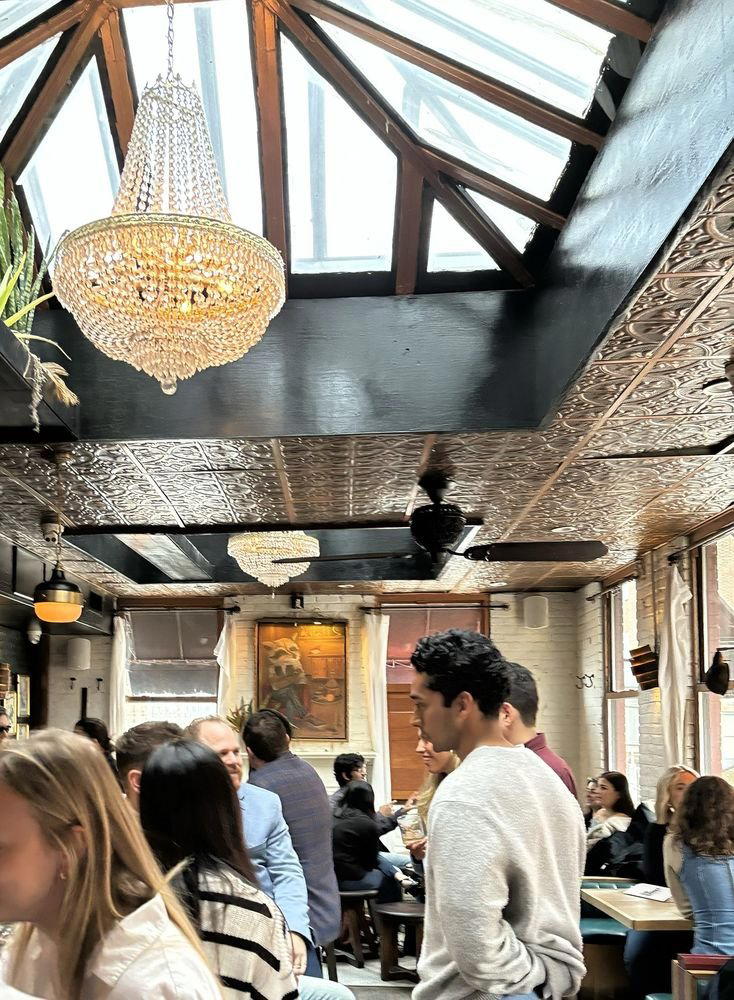
Rustic yet refined setting inspired by a country barn with warm lighting, exposed barn structure, and an open kitchen creating an energetic yet welcoming atmosphere.