
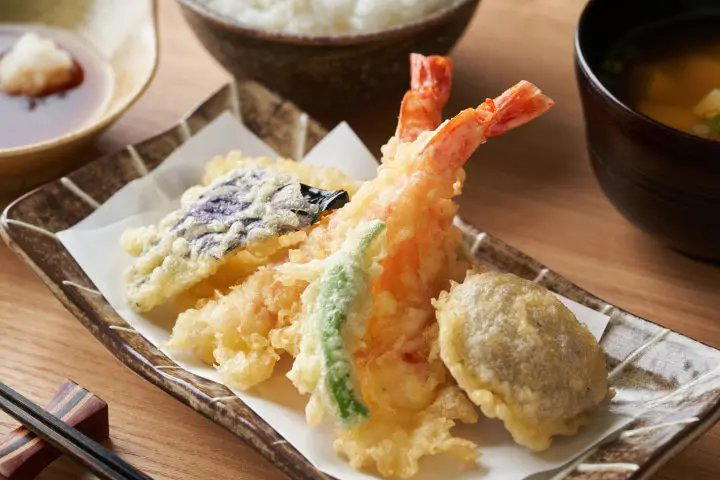
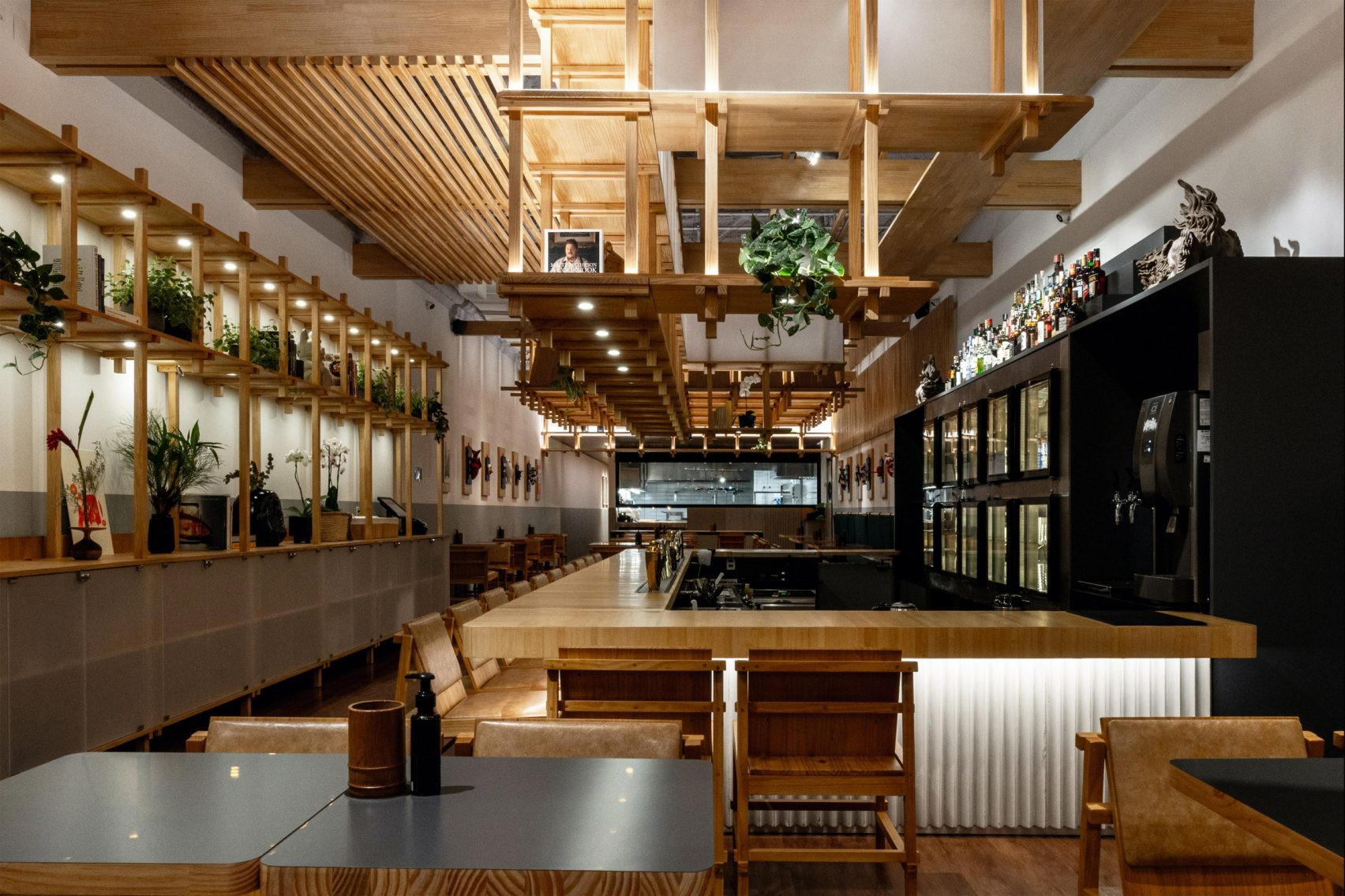
BISTRO YOKOCHO brings Nagoya’s European casual-dining thread into sharper focus: bistro cooking, wine-bar habits, and Spanish-style baru informality in Otobashi. Its 2025 selection for Tabelog 100 French EAST gives the room a stronger signal than its neighbourhood setting might suggest, placing it in a useful middle ground between everyday drinking rooms and more formal French counters.
Pearl is the En Primeur Club membership app — saves, bookings, and concierge access live there. Same editors, same standards.
- Address
- 3 Chome-21-3 Otobashi, Nakagawa Ward, Nagoya, Aichi 454-0012, Japan
- Phone
- +81 52-380-9060
- Website
- ameblo.jp
 Saves & bookings on Pearl
Otobashi is not the Nagoya shorthand most travellers reach for first. Dining attention usually gathers around station-side hotels, Sakae, and polished expense-account counters. A bistro in Nakagawa Ward asks for another evening: less theatre, more neighbourhood cadence, with wine, small plates, and European technique folded into a Japanese city that has never needed to imitate Tokyo to eat seriously.
That context matters because Nagoya’s French-adjacent dining has long split between formal, course-driven restaurants and casual rooms borrowing from bistro, wine bar, and izakaya culture. Our full Nagoya restaurants guide maps that spread, from destination counters to places built for repeat local use. BISTRO YOKOCHO sits in the latter camp by format, but its selection for Tabelog 100 French EAST 2025 puts it in a more competitive conversation than “casual” implies.
A bistro-wine-bar format with Nagoya proportions
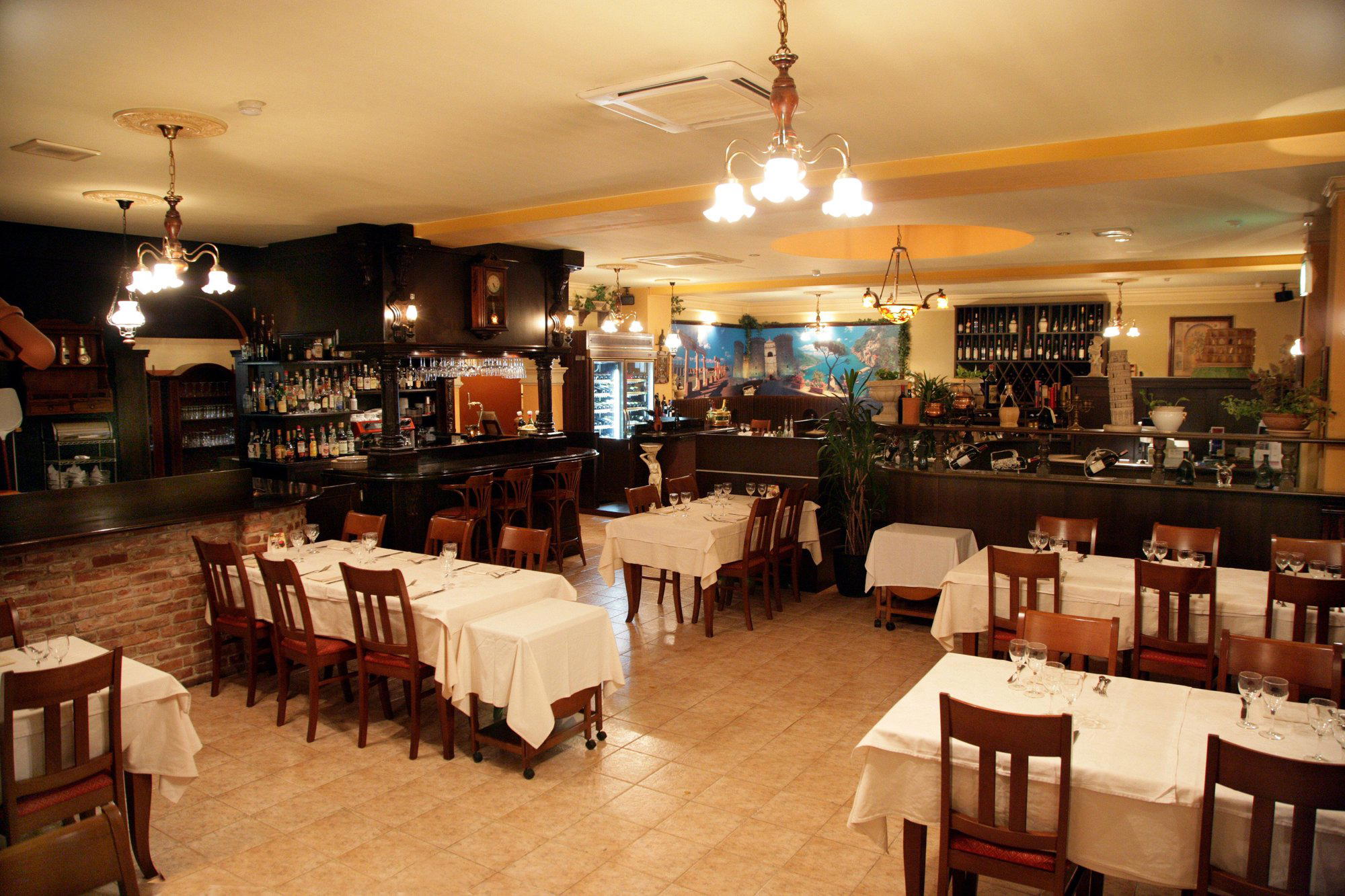
The useful way to read this room is not as orthodox French dining. Its listed categories are bistro, wine bar, and Spanish-style baru, a combination that says as much about contemporary Japanese eating habits as Europe. Across Japan, the bistro has become a flexible urban form: wine without ceremony, Western technique without hushed service, and enough informality to make a midweek dinner plausible rather than ceremonial.
In Nagoya, that flexibility has value. The city supports high-spend counters, but also rewards restaurants that feel repeatable. Comparison venues show the spread: Ueda and Otoubashi Sumiy sit in a higher spend bracket, while Binyan and Ramen Aoba are more casual. Against that field, this bistro occupies the middle lane, where a French category award, wine-bar identity, and neighbourhood location pull in different directions. That tension is the point.
The 40-seat scale changes the social temperature. Japan’s fine-dining conversation often privileges tiny counters, but a bistro needs motion, table turnover, glasses on the table, and looseness for groups as well as pairs. Private rooms are not part of the format, while private use is available, so the room reads as communal rather than compartmentalised. For travellers used to tasting-menu precision, the reset is useful: pleasure lies in pacing, sharing, and choosing a bottle rather than surrendering to a fixed sequence.
The August 2023 opening date gives another clue. This is part of the post-pandemic wave of Japanese restaurants favouring adaptable formats over heavy formality. A two-year-old bistro receiving a 2025 Tabelog 100 French EAST selection suggests quick local traction, not inherited reputation. That makes it revealing of where casual French dining in regional Japanese cities is heading.
Why the award signal matters more than ceremony
Tabelog’s Hyakumeiten lists are not Michelin-style star systems; they reward category strength, user attention, and sustained interest within a defined field. For French EAST 2025, the selection places this Nagoya address in an eastern Japan category rather than a purely local roundup. That is a meaningful trust signal for a restaurant without a heavily publicised chef biography or hotel-group machinery.
The absence of a named chef in the public-facing profile is not an editorial weakness. It shifts attention back to format. Too much restaurant writing turns every room into a founder myth; here, the sharper question is how bistro cooking travels in Nagoya. The answer is hybrid: French enough for Tabelog’s French list, casual enough for wine-bar and baru expectations, and local enough to belong to Otobashi rather than the city’s obvious visitor corridors.
That makes it a different planning choice from the higher-cost counters in the comparison set. Ueda, with sushi as its core category, asks diners to think in terms of precision, sequence, and counter etiquette. Otoubashi Sumiy’s higher spend bracket signals another level of commitment. A bistro at this tier is less about securing a trophy seat than choosing the right night for wine, conversation, and a looser rhythm. It does not replace Nagoya’s formal dining rooms; it fills a space they do not.
For broader trip planning, the restaurant also fits a city itinerary that should not treat food as the only axis. Our full Nagoya hotels guide, Our full Nagoya bars guide, Our full Nagoya wineries guide, and Our full Nagoya experiences guide help place a neighbourhood dinner within the wider city, especially when the evening depends on transit and pacing rather than a single destination reservation.
How to place it in a Nagoya dining schedule
The practical question is whether the evening calls for formality or elasticity. This is a stronger fit for diners wanting European technique in a room that can handle wine-bar behaviour and group energy. It is less suited to those seeking the silence, linearity, and chef-facing focus of a counter meal. Children are welcomed, non-smoking rules apply, and payment includes major credit cards and selected QR code systems, reinforcing a restaurant designed for regular urban use rather than rare-occasion stiffness.
There is no dedicated parking, so plan around walking from the nearest rail access or using nearby coin parking. Unglamorous, but exactly the detail that separates a smooth Nagoya dinner from a late arrival. The location rewards diners who treat Otobashi as part of the evening, not an afterthought.
For readers comparing across Japan rather than only Nagoya, the contrast is useful. A sake-led Los Angeles room such as Jōdo Saké Bar in Los Angeles or a casual rice-focused address like Onigiri Time in Pasadena reflects Japanese dining culture abroad through different filters. Inside Japan, the spread is wider, from -Grilled beef Sukiyaki- KAMAKURA TANUKIAN 鎌倉 たぬき庵 in Kamakura to . 鮪と炭火焼き うお炭 秋葉原店 in Tokyo, .cafe in Osaka, .know in Kumamoto, (Shoku) Vietnam in Kawasaki, and [Curry Senmon Ten] Maruyama Kyoju. in Sapporo. The point: Japan’s casual dining strength often lies in formats that resist one imported template.
Within Nagoya, EP Club entries such as 1022, 451, Aaron, Alan. and All Day Dining Montmartre frame the city through different dining modes. BISTRO YOKOCHO is the choice when the brief is not grand occasion dining, but a credible French-leaning room with a wine-bar pulse and enough recognition to justify planning around it.
Cuisine Context
Comparable venues to calibrate price, style, and recognition.
| Venue | Cuisine | Price | Notes |
|---|---|---|---|
| BISTRO YOKOCHO | Dining | $$$ | Nakagawa |
| Otoubashi Sumiy | Seasonal Japanese Kaiseki | $$$ | Nakagawa |
| Salamanger de Casino | French bistro | $$$ | Nakamura |
| Ningyocho Imahan Nagoya middorandosukuea ten | Traditional Japanese Sukiyaki & Shabu-Shabu | $$$ | Nakamura |
| Cutlet Matsumura | Modern Tonkatsu | $$$ | Nakamura |
| Kappo Yabushita | Traditional Japanese Kappo | $$$ | Naka |
Recognition history
Dated appearances from independent guides and award organizations, with the underlying list record or original source where available.
Tabelog 100 #31 · No. 31
Tabelog · Tabelog 100 - French - EAST - 2025
Continue exploring
More in Nagoya
Restaurants in Nagoya
Browse all →
At a Glance
Current opening hours
- Monday
- Closed
- Tuesday
- 5–11 PM
- Wednesday
- 5–11 PM
- Thursday
- 5–11 PM
- Friday
- 5–11 PM
- Saturday
- 3–11 PM
- Sunday
- 3–11 PM
Hours can change for holidays and private events. Last verified .