
A Michelin Plate-recognised Modern French address on Leuvensesteenweg, Bistro R sits at the quieter end of the Belgian fine dining spectrum, set-menu format, Japanese culinary technique applied to French foundations, and a host with a genuine eye for wine. For the Zaventem corridor, it occupies a niche that few restaurants in the area attempt at this level of discipline.
Pearl is the En Primeur Club membership app — saves, bookings, and concierge access live there. Same editors, same standards.
- Address
- Leuvensesteenweg 614, 1930 Zaventem, Belgium
- Phone
- +32 2 757 05 59
- Website
- bistro-r.be
- Directions
- Get directions
 Saves & bookings on Pearl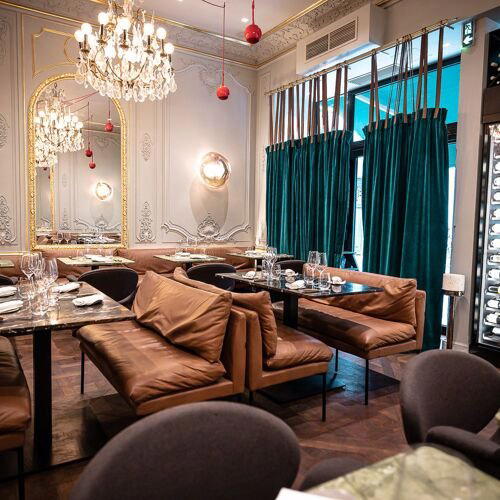
The stretch of Leuvensesteenweg running through Zaventem is not where most diners look when they want a serious French meal. That is precisely the point. Belgium's recognised fine dining tends to cluster in Ghent, Antwerp, Brussels, and the West Flemish coast, venues like Zilte in Antwerp or Bartholomeus in Heist operate in cities where the dining culture supports them. Bistro R sits conspicuously outside that geography, on a suburban arterial road near Brussels Airport, which tells you something about the kind of restaurant it is: one that earns its audience on merit rather than location.
A Particular Kind of Restraint
Modern French cooking in Belgium has long occupied a complicated position. The country's most celebrated kitchens, from the three-Michelin-star reach of Boury in Roeselare to the creative precision of Castor in Beveren, tend to operate at the €€€€ price tier, where tasting menus run long, wine pairings are elaborate, and the experience is designed to absorb an entire evening. Bistro R operates one tier below that ceiling, at €€€, with a set-menu format that prioritises balance and technique over maximalism. In the context of Belgian fine dining, that restraint is itself a statement.
The cooking here draws on Japanese culinary training, which manifests less as fusion and more as discipline: precise heat application, clean flavour separation, and an emphasis on ingredient integrity over sauce complexity. That approach maps onto the French classical tradition with more coherence than it might sound on paper. French cookery has always rewarded technical rigour; the Japanese training adds a further layer of exactness without displacing the foundational logic. The result is a set menu described by Michelin's 2025 inspectors as fresh, healthy, and balanced, language that, in the guide's typically compressed vocabulary, signals cooking that prioritises the ingredient over the intervention.
Provenance and the Plate
The editorial angle of terroir and provenance is not always associated with urban-adjacent bistros, but it applies here in a specific way. The Michelin notation singles out the gilthead seabream: fire-roasted, accompanied by white grapes and kiwi juice. The combination of vine fruit and citrus alongside a coastal fish points toward a kitchen thinking about complementary acidity and natural sugar rather than reaching for butter or cream as the default enrichment. Whether those ingredients are sourced with the same rigour as, say, the hyperlocal obsession at Willem Hiele in Oudenburg is not documented, but the flavour logic on the plate reflects a similar instinct: let the primary ingredient lead, and build around it with produce that clarifies rather than competes.
That approach to ingredient-forward cooking connects Bistro R to a broader pattern in contemporary French technique, whether expressed from Belgian kitchens or from addresses further afield like L'air du Temps in Liernu, which has long championed garden-to-plate provenance as a structural principle rather than a marketing note. At the more theatrical end of the Modern French spectrum, venues like Sketch, The Lecture Room and Library in London or Schanz in Piesport demonstrate how the idiom travels across borders; the restaurant belongs to the same conversation, just at a different scale and ambition level.
The Role of Wine and the Owner's Eye
One of the more distinctive aspects of the restaurant setup is the owner's documented engagement with wine. The Michelin citation describes the proprietor as a genuine wine connoisseur, a detail that, in a guide not given to flattery, carries more weight than it might in a press release. At this price tier, wine lists in Belgian restaurants often default to reliable French négociant selections; a proprietor with real knowledge tends to produce something narrower, more considered, and occasionally surprising. For wine-led diners, that credential is worth factoring into the decision, even where the specific list is not publicly documented.
The same owner is noted for a discreet, attentive presence in the room. That hospitality register, watchful, unhurried, personally invested, is more common in owner-operated regional restaurants than in the larger tasting-menu formats that dominate the upper tiers of the Belgian scene. It is a different kind of evening from the choreographed service rhythms at a three-star address, and for some diners, a preferable one.
Where It Sits in the Belgian Scene
The 2025 Michelin Plate is a recognition of quality cooking. In Belgium, where the guide covers a country with a notably high density of starred restaurants relative to its size, a Michelin Plate still represents meaningful external validation. It places the restaurant above the broader mass of competent neighbourhood restaurants and below the two- and three-star tier occupied by addresses like De Jonkman in Sint-Kruis or Cuchara in Lommel. That is a coherent and useful position: serious enough to justify a deliberate visit, accessible enough that the format does not demand a full-occasion commitment.
For the Zaventem corridor specifically, an area defined largely by airport transit and business hotels rather than destination dining, the existence of a Michelin-recognised Modern French kitchen at this level is genuinely anomalous. Diners connecting through Brussels Airport, or based in the eastern Brussels suburbs, have fewer options at this quality tier than their counterparts in the city centre or in Ghent, where Bozar Restaurant in Brussels and others anchor a more concentrated scene. The restaurant addresses a real gap.
Planning Your Visit
The restaurant is located at Leuvensesteenweg 614, 1930 Zaventem, making it most practical for diners with their own transport or arriving via taxi from central Brussels or the airport.
For context within Belgium's broader recognised fine dining circuit, Hof van Cleve in Kruishoutem and d'Eugénie à Emilie in Baudour represent the kind of regional ambition that restaurant echoes at a more accessible scale, proof that serious cooking in Belgium has never been exclusively a capital-city project.
Comparable Venues
Comparable venues nearby, for context on price, style, and recognition.
| Venue | Cuisine | Price | Awards | Notes |
|---|---|---|---|---|
| Bistro RThis venue — the venue you are viewing | Modern French Bistro | $$$ | Michelin Plate | Not listed |
| Le Brasero | French-Belgian Grill with Italian Classics | $$$ | Michelin Plate | Woluwe-Saint-Lambert |
| Brasserie de la Patinoire | Classic Belgian Brasserie | $$$ | Michelin Plate | Bois de la Cambre |
| Toucan Brasserie | French Brasserie | $$$ | Michelin Plate | Ixelles |
| Auberge de la Roseraie | Traditional French Bistro | $$$ | Michelin Plate | Ohain |
| Atelier Maple | Contemporary French-Belgian Fine Dining | $$$ | Michelin Plate | Borgerhout |
Recognition history
Dated appearances from independent guides and award organizations, with the underlying list record or original source where available.
Michelin Plate
Michelin
Michelin Plate
Michelin

At a Glance
- Modern
- Elegant
- Date Night
- Business Dinner
- Terrace
- Farm To Table
Current opening hours
- Monday
- Closed
- Tuesday
- 12–2:30 PM
- Wednesday
- 12–2:30 PM
- Thursday
- 12–2:30 PM
- Friday
- 12–2:30 PM, 7–9 PM
- Saturday
- 7–9 PM
- Sunday
- Closed
Hours can change for holidays and private events. Last verified .
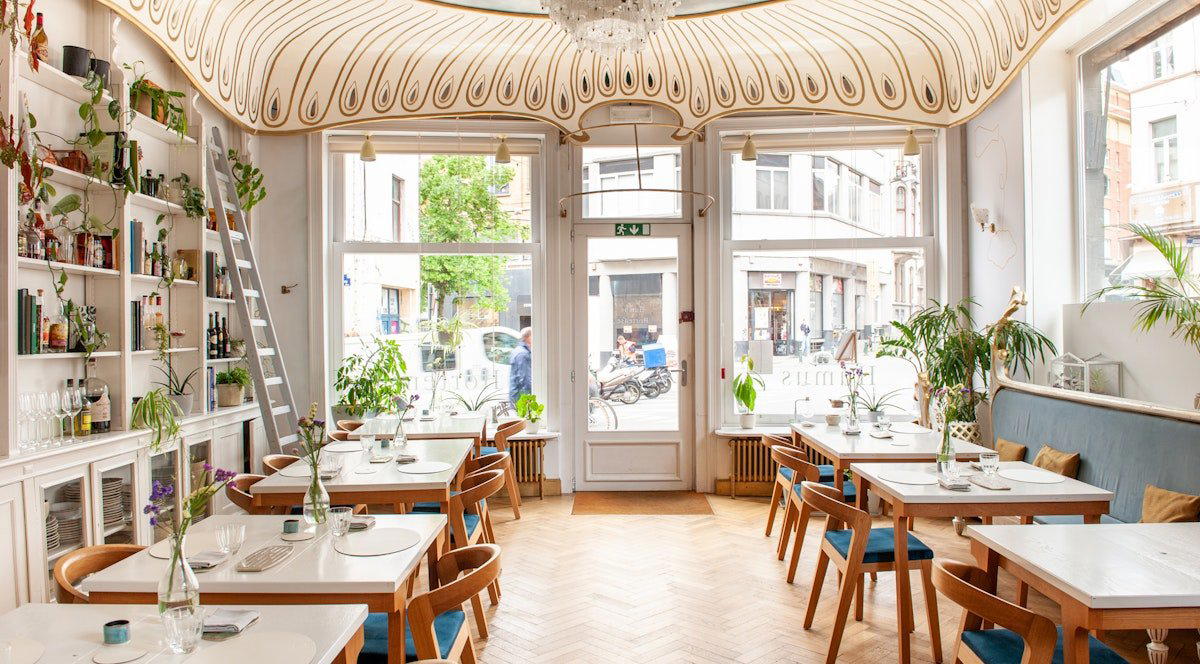
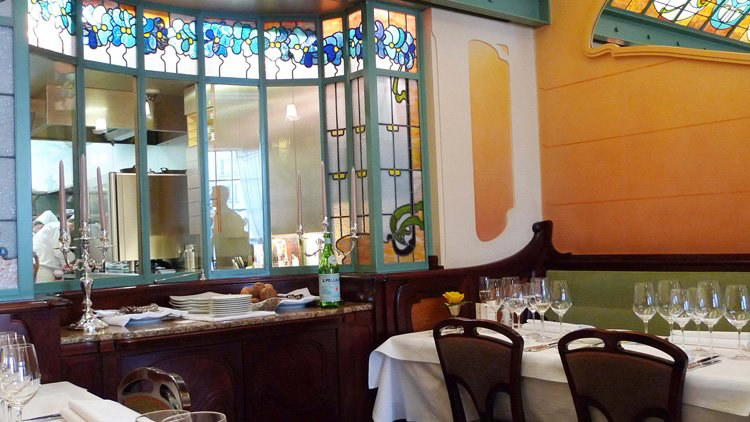
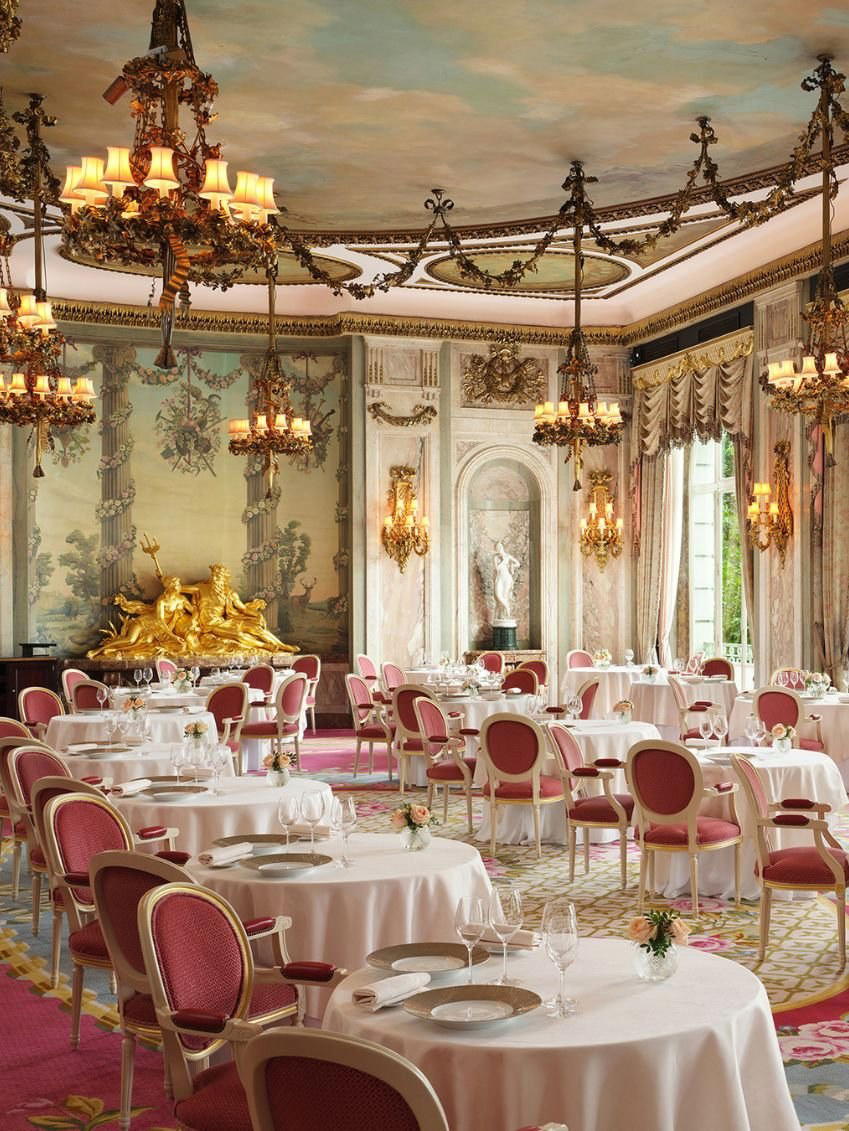
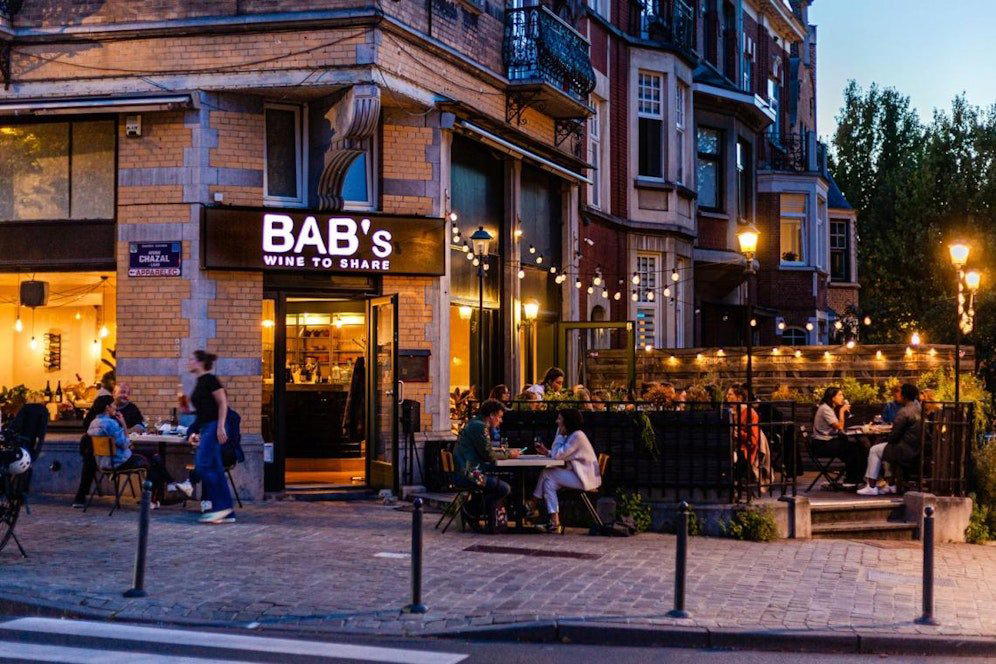
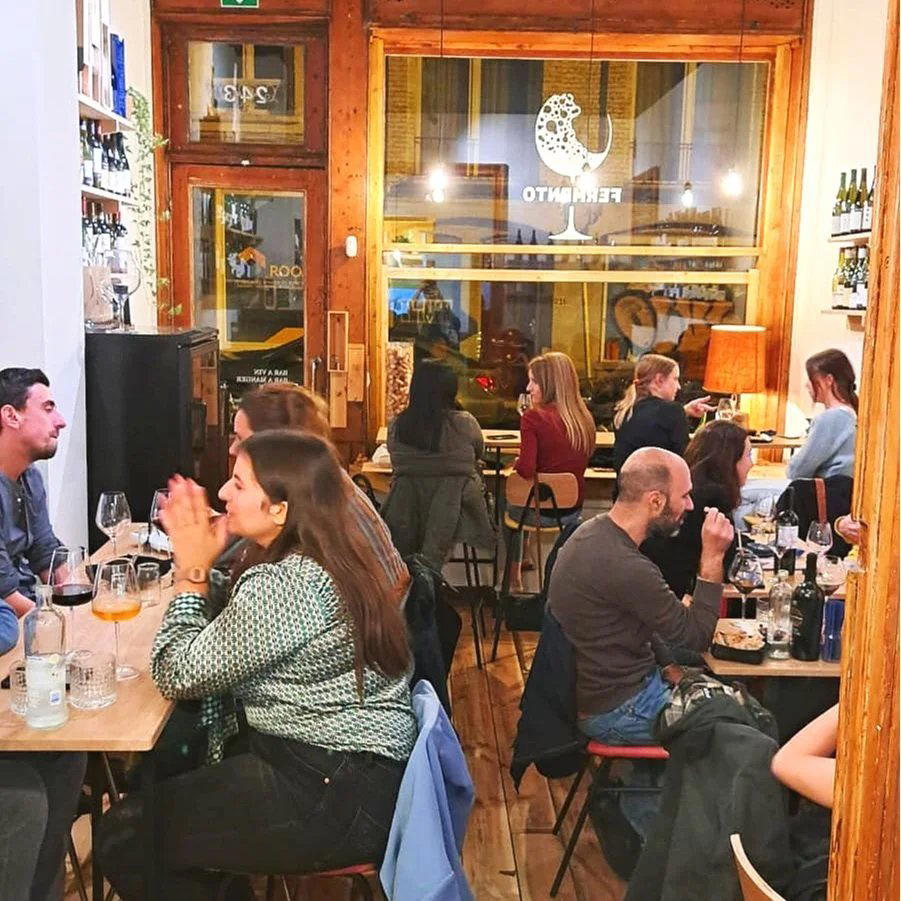
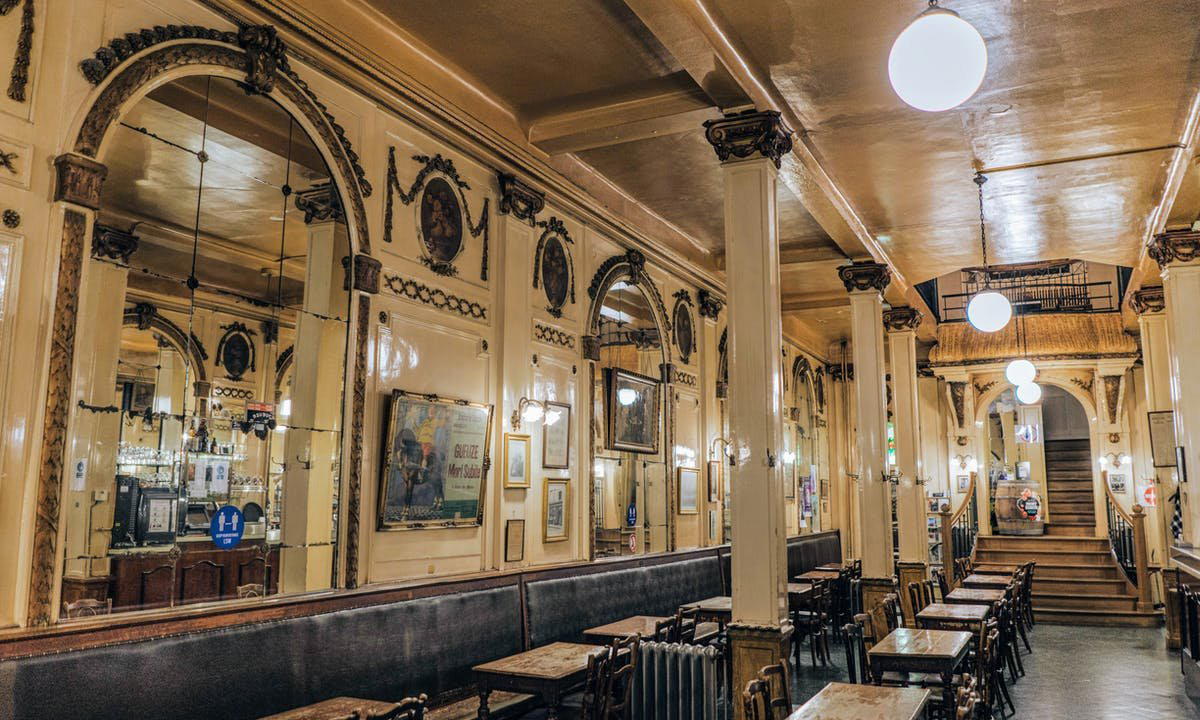
Contemporary interior adorned with handsome works of art, nice setting with a beautiful terrace, and welcoming atmosphere.