Bistro Margaux

In Helmond's dining scene, Bistro Margaux occupies a distinct niche: a converted estaminet on Aarle-Rixtelseweg that runs a full-throated French menu at a mid-range price point. Foie gras pâté, rotisserie poussin, and crêpe Suzette anchor a kitchen that treats classical French tradition as a living programme rather than a nostalgic footnote. For Dutch diners who want Paris without the flight, this is the address.
Pearl is the En Primeur Club membership app — saves, bookings, and concierge access live there. Same editors, same standards.
- Address
- Aarle-Rixtelseweg 107, 5707 GK Helmond, Netherlands
- Phone
- +31 492 798 020
- Website
- bistromargaux.nl
- Directions
- Get directions
 Saves & bookings on Pearl
French Tradition on a Brabant Road
Bistro Margaux is a Classic French Bistro in Helmond, at the €€€ price tier, serving classical French cooking in a converted estaminet on Aarle-Rixtelseweg. That format, generous portions, classical technique, a wine list built for repeat customers, has largely disappeared from urban centres across Europe, squeezed out by higher rents and the pressure to modernise. What Bistro Margaux represents, on a workmanlike stretch of Aarle-Rixtelseweg in Helmond, is a deliberate revival of that format in a mid-size Dutch industrial city that is not typically associated with French cooking of any ambition.
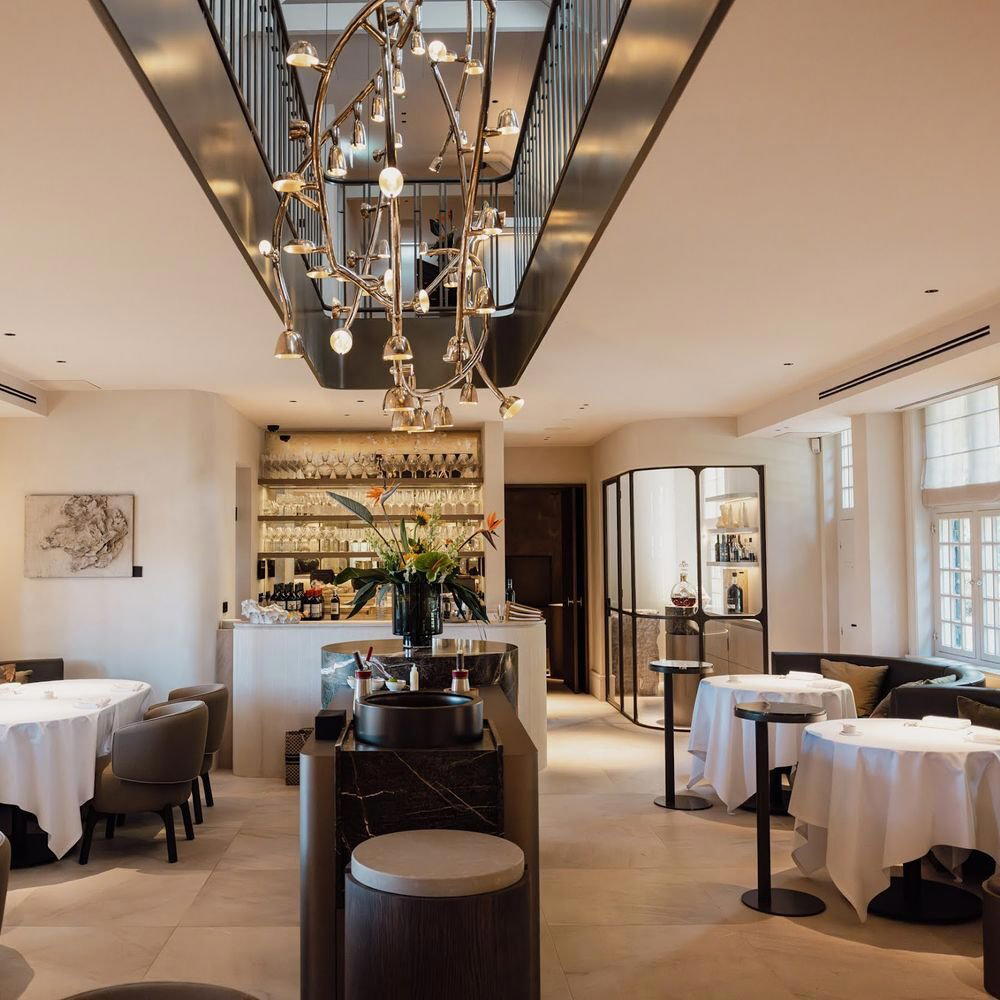
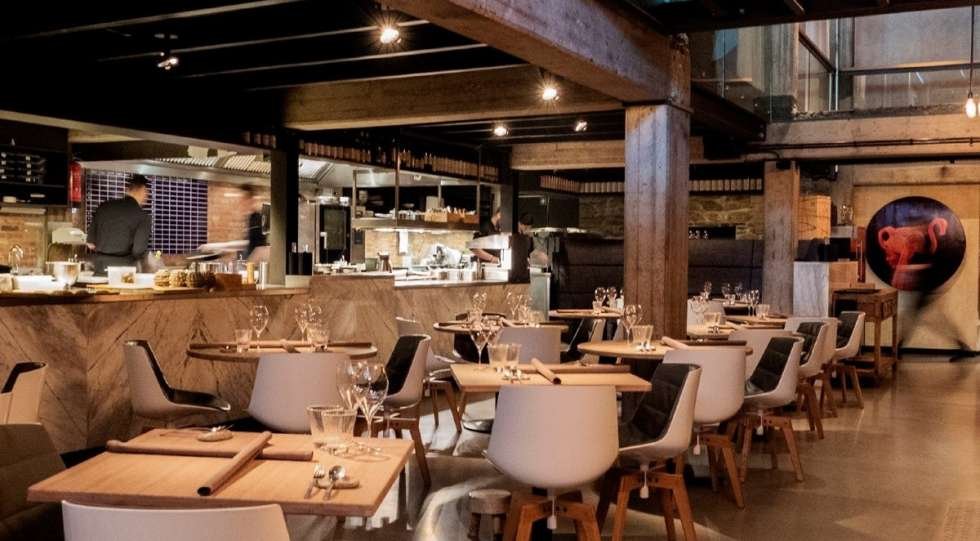
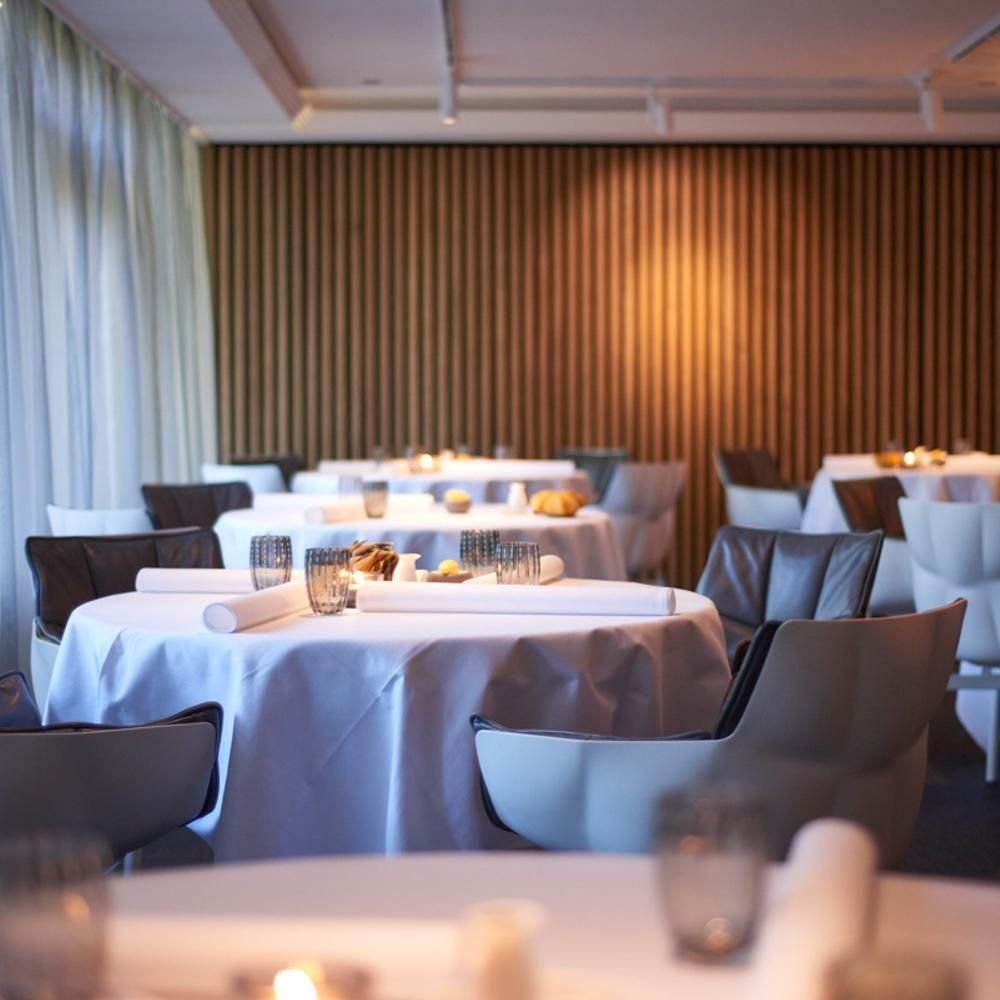
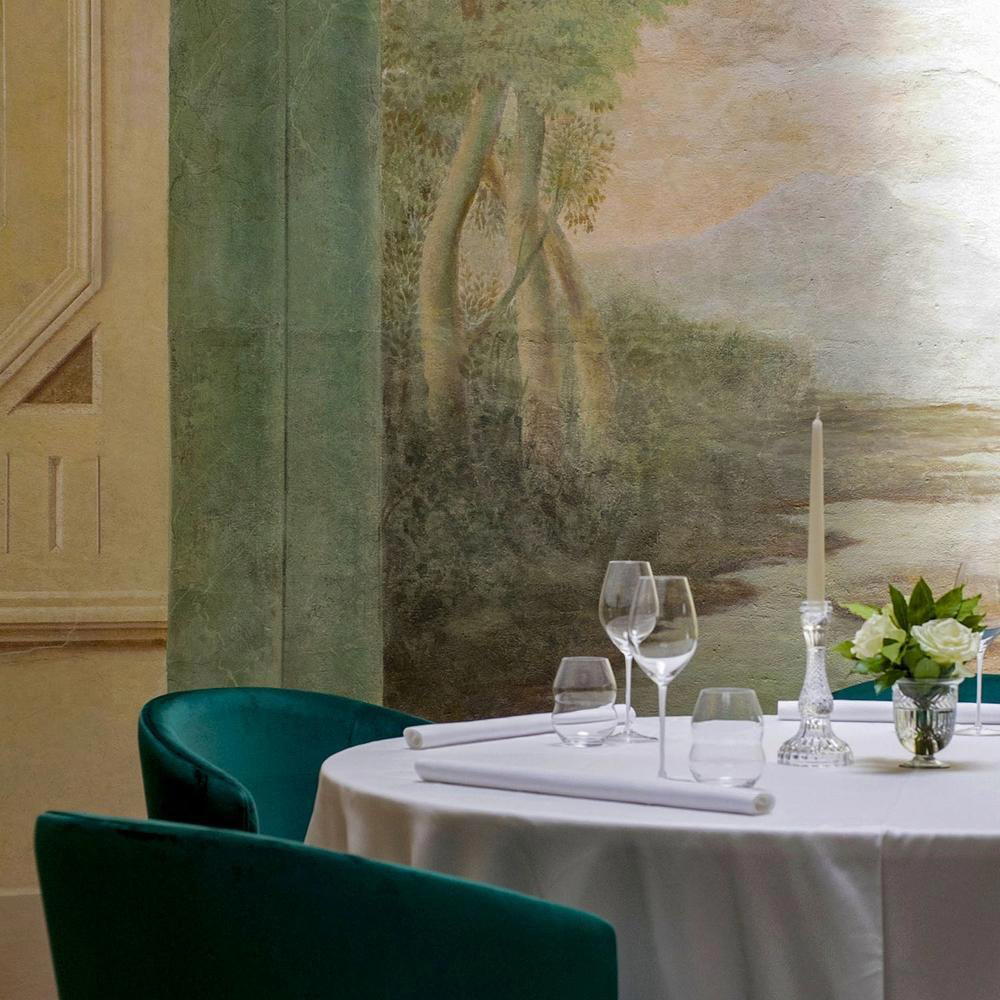
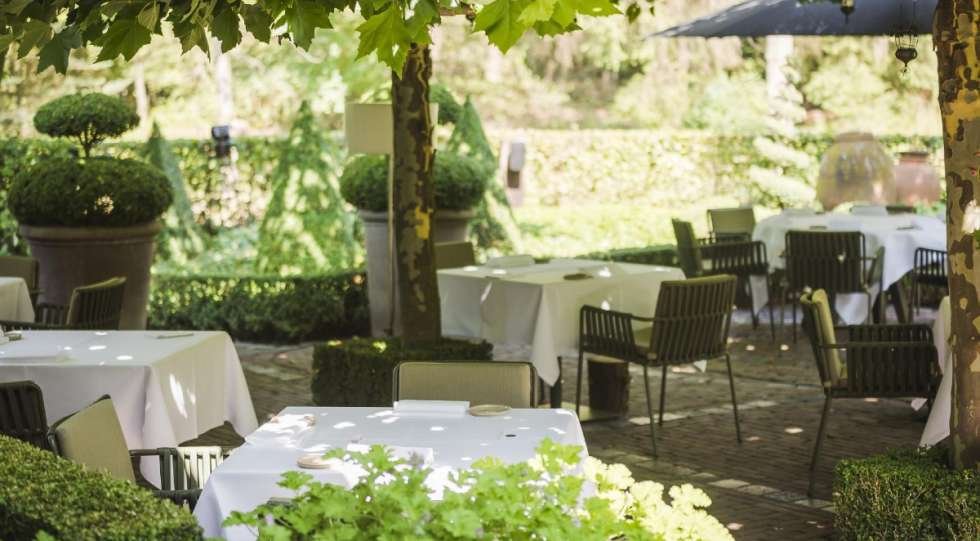
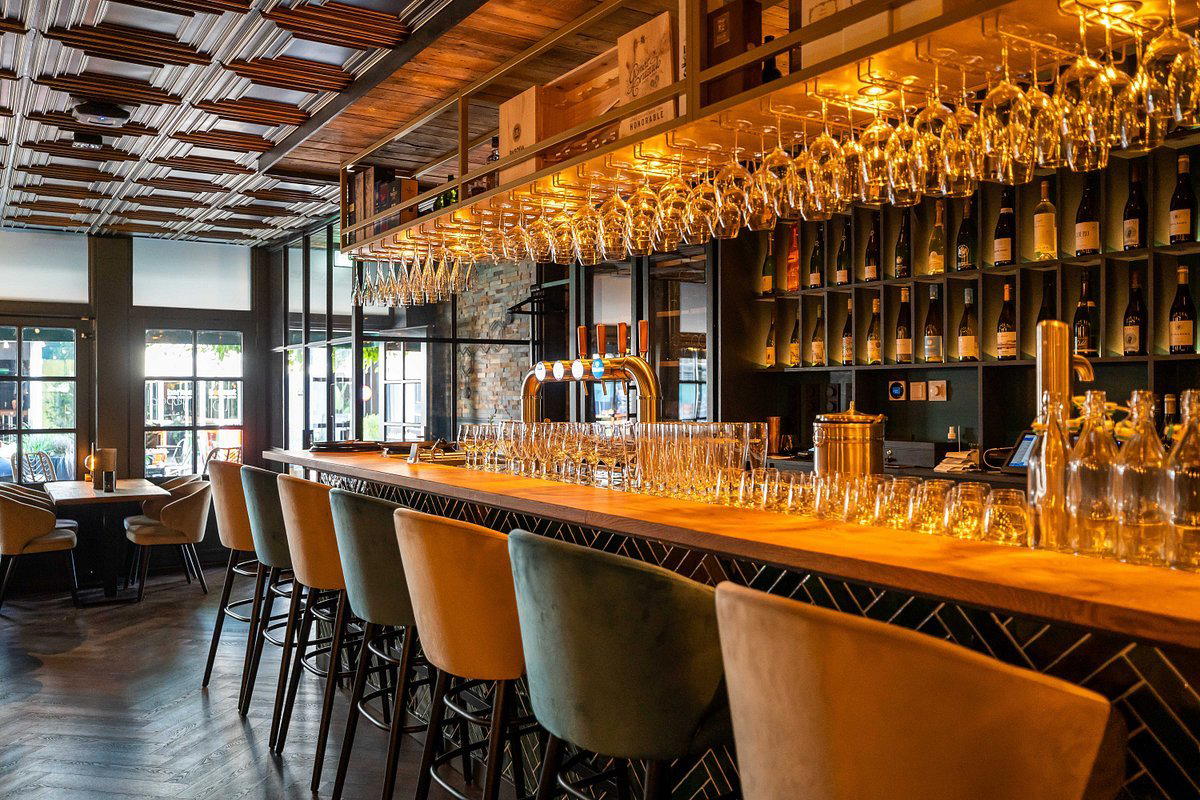
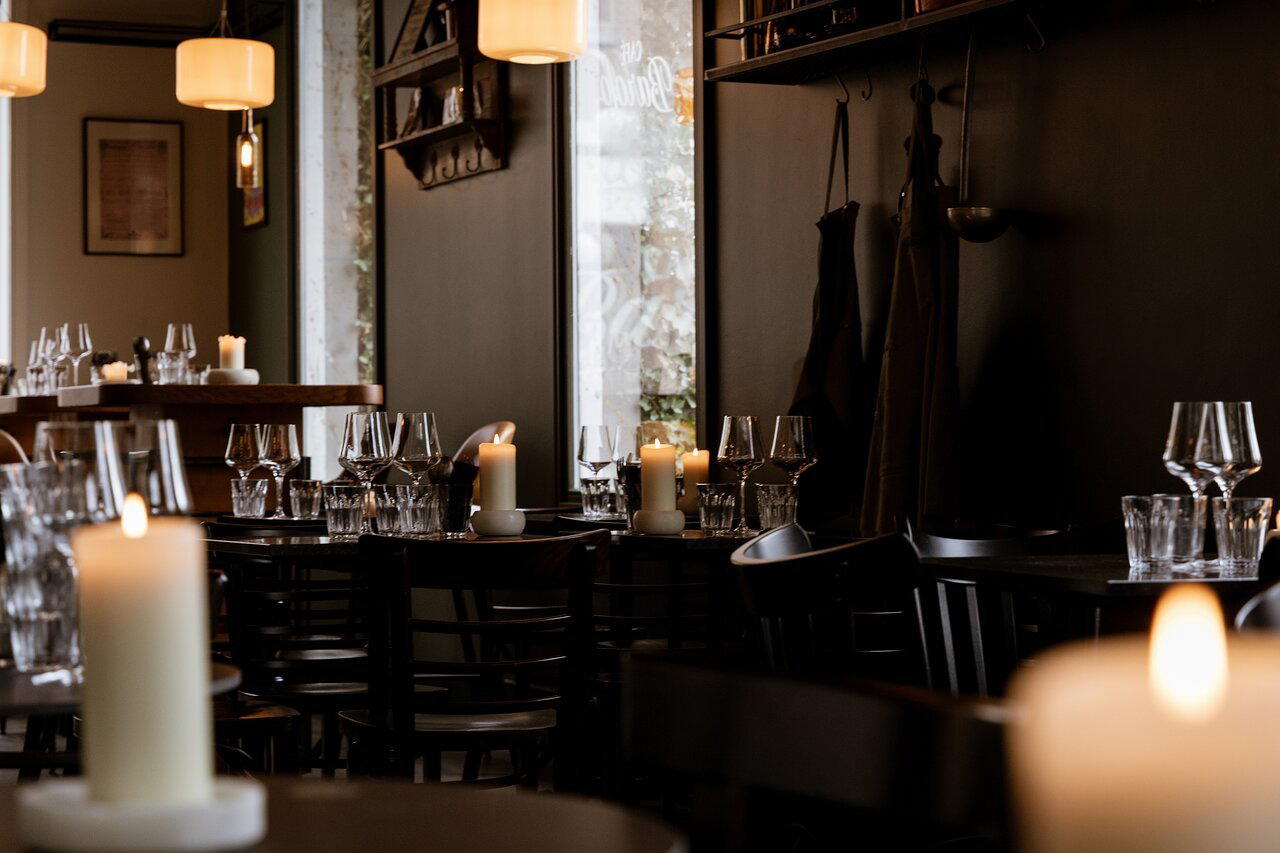
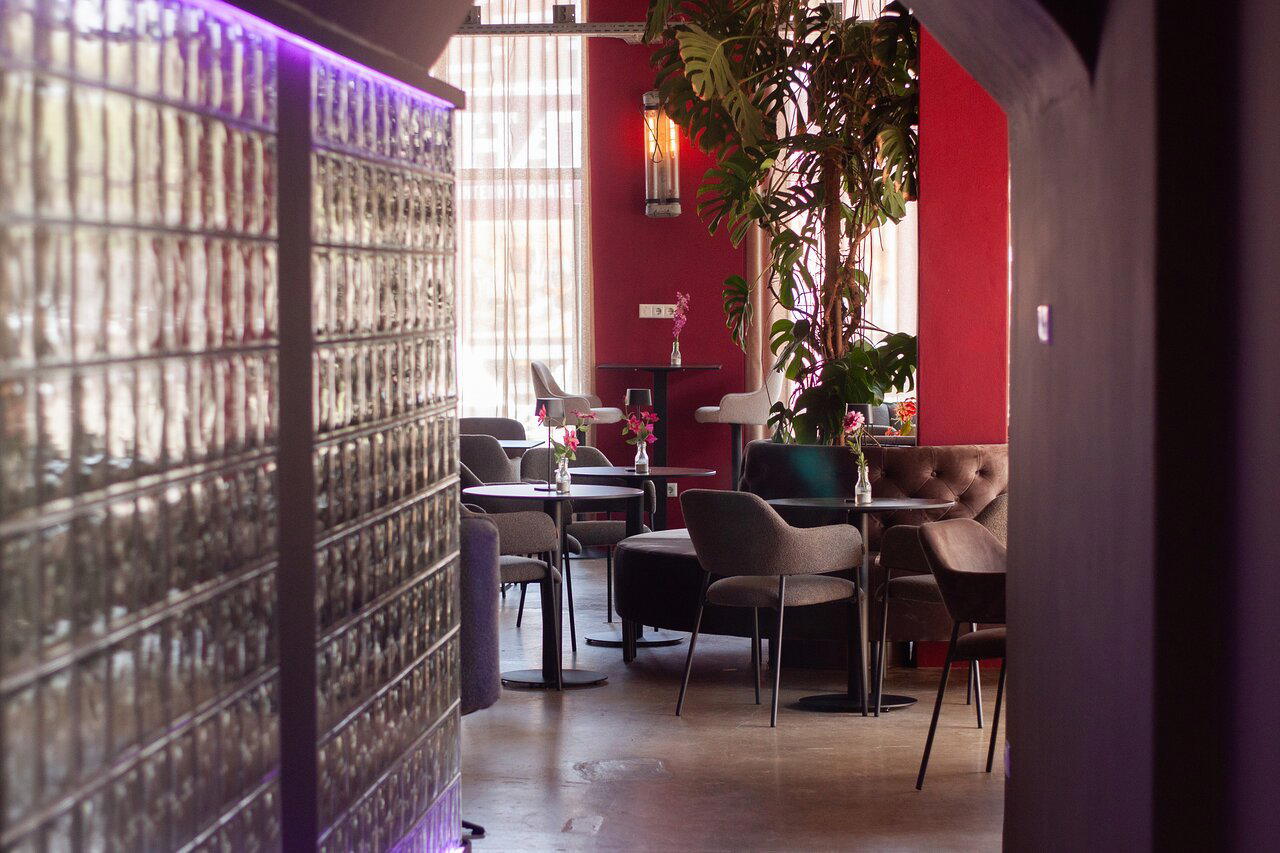
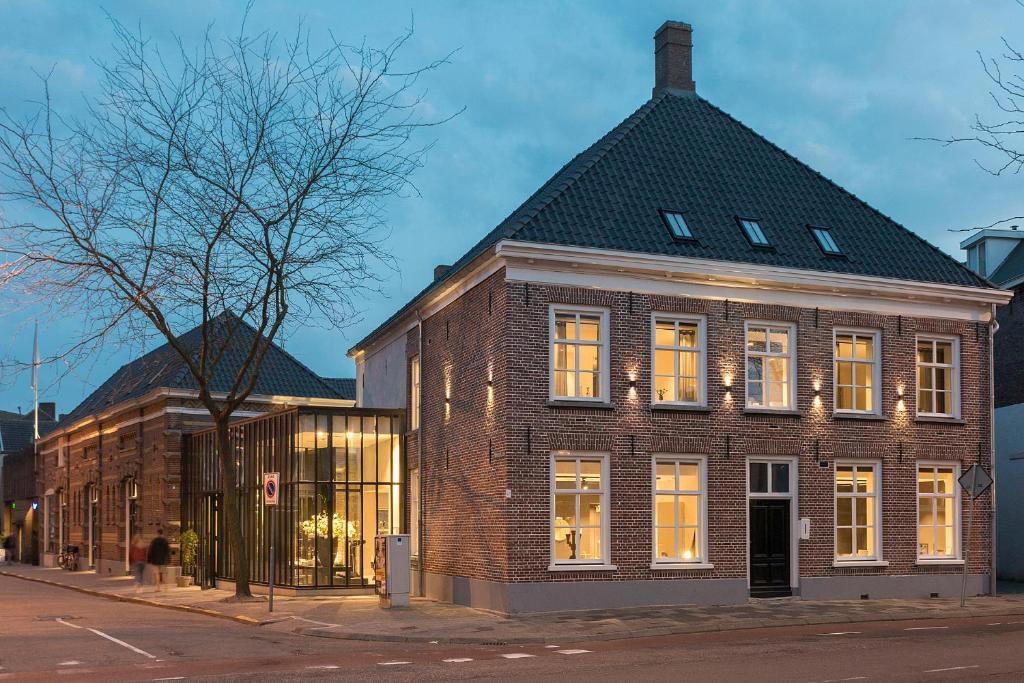
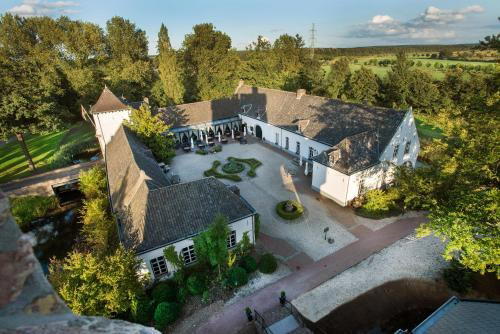
The building itself carries the memory of a former estaminet, and the conversion retains enough of that character to signal intent before you've ordered. The room runs warm and full, the kind of space where a table next to strangers doesn't feel like a compromise. That physical energy is consistent with what the menu promises: cooking designed for the table as a social unit, not for the solitary tasting-menu pilgrim.
The French Menu as a Document of Provenance
French culinary tradition is inseparable from its geography. The dishes that define it, foie gras from Gascony, the rotisserie birds of Bresse and the Loire, the citrus-and-butter theatre of crêpe Suzette, are provincial arguments about land and produce that happened to become a national canon. When a kitchen outside France commits to that tradition, the interesting question is always which version it is citing and how faithfully it follows the source material.
At Bistro Margaux, the answer is legible in the menu structure. Foie gras pâté with brioche as a first course is a direct citation of the southwestern French tradition, where duck and goose liver preparation is treated as a foundational skill rather than a luxury flourish. Brioche as the vehicle is the correct one: enriched bread that absorbs fat without collapsing, a pairing codified long before tasting menus existed. That this appears in Helmond, at a €€€ price point, rather than in Amsterdam at €€€€ with a modernist gloss, is the editorial point worth making. The Netherlands has a cluster of kitchens operating at the formal end of the French spectrum, Ciel Bleu in Amsterdam and Auberge in Amsterdam represent the white-tablecloth tier, but the mid-range bistro committed to classical French cooking rather than bistronomy or fusion is a rarer thing.
The rotisserie poussin sits in a similar tradition. Whole-bird rotisserie cooking is a technique that rewards the quality of the animal above almost everything else; there is nowhere to hide. In the French provincial kitchen, the quality of the poulet defines the cook's seriousness of purpose. The choice to anchor the main course section around rotisserie rather than a more forgiving preparation is, in that context, a statement about the kitchen's confidence in its sourcing.
Crêpe Suzette as a dessert anchor is worth noting separately. It is a dish that almost disappeared from serious menus in the early 2000s, written off as tableside theatre with no intellectual content. Its return in recent years reflects a broader re-evaluation of classical French technique as a legitimate reference point, a shift visible at addresses like Bar Beurre in Maastricht, where French bistro culture is similarly treated as a living register rather than a period piece.
Helmond's Dining Position in Dutch Context
Helmond sits in Noord-Brabant, a province that has produced serious cooking at the high end, De Lindehof in nearby Nuenen holds two Michelin stars and represents the formal apex of the region, but the mid-market has been less defined. The province's culinary identity leans toward hearty Dutch tradition and, increasingly, toward the creative Dutch-international registers visible at places like Nastrium in Helmond itself, which works with Asian influences, and De Rozario, which operates at the creative €€€ tier. Against that local backdrop, the restaurant's decision to run a classical French programme is a distinct positioning move, occupying a lane that none of its immediate Helmond neighbours are competing in.
Nationally, the conversation about French cooking in the Netherlands is mostly conducted at the formal end. De Librije in Zwolle holds three Michelin stars and draws French technique into a highly personal modern idiom. 't Nonnetje in Harderwijk and Aan de Poel in Amstelveen operate at the two-star level. Further south, Brut172 in Reijmerstok and De Bokkedoorns in Overveen represent different registers of Dutch fine dining. De Groene Lantaarn in Staphorst and De Lindenhof in Giethoorn work in their own regional modes. None of these are in the same price tier or format as the restaurant. The comparison matters because it confirms that the bistro is serving a different function, making classical French cooking accessible at a price and in a city where that access would otherwise require a longer journey.
Planning Your Visit
The restaurant is located at Aarle-Rixtelseweg 107, 5707 GK Helmond, and operates at the €€€ price tier, a meaningful signal in a Dutch dining context where comparable French menus in larger cities run considerably higher. The extensive menu format, with multiple courses designed for sharing the experience rather than rationing it, suits group dining as much as couples. Reservations are recommended, particularly for weekend evenings.
Side-by-Side Snapshot
Comparable venues nearby, for context on price, style, and recognition.
| Venue | Cuisine | Price | Awards | Notes |
|---|---|---|---|---|
| Bistro MargauxThis venue — the venue you are viewing | Classic French Bistro | $$$ | Michelin Plate | Not listed |
| Nastrium | French with Indonesian Influences | $$$$ | Michelin Plate | :null |
| De Rozario | French-Indonesian Fusion Fine Dining | $$$$ | Michelin Plate | Centrum |
| De Goede Gooier | Classic French with Dutch influences | $$$ | Michelin Plate | Blaricum |
| Ter:Govw | Contemporary French with Asian Accents | $$$ | Michelin Plate | Klein Amerika |
Recognition history
Dated appearances from independent guides and award organizations, with the underlying list record or original source where available.
Michelin Plate
Michelin
At a Glance
- Cozy
- Elegant
- Intimate
- Classic
- Date Night
- Special Occasion
- Business Dinner
- Historic Building
- Extensive Wine List
Current opening hours
- Monday
- Closed
- Tuesday
- Closed
- Wednesday
- 6–10 PM
- Thursday
- 6–10 PM
- Friday
- 12–10 PM
- Saturday
- 12–10 PM
- Sunday
- 12–8 PM
Hours can change for holidays and private events. Last verified .
Relaxed, convivial room with comfortable lighting, practical elegance, and warm, gastvrije sfeer encouraging lingering meals.