Bistro Livi

Gourmet Traveller State Winner NSW
Our verdict
Bistro Livi occupies a corner address in Murwillumbah, a Northern Rivers town that has quietly become one of the most produce-rich dining destinations on Australia's east coast. The restaurant draws on the agricultural depth of the Tweed Valley, where subtropical growing conditions and a generation of committed small-scale farmers have redefined what regional cooking can look like in this part of New South Wales.

Pearl is the En Primeur Club membership app — saves, bookings, and concierge access live there. Same editors, same standards.
- Address
- Cnr Brisbane St &, Proudfoots Ln, Murwillumbah NSW 2484, Australia
- Phone
- +61499711590
- Hours
- Mon–Tue ClosedWed–Fri 5:30–11 PMSat 10 AM–11 PMSun Closed
- Website
- bistrolivi.com
- Directions
- Get directions
- Booking
- Book on the venue's website
The menu
What to order
- Yellowfin tuna with tuna soy and dried tuna heart
- Fraser Island Spanner crab with curry butter and spelt bread
- Moreton Bay bug in curry butter
- Ballina squid in curry sauce with spelt flatbread
Where the Tweed Valley Comes to the Table
Murwillumbah sits at the geographic centre of one of Australia's most concentrated agricultural corridors. The Tweed Valley floor, flanked by the ancient caldera of Mount Warning, produces subtropical fruit, specialty vegetables, and pasture-raised proteins within a radius that most metropolitan restaurants could only approximate through freight. In towns like this one, the relationship between paddock and plate is not a marketing construct but a function of proximity. Bistro Livi, positioned on the corner of Brisbane Street and Proudfoots Lane, operates inside that context. The address puts it at the social and commercial heart of a small city that has drawn a specific kind of chef and hospitality operator in recent years: one who came for the land, not despite the distance from Sydney.
For a broader sense of how this kind of regionally anchored dining plays out across Australia, our full Murwillumbah restaurants guide maps the town's emerging food scene in detail.
The Northern Rivers as a Sourcing Region
The Northern Rivers region of New South Wales has developed a sourcing identity that distinguishes it from other parts of the east coast. Macadamias, finger limes, tropical herbs, and heritage-breed pork from properties in the Byron hinterland and Tweed hinterland reach kitchen doors here before they reach Sydney wholesale markets. The same geography that makes this region logistically awkward for large distributors makes it genuinely accessible for small operators with direct farmer relationships. This is the structural advantage that regional bistros in the Tweed Valley hold over their urban counterparts: shorter supply chains, lower minimum orders, and the ability to adjust menus around what came in that morning rather than what was ordered the previous Thursday.
That model has precedent at the higher end of Australian dining. Brae in Birregurra built its reputation almost entirely on the logic of on-site and hyper-local growing. Attica in Melbourne made indigenous and foraged Australian ingredients central to its identity over the course of a decade. In the Northern Rivers, the equivalent impulse is less formal and less destination-oriented, but the sourcing instinct is the same: cook what grows here, and cook it well.
Approaching the Corner on Brisbane Street
Murwillumbah's main streets retain the low-scale commercial architecture of a working regional town. There is no effort to simulate urban sophistication here, and the better dining rooms in the area tend not to try. A corner address in this context means street presence from two sides, the kind of visibility that suits a neighbourhood bistro rather than a tasting-menu destination. The physical setting frames expectations correctly: this is a place to eat well in a town that takes food seriously, not a pilgrimage stop that requires advance planning months out.
That distinction matters when placing Bistro Livi against the broader spectrum of serious regional dining in Australia. Restaurants like Hentley Farm in Seppeltsfield or Laura at Pt Leo Estate in Merricks occupy a destination tier that requires significant forward planning and commands price points to match. The Murwillumbah bistro register is different: more accessible in format, more embedded in the rhythms of the town, and more likely to reflect what the season is actually doing at a given week rather than what a fixed tasting architecture demands.
Regional Cooking in the Northern Rivers Context
The Northern Rivers food scene has expanded considerably over the past decade, driven partly by the Byron Bay effect and partly by an independent wave of producers and operators who chose this region for its growing conditions and cost structure. Pottsville's Pipit has demonstrated that tasting-menu ambition is viable this far north of Sydney. Across the state border, Queensland's coastal and hinterland kitchens have developed their own sourcing networks, with Salt Water Restaurant in Cairns representing a similar instinct toward regional produce in a tropical context.
What connects these operations is not format or price point but an underlying commitment to cooking that reflects where it is made. The Tweed Valley's growing conditions, with subtropical warmth and exceptional soil in the volcanic alluvial flats around the river, produce ingredients that reward simple preparation. A bistro that respects that material does not need elaborate technique to make its point.
The comparison holds internationally, too, though the gap in formality is wide. Places like Le Bernardin in New York City or Lazy Bear in San Francisco operate in a fundamentally different register, but the sourcing logic that underpins serious cooking at any level, knowing your producers, understanding seasonality, and letting ingredient quality carry the plate, applies regardless of price point or star count. In regional Australia, that logic tends to surface in smaller, less-adorned rooms than in the city.
Where Bistro Livi Sits in the Regional Dining Picture
Murwillumbah is not a restaurant town in the way that, say, the Barossa Valley has become a wine-tourism dining destination. The Barossa's restaurant cluster, anchored in part by venues like fermentAsian, benefits from embedded wine-tourism infrastructure that drives cover counts. Murwillumbah draws a different visitor: people moving through the Northern Rivers corridor, day-trippers from Coolangatta and the Gold Coast, and a resident population that has grown more food-literate as the region's producer community has developed.
For that audience, a bistro on the corner of Brisbane Street functions as the kind of reliable, produce-led lunch or dinner option that anchors a regional food culture. It is the format that holds a scene together between the occasion-driven destination restaurants. Comparable roles are played by venues like Blackwood Pantry in Cronulla or Aloft in Hobart in their respective local contexts: serious enough to satisfy an informed diner, accessible enough to function as a neighbourhood regular.
Planning a Visit
Murwillumbah is approximately 35 kilometres south of the Gold Coast airport and around 170 kilometres south of Brisbane, making it a practical stop within a Northern Rivers itinerary rather than a standalone destination for most visitors. The town is compact enough to walk from the main street to the riverside precinct in a few minutes. Given the absence of current booking data in the public record, contacting the venue directly via the address on Brisbane Street is the most reliable approach. As with most regional bistros in New South Wales, midweek visits tend to offer more availability than weekend service, particularly during the school holiday periods when domestic tourism through the Northern Rivers peaks.
Frequently asked questions
Is Bistro Livi okay with children?
Bistro Livi occupies a corner site on Brisbane Street in a working regional town without the pressure of a formal fine-dining room, which generally makes it a more relaxed environment for families.
What is the atmosphere like at Bistro Livi?
Murwillumbah's low-scale commercial streetscape sets the tone — Bistro Livi sits at the corner of Brisbane Street and Proudfoots Lane in a town that has no interest in performing urban sophistication. The feel is rooted in the regional Northern Rivers food scene rather than Byron Bay's more self-conscious dining culture, which gives it a grounded, town-centre character.
Is Bistro Livi a good stop when driving between Brisbane and Byron Bay?
Murwillumbah sits approximately 170 kilometres south of Brisbane and around 35 kilometres from Gold Coast Airport, placing Bistro Livi at Cnr Brisbane Street and Proudfoots Lane on a natural break point along the Pacific Highway corridor. The town itself is the commercial centre of the Tweed Valley, and the Northern Rivers region surrounding it has built a well-documented reputation as a serious agricultural sourcing zone over the past decade.
What's the must-try dish at Bistro Livi?
What the surrounding Northern Rivers region is known for — macadamias, subtropical produce, and a sourcing culture built around local growers — gives a reliable indication of the kind of ingredients likely to feature.
What's the address for Bistro Livi?
Bistro Livi is located at Cnr Brisbane St &, Proudfoots Ln, Murwillumbah NSW 2484, Australia, Murwillumbah.
What's the best way to book Bistro Livi?
Searching the venue name directly or checking current listings on reservation platforms is the most practical approach to confirm contact and booking options.
What's Bistro Livi best at?
Based on its Northern Rivers location, Bistro Livi sits in a region with one of the most concentrated agricultural corridors on the east coast of Australia, giving it access to subtropical produce that defines the local cooking identity. The bistro format on a working regional main street suggests a focus on straightforward, produce-led cooking rather than the tasting-menu formality found further south.
How It Stacks Up
Comparable venues nearby, for context on price, style, and recognition.
| Venue | Cuisine | Price | Awards | Notes |
|---|---|---|---|---|
| Bistro LiviThis venue — the venue you are viewing | Spanish-Influenced Seasonal Bistro | $50–100 | Gourmet Traveller State Winner NSW | Not listed |
| Cote Basque | Basque Coast-Inspired European Grill | Not listed | Not listed | CBD |
| Bird in Hand | Wine-led modern Australian fine dining in the Royal Tasmanian Botanical Gardens | Not listed | Not listed | Royal Tasmanian Botanical Gardens |
| Analiese Gregory’s anti-restaurant | Intimate seasonal fusion by Analiese Gregory | Not listed | Not listed | Hobart |
| Grana sydney | Modern Italian with Australian Ingredients | Not listed | Not listed | Circular Quay |
| Wonton House | Traditional Chinese Noodle House | $10–20 | Not listed | Box Hill |
Recognition history
Dated appearances from independent guides and award organizations, with the underlying list record or original source where available.
Gourmet Traveller State Winner NSW
Gourmet Traveller
Continue exploring
More in Murwillumbah
Restaurants in Murwillumbah
Browse all →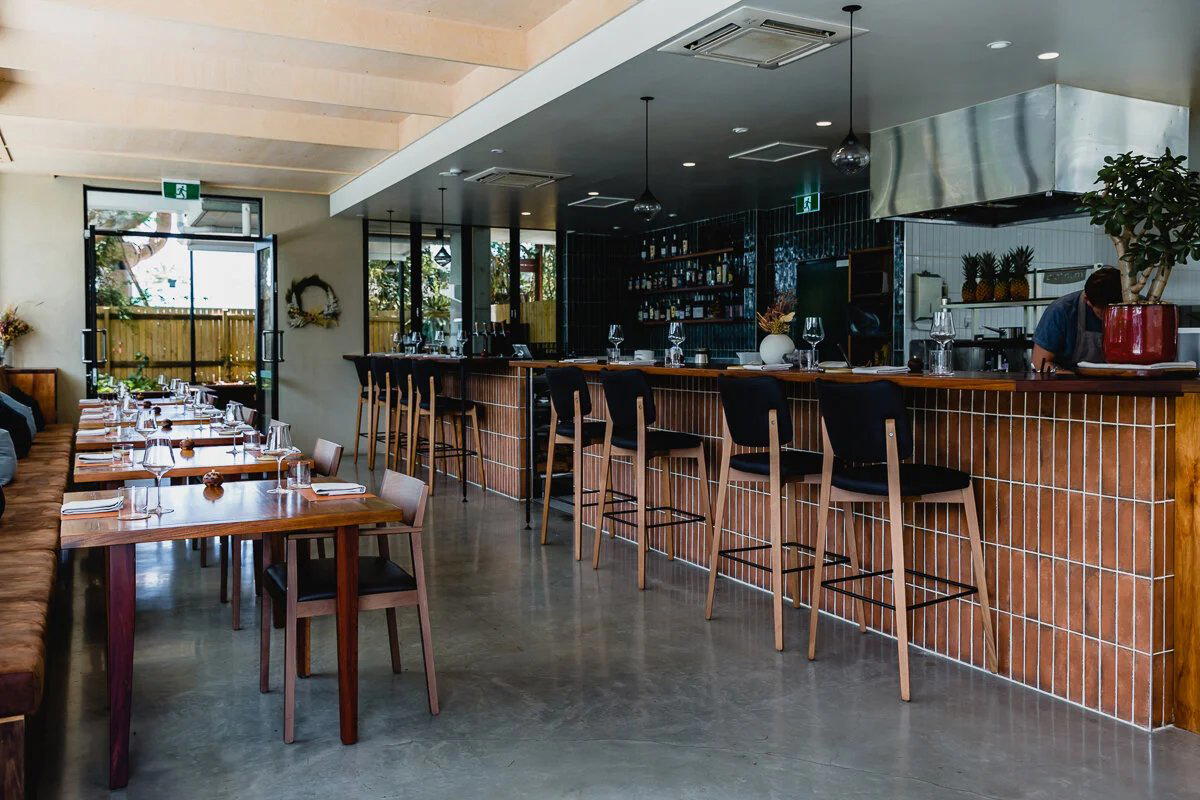
Bars in Murwillumbah
Browse all →
Hotels in Murwillumbah
Browse all →
Wineries in Murwillumbah
Browse all →
Details
- Elegant
- Intimate
- Modern
- Date Night
- Special Occasion
- Casual Hangout
- Terrace
- Historic Building
- Design Destination
- Standalone
- Extensive Wine List
- Craft Cocktails
- Local Sourcing
- Farm To Table
- Small Plates
- A La Carte
- Wine
- Cocktails
- Pescatarian Friendly
Current opening hours
- Monday
- Closed
- Tuesday
- Closed
- Wednesday
- 5:30–11 PM
- Thursday
- 5:30–11 PM
- Friday
- 5:30–11 PM
- Saturday
- 10 AM–11 PM
- Sunday
- Closed
Hours can change for holidays and private events. Last verified .
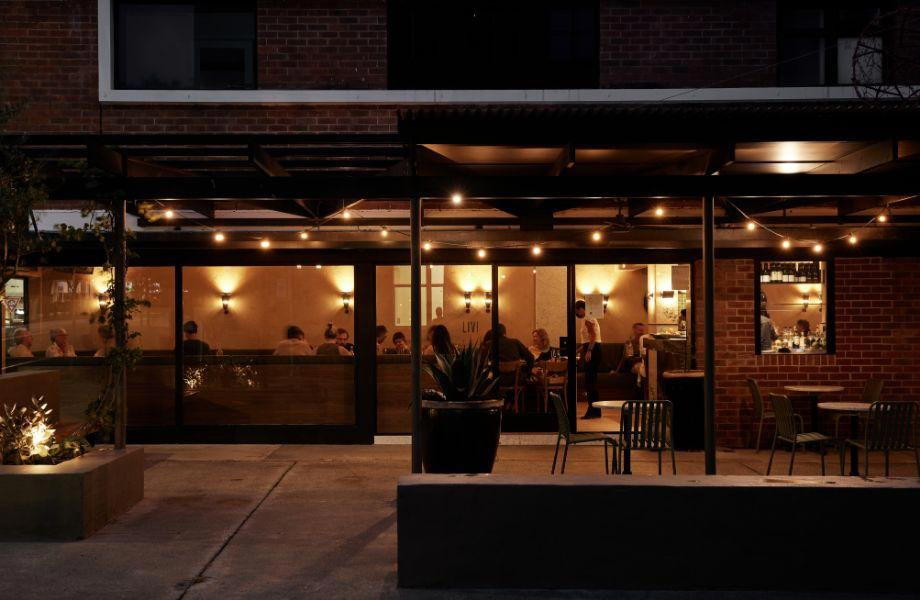
Stripped-back contemporary interiors with natural tones, organic textures, deep green leather banquettes, and a festoon-lit terrace creating a warm, refined neighborhood atmosphere.