
Star Wine List
Our verdict
Located on Tianmu East Road in Shilin District, Bistro Le Jardin has shifted from a full dining format into a wine bar and sommeliers' club, now serving wine alongside light snacks. Close to Tianmu Baseball Stadium, it occupies a quieter corner of a neighbourhood long associated with Taipei's expatriate and international dining community. For wine-focused visitors, it represents a more specialist tier of the city's drinking scene.

Pearl is the En Primeur Club membership app — saves, bookings, and concierge access live there. Same editors, same standards.
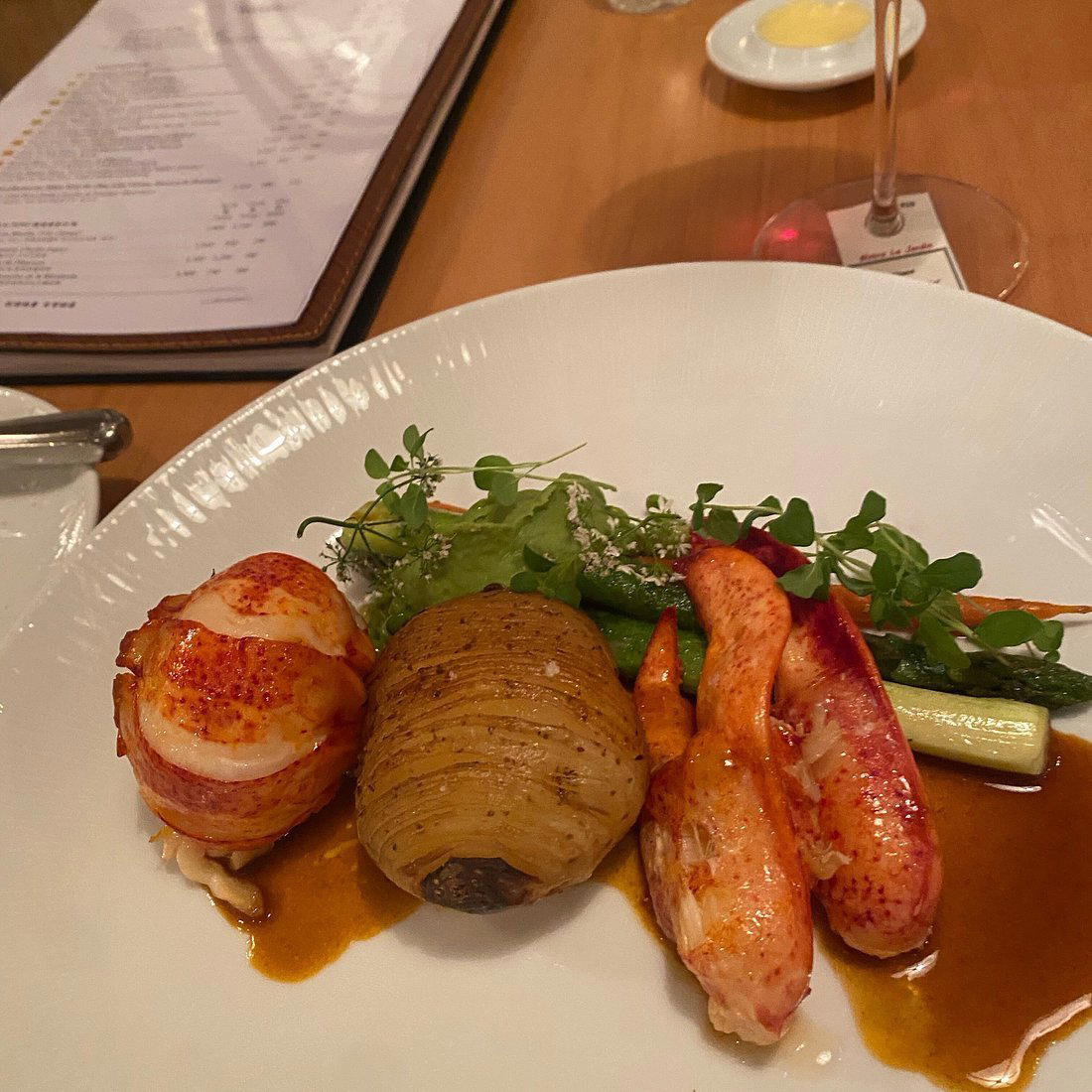
Tianmu's Quiet Shift Toward Wine-First Hospitality
Taipei's drinking culture has been moving in two directions at once. Downtown, in Da'an and Xinyi, cocktail bars with formalised programmes and imported spirits compete for the same well-travelled clientele that turns up at our full Taipei bars guide. In Shilin's Tianmu district, the movement has been quieter but no less deliberate: a retreat from full-service dining toward more specialised, lower-key formats built around a single category, most often wine. Bistro Le Jardin sits inside that trend. The venue has recently transitioned away from a full dining menu and now operates as a wine bar and sommeliers' club, offering wine with light snacks. That adjustment isn't a contraction — it's a repositioning into a format that Taipei's wine-attentive crowd has been quietly building demand for.
The address on Tianmu East Road, close to Tianmu Baseball Stadium, gives the venue its neighbourhood character. Tianmu has long served as a residential base for Taipei's expatriate community, which means its food and drink venues have historically faced a more internationally calibrated audience than many parts of the city. That context matters. A wine-and-snacks format that might read as minimal in central Taipei reads differently here, where the expectation of a focused, knowledgeable experience rather than a broad menu has more cultural precedent. The building sits at street level, with the low-traffic surroundings typical of Tianmu's residential blocks, a contrast to the density and noise of the Xinyi or Zhongshan corridors.
The Sommeliers' Club Model and What It Signals
The shift to a sommeliers' club format is worth examining in the context of how specialist wine venues operate across Asia. In cities like Tokyo, Hong Kong, and Singapore, wine bars that operate with sommelier-driven curation — rather than broad beverage menus, have carved out a durable niche. The format tends to attract a particular kind of guest: someone who has already moved past the stage of needing a full dining experience to frame their wine choices, and who is more interested in the selection itself, how it's contextualised, and what conversation it produces.
For comparison, the higher end of Taipei's dining scene, venues like Logy (Modern European and Asian Contemporary), Le Palais (Cantonese), Taïrroir (Taiwanese/French), and L'Atelier de Joël Robuchon, present wine as a supporting element to ambitious food programmes. What Bistro Le Jardin offers is structurally different: wine is the primary product, and the light snacks serve to frame it rather than compete with it. Across Taiwan's broader dining geography, this specialist positioning is relatively uncommon. Venues like JL Studio in Taichung and GEN in Kaohsiung show that serious food-and-drink culture exists well beyond Taipei, but the wine-bar-as-primary-format model remains thinly represented island-wide.
Light Snacks and the Question of Sourcing
When a venue reduces its food offering to light snacks, the question of what those snacks contain becomes more pointed, not less. In a full tasting menu context, individual dishes absorb attention as part of a sequence. In a wine bar, a small snack plate is seen clearly, without distraction, and the provenance of what's on it signals something about the venue's priorities. Taiwan has unusually strong ingredient sourcing potential: mountain vegetables from the central ranges, coastal seafood from both the Pacific and Taiwan Strait sides of the island, and a tradition of small-producer agriculture that operations like Akame in Wutai Township have placed at the centre of their identity.
For venues elsewhere in the world that have navigated the wine-and-light-food format with precision, Le Bernardin in New York City being a reference point for how seriously considered accompaniment can anchor a high-standard beverage experience, the lesson is consistently the same. Restraint in food format requires more discipline about quality, not less. The same logic applies whether the venue is in Manhattan or Tianmu.
Taipei's Wine Scene in Broader Context
Taiwan's relationship with wine has deepened considerably over the past decade. Regulatory changes in the early 2000s opened the market to private importers, and the subsequent growth of wine education, fine dining, and a more internationally mobile professional class has created real demand in Taipei for venues that treat wine as a subject rather than an amenity. The sommeliers' club format, an organised, curated environment where wine knowledge is the product, reflects that maturation. It also reflects a broader regional pattern: as the first generation of Asia-focused wine consumers moves from novelty to fluency, the venues that serve them are narrowing their focus accordingly.
Bistro Le Jardin's Tianmu location gives it a slightly different draw than a downtown wine bar would have. Visitors exploring beyond Taipei's central districts, or residents of the Tianmu area itself, gain access to a format that doesn't require a trip to Da'an or Xinyi. For context on how Taipei's restaurant culture distributes across the city, our full Taipei restaurants guide covers the range from neighbourhood spots to tasting-menu counters. The wine and bar dimensions are mapped separately in our Taipei bars guide and our Taipei wineries guide.
Further afield, Zhu Xin Ju in Tainan and A Gan Yi Taro Balls in New Taipei represent the kind of regionally specific food culture that gives Taiwan its breadth beyond the capital. For those building a longer Taiwan itinerary, our Taipei experiences guide and our Taipei hotels guide provide the broader infrastructure. And for those interested in how serious wine programming integrates into ambitious restaurant formats rather than standing alone, Molino de Urdániz (Spanish Contemporary) and Emeril's in New Orleans offer instructive contrasts from different ends of the beverage-and-food integration spectrum.
Planning a Visit
Bistro Le Jardin is located at 80 Tianmu East Road, ground floor, Shilin District, Taipei. The venue sits close to Tianmu Baseball Stadium, in a low-traffic residential pocket of northern Taipei that is accessible but requires a short journey from most central city hotels. Because the venue now operates as a wine bar and sommeliers' club with a light snacks format rather than a full dining programme, visits are suited to evenings focused on wine rather than dinner as a primary activity.
Frequently asked questions
Is Bistro Le Jardin award-winning?
Bistro Le Jardin has received recognition including: Bistro Le Jardin is located close to the Tianmu Baseball Stadium. It has recently been adjusted into a wine bar and sommeliers’ club, currently offering wine and light snacks only, without full dining....
How do I find Bistro Le Jardin?
Bistro Le Jardin is located at 111, Taiwan, Taipei City, Shilin District, Tianmu E Rd, 80號一樓, Taipei.
What do people recommend at Bistro Le Jardin?
The wine selection is the primary reason to visit. Bistro Le Jardin has repositioned as a sommeliers' club on Tianmu East Road, meaning the programme is built around curated pours rather than a full kitchen. Light snacks accompany the drinks, but wine is what the format is designed around.
What has Bistro Le Jardin built its reputation on?
The venue has made a deliberate move away from full-service dining toward a specialist wine and sommeliers' club format. Its Tianmu address, in a low-traffic residential district near the baseball stadium, positions it as a neighbourhood-anchored wine destination rather than a downtown destination bar.
In Context: Similar Options
Comparable venues nearby, for context on price, style, and recognition.
| Venue | Cuisine | Price | Awards | Notes |
|---|---|---|---|---|
| Bistro Le JardinThis venue (the venue you are viewing) | Classic French Bistro | $50–100 | Star Wine List | Not listed |
| JK Studio Modern Asia Cuisine | Modern Asia French Bistro | Not listed | Star Wine List | Xingya |
| CEO 1950 | Modern French with Taiwanese Influences | Not listed | Michelin Plate | Heng'an |
| le beaujour | Modern French-Taiwanese Fusion | $50–100 | Michelin Plate | Zhongji |
| æ³ ç±³é£å | Modern Taiwanese | $30–50 | Not listed | Longyuan |
| 吉品海鮮餐廳 Ji Pin Restaurant | Cantonese Seafood & Dim Sum | $50–100 | Not listed | Da'an District (Xinyi/Zhongshan areas) |
Recognition history
Dated appearances from independent guides and award organizations, with the underlying list record or original source where available.
Star Wine List
Star Wine List
Continue exploring
More in Taipei
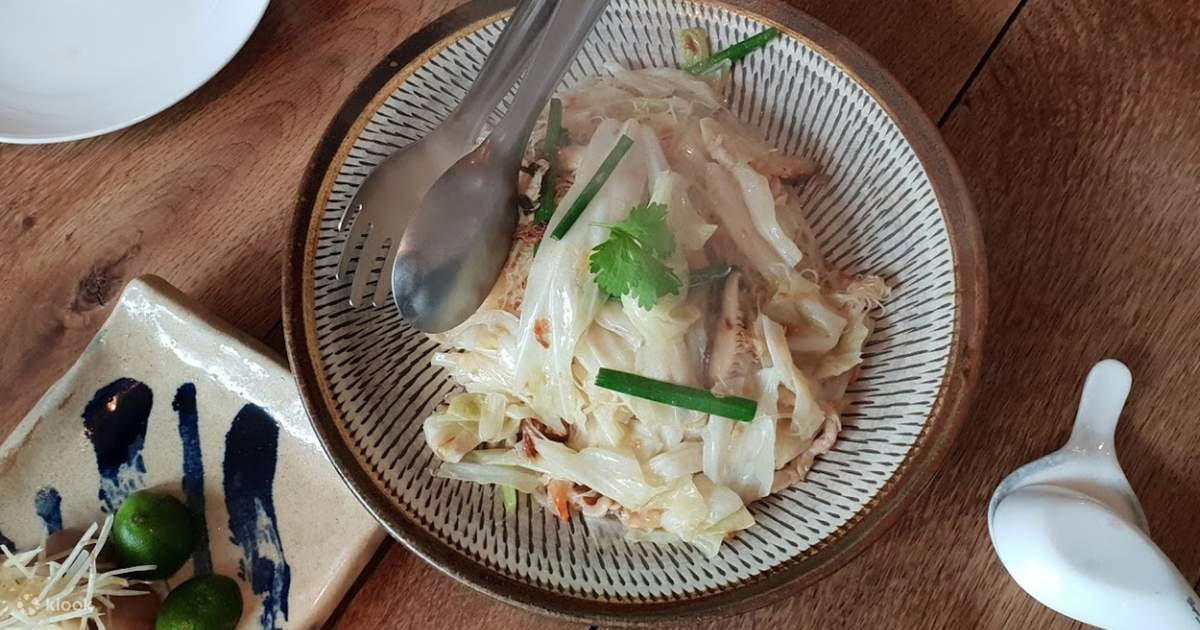
Restaurants in Taipei
All restaurants in Taipei →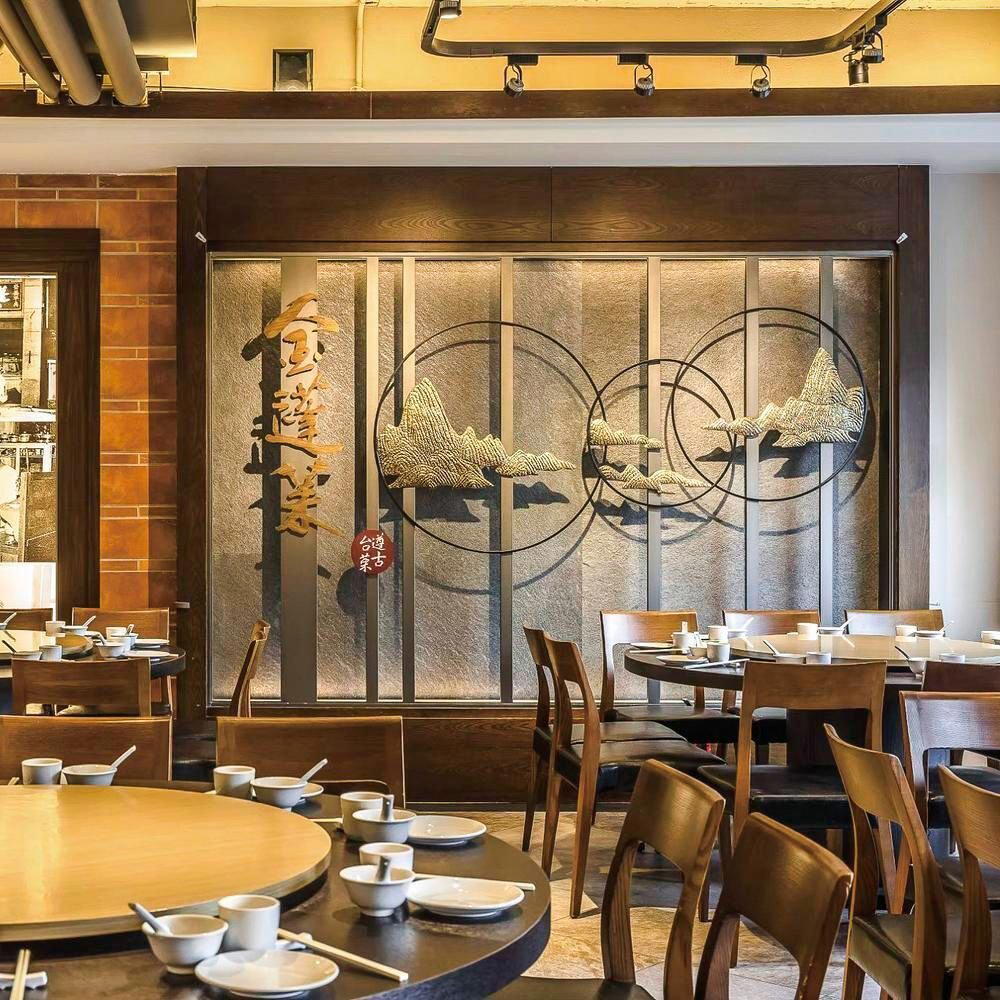
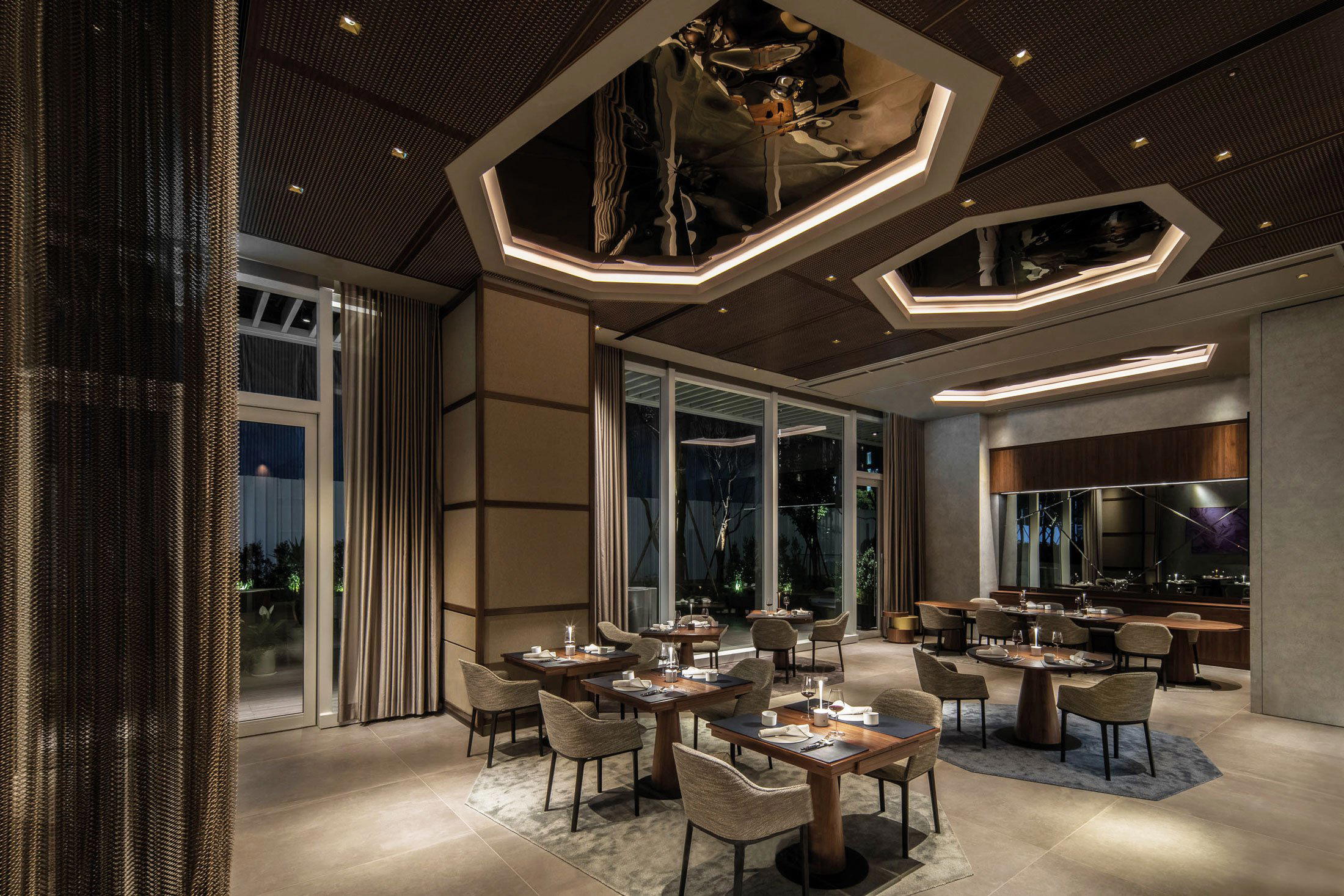
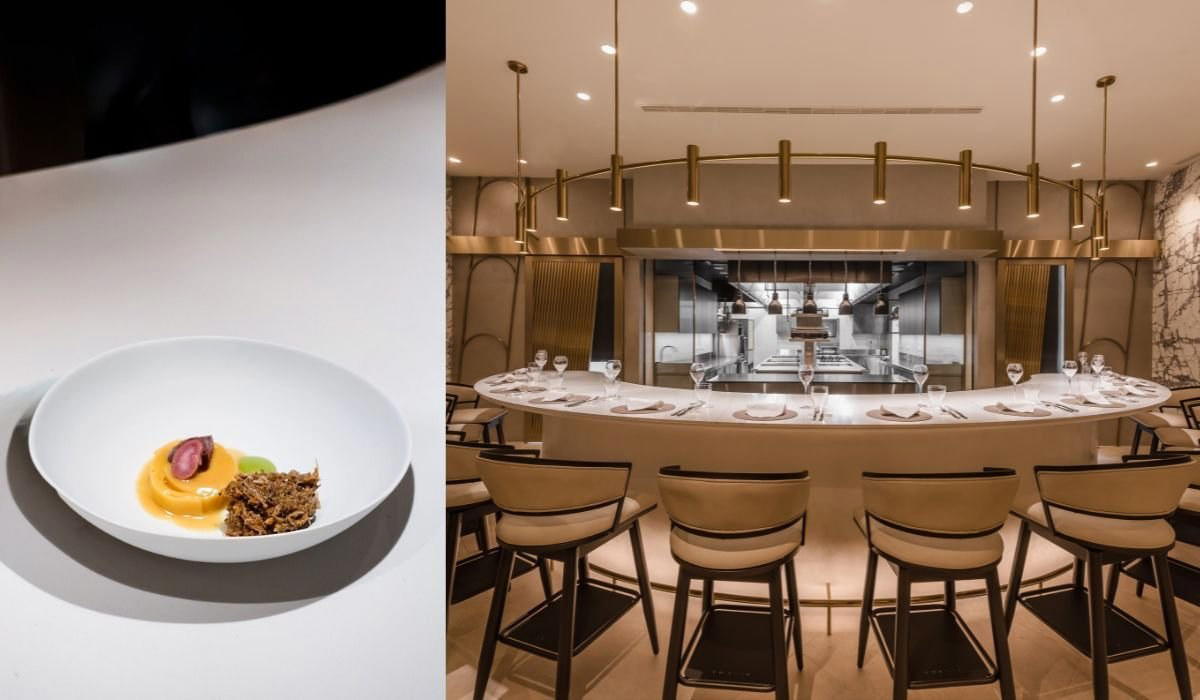
Bars in Taipei
All bars in Taipei →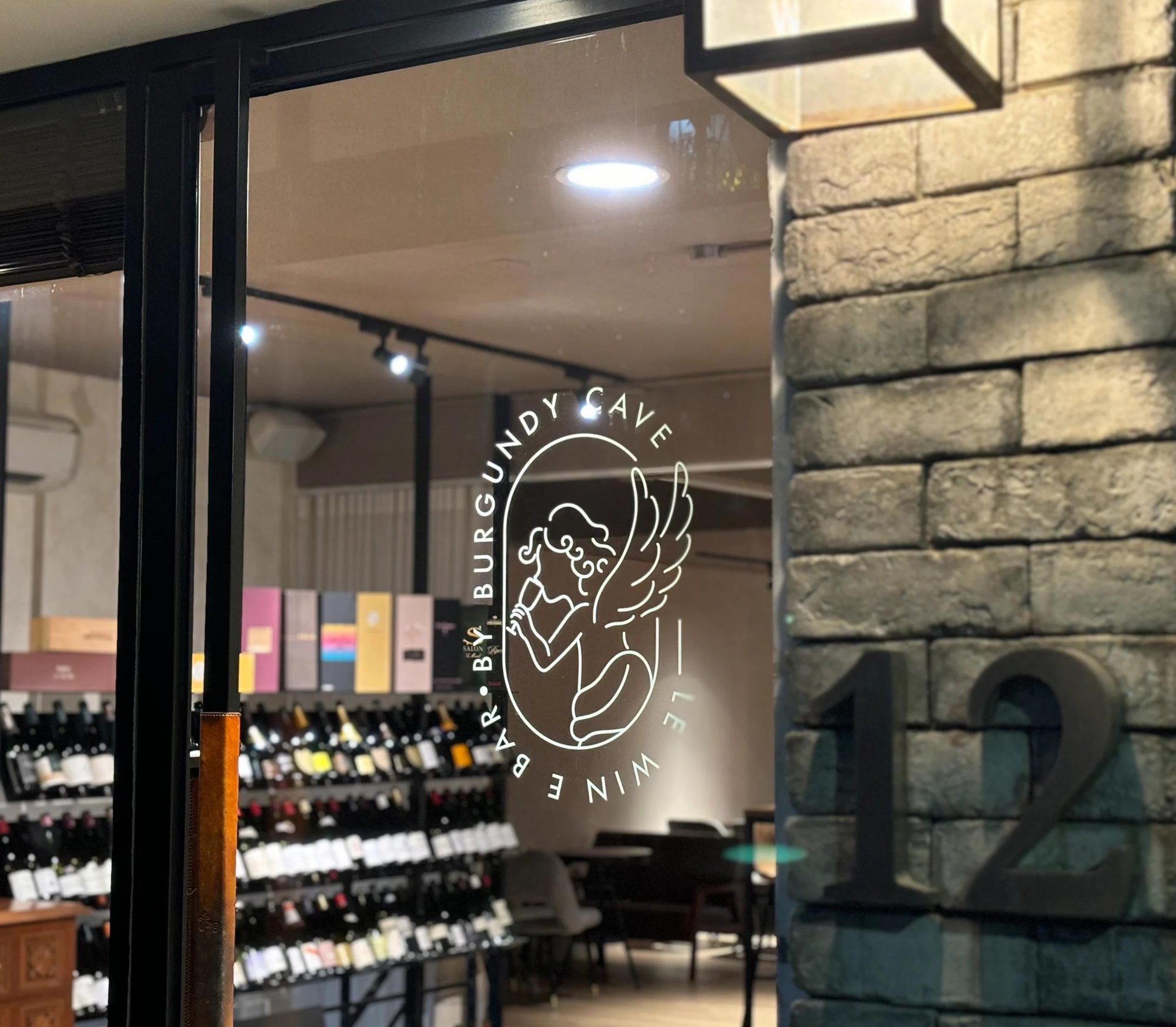
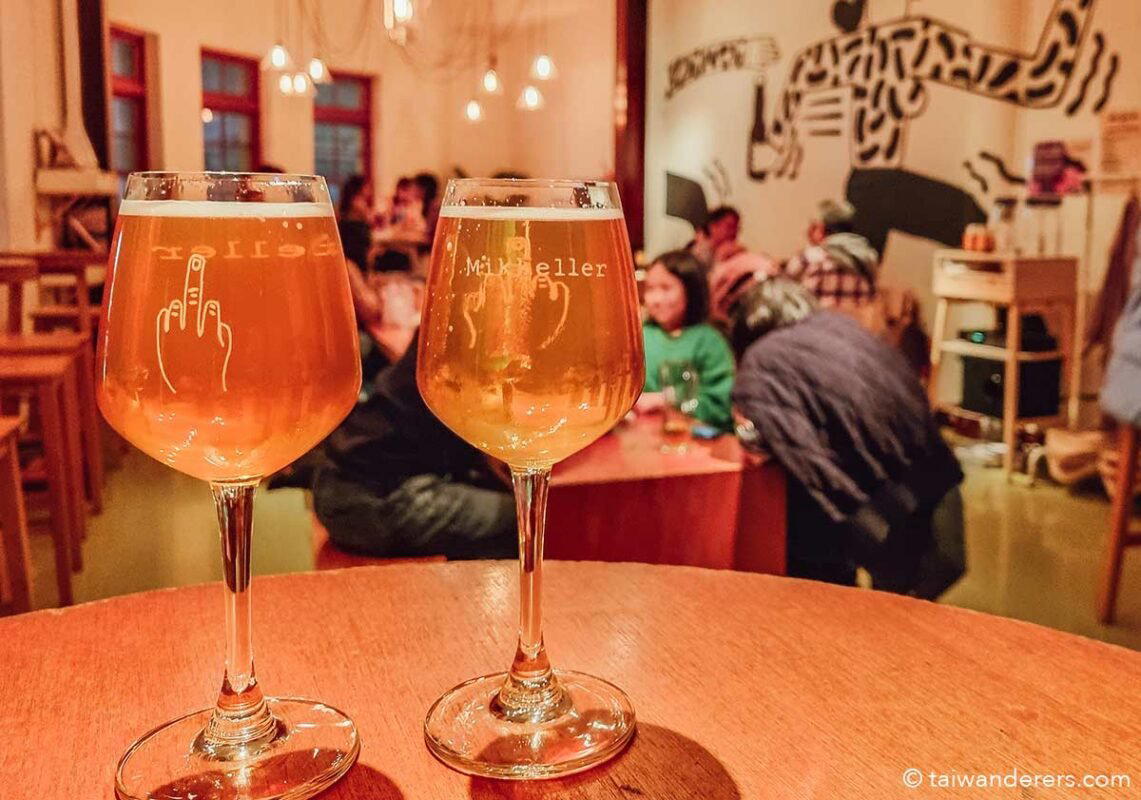
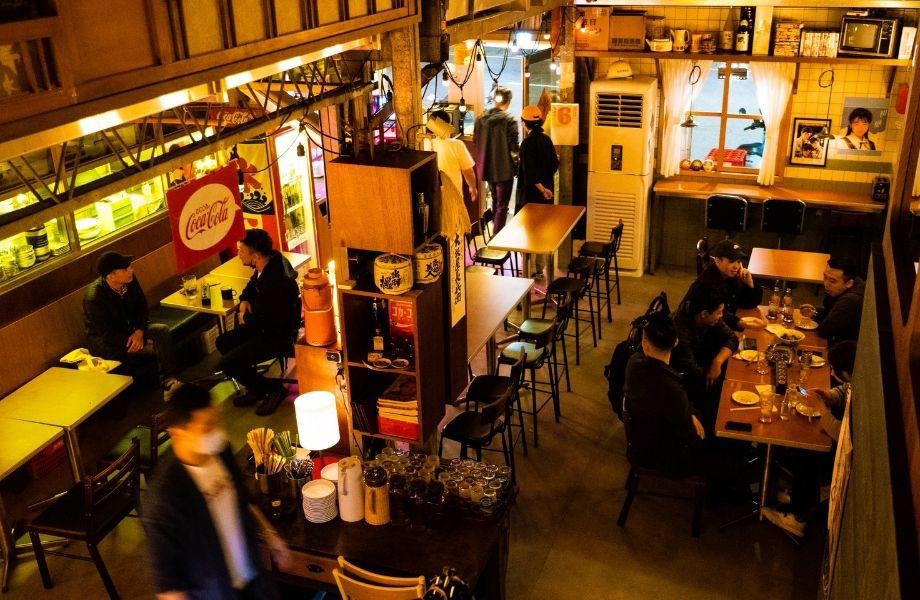
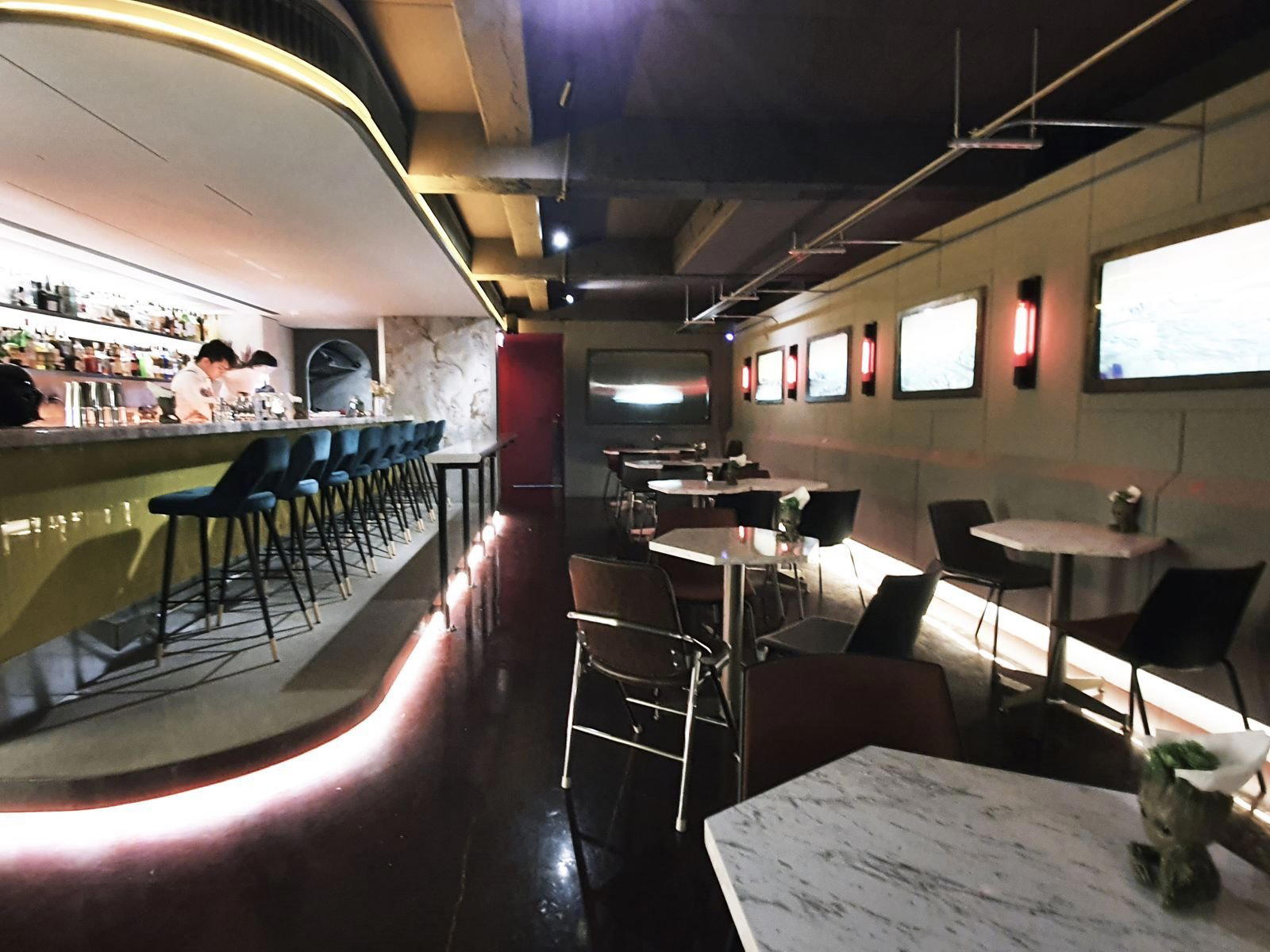
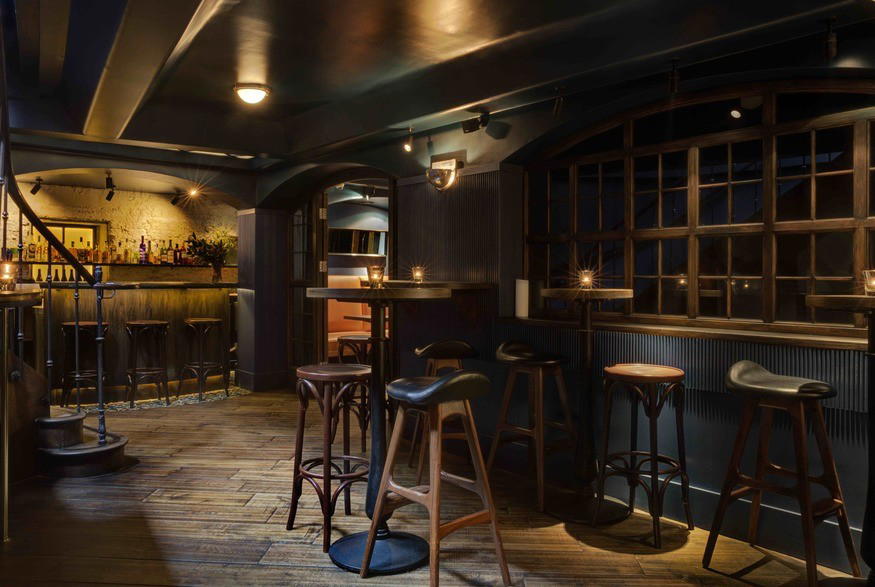
Hotels in Taipei
All hotels in Taipei →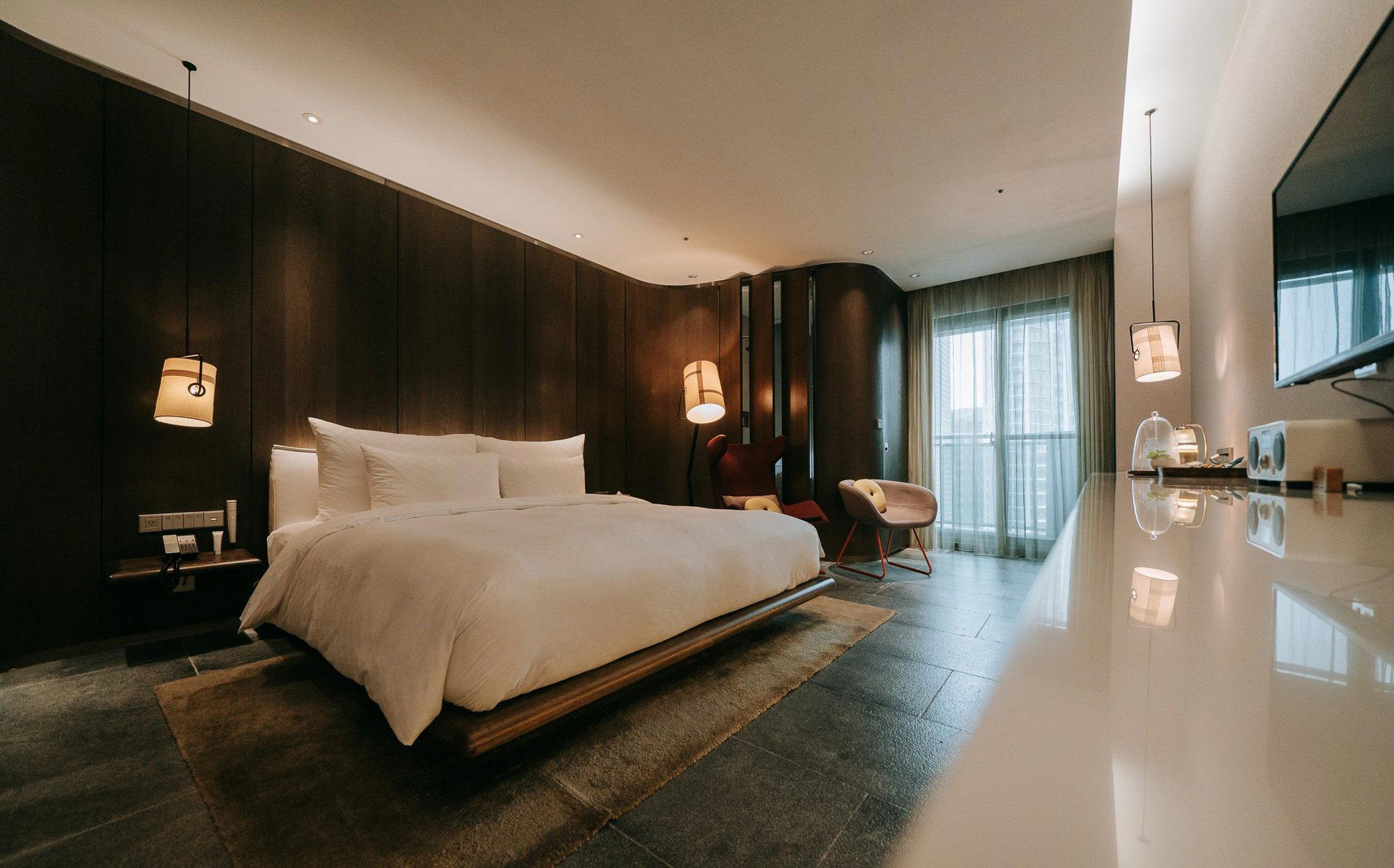

Wineries in Taipei
Browse all →
Bistro Le Jardin
The wine
- Wine program
- Deep wine list
- Extensive wine list
- Sommelier-led
Details
- Cozy
- Elegant
- Intimate
- Romantic
- Date Night
- Business Dinner
- Special Occasion
- Wine Cellar
- Extensive Wine List
- Sommelier Led
- A La Carte
- French Wines
- Vegetarian Friendly
Current opening hours
- Monday
- 3–11 PM
- Tuesday
- Closed
- Wednesday
- Closed
- Thursday
- Closed
- Friday
- 3–11 PM
- Saturday
- 3–11 PM
- Sunday
- 3–11 PM
Hours can change for holidays and private events. Last verified .
Attractive and cozy atmosphere with warm lighting, relaxed garden-like charm, and an intimate setting praised for romantic occasions.