Bistro Laaroussa sits inside Fès medina dining, where the meal is shaped as much by pacing, hospitality, and the movement between street and interior as by the plate. With few public-facing specifics on format or pricing, it is better read as part of the city’s riad-and-medina restaurant culture than as a chef-led destination with published awards.
Pearl is the En Primeur Club membership app — saves, bookings, and concierge access live there. Same editors, same standards.
- Address
- bechara, Souikt Bensafi, 3 Derb Serraj, Fes 30100, Morocco
- Phone
- +212 6 74 18 76 39
- Website
- riad-laaroussa.com
- Directions
- Get directions
 Saves & bookings on Pearl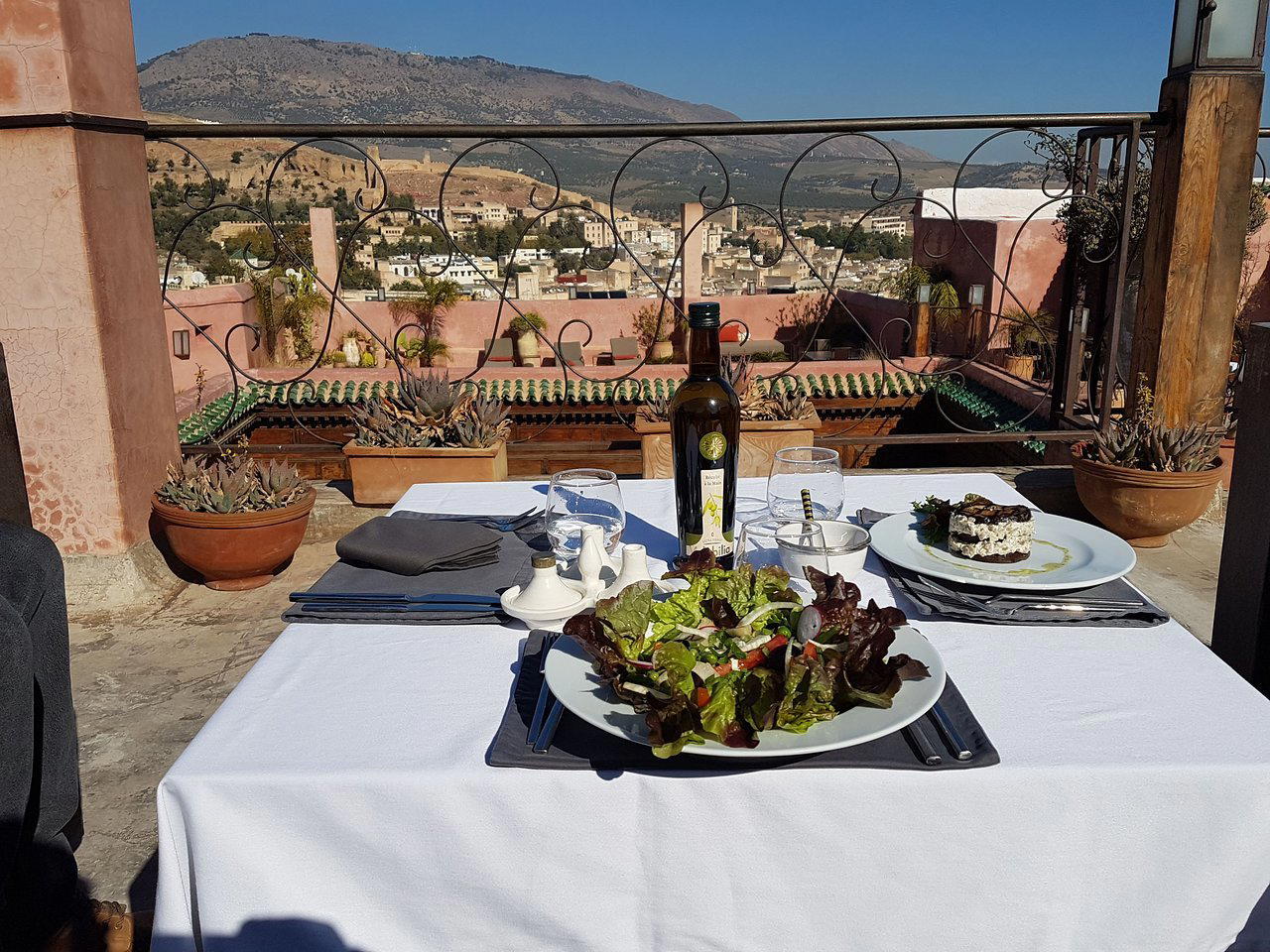
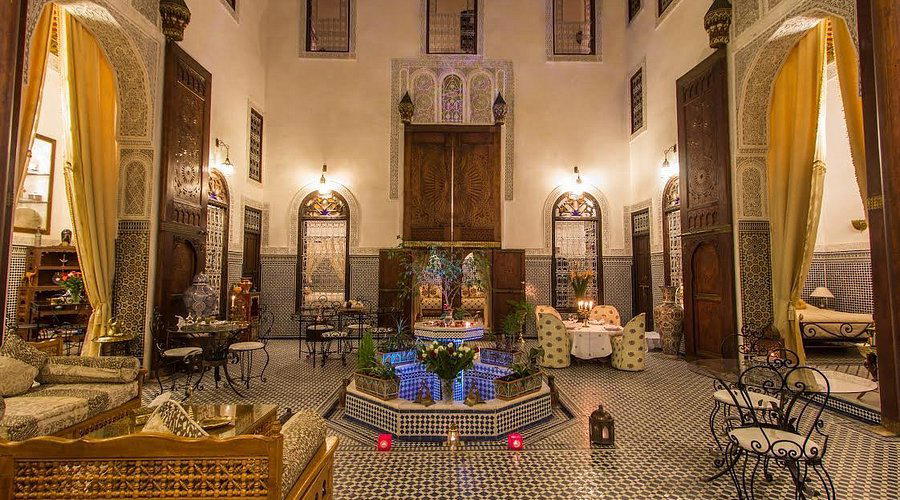
Approaching a meal in Fès begins before the first plate arrives. The medina works by compression: narrow lanes, hard turns, carved doors, then the sudden quiet of an interior room. Bistro Laaroussa belongs to that rhythm. Its address places it in the old-city fabric, where dining is less about a street-facing façade and more about the transition from public passage to hosted table. That shift matters in Fès. The city’s restaurant culture has long been tied to houses, riads, courtyards, and small rooms rather than broad dining-room theatrics.
The useful way to read this kind of table is through ritual. Moroccan dining in Fès is paced around arrival, tea, bread, shared dishes, and a slower release of courses. Even when restaurants adapt the format for travellers, the grammar remains domestic: warmth before spectacle, generosity before technical display, and a meal that often asks guests to let the room set the tempo. In that sense, Bistro Laaroussa sits closer to the medina’s hosting tradition than to the high-concept tasting-menu lane represented elsewhere in the city.
Fès medina dining is built around the house, not the showpiece plate
Fès rewards diners who understand that the setting is part of the culinary structure. The old city is dense, layered, and pedestrian by design; restaurants here often function as pauses inside that density. A meal is not just a sequence of dishes but a change in pace after the souks, mosques, workshops, and alleys outside. That is why many Fès restaurants are judged as much by their sense of welcome and command of the room as by any single named preparation.
Within the local comparison set, the distinctions are useful. NUR represents the more contemporary, authored end of Fès dining, where the meal is framed as a composed culinary statement. Gayza and Riad Fès sit in a more recognisably Moroccan traditional register. Moroccan Restaurant at Riad Laaroussa is another nearby reference point for the riad-dining model, while Nachō Mama Restaurant points to the city’s casual, international counter-current. Bistro Laaroussa reads as part of the medina’s smaller-scale hospitality culture rather than an awards-led destination. That position is not a weakness; it simply changes the criteria. The question becomes whether the meal fits the day’s rhythm, the neighbourhood, and the kind of Moroccan table a traveller is seeking.
For readers comparing Fès addresses, Amaraz, Berrada, Bouquet Garni, Cafe Clock, and Chiringuito Tapas & Fun map different parts of the city’s range, from local Moroccan cooking to traveller-facing cafés and lighter social formats. The wider city edit sits in Our full Fès restaurants guide, with adjoining planning context in Our full Fès hotels guide, Our full Fès bars guide, Our full Fès wineries guide, and Our full Fès experiences guide.
The dining ritual favours patience, shared rhythm, and low-key formality
In Fès, formality rarely announces itself through dress codes or visible ceremony. It appears in sequence: how guests are received, how bread anchors the table, how communal dishes structure conversation, and how tea often acts as punctuation rather than afterthought. The etiquette is simple but worth observing. Do not rush the room. Let shared plates set the pace. Ask direct questions about ingredients if needed, especially in a city where preserved lemon, olives, slow-cooked meats, almonds, herbs, and sweet-savoury balances often shape traditional Moroccan cooking.
Because the restaurant does not publish a chef profile, tasting format, awards list, or signature dish in the available public-facing detail, it should not be approached as a credential-driven reservation. The stronger reason to consider it is contextual: it places the meal inside Fès medina life, where the room and the act of being hosted carry weight. Travellers seeking a named chef, formal tasting progression, or award-backed comparison should look carefully at alternatives before fixing a plan. Travellers interested in the social grammar of a Moroccan meal may find this category more revealing than a heavily staged dinner.
That distinction also matters when comparing Fès with the rest of Morocco. Marrakech has developed a louder international restaurant circuit, visible in addresses such as +61 in Marrakech. Coastal and resort towns work differently again: Anaw in Taghazout, Azura in Fnideq, and Andalus in Tangier sit in dining contexts shaped by sea air, weekend traffic, and cross-Mediterranean habits. Mountain and rural hospitality carry another register, seen in Asayss Restaurant in Asni. Fès remains more inward-facing. Its meals often feel tied to thresholds, courtyards, and the older codes of the house.
How to place it in a Fès itinerary
The practical call is to treat the restaurant as a medina meal rather than a destination detour. Its known location places it inside the old city, so timing should account for walking routes and the slower pace of the lanes. Pairing the meal with nearby sightseeing makes more sense than crossing town solely for a table without first confirming the current format. If dietary needs are material, confirm them before arrival; Moroccan cooking can be accommodating, but assumptions are risky when menus and contact channels are not clearly published.
For a broader Morocco comparison, Amaraz Restaurant in Fez helps frame how another Fès restaurant presents itself to travellers. Outside Morocco, links such as Jōdo Saké Bar in Los Angeles and Onigiri Time in Pasadena are useful reminders that format changes the whole reading of a meal: bar, counter, riad table, café, and bistro each ask for different expectations. The restaurant is best understood through the Fès lens, where the dining ritual begins with finding the door and continues in the slower cadence of the room.
Cuisine-First Comparison
Comparable venues by cuisine and price in the same metro.
| Venue | Cuisine | Awards |
|---|---|---|
| Bistro Laaroussa | This venue | Not listed |
| Gayza | Moroccan Traditional | Moroccan Traditional |
| Riad Fès | Moroccan Traditional | Moroccan Traditional |
At a Glance
- Scenic
- Cozy
- Elegant
- Romantic
- Classic
- Date Night
- Group Dining
- Family
- Celebration
- Casual Hangout
- Special Occasion
- Rooftop
- Terrace
- Courtyard
- Panoramic View
- Historic Building
- Hotel Restaurant
- Design Destination
- Extensive Wine List
- Local Sourcing
- Street Scene
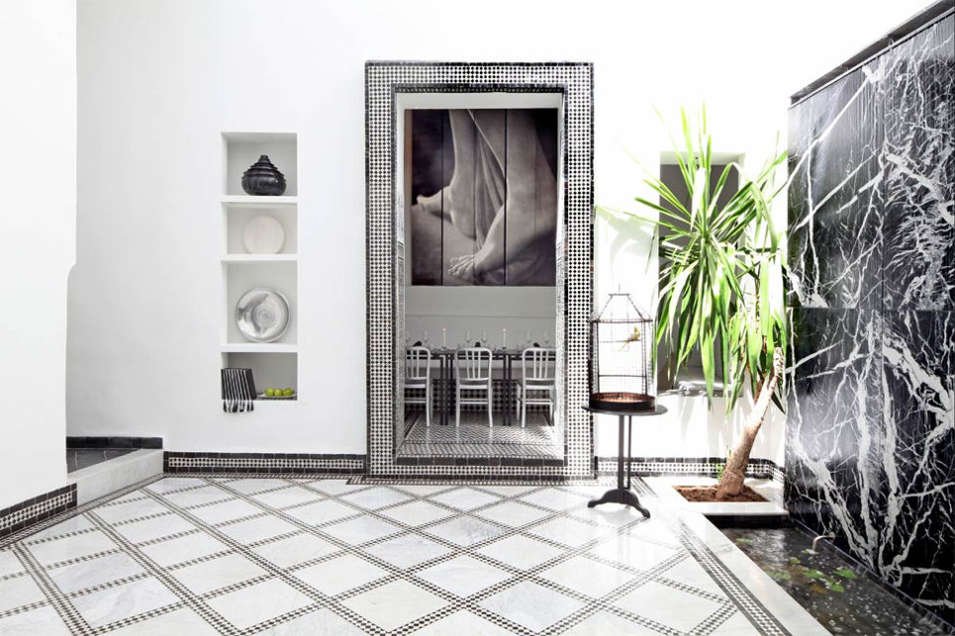
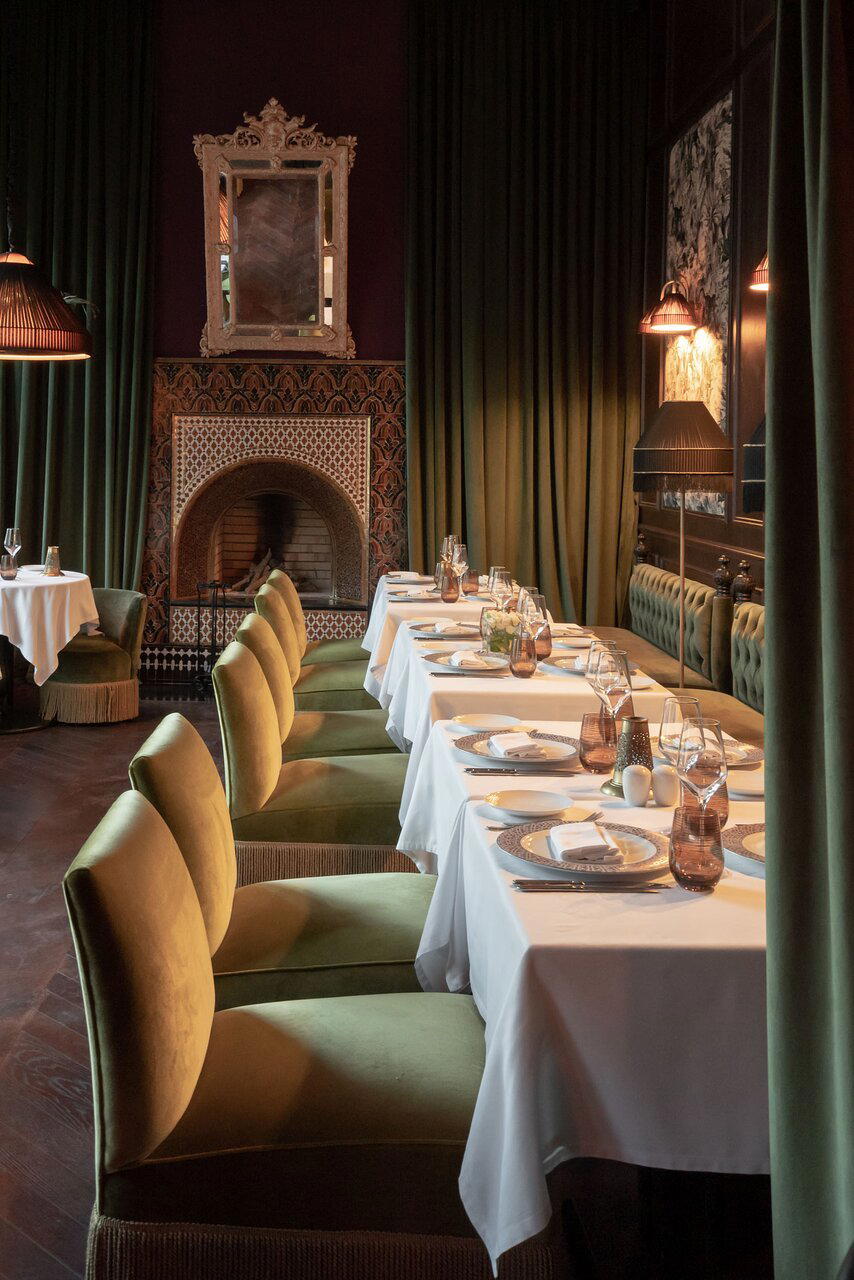
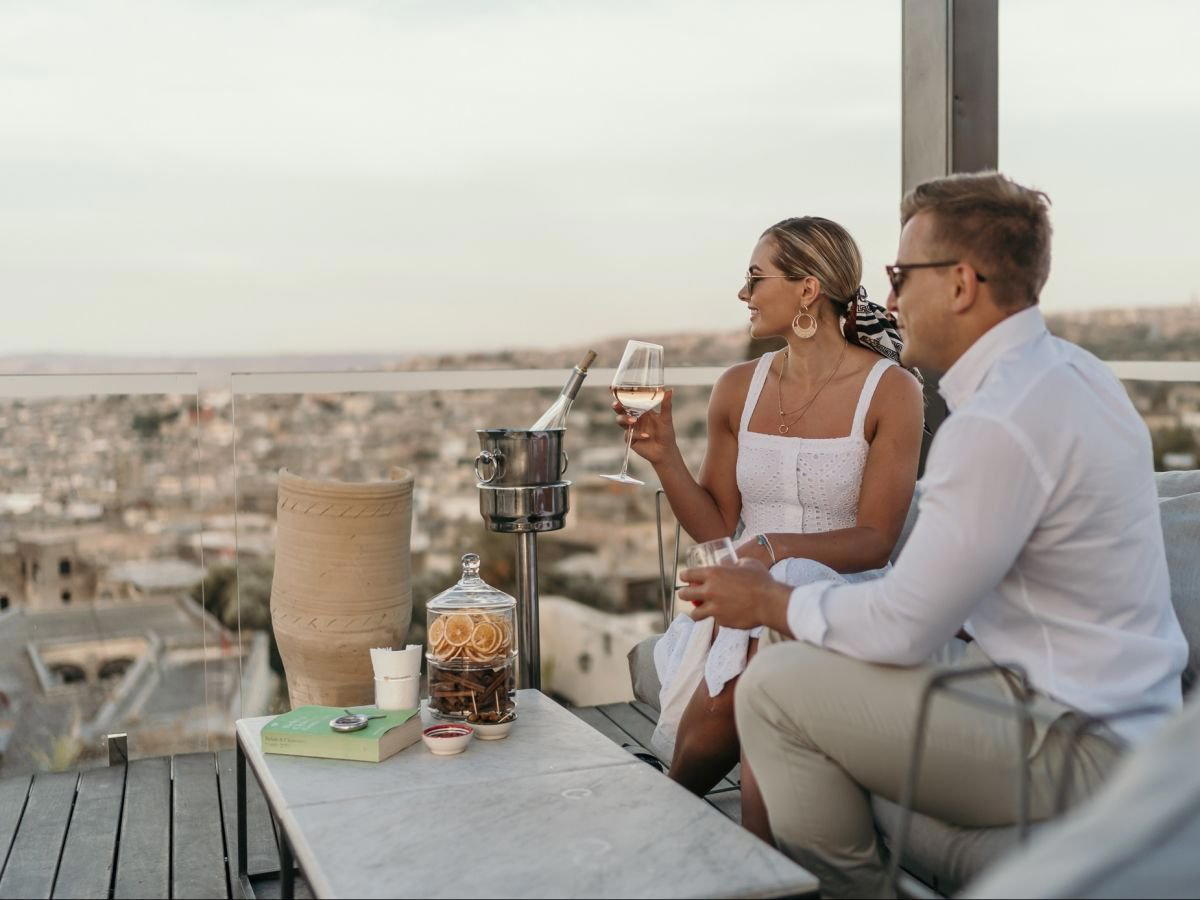
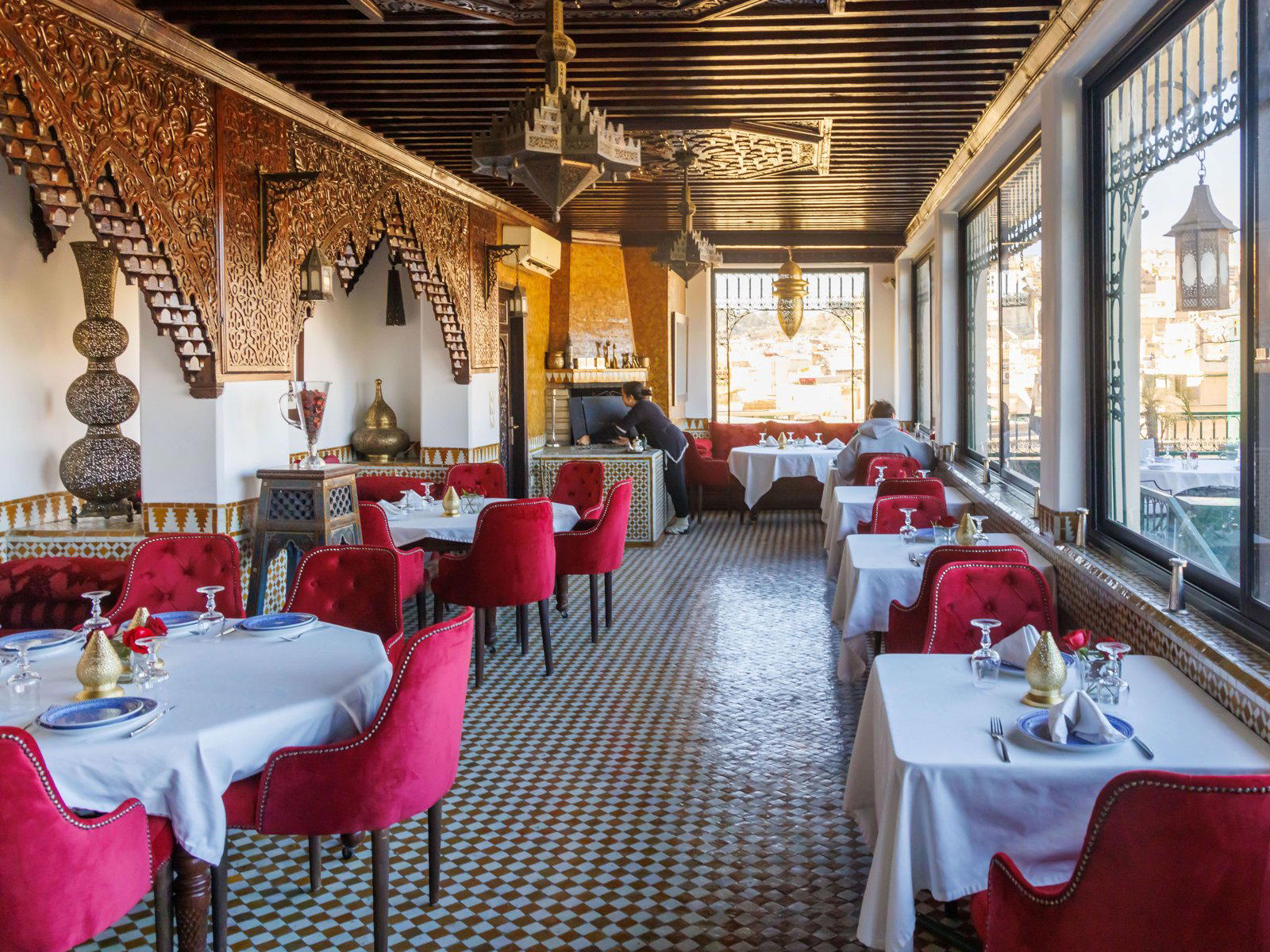
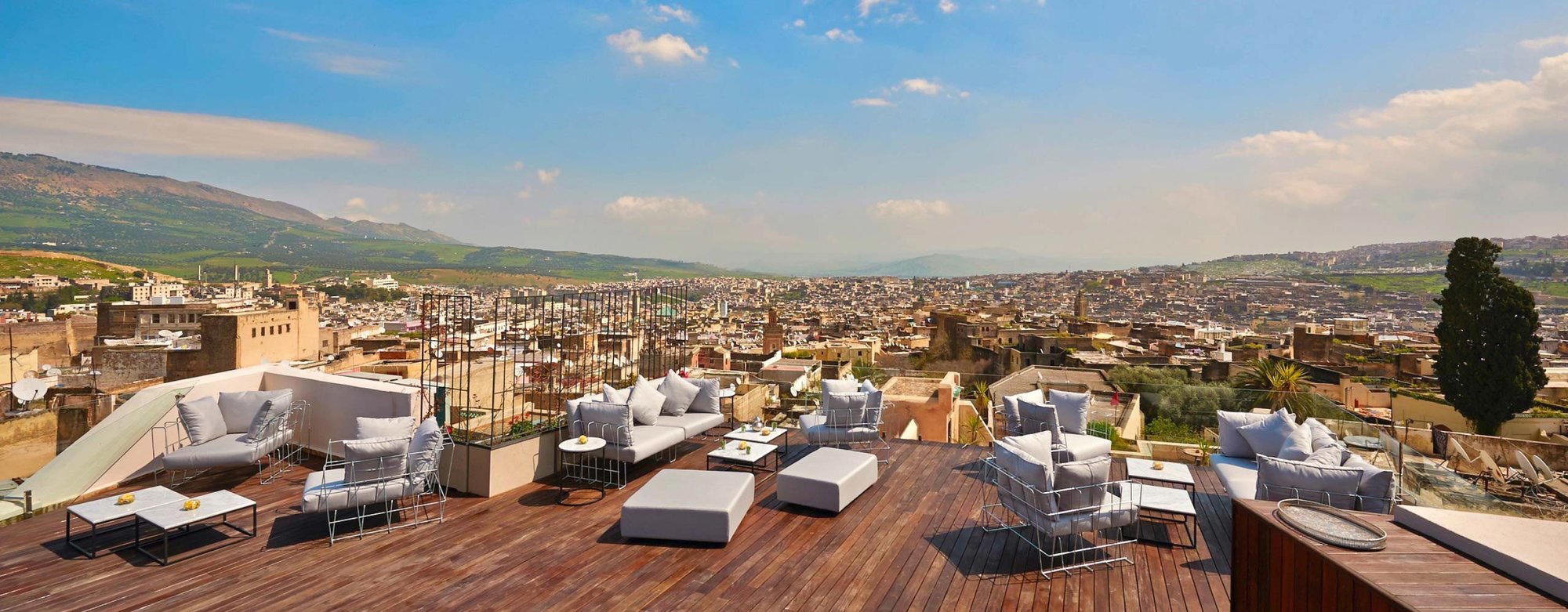
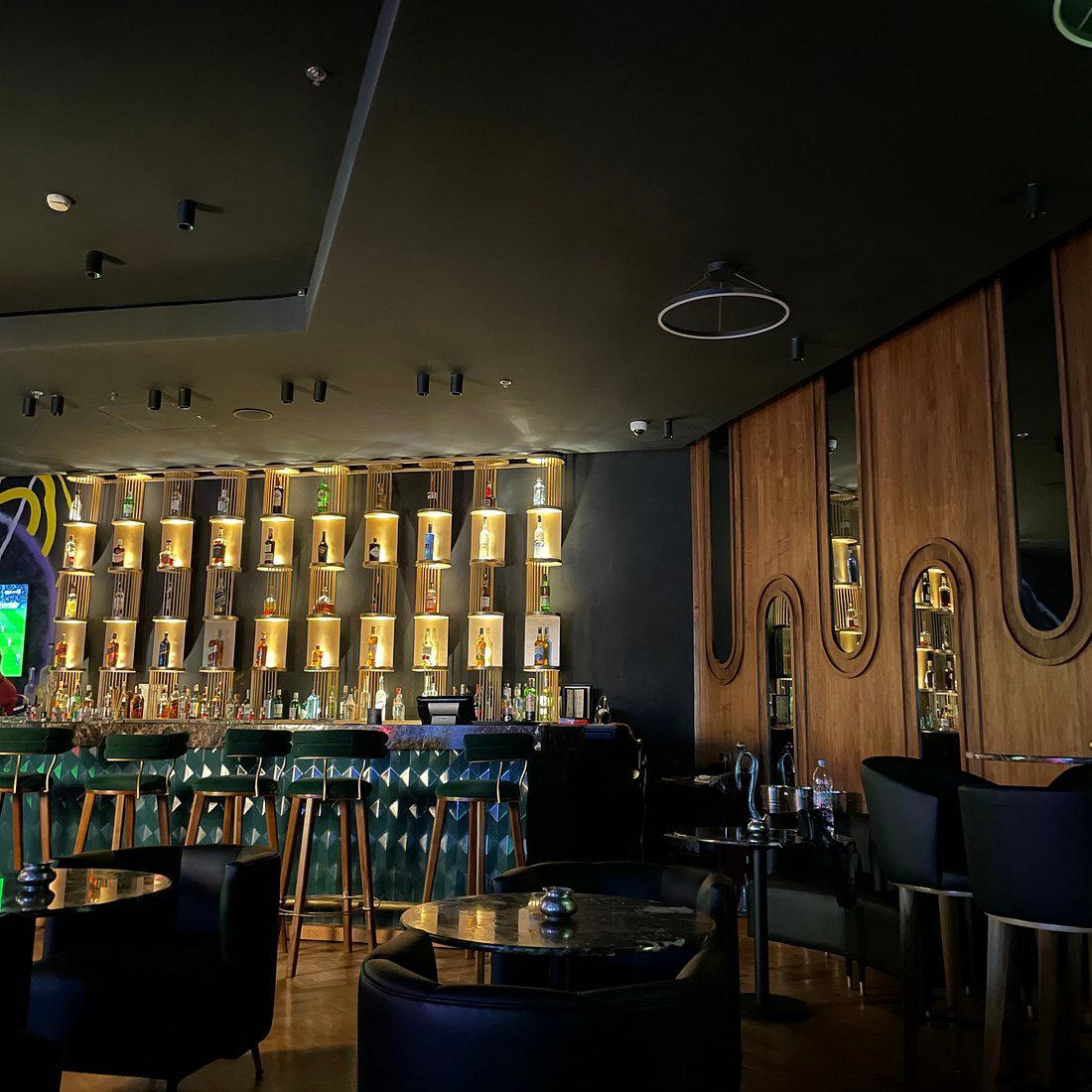
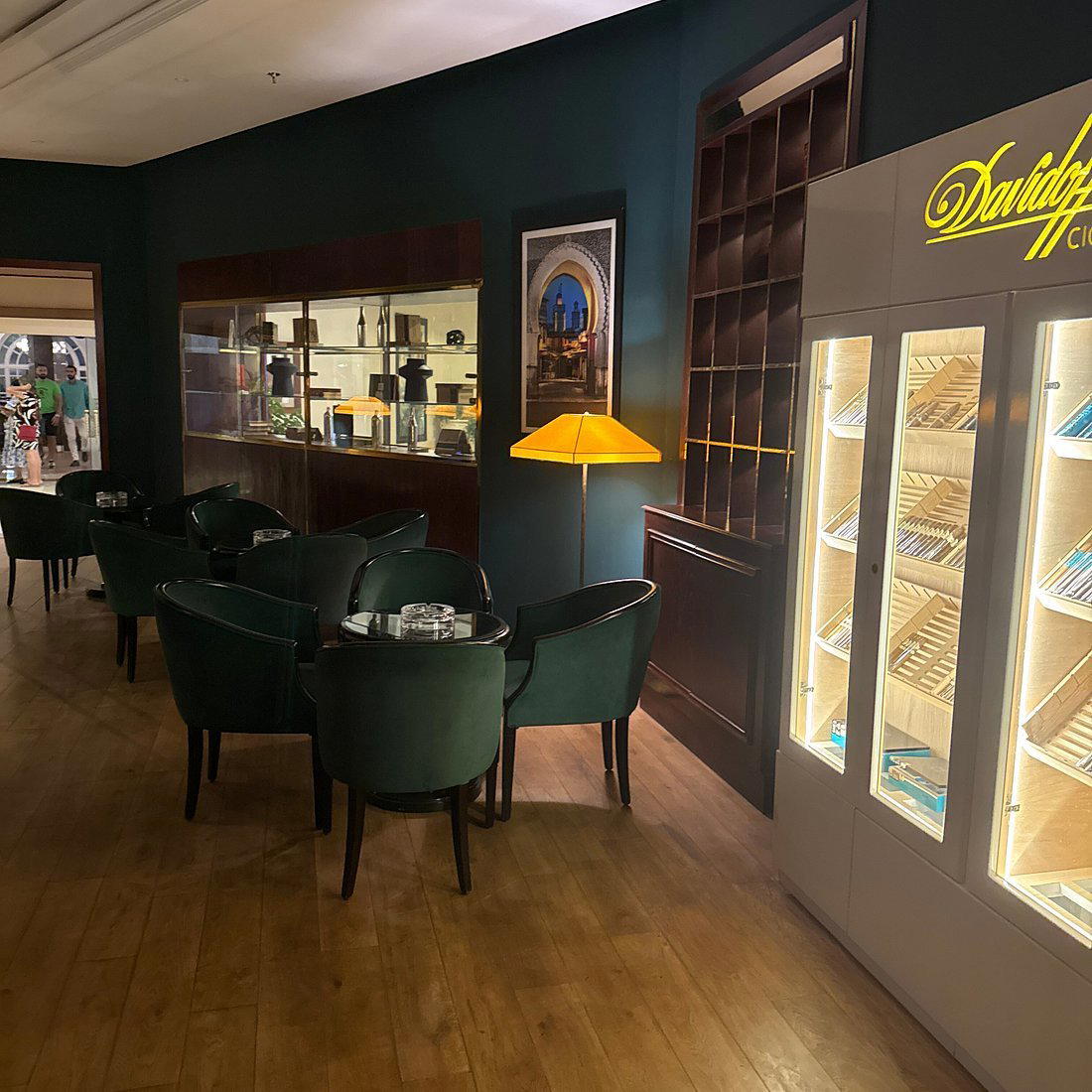
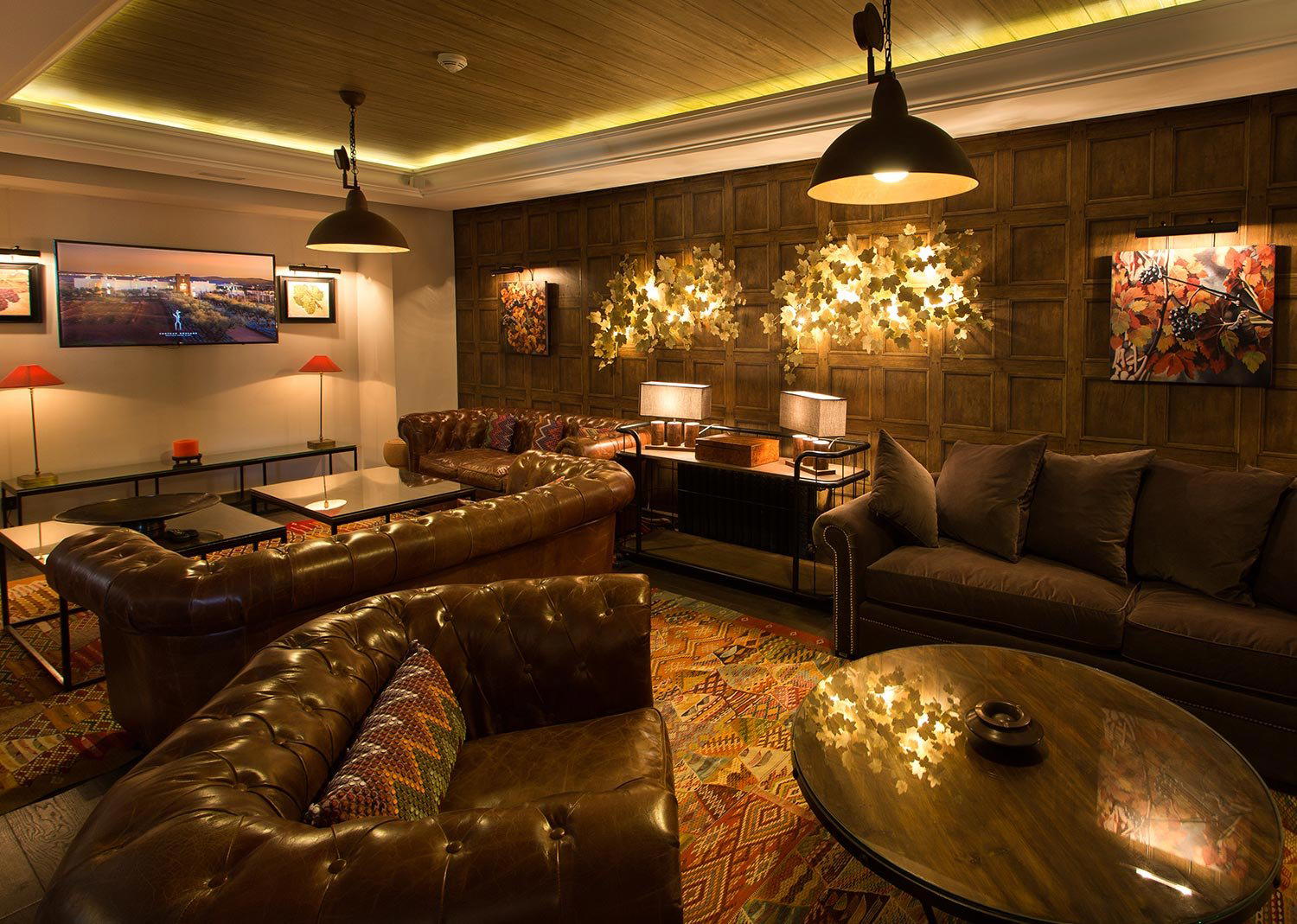
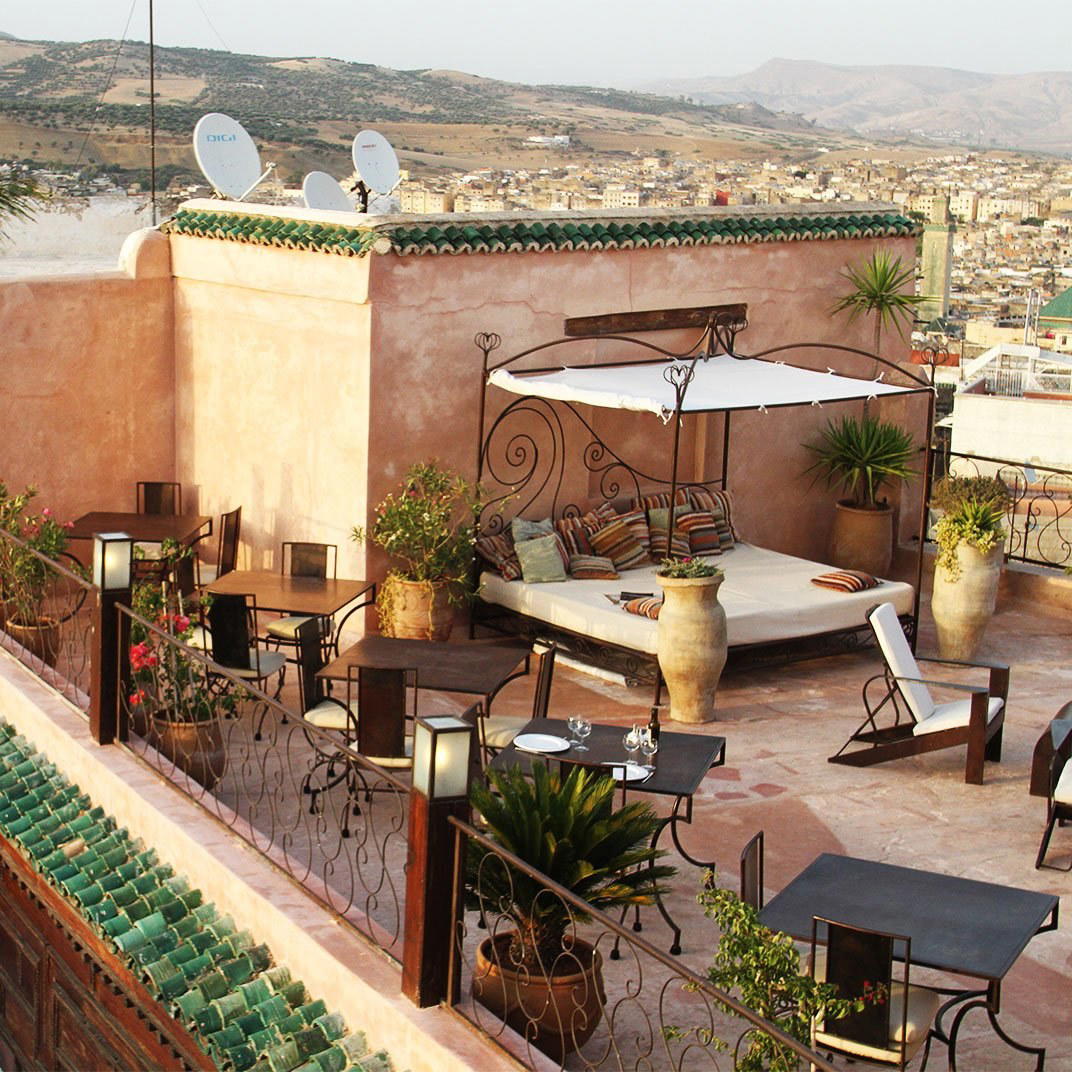
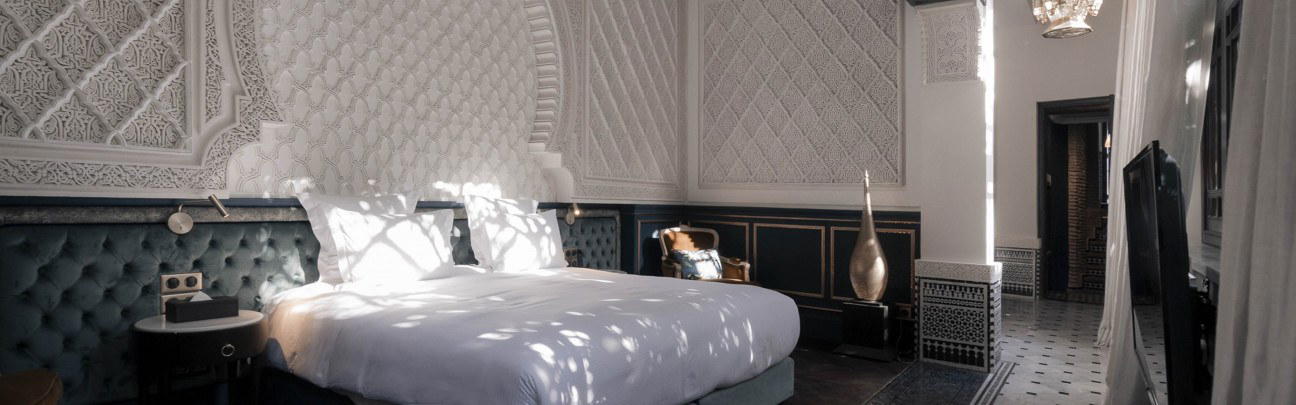
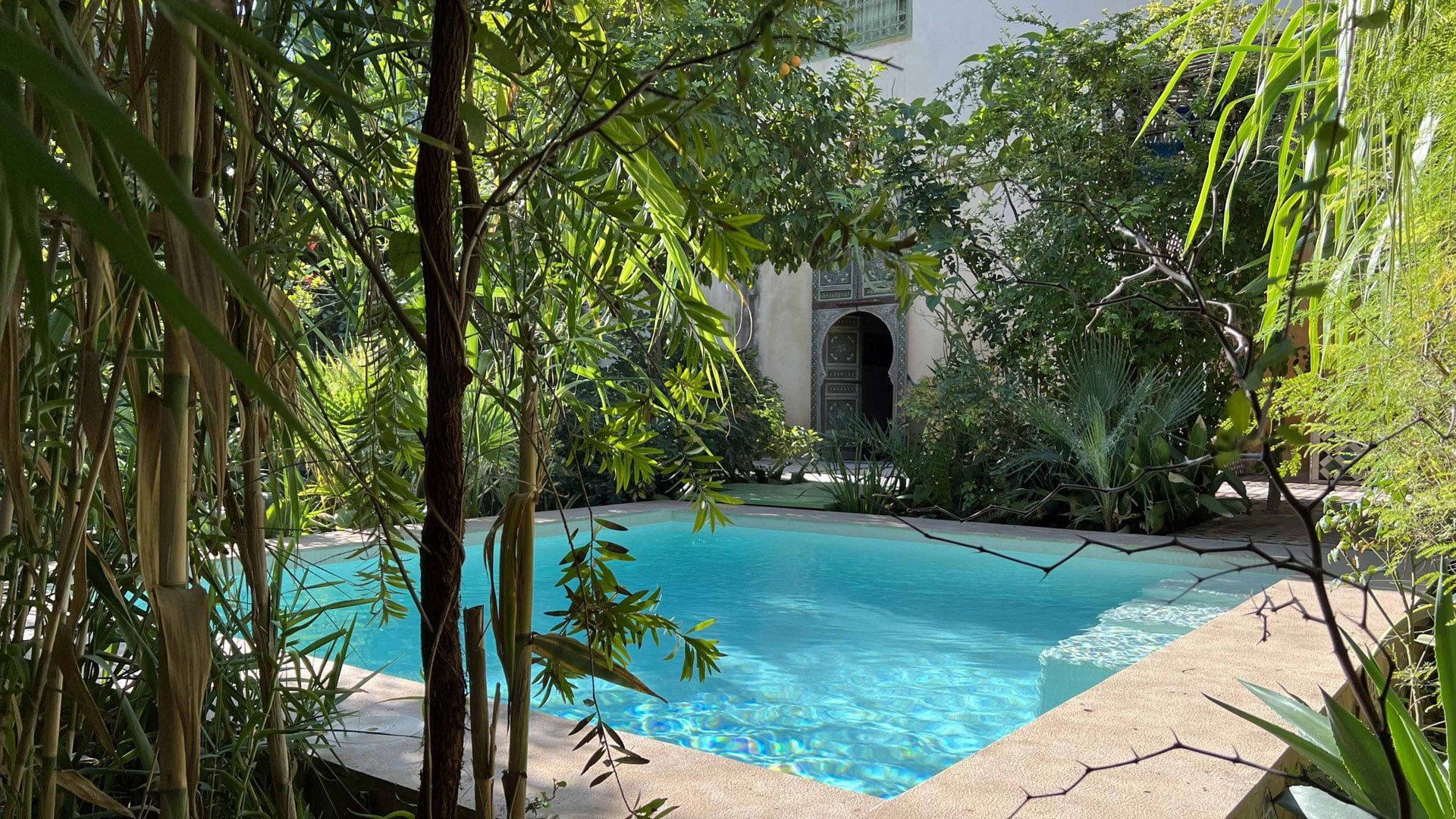
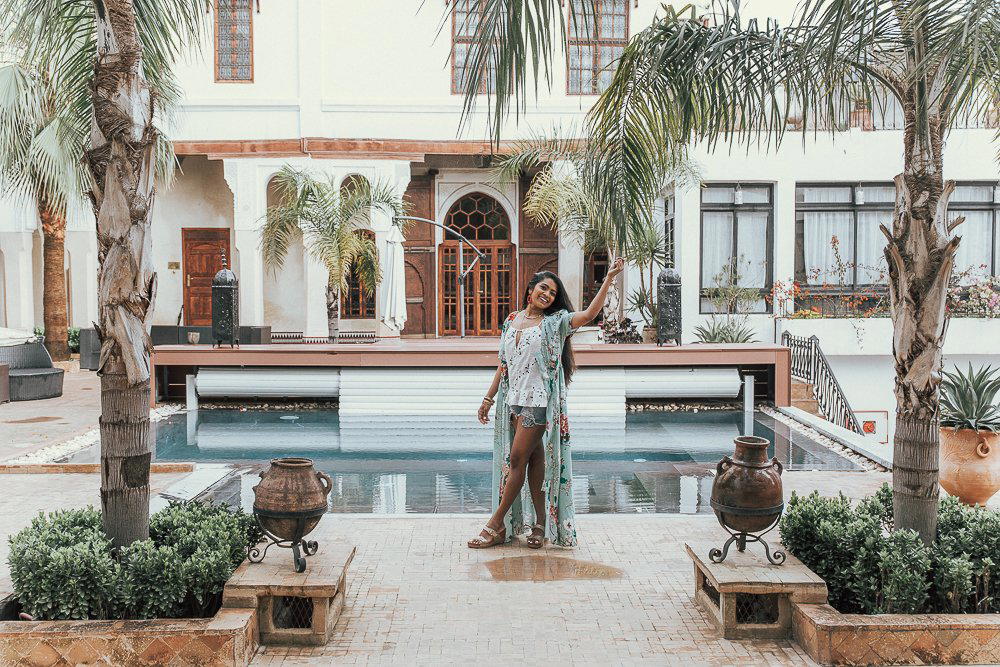
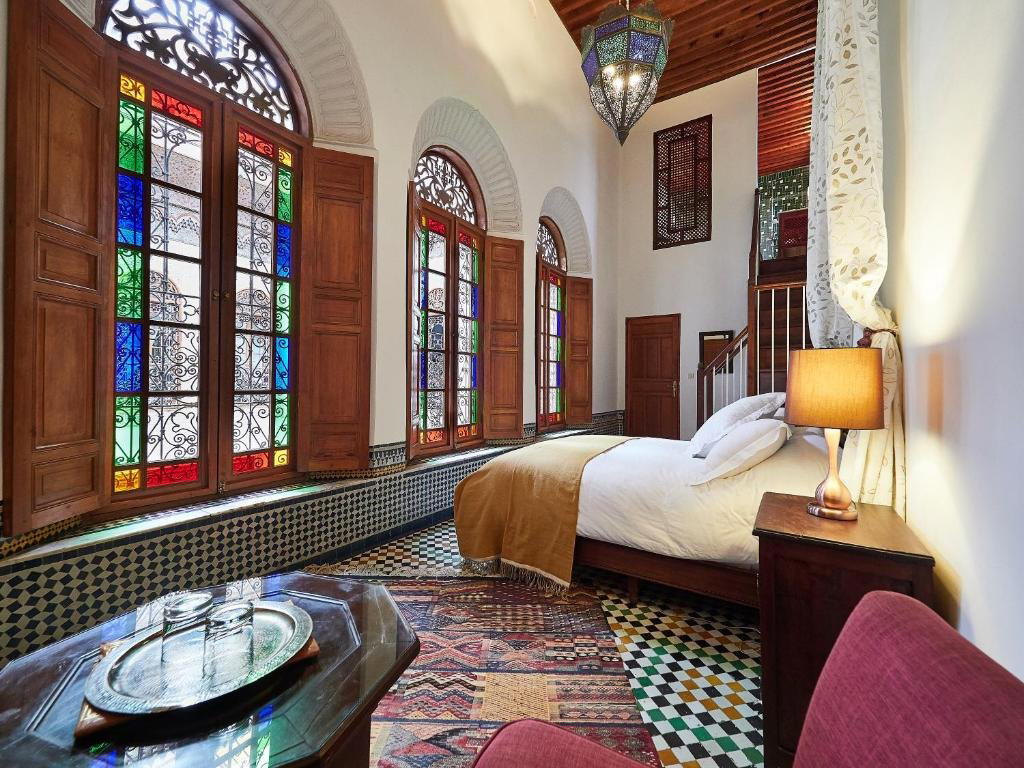
An intimate rooftop oasis atop a historic riad, with relaxed, cozy seating, warm lighting, and a mix of elegant yet casual décor that feels both classic and contemporary, especially atmospheric at sunset and in the fireplace dining room on cooler nights.