Bistro Bos
Our verdict
Bistro Bos sits on Bos en Lommerweg in Amsterdam's Bos en Lommer district, a neighbourhood that has spent the past decade trading post-industrial quiet for a genuinely local restaurant scene. The bistro format here follows a rhythm common to Amsterdam's mid-market dining: more considered at lunch, more settled in the evening, and less concerned with the theatre of the city centre than with feeding the neighbourhood well.

Pearl is the En Primeur Club membership app, where members save venues, book tables and use the concierge.
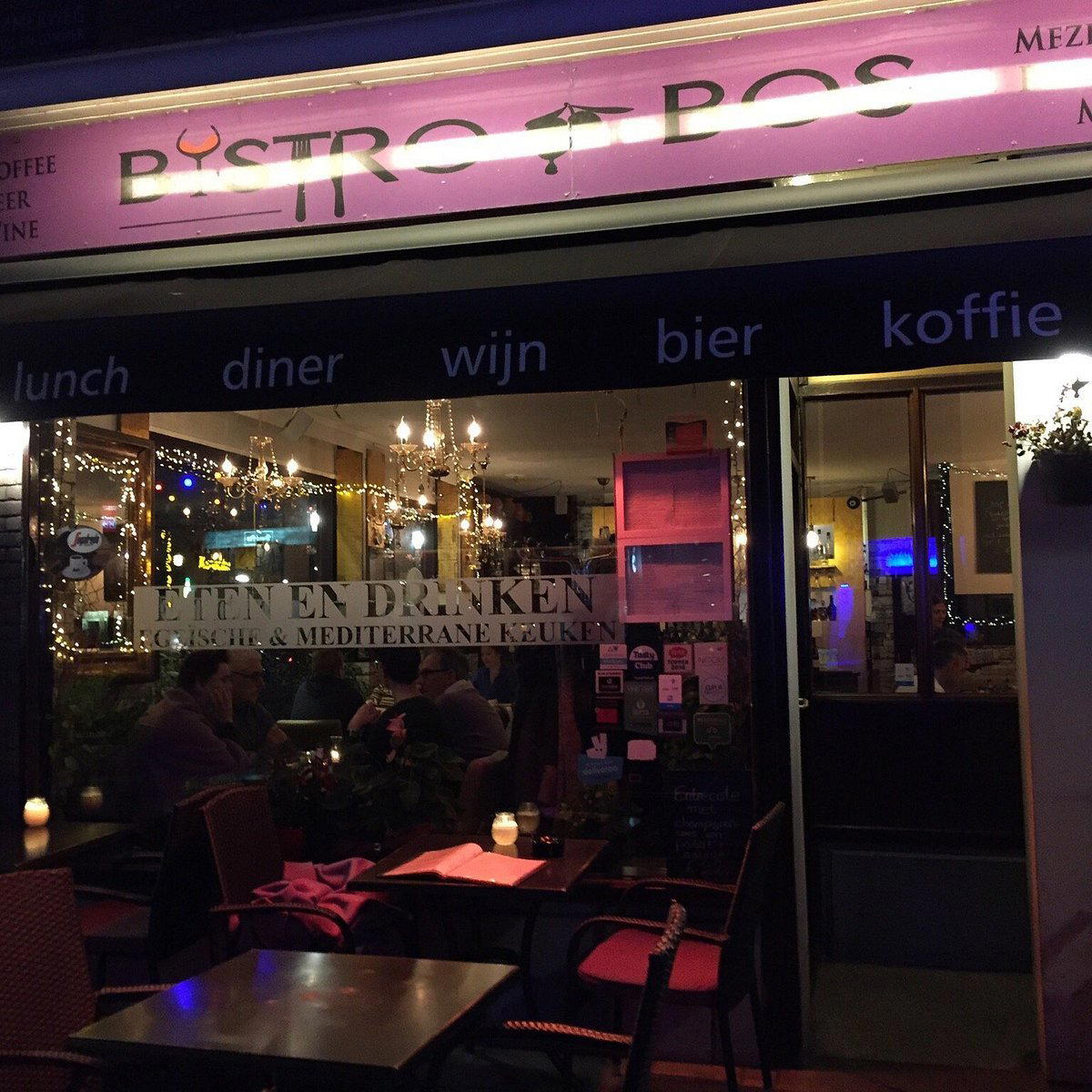
West Amsterdam's Neighbourhood Bistro Circuit
Amsterdam's serious dining conversation tends to start and end in the canal belt and the Pijp. The Michelin-decorated rooms, the tasting menus that run to twelve courses, the wine lists that require advance study, venues like Ciel Bleu, Flore, Spectrum, and Vinkeles all occupy that more gilded tier. But Amsterdam's dining character has always had a second register: the neighbourhood bistro, running quieter, shorter menus at prices that don't require a calendar event as justification. Bos en Lommer, the district west of the ring road, represents one of the more interesting places to find that register right now. Bistro Bos, at Bos en Lommerweg 77, operates inside this context.
The area is worth understanding before the food. Bos en Lommer spent much of the twentieth century as a working-class district built around the housing blocks that spread west from Jordaan. In the past ten to fifteen years, it has attracted a quieter wave of residents priced out of De Baarsjes and Oud-West, and the restaurant scene has shifted accordingly: less destination dining, more local anchoring. A bistro format fits that neighbourhood logic well. It asks less of its guests, expects less of a reason to visit, and builds its value case on repetition rather than occasion.
The Lunch and Dinner Divide
In most European cities, the bistro's structural argument is made most clearly at lunch. Midday service tends to compress the kitchen's ambitions into a shorter, sharper form: fewer covers, tighter choices, a menu that benefits from the morning's market rather than the evening's ceremony. Amsterdam's neighbourhood bistros follow this pattern. Lunch at venues in this tier typically runs to two or three courses, often with a fixed-price option that brings the cost well below a comparable evening meal. For a district like Bos en Lommer, that midday moment matters: it serves the resident who wants something genuinely cooked rather than grabbed, at a price point that doesn't signal occasion.
Evening service shifts the register. The same kitchen, the same sourcing, but the expectation from a dinner guest is different: more time, more wine, more course progression. Amsterdam's mid-market bistros, including Bistro de la Mer at the classic end of the category, have learned to hold both moods without diluting either. The table that hosted a quick working lunch at noon needs to feel different at eight in the evening, and that shift is usually accomplished through pace and light more than any change to the cooking itself.
Bistro Bos sits in this same structural tradition. The Bos en Lommerweg address places it away from the tourist circuits that affect pacing and atmosphere in central Amsterdam, which tends to mean a more stable rhythm across both services: lunch that isn't rushed to free tables for dinner, evenings that don't run late into tourist peak hours.
Where Bos en Lommer Sits in Amsterdam's Broader Dining Map
Amsterdam's restaurant coverage tends to concentrate on the canal belt and the southern museum quarter, which means the west of the city is genuinely underreported relative to the quality of its neighbourhood offer. Bos en Lommer, Geuzenveld, and the areas around Mercatorplein have all developed local dining scenes that receive less column space than their equivalents in De Pijp or Jordaan. For readers building a broader picture of Amsterdam's dining, the full Amsterdam restaurants guide covers the spread from the tasting-menu tier down to neighbourhood formats like Bistro Bos.
The comparison set for a venue at this address and in this format is not the Michelin rooms. It is the neighbourhood bistros and mid-market brasseries that serve the residential west: kitchens where the cooking is competent and seasonal without announcing itself as a destination experience. That is a legitimate and often undervalued tier. The Dutch dining scene's ambition at the leading end is well documented, from De Librije in Zwolle and Inter Scaldes in Kruiningen down through newer-generation kitchens like De Nieuwe Winkel in Nijmegen. Regional venues including De Lindenhof in Giethoorn, Tribeca in Heeze, De Groene Lantaarn in Staphorst, Brut172 in Reijmerstok, De Lindehof in Nuenen, De Bokkedoorns in Overveen, and De Treeswijkhoeve in Waalre all represent the serious end of Dutch regional cooking. Bistro Bos operates in a different register from all of these, and that difference is not a criticism. The neighbourhood bistro answers a different question: not where to go for a formal occasion, but where to eat well on a Tuesday.
For an international reference point, the same structural distinction exists in other cities. The community-oriented restaurant format shares a philosophy with spaces like Lazy Bear in San Francisco, where intimacy and neighbourhood identity matter more than scale, even if the cooking ambitions sit at entirely different levels. At the formal end of the spectrum, venues like Le Bernardin in New York City represent the opposite pole: cooking where ceremony and occasion are the entire point. Bistro Bos belongs to neither of those ends.
Planning a Visit
Bos en Lommerweg 77 is accessible from the city centre by tram along the main west-bound routes, a journey of roughly fifteen to twenty minutes from Centraal Station. The address sits in a section of the street that functions as a local commercial strip rather than a tourist corridor, which affects the atmosphere on both sides of the glass. Arriving at lunch on a weekday means a quieter room; evenings and weekends draw a more local crowd from the surrounding residential streets.
Frequently asked questions
What's the must-try dish at Bistro Bos?
For a bistro in this neighbourhood tier, the most reliable approach is to ask on arrival what the kitchen is working with that day, seasonal sourcing at this price point tends to produce the most focused cooking. If the menu includes a daily special built around market availability, that is typically where the kitchen's current attention sits.
Is Bistro Bos reservation-only?
Neighbourhood bistros in Amsterdam's west at this address type often operate with a mix of reservations and walk-in capacity, particularly at lunch. Evening service, especially on weekends, is more likely to require advance booking. Contacting the venue directly before a visit is the safest approach, particularly if you are travelling from outside the neighbourhood.
What makes Bistro Bos worth seeking out?
The case for Bistro Bos is positional rather than award-driven: it sits in a part of Amsterdam that receives less dining coverage than the canal belt, in a bistro format that serves the neighbourhood rather than the tourist circuit. For a reader who has worked through the Michelin-decorated rooms in the city centre and wants to understand how Amsterdam eats at a more local register, the Bos en Lommer address offers that perspective. It also operates at a price point that makes repeat visits practical rather than occasional.
Can Bistro Bos adjust for dietary needs?
Amsterdam's restaurant culture across the mid-market bistro tier is generally responsive to dietary requirements, though the degree of flexibility varies by kitchen size and menu structure. The city's dining culture, shaped in part by the same internationalism that defines venues at every level from neighbourhood bistros to the creative rooms at the leading end, tends to treat dietary requests as a practical matter rather than a complication.
Does Bistro Bos serve a fixed-price lunch menu?
A fixed-price lunch format is common across Amsterdam's neighbourhood bistro tier and represents strong value relative to evening à la carte pricing at the same venues. In this category and neighbourhood, daytime menus often run to two or three courses at a noticeably lower price point than the evening equivalent, making lunch the more accessible entry point for first-time visitors.
Side-by-Side Snapshot
Comparable venues nearby, for context on price, style, and recognition.
| Venue | Cuisine | Price | Awards | Notes |
|---|---|---|---|---|
| Bistro BosThis venue (the venue you are viewing) | Western Turkish Bistro | $20–30 | Not listed | Not listed |
| G's – A Nice Place | American Diner Brunch | $20–30 | Not listed | Driehoekbuurt |
| A Tavola | Traditional Italian | Not listed | Star Wine List · Wine Spectator Award of Excellence | Kadijken |
| La Brasa | Argentine Steakhouse | $30–50 | Not listed | Westelijke Eilanden |
| Bhatti Pasal | Authentic Nepalese | $20–30 | Not listed | Begijnhofbuurt |
| Levant | Turkish Mediterranean | $30–50 | Not listed | Den Texbuurt |
Continue exploring
More in Amsterdam
Restaurants in Amsterdam
All restaurants in Amsterdam →
Bars in Amsterdam
All bars in Amsterdam →
Hotels in Amsterdam
All hotels in Amsterdam →
Wineries in Amsterdam
All wineries in Amsterdam →
Details
- Cozy
- Classic
- Casual Hangout
- Family
- Terrace
- Street Scene
- A La Carte
- Vegetarian Friendly
- Halal
Current opening hours
- Monday
- 3–11 PM
- Tuesday
- 3–11 PM
- Wednesday
- 3–11 PM
- Thursday
- 3–11 PM
- Friday
- 3–11 PM
- Saturday
- 3–11 PM
- Sunday
- 3–11 PM
Hours can change for holidays and private events. Hours as of .
Cozy and welcoming atmosphere praised for great service and authentic Mediterranean vibes.