
Tabelog 100 #40
Our verdict
Bihotza places Basque cooking inside Yokohama’s compact Spanish-dining circuit, with wine-bar habits rather than hotel-restaurant formality. The draw is not spectacle but format: a small room, counter and table seating, pintxos culture, and Tabelog 100 Spanish cuisine selections in 2024 and 2026 that put it in a nationally watched category.

Pearl is the En Primeur Club membership app, where members save venues, book tables and use the concierge.
The menu
What to order
- Basque regional cuisine
- Pintxos assortment
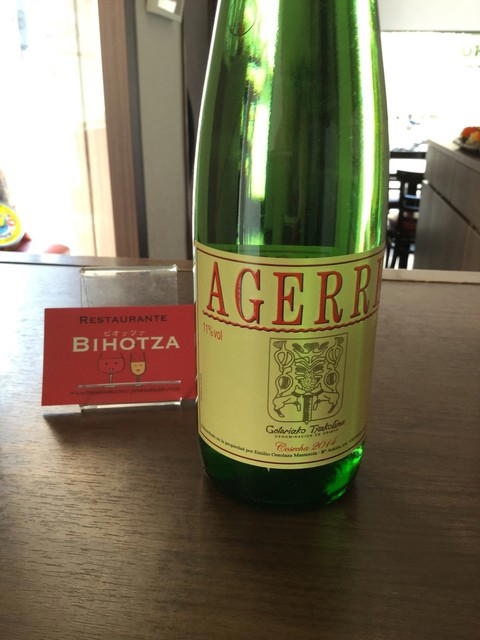
- Basque-style dishes paired with Txakoli and cider
Chojamachi does not announce itself with Ginza polish or Minato Mirai gloss. Its appeal is practical rather than photogenic: low-rise commercial blocks, late-opening dining rooms, station foot traffic, and a Yokohama rhythm that suits bars and small restaurants better than grand dining theatre. Here, Spanish cooking reads less as imported ceremony than as a test of whether a room can carry wine, small plates, and a meal that starts casually but ends with intent.
Bihotza belongs to that mode. Its public classification, Spanish, wine bar, and dining bar, says more than one cuisine label. Yokohama has plenty of quick, price-led eating nearby, from ramen counters to curry rooms, but a Basque-leaning Spanish address occupies a narrower lane: informal enough for repeat local use, structured enough to draw attention beyond the neighbourhood. Selection for Tabelog 100 Spanish cuisine in 2024 and again in 2026 gives it a clear trust signal without making it a trophy room.
Basque cooking in Yokohama works because the format is bar-first
Japan’s Spanish restaurants often divide into two camps. One is formal, with course menus and stronger restaurant vocabulary. The other stays nearer the bar: pintxos, wine, cider, counter seating, and groups building a table from smaller orders. Bihotza sits closer to the latter. That matters because Basque cooking travels well when its social structure survives translation. Pintxos are not just snacks; they set the table’s pace, put drinks at the centre, and make the room less rigid than course-by-course European dining.
Public details point to that rhythm. Wine is part of the identity, each guest is asked to order a drink, and a table charge is tied to three pintxos. Those operational signals tell experienced diners what kind of night to expect: not a hushed tasting counter, not a loose izakaya, but a compact Spanish room where the drink order is part of the architecture. In Yokohama, where dining can move from Chinatown banquets to Kannai drinking streets within a short walk, that hybrid has a natural audience.
The scale reinforces it. A 26-seat setup, including six counter seats and table seating, puts the restaurant in the small-format category where booking discipline and party size matter. A second-floor private-room function for larger groups moves the address beyond date-night-only territory into social dining. That flexibility is common in Japan’s city restaurants, but less common among Spanish specialists with national list recognition.
The recognition matters, but the price band explains the appeal
Tabelog’s Hyakumeiten lists are useful because they often capture category depth rather than only high-price dining. Spanish cuisine in Japan runs from polished Tokyo counters to neighbourhood wine rooms. Bihotza’s inclusion in the 2026 Tabelog 100 Spanish cuisine list places it in that national conversation, while the published dinner range keeps it more approachable than luxury tasting-menu restaurants.
That balance is the editorial reason to pay attention. Yokohama diners can spend far less at comparison venues such as Ramen Jiro Yokohama kannai ten or Ramen & Curry Senmonten Taigen, where speed, volume, and price are the point. They can also spend higher, as with Arai Ya Honten, where the register changes. Bihotza sits in the middle: a planned dinner rather than a refuelling stop, but not a grand-occasion restaurant by default. In a city with strong casual dining, that tier is where personality often survives.
Compared with Ryuho or RAMAI Yokohama isezaki mo-ru ten, the decision is not simply cuisine preference. It is tempo. Curry and ramen solve hunger directly; Basque-style Spanish dining rewards a slower table and drink-led progression. That helps travellers building a Yokohama evening around Kannai, Isezaki, or Noge rather than treating the city as a daytime add-on to Tokyo.
For a broader Yokohama map, EP Club’s restaurant coverage is the better companion than a single-venue search. See Our full Yokohama restaurants guide, then cross-reference nearby dining moods through 1000 (Yakitori (Grilled chicken skewers)), Aichun, Ajowan, Alpenjiro Honten, and Anzen Shokudo. The point is not ranking them against one another; it is reading Yokohama through different dining speeds.
How to place it in a Yokohama itinerary
The strongest use case is an evening around Yokohama’s older entertainment and dining districts rather than the waterfront hotel circuit. This is where small rooms do much serious work, and where a meal can sit between bar culture and restaurant structure. Bihotza fits better than a polished harbour-view dinner, especially for travellers who know Yokohama’s food identity reaches beyond Chinatown and seaside development.
The 2014 opening date also matters. A Spanish restaurant holding ground for more than a decade in this part of Yokohama suggests local repeat use, not only guide-driven discovery. The 2024 and 2026 Tabelog selections add category recognition beyond the immediate neighbourhood. Longevity plus list attention is a stronger signal than social-media heat alone.
Planning should stay practical. The restaurant is small, group arrangements can change the room’s feel, and Spanish wine-bar dining works better when not squeezed between tight transfers. For travellers staying in the city, connect the evening with Yokohama’s broader hospitality scene via Our full Yokohama hotels guide and drinking coverage through Our full Yokohama bars guide. For side trips and broader planning, EP Club also tracks Our full Yokohama wineries guide and Our full Yokohama experiences guide.
Readers comparing Japanese dining formats beyond Yokohama can widen the frame with -Grilled beef Sukiyaki- KAMAKURA TANUKIAN 鎌倉 たぬき庵 in Kamakura. 鮪と炭火焼き うお炭 秋葉原店 in Tokyo.cafe in Osaka.know in Kumamoto, (Shoku) Vietnam in Kawasaki, and [Curry Senmon Ten] Maruyama Kyoju. in Sapporo. For North American contrasts in Japanese drinking and casual formats, see Jōdo Saké Bar in Los Angeles and Onigiri Time in Pasadena.
The verdict is direct: Bihotza is for diners who want Yokohama’s Spanish scene at human scale, with Basque cues, wine-bar logic, and enough recognition to justify planning around it. It is not the city’s flashiest dining proposition, which is precisely why it makes sense in Chojamachi.
Frequently asked questions
When is Bihotza open?
Hours at Bihotza: Mon: 5–10 PM; Tue: Closed; Wed: Closed; Thu: 5–10 PM; Fri: 5–10 PM; Sat: 11:30 AM–2:30 PM, 5–10 PM; Sun: 11:30 AM–2:30 PM, 5–10 PM.
Is Bihotza expensive?
Pricing at Bihotza is listed as JPY 5,000 - JPY 5,999.
What part of town is Bihotza in?
Bihotza is located in Yokohamag. 1F, Yokohama.
What is Bihotza known for?
Bihotza is primarily known for its core concept and execution in Yokohama.
Cuisine and Awards Snapshot
Comparable venues to calibrate price, style, and recognition.
| Venue | Cuisine | Price | Awards | Notes |
|---|---|---|---|---|
| BihotzaThis venue (the venue you are viewing) | Basque / Spanish dining bar | $30–50 | Tabelog 100 #40 | Not listed |
| Mira! Tama Plaza | Spanish & Mediterranean Bar with Tapas and Paella | $30–50 | Tabelog 100 #64 | Aoba |
| Toraya | Tempura / Japanese Seafood | $30–50 | Tabelog 100 #15 | Naka |
| Noge Highball | Japanese Highball Bar | $20–30 | Tabelog 100 #32 | Naka |
| Boulangerie 14 Ku | French-style bakery & cafe | $10–20 | Tabelog 100 #12 | Kōhoku |
| Sweets Garden Yuji Ajiki | Japanese Sweets Patisserie | $10–20 | Tabelog 100 #14 | Tsuzuki |
Recognition history
Dated appearances from independent guides and award organizations, with the underlying list record or original source where available.
Tabelog 100 #40 · No. 40
Tabelog · Tabelog 100 - Spanish cuisine - 2026
Continue exploring
More in Yokohama
Restaurants in Yokohama
All restaurants in Yokohama →



Bars in Yokohama
Browse all →






Details
- Cozy
- Intimate
- Classic
- Date Night
- Group Dining
- Casual Hangout
- After Work
- Late Night
- Standalone
- Extensive Wine List
- Beer Program
- A La Carte
- Small Plates
- Wine
- Cider
- Beer
Current opening hours
- Monday
- 5–10 PM
- Tuesday
- Closed
- Wednesday
- Closed
- Thursday
- 5–10 PM
- Friday
- 5–10 PM
- Saturday
- 11:30 AM–2:30 PM, 5–10 PM
- Sunday
- 11:30 AM–2:30 PM, 5–10 PM
Hours can change for holidays and private events. Hours as of .
An intimate, relaxed neighborhood spot with a warm, cozy feel; more like a small Spanish dining bar than a formal restaurant, suited to lingering over pintxos, Basque dishes, and wine with friends.