Big Sur River Inn
Our verdict
Big Sur River Inn sits along Highway 1 where the Big Sur River bends toward the Pacific, making it one of the most atmospheric stopping points on California's central coast. The Inn occupies a middle tier between Nepenthe's clifftop drama and the fine-dining formality of Sierra Mar, drawing visitors and locals alike for casual meals in a setting shaped more by the river and redwoods than by interior design.

Pearl is the En Primeur Club membership app, where members save venues, book tables and use the concierge.
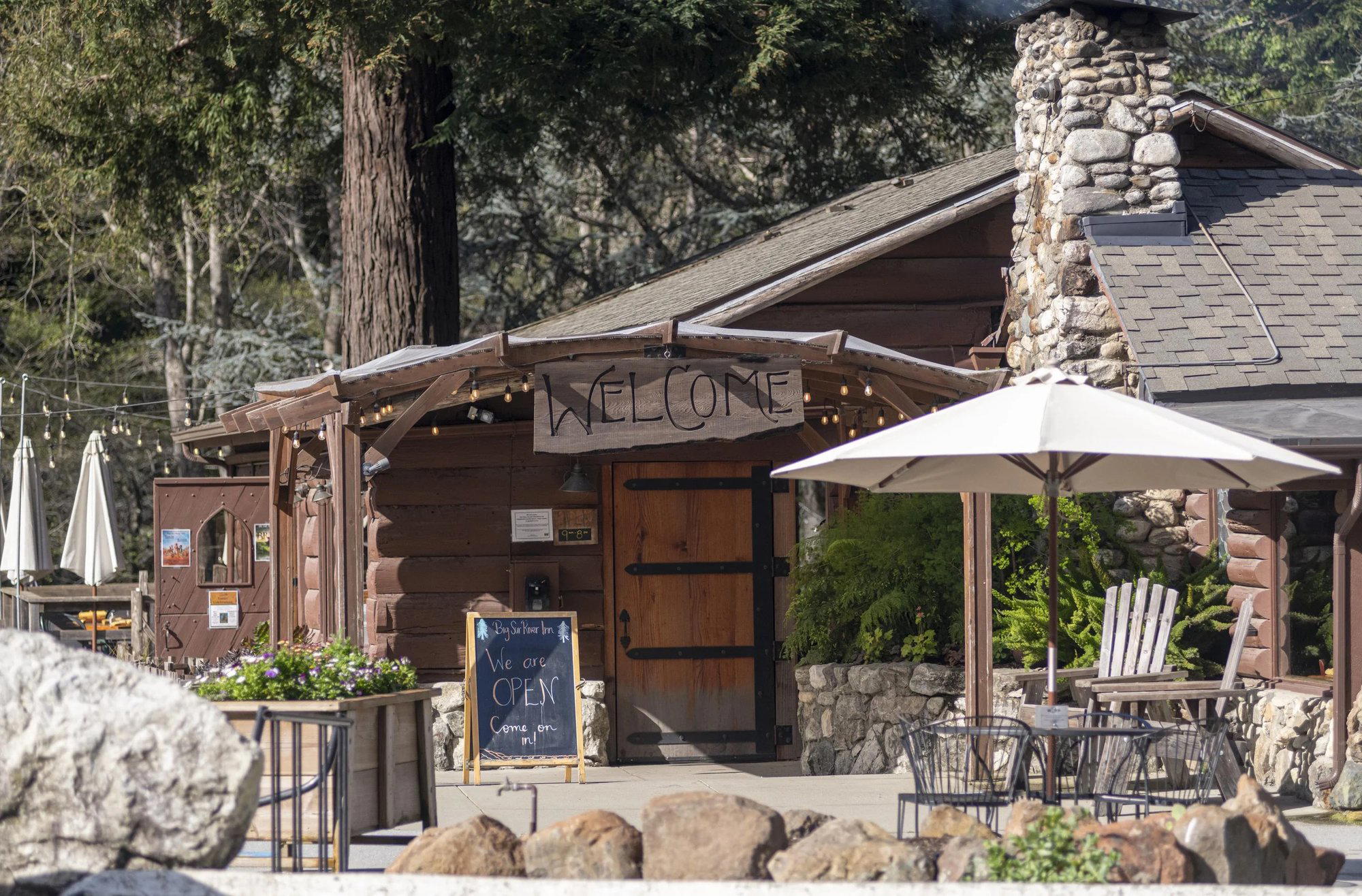
Where the River Decides the Pace
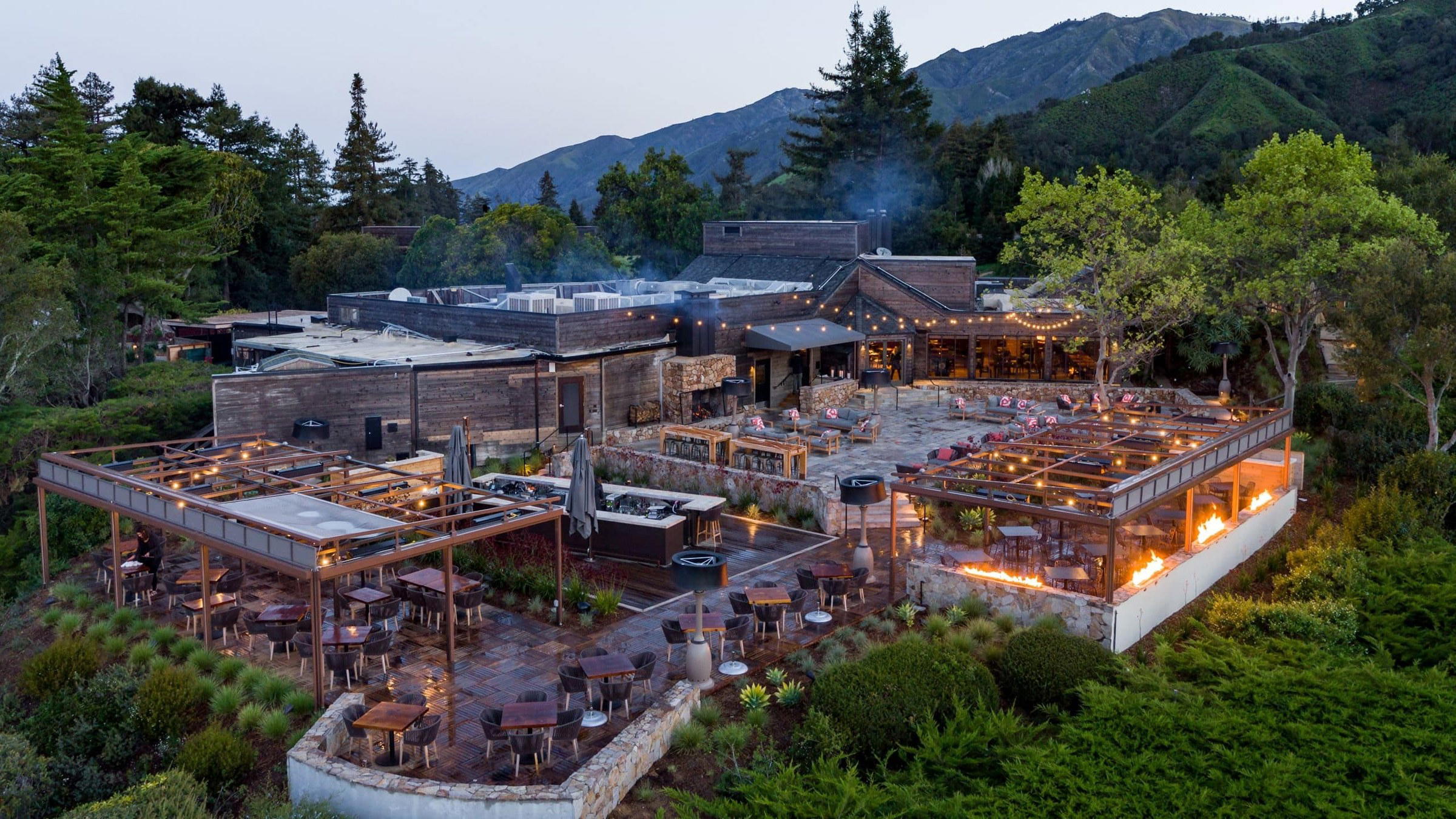
The approach along Highway 1 through Big Sur does something specific to a traveler's expectations: by the time you reach the bend at 46800 CA-1, the scenery has already done most of the work. Big Sur River Inn sits at a point where the river runs close to the road, and the outdoor seating area extends over the water on a low deck, chairs arranged so that the current is as much a part of the meal as anything on the plate. On warm afternoons, guests sit in the shallows directly in the river, a practice that has continued here for decades and functions as the most honest possible statement about the Inn's identity: this is a place organized around the outdoors, not around the dining room.
That physical setting places Big Sur River Inn in a specific tier of the Big Sur dining scene, distinct from the cliff-edge theatrics of Nepenthe and well below the coastal fine-dining register of Sierra Mar. It occupies a position closer to Big Sur Roadhouse in terms of format and price expectation, serving the kind of food that makes sense after a morning hiking the Ventana Wilderness or a long drive down from Carmel.
Sourcing Along the Coast
The logic of ingredient sourcing in Big Sur is shaped by geography before it is shaped by ideology. The region sits roughly midway between the Salinas Valley, California's most productive agricultural corridor, and the Monterey Bay, one of the Pacific's richest cold-water fisheries. Restaurants operating along this stretch of the coast have always had access to ingredients that would be considered premium anywhere else: Dungeness crab, Pacific halibut, locally grown artichokes, strawberries from Watsonville, and greens from farms that supply both the Carmel restaurant trade and the broader Bay Area market.
This sourcing geography is what separates the central coast from comparable scenic-drive dining in less agriculturally fortunate regions. Places like Single Thread Farm in Healdsburg and Blue Hill at Stone Barns in Tarrytown have built formal, award-winning programs around the proximity-to-source principle. Big Sur River Inn works within the same geographic logic at a different price tier and with considerably less ceremony. The menu reflects what is available and accessible along the coast, with an emphasis on ingredients that hold up to casual preparation and outdoor eating, where temperature and noise make precision cookery less relevant than honest, direct execution.
For travelers calibrating expectations, this is a useful distinction. The Inn does not attempt to compete with the ingredient-forward fine dining of The Sur House or with the coastal Californian refinement of Sierra Mar. The sourcing advantage here is used differently: to make simple food taste genuinely of its place, rather than to construct elaborate tasting menus that translate coastal geography into composed courses.
The Inn in the Context of California Coastal Dining
California's coastal dining culture has, over the past two decades, split into two distinct registers. One tier is formal and nationally recognized, with restaurants like Providence in Los Angeles and Addison in San Diego applying serious technical discipline to Pacific ingredients. The other tier is deliberately casual, organized around the idea that the ideal way to experience the California coast is not through a tasting menu but through a burger or a grilled fish sandwich eaten within earshot of the water.
Big Sur River Inn belongs firmly to the second register, and that positioning is a choice as much as a circumstance. The American dining tradition it operates within, the roadside inn that anchors a community while also serving travelers, has parallels elsewhere. Emeril's in New Orleans and The Inn at Little Washington in Washington represent the refined end of the inn-and-restaurant format, where the hospitality institution becomes a fine-dining destination. Big Sur River Inn represents the opposite end of that spectrum: the institution that earns its place through consistency, setting, and accessibility rather than through culinary ambition.
That accessibility has a practical dimension. On a stretch of Highway 1 where dining options are genuinely limited, the distance between restaurants is measured in miles, not blocks, a reliably open, family-appropriate venue with outdoor seating and a beer selection matters in a way it would not in a city. Travelers driving the coast who have not booked ahead, or who are traveling with children, or who simply want to stop without committing to a full dining experience, find fewer alternatives here than they would almost anywhere else in California.
Placing Big Sur River Inn Among Peers
The comparison set for Big Sur River Inn is not the nationally recognized restaurants that appear in Michelin guides or on the 50 Best lists. It is not The French Laundry in Napa, nor Lazy Bear in San Francisco, nor technically demanding tasting-menu destinations like Smyth in Chicago, Atomix in New York City, or Le Bernardin. Nor does it operate in the territory of Frasca Food and Wine in Boulder or Atelier Moessmer Norbert Niederkofler in Brunico, where sourcing philosophy has been formalized into a guiding concept.
For a full picture of where Big Sur River Inn sits relative to other options along the coast, our full Big Sur restaurants guide maps the scene from casual stops to fine-dining destinations.
Planning a Visit
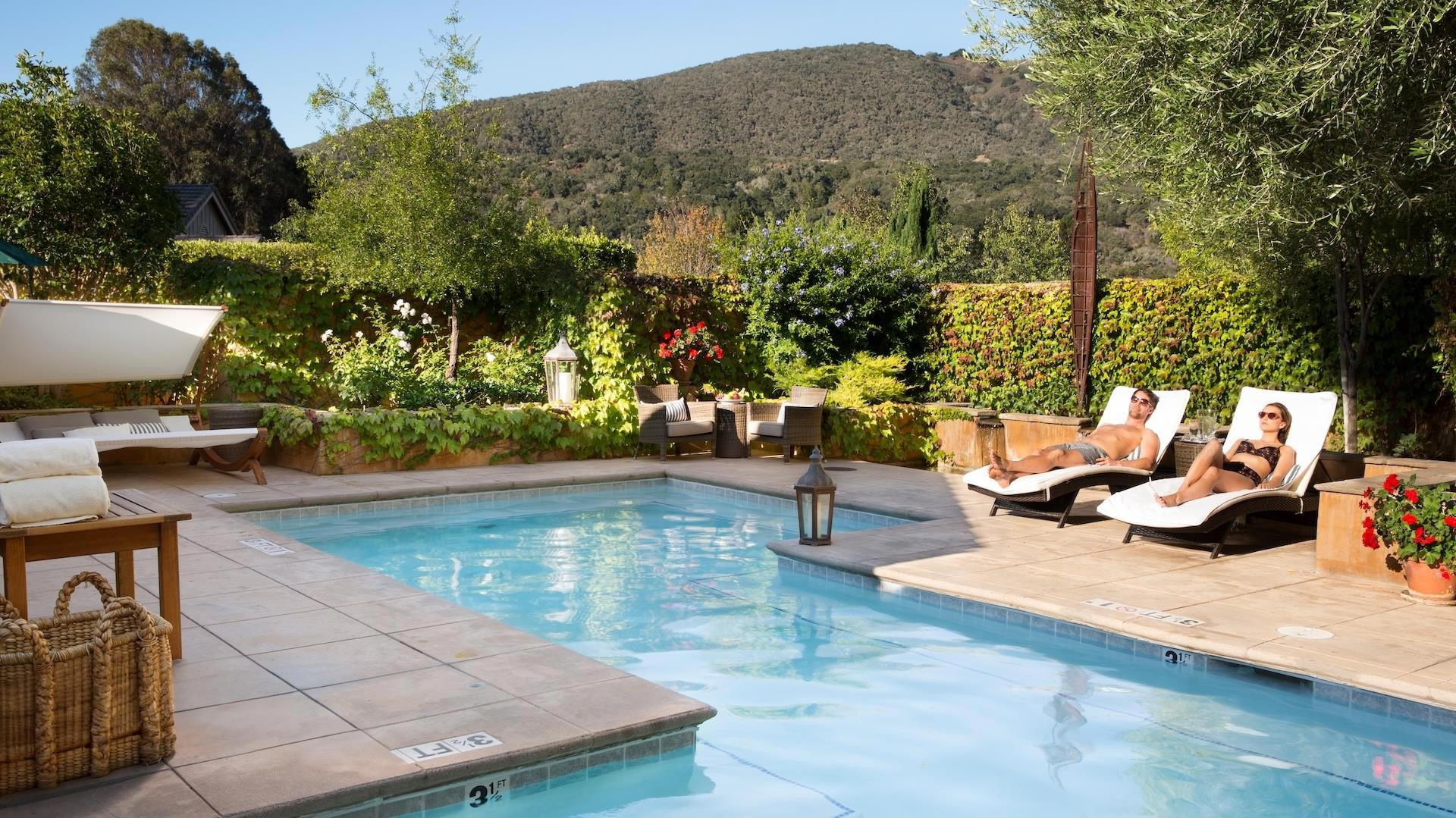
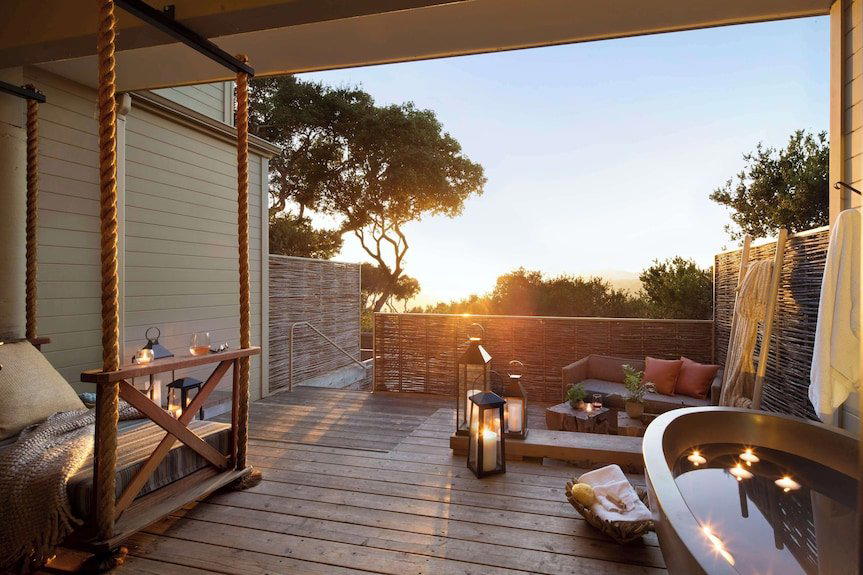
Big Sur River Inn is located at 46800 CA-1, accessible by car along Highway 1, the only practical route through this section of the coast. The highway is subject to closures during storm season and following significant rainfall events, and travelers coming from either Carmel or San Luis Obispo should check Caltrans road condition updates before driving. The Inn functions as both a hotel and a restaurant, which makes it one of the few places along this stretch where a meal can extend into an overnight stay without requiring a second booking. Given the limited dining inventory in the area, arriving mid-morning or early afternoon on a clear-weather weekend is advisable for those without reservations.
Frequently asked questions
Is Big Sur River Inn okay with children?
Big Sur River Inn's outdoor setting along the river at 46800 CA-1 makes it a practical stop for families traveling Highway 1. The open-air environment gives children room that a formal dining room would not. It is one of the more relaxed stops along this stretch of the coast.
What's the vibe at Big Sur River Inn?
The setting along the Big Sur River on CA-1 sets the tone before you walk in. This is a stop where the pace is shaped by the surroundings: moving water, redwood-filtered light, and the cadence of road travelers rather than reservation-holders. It reads as unhurried California roadside, not destination dining.
Is Big Sur River Inn a good stop during a Highway 1 road trip?
Located at 46800 CA-1 in Big Sur, California, the River Inn sits directly on the only practical driving route through this section of the coast, making it a logical midpoint stop rather than a detour. The riverside position means you can step away from the car and stay a while without committing to a formal meal. For road travelers, it occupies a different role than the region's reservation-required dining rooms.
What's the must-try dish at Big Sur River Inn?
What is documented is the location: a midcoast position between Salinas Valley produce sources and the Pacific, which shapes what California coastal kitchens in this corridor typically work with. Order what is seasonal and locally sourced.
Side-by-Side Snapshot
| Venue | Cuisine | Price | Awards | Notes |
|---|---|---|---|---|
| Big Sur River InnThis venue (the venue you are viewing) | Classic American Comfort | $20–30 | Not listed | Not listed |
| Sierra Mar | California Farm-to-Table Fine Dining | $150–200 | Michelin Plate · Star Wine List | Coastal Californian |
| Nepenthe | California American with Greek Mediterranean influences | $30–50 | World's 50 Best #34 · Star Wine List | American |
| The Sur House | Mediterranean-Inspired California Farm-to-Table | $100–150 | Not listed | Not listed |
Continue exploring
More in Big Sur
Restaurants in Big Sur
All restaurants in Big Sur →
Bars in Big Sur
Browse all →
Hotels in Big Sur
All hotels in Big Sur →
Wineries in Big Sur
Browse all →
Details
- Rustic
- Scenic
- Cozy
- Historic
- Casual Hangout
- Family
- Brunch
- Waterfront
- Historic Building
- Live Music
- Local Sourcing
- Waterfront
- A La Carte
- Vegetarian Friendly
- Vegan Options
- Gluten Free Options
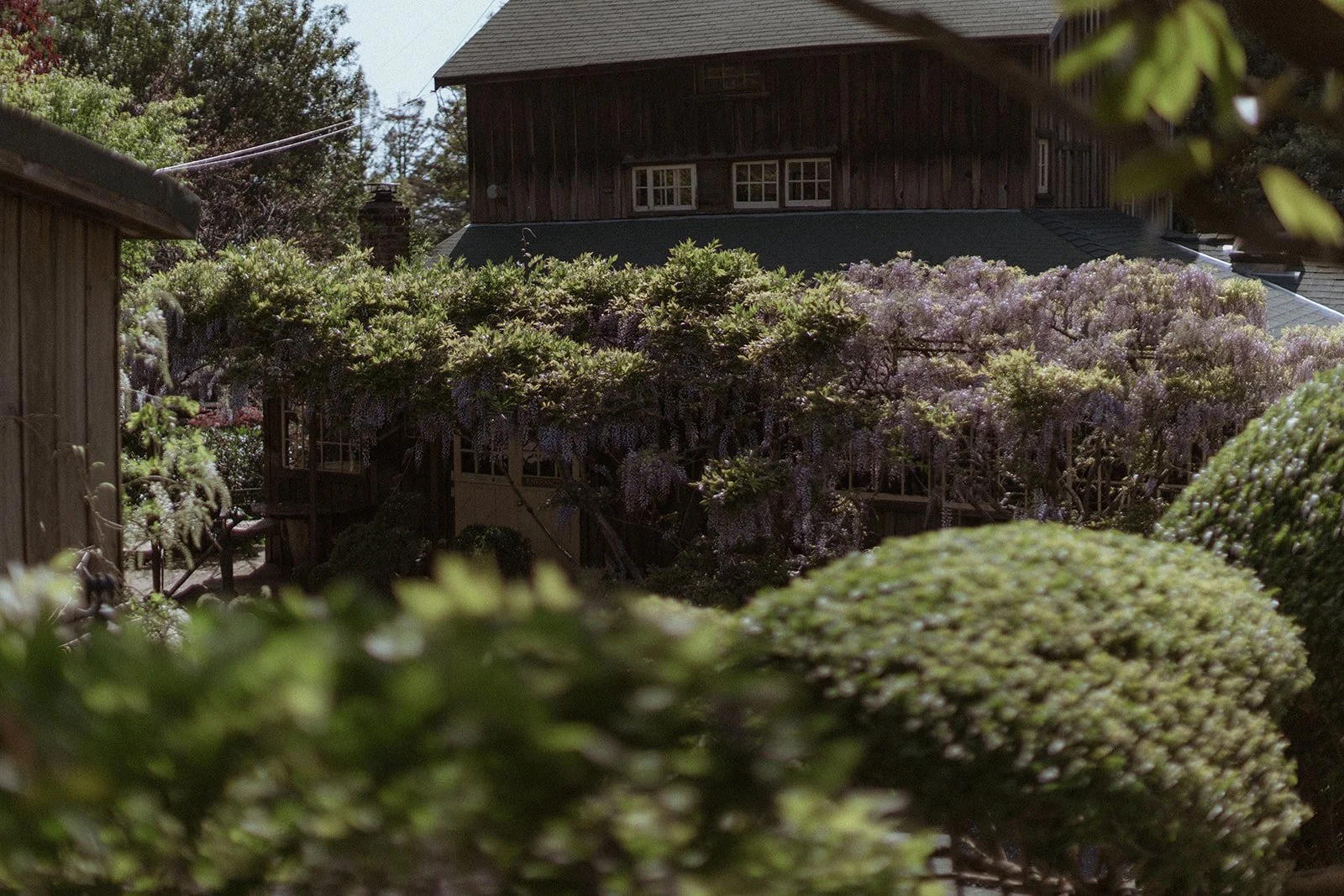
Rustic historic cabin-like dining room with warm hospitality, or relaxed outdoor seating on decks, lawn, and riverbank under redwoods.