Biesmiellah
Biesmiellah sits at the corner of Wale and Pentz Streets in Bo-Kaap, the spiritual centre of Cape Town's Cape Malay culinary tradition. The restaurant draws visitors and locals alike to one of the city's most historically layered neighbourhoods, where cooking methods and spice combinations trace back centuries to the kitchens of the Cape's Muslim community.
Pearl is the En Primeur Club membership app — saves, bookings, and concierge access live there. Same editors, same standards.
- Address
- 2 Wale St & Pentz St Bo-Kaap, Schotsche Kloof, Cape Town, 8000, South Africa
- Phone
- +27214230850
- Website
- biesmiellah.co.za
- Directions
- Get directions
 Saves & bookings on Pearl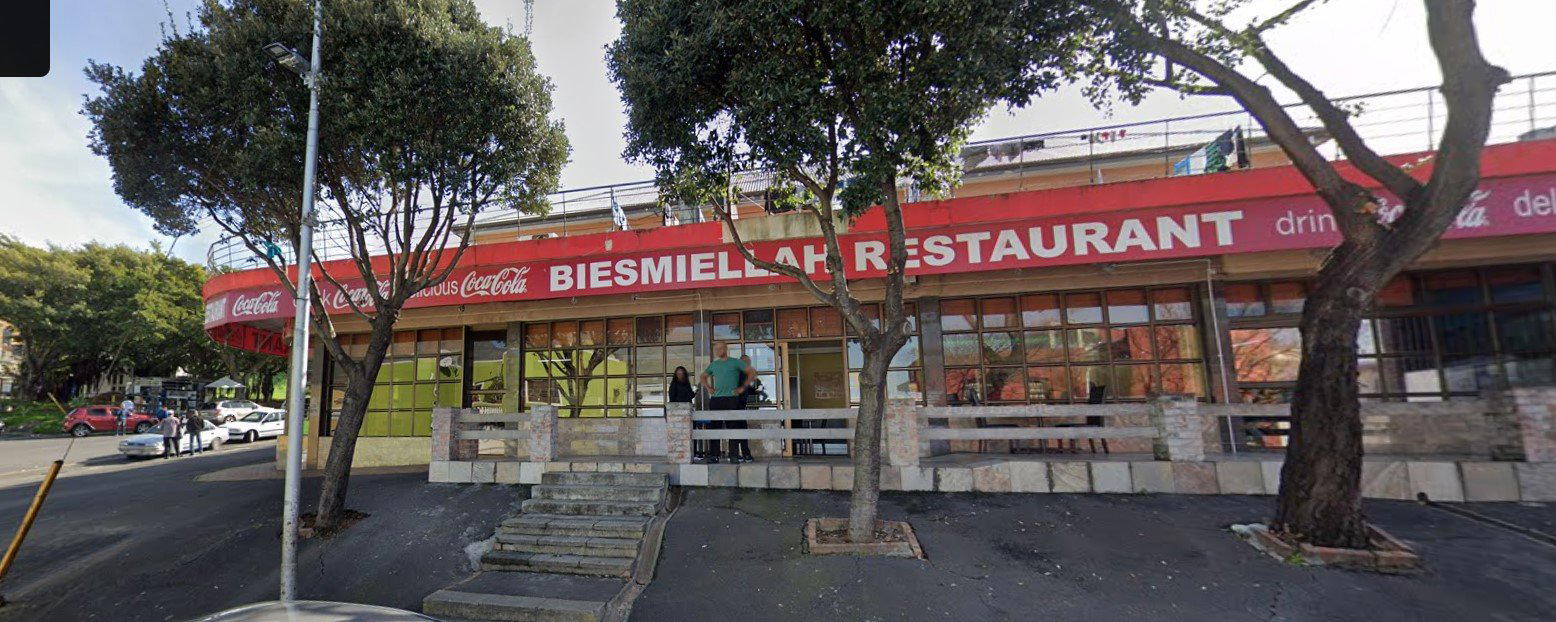
Where Bo-Kaap's Culinary History Comes to the Table
The approach to Biesmiellah tells you almost everything you need to know before you sit down. Wale Street climbs into the hillside quarter of Bo-Kaap, where the brightly painted facades and cobblestoned lanes form one of Cape Town's most recognisable streetscapes. This is not the V&A Waterfront or the dining corridor of the city centre. It is a residential neighbourhood with a 300-year culinary identity, and Biesmiellah sits at the intersection of Wale and Pentz Streets as one of its longest-standing public dining rooms.
Bo-Kaap's cooking tradition is the product of Cape Malay culture, which itself emerged from the enslaved and exiled communities brought to the Cape by the Dutch East India Company from the 17th century onwards. Those communities, from Java, Bengal, Madagascar, and elsewhere, carried spice knowledge, religious practice, and cooking technique that merged over generations into a cuisine entirely specific to this city. The result is a repertoire built on aromatic braised meats, slow-cooked curries, sambals, and sweetmeats that share lineage with South and Southeast Asian cooking but have no direct equivalent anywhere else in the world.
The Cooking Tradition Behind the Menu
Cape Malay cooking operates on principles that sit well outside the fine-dining playbook that dominates Cape Town's higher-profile restaurant conversation. There are no tasting menus or timed seatings. The format is closer to the communal home-cooking tradition from which it descends: dishes prepared in quantity, served generously, meant to be shared across a table rather than composed on a plate for individual presentation.
The spice architecture of this cuisine rewards attention. Turmeric, cardamom, coriander, fennel, and naartjie peel appear in combinations that have been refined across centuries of domestic cooking in Bo-Kaap's terraced houses. The braised lamb dishes carry a sweetness from dried fruit that has no analogue in the curries arriving at Cape Town's Indo-South African restaurants. The pickled fish, a preparation made famous by Bo-Kaap home cooks and served widely during Easter across the city, uses a vinegar-and-onion-and-spice cure that was documented in Cape kitchens as early as the 18th century.
At Biesmiellah, this tradition is the primary product. The restaurant does not frame itself against the fine-dining venues that anchor Cape Town's international reputation, places like Fyn, La Colombe, or The Test Kitchen, each of which operates in a different price tier and a different culinary register. Biesmiellah's competitive context is the lived tradition of Bo-Kaap itself, and its measure is fidelity to that tradition rather than innovation away from it.
Front-of-House as Cultural Translation
In a venue where the cooking draws on a specialist tradition not widely understood by visitors arriving from outside the neighbourhood, the service team carries unusual responsibility. The front-of-house role at Biesmiellah is partly logistical and partly educational: guiding a table through a menu built on dishes whose names, denningvleis, koesisters, bredie, are unfamiliar to most international diners, and explaining the distinctions between preparations that look superficially similar but diverge substantially in spice profile and cooking method.
This is the kind of collaborative floor dynamic that makes modest-format restaurants function above their apparent category. The cooking knowledge held in the kitchen only reaches the table effectively when the service team can translate it, not as a performance of cultural tourism, but as a direct explanation of what a dish is and why it is made that way. In Bo-Kaap, where the cuisine has been overlooked by international food media relative to Cape Town's fine-dining circuit, that explanatory role carries particular weight.
Cape Town's restaurant scene is well-documented at its upper end. Salsify at the Roundhouse and 95 at Parks attract the kind of critical attention that generates international bookings. Cape Malay cooking, by contrast, remains largely undercovered outside South African food media, which means that restaurants like Biesmiellah operate without the external validation that shapes visitor expectations for other categories. The cuisine's credibility rests on its history, not its press profile.
Bo-Kaap in Cape Town's Broader Dining Map
Cape Town's dining options now span a range that extends well beyond the city itself. Day trips to Franschhoek, where Le Quartier Français operates in the Winelands, or to the coast, where Wolfgat in Paternoster has built an international reputation on coastal foraging, have become standard itinerary points for visitors spending a week in the Western Cape. The Stellenbosch wine estate circuit, anchored by properties like Delheim Wine Estate, adds a further layer to the regional picture.
Within the city, Biesmiellah occupies a category that none of these destinations touch. The fine-dining circuit and the wine estate restaurants share a broadly European-influenced culinary grammar. Bo-Kaap's Cape Malay tradition represents historically specific local food culture in Cape Town, and Biesmiellah sits at the centre of that geography. For visitors building a complete picture of what Cape Town's food actually is, as opposed to what it has become under international influence, a meal in Bo-Kaap belongs on the itinerary.
The wider South African restaurant scene, from Foundry in Sandton to Sympathy's Restaurant in Johannesburg and Capito in Pretoria, reflects a country still in the process of assembling a coherent national dining identity from different regional traditions. Cape Malay cooking is one of the few South African culinary traditions with a fully formed historical canon, and Bo-Kaap is where it remains most intact.
Planning Your Visit
Biesmiellah is located at the corner of Wale and Pentz Streets in Bo-Kaap, a ten-minute walk uphill from the Cape Town city centre and easily reached from the De Waterkant side of the neighbourhood. The restaurant is halal, consistent with the Muslim identity of the community it serves. Arriving in person or checking current local directories is advisable before making a special trip. Bo-Kaap is also a neighbourhood worth walking: the steep lanes above Wale Street are lined with the painted houses that make this among the more photographed residential areas in South Africa, and combining a meal at Biesmiellah with an hour in the neighbourhood is a more rewarding use of time than a standalone dining visit.
For those building a broader Cape Town itinerary, For South Africa beyond the Western Cape, properties such as Silvan Safari Lodge and Londolozi Game Reserve in Kruger, or the coastal luxury of Ellerman House in Bantry Bay, represent the country's higher-end accommodation and dining tier. Further afield, coastal fine dining at Le Bernardin in New York City or collaborative tasting formats like Lazy Bear in San Francisco and Wolfgat in Saldanha Bay offer points of comparison for how different culinary traditions handle the relationship between place, produce, and cooking identity.
How It Stacks Up
Comparable venues nearby, for context on price, style, and recognition.
| Venue | Cuisine | Price | Notes |
|---|---|---|---|
| BiesmiellahThis venue — the venue you are viewing | Authentic Cape Malay | $ | Not listed |
| The Company's Garden Restaurant | South African Cafe | $$ | City Bowl |
| Bodega Ramen | Japanese Ramen Noodle Bar | $$ | Bo-Kaap |
| La Petite Tarte | French Bakery Café | $$ | Bo-Kaap |
| El Burro Greenpoint | Authentic Mexican Tapas | $$ | Schotschekloof |
| Manna Epicure | French-South African Fusion Bistro | $$ | Higgovale |
Continue exploring
More in Cape Town
Restaurants in Cape Town
Browse all →
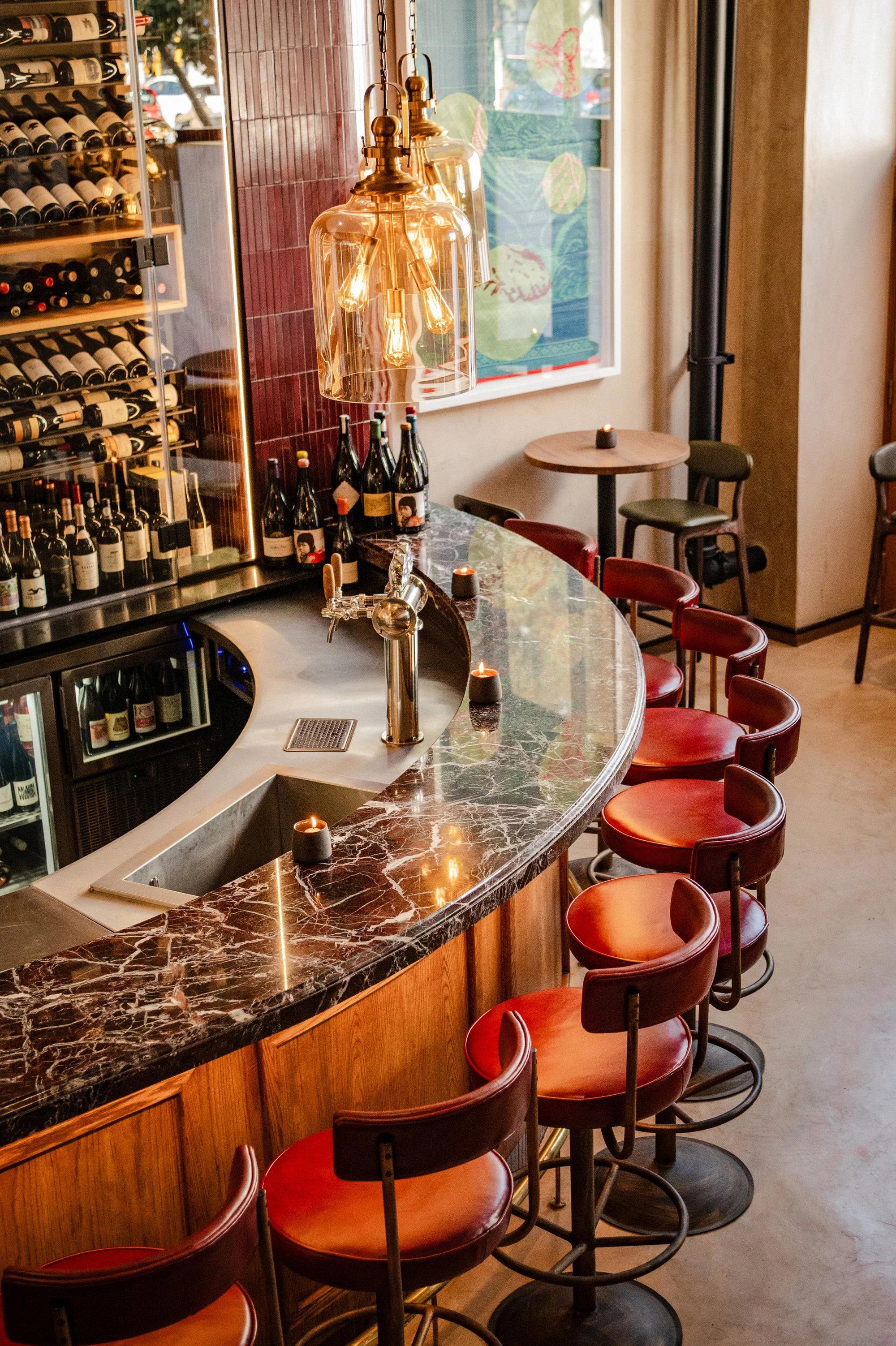
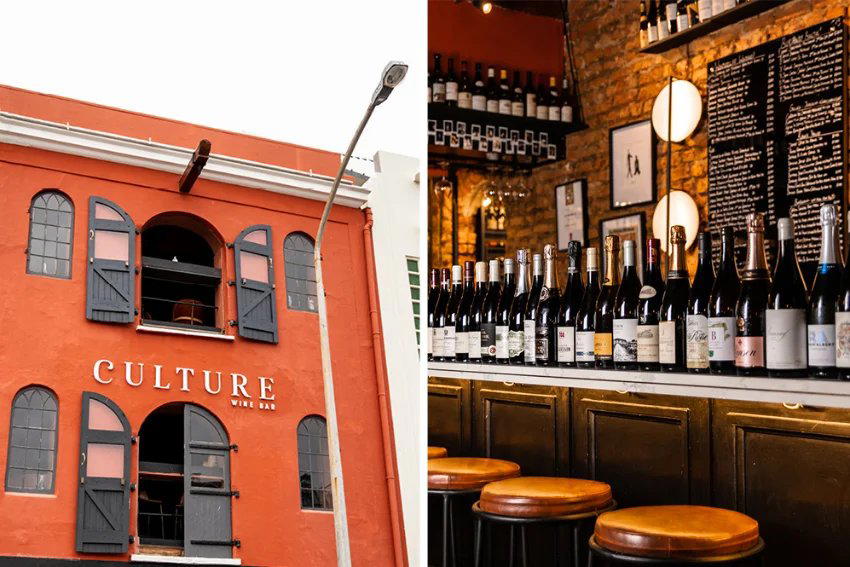
Bars in Cape Town
Browse all →
Hotels in Cape Town
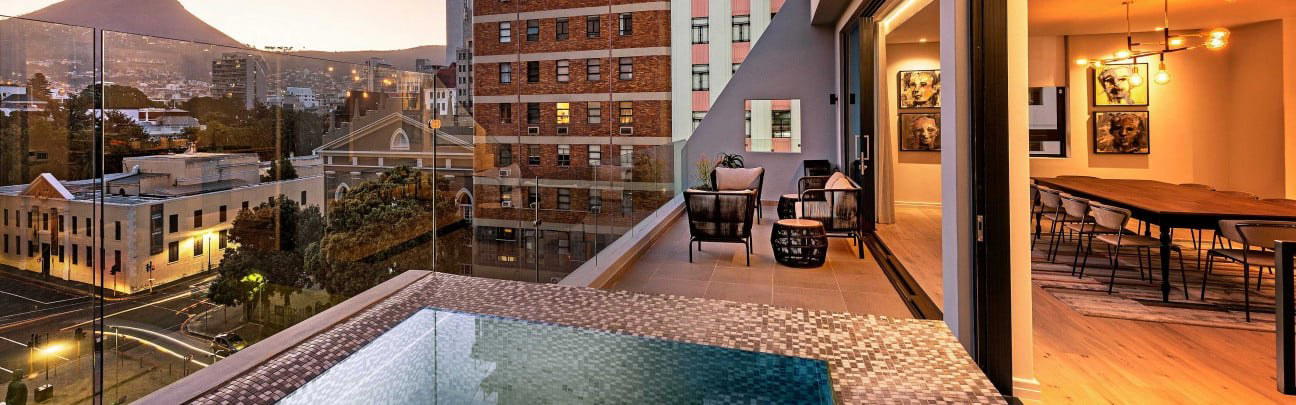
Browse all →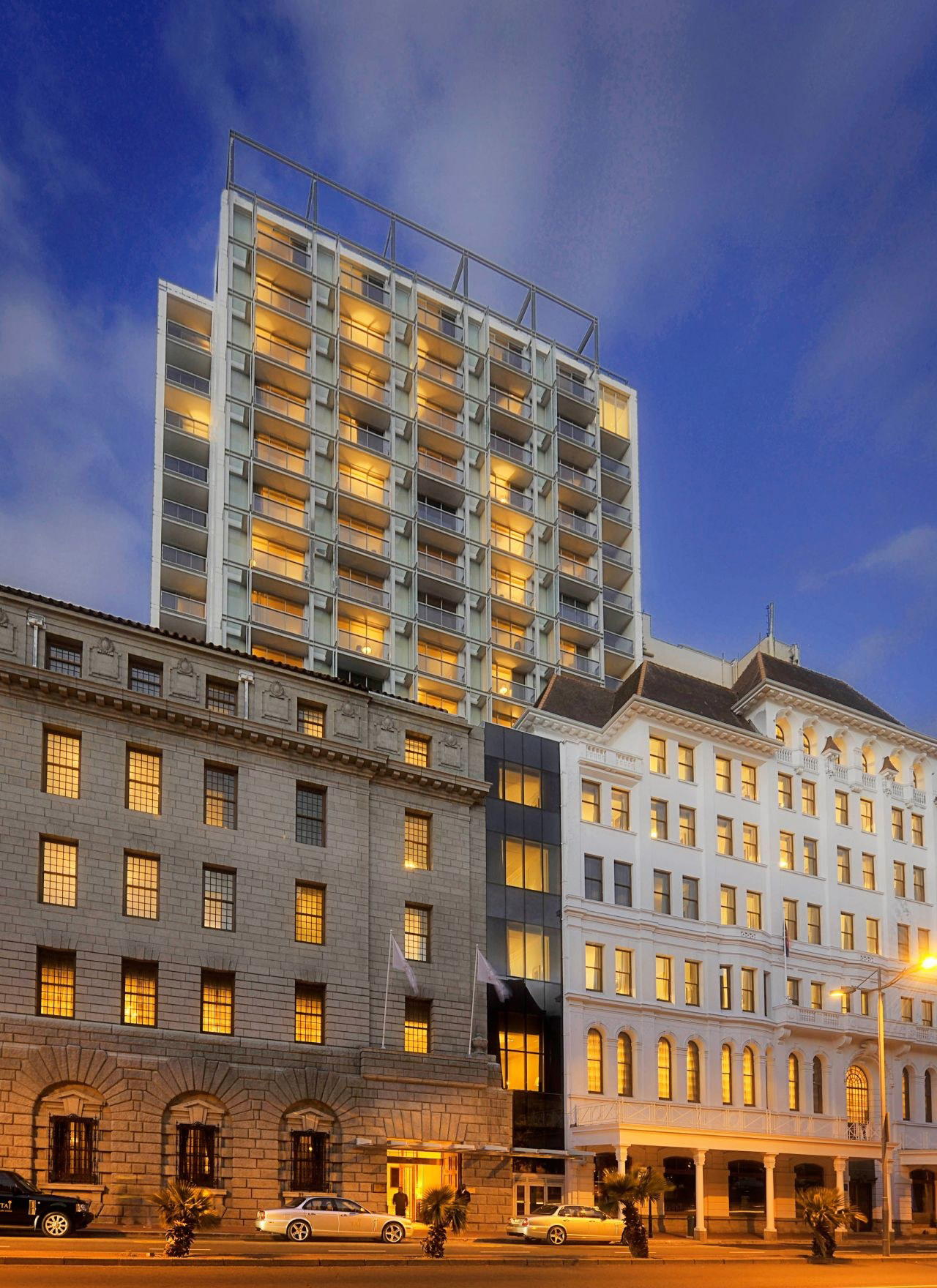
At a Glance
- Rustic
- Well Known
- Bohemian
- Casual Hangout
- Group Dining
- Family
- Historic Building
- Open Kitchen
- Local Sourcing
- Mountain
- Street Scene
Current opening hours
- Monday
- 11:30 AM–10 PM
- Tuesday
- 11:30 AM–10 PM
- Wednesday
- 11:30 AM–10 PM
- Thursday
- 11:30 AM–10 PM
- Friday
- 11:30 AM–10 PM
- Saturday
- 11:30 AM–10 PM
- Sunday
- Closed
Hours can change for holidays and private events. Last verified .
Simple, bare-bones environment with minimal décor; aromatic fragrances from the kitchen create an authentic, unpretentious atmosphere focused on food and community conversation rather than ambiance.