Berg
Our verdict
Berg sits along a rural road in Fischenthal, in the Tösstal valley east of Zurich, where Switzerland's appetite for serious dining in unexpected places has found a quiet address. The surrounding farmland and alpine pasture set the scene for food that draws directly from the region's agricultural rhythm. For travellers willing to leave the city, it represents the kind of destination that earns the drive on its own terms.

Pearl is the En Primeur Club membership app — saves, bookings, and concierge access live there. Same editors, same standards.
- Address
- Ghochstrasse 187, 8498 Fischenthal, Switzerland
- Phone
- +41449391686
- Hours
- Mon–Tue ClosedWed–Fri 10:30 AM–12 AMSat 10 AM–12 AMSun 10 AM–9 PM
- Website
- restaurant-berg.ch
- Directions
- Get directions
- Booking
- Book on the venue's website
Where the Tösstal Puts Food on the Table
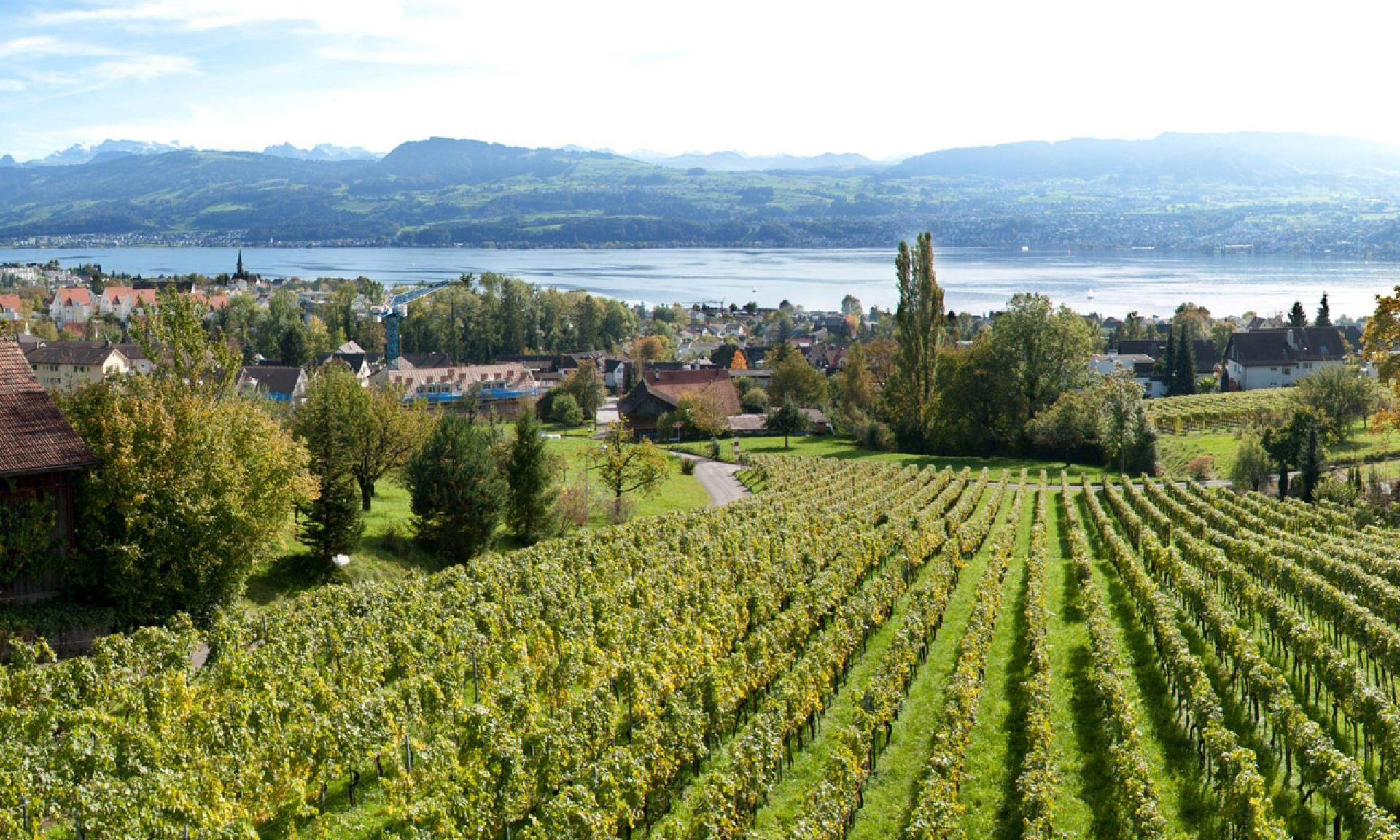
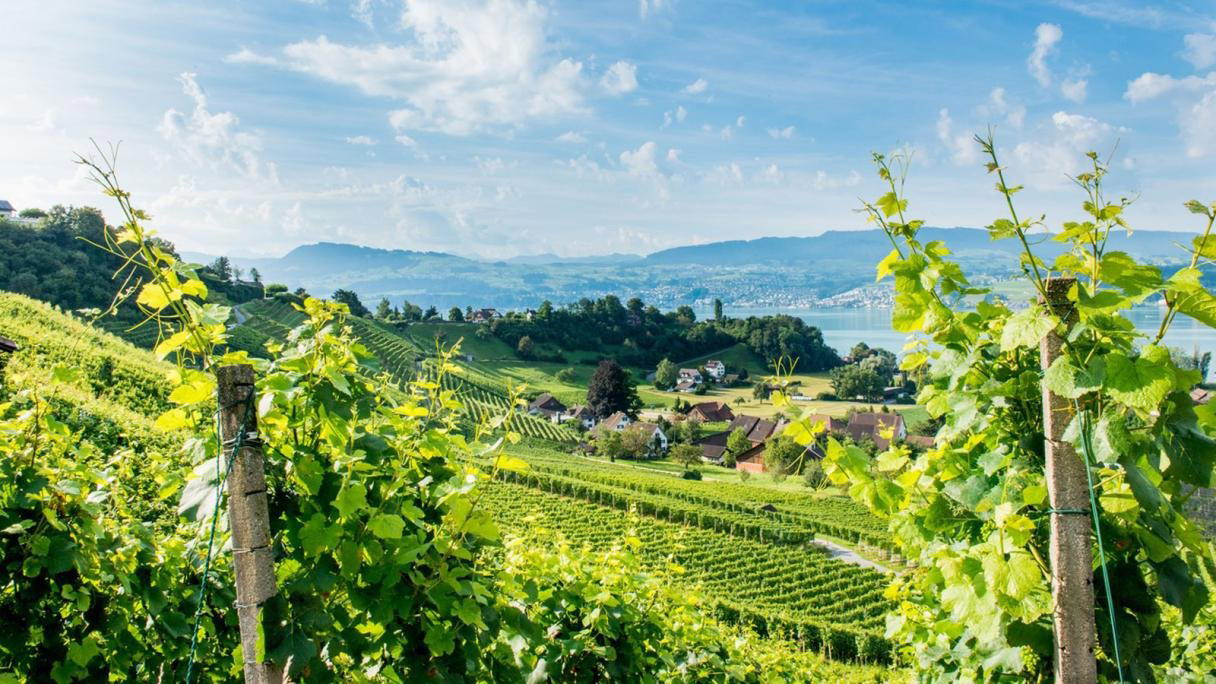
Switzerland's premium restaurant circuit tends to cluster in predictable places: lakefront cities, grand hotel dining rooms, postcard alpine resorts. The country's Michelin-mapped addresses at places like Schloss Schauenstein in Fürstenau or Memories in Bad Ragaz have long demonstrated that serious kitchens operate outside major urban centres, but the underlying logic has usually involved heritage architecture or resort infrastructure. The Tösstal valley east of Zurich offers neither. What it offers instead is working farmland, spruce-covered ridgelines, and the kind of agricultural density that makes sourcing a kitchen from the immediate surroundings more than a menu talking point.
Berg, addressed at Ghochstrasse 187 in the commune of Fischenthal near Gibswil, sits inside this geography. The approach along rural roads through the valley floor frames what kind of restaurant this is before you reach the door: not a destination constructed around imported prestige, but one that derives its reference points from the land immediately outside. This posture, increasingly adopted by serious European kitchens, places Berg in a cohort that includes alpine-vegetarian operations like Magdalena in Schwyz and farm-anchored creative addresses further afield. The common thread is a sourcing philosophy that shapes the menu from the outside in rather than the inside out.
The Sourcing Logic of Alpine Kitchens
In central Switzerland and the pre-alpine cantons, the argument for local sourcing is not abstract. The Tösstal sits within a broader zone of small-scale dairy farming, market gardening, and managed forestry that supplies a different set of ingredients than lowland Swiss agriculture. Alpine herbs, high-pasture dairy, preserved and fermented preparations built around short growing seasons: these are the raw materials that define what regional cooking in this corridor can do at its most considered.
The wider Swiss fine-dining conversation has been moving steadily toward this framing. focus ATELIER in Vitznau operates with a creative Swiss identity anchored to Lake Lucerne's immediate surroundings. Taverne zum Schäfli in Wigoltingen works within a Swiss creative register that draws on Thurgau's rural character. What these addresses share is a refusal to treat local produce as decoration on a menu built around international technique. The ingredients set the agenda; the kitchen responds. For Berg, sitting in the middle of working Tösstal farmland, that starting position is simply geographic reality.
Across the broader European scene, the kitchens that have made this argument most durably are those that build supplier relationships deep enough to control quality at the point of production rather than the point of delivery. In the Swiss context, the proximity of mountain pasture, river-valley farms, and forest forage creates conditions where a kitchen operating in genuine dialogue with its surroundings can produce something seasonally specific in a way that city restaurants sourcing from the same region cannot replicate. The address itself becomes part of the editorial argument.
Reading the Room: Atmosphere and Setting
Rural Swiss restaurant architecture tends to fall into two registers: the converted farmhouse with heavy timber and low ceilings, or the more contemporary intervention that frames the landscape through glass. Either way, the physical environment does interpretive work before food arrives. In the Tösstal, the views are of pasture and forest rather than lake or peak, which places the visual reference closer to working land than to scenic spectacle. This matters because it calibrates expectation: this is a kitchen embedded in an agricultural district, not one performing countryside as a backdrop.
The Swiss tradition of serious rural dining has precedents across the country. Maison Wenger in Le Noirmont operates in the Jura uplands at comparable remove from urban centres. Mammertsberg in Freidorf works within a farm-estate format that makes the sourcing geography physically visible to the guest. These addresses have demonstrated that the effort of travel recalibrates attention in ways that benefit kitchen and diner equally. Arriving somewhere requires a decision; a restaurant that earns that decision operates in a different register than one absorbed into a city afternoon.
Gibswil in the Wider Swiss Dining Picture
Switzerland's restaurant geography rewards map-reading. The country concentrates extraordinary kitchen talent in a small area: Hotel de Ville Crissier in Crissier, Cheval Blanc by Peter Knogl in Basel, and Einstein Gourmet in Sankt Gallen represent the urban end of a spectrum that extends outward into villages and valleys. The eastern cantons, in particular, have produced a pattern of rural fine dining that sits somewhere between destination restaurant and community anchor. Berg's position in Fischenthal places it on this axis: far enough from Zurich to require commitment, close enough that a day-trip format is plausible for city visitors.
For guests building a longer Swiss itinerary, the Tösstal connects naturally to the broader eastern Switzerland circuit that includes Da Vittorio in St. Moritz to the south and Skin's in Lenzburg to the west. The range of formats, price points, and culinary registers across this geography means that Berg does not sit in isolation but within a circuit of addresses that collectively make the case for Swiss fine dining as a geographically distributed rather than city-concentrated phenomenon. Our full Gibswil restaurants guide covers additional context for planning a visit to this part of the Tösstal.
Internationally, the model of destination dining anchored to rural sourcing has been most rigorously developed at places like Lazy Bear in San Francisco, where the relationship between procurement and menu structure is made explicit, or at ocean-anchored addresses like Le Bernardin in New York City, where supply chain integrity is treated as a culinary argument in its own right. The Swiss pre-alpine version of this logic operates at smaller scale and with a different product set, but the underlying premise is comparable: where food comes from is part of what the food means.
Additional Swiss addresses in comparable rural-creative registers include La Table du Valrose in Rougemont and The Japanese Restaurant in Andermatt, each of which operates in alpine or pre-alpine settings where the surrounding geography exerts direct pressure on menu content. La Brezza in Ascona extends the pattern into the Ticino lakefront register. Taken together, these addresses map a Swiss dining culture that is far less centralised than its Zurich or Geneva reputation suggests.
Planning a Visit
Berg's address in Fischenthal, at Ghochstrasse 187 in the 8498 postal zone, places it in a part of the Tösstal not served by major rail connections, which means private transport is the practical default for most visitors. The drive from central Zurich runs through Uster and Bauma, and the valley road into Fischenthal is direct in clear conditions, less so in winter when high-altitude Swiss roads demand appropriate vehicles. Given the rural setting and the format of kitchens operating in this category, advance planning is advisable: rural Swiss restaurants at serious price points rarely operate as walk-in addresses, and seasonal menus can shift booking availability depending on local supply conditions.
Frequently asked questions
Can I bring kids to Berg?
Berg is located in a rural residential part of Fischenthal at Ghochstrasse 187, away from urban foot traffic, which generally suits a quieter family visit. Contacting Berg directly before visiting with young children is the practical approach.
What's the overall feel of Berg?
Berg sits in the Tösstal valley outside the Swiss lakefront restaurant circuit — the setting alone signals a deliberate departure from grand hotel formality. Fischenthal is agricultural and quiet, and a restaurant at this address in the 8498 postal zone reads as a destination in itself rather than a walk-in. The atmosphere is likely grounded in the character of the pre-alpine surroundings rather than cosmopolitan polish.
Is Berg in Fischenthal worth the drive from Zurich?
Fischenthal sits in the Tösstal roughly southeast of Zurich in the Zürcher Oberland, a region that sees far less dining press than the city's lakefront or the Graubünden resort circuit. Berg's address at Ghochstrasse 187 places it outside any walkable town centre, making a car the practical necessity. For travellers already drawn to rural Swiss cooking rather than Michelin-flagged urban counters, the remoteness is the point rather than the obstacle.
What's the best thing to order at Berg?
Restaurants operating in the Tösstal and broader Zürcher Oberland region typically draw on local dairy, seasonal produce, and regional meats — a pattern consistent with pre-alpine Swiss kitchen logic.
Where exactly is Berg?
Berg is located at Ghochstrasse 187, 8498 Fischenthal, Switzerland, Gibswil.
Should I book Berg in advance?
Berg's location in Fischenthal, a rural commune not served by major rail connections, means it draws a deliberate, destination-minded clientele rather than passing trade. That dynamic tends to put pressure on covers, particularly at weekends.
In Context: Similar Options
| Venue | Cuisine | Price | Awards | Notes |
|---|---|---|---|---|
| BergThis venue — the venue you are viewing | Italian and Swiss | Not listed | Not listed | Not listed |
| Schloss Schauenstein | Creative Swiss Country Fine Dining | $300–500 | 3 Michelin Stars · World's 50 Best #52 | Modern European, Creative |
| Memories | Modern Swiss Alpine Cuisine | $300–500 | 3 Michelin Stars · La Liste Top Restaurants | Modern Swiss |
| focus ATELIER | Modern French Fine Dining | $200–300 | 2 Michelin Stars · La Liste Top Restaurants | Modern Swiss, Creative |
| Taverne zum Schäfli | Classic French Fine Dining with Creative Accents | $200–300 | 2 Michelin Stars · La Liste Top Restaurants | Swiss, Creative |
| Magdalena | Modern Vegetarian Fine Dining | $200–300 | 2 Michelin Stars · La Liste Top Restaurants | Alpine-Vegetarian, Modern Cuisine |

Continue exploring
More in Gibswil
Restaurants in Gibswil
Browse all →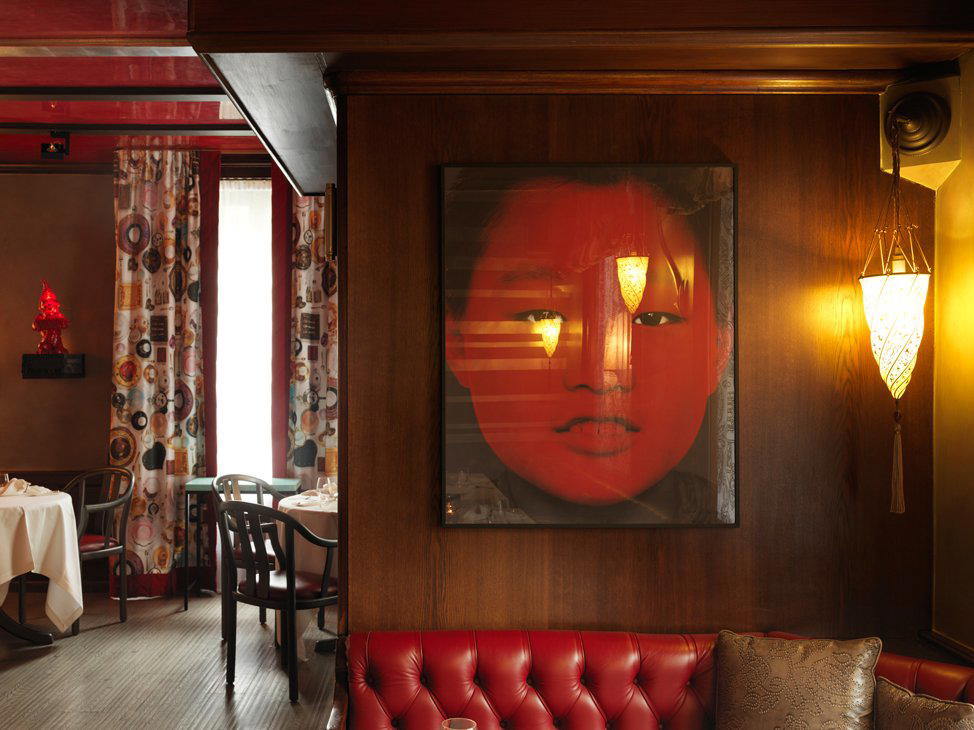
Bars in Gibswil
Browse all →
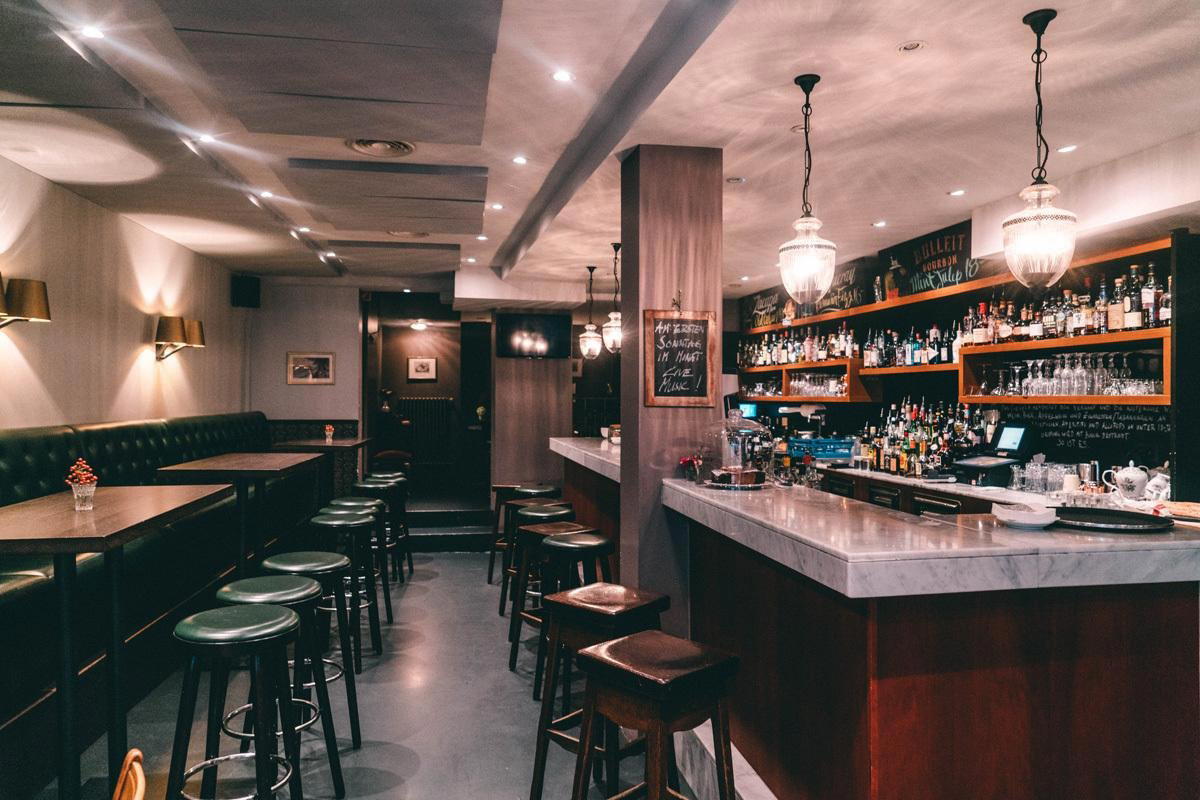
Hotels in Gibswil
Browse all →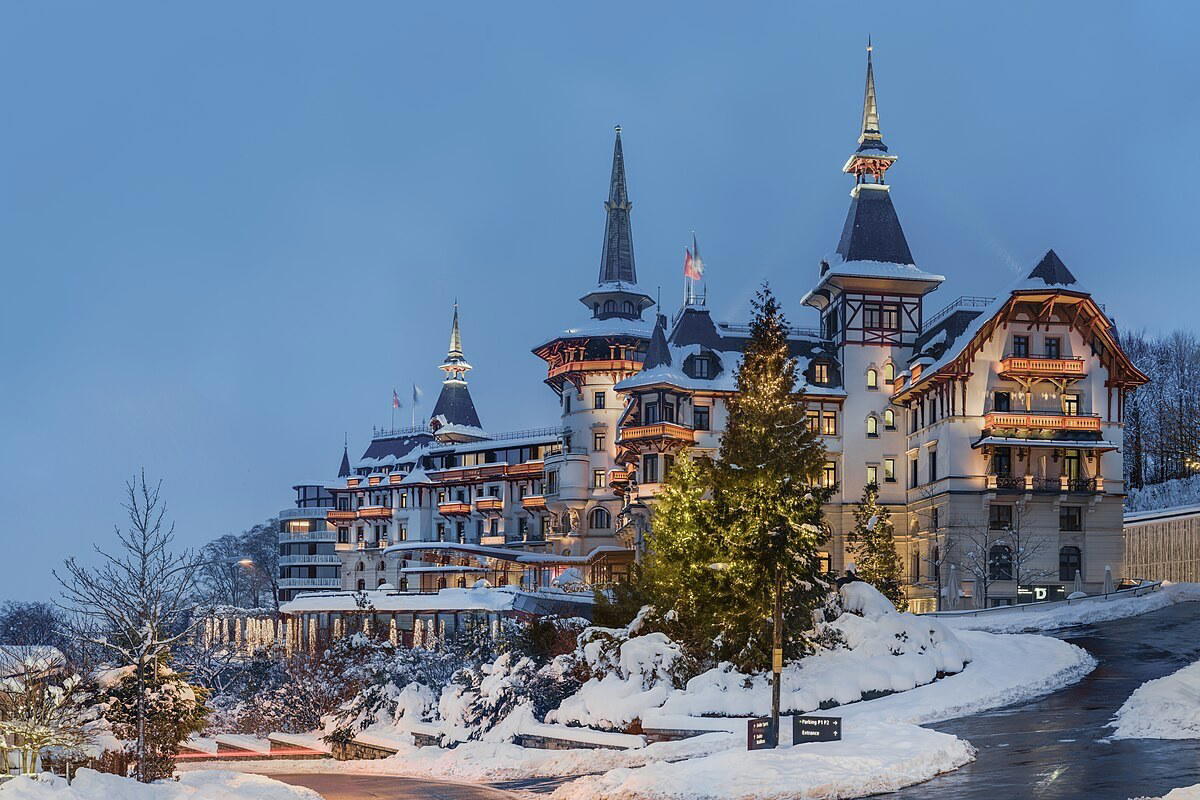

Details
- Cozy
- Modern
- Scenic
- Date Night
- Family
- Terrace
- Open Kitchen
- Extensive Wine List
- Mountain
- A La Carte
- Vegetarian Friendly
Current opening hours
- Monday
- Closed
- Tuesday
- Closed
- Wednesday
- 10:30 AM–12 AM
- Thursday
- 10:30 AM–12 AM
- Friday
- 10:30 AM–12 AM
- Saturday
- 10 AM–12 AM
- Sunday
- 10 AM–9 PM
Hours can change for holidays and private events. Last verified .
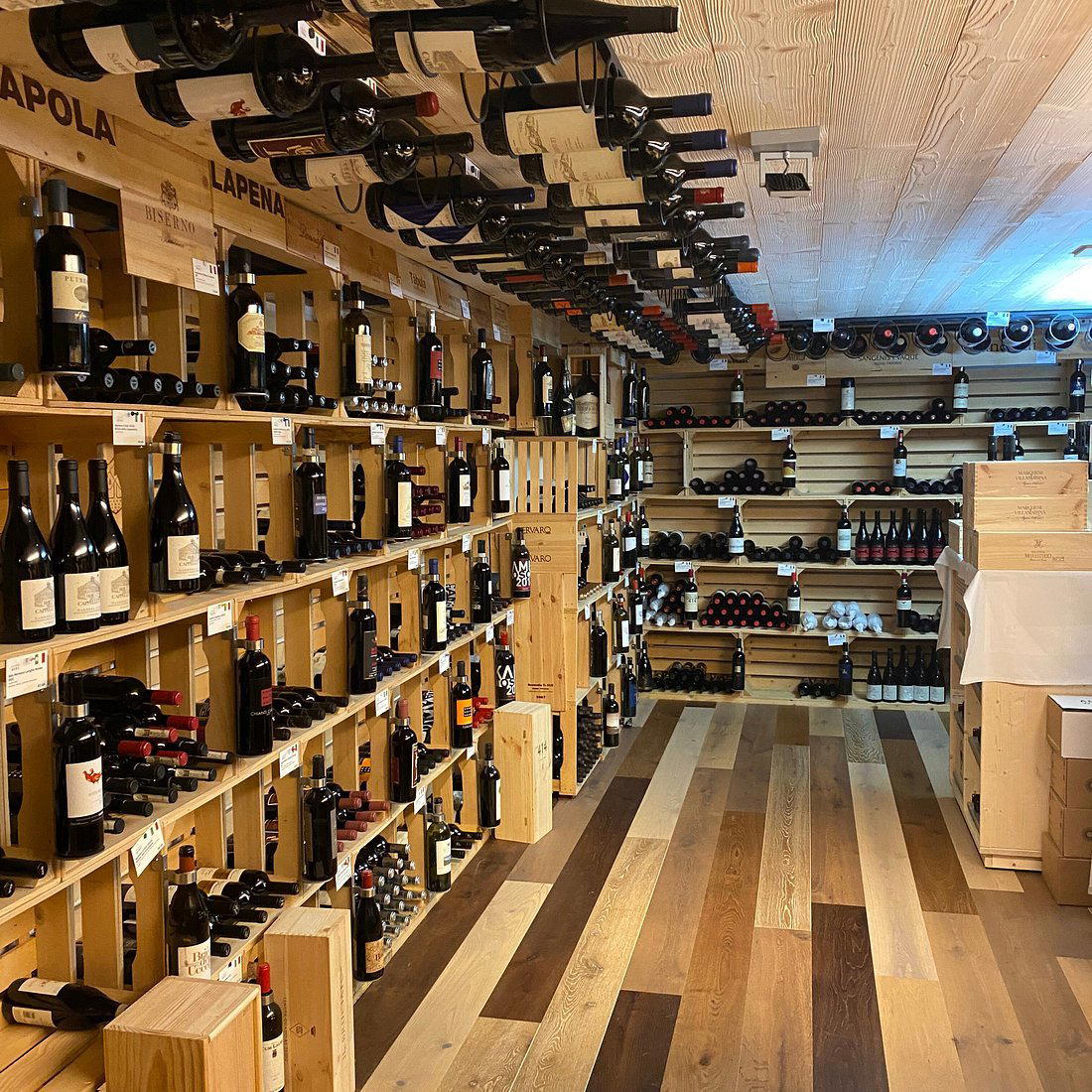
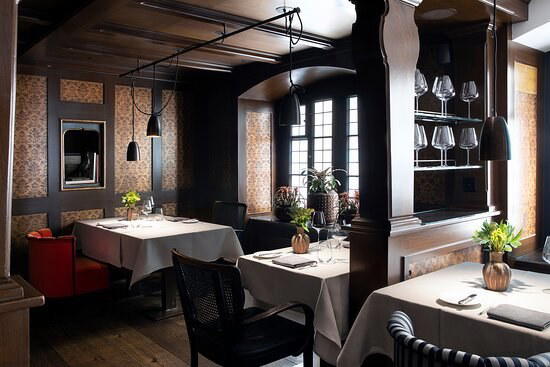
Discreet modern wood interior with beautiful lighting and cozy, inviting atmosphere.