← Guides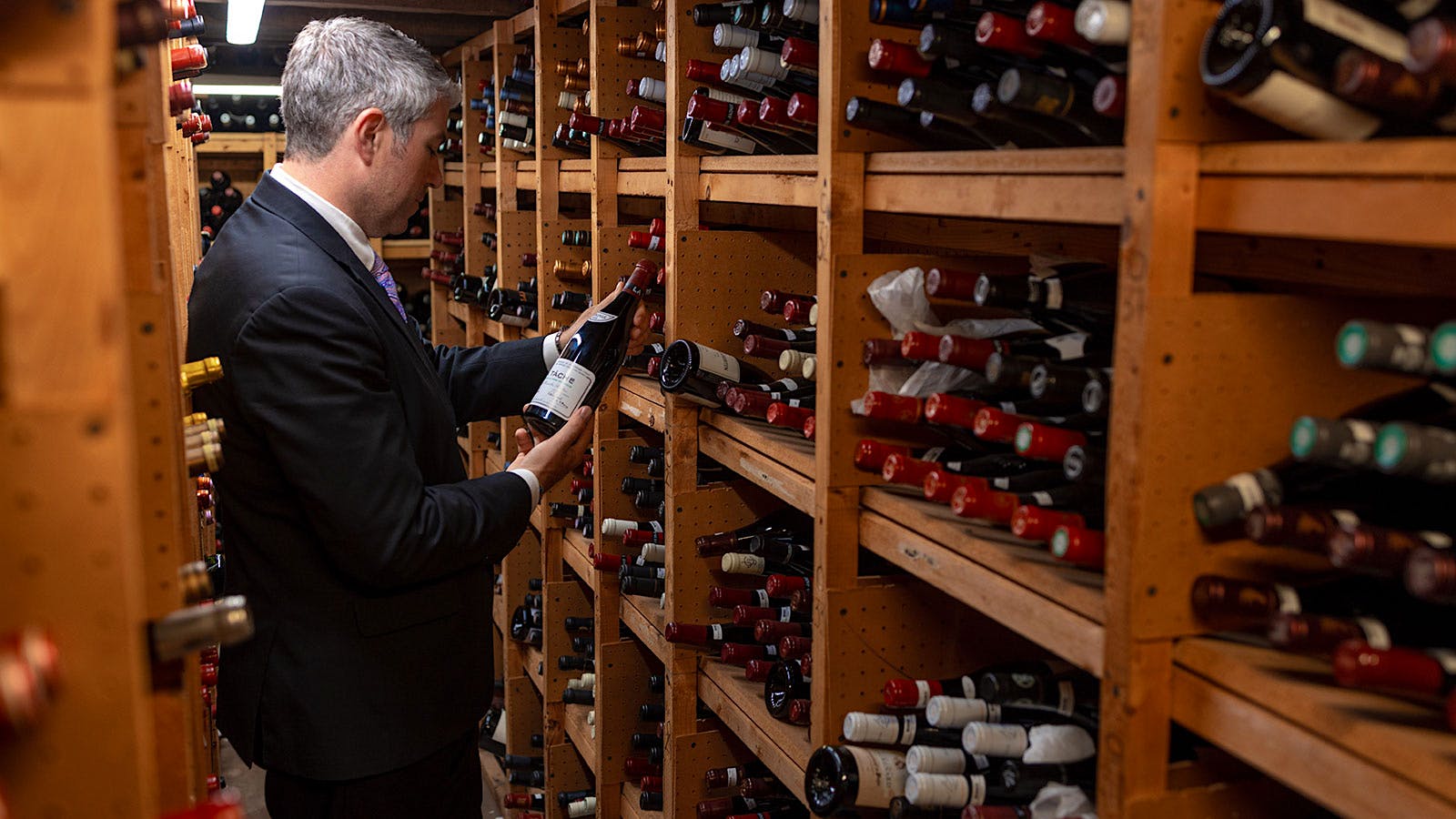
Wigs, a modified overcoat, and two bottles of DRC worth $31,000, the L'Auberge Provençale wine theft ends in a guilty plea, but the provenance damage may be permanent.
Wigs, a modified overcoat, and two bottles of DRC worth $31,000, the L'Auberge Provençale wine theft ends in a guilty plea, but the provenance damage may be permanent.
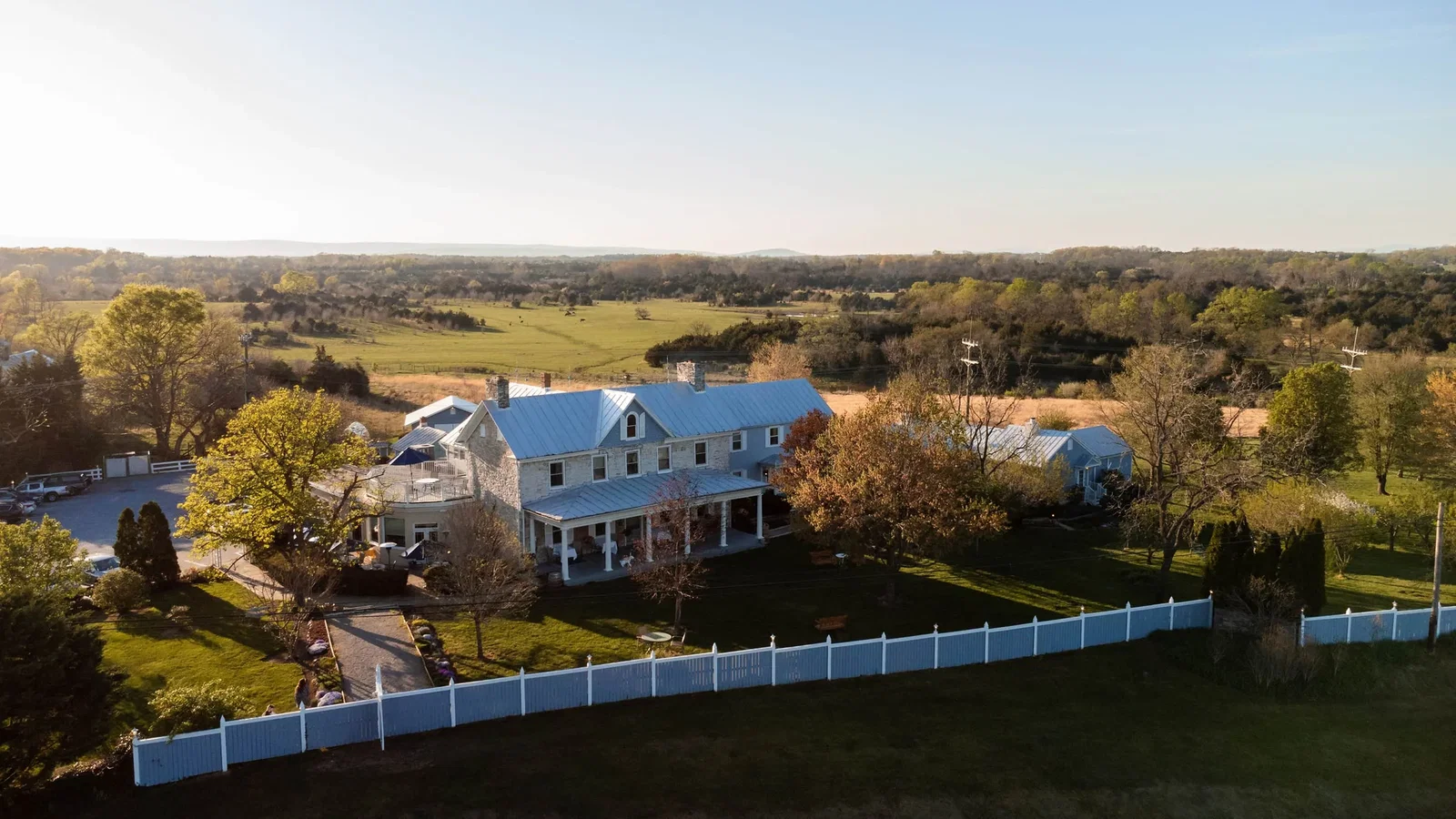
In November 2025, a man walked into L'Auberge Provençale in White Post, Virginia, wearing a wig and an overcoat fitted with specially modified interior pockets. He walked out with a 2020 Romanée Conti valued at US$24,000 and a 2019 Richebourg valued at around US$7,000, both from Domaine de la Romanée-Conti in Burgundy. The L'Auberge Provençale wine theft, as it has since become known, took 145 days, a guilty plea, and an international fugitive to partially unravel. The bottles came back. The value, almost certainly, did not.
The operation had the hallmarks of something planned well in advance. Natali Ray, a 57-year-old British woman, arrived at L'Auberge Provençale using the alias 'Stephanie Jacobs', claiming to represent a Canadian finance executive interested in hosting a high-end private dinner. The cover story was credible enough to earn the pair a cellar tour, exactly what they needed.
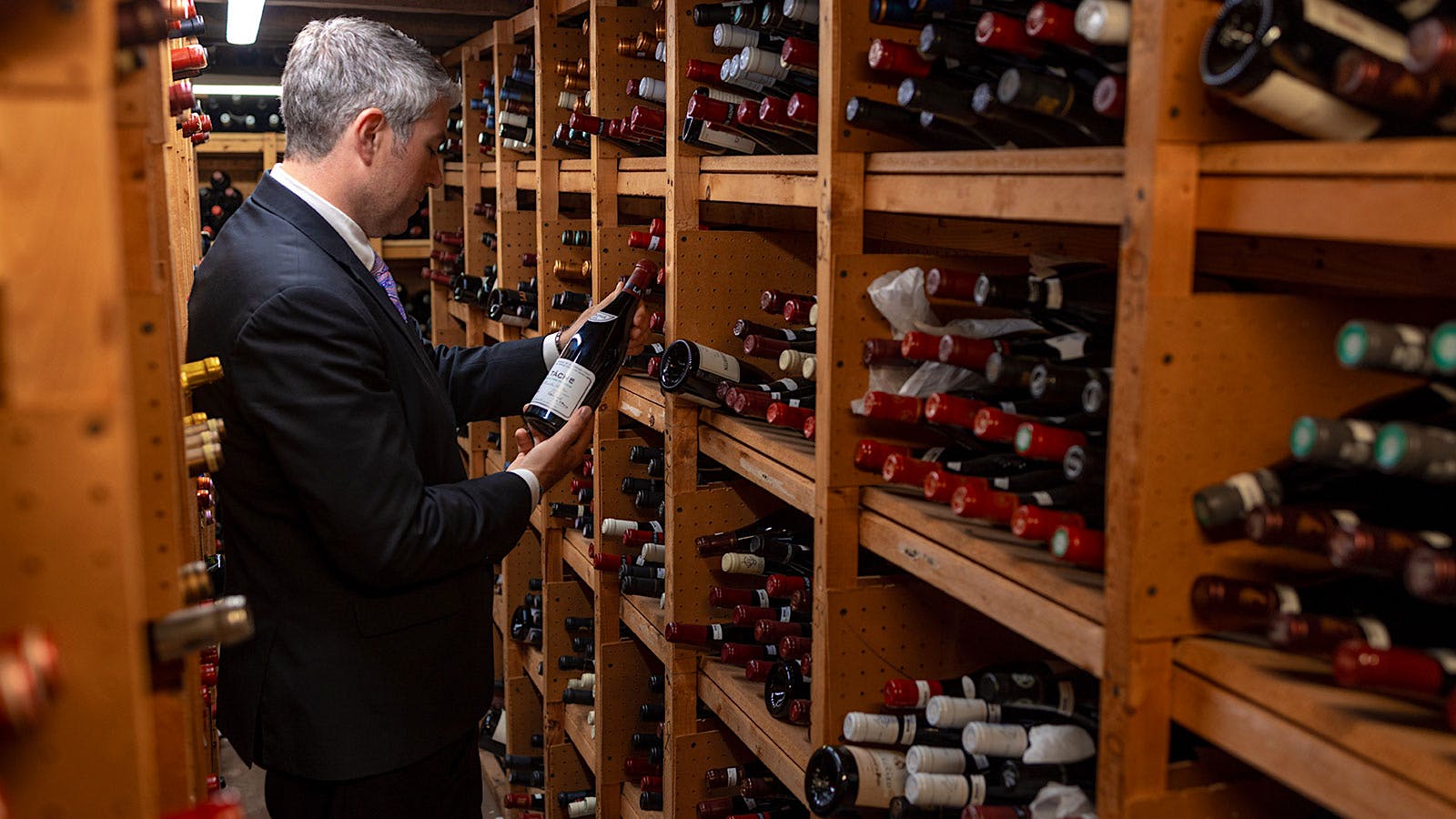
While staff walked them through the restaurant's wine holdings, Ray's co-suspect, Serbian national Nikola Krndija, allegedly used the access to pocket two of the cellar's most valuable bottles, concealing them inside the specially sewn compartments of his overcoat. Surveillance footage later placed both suspects inside the cellar. Wigs and disguises, according to prosecutors, were part of the plan from the start.
When the theft was discovered, a chase followed. Ray was detained. Krndija allegedly reached a getaway vehicle and boarded a flight to Vienna. As of sentencing, he remains a fugitive.
Ray's defence lawyer later described the episode to the court as resembling 'an episode of Scooby Doo', citing the wigs, the specially sewn coats, and the bottles' eventual mysterious reappearance. Judge Alexander R Iden was less amused. He sentenced Ray to 12 months in jail, with credit for time already served, after she pleaded guilty to grand larceny, possession of burglary tools, and defrauding a restaurant or inn.
The defence had argued that Ray had no prior criminal record, and highlighted her background in education, theatre work, and literary translation, as well as ongoing treatment for a rare blood cancer. None of it was enough to avoid a custodial sentence.
For 145 days, the two bottles were simply gone. Then, shortly before Ray's sentencing, they resurfaced, delivered anonymously to a public defender's office by an unidentified man reportedly speaking with an Eastern European accent. From there, they were passed to Ray's son and returned to investigators.
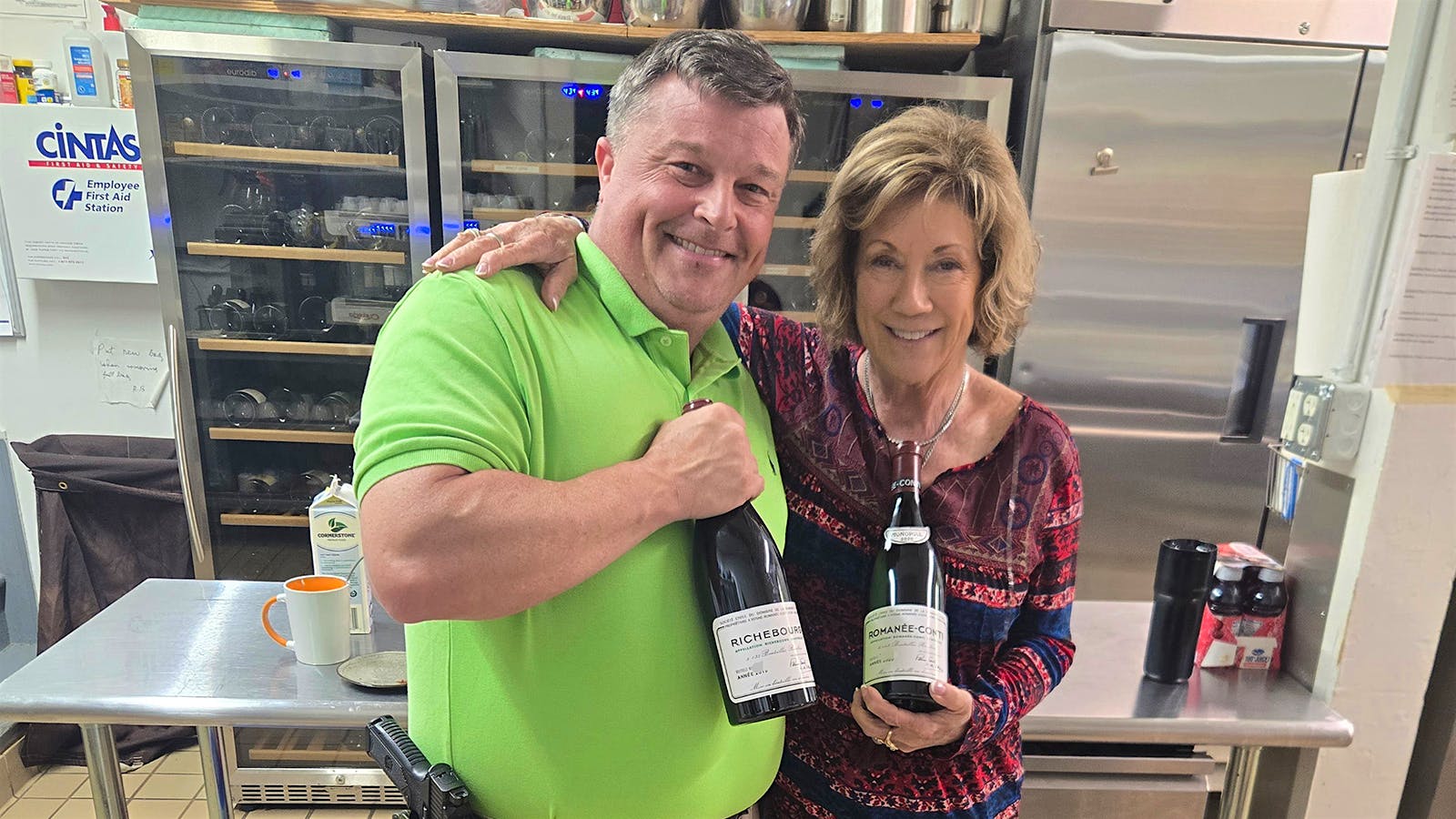
The timing was not lost on anyone in the courtroom. Whether the return was intended as a gesture of remorse, a tactical move ahead of sentencing, or something else entirely is not clear. What is clear is that the bottles' reappearance raised as many questions as it answered.
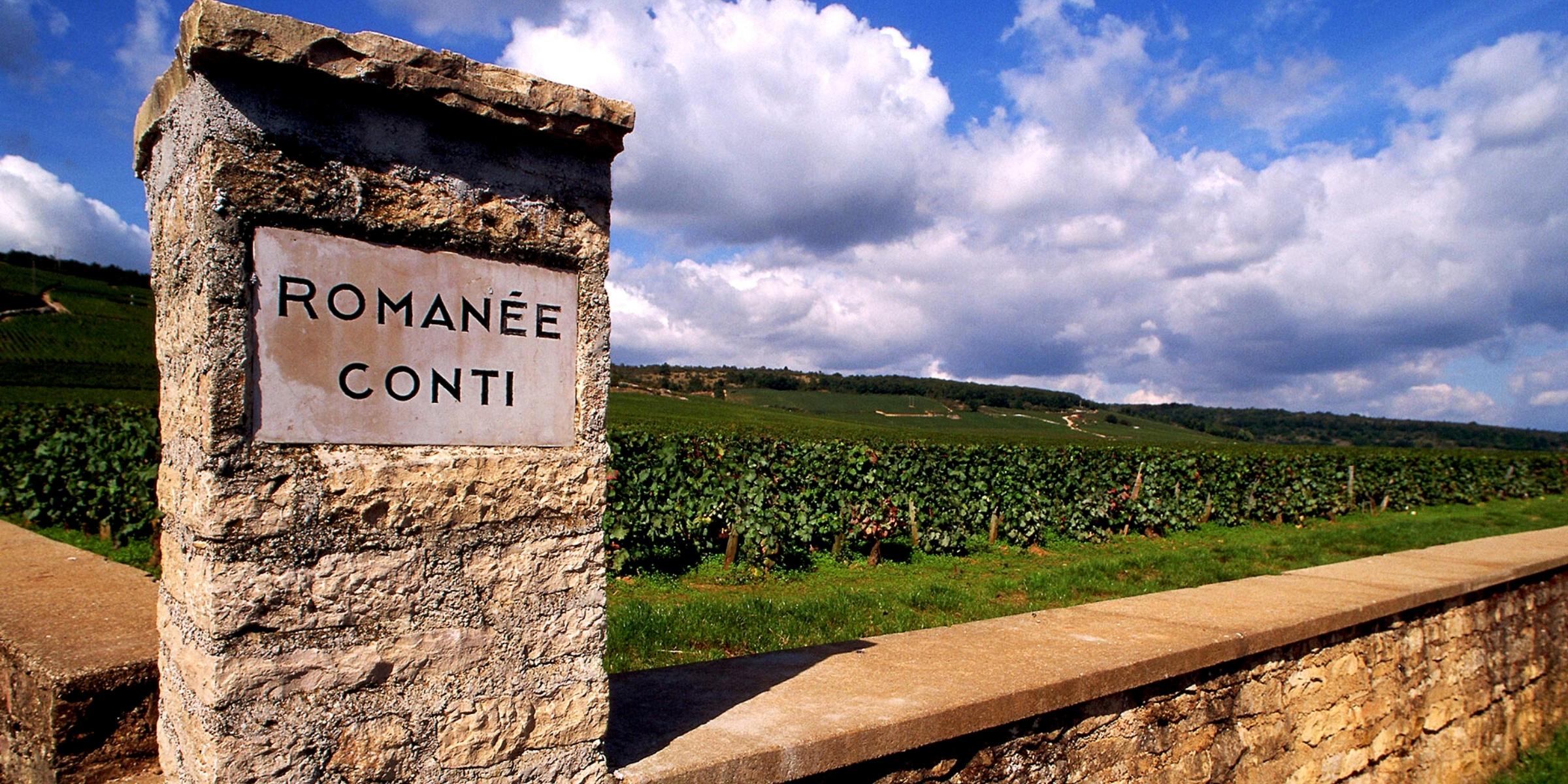
The wines themselves, a 2020 Romanée Conti and a 2019 Richebourg, both from Domaine de la Romanée-Conti, are among the more sought-after bottles produced anywhere in the world. DRC's grand cru holdings in the Côte de Nuits yield some of the smallest allocations in Burgundy; the domaine's rarest cuvées run to fewer than 500 cases in a given vintage, and individual bottles rarely appear outside auction houses, private sales, or the cellars of restaurants willing to carry them at full retail. L'Auberge Provençale was one of those restaurants.
The 2020 vintage in Burgundy ran warm and dry, pushing ripeness while preserving the aromatic precision that defines the Côte de Nuits at its best, a growing season that left its mark on every bottle from the appellation.
A 2020 Romanée Conti, from the 1.8-hectare monopole at the heart of Vosne-Romanée, carries the weight of that terroir: Pinot Noir from old vines on a slope of Jurassic limestone and clay, vinified with the kind of restraint that allows decades of development in bottle.
At US$24,000, the Borels' bottle was not a trophy purchase, it was a serious investment in a wine that, under ideal conditions, would only have appreciated.
The 2019 Richebourg, at around US$7,000, sits in the same rarefied tier. Richebourg's 8-hectare grand cru borders Romanée-Conti to the north, and DRC's parcel within it produces a wine of greater volume and darker fruit than the monopole, but no less pedigree. Together, the two bottles represented a combined value of approximately US$31,000 before the theft. After 145 days of unverifiable storage, that figure is now theoretical at best.
This is where the L'Auberge Provençale wine theft moves from a criminal curiosity into a collector's cautionary tale. Physical recovery, it turns out, is not the same as financial recovery, not when the wines in question are DRC.
Alain Borel put it plainly to The Washington Post: 'Nobody is going to pay US$24,000 not knowing how the wine was kept.' His co-owner and partner Celeste Borel framed it differently but with equal precision: 'It's like not knowing the chain of custody for evidence.'
Both statements go to the same problem. Fine wine at this price point is not just a liquid, it is a documented object. Its value depends on a continuous, verifiable record of storage conditions: temperature, humidity, light exposure, vibration. A bottle of 2020 Romanée Conti that has spent five months in an unknown environment, a car boot, a storage unit, a flat in Vienna, or somewhere in between, cannot be authenticated in any meaningful sense. No auction house will accept it without provenance documentation. No serious collector will pay full price for it. No insurer will cover it at its pre-theft valuation.
The Borels also raised the possibility of tampering, a concern that, once voiced, cannot be easily dismissed. DRC capsules and labels are not impossible to replicate for someone with the right resources and motivation. The bottles' journey through an anonymous intermediary, a public defender's office, and Ray's son before reaching investigators does nothing to shorten that chain of uncertainty.
For the restaurant, the practical outcome is stark. The bottles are back on the premises, but they cannot be sold at anything approaching their pre-theft value. The Borels are facing a loss that a guilty plea and a 12-month sentence do nothing to repair.
The L'Auberge Provençale wine theft is not an isolated incident. As reporting from The Drinks Business has noted, targeted thefts of high-value Burgundy from restaurants and private cellars have become a documented pattern. The mechanics vary, smash-and-grab raids, inside jobs, social-engineering approaches like the one used here, but the targets are consistent: DRC, Rousseau, Leroy, Leflaive. Bottles that are small in production, high in value, and liquid enough to move through informal channels without attracting immediate scrutiny.
The Virginia case is notable for its sophistication. The alias, the cover story, the cellar tour, the modified overcoat, the getaway flight to Vienna, this was not opportunistic. Someone understood that a restaurant cellar, unlike a private collector's vault, operates on hospitality logic: the default posture is trust, not suspicion. A plausible story about a Canadian finance executive hosting a dinner is exactly the kind of approach that works precisely because it is designed to work.
For restaurant owners carrying trophy Burgundy, the case raises practical questions about cellar access protocols. A tour that includes particularly valuable bottles in the house, without a staff member maintaining line-of-sight throughout, is a vulnerability. It is also, in most fine dining contexts, simply how hospitality works. The tension between openness and security is not easily resolved when the product being protected is both the attraction and the target.
For collectors, the provenance dimension is the more pressing lesson. The Borels' situation illustrates what happens when chain-of-custody breaks down for even a few months. Any bottle of DRC that passes through an unverifiable period of storage, whether through theft, improper transport, or a gap in cellar records, loses a portion of its market value that no court ruling can restore. Auction houses including Christie's and Sotheby's require documented provenance for consignments of this calibre; a bottle that cannot account for five months of its existence will not clear that bar.
Virginia's fine dining scene has quietly built one of the more serious trophy Burgundy lists on the East Coast, L'Auberge Provençale among them. That a restaurant in White Post was holding a 2020 Romanée Conti and a 2019 Richebourg speaks to the depth of the American market for DRC outside the major metropolitan auction centres. It also means that the security infrastructure protecting those bottles, in restaurants, in private hands, in transit, needs to match the value they now represent.
Krndija remains at large. The bottles are back in Virginia, their value diminished and their future uncertain. And somewhere between a public defender's office and a courtroom in the Shenandoah Valley, two of Burgundy's most storied cuvées became evidence in a case that Ray's own lawyer could only describe as a cartoon, which may be one unsettling detail of all.
Get the App
Take the shortlist into the En Primeur Club app for concierge access, saved places, and the next step after discovery.
Get Exclusive AccessMore from the editors