Beretta Valencia

Beretta Valencia sits on one of the Mission District's most active blocks, operating in a tier of San Francisco neighborhood restaurants where the sourcing story and the room carry equal weight. Positioned below the tasting-menu bracket occupied by Lazy Bear or Atelier Crenn, it draws a crowd that wants cooking with conviction at a more accessible pitch, on a street that defines much of the city's casual-serious dining character.
Pearl is the En Primeur Club membership app — saves, bookings, and concierge access live there. Same editors, same standards.
- Address
- 1199 Valencia St, San Francisco, CA 94110
- Phone
- +1 415 695 1199
- Website
- berettasf.com
- Directions
- Get directions
 Saves & bookings on Pearl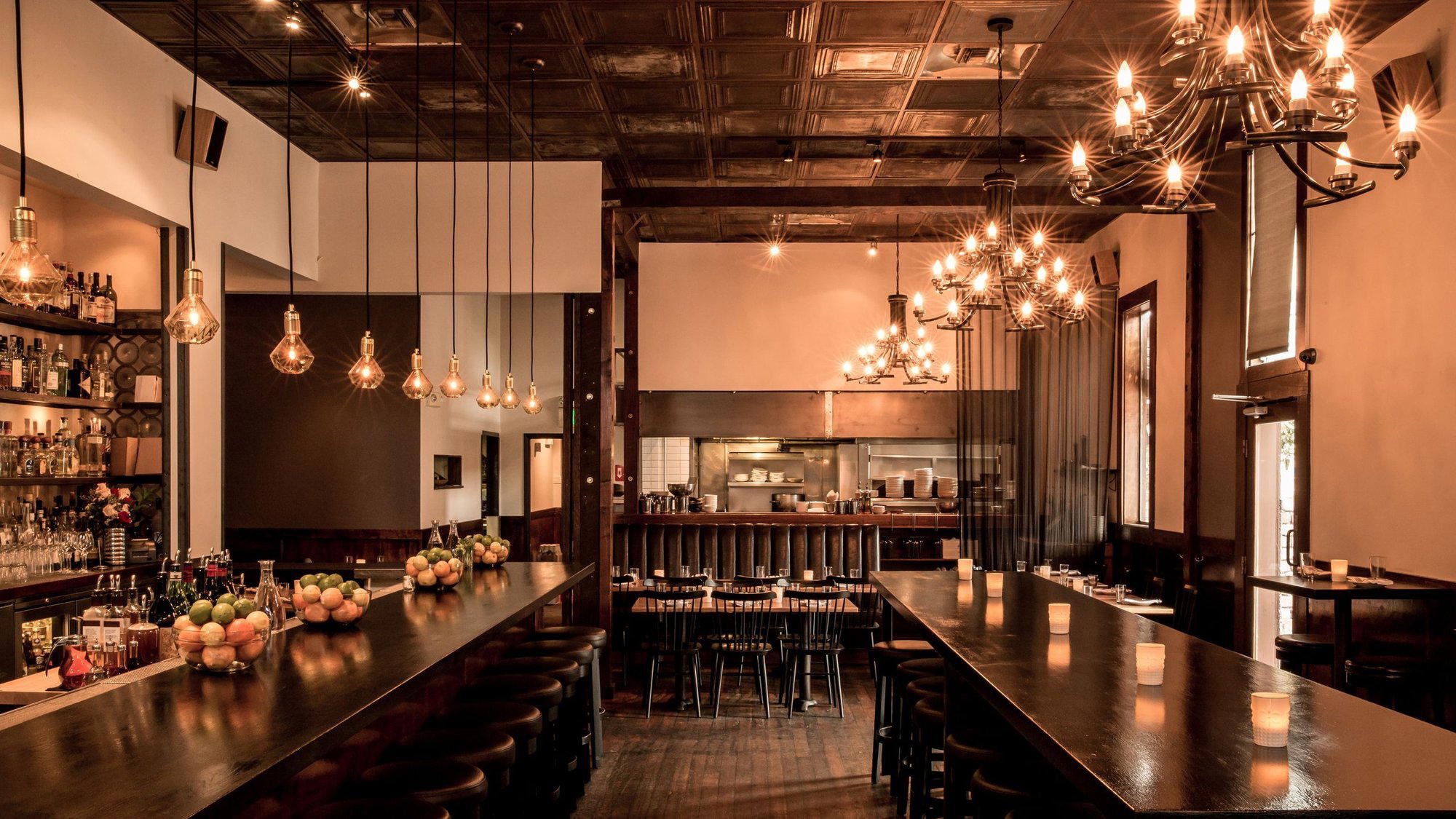
The Mission's Sourcing-Conscious Middle Ground
San Francisco's dining map has long sorted itself into two camps: the destination tasting-menu rooms, Lazy Bear, Atelier Crenn, Benu, and the neighbourhood restaurants that sustain the city's daily eating life. Beretta Valencia operates in the second camp, on the 1100 block of Valencia Street, which is as close as San Francisco gets to a canonical dining corridor. The block functions less like a collection of individual restaurants and more like a single argument about what neighbourhood food should be: ingredient-driven, informally served, and conscious of where things come from.
That last quality matters increasingly in how Mission District diners read a menu. The broader shift toward ethical sourcing and waste-attentive kitchens has moved from a differentiating credential to something closer to a baseline expectation in this part of the city. Restaurants on Valencia and its surrounding blocks have absorbed that expectation into their operating model, and Beretta, at 1199 Valencia St, sits within that current.
Valencia Street and What It Demands of a Kitchen
Valencia Street's dining character is worth understanding before arriving. Unlike the more trophy-conscious blocks of SoMa or the FiDi, Valencia operates on a logic of neighbourhood regularity: people return weekly, not just for occasions, which means kitchens are evaluated over time rather than on a single impression. That sustained familiarity creates pressure to source well and cook honestly, because the room is full of people who know the difference.
This is the context in which sustainability-oriented cooking becomes less a marketing posture and more a structural necessity. Kitchens that commit to local and seasonal sourcing tend to run tighter waste cycles because the produce dictates the menu rather than the reverse. In the California context, where the supply chain from farm to urban kitchen is shorter than almost anywhere else in the country, that discipline is achievable in a way it isn't in cities where ingredient sourcing requires more intermediaries. Farms in Marin, Sonoma, and the Central Valley feed this part of San Francisco's restaurant ecosystem with a regularity that shapes what's possible on a neighbourhood menu.
For comparison, the farm-integrated approach taken at operations like Single Thread Farm in Healdsburg or Blue Hill at Stone Barns in Tarrytown represents one end of that sourcing commitment, vertically integrated, estate-driven, and priced accordingly. The Mission District version translates similar values into a format accessible at a moderate price point and with reservations recommended rather than essential months ahead.
Where Beretta Sits in the San Francisco Conversation
The city's higher tier, Quince, Saison, and their peers, represents Californian cooking at its most resource-intensive and formally composed. Those rooms build their sourcing stories into multi-course progressions where each supplier can be credited by name in the menu text itself. Beretta operates differently: the sourcing ethic is present in the kitchen's decision-making without necessarily being the centrepiece of a scripted dining narrative.
That distinction is meaningful. Across American cities, a mid-tier of neighbourhood restaurants has emerged that holds sourcing standards comparable to their fine-dining counterparts while serving food in a format, wood-fired cooking, shared plates, composed pizza and pasta, that allows for faster table turns and lower per-head spend. Smyth in Chicago and Providence in Los Angeles operate in adjacent conversations about sustainable seafood and hyperlocal produce, though at different price points. Addison in San Diego and Frasca Food and Wine in Boulder show how regionally grounded sourcing can anchor a room's identity outside the obvious coastal hubs. Beretta's position in San Francisco's own version of this conversation is the Mission District neighbourhood restaurant that takes its ingredients seriously without converting the dining room into a seminar on the subject.
For context on what fully committed sustainability looks like at the fine-dining tier, Atelier Moessmer Norbert Niederkofler in Brunico has built an entire tasting menu philosophy around Alpine-only sourcing and zero-waste kitchen discipline. At the other end of the spectrum, operations like Emeril's in New Orleans and Le Bernardin in New York City demonstrate how sourcing integrity can be built into a high-volume, high-recognition format without sacrificing either. The Inn at Little Washington and The French Laundry in Napa represent the estate-garden model, where the kitchen's sourcing is literally on-premises. Atomix in New York City shows how fermentation and preservation techniques, themselves a form of waste reduction, can become central to a restaurant's identity at the high end.
Beretta doesn't compete with any of those rooms, but it sits in the same broader current: the growing expectation that a restaurant's relationship with its ingredients is a subject worth thinking about, not just a line item on a press release.
Planning a Visit: What to Know Before You Go
Beretta occupies a corner address at 1199 Valencia St in the Mission District, reachable by BART to 16th Street Mission station, a short walk south on Valencia. The neighbourhood runs active seven nights a week, and Valencia Street specifically draws enough foot traffic that walk-ins are feasible at off-peak hours, though weekend evenings tend to fill.
Just the Basics
Comparable venues nearby, for context on price, style, and recognition.
| Venue | Cuisine | Price | Notes |
|---|---|---|---|
| Beretta ValenciaThis venue — the venue you are viewing | Not listed | $$ | Not listed |
| Collina | Not listed | $$ | Russian Hill, Rustic Italian Handmade Pasta |
| DAMNFiNE pizza | Not listed | $$ | Sunset/Parkside, Wood-Fired Artisan Pizza with California Twist |
| Pizzeria Delfina - Mission | Mission, Neapolitan-Inspired Pizza | $$ | Not listed |
| Bruno's | Not listed | $$ | Financial District/South Beach, Italian Pizza and Grill |
| Morella | Marina, Argentinian-Italian Fusion | $$ | Not listed |
Recognition history
Dated appearances from independent guides and award organizations, with the underlying list record or original source where available.
Opinionated About Dining Casual in North America Recommended
Opinionated About Dining
Continue exploring
More in San Francisco
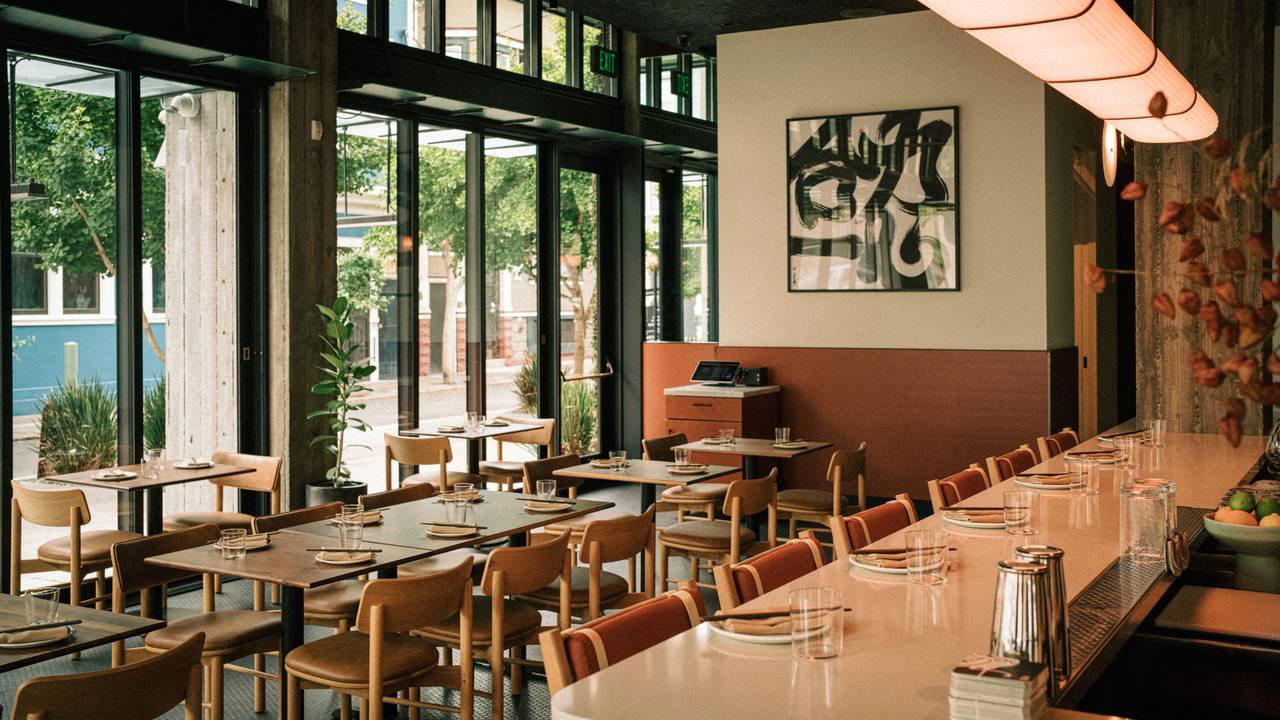
Restaurants in San Francisco
Browse all →
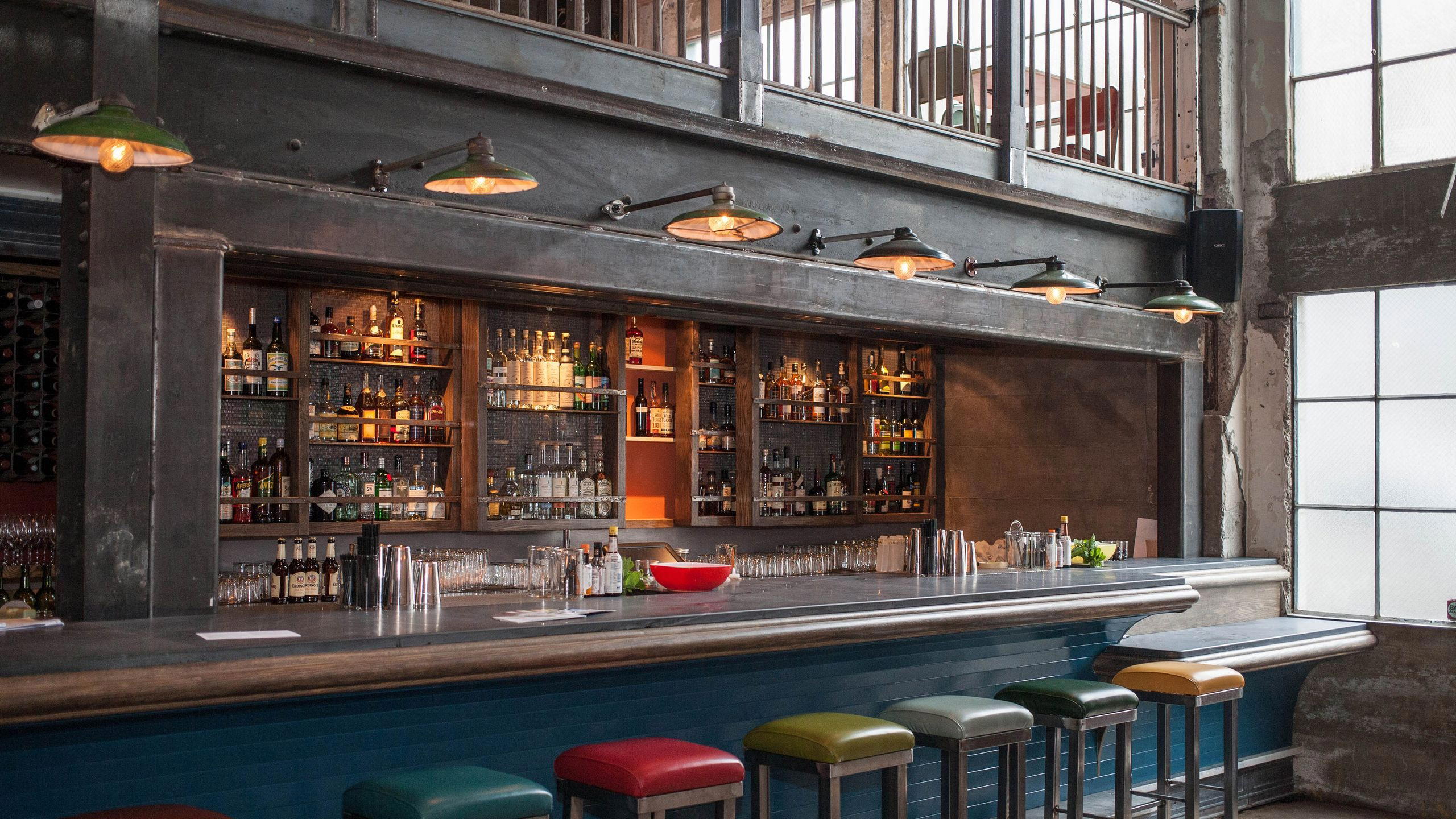
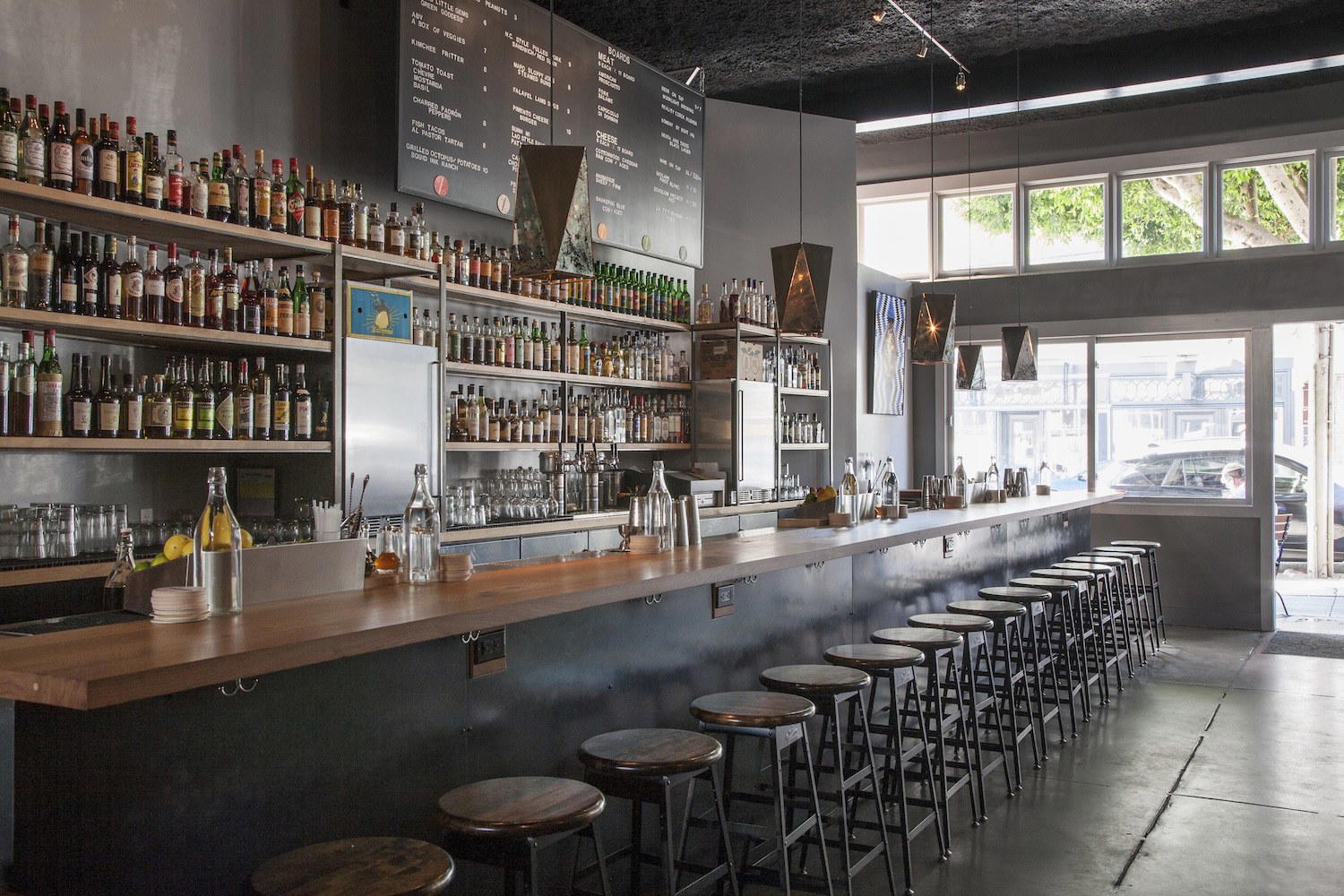
Bars in San Francisco
Browse all →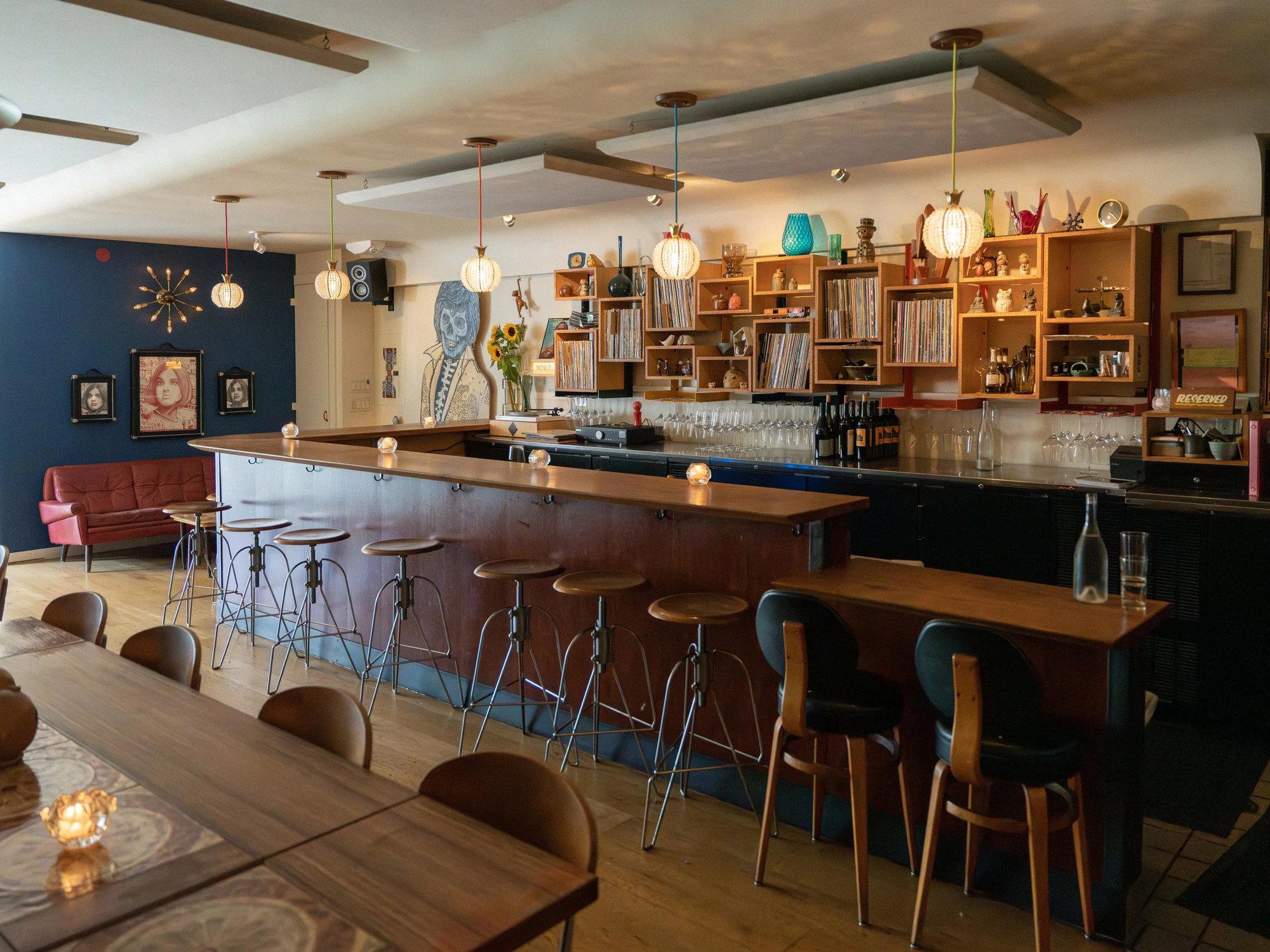
Hotels in San Francisco
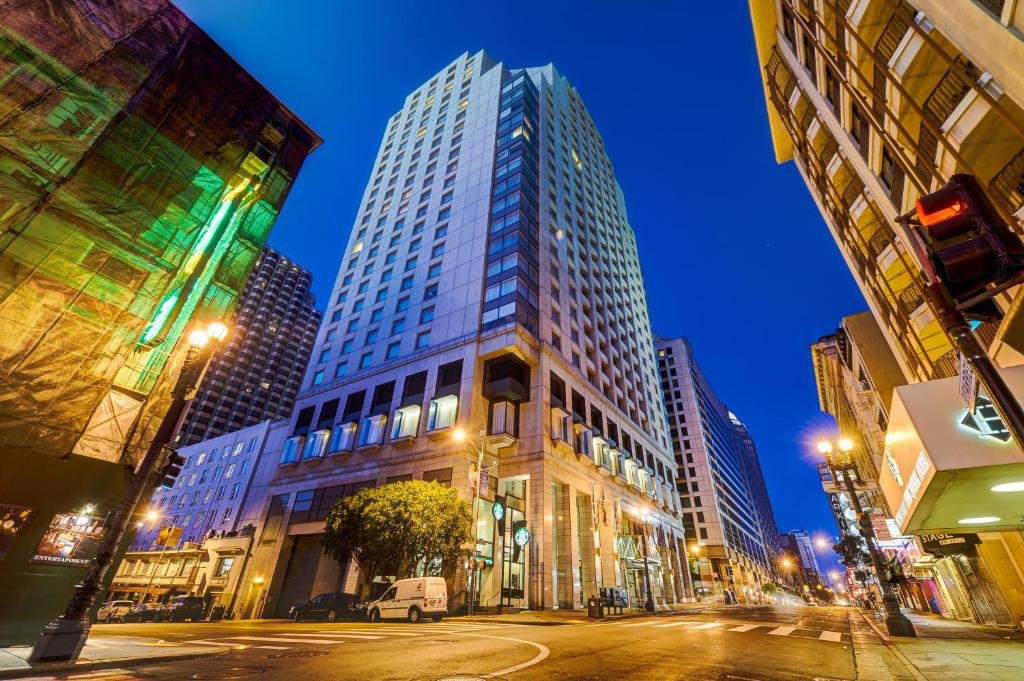
Browse all →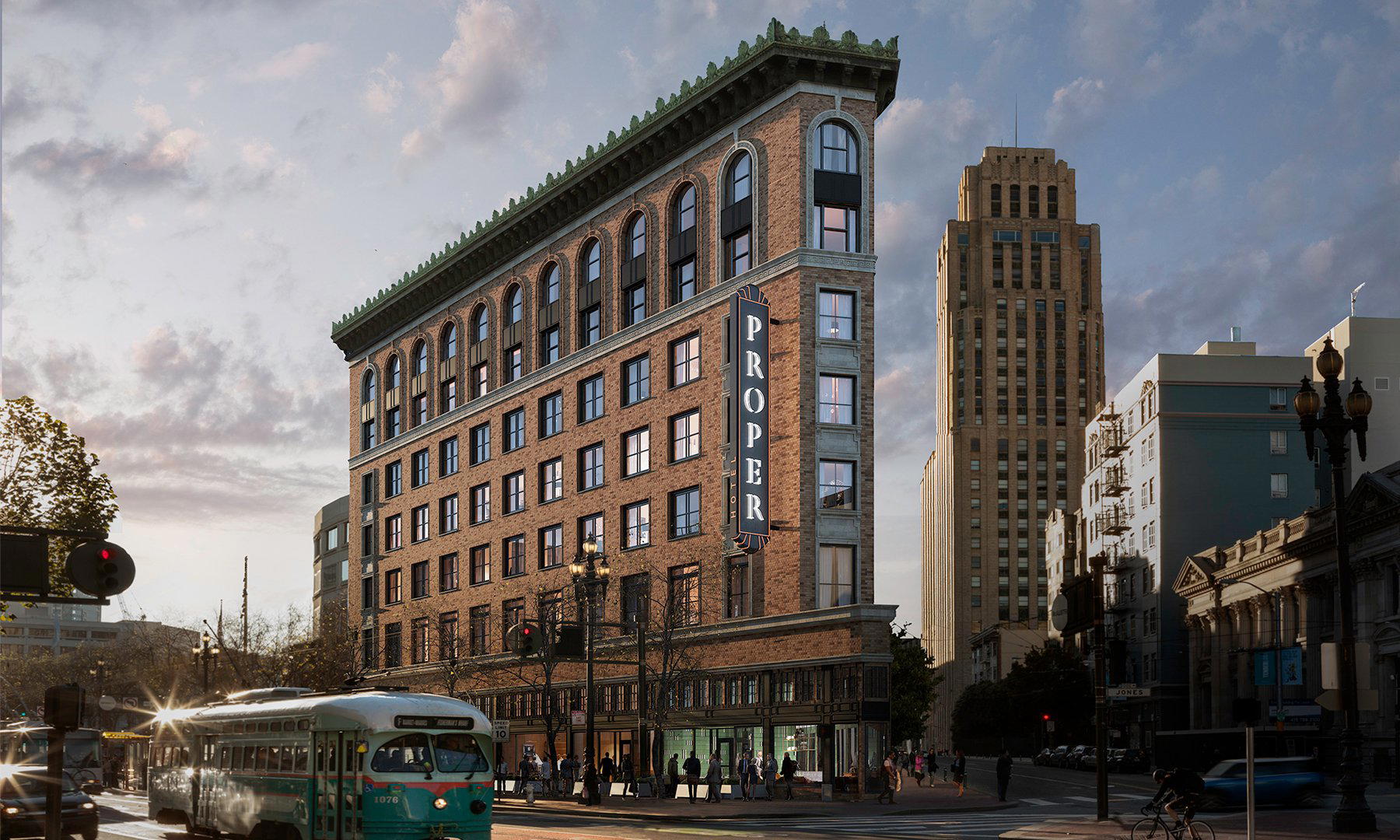

At a Glance
- Trendy
- Lively
- Cozy
- Date Night
- Brunch
- Late Night
- Casual Hangout
- Open Kitchen
- Craft Cocktails
Current opening hours
- Monday
- 5–10 PM
- Tuesday
- 5–10 PM
- Wednesday
- 5–10 PM
- Thursday
- 5–10 PM
- Friday
- 5–11:30 PM
- Saturday
- 11 AM–11:30 PM
- Sunday
- 11 AM–10 PM
Hours can change for holidays and private events. Last verified .
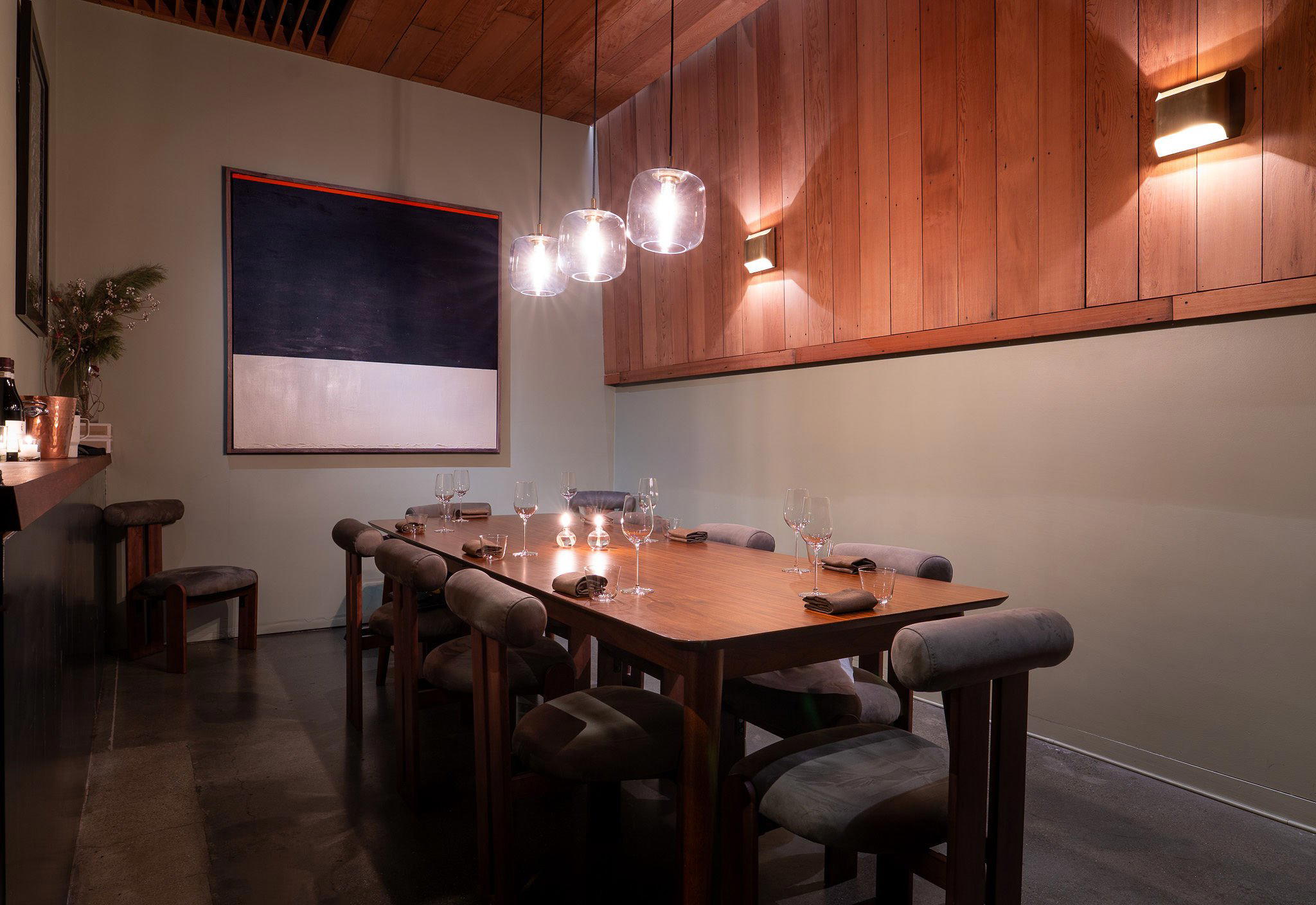
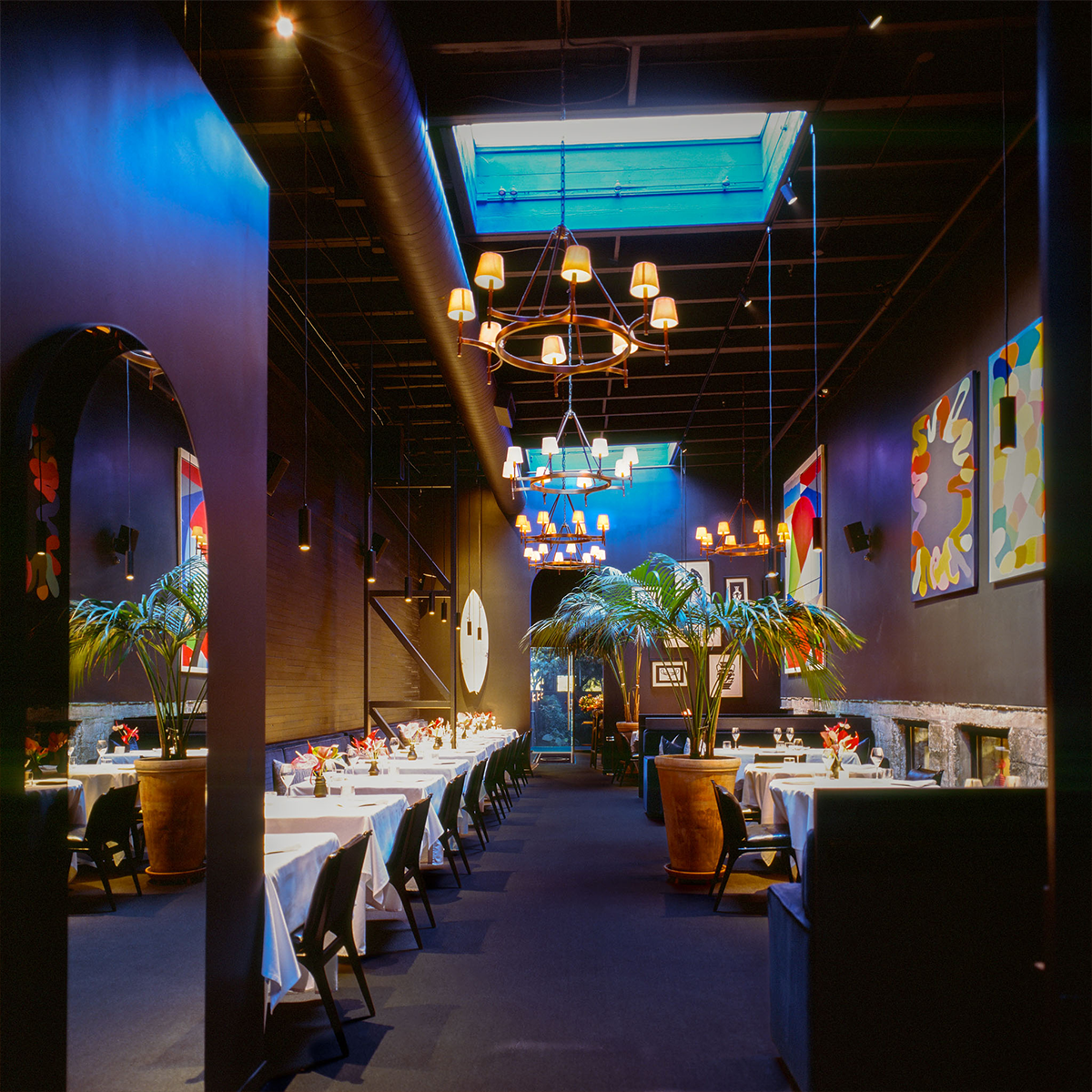
Retro-futuristic aesthetic with dim sultry vibe featuring rich wooden elements, industrial-style lighting, and Victorian accents.