Tuscany Steakhouse
Tuscany Steakhouse occupies a second-floor address on West 58th Street, positioning it within one of Midtown Manhattan's most concentrated corridors of white-tablecloth dining. The Italian-American steakhouse format it represents sits at a distinct intersection of two durable New York traditions: the red-sauce heritage and the prime beef temple. Contact the restaurant directly for current reservations and pricing.
- Address
- 117 W 58th St #2G, New York, NY 10019
- Phone
- +12127578630
- Website
- tuscanysteakhouse.com
- Directions
- Get directions
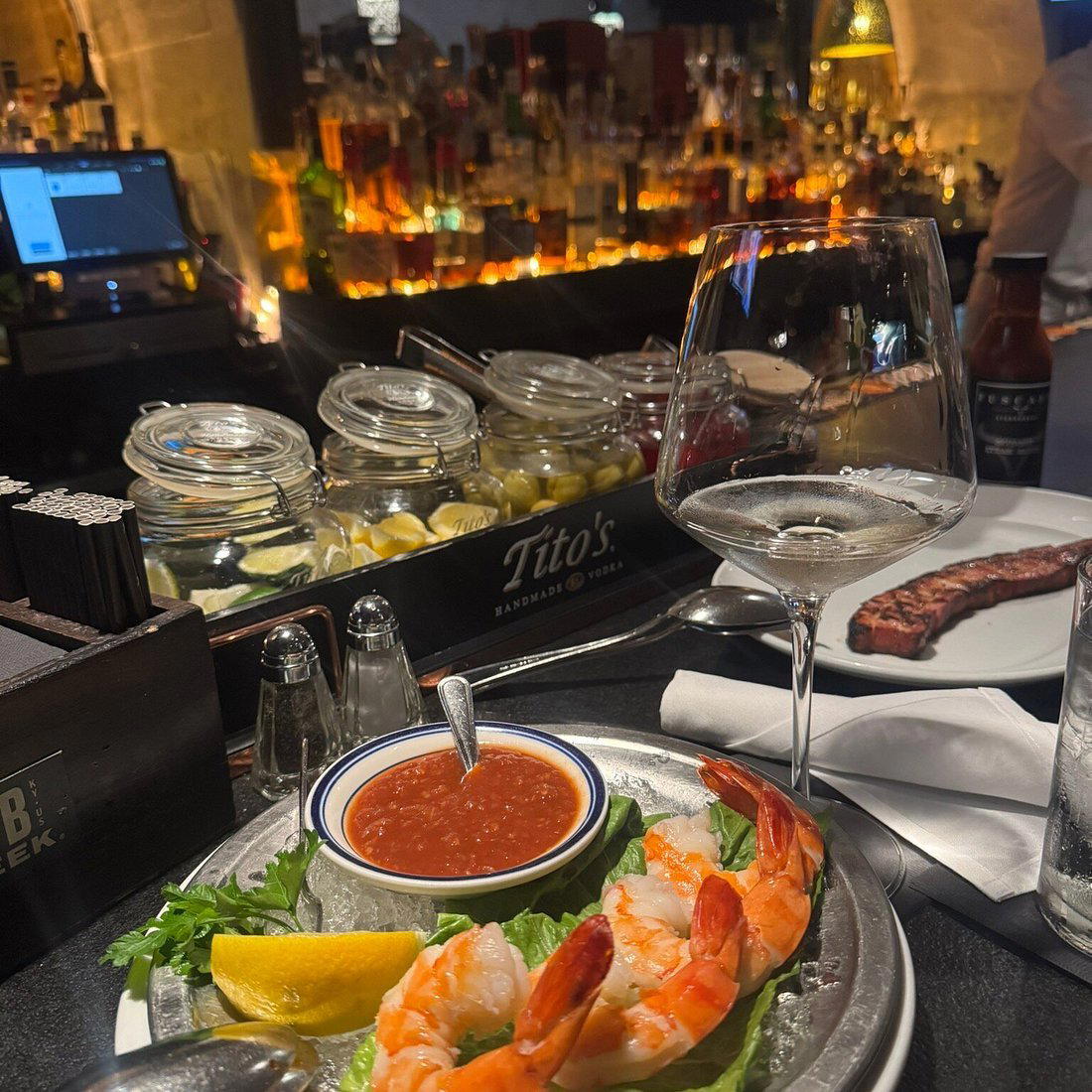
Midtown's Second Floor and What It Signals
West 58th Street between Sixth and Seventh Avenues carries a specific gravity in Midtown Manhattan dining. Within a few blocks, you have the upper tier of French fine dining at Le Bernardin, the rarefied Japanese counter at Masa, and the tasting-menu formalism of Per Se. That context matters when placing Tuscany Steakhouse, which sits at 117 West 58th Street on the second floor. Second-floor restaurant spaces in Manhattan operate differently from street-level addresses. They tend to filter foot traffic rather than invite it, drawing guests who already know where they are going rather than those who wander in. The physical remove from the sidewalk creates a kind of spatial commitment on the part of the diner before they have even sat down.
That spatial grammar is part of how New York's older Italian-American steakhouses have always operated. The dining room above street level, the staircase climb, the sense of arrival, these are architectural habits borrowed from an era when going out to dinner was an occasion that required a setting, not just a table. Tuscany Steakhouse fits within that lineage of Midtown Italian-American rooms that use their interiors to define the meal before a single dish arrives.
The Italian-American Steakhouse as a Distinct Format
The Italian-American steakhouse occupies a specific niche in the American dining canon that is worth understanding on its own terms. It is not the same thing as a New York steakhouse in the Peter Luger or Keens mold, where the beef program operates as an almost puritanical focus. Nor is it an Italian restaurant that happens to have a bistecca on the menu. The Italian-American steakhouse splits the difference: tableside service traditions and pasta courses imported from the red-sauce dining rooms of the mid-twentieth century are married to the prime beef emphasis of the American chophouse. The result is a format with its own internal logic, breadth on the plate, generosity in the room, and a pace that expects the table to be occupied for the long arc of an evening.
This format has real durability in New York. It survived the fine-dining revolution of the 1990s, the farm-to-table shift of the 2000s, and the global cuisine wave of the 2010s largely intact, because its appeal is not trend-dependent. The guests who fill these rooms are not there to be surprised. They are there for a repeatable, well-executed version of an experience they already trust. That reliability is, in its own way, a craft, harder to sustain than it looks from outside the dining room. Comparable ambitions in other American cities show up at places like Bacchanalia in Atlanta and Emeril's in New Orleans, though both operate under different stylistic frameworks.
Reading the Room: Design and Physical Container
New York's established Italian-American steakhouses tend to share a set of design conventions that function as a kind of visual grammar for the genre. Heavy upholstery, warm light, booths that offer enclosure without isolation, walls that have accumulated something, photographs, art, the patina of years of occupied evenings. These are not accidents. They are deliberate choices that communicate permanence in a city where restaurants open and close with relentless frequency. A room that looks like it has been there for decades signals to its guests that they are in a place that does not need to prove itself with novelty.
The second-floor position of Tuscany Steakhouse reinforces this dynamic. There is no sidewalk theatre, no window display designed to seduce passing traffic. The room is for the people already inside it, which shapes how the space can be arranged and how it feels to sit within it. Midtown's grid, with its midrise buildings and office-tower context, gives second-floor dining rooms a particular quality of light and sound isolation that street-level spaces in the same neighbourhood rarely achieve. The result is an interior that functions as a genuine remove from the street below, rather than simply a different elevation of the same ambient noise.
For comparison against the wider range of ambitious American dining rooms, consider the tasting-menu environments at Alinea in Chicago or The Inn at Little Washington, both of which use their physical containers as deliberate extensions of their culinary programs. The Italian-American steakhouse takes a different approach: the room supports the occasion without trying to become the occasion itself.
Where Tuscany Steakhouse Sits Among New York Dining Tiers
New York's restaurant tiers have sharpened considerably over the past decade. At the leading end, omakase counters and tasting-menu rooms like Atomix and Jungsik New York compete in a global frame, pricing against peer venues internationally rather than against their neighbourhood neighbours. The Italian-American steakhouse format sits in a separate competitive band: it is not priced against omakase, and it is not positioned as a tasting-menu destination. Its comparable set is other full-service, à la carte rooms in Midtown where the check per head reflects the cost of prime beef, tableside service, and a dining room that requires real estate to maintain. That is a narrower and more stable category than it might appear.
Midtown's concentration of this format, which includes several addresses within a few blocks of West 58th Street, means that individual venues in this tier are competing primarily on execution and consistency rather than on concept differentiation. Guests who know the neighbourhood know their options. The margin between a good and a great evening in this tier is often determined by service rhythm and kitchen timing rather than by innovation on the plate. Similar dynamics play out at other benchmark American addresses, including Blue Hill at Stone Barns outside the city, though that venue operates under an entirely different conceptual framework.
Know Before You Go
| Address | 117 W 58th St #2G, New York, NY 10019 |
|---|---|
| Floor | Second floor (accessed via building entry on West 58th Street) |
| Neighbourhood | Midtown Manhattan, one block south of Central Park South |
| Reservations | Contact the restaurant directly; no online booking details publicly confirmed |
| Price range | Not confirmed; expect Midtown Italian-American steakhouse pricing for prime beef and full tableside service |
| Hours | Not confirmed; verify directly before visiting |
| Phone | not listed at time of publication |
How It Stacks Up
Comparable venues nearby, for context on price, style, and recognition.
| Venue | Cuisine | Price | Notes |
|---|---|---|---|
| Tuscany SteakhouseThis venue — the venue you are viewing | Italian Steakhouse | $$$$ | Not listed |
| Andrew Steak Society | Modern Steakhouse | $$$$ | East Village |
| Brooklyn Chop House - Times Square | Asian Fusion Steakhouse | $$$$ | Midtown-Times Square |
| Butcher and Banker NYC | Modern Steakhouse | $$$$ | Chelsea-Hudson Yards |
| Talia's Steakhouse | Glatt Kosher Steakhouse | $$$$ | Upper West Side (Central) |
| Reserve Cut | Contemporary Kosher Steakhouse | $$$$ | Financial District-Battery Park City |
Continue exploring
More in New York City
Restaurants in New York City
Browse all →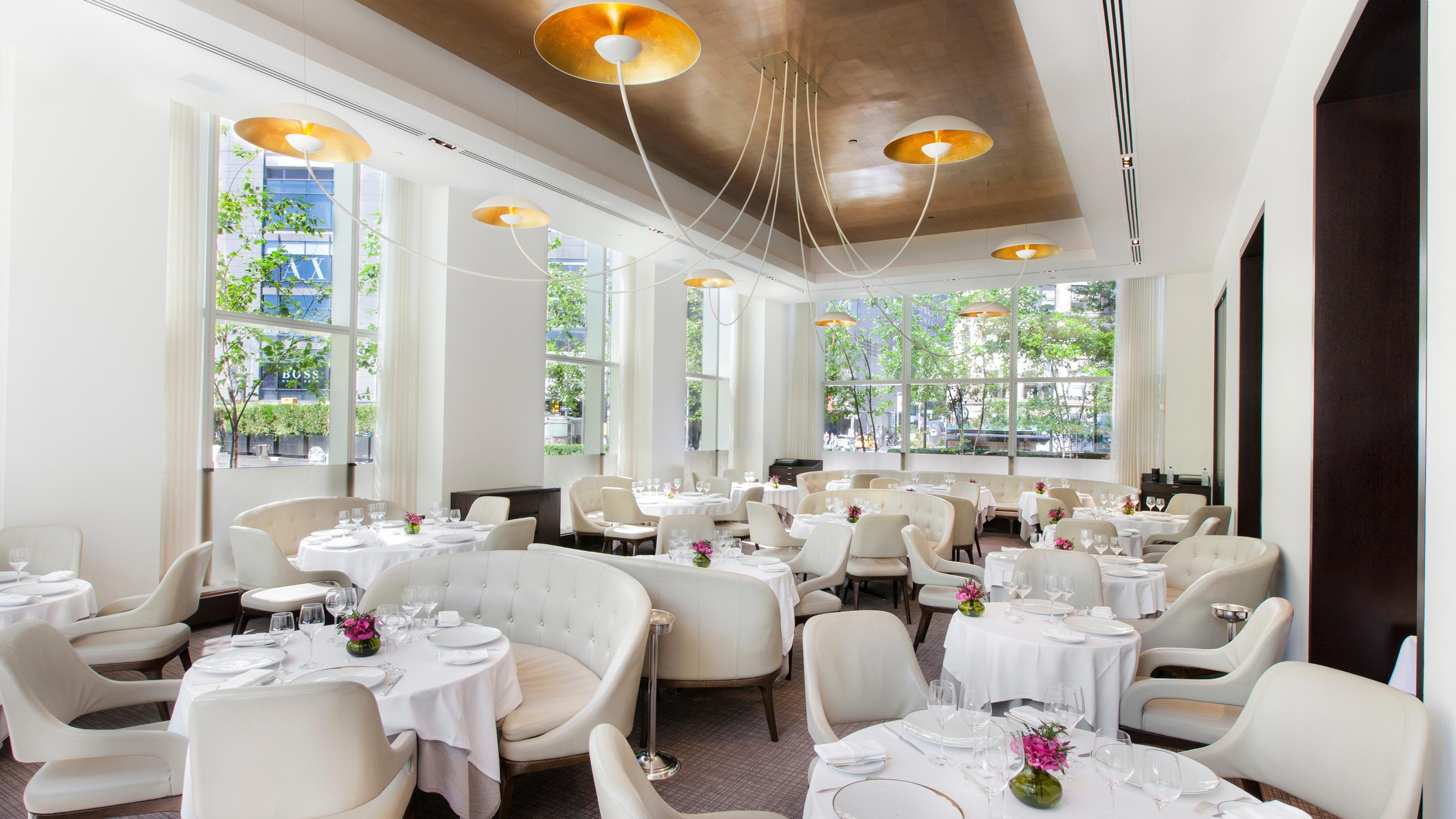
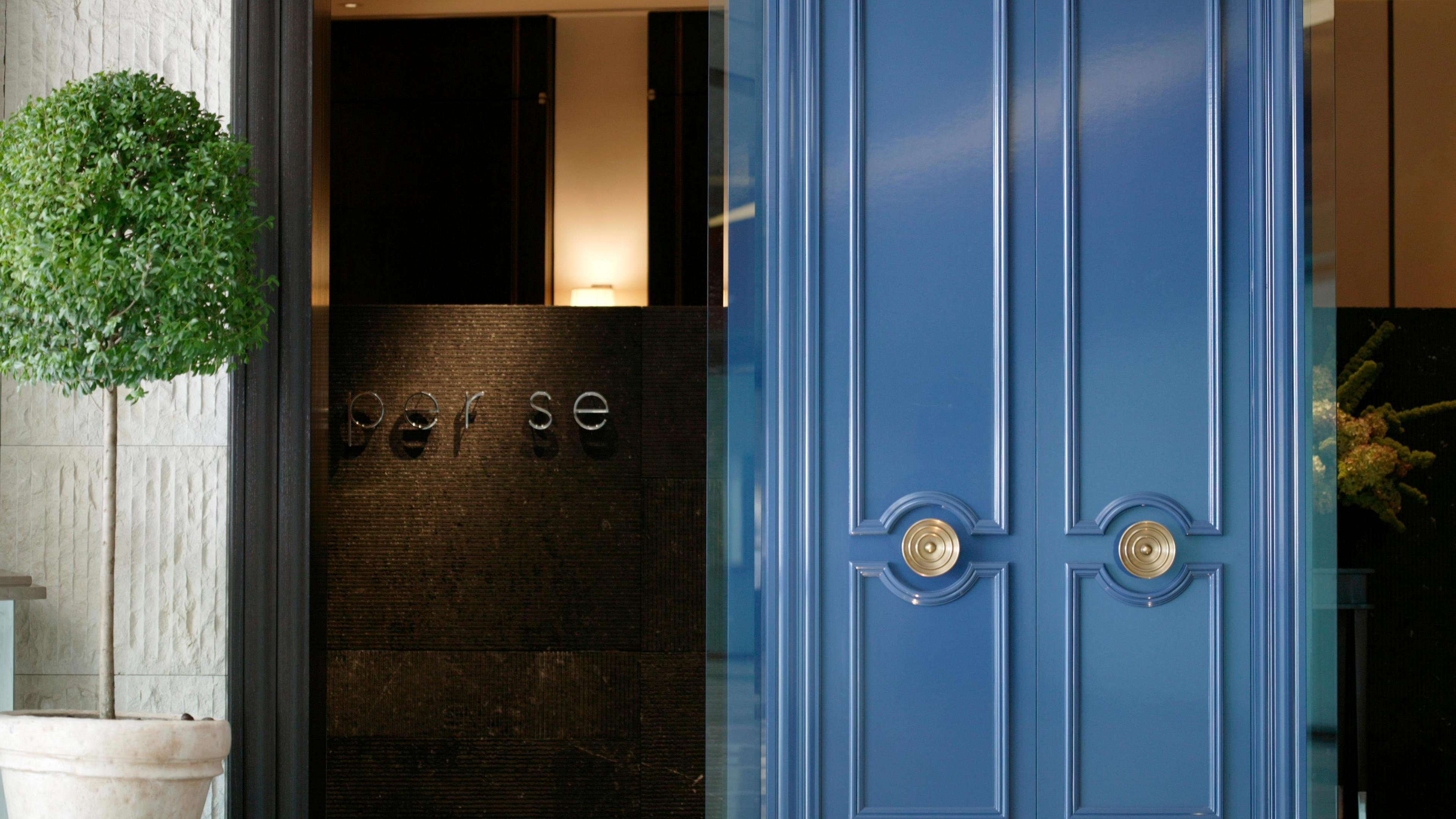
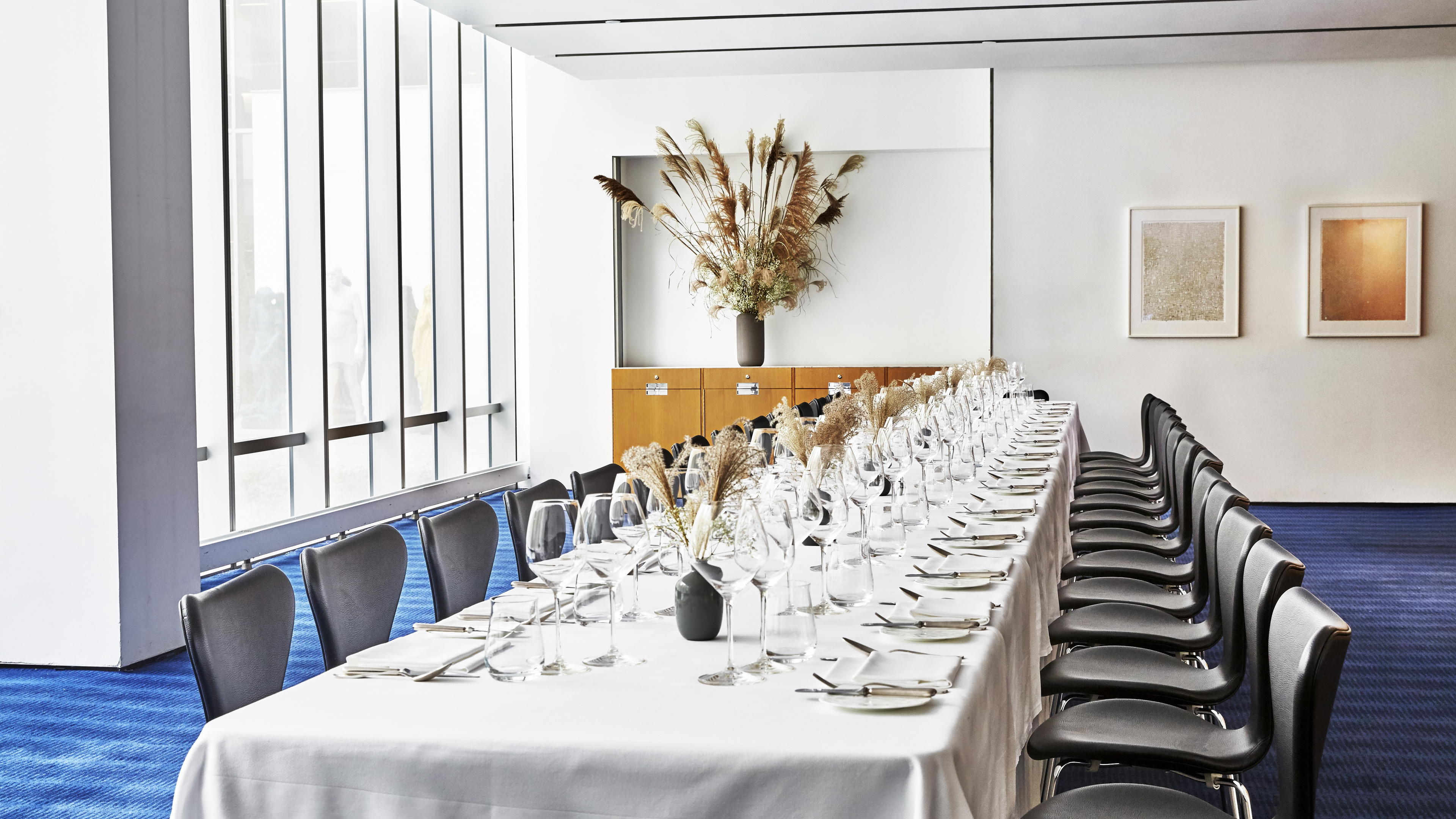
Bars in New York City
Browse all →



Hotels in New York City
Browse all →






At a Glance
- Elegant
- Cozy
- Sophisticated
- Classic
- Business Dinner
- Date Night
- Family
- Celebration
- Special Occasion
- Standalone
- Extensive Wine List
Cozy brick-arched dining room with sophisticated and warmly embracing Manhattan hospitality.