Belén by Paulo Airaudo

Michelin Plate
Our verdict
Set inside the InterContinental on the Mae Ping river, Belén by Paulo Airaudo brings European technique to Chiang Mai's northern larder in an intimate 18-seat dining room anchored by a chamchuri wood counter. The experience opens in a book-lined aperitif lounge before moving into a focused tasting format where local fruits, vegetables, tea, and cheese meet sharp continental craft. A composed, detail-oriented addition to the city's fine-dining circuit.

Pearl is the En Primeur Club membership app, where members save venues, book tables and use the concierge.
The menu
What to order
- Barracuda tartelette with dashi
- Seared Hokkaido scallop in XO-champagne sauce with green curry butter
- Tomato risotto with uni
- Chawanmushi with charred corn
Entering the Room
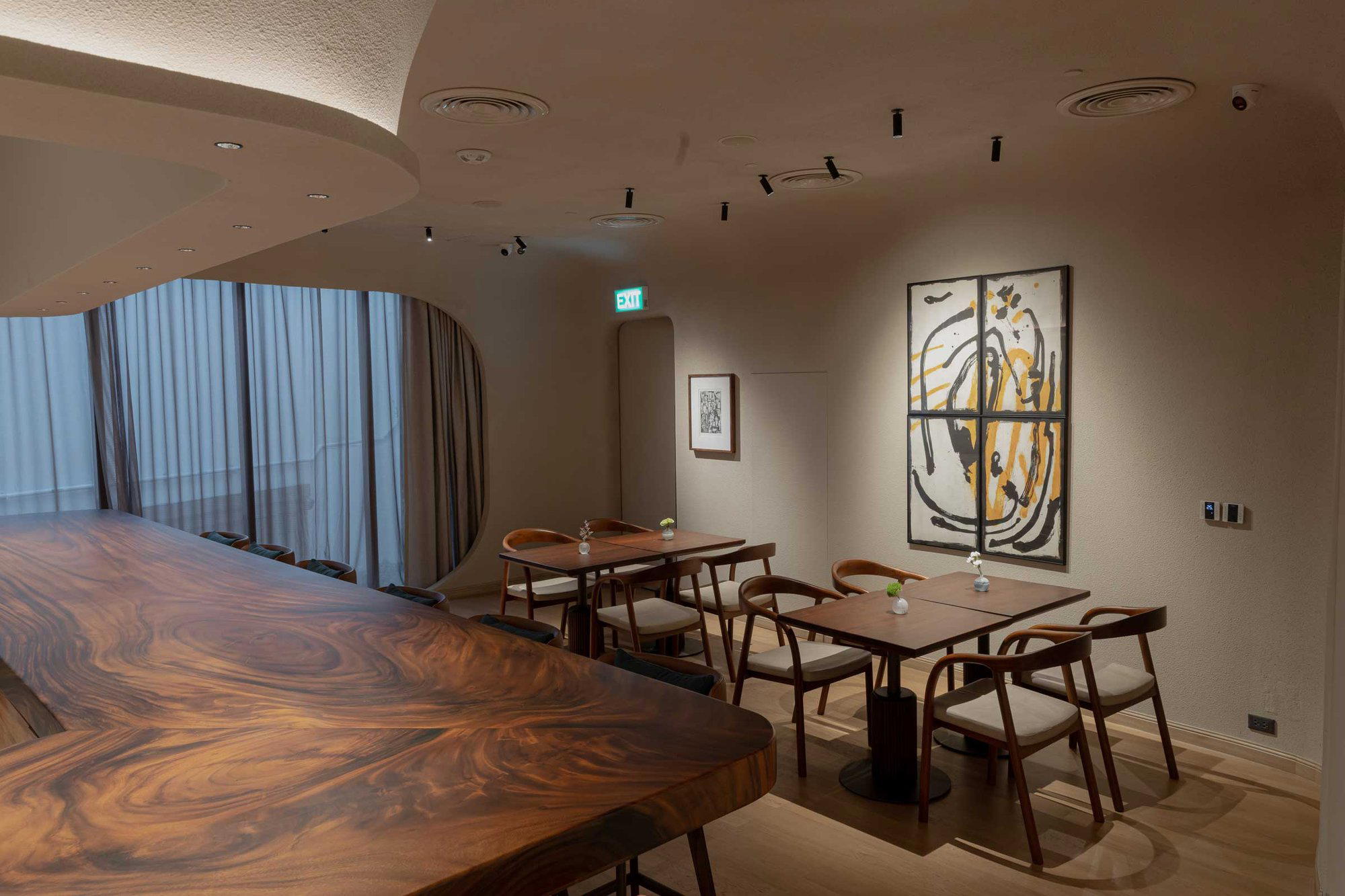
There is a specific kind of restraint that characterises Chiang Mai's more considered fine-dining openings: less performance, more precision. Belén by Paulo Airaudo, located within the InterContinental on Sridonchai Road along the Mae Ping river, belongs to that mode. The sequence begins before you sit down. Guests arrive first in a book-lined lounge where aperitifs are served, a transitional space that signals the format ahead without overstating it. The lounge has a casual intellectual quality, the kind of room that invites you to slow down before the counter experience demands your full attention.
The dining room itself is built around an 18-seat counter in chamchuri wood, a native Thai hardwood with a warm grain that reads as simultaneously local and austere. At this scale, 18 covers, counter-format, the architecture of the meal becomes unusually legible. You can watch the pacing, observe the plating decisions, and track the progression in a way that larger rooms with scattered tables simply do not allow. This counter model has become the preferred format for serious tasting programs across Asia, from Atomix in New York City to counter-led Japanese omakase operations, because it concentrates the relationship between kitchen and guest without theatrical excess.
The Kitchen's Frame of Reference
The broader context for understanding Belén is the growing category of European-technique restaurants operating with genuine commitment to local sourcing in secondary Thai cities. Bangkok has its version of this story, restaurants like Sorn work at the intersection of Thai tradition and fine-dining rigour, and in Phuket, PRU has made farm-to-table European craft its central argument. Belén's proposition at the InterContinental positions it within this national conversation while speaking directly to what Chiang Mai's northern larder actually produces.
That larder is specific and underused by international fine dining. The Chiang Rai highlands grow some of Thailand's most interesting teas. The Mae Rim valley and surrounding districts yield fruits, vegetables, and herbs that do not appear on menus further south. Chiang Mai also has a small but notable domestic cheesemaking tradition, unusual by Thai standards, which gives European-trained kitchens working here a genuinely local dairy ingredient to deploy. Belén draws on all of these, fruit, vegetables, tea, and cheese, and applies European technique to transform them into a tasting format that reflects the region rather than importing ingredients from elsewhere.
The goat's cheese flan paired with seasonal fruits is the dish that most clearly illustrates this approach. The combination is classically European in method, a flan requires precision in dairy fat, setting agents, and temperature, but its pairing with local seasonal fruit grounds it in the northern Thai produce calendar. It is a direct illustration of what this style of cooking does well when it works: technique in service of ingredient, rather than technique for its own display.
Chiang Mai's Fine-Dining Position
Chiang Mai is not Bangkok, and its fine-dining circuit operates on different assumptions. The city draws long-stay visitors, a resident expatriate community, and Thai travellers seeking an alternative to Bangkok's denser restaurant concentration. Its most serious tables tend to be quieter in register than their capital equivalents, with a preference for the kind of intimate format that Belén embodies. The 18-seat counter here is not a constraint but a competitive signal: it places the restaurant in the lower-volume, higher-attention tier rather than the hotel-restaurant-as-amenity category that larger dining rooms in international properties often occupy.
Within Chiang Mai's wider restaurant spectrum, the contrast is instructive. Street-level northern Thai eating, khao soi, nam prik noom, sai ua, remains the city's primary gastronomic identity, and places like Aunt Aoy Kitchen and Baan Landai represent that tradition at different registers. The Italian end of the market has its own presence, with venues like Aquila occupying the mid-tier European space. Belén sits above this, in a category with few direct local peers, where the comparison set is national and international rather than neighbourhood-level.
For a fuller picture of where Belén sits relative to the broader city dining circuit, see our full Chiang Mai restaurants guide. Readers planning wider stays should also consult our Chiang Mai hotels guide, bars guide, and experiences guide for complementary options at each end of the day.
Other Chiang Mai Tables Worth Knowing
Belén occupies a specific niche, but the city has serious cooking across multiple registers. Aeeen works the vegetarian end of the table with focus and craft. Baan Suan Mae Rim and Baan Landai anchor the northern Thai canon at different price points. Aunt Aoy Kitchen remains a reliable address for traditional technique. For broader Thailand context, the tasting-format conversation extends to AKKEE in Pak Kret and, at the other end of the country, PRU in Phuket. Among the less discussed regional tables, Angeum in Phra Nakhon Si Ayutthaya and Agave in Ubon Ratchathani are worth tracking for travellers moving beyond Bangkok and Chiang Mai.
Planning Your Visit
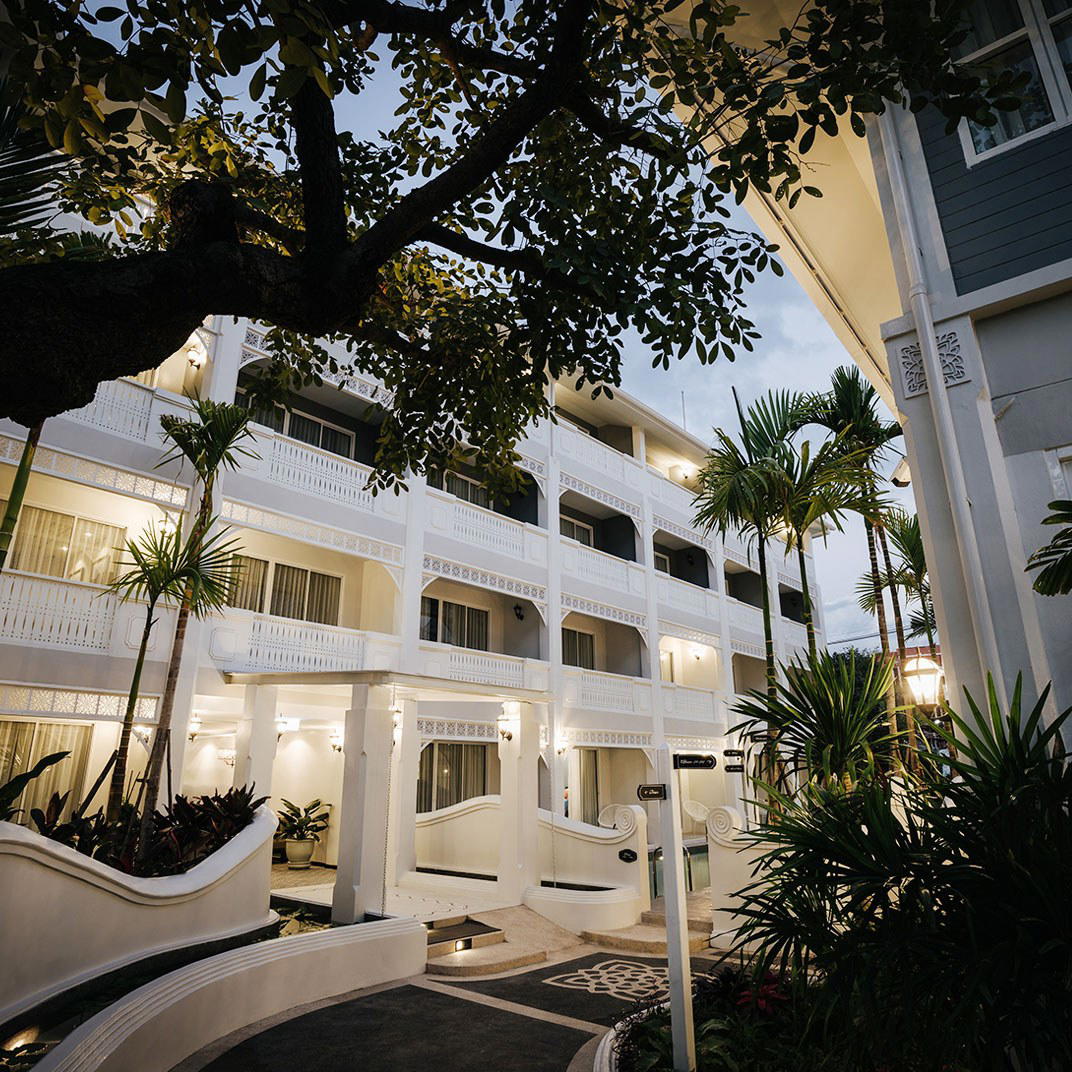
Belén is located at the InterContinental Chiang Mai The Mae Ping, 153 Sridonchai Road, Mueang Chiang Mai District. The hotel sits in the central riverfront area, accessible from the Old City and Nimman Road within a short drive. As an 18-seat counter, advance reservation is strongly advised; walk-in availability at this scale is structurally limited, particularly in the November-to-February high season when Chiang Mai draws its heaviest concentration of domestic and international visitors. That window also coincides with the city's cooler, drier months, the period when northern produce and the Mae Ping surroundings are at their most appealing, so booking ahead by two to four weeks is the sensible approach. The aperitif lounge sequence means the full experience runs longer than a standard two-hour dinner; allow the full evening. See our Chiang Mai wineries guide for pairing context if you are building a wider evening around beverage.
Frequently asked questions
What's the overall feel of Belén by Paulo Airaudo?
Composed and intimate rather than theatrical. The experience begins with aperitifs in a book-lined lounge, then moves into an 18-seat dining room built around a chamchuri wood counter. It is the kind of room that rewards attention, precise, quietly confident, and scaled for focus rather than spectacle.
What's Belén by Paulo Airaudo known for in terms of accolades?
Belén by Paulo Airaudo has received recognition including: This confident new face on Chiang Mai's dining scene brings a refined energy to the table. Local ingredients play a central role – fruit, vegetables, tea, even cheese – and are elevated by sharp European cuisine technique. The experience be….
What's the signature dish at Belén by Paulo Airaudo?
The goat's cheese flan paired with seasonal fruits is the preparation most associated with the kitchen: a classically European technique applied to local northern Thai dairy and produce. It distills what the restaurant is doing broadly, local sourcing, sharp European craft, into a single, clean plate.
What part of town is Belén by Paulo Airaudo in?
Belén by Paulo Airaudo is located at the Mae Ping, InterContinental, 153 Sridonchai Rd, Mueang Chiang Mai District, Chiang Mai 50100, Thailand, Chiang Mai.
Do they take walk-ins at Belén by Paulo Airaudo?
At 18 seats, the counter format leaves almost no margin for walk-in availability on most evenings. A reservation is the practical default. The restaurant is located at the InterContinental Chiang Mai The Mae Ping, 153 Sridonchai Road, and the hotel concierge can assist with booking logistics.
Peers in This Market
Comparable venues nearby, for context on price, style, and recognition.
| Venue | Cuisine | Price | Awards | Notes |
|---|---|---|---|---|
| Belén by Paulo AiraudoThis venue (the venue you are viewing) | European Fine Dining with Thai Ingredients | $150–200 | Michelin Plate | Not listed |
| Cuisine de Garden | Nordic-Inspired Thai Fusion Tasting Menu | $50–100 | Michelin Plate | Hang Dong |
| Aeeen | Neo Shojin Ryori (Vegan Japanese) | Not listed | Michelin Plate | Mueang Chiang Mai |
| Kiti Panit | Modern Northern Thai Lanna | $20–30 | Michelin Plate | Mueang Chiang Mai |
| Baan Landai | Authentic Fine Thai Cuisine | $20–30 | Michelin Plate | Mueang Chiang Mai |
| Kang | Southern Thai, Indonesian & Malaysian Flavors | $10–20 | Michelin Plate | Mueang Chiang Mai |
Recognition history
Dated appearances from independent guides and award organizations, with the underlying list record or original source where available.
Michelin Plate
Michelin
Continue exploring
More in Chiang Mai
Restaurants in Chiang Mai
All restaurants in Chiang Mai →
Bars in Chiang Mai
All bars in Chiang Mai →
Details
- Intimate
- Elegant
- Sophisticated
- Modern
- Special Occasion
- Date Night
- Celebration
- Chefs Counter
- Open Kitchen
- Hotel Restaurant
- Design Destination
- Sommelier Led
- Local Sourcing
- Sustainable
- Tasting Menu
- Counter Dining
- Wine Pairing
- Allergy Accommodating
Current opening hours
- Monday
- 5:30–11 PM
- Tuesday
- 5:30–11 PM
- Wednesday
- Closed
- Thursday
- 5:30–11 PM
- Friday
- 5:30–11 PM
- Saturday
- 5:30–11 PM
- Sunday
- 5:30–11 PM
Hours can change for holidays and private events. Hours as of .
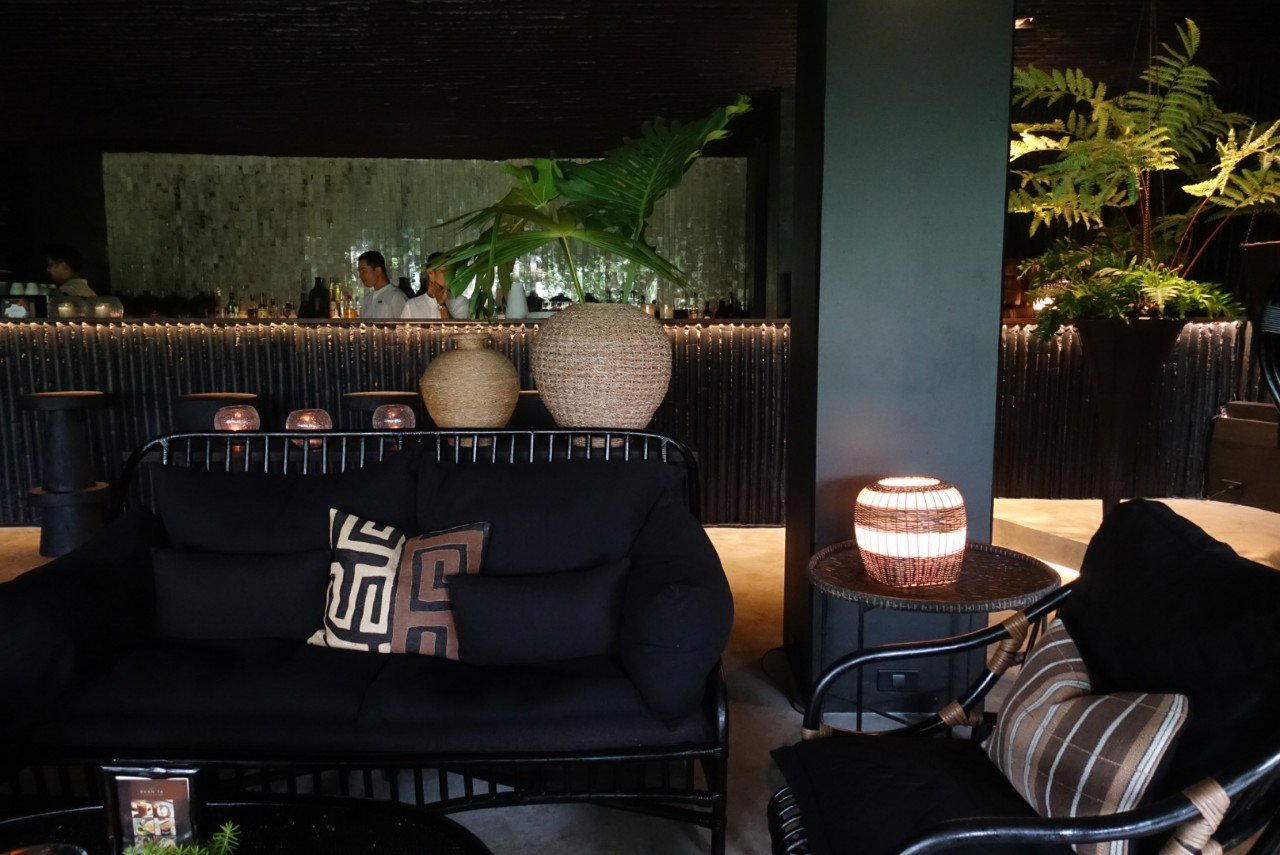
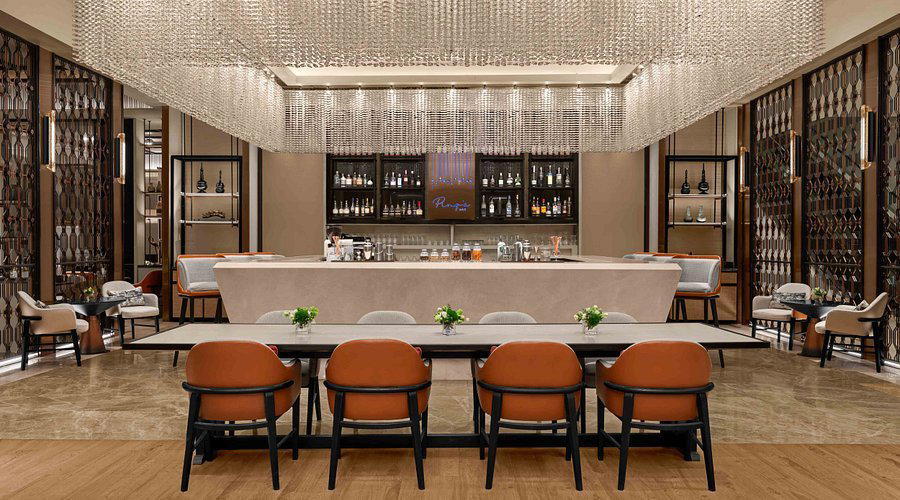
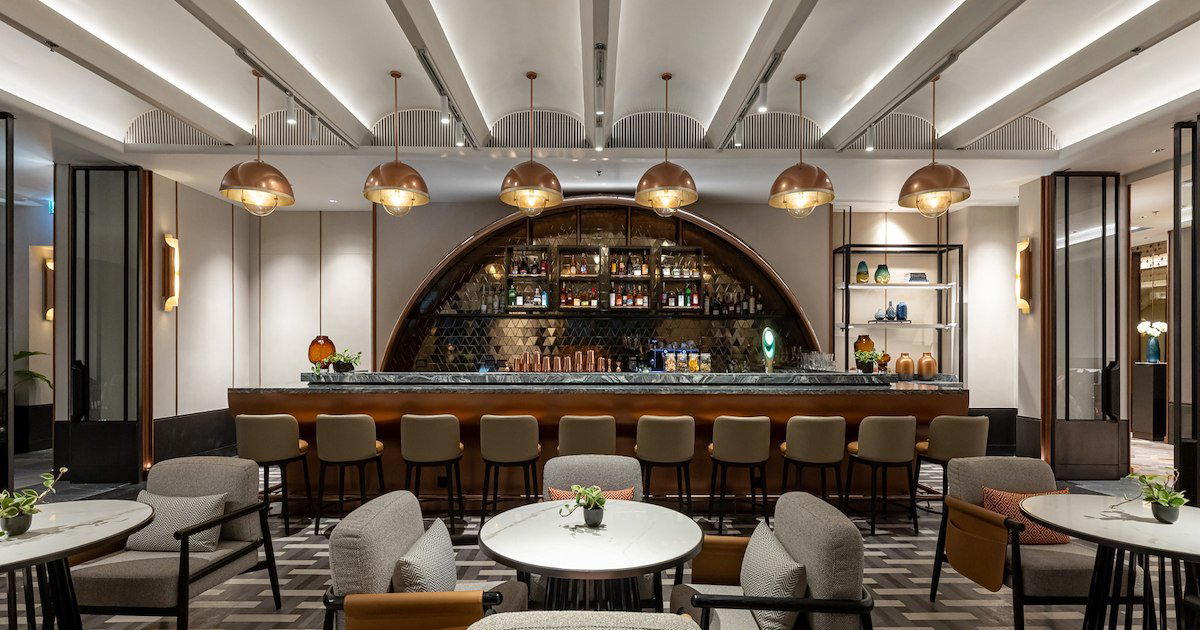
Moody library lounge leading to an intimate 18-seat dining room with open kitchen views, elegant and refined atmosphere with carefully orchestrated culinary presentations.