Bellini | Coconut Grove
A Coconut Grove address on McFarlane Road places Bellini in one of Miami's most settled, tree-lined dining corridors, where the neighbourhood's Italian-leaning restaurant culture has maintained a quieter register than South Beach or Brickell. The name alone signals a certain allegiance to northern Italian tradition in a city that has long sustained serious Italian dining alongside its louder, more theatrical food scenes.
Pearl is the En Primeur Club membership app — saves, bookings, and concierge access live there. Same editors, same standards.
- Address
- 2988 McFarlane Rd, Coconut Grove, FL 33133
- Phone
- +1 305 800 7672
- Website
- bellinirestaurant.com
- Directions
- Get directions
 Saves & bookings on Pearl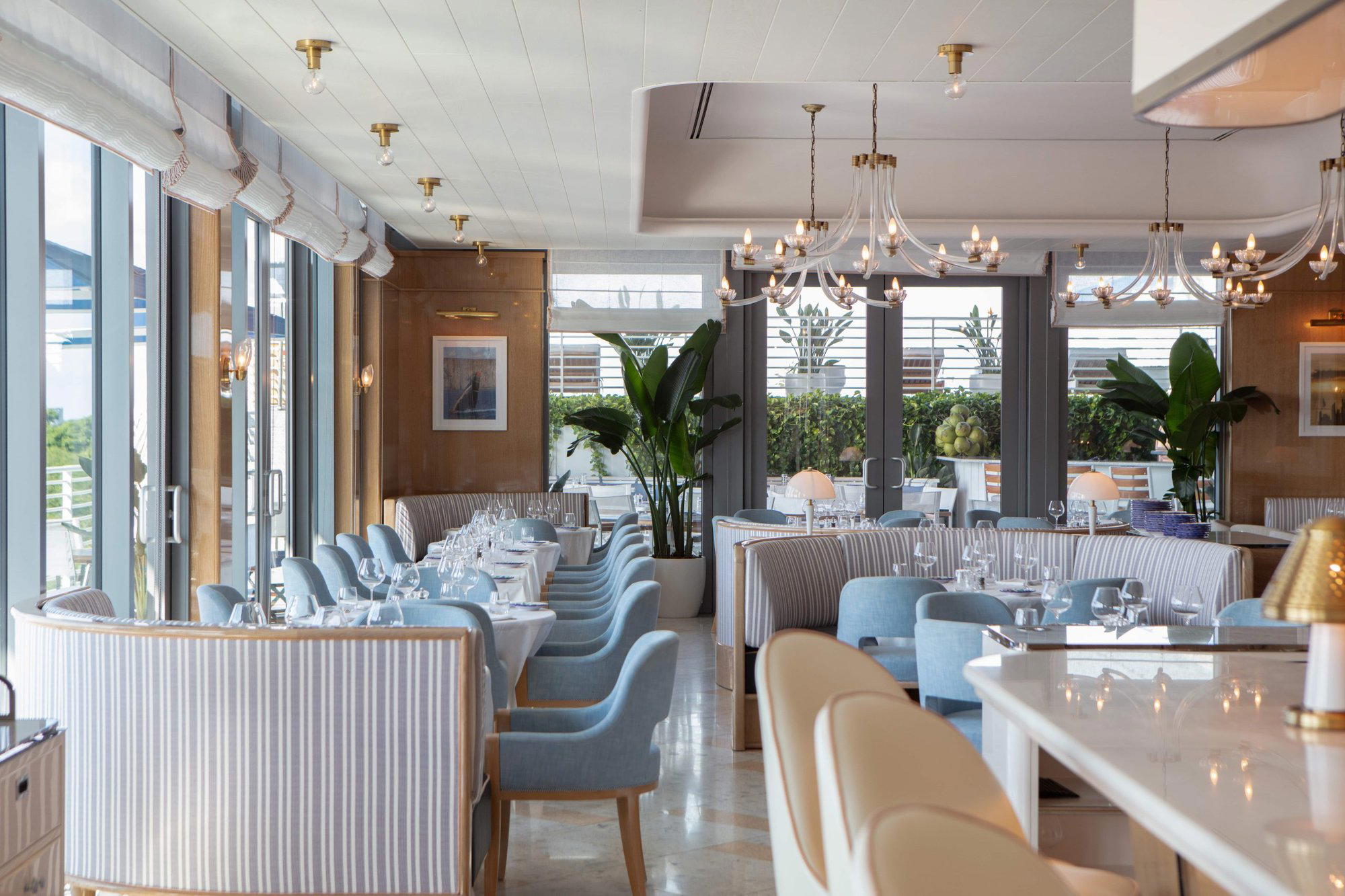
Coconut Grove and the Italian Dining Current That Runs Through It
Miami's Italian restaurant scene has never been monolithic. On one end sits the South Beach performance, where names land on tablecloths and bottles travel in processions. On the other end, and historically closer to Coconut Grove's character, sits a quieter strand of Italian dining that holds closer to sourcing discipline and regional specificity than to theatrics. Bellini, a modern Italian fine dining restaurant in Coconut Grove, occupies that tradition.
McFarlane Road runs through the commercial core of Coconut Grove, a few hundred metres from Biscayne Bay, where the canopy cover and low building scale give the neighbourhood a density that reads nothing like the condo corridors of Brickell or the beach-facing strip of South Beach. Approaching from the street, the context matters: this is a dining neighbourhood built on repeat visits and neighbourhood loyalty, not tourist churn. That shapes what serious Italian restaurants here have to do to survive.
Ingredient Sourcing as the Measure of Italian Seriousness
Italian cuisine, wherever it is practised outside Italy, is ultimately an argument about materials. The question is not whether a kitchen can assemble a carbonara or a braise, but where the pork comes from, how the pasta was cut, and whether the olive oil was chosen or simply purchased by default. Miami's better Italian kitchens have understood this for some time. The city's import infrastructure, particularly for Italian DOP products, is more developed than most American cities outside New York, and proximity to Florida's own agricultural production gives local operators access to seasonal produce that can substitute meaningfully for European equivalents.
Bellini's name references among the more cited Venetian aperitivi in circulation, a signal, however indirect, toward the northern Italian tradition rather than the southern. Northern Italian cooking, particularly in the Veneto and Lombardy traditions, places considerable weight on the integrity of primary ingredients, where a dish like risotto al nero di seppia depends almost entirely on the quality of its cuttlefish and stock rather than technique alone. That sourcing orientation, when taken seriously, tends to produce menus with shorter ingredient lists and less reliance on sauce architecture to carry mediocre raw material.
In the broader Miami context, the restaurants that have sustained critical attention across the last decade have done so through exactly this sourcing clarity. ITAMAE, though working in a Peruvian-Japanese register rather than Italian, has demonstrated how a Miami kitchen rooted in ingredient provenance can hold its own against the city's more decorated addresses. Similarly, Ariete in Coconut Grove has built its Modern American programme around Florida sourcing in a way that sets a neighbourhood benchmark. Bellini sits in that same neighbourhood, which raises the expectation accordingly.
Coconut Grove's Position in Miami's Competitive Dining Map
Miami's serious dining has spread unevenly across the city. The Design District and Wynwood have attracted international names and Michelin attention, with L'Atelier de Joël Robuchon Miami representing the upper tier of imported French fine dining. Brickell has absorbed the Korean steakhouse format at scale, with Cote Miami carrying that flag. The Little Haiti corridor has produced some of the city's most discussed new-wave Italian, with Boia De gaining national recognition for its contemporary take on the tradition. For our full Miami restaurants guide, the city's competitive Italian scene spans from neighbourhood stalwarts to emerging critical favourites.
Coconut Grove, by contrast, has operated somewhat separately from these newer critical circuits. It is an older dining neighbourhood with established loyalties, and the restaurants that have lasted there have done so by serving communities rather than cycles of hype. Bellini's McFarlane Road address places it inside that structure. The relevant peer comparison is not the Design District tasting menu but the neighbourhood Italian that earns repeat business on Tuesday nights as readily as on weekends.
The American Italian Benchmark and Where Miami Sits
The standard against which American Italian restaurants are increasingly measured has shifted. A decade ago, the comparison was primarily internal, one Italian-American restaurant against another. Now, with travel more fluid and food media more granular, diners who have eaten at Le Bernardin in New York City or experienced the sourcing rigour of Blue Hill at Stone Barns in Tarrytown arrive with calibrated expectations about what ingredient provenance looks like at the table. The Italian kitchen that can demonstrate a supply chain occupies a more credible position than one that leaves sourcing anonymous.
That shift is visible across the country's most discussed restaurants. Single Thread Farm in Healdsburg built its identity almost entirely on that premise. Lazy Bear in San Francisco and Providence in Los Angeles apply similar sourcing logic to different culinary traditions. In Chicago, Alinea operates at a different register entirely, but its sourcing discipline is no less rigorous. Miami's Italian kitchens that earn sustained attention are increasingly those that can answer the same questions about where their product comes from.
Planning a Visit to McFarlane Road
Coconut Grove is most comfortably reached by car from central Miami, with parking available in the neighbourhood's street and garage structures. The area's restaurant rhythm tends toward later dinner sittings, consistent with Miami's general dining culture, where tables that open at 7pm often see the traffic after 8:30pm. For visitors arriving from the Design District or Brickell, the drive runs south along Biscayne Bay and takes under twenty minutes outside peak traffic hours. The neighbourhood rewards those who arrive early enough to walk the surrounding blocks before dinner, as the bay proximity and tree cover give it a character distinct from the rest of the city.
Bellini is open daily from 7 to 11 AM, 12 to 4 PM, and 5 to 10:30 PM. Reservations are essential.
A Quick Peer Check
Comparable venues nearby, for context on price, style, and recognition.
| Venue | Cuisine | Price | Notes |
|---|---|---|---|
| Bellini | Coconut GroveThis venue — the venue you are viewing | Modern Italian Fine Dining | $$$$ | Not listed |
| Seaspice Brasserie & Lounge | Mediterranean Seafood Brasserie | $$$$ | Overtown |
| Zuma Miami | Modern Japanese Izakaya | $$$$ | Miami Riverwalk |
| Serafina Downtown | Authentic Italian Pizza & Pasta | $$ | Park West |
| Sofia - Design District | Modern Italian Fine Dining | $$$ | Design District |
| Merli Handmade Pasta | Authentic Handmade Italian Pasta | $$ | Blue Lagoon |

At a Glance
- Elegant
- Sophisticated
- Intimate
- Date Night
- Special Occasion
- Private Event
- Rooftop
- Waterfront
- Private Dining
- Hotel Restaurant
- Extensive Wine List
- Craft Cocktails
- Waterfront
- Skyline
Current opening hours
- Monday
- 7–11 AM, 12–4 PM, 5–10:30 PM
- Tuesday
- 7–11 AM, 12–4 PM, 5–10:30 PM
- Wednesday
- 7–11 AM, 12–4 PM, 5–10:30 PM
- Thursday
- 7–11 AM, 12–4 PM, 5–10:30 PM
- Friday
- 7–11 AM, 12–4 PM, 5–10:30 PM
- Saturday
- 7–11 AM, 12–4 PM, 5–10:30 PM
- Sunday
- 7–11 AM, 12–4 PM, 5–10:30 PM
Hours can change for holidays and private events. Last verified .
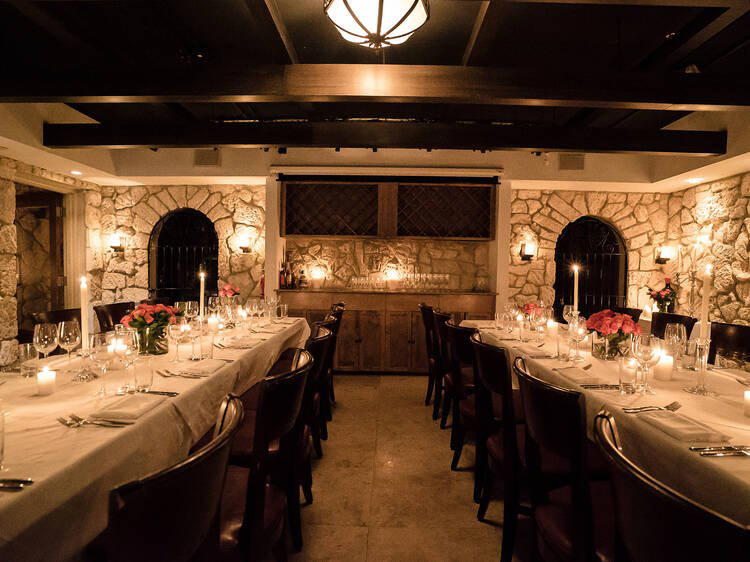
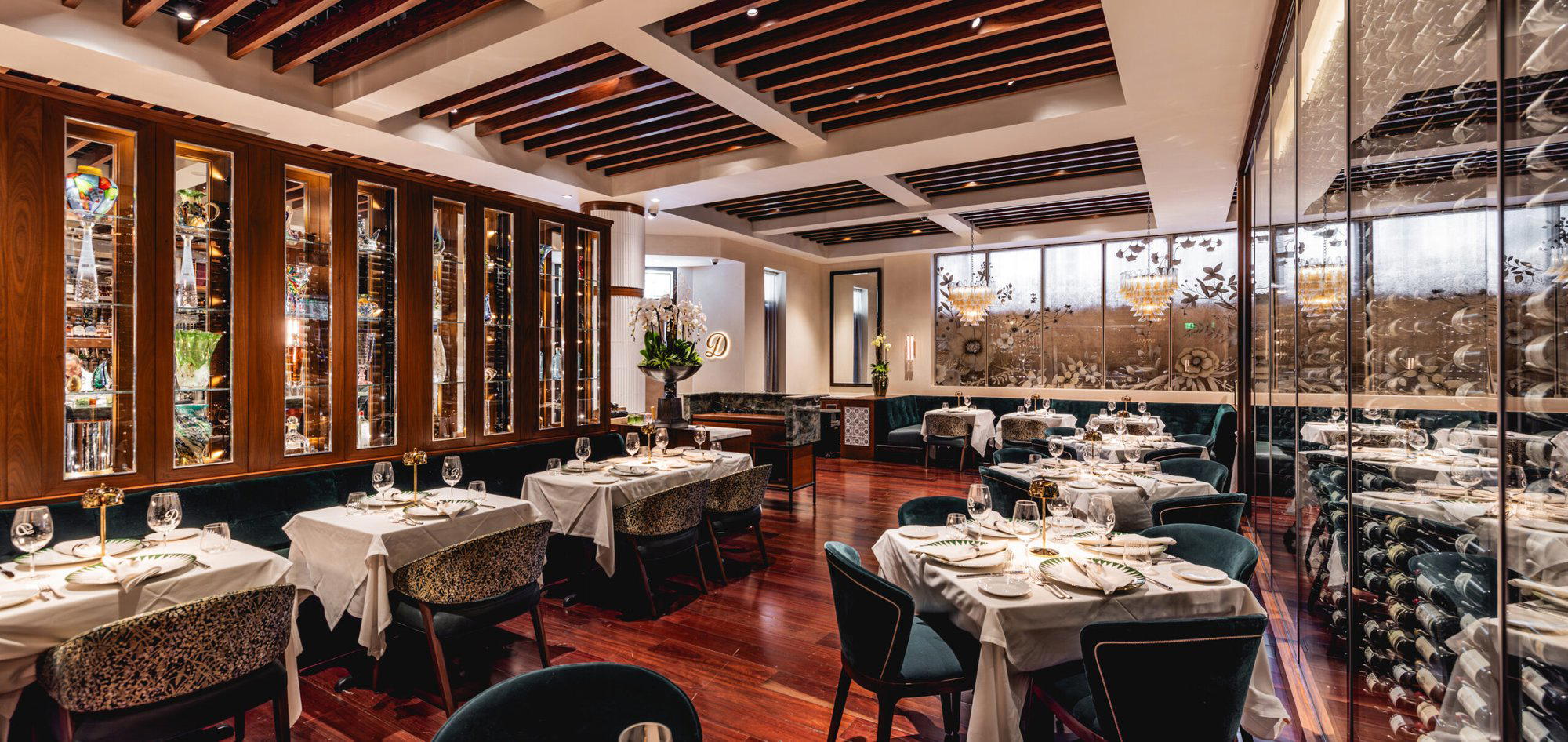
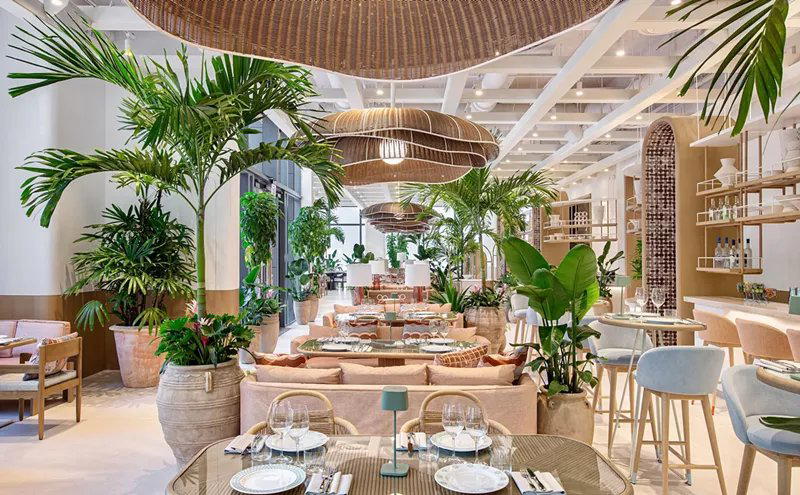
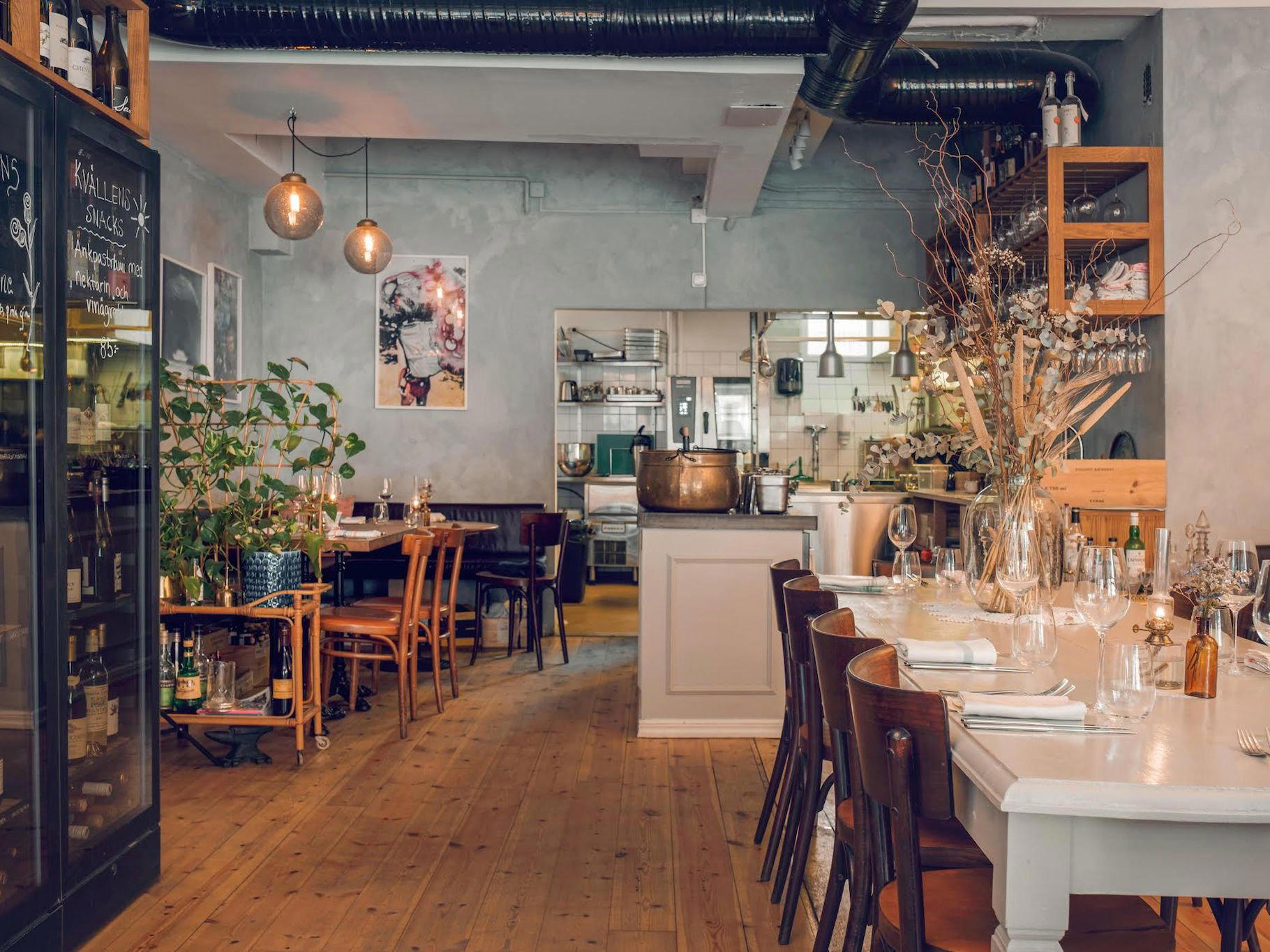
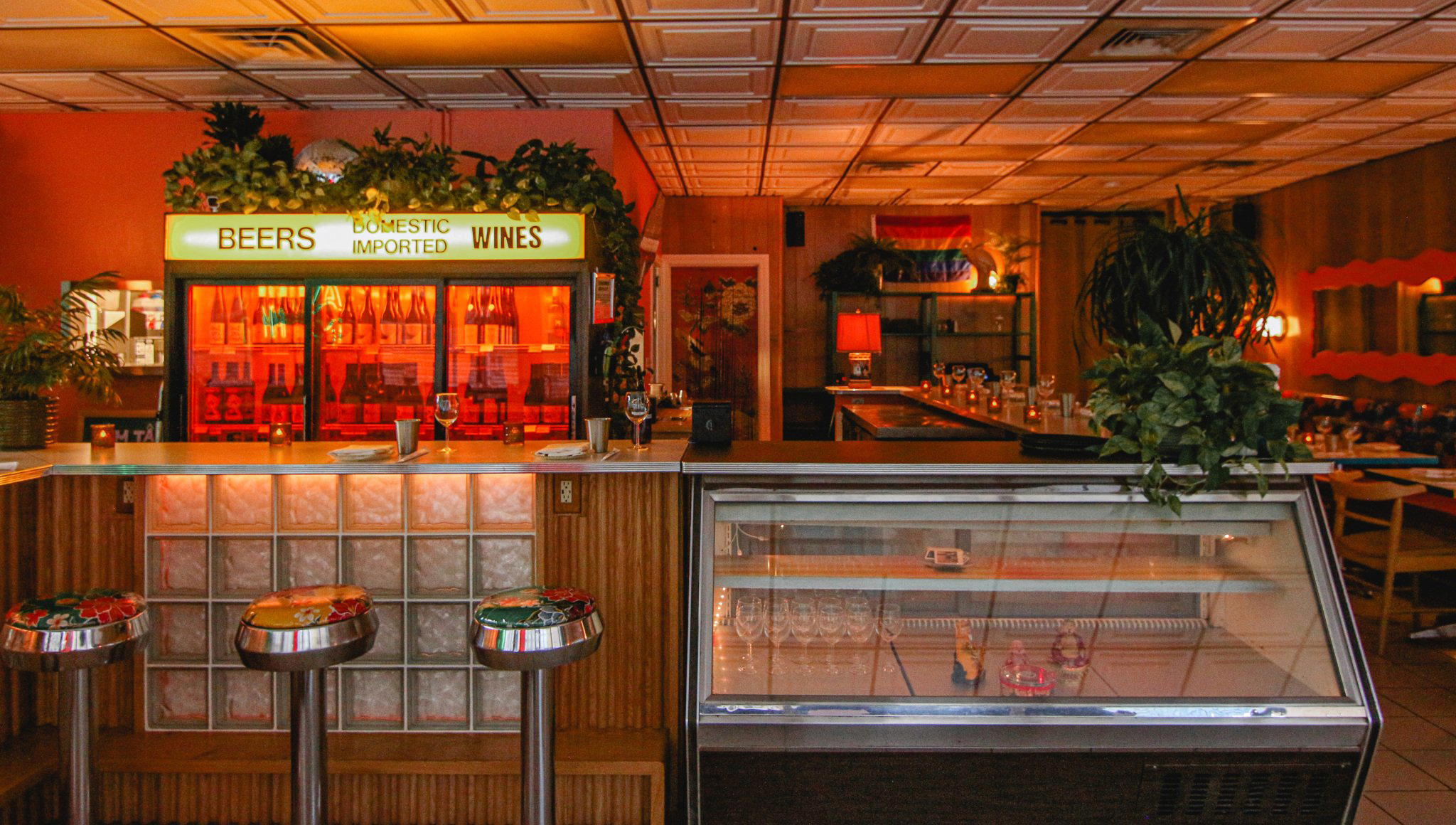
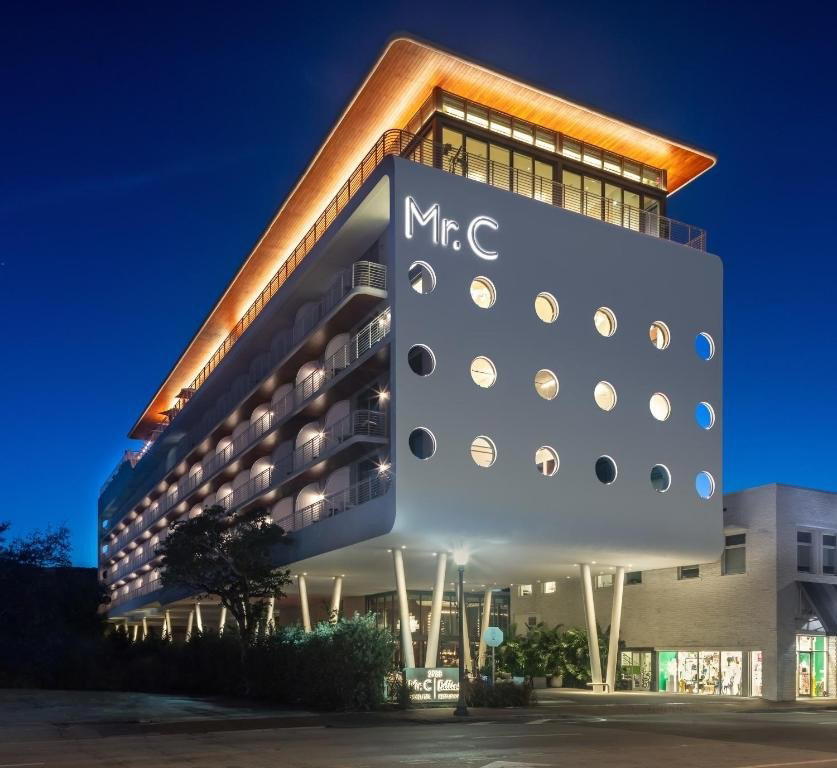
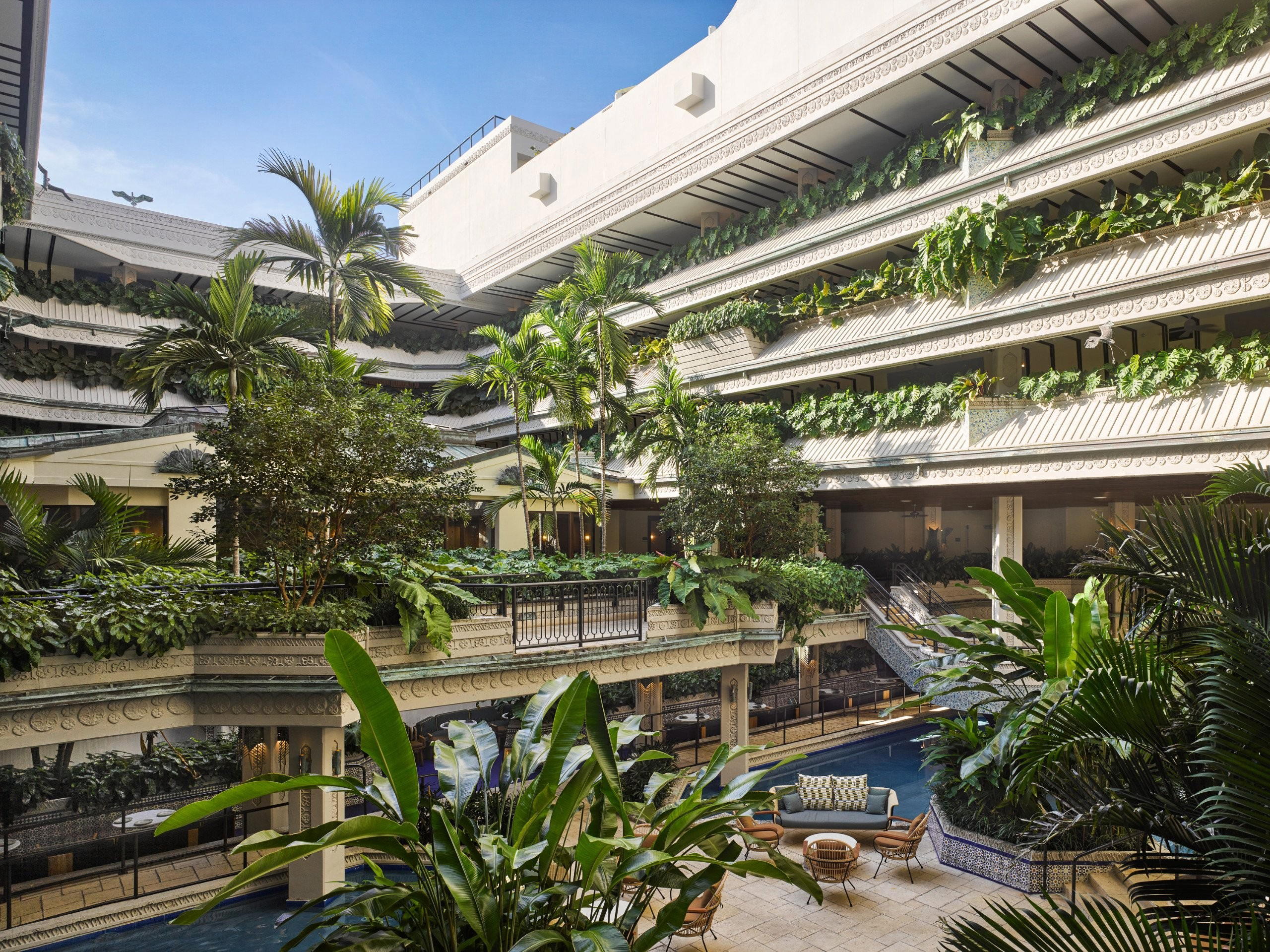
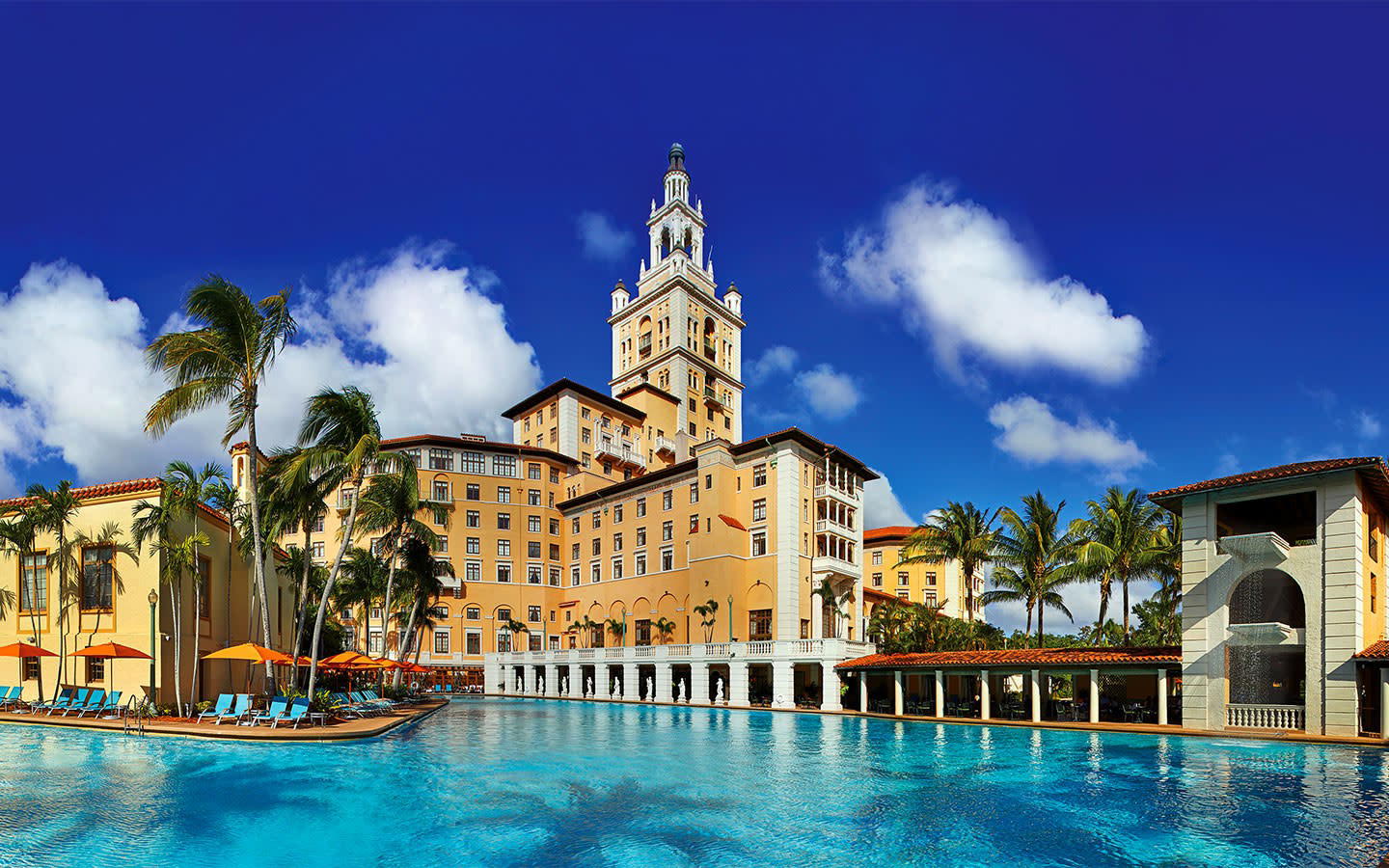
Sophisticated and elegant atmosphere blending casual charm with refined lighting, offering a internationally prominent European experience.