
Bella Via brings an unlikely culinary history to Heerstraat: Carlo Didden, who spent two decades reshaping Antwerp's cross-cultural dining scene, now cooks from his Limburg roots in a no-nonsense format where vegetables hold real weight on the plate. The result is a neighbourhood restaurant with a sharper editorial pedigree than its address in Neerpelt might suggest.
Pearl is the En Primeur Club membership app — saves, bookings, and concierge access live there. Same editors, same standards.
- Address
- Heerstraat 15, 3910 Pelt, Belgium
- Phone
- +32 11 64 01 71
- Website
- bellavia-restaurant.be
- Directions
- Get directions
 Saves & bookings on Pearl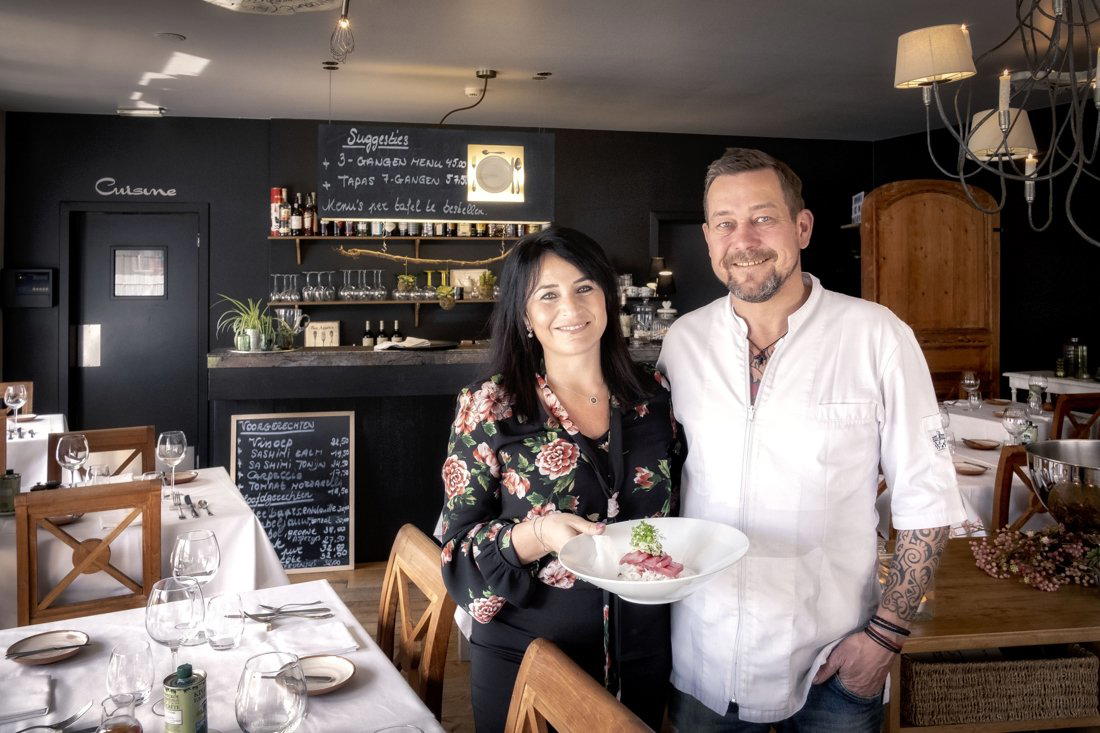
Limburg Roots, Antwerp Pedigree
Belgian provincial dining has long operated in the shadow of Antwerp and Brussels, where the press clusters and the awards panels convene. Neerpelt, a small municipality in the Limburg province near the Dutch border, sits well outside that gravitational pull. That distance, however, does not reflect the culinary history walking through its door. The figure behind the kitchen at Bella Via, Carlo Didden, spent two decades in Antwerp building a reputation as a 'crossculture' pioneer, a chef who absorbed influences from disparate culinary traditions and recombined them in ways that generated genuine debate. Provocateur chefs of that type tend to stay in cities where the friction is productive. The fact that Didden has chosen Neerpelt, and that the move feels deliberate rather than a retreat, says something about where Belgian regional dining is heading.
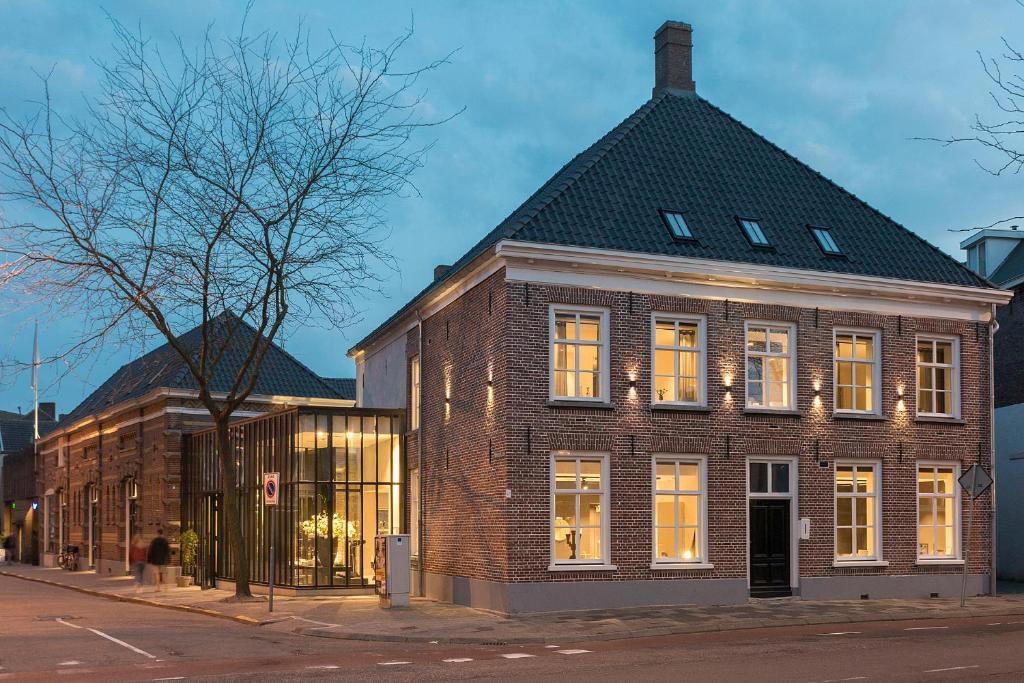
Bella Via is located at Heerstraat 15 in Pelt, accessible from Neerpelt's centre and positioned within reach of the broader Limburg countryside that defines the region's agricultural character. Visitors arriving from Antwerp or Brussels will find the setting markedly quieter, a quality that appears to be the point.
What 'No-Nonsense' Means in Practice
The phrase 'no-nonsense kitchen' gets applied loosely in Belgian restaurant culture, sometimes as a polite way of describing unremarkable cooking. At Bella Via the framing carries more weight, because the chef deploying it has a verifiable history of doing the opposite. Didden's Antwerp years were defined by complexity and cultural collision. The decision to work with restraint in Limburg reads as a conscious recalibration rather than a reduction in ambition. That distinction matters for how a visitor should approach the menu.
Vegetables occupying a supporting role, as noted in the restaurant's positioning, is language worth parsing carefully. In the Belgian fine dining tier, vegetables have historically played second chair to protein, with the country's most celebrated restaurants, from Boury in Roeselare to Castor in Beveren, constructing their reputations largely around meat and seafood execution. A kitchen that places vegetables in a 'supporting role' at the restaurant is not minimising them, it is giving them a structural function within the plate rather than relegating them to garnish. That distinction connects directly to how Limburg's agricultural output gets used.
Limburg as Source Material
Limburg province sits in a geographic band that straddles Belgium and the Netherlands, characterised by sandy soils, river plains, and a market garden tradition that has supplied the region's tables for generations. The produce vocabulary available within a short radius of Neerpelt is considerably richer than the province's dining profile might suggest to outsiders. Root vegetables, legumes, and seasonal field crops form the backbone of a larder that regional chefs have historically undervalued in favour of imported prestige ingredients.
Didden's return to these roots, after years of cooking from a global ingredient palette in Antwerp, positions the restaurant within a broader European shift toward sourcing from immediate geography. The approach is more pointed in Limburg than in Flanders' coastal strip, where restaurants like Bartholomeus in Heist and Willem Hiele in Oudenburg have built programs explicitly around the North Sea and its immediate hinterland. In Limburg, the analogous argument is harder to make theatrically, the countryside does not carry the same romantic freight as the coast, which may be precisely why the restaurant's positioning feels more grounded than aspirational.
Patricia Bellavia, who co-runs the restaurant with Didden, brings the operational structure that allows a kitchen with this history to function as a neighbourhood restaurant rather than a destination project. The partnership creates a format that is accessible without being underpromised.
Where Bella Via Sits in the Belgian Picture
Belgium's restaurant culture splits into recognisable tiers. At the leading, a cluster of heavily awarded rooms, including Hof van Cleve in Kruishoutem, Zilte in Antwerp, and De Jonkman in Sint-Kruis, occupy a prestige bracket where covers are limited, prices are high, and media attention is concentrated. Below that sits a middle tier of serious cooking operating at accessible price points, often in provincial cities and market towns, that receives less attention but feeds a more consistent local clientele. The restaurant belongs to this second tier by format and location, though its conceptual pedigree crosses into the first.
The comparison venue most relevant to understanding the restaurant's position is probably Cuchara in Lommel, a short distance away, which also operates at a serious culinary level in a Limburg setting. Both sit outside the Antwerp-Brussels axis, and both are worth mapping when planning a Limburg dining itinerary. For Italian-leaning alternatives in Neerpelt itself, La Baita offers a different register of cooking at the same address level.
Bozar Restaurant in Brussels to Emeril's in New Orleans, where the relationship between a chef's earlier range and a later rooted focus becomes the defining editorial of the restaurant.
Planning a Visit
The restaurant sits on Heerstraat in Pelt, within the broader Neerpelt municipality. Planning ahead is advisable. The Limburg countryside around Neerpelt rewards a longer stay, and combining a dinner at the restaurant with a night's accommodation in the area makes the journey from Antwerp or Brussels more practical.
Comparable Venues
Comparable venues nearby, for context on price, style, and recognition.
| Venue | Cuisine | Price | Awards | Notes |
|---|---|---|---|---|
| Bella ViaThis venue — the venue you are viewing | Belgian Seafood | $$ | Not listed | Not listed |
| La Baita | Modern Italian Contemporary | $$$ | Michelin Plate | Neerpelt |
| Maison Mathis | Belgian-European Brasserie | $$ | Not listed | Slachthuiskaai |
| De Veehoeve | Belgian-French Meat Restaurant | $$ | Not listed | Kapellen |
| Restaurant Mainstage | Belgian Festival Fusion | $$$ | Not listed | De Schorre |
| Bardin | Belgian Breakfast & Brunch Cafe | $$ | Not listed | Dam District |
Recognition history
Dated appearances from independent guides and award organizations, with the underlying list record or original source where available.
We're Smart World 1 Radish
We're Smart World
At a Glance
- Cozy
- Intimate
- Elegant
- Date Night
- Special Occasion
Current opening hours
- Monday
- 12–2 PM, 6–8 PM
- Tuesday
- Closed
- Wednesday
- Closed
- Thursday
- 12–2 PM, 6–8 PM
- Friday
- 12–2 PM, 6–8 PM
- Saturday
- 12–2 PM, 6–8 PM
- Sunday
- 12–2 PM, 6–8 PM
Hours can change for holidays and private events. Last verified .
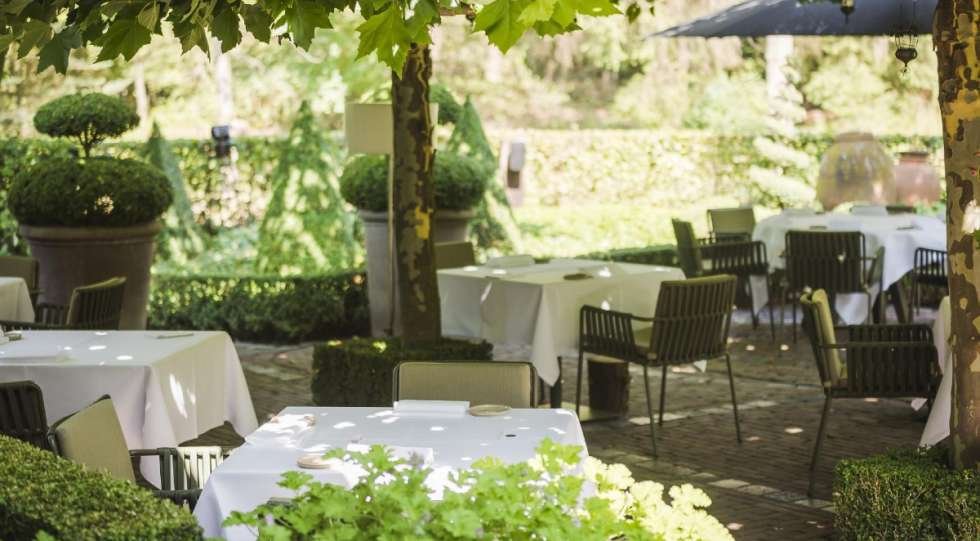
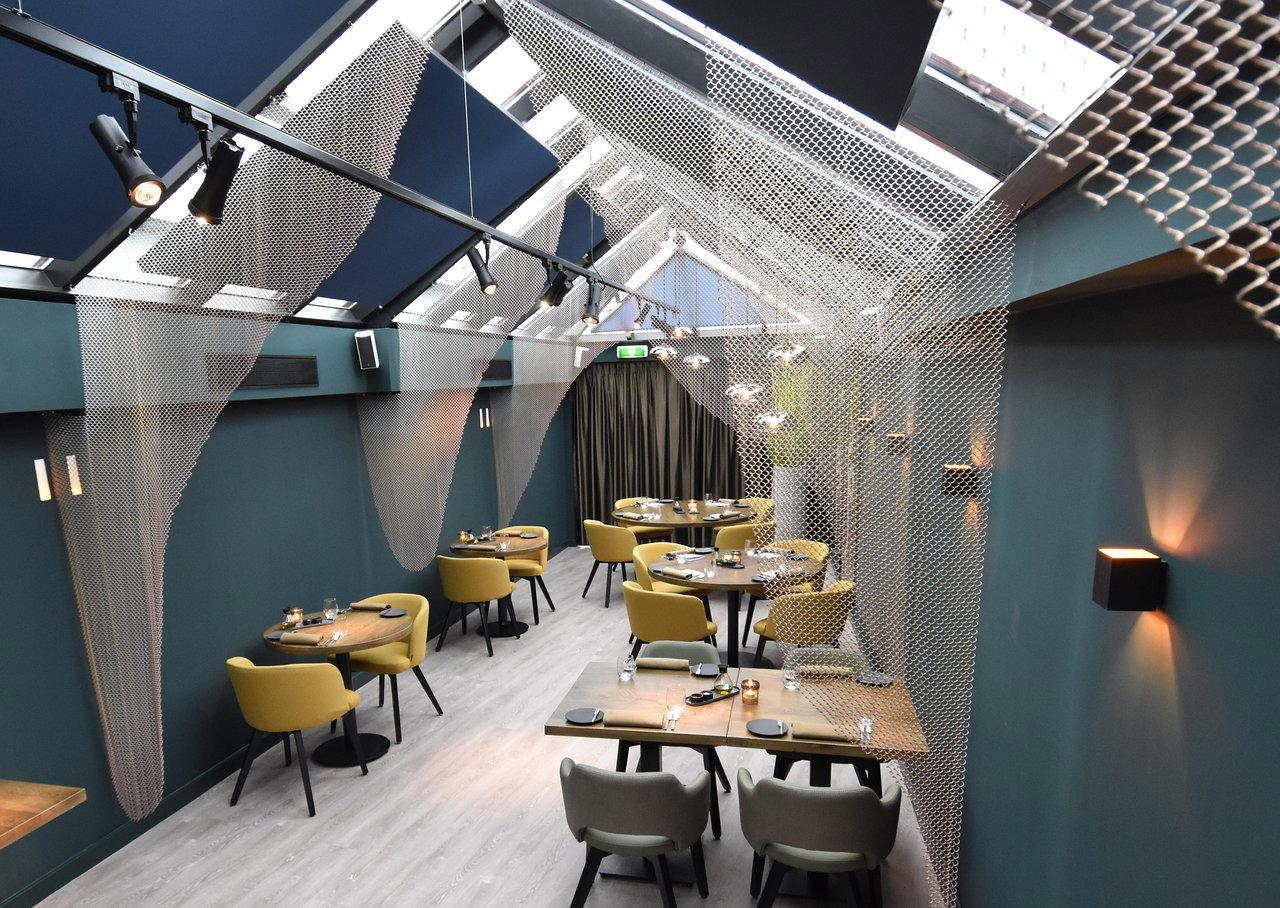
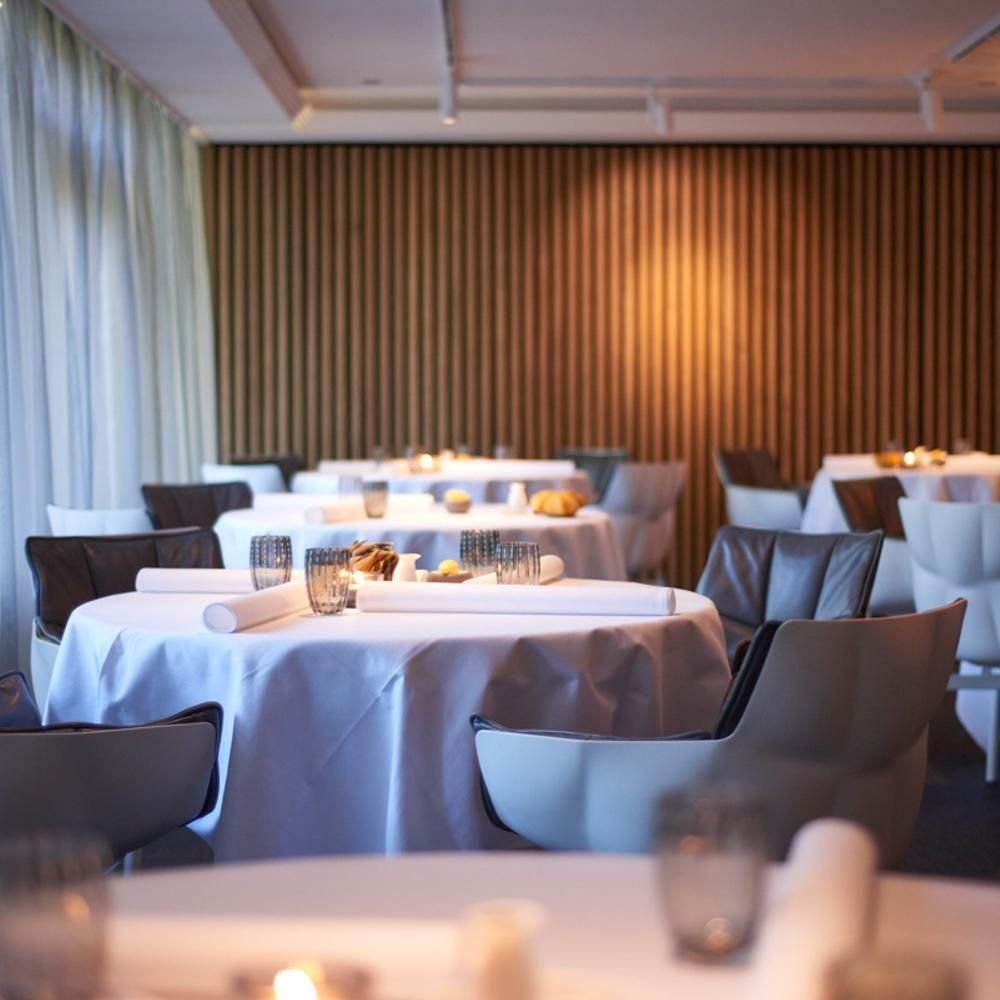
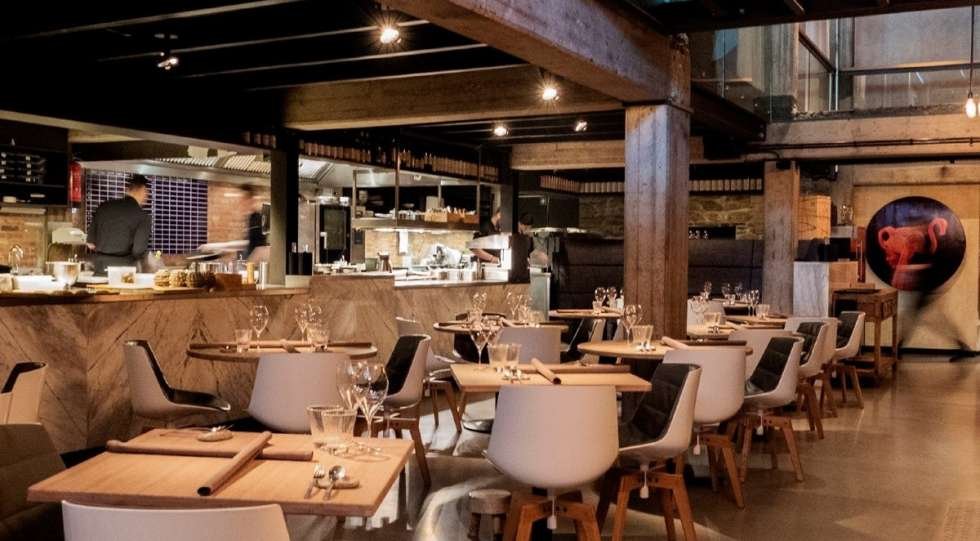
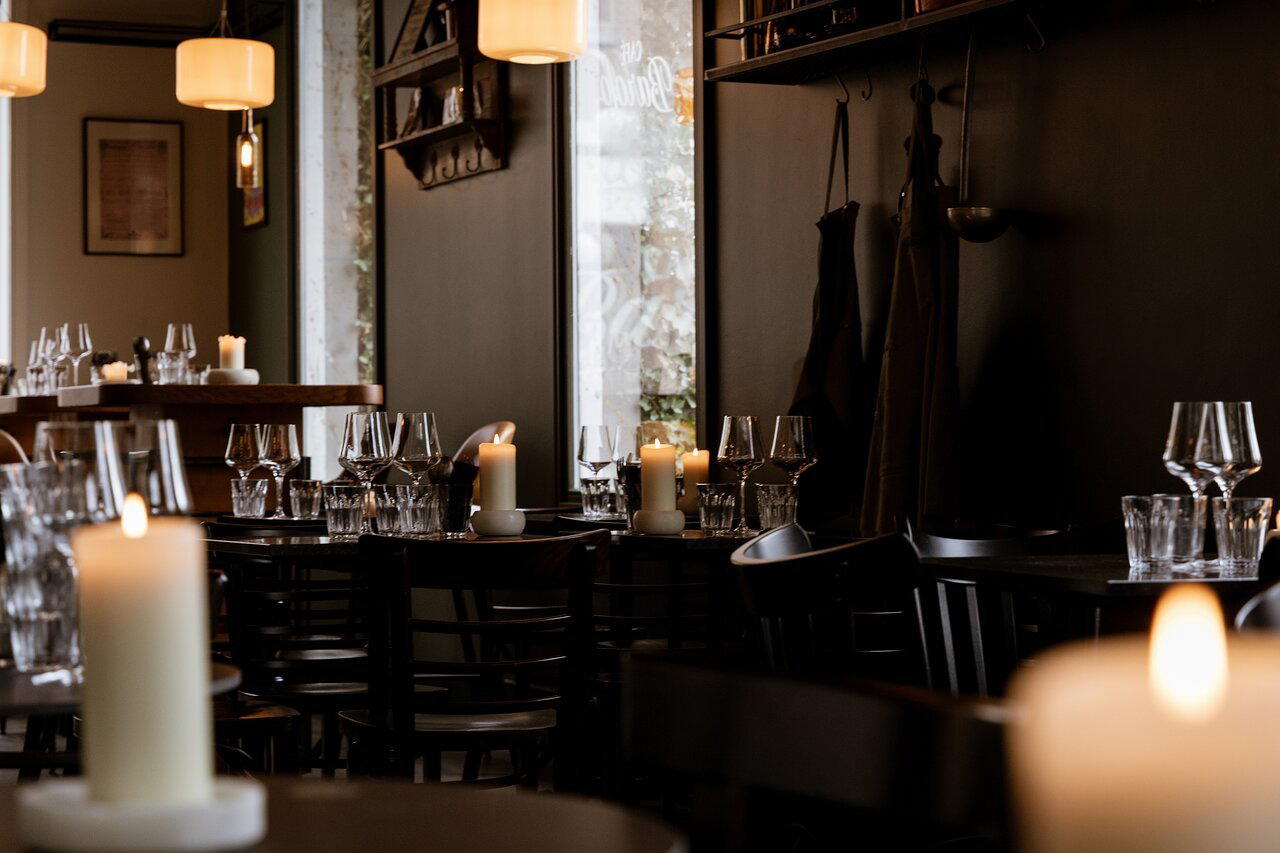
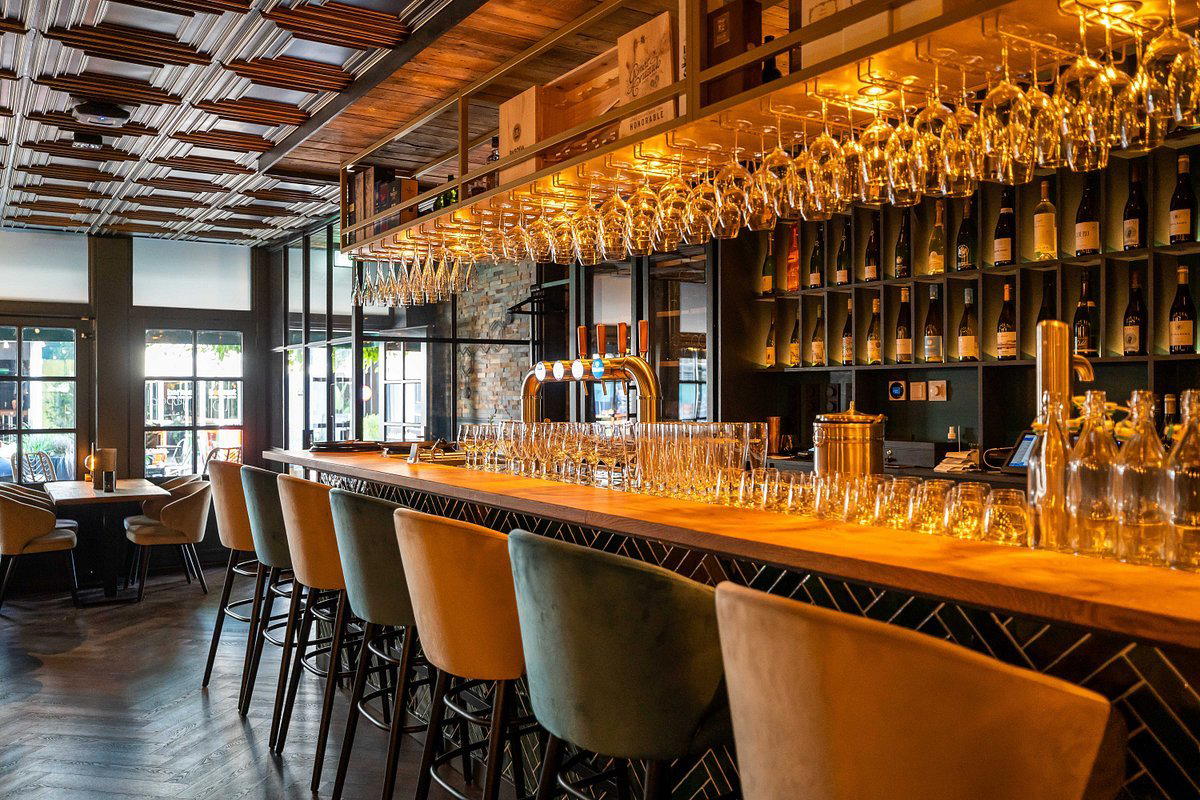
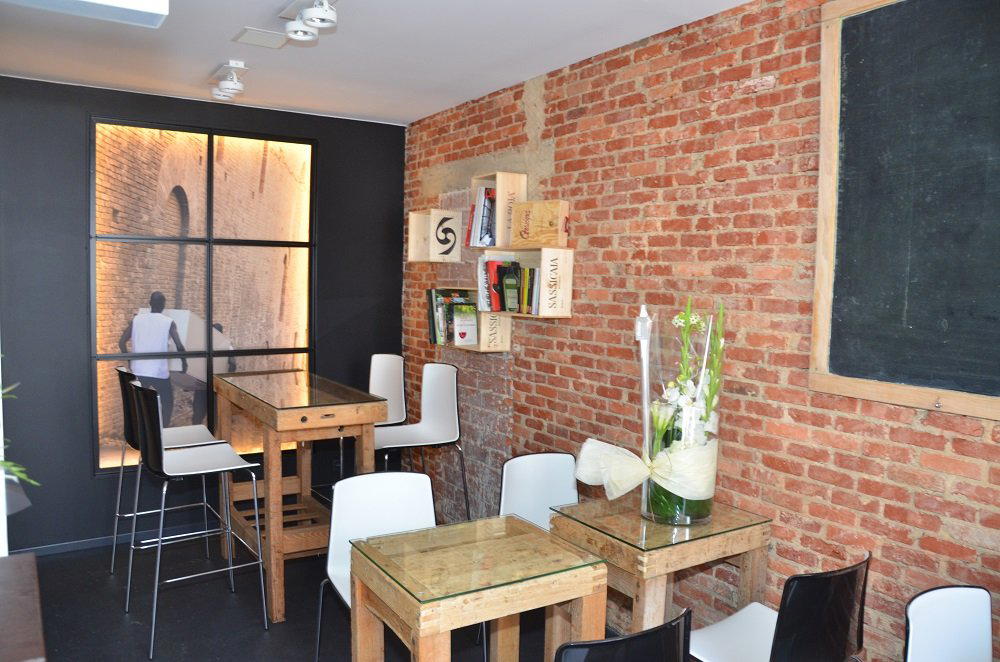
Cozy living room setting with warm, friendly service and a relaxing atmosphere.