De Veehoeve sits on Dorpsstraat in Kapellen, a town north of Antwerp where the restaurant scene rewards those who look beyond the city ring. With its address rooted in a village streetscape, De Veehoeve occupies a position in Belgium's broader tradition of farm-sourced, regionally anchored cooking. Booking ahead is advisable given Kapellen's limited restaurant count at this level.
Pearl is the En Primeur Club membership app — saves, bookings, and concierge access live there. Same editors, same standards.
- Address
- Dorpsstraat 2, 2950 Kapellen, Belgium
- Phone
- +32 3 430 55 60
- Website
- deveehoeve.be
- Directions
- Get directions
 Saves & bookings on Pearl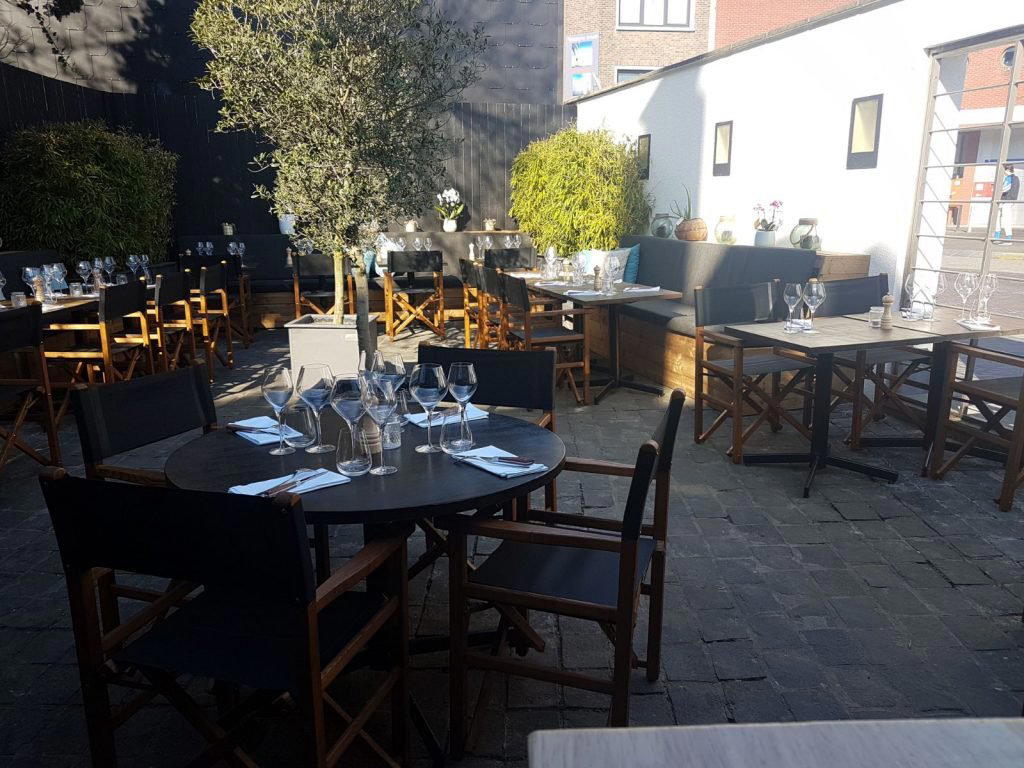
Kapellen and the Farm-to-Table Tradition in the Antwerp Hinterland
The towns that ring Antwerp tend to operate in the city's shadow, but Kapellen has developed a quiet dining culture of its own. At Dorpsstraat 2, De Veehoeve sits on the kind of village-centre address that in Belgium frequently signals something more considered than the postcode suggests. The Flemish tradition of rooting serious cooking in agricultural proximity rather than urban density runs deep here, from the polders around Bruges to the farmhouse conversions of the Campine plateau, and Kapellen's position in the Antwerp province places it firmly within that geographic and culinary logic.
Belgium's restaurant culture has long rewarded this model. The country's leading kitchens, from Hof van Cleve in Kruishoutem to De Jonkman in Sint-Kruis, are rarely in city centres. They occupy converted farmsteads, suburban corners, and market-town addresses, and they rely on the kind of supplier relationships that proximity to agricultural land makes possible. De Veehoeve's name itself, meaning "the cattle farm" or "the livestock farm" in Dutch, positions it within this tradition whether that is an architectural inheritance or a deliberate conceptual anchor.
What Farm Provenance Actually Means at This Address
Belgium's ingredient-sourcing culture has become a marker of seriousness across its restaurant tiers. In Flanders particularly, the question of where meat, dairy, and produce come from has moved from niche to near-universal expectation at any table charging above bistro prices. The Antwerp province offers access to both coastal supply chains to the west and inland agricultural producers, giving chefs in this region more sourcing flexibility than their counterparts in more urbanised settings.
The name De Veehoeve points directly at livestock and dairy heritage, categories that in a Flemish context connect to specific regional products: aged artisan cheeses from small producers, heritage breed beef with traceable grazing histories, and dairy-led preparations that exploit the fat content of Belgian black-and-white cattle herds. These ingredients are commercially active, regionally specific, and accessible to kitchens that have the supplier relationships to reach them. A restaurant anchored conceptually to this tradition, at this address, operates in well-mapped territory.
Comparable commitments in Belgium's more documented tier can be seen at places like Willem Hiele in Oudenburg, where hyper-local sourcing in the coastal polders has become central to the restaurant's identity and recognition, or at Vrijmoed in Gent, which applies a creative Modern Flemish framework to similarly grounded ingredient thinking. The restaurant appears to operate within the same broad tradition.
Kapellen in the Context of the Antwerp Dining Orbit
Antwerp proper carries most of the province's dining weight. Zilte anchors the upper end of the city's scene with three Michelin stars and a setting on the leading floor of the MAS museum. But the restaurants drawing serious eaters out of Antwerp into the surrounding communes are increasingly part of the conversation. Kapellen, less than 20 kilometres north of the city centre by road, sits in a cluster of suburban and semi-rural towns that have historically underperformed relative to their access to quality ingredients and motivated dining populations.
That gap is narrowing. Rascasse, also in Kapellen, represents the town's more documented fine-dining presence. The restaurant on Dorpsstraat occupies a different position: a village-street address, a name that references agricultural heritage, and a presence that appears to draw from a local, repeat-visitor base rather than destination-seeking traffic. For readers planning around the broader region, the full Kapellen restaurants guide maps the town's dining options across categories and price points.
At the national level, the contrast is instructive. Restaurants like Boury in Roeselare or La Durée in Izegem have built profiles that extend well beyond their local catchments. The restaurant appears to operate at a more local stage of that trajectory.
The Flemish Farm Restaurant as a Dining Format
Across Belgium, the farm-origin restaurant occupies a specific cultural register. It is distinct from the bistro, which draws on urban informality, and from the gastronomic table, which foregrounds technique. The farm restaurant format in Flanders tends to prioritise ingredient legibility: preparations that let the quality of the raw material carry the dish rather than obscure it, seasonal menus driven by what the surrounding land and its producers are generating at a given moment, and a dining room atmosphere that reflects the building's agricultural roots.
This format has international equivalents. In the United States, Lazy Bear in San Francisco built its reputation on communal dining rooted in sourced ingredients, while in New York, Le Bernardin has long demonstrated that single-ingredient focus at the highest technical level represents a distinct discipline. In Belgium, the tradition is older and more embedded in the countryside's fabric, making addresses like De Veehoeve part of a longer lineage rather than a contemporary trend response.
For readers interested in how this format plays out across different Belgian regions, the comparison is useful: Ralf Berendsen in Neerharen operates a similarly grounded approach in Limburg, while Castor in Beveren sits just across the Antwerp province border in a comparable semi-rural setting. Further afield, Le Chalet de la Forêt in Uccle and Bozar Restaurant in Brussels represent the urban end of Belgium's ingredient-conscious cooking, and the contrast in register between those city tables and a Kapellen address is worth factoring into any trip structure.
Planning Around De Veehoeve
Kapellen is accessible from Antwerp by car in under 30 minutes, and the town's central address on Dorpsstraat makes the restaurant easy to locate without navigational complexity. Reservations are recommended. For readers building a multi-stop day in the Antwerp north, the town's compact size makes the restaurant an easy stop between other local addresses. Seasonal timing matters in farm-anchored cooking.
How It Stacks Up
Comparable venues nearby, for context on price, style, and recognition.
| Venue | Cuisine | Price | Awards | Notes |
|---|---|---|---|---|
| De VeehoeveThis venue — the venue you are viewing | Belgian-French Meat Restaurant | $$ | Not listed | Not listed |
| Rascasse | Modern Seafood Fine Dining | $$$$ | Michelin Plate | Kapellenbos |
| Fredo | Seasonal Belgian Vegetable-Focused | $$ | Not listed | Berchem |
| Martino | Belgian Brasserie | $$ | Not listed | Binnenstad |
| Le Dillens | Belgian Bistro | $$ | Not listed | Saint-Gilles |
| Fernand Obb Delicatessen | Belgian Delicatessen | $$ | Not listed | Sint-Pieters Woluwe |
At a Glance
- Cozy
- Rustic
- Elegant
- Date Night
- Group Dining
- Open Kitchen
Current opening hours
- Monday
- Closed
- Tuesday
- Closed
- Wednesday
- 5–11 PM
- Thursday
- 5–11 PM
- Friday
- 12–2 PM, 5 PM–12 AM
- Saturday
- 12–2 PM, 5 PM–12 AM
- Sunday
- 12–2 PM, 5–11 PM
Hours can change for holidays and private events. Last verified .
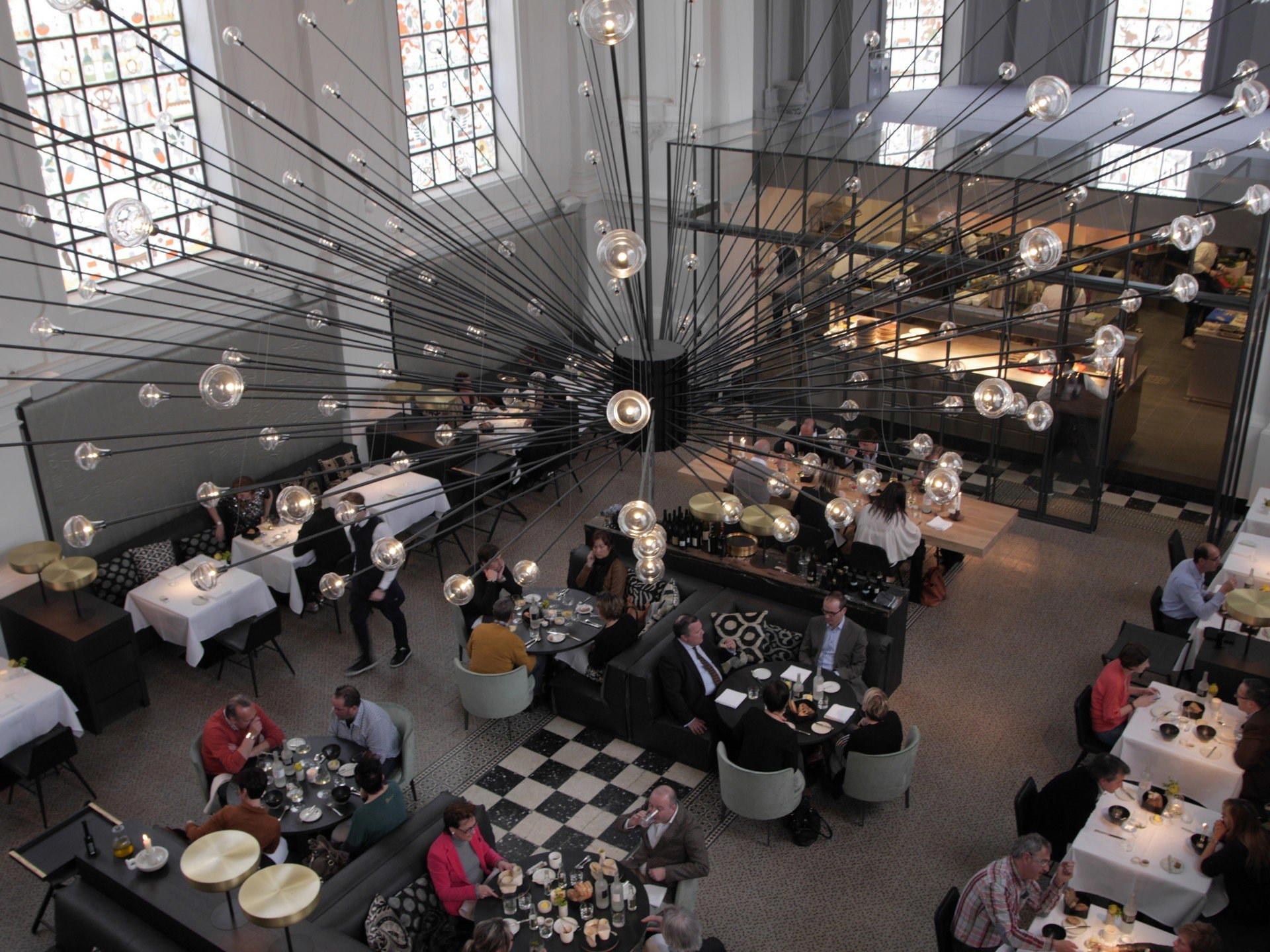
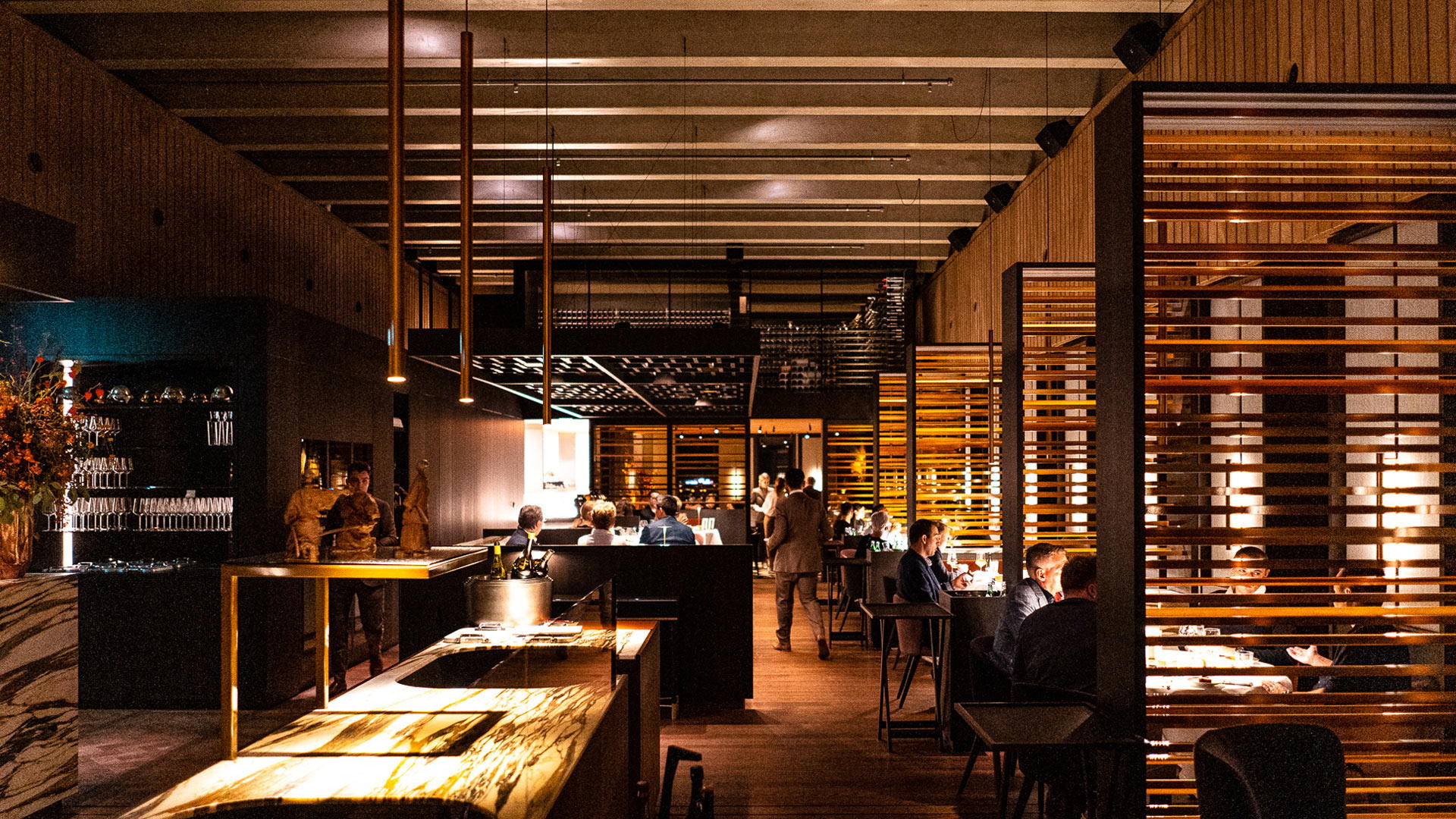
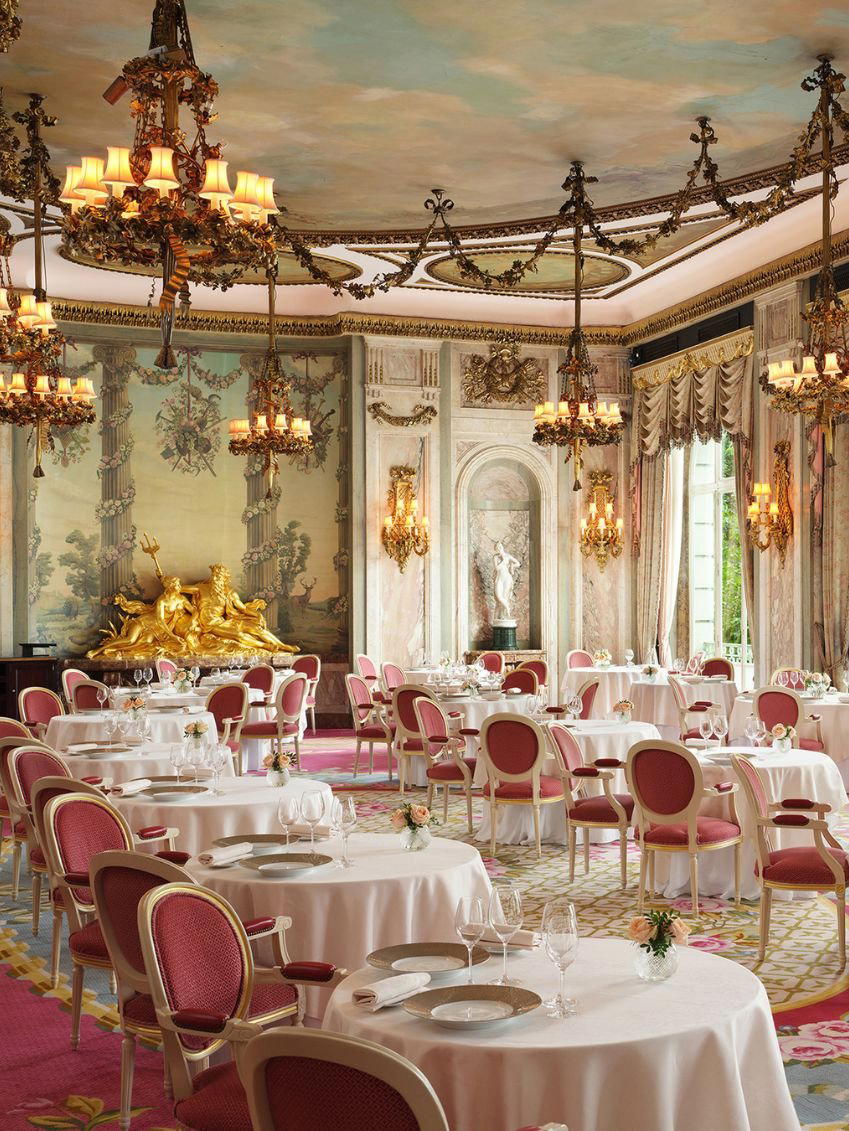
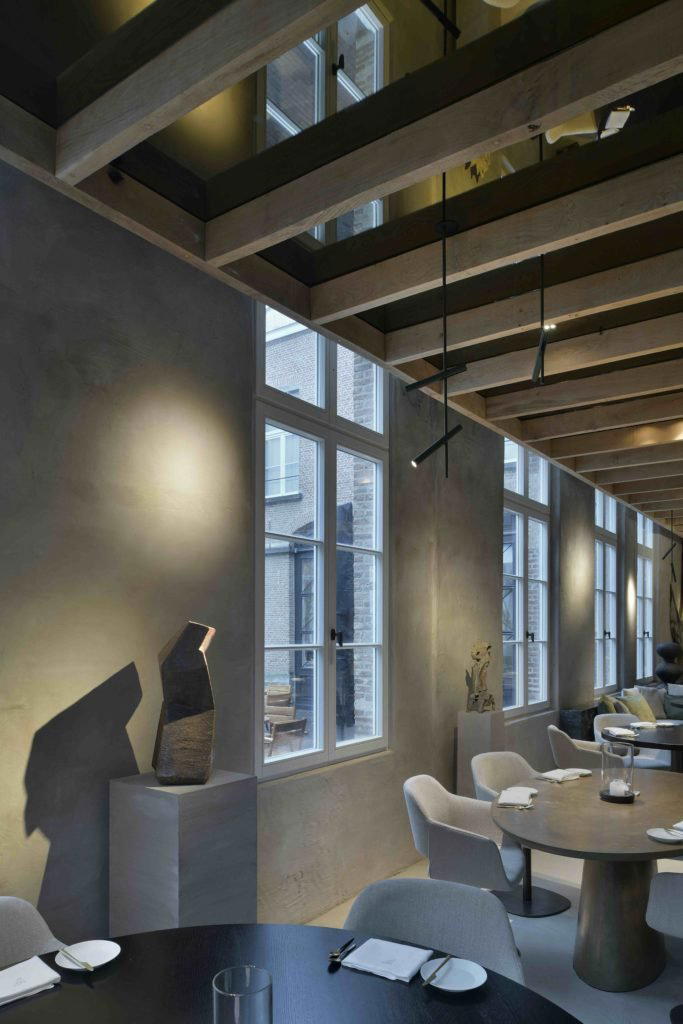
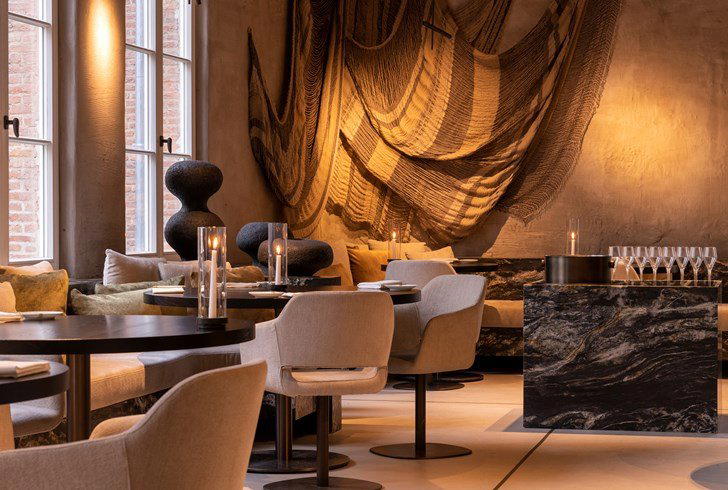
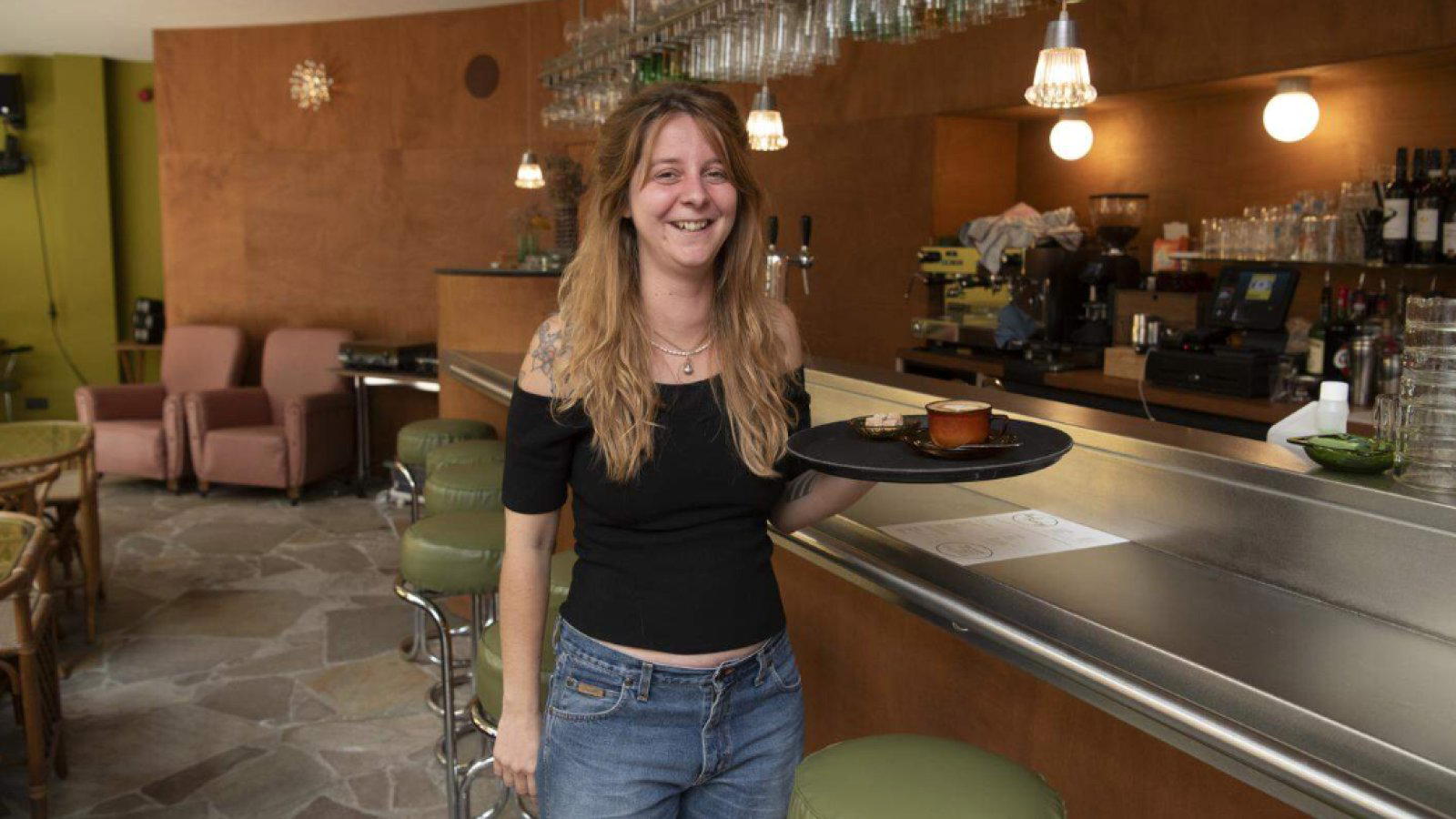
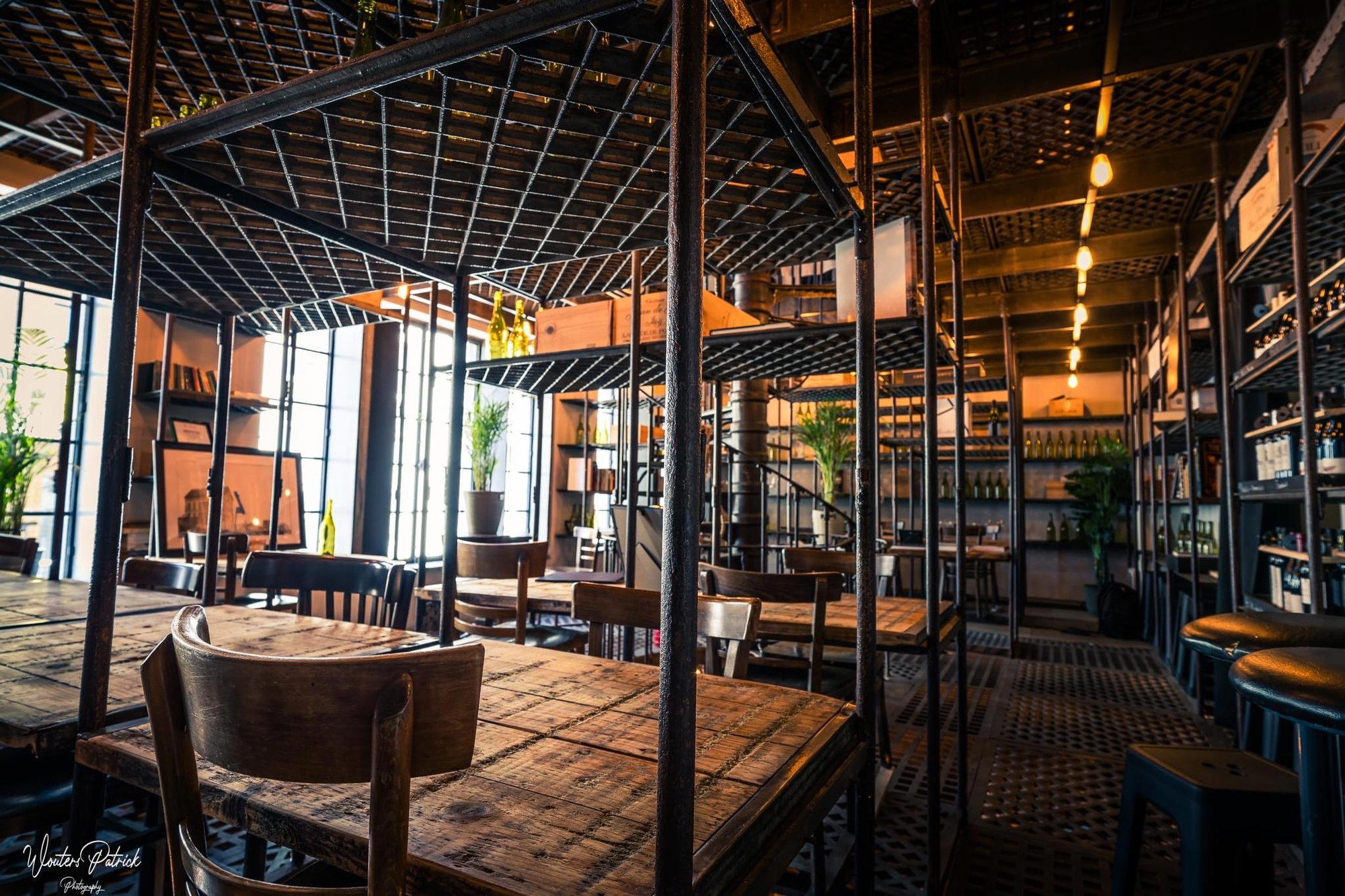
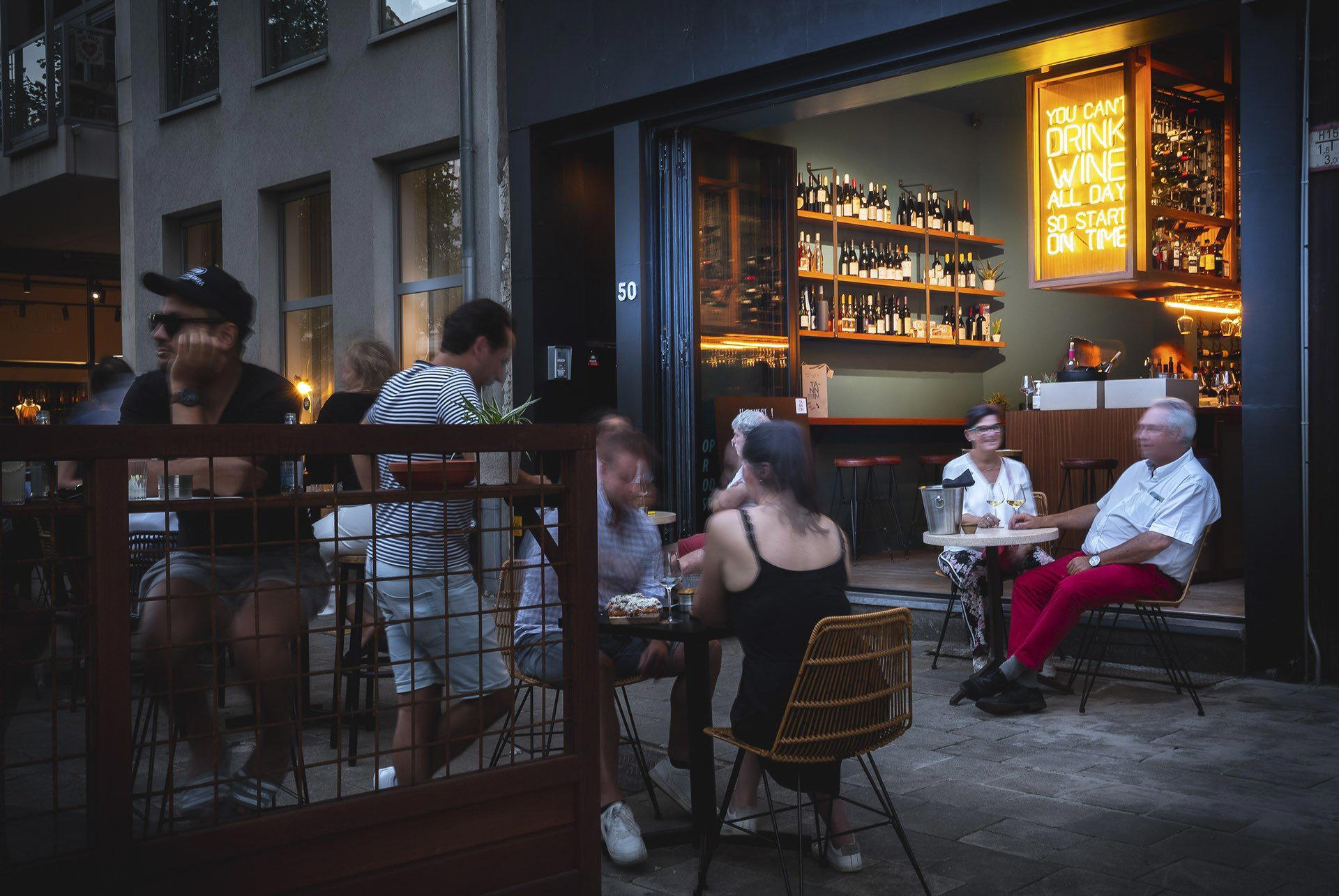
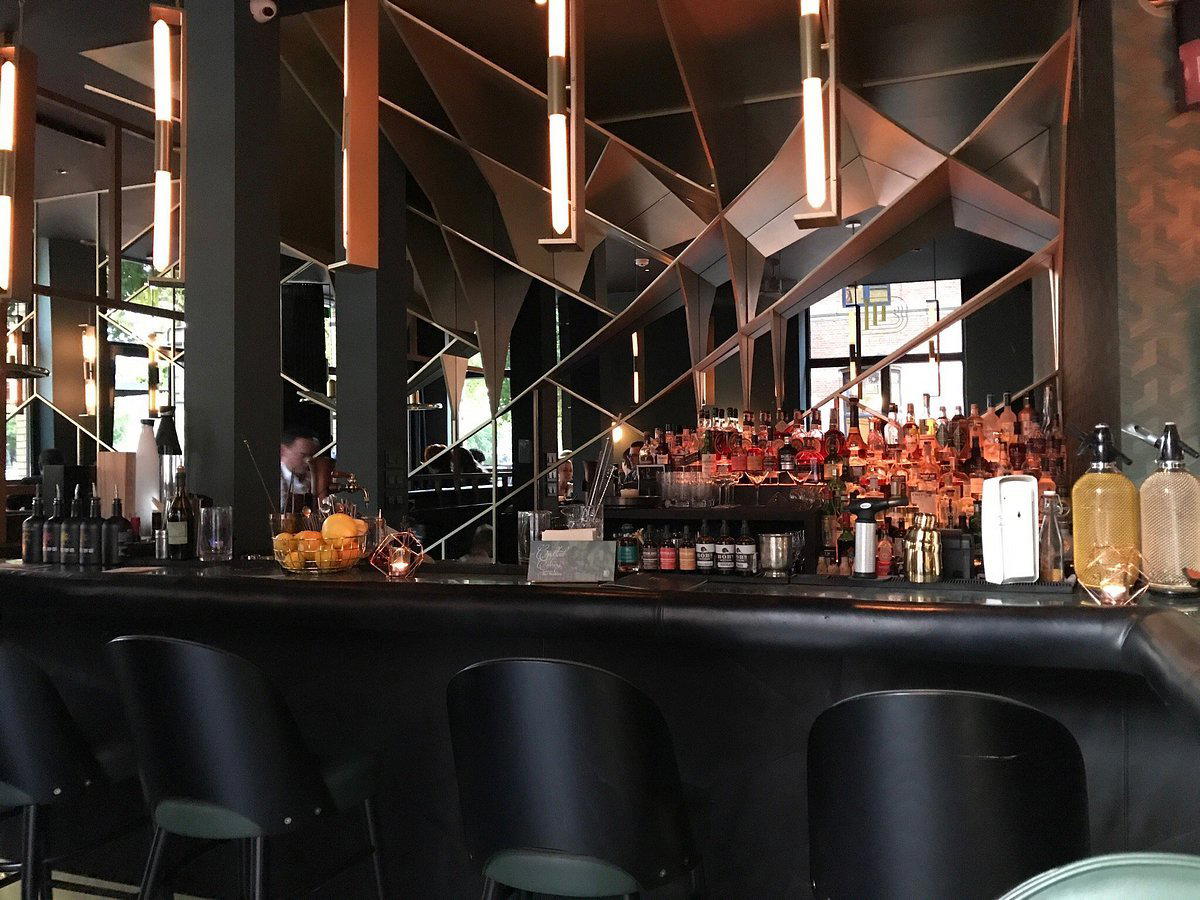
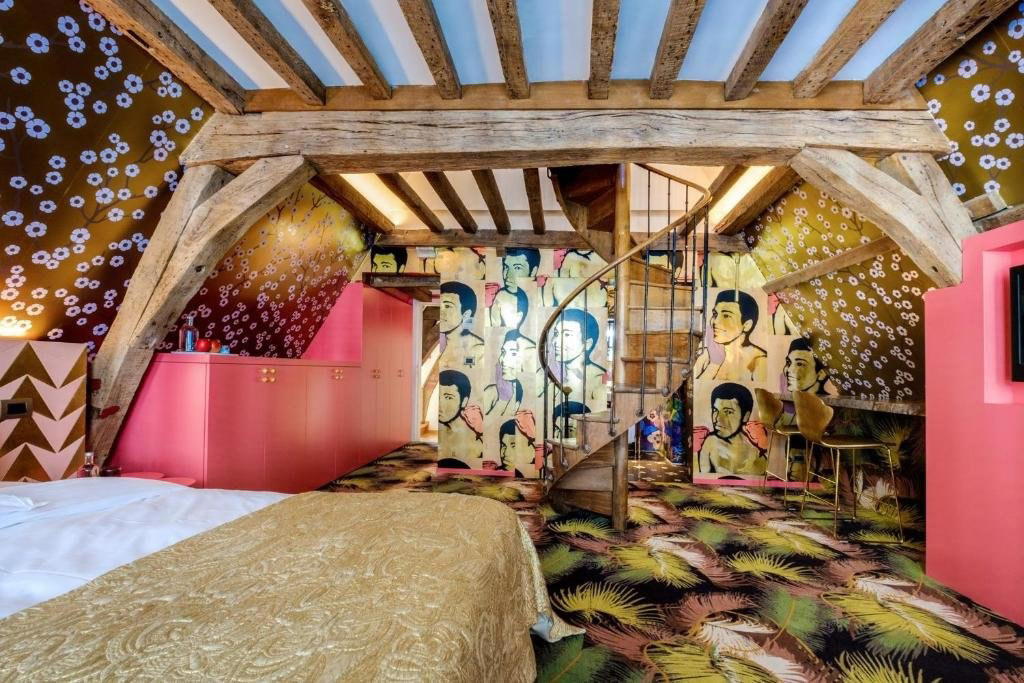
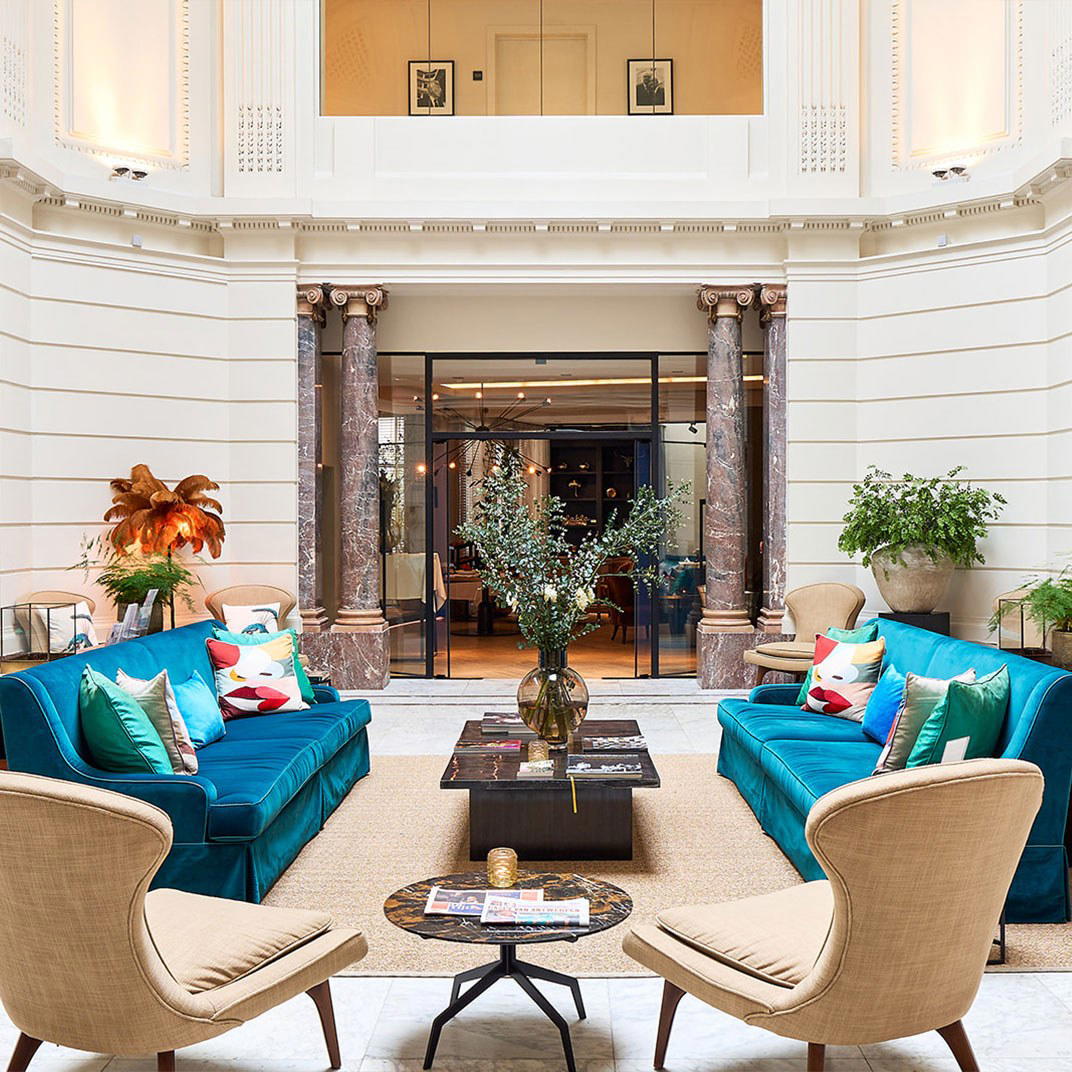
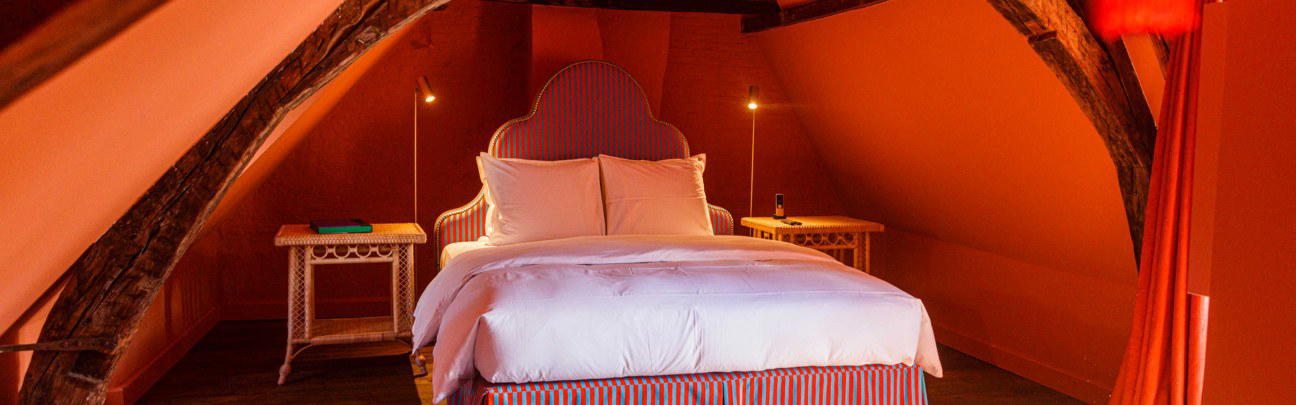
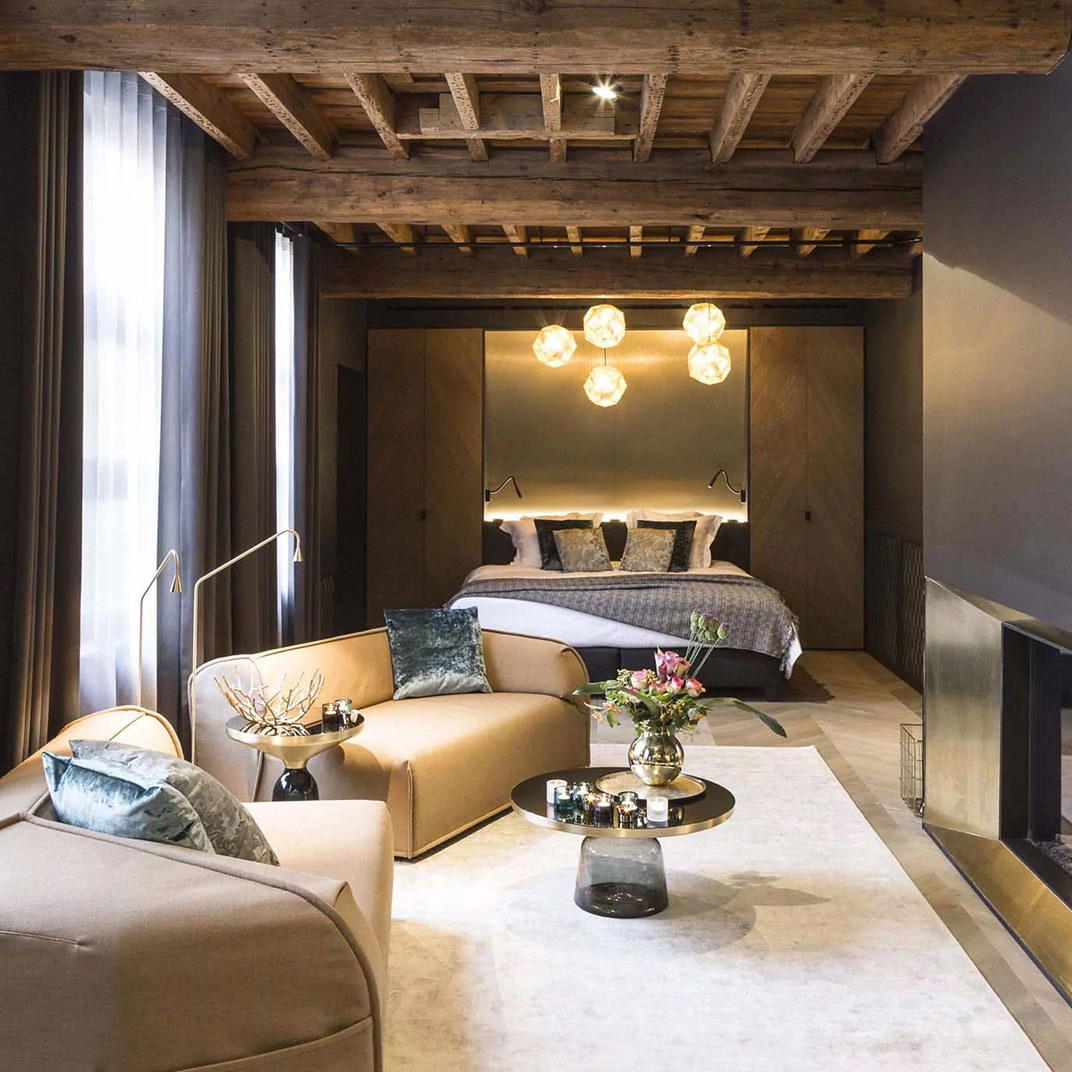
Cozy atmosphere with wood and warm tones in the aperitif bar, warm and inviting decor, spectacular and comfortable setting.