BeLeaf Vietnamese Cuisine on Carlton Street brings Vietnamese cooking into Toronto's downtown core at a moment when the city's appetite for Southeast Asian food has moved well beyond the surface. The kitchen's emphasis on ingredient sourcing places it in a smaller tier of Vietnamese restaurants where provenance matters as much as technique. For the Church-Wellesley and Garden District neighbourhood, it offers a grounded alternative to the $$$$ omakase and contemporary fine dining that dominates Toronto's critical conversation.
Pearl is the En Primeur Club membership app — saves, bookings, and concierge access live there. Same editors, same standards.
- Address
- 45 Carlton St. Unit #2, Toronto, ON M5B 2H9, Canada
- Phone
- +14169778668
- Website
- beleaftoronto.com
- Directions
- Get directions
 Saves & bookings on Pearl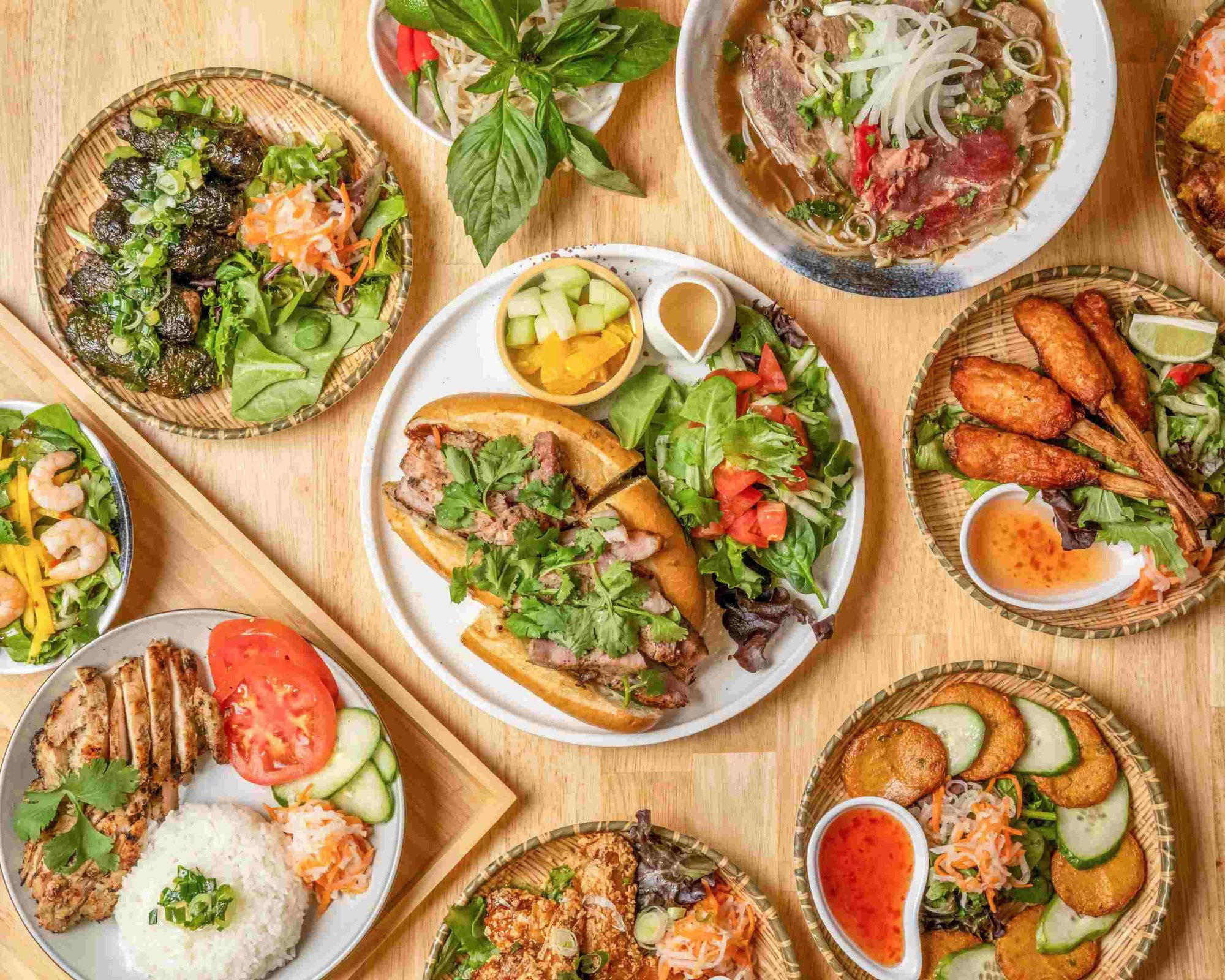
Where Carlton Street Meets the Mekong Delta
Toronto's downtown dining corridor runs hard toward the high-end: tasting menus at Alo (Contemporary), omakase counters like Sushi Masaki Saito and Aburi Hana, and Italian rooms such as DaNico and Don Alfonso 1890 that price and position themselves against international peers. BeLeaf Vietnamese Cuisine at 45 Carlton Street operates in a different register entirely, one where the pull is the quieter discipline of getting Vietnamese flavours right in downtown Toronto.
Approaching Unit 2 on Carlton, the setting signals something deliberate. BeLeaf's smaller footprint within the building suits a style of Vietnamese cooking built around careful layering of fresh aromatics and long-cooked broths.
The Sourcing Logic Behind Vietnamese Cooking in Toronto
Vietnamese cuisine is among the more ingredient-transparent in Southeast Asian cooking. The quality of a pho is readable in the clarity and depth of its broth; the freshness of a summer roll is visible before the first bite. This transparency makes sourcing a more visible editorial issue in Vietnamese restaurants than in, say, heavily sauced French or Italian cooking, where technique can compensate for ingredient variability. In cities with mature Vietnamese communities, like Toronto, the sourcing question has sharpened as a second and third generation of diners raises its expectations.
Toronto's Vietnamese restaurant scene sits across a wide spectrum. At one end, the large-format pho houses that built their reputations on volume and consistency in the 1980s and 1990s. At the other, a smaller cohort of restaurants, BeLeaf among them, that have repositioned Vietnamese food as something to be read with the same ingredient scrutiny applied to the farm-to-table Canadian cooking that institutions like Eigensinn Farm in Singhampton or Restaurant Pearl Morissette in Lincoln brought to Ontario's fine dining conversation. The comparison is instructive: where those restaurants anchor their identity in local agricultural supply chains, Vietnamese cooking at this tier anchors itself in the integrity of its aromatics, its proteins, and its fermented condiments.
The name BeLeaf foregrounds this orientation. It is a play on belief and leaf, a signal that the kitchen takes its herb-driven, produce-forward approach seriously enough to make it the establishment's stated identity. In Vietnamese cooking, the leaf is not garnish. Rau thom, the herb plate that arrives alongside pho or bun bo Hue, is structural to the dish's flavour. Fresh Thai basil, sawtooth coriander, bean sprouts, and lime function as co-ingredients, not decoration. A kitchen that understands this is working from a different premise than one that treats the herb plate as afterthought.
BeLeaf in Toronto's Broader Vietnamese Scene
Toronto has Vietnamese restaurants distributed across its geography: a long-established cluster along Spadina Avenue, significant presence in Scarborough and the northern suburbs, and a thinner but growing downtown representation. The Carlton Street location places BeLeaf squarely in the downtown core, closer to the Ryerson (now Toronto Metropolitan University) campus and the Garden District than to the traditional Vietnamese dining corridors. This positioning serves a daytime and early-evening crowd that differs from the late-night suburban restaurant customer: office workers, students, and the neighbourhood's residential base.
That positioning also means BeLeaf competes on convenience and consistency as much as on cuisine depth. Downtown Vietnamese diners have easy access to a wide range of lunch options, and Vietnamese food in this context needs to deliver on speed and value as well as flavour integrity. The restaurants that hold this position successfully tend to be the ones whose sourcing creates a perceptible quality difference, something that justifies a return visit over the closer or cheaper alternative.
For context, Toronto's dining scene has seen ingredient-sourcing conversations expand well beyond the fine dining tier. Cafe Brio in Victoria and AnnaLena in Vancouver represent a West Coast model where sourcing transparency is built into the menu language itself. Quebec counterparts like Tanière³ in Quebec City and Narval in Rimouski have pushed the local sourcing conversation further into hyperregional specificity. Jérôme Ferrer - Europea in Montreal and Fogo Island Inn Dining Room in Joe Batt's Arm sit at different points on the spectrum of how Canadian restaurants think about what they source and why. BeLeaf's angle is narrower and more specific to its cuisine tradition, but it belongs to the same general shift in how Canadian diners read a menu.
What to Know Before You Go
BeLeaf Vietnamese Cuisine is located at 45 Carlton Street, Unit 2, in the Church-Wellesley neighbourhood of downtown Toronto. Reservations are recommended. Dress: Casual. Budget: Pricing is about $20 per person. Timing: Mon to Thu and Sun, 11:30 AM to 8:30 PM; Fri and Sat, 11:30 AM to 9:30 PM.
Those planning a broader Ontario trip might also consider The Pine in Creemore or Busters Barbeque in Kenora as regional counterpoints, and for international comparison on how ingredient sourcing shapes a dining room's identity, Le Bernardin in New York City and Lazy Bear in San Francisco represent two different answers to the same question.
Compact Comparison
Comparable venues nearby, for context on price, style, and recognition.
| Venue | Cuisine | Price | Notes |
|---|---|---|---|
| BeLeaf Vietnamese CuisineThis venue — the venue you are viewing | Downtown Yonge, Traditional Vietnamese | $$ | Not listed |
| Cafe 85 | Downtown Yonge, Modern Brunch Cafe | $$ | Not listed |
| La Piazza | Not listed | $$ | Yorkville, Casual Italian Pizza & Shareables |
| Little Anthony's | Bay Street Corridor, Italian Osteria | $$ | Not listed |
| Fresh on Front | Church-Yonge Corridor, Plant-Based Vegan | $$ | Not listed |
| Avant Gout | Not listed | $$ | Rosedale, French Bistro with Moroccan Influences |
Continue exploring
More in Toronto
Restaurants in Toronto
Browse all →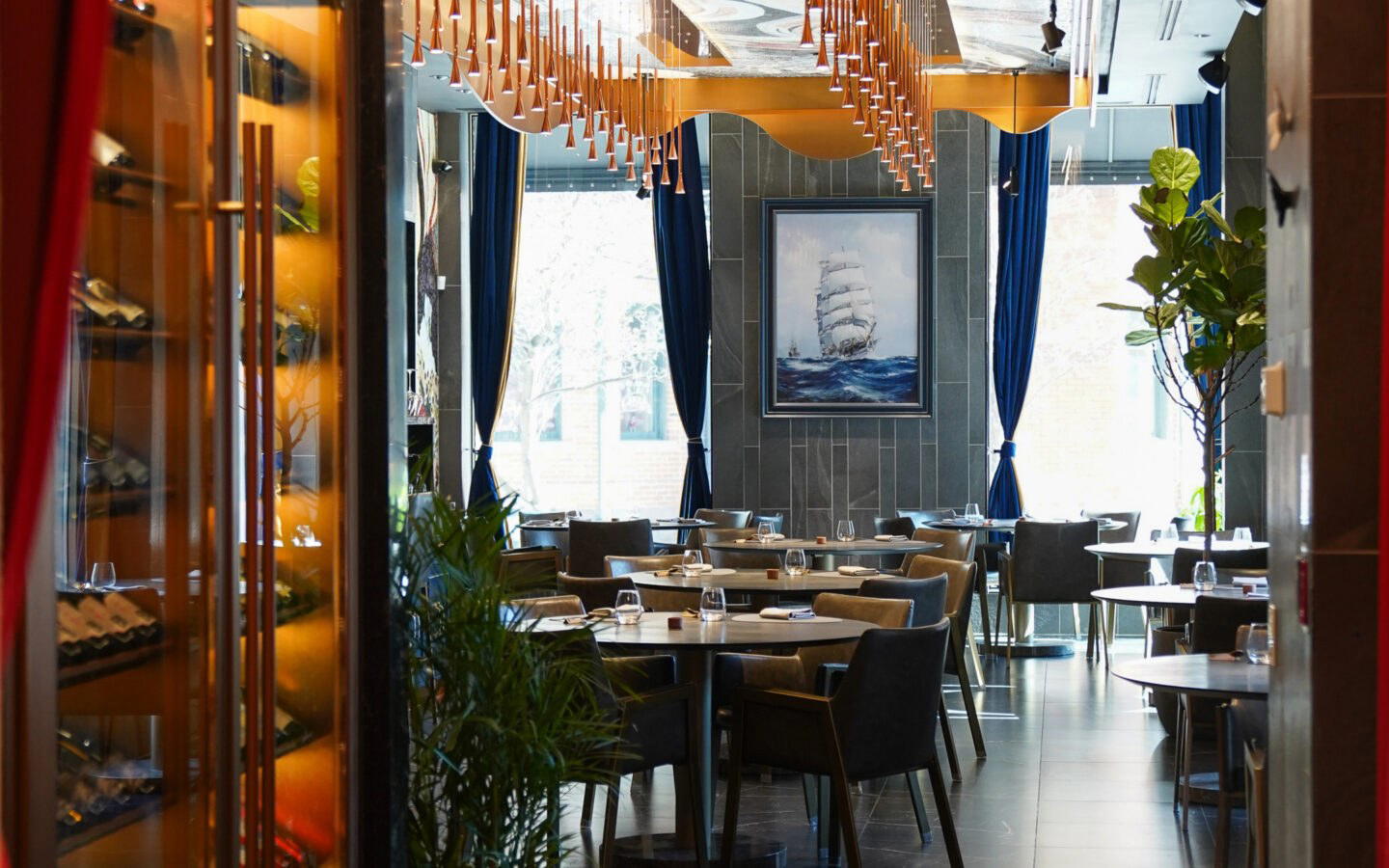
Bars in Toronto
Browse all →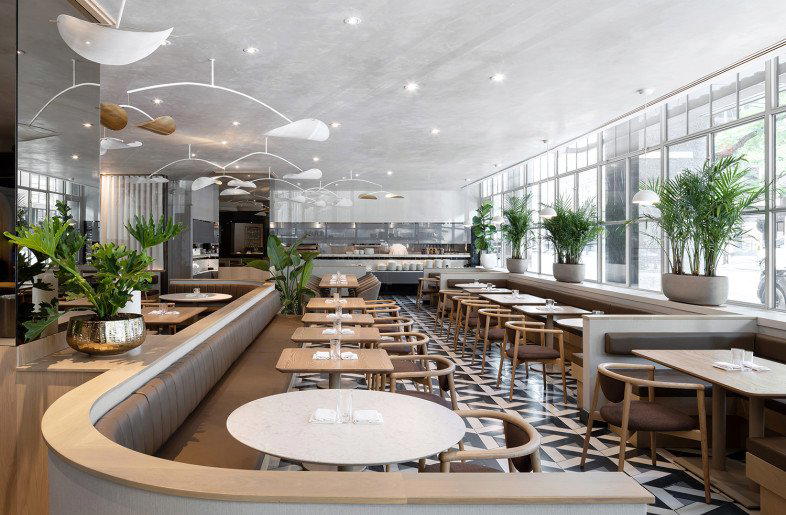
Hotels in Toronto
Browse all →
Wineries in Toronto
Browse all →
At a Glance
- Minimalist
- Cozy
- Rustic
- Casual Hangout
- Family
Current opening hours
- Monday
- 11:30 AM–8:30 PM
- Tuesday
- 11:30 AM–8:30 PM
- Wednesday
- 11:30 AM–8:30 PM
- Thursday
- 11:30 AM–8:30 PM
- Friday
- 11:30 AM–9:30 PM
- Saturday
- 11:30 AM–9:30 PM
- Sunday
- 11:30 AM–8:30 PM
Hours can change for holidays and private events. Last verified .
Bright, clean interior with classy light wood tones, woven rattan chairs, and palm leaf decor creating a rustic outdoor charm and airy ambience.