Beefbar New York City


World's Best Steaks 50 Best #8 · Wine Spectator Award of Excellence
Our verdict
Beefbar New York City brings the Monaco-born steakhouse brand to Tribeca, pairing premium American cuts from Snake River Farms and Creekstone with a street food-inflected menu format. The Hudson Street address places it among lower Manhattan's more considered dining options, where the atmosphere skews sophisticated without tipping into formality.

Pearl is the En Primeur Club membership app, where members save venues, book tables and use the concierge.

The menu
What to order
- Crispy Rice
- Truffle Fries
- Korean BBQ
- Porterhouse
Where Tribeca's Meat-Focused Dining Sits Right Now
Lower Manhattan's dining geography has quietly sorted itself over the past decade. The neighborhood anchored by Hudson Street draws a crowd that expects serious sourcing and polished execution without the ceremony that defines the upper bracket occupied by rooms like Le Bernardin, Eleven Madison Park, or Per Se. In that context, Tribeca has become a productive home for restaurants that sit between the tasting-menu tier and the casual end of the spectrum, places where the sourcing language is specific and the room has a point of view, but where you can eat without surrendering the entire evening to a fixed format.
Beefbar occupies that position. The brand originated in Monaco, and its New York outpost at 105 Hudson Street imports a format that pairs premium, farm-specific beef with a looser, more international menu architecture than the traditional American steakhouse model allows. That distinction matters: New York already has a well-documented steakhouse tradition, and any room arriving in that market has to locate itself relative to it clearly.
The Sourcing Argument: American Farms on an International Platform
The American premium beef supply chain has grown considerably more legible to restaurant guests over the past fifteen years. Names like Snake River Farms and Creekstone are no longer insider references, they appear on menus across price tiers, and diners who follow sourcing conversations recognize them immediately. Snake River Farms, in particular, has positioned itself at the intersection of USDA Prime grading and American Wagyu crossbreeding, producing cuts that carry higher intramuscular fat than conventional prime beef. Creekstone, a Kansas operation with a long record of supplying high-end kitchens, anchors the more classical end of American beef quality.
What Beefbar's format does with those supply relationships is put them inside a menu structure that draws from street food traditions alongside the expected premium cuts. This is less unusual than it might have seemed a decade ago, restaurants in cities like Hong Kong and Paris have long folded international street food references into fine-casual formats, and New York has followed that pattern across multiple cuisines. The operational intelligence here is that the street food elements lower the average spend floor and widen the menu's useful range without diluting the sourcing credentials of the beef program.
For comparison: rooms like Atomix and Masa operate at the opposite end of menu flexibility, with fixed formats that offer no such range. Beefbar's looser structure is a deliberate positioning choice, not an oversight.
The Wine Program in a Meat-Forward Room
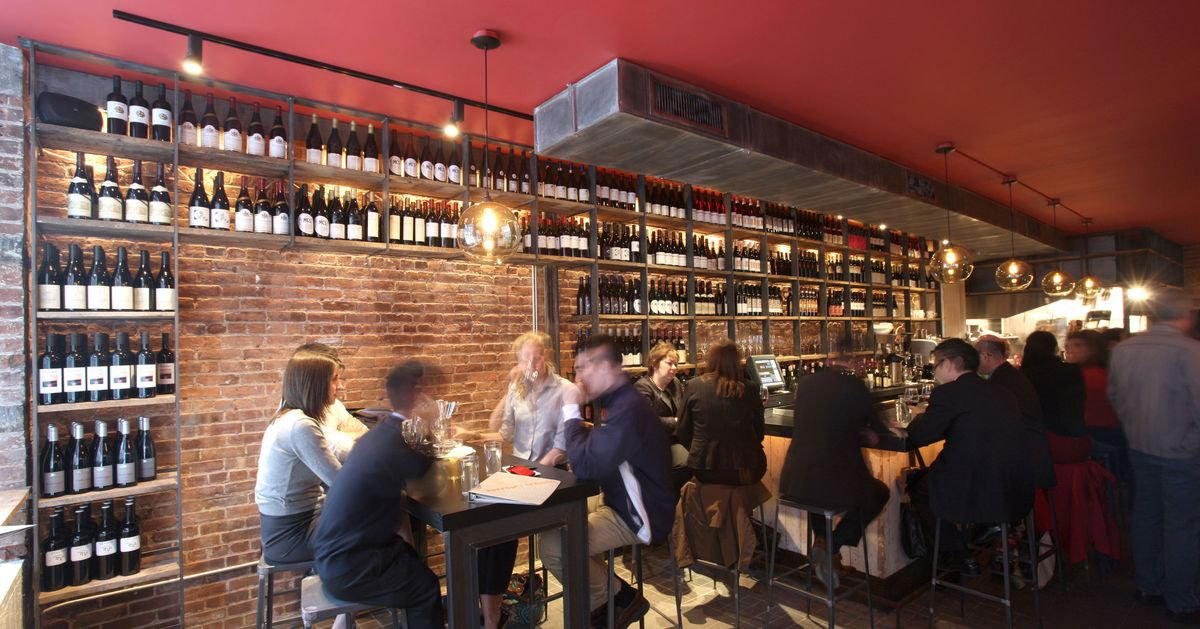
A beef-led restaurant creates specific pressure on a wine list. The obvious move, a deep Cabernet and Bordeaux bench, has been the default in the American steakhouse category for decades, and it still represents the path of least resistance for guests ordering instinctively. The more considered approach, and the one that tends to distinguish wine lists in premium meat-focused rooms globally, is to build a cellar that treats the sourcing specificity of the food as a guide rather than a constraint.
That means including wines with enough structure to hold against heavily marbled cuts, aged Barolo, serious Rhône Syrah, old-vine Malbec from the higher-altitude Argentine appellations, but also lighter, more acidic options that work with the street food portion of the menu, where a Beaujolais cru or a chilled Gamay reads as a more intelligent pairing than another glass of Napa Cabernet. The international scope of the Beefbar format, with its Monaco origins and multi-city footprint, suggests a wine philosophy that draws from multiple regions rather than defaulting to a single-appellation narrative.
This is the kind of list construction that has become a point of differentiation in New York's mid-to-upper dining tier. The city's most discussed wine programs, whether at technically precise rooms or at chef-driven concepts like Lazy Bear in San Francisco, Alinea in Chicago, or Single Thread Farm in Healdsburg, tend to earn their reputations through curation depth and sommelier fluency rather than sheer bottle count. In a room built around premium meat, the wine list is where a confident point of view becomes visible.
Atmosphere and Room Format
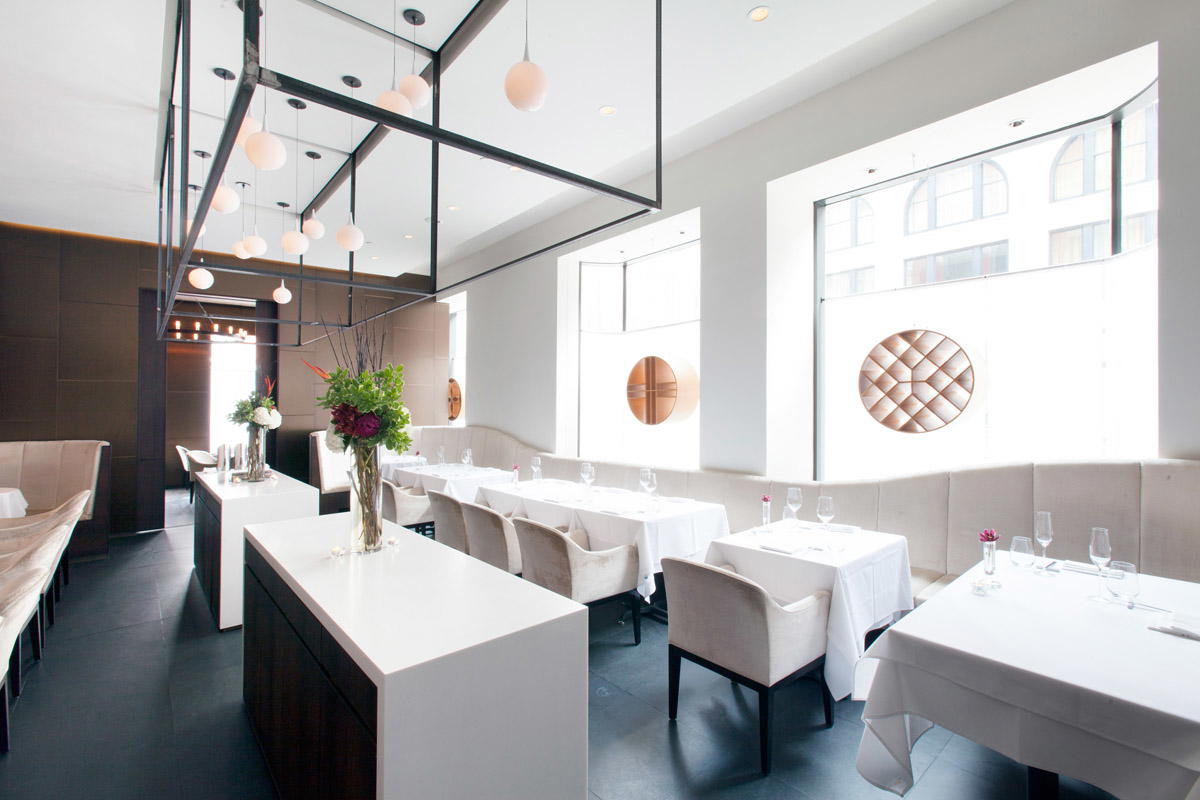
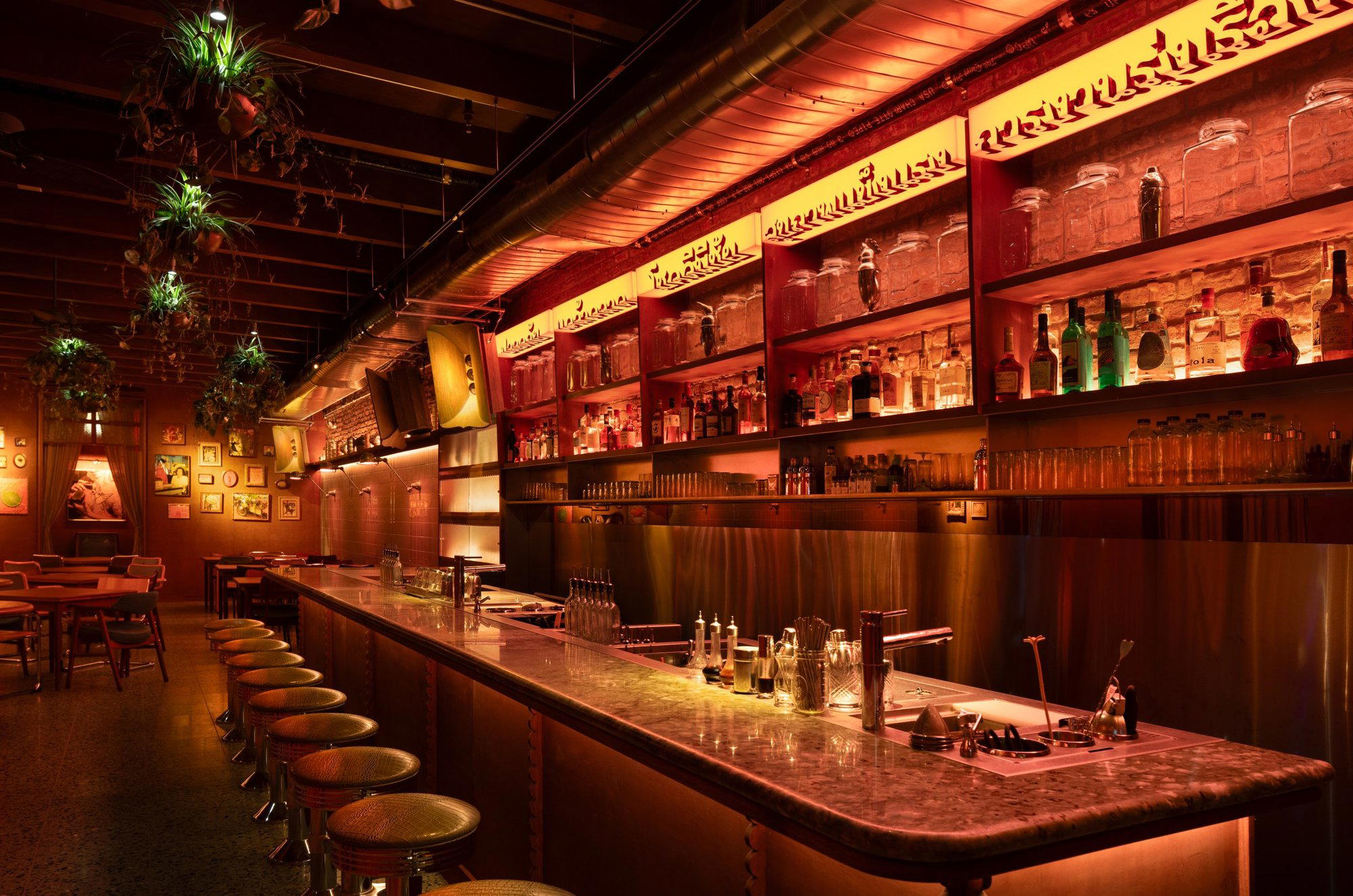
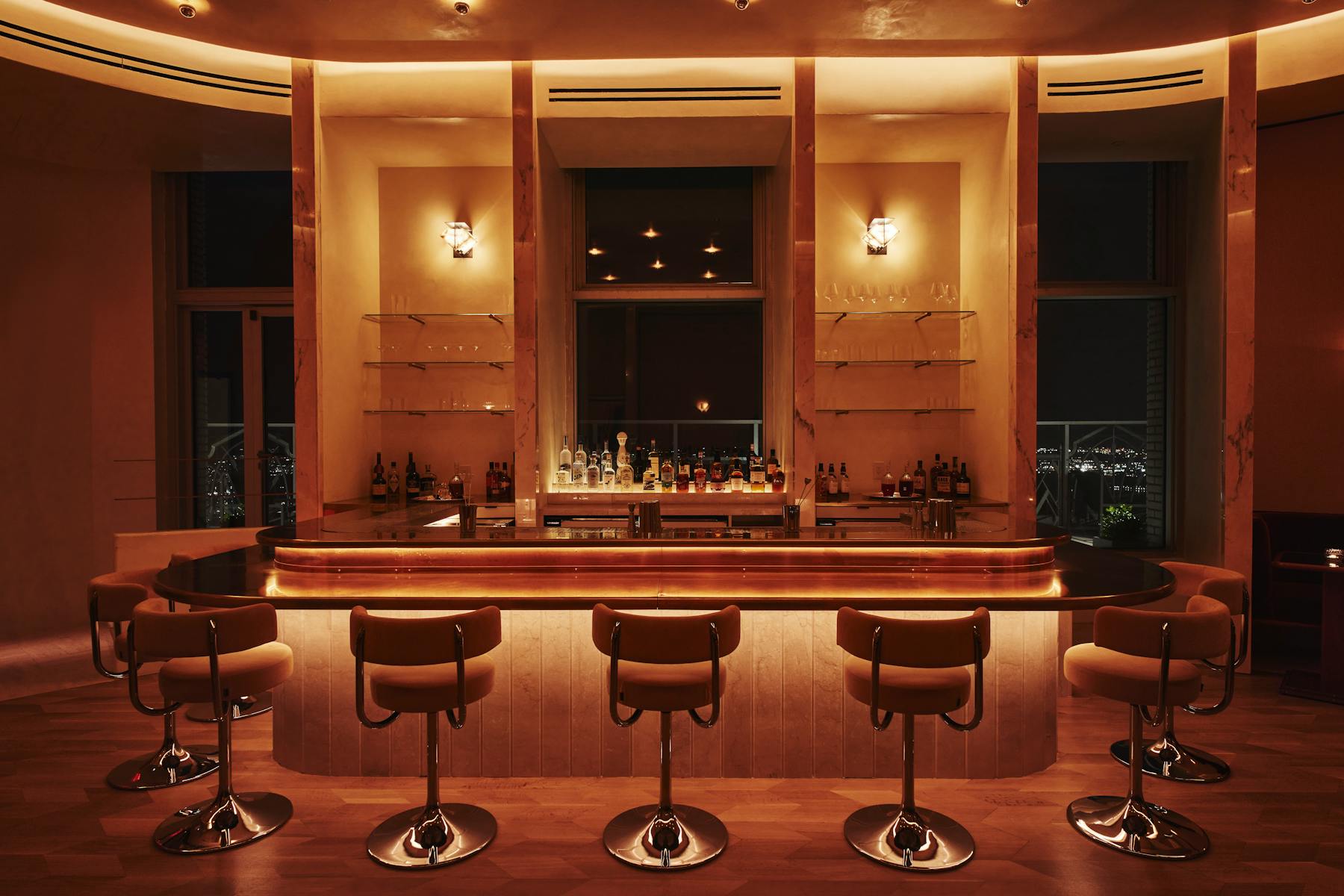
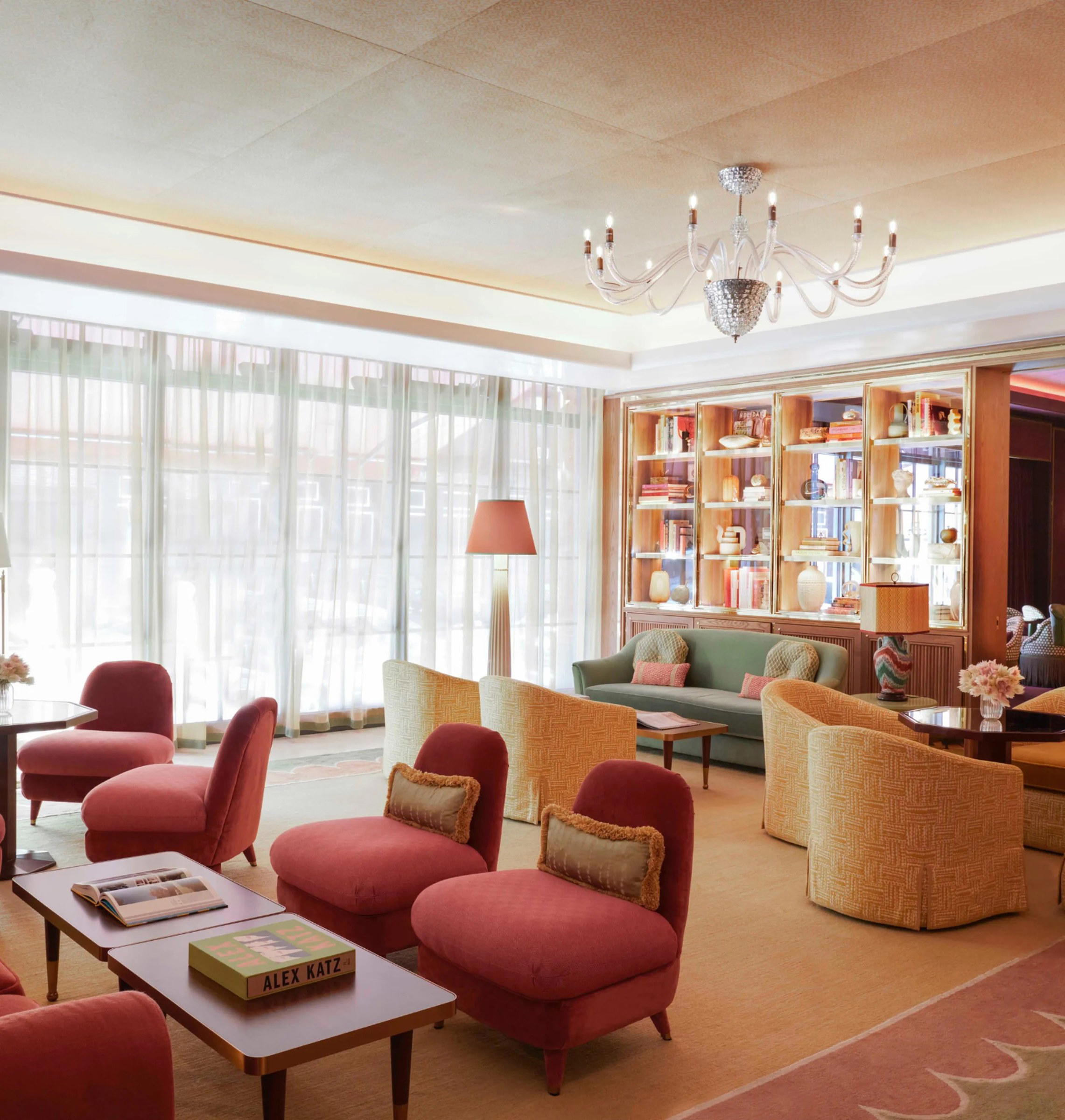
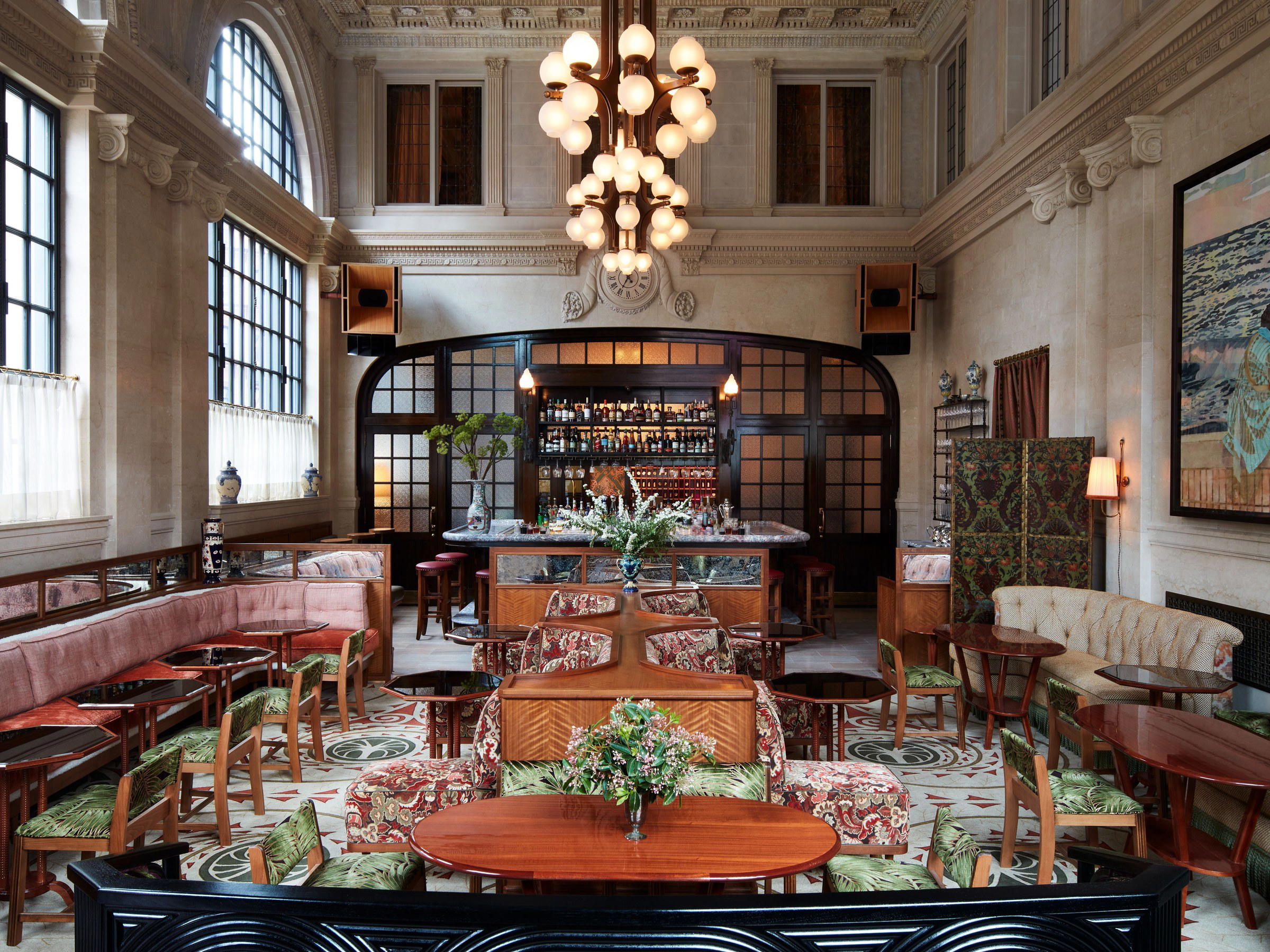
The Beefbar brand, across its international locations in cities including Paris, Dubai, and Hong Kong, has maintained a consistent design register: rooms that read sophisticated without tipping into austerity, with attention to materials and lighting that positions the experience above the neighborhood steakhouse without reaching for the white-tablecloth formality of Michelin-tier dining. The Tribeca address inherits that register. Hudson Street at the 105 block sits in a part of lower Manhattan where converted industrial architecture and premium retail coexist, and the physical environment of the neighborhood provides useful context for the room's aesthetic ambitions.
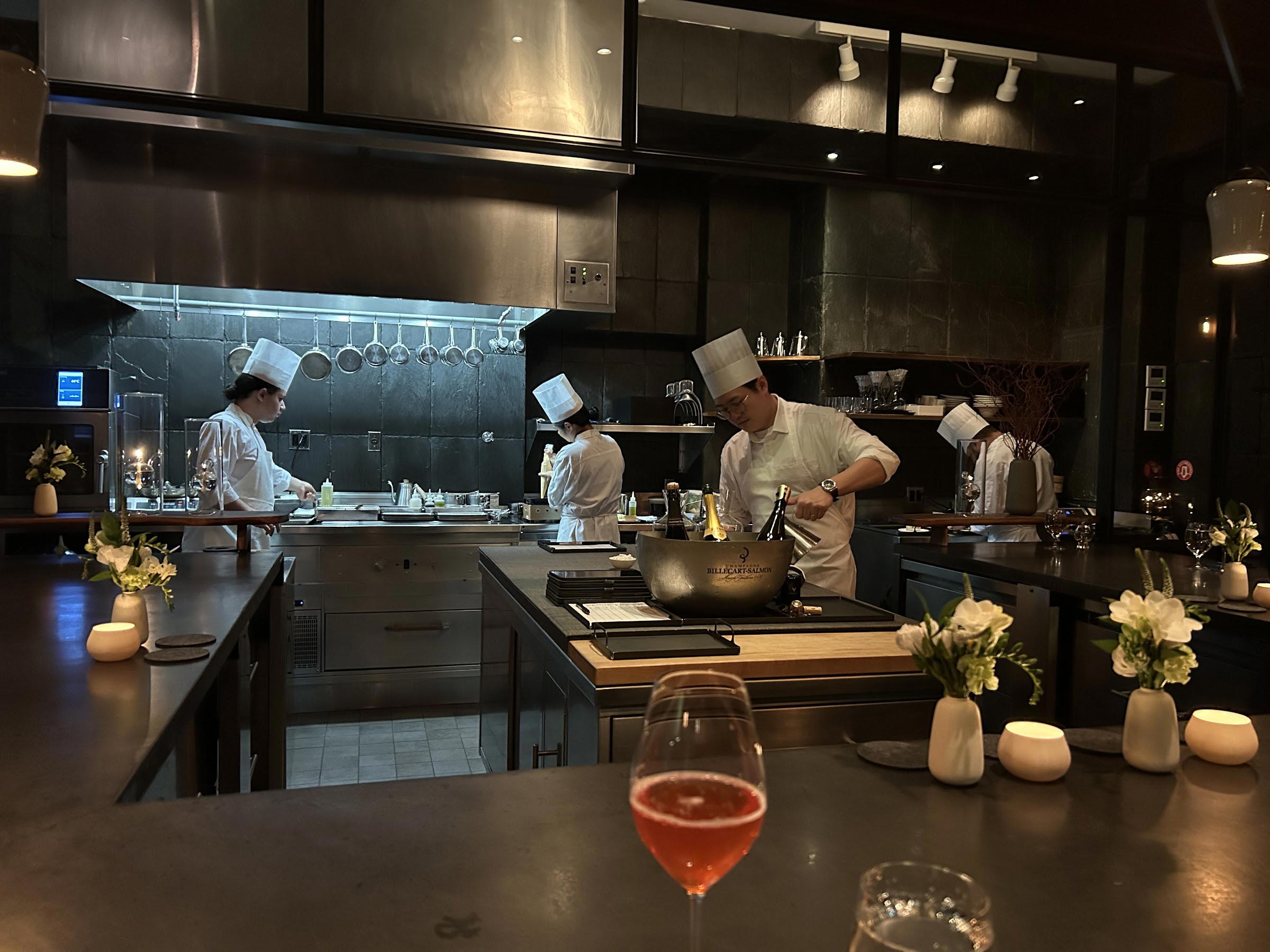
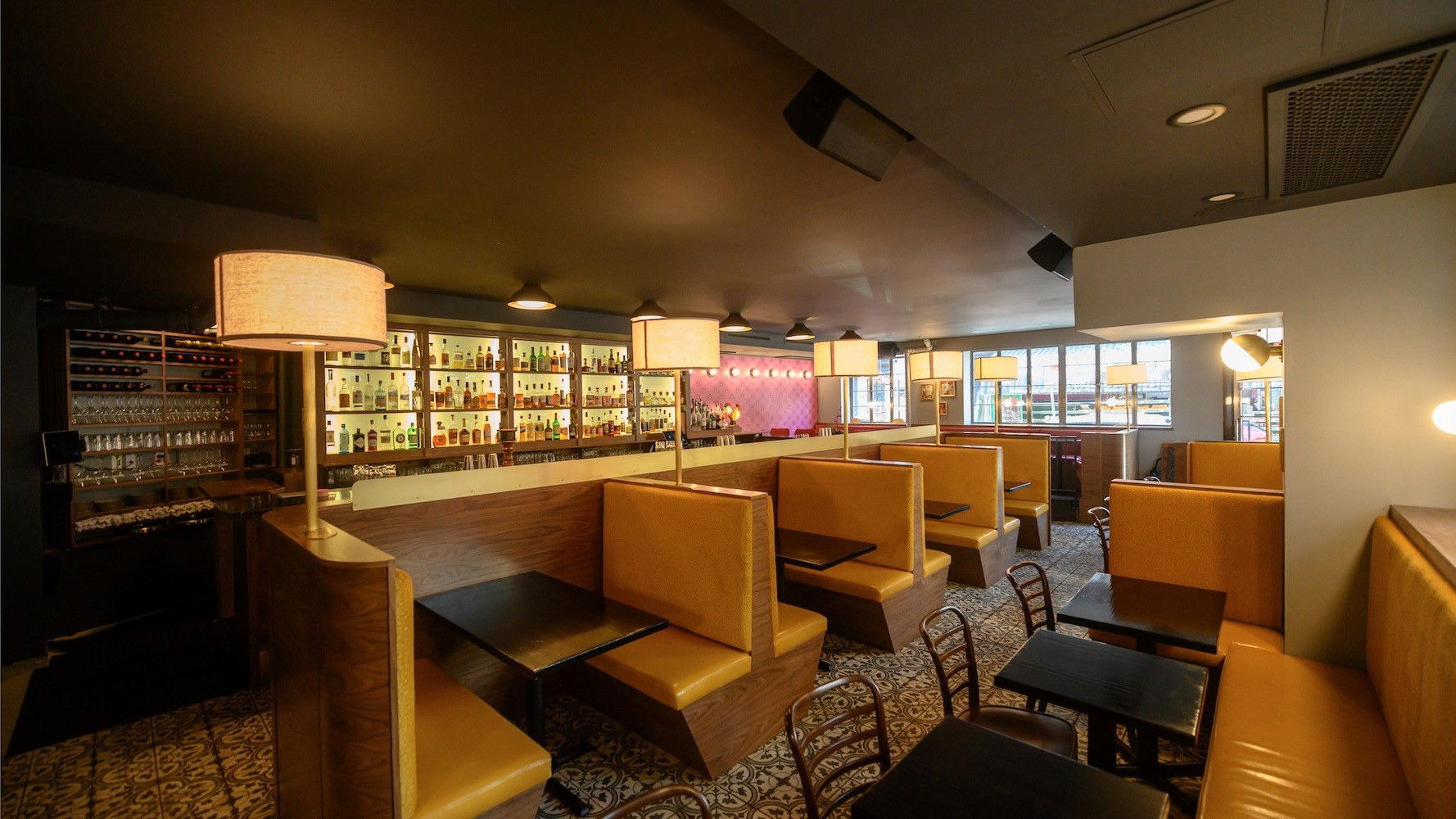
The format, dining room rather than counter, places it in a different experiential register than the omakase or tasting-menu rooms that define New York's highest-profile opening conversation. That is not a limitation. Rooms like Providence in Los Angeles, Emeril's in New Orleans, or 8½ Otto e Mezzo Bombana in Hong Kong demonstrate that full dining-room formats can carry serious culinary ambition and sustained critical recognition. The dining-room model simply operates on different metrics, table turn, group size flexibility, and menu range, than the counter format.
Where Beefbar Sits in the New York Conversation
New York's premium dining tier has expanded and fragmented simultaneously. The city now has more high-end rooms than it did fifteen years ago, but the category itself has split: Michelin-chasing tasting-menu formats on one side, chef-driven casual concepts on another, and a middle range of premium full-service rooms that compete on sourcing, atmosphere, and hospitality without necessarily pursuing formal recognition. Beefbar belongs to that middle range, where the competitive set includes other internationally-originated concepts and the domestic premium steakhouse category.
The Monaco origin provides both an asset and a frame of reference. International hospitality brands operating in New York, think also of Alain Ducasse's Louis XV in Monte Carlo as a point of comparison for European-originated fine dining with a global footprint, carry expectations about consistency and finish that purely local concepts do not face in the same way. That cuts in both directions: it raises the baseline expectation for execution, and it provides the kind of brand coherence that makes a room legible to internationally mobile diners arriving without prior local knowledge.
For the full picture of what Tribeca and lower Manhattan offer across categories, see our full New York City restaurants guide, alongside our New York City hotels guide, bars guide, wineries guide, and experiences guide.
Know Before You Go
- Address: 105 Hudson St, New York, NY 10013
- Neighbourhood: Tribeca, Lower Manhattan
- Key Suppliers: Snake River Farms, Creekstone Farms
- Format: Full-service dining room; street food elements alongside premium cuts
- Brand Origin: Monaco; multi-city international footprint
- Reservations: Recommended; booking specifics not confirmed at time of publication
Frequently asked questions
Is Beefbar New York City award-winning?
Beefbar New York City has received recognition including: Beefbar New York, located in Tribeca, offers a unique dining experience with a diverse selection of high-quality meats, including exclusive cuts from American farms like Snake River Farms and Creekstone, alongside flavorful street food. The….
How do I find Beefbar New York City?
Beefbar New York City is located at 105 Hudson St, New York, NY 10013, New York City.
What's the signature dish at Beefbar New York City?
Beefbar New York City centers its menu on premium cuts sourced from American farms including Snake River Farms and Creekstone, both recognized benchmarks in the domestic premium beef supply chain. The kitchen also incorporates street food formats alongside the primary beef program, which is consistent with the Beefbar brand's approach across its international locations. Specific current dishes are best confirmed directly with the restaurant at 105 Hudson St, Tribeca.
Is Beefbar New York City reservation-only?
Beefbar New York City operates in Tribeca at 105 Hudson St, a neighborhood where demand for premium dining rooms runs consistently ahead of walk-in availability. For a restaurant at this tier sourcing from farms like Snake River and Creekstone, reservations in advance are strongly advisable. check the venue's official channels to confirm current booking policy.
What do critics highlight about Beefbar New York City?
Recognition for Beefbar New York has focused on two areas: the sourcing precision behind the American farm program, naming producers like Snake River Farms and Creekstone rather than generic premium labels, and the room's atmosphere, which has been noted as sophisticated relative to the wider Tribeca dining tier. The brand's international footprint across Paris, Dubai, and Hong Kong gives the New York location an established design and menu framework that reviewers tend to treat as a credential in itself.
Price and Positioning
| Venue | Cuisine | Price | Awards | Notes |
|---|---|---|---|---|
| Beefbar New York CityThis venue (the venue you are viewing) | Modern International Steakhouse | $150–200 | World's Best Steaks 50 Best #8 · Wine Spectator Award of Excellence | Not listed |
| Le Bernardin | French Seafood Fine Dining | $300–500 | 3 Michelin Stars · World's 50 Best #13 | French, Seafood |
| Atomix | Modern Korean Tasting Menu | $300–500 | 2 Michelin Stars · World's 50 Best #7 | Modern Korean, Korean |
| Masa | Seasonal Hokkaido Tempura Omakase | $150–200 | Tabelog 100 #34 | Sushi, Japanese |
| Per Se | French Fine Dining Tasting Menu | $300–500 | 3 Michelin Stars · World's 50 Best #40 | French, Contemporary |
| Eleven Madison Park | Contemporary Plant-Based Fine Dining | $300–500 | 3 Michelin Stars · World's 50 Best #4 | French, Vegan |
Recognition history
Dated appearances from independent guides and award organizations, with the underlying list record or original source where available.
World's Best Steaks 50 Best Steakhouses in North America #8
World's Best Steaks
Wine Spectator Award of Excellence
Wine Spectator