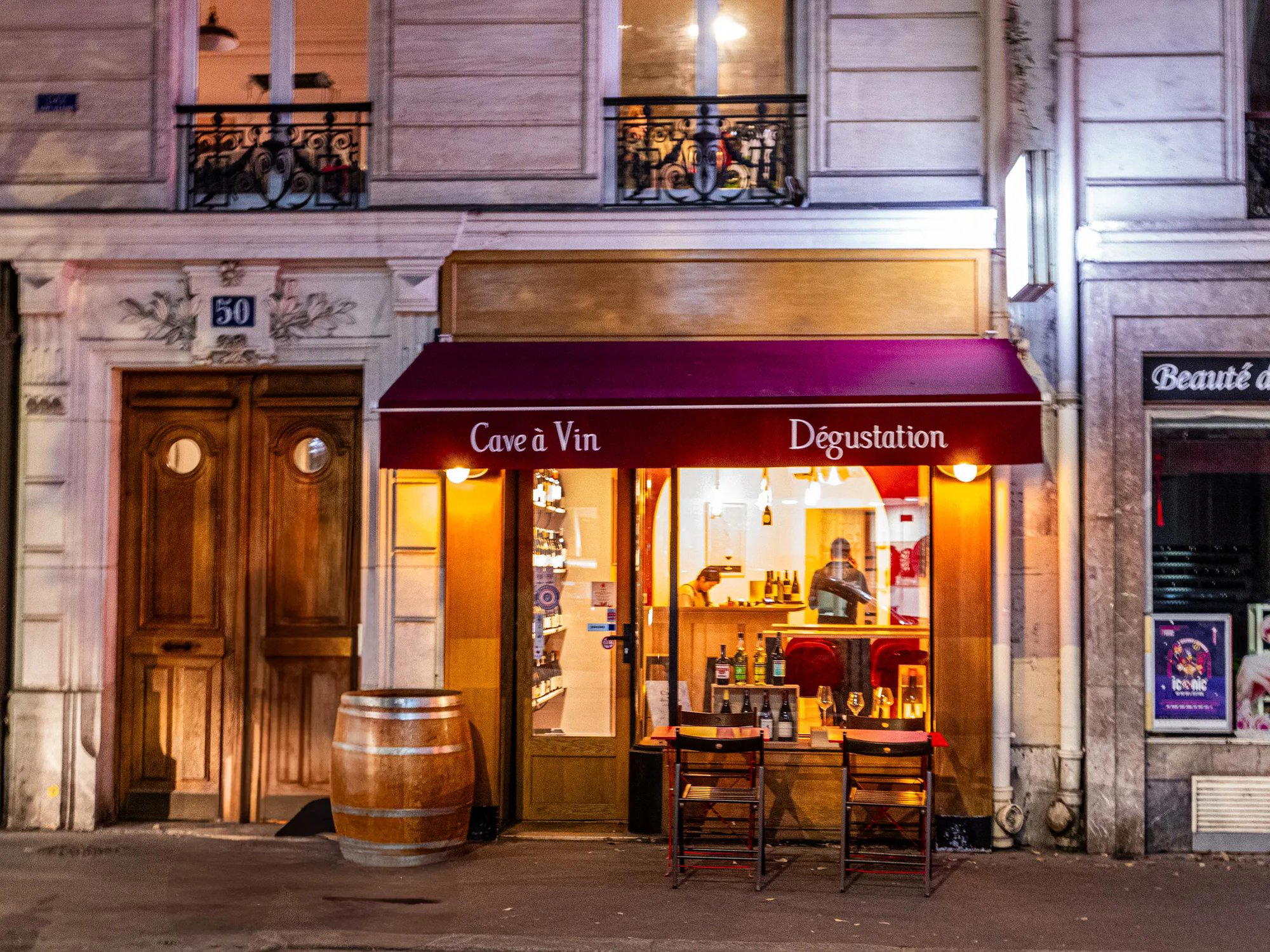
On Rue Ramey in the 18th arrondissement, PAGAILLE occupies a corner of Montmartre where neighbourhood regulars and curious visitors converge over a wine-forward table that refuses the formality of the grands boulevards. The address sits closer to the market stalls of the Rue du Poteau than to the tourist circuit of the Sacré-Cœur, which tells you something about its priorities and its crowd.
Pearl is the En Primeur Club membership app — saves, bookings, and concierge access live there. Same editors, same standards.
- Address
- 46 Rue Ramey, 75018 Paris, France
- Phone
- +33978808942
- Website
- pagaille-restaurant.com
- Directions
- Get directions
 Saves & bookings on Pearl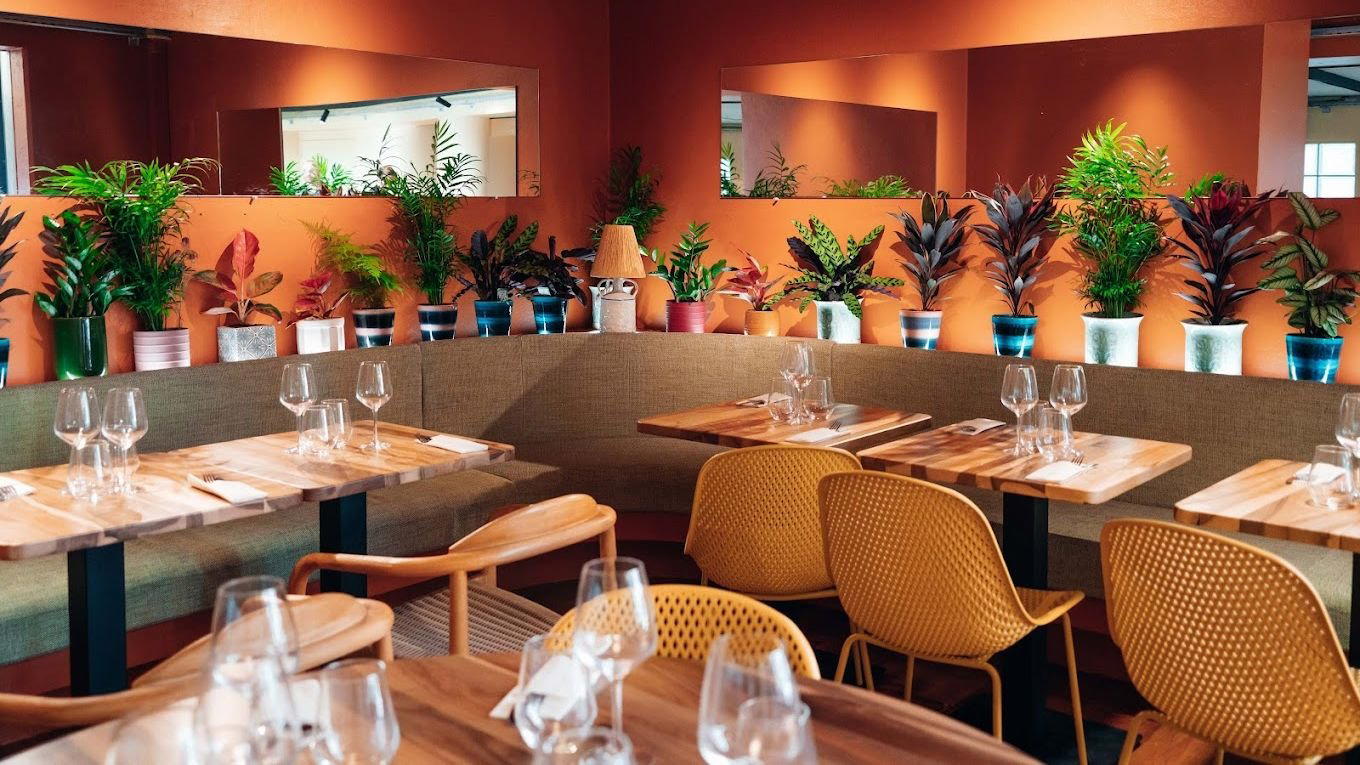
Montmartre's Wine-Driven Table on Rue Ramey
The 18th arrondissement has long operated as two cities in one: the postcard version clustered around the Sacré-Cœur, and the working neighbourhood that Montmartre residents actually use, the covered market at the Marché de Saint-Pierre, the butchers on Rue du Poteau, the wine bars on streets most tourists never find. Rue Ramey sits firmly in the second category. PAGAILLE, at 46 Rue Ramey in Paris's 18th arrondissement, is a French-Mediterranean bistronomic restaurant where a wine-led approach shapes the experience, with a casual dress code and reservations recommended.
Paris's broader bistro scene has split in the past decade between two poles: the neo-bistro movement, which grafted technique-driven menus onto casual formats, and the natural-wine cave à manger, which made the bottle the organising principle of the meal. PAGAILLE operates within that second current, on a street in the 18th that has gradually accumulated a cluster of independents drawing a local crowd with no patience for destination-dining theatre. The address at 46 Rue Ramey places it between Château Rouge to the east and the quieter residential blocks to the north, neighbourhood geography that shapes who walks through the door and what they expect when they sit down.
The Wine List as Editorial Statement
In Paris, the wine list at a small independent often does more explanatory work than the menu. A cellar built around certified-organic and biodynamic producers, minimal-intervention négociants, or grower Champagne signals a set of culinary values before a single dish arrives. The caves à manger that have defined much of the 18th's recent independent scene tend to treat wine not as an accompaniment but as the primary argument, the food exists to give the bottles context.
This approach places venues like PAGAILLE in a different competitive comparable set than the formally structured rooms of the Right Bank. The comparison is not with Alléno Paris au Pavillon Ledoyen or Le Cinq at the Four Seasons George V, where sommelier programs operate across lists of several hundred references and classic appellations anchor the cellar. Nor does it sit beside the grand French classicists such as L'Ambroisie. The reference points for a Montmartre wine address are closer to the bottles-on-the-counter model found in the wine-producing regions themselves, the approach you find at producer tables near Bras in Laguiole or the quieter service culture around Auberge de l'Ill in Illhaeusern, where the wine carries regional identity as a matter of principle rather than performance.
France's most wine-serious smaller restaurants, from Flocons de Sel in Megève to Assiette Champenoise in Reims, have demonstrated that cellar depth and curation philosophy can anchor a dining identity as firmly as kitchen technique. At the neighbourhood level in Paris, that principle translates into smaller lists with higher intentionality: fewer references chosen with more conviction, and a floor team that can argue for every bottle on the shelf.
The 18th Arrondissement's Independent Scene
Montmartre's lower slopes, between Barbès and the quieter streets north of the Rue Custine, have seen a steady accumulation of independent tables over the past several years. This is not the Left Bank's Saint-Germain bistro circuit, where tourists and expense-account lunches sustain a certain kind of restaurant indefinitely. The 18th's independent operators survive on neighbourhood loyalty, which creates a different calibration of value and ambition. Portions tend toward generosity, wine markups lean modest relative to central arrondissements, and the format is typically relaxed enough that a table for two can stretch a bottle across two hours without anyone applying pressure.
Paris as a whole has seen its serious restaurant energy spread outward from the historic centre. The Michelin-starred rooms of the 6th and 8th arrondissements, Arpège, Kei, and their peers, remain the benchmarks for formal ambition, but the creative energy and the more interesting wine conversations have moved progressively north and east. The 18th sits at the edge of that migration, close enough to the 9th's restaurant cluster to draw an informed crowd, distinct enough in character to retain something genuinely local.
Rue Ramey specifically runs from the Rue Ordener down toward the Rue Doudeauville, through a stretch that remains primarily residential with a thin but well-chosen line of independent food and drink operations. It is not a dining street in the conventional sense, there is no critical mass that draws a procession of visitors, which means the tables that do operate there function more like neighbourhood resources than destination addresses. That distinction matters for how you approach a visit: walk in with the flexibility of a local rather than the logistics of a tourist.
Contextualising PAGAILLE Among French Regional Tables
Understanding a Paris wine bar through the lens of French regional dining helps calibrate expectations. France's most rigorously wine-focused tables outside the capital, Auberge du Vieux Puits in Fontjoncouse, Troisgros in Ouches, Paul Bocuse in Collonges-au-Mont-d'Or, operate in traditions where the wine list is inseparable from the regional identity of the kitchen. That relationship between cellar and cuisine, encoded across generations of French hospitality, is what the better Paris neighbourhood tables are translating into an urban, informal register.
The same instinct drives a handful of the more ambitious independent addresses in cities like Marseille, where AM par Alexandre Mazzia and others have shown that serious wine curation and a distinct culinary voice can coexist outside the formal fine-dining framework. In Paris, the neighbourhood wine address occupies an analogous position: purposeful but unpretentious, shaped by conviction rather than ceremony.
For readers who track wine-serious destinations internationally, the comparison extends beyond France. The natural-wine sensibility that characterises much of Montmartre's independent scene shares reference points with what has emerged at addresses like Atomix in New York, where beverage programs operate with the same level of curation as the kitchen, and Le Bernardin, where the sommelier team's editorial discipline on the list has long been as serious as the cooking. The scale and format differ sharply, but the underlying premise, that a thoughtfully built cellar changes the nature of a meal, travels across contexts.
For regional comparisons at the highest level of French cooking, Mirazur in Menton and Au Crocodile in Strasbourg represent the formal end of a tradition that the 18th's leading independents translate into something considerably more accessible.
Know Before You Go
- Address: 46 Rue Ramey, 75018 Paris, France
- Arrondissement: 18th (Montmartre / Château Rouge)
- Getting there: Château Rouge (line 4) is the closest Métro station, approximately a 5-minute walk; Lamarck-Caulaincourt (line 12) is a slightly longer alternative with a quieter approach through the upper village streets
- Booking: Reservations are recommended.
- Price range: About $40 per person.
- Hours: Mon to Wed 12-2 PM, 7:30-11:30 PM; Thu 12-2 PM, 7:30 PM-1 AM; Fri 12-2 PM, 7 PM-2 AM; Sat 12:30-4 PM, 7 PM-2 AM; Sun 12:30-4 PM, 7-11:30 PM.
Nearby-ish Comparables
Comparable venues nearby, for context on price, style, and recognition.
| Venue | Cuisine | Price | Notes |
|---|---|---|---|
| PAGAILLEThis venue — the venue you are viewing | French-Mediterranean Bistronomic | $$ | Not listed |
| Les Bascules | Modern Mediterranean Lebanese | $$ | 2e arrondissement |
| Les Paresseux | Mediterranean Tapas & Wine Bar | $$ | Batignolles |
| Alegria | Modern Mediterranean | $$$ | Pigalle |
| Laïa | Modern Mediterranean with Italian Influences | $$$ | 11th arrondissement |
| Beach Paris | Mediterranean Beach Club | $$ | Bois de Vincennes |
Continue exploring
More in Paris
Restaurants in Paris
Browse all →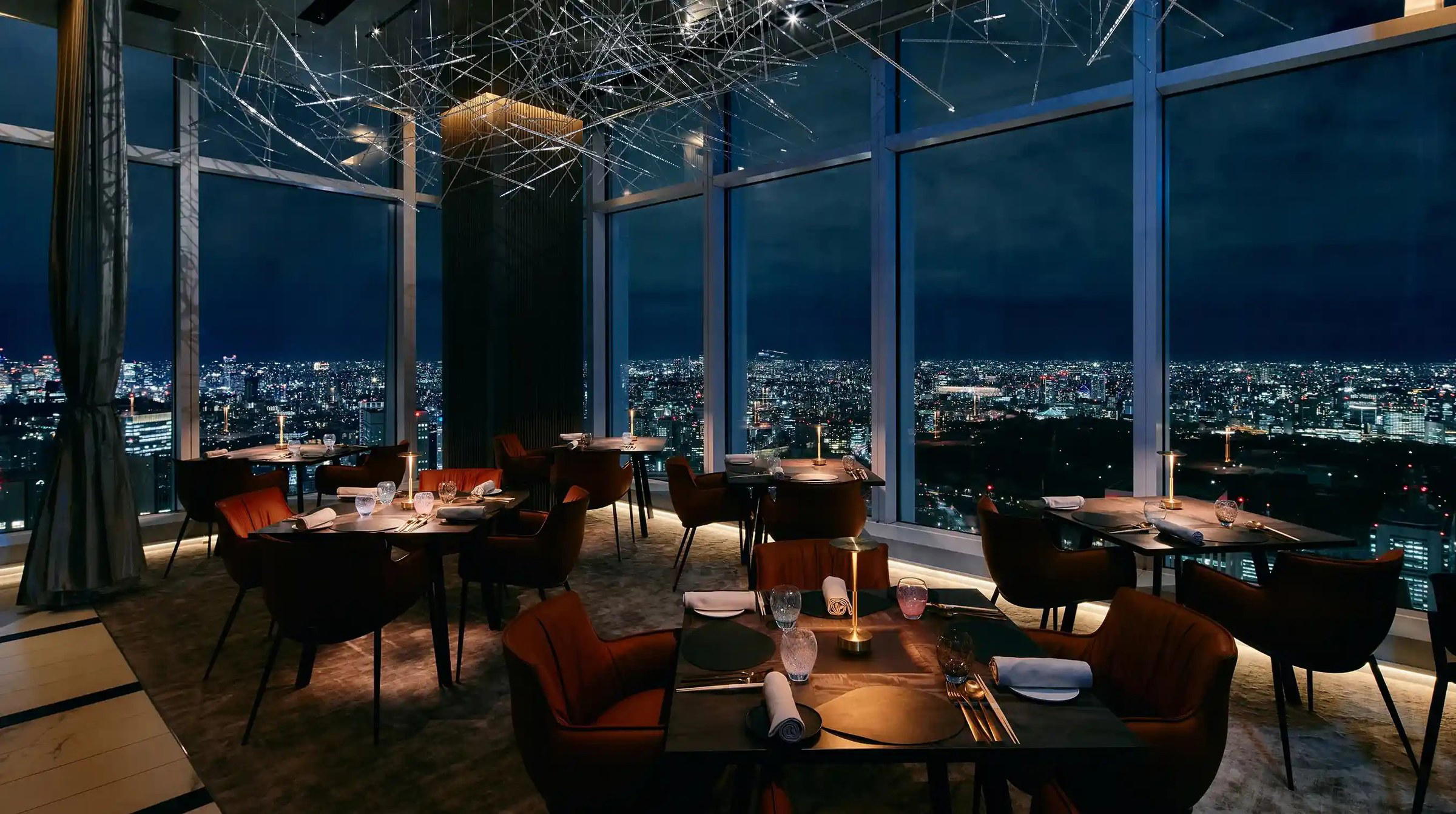
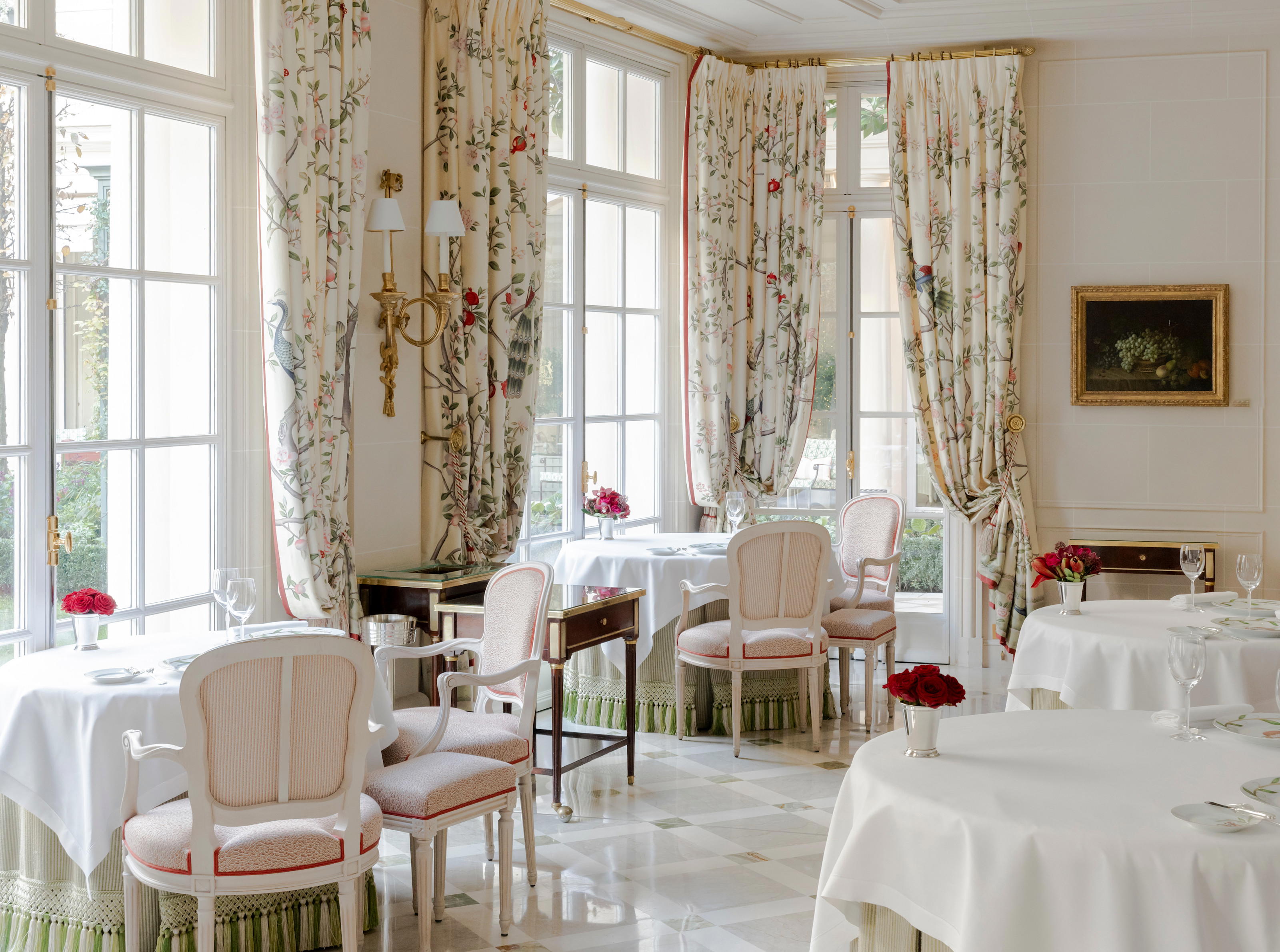
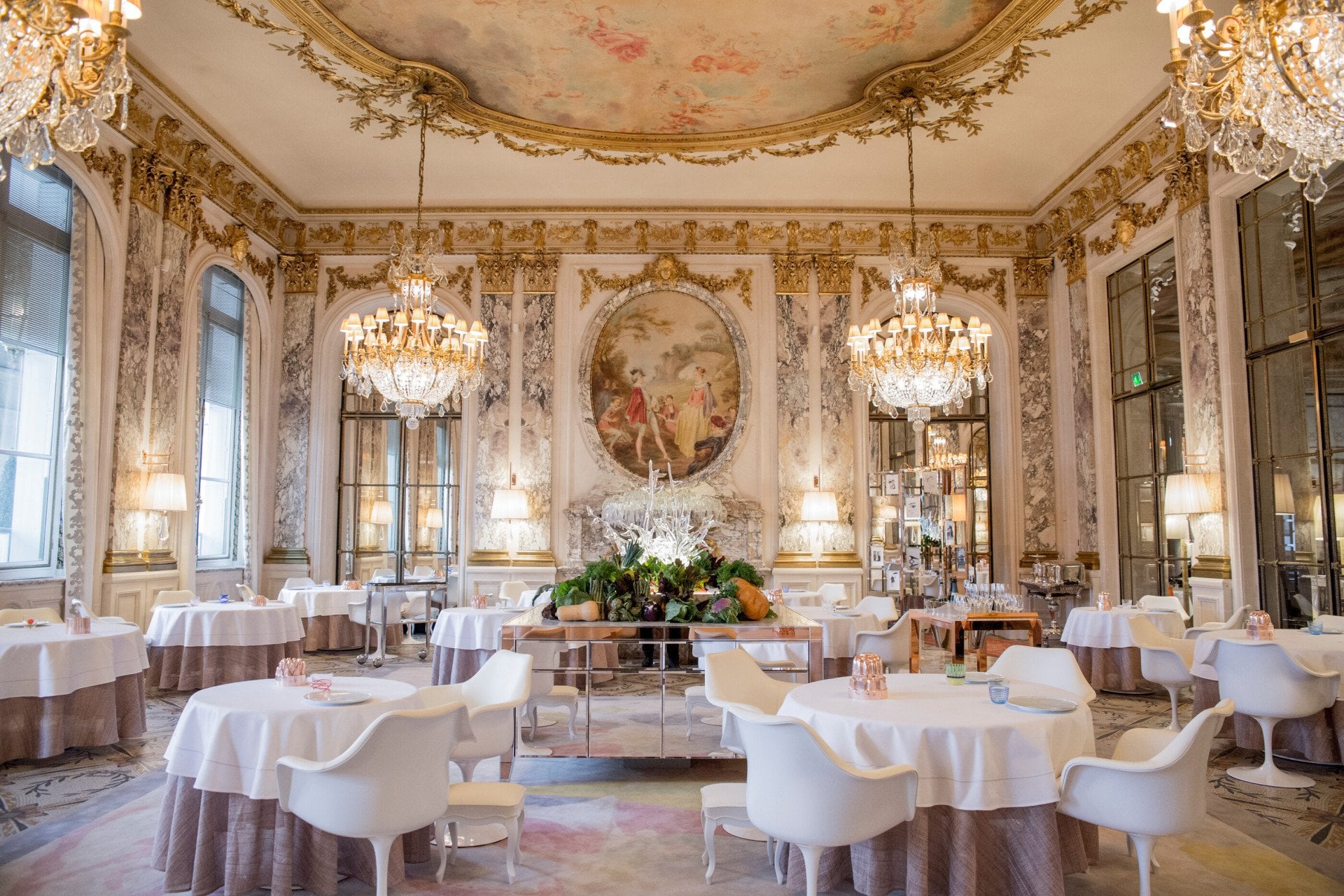
Hotels in Paris
Browse all →
Wineries in Paris
Browse all →
At a Glance
- Lively
- Trendy
- Bohemian
- Casual Hangout
- Group Dining
- Date Night
- After Work
- Open Kitchen
- Private Dining
- Terrace
- Natural Wine
- Farm To Table
- Organic
- Zero Waste
Current opening hours
- Monday
- 12–2 PM, 7:30–11:30 PM
- Tuesday
- 12–2 PM, 7:30–11:30 PM
- Wednesday
- 12–2 PM, 7:30–11:30 PM
- Thursday
- 12–2 PM, 7:30 PM–1 AM
- Friday
- 12–2 PM, 7 PM–2 AM
- Saturday
- 12:30–4 PM, 7 PM–2 AM
- Sunday
- 12:30–4 PM, 7–11:30 PM
Hours can change for holidays and private events. Last verified .
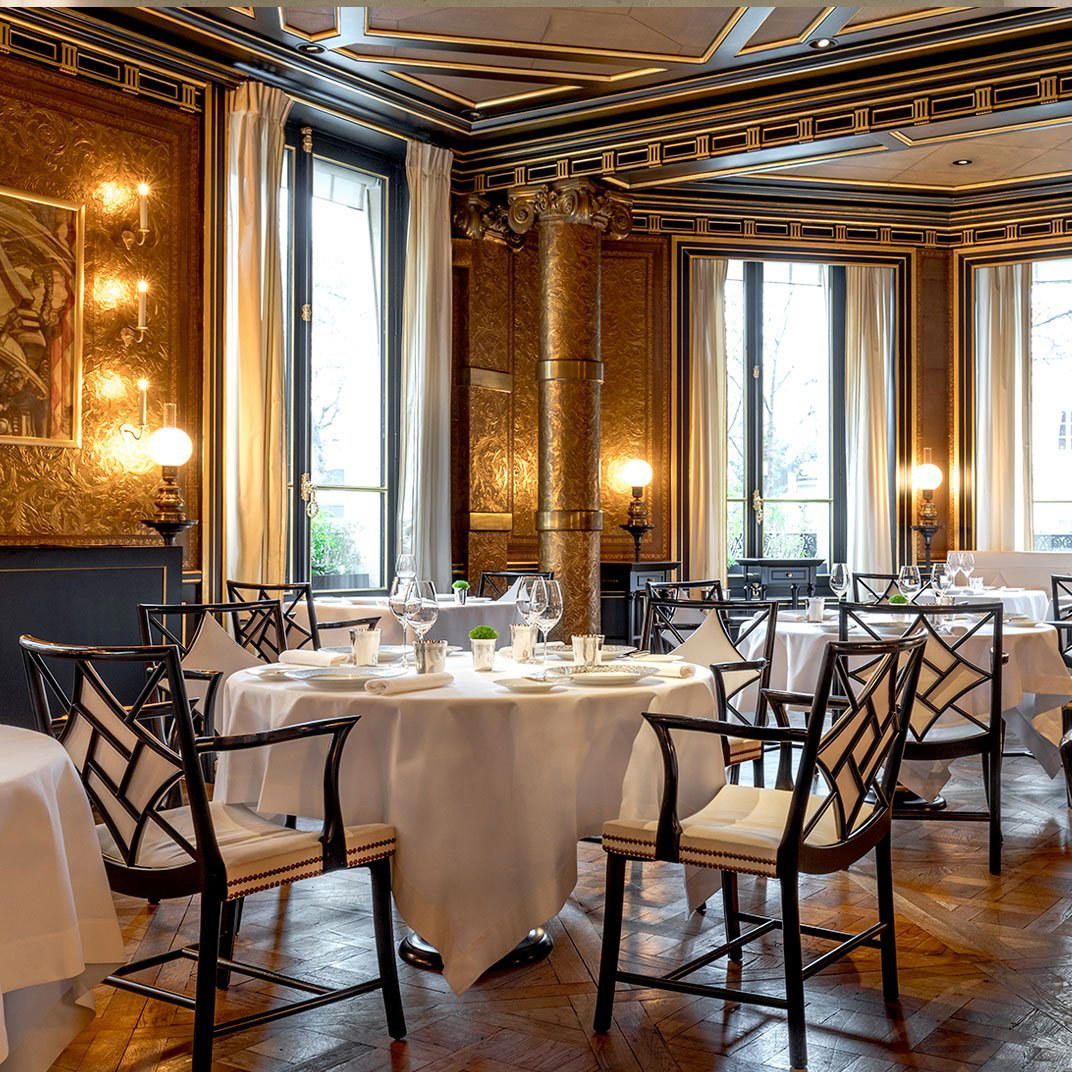
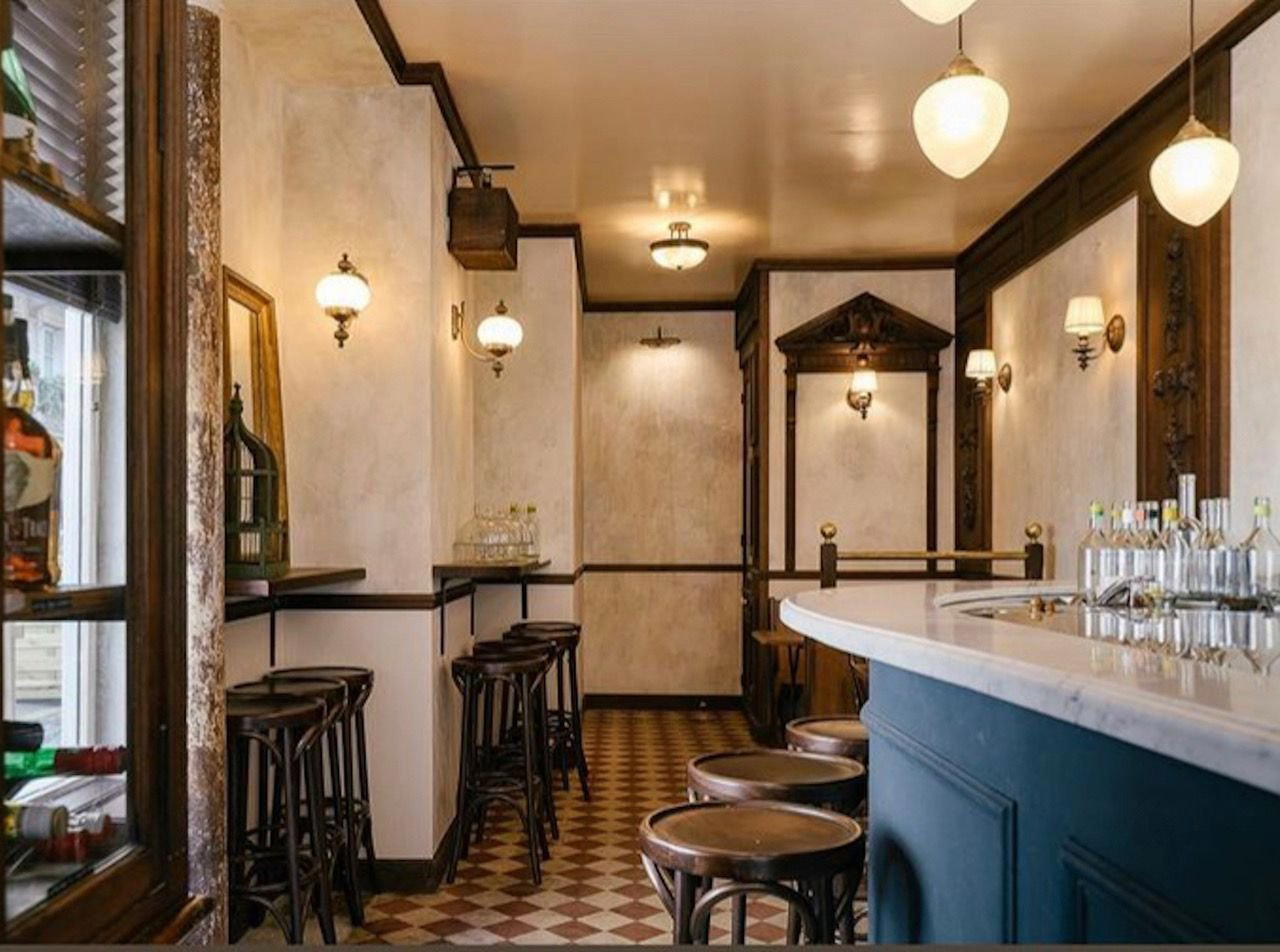
Warm and inviting with a relaxed yet stylish atmosphere; festive vibe reflecting the restaurant's passion for partying and gastronomy, with both indoor and outdoor seating options.