Baytoti
Our verdict
On Jizan's Corniche Road, Baytoti occupies a stretch of Saudi Arabia's southern coast where Red Sea breezes and the region's Tihama culinary tradition converge. The setting places it squarely within a dining scene that remains largely undiscovered by international visitors, making it a reference point for anyone tracing the southernmost edge of Saudi Arabia's restaurant circuit.

Pearl is the En Primeur Club membership app — saves, bookings, and concierge access live there. Same editors, same standards.
- Address
- WGGW+5HJ, Corniche Rd, الشمالي, WGGW+6JP, Jazan Saudi Arabia
- Phone
- +966920007741
- Hours
- Mon–Tue 12 PM–2 AMWed–Thu 12 PM–3 AMFri–Sat 12:45 PM–2 AMSun 12 PM–2 AM
- Website
- baytoti.com
- Directions
- Get directions
The Southern Coast as Dining Context
Jizan sits at the bottom of Saudi Arabia's Red Sea coastline, closer to Yemen than to Riyadh, and the city's food culture reflects that geography. The Tihama plain, which runs along this stretch of coast, has its own culinary vocabulary: spiced fish dishes that carry influence from centuries of Red Sea trade, flatbreads cooked on open griddles, and lamb preparations that differ markedly from the Najdi traditions that dominate the kingdom's central dining conversation. When international food coverage turns to Saudi Arabia, it tends to concentrate on Riyadh's fast-expanding fine-dining tier or Jeddah's coastal scene. Jizan operates at a remove from both, which means its restaurants serve a predominantly local audience and are less shaped by the presentation expectations of international hospitality circuits. Baytoti, positioned along Corniche Road in the northern part of the city, sits inside that context.
What Corniche Road Signals
In Saudi coastal cities, the Corniche is rarely incidental real estate. It tends to concentrate the restaurants and cafes that a city's residents use for evening socialising, family gatherings, and the slow after-dinner walks that punctuate Gulf social life. Jizan's Corniche faces the Red Sea, and an address on Corniche Road places a venue in the social mainstream of the city rather than at its culinary periphery. For a visitor arriving from Riyadh, Jeddah, or abroad, this is useful orientation: Baytoti is not a specialist destination operating outside the local flow, but a venue embedded in how Jizan residents actually eat and spend time. That positioning puts it in the same broad category as waterfront dining addresses across the Gulf, where the physical setting does as much to define the experience as the food itself.
For comparison with how Saudi restaurants at different ends of the price and formality spectrum operate, Aseeb in Riyadh represents the heritage-focused end of the national dining conversation, while Kuuru in Jeddah illustrates how the Red Sea coast's major city has developed its own contemporary restaurant tier. Jizan occupies different ground from both.
Tihama Tradition and the Saudi South
The broader culinary tradition that Jizan's restaurants draw from is worth understanding before arrival. The Tihama region's food is built around the Red Sea's fishing catch, with hammour and other local species prepared in ways that show East African and Yemeni influence alongside Arab cooking methods. Saltfish, fenugreek-heavy stews, and sorghum-based breads appear in home kitchens across the region and filter into restaurant menus to varying degrees. This is not the kebab-and-mandi mainstream that characterises mid-market Saudi dining in the Hejaz cities; it is a more geographically specific tradition that reflects Jizan's position as a meeting point of Red Sea trading cultures. Restaurants that take this tradition seriously operate differently from the international-format venues that have spread through Riyadh and Jeddah over the past decade. The reference set for evaluating a Jizan restaurant is ultimately regional rather than national.
Saudi Arabia's restaurant scene has diversified considerably since 2020, with venues like kol restaurant adding to Jizan's local circuit. Our full Jizan restaurants guide maps the current options across the city for visitors building an itinerary. Elsewhere in the kingdom, the range runs from street-adjacent formats like Camel Burger Food Truck in Medina to heritage-inflected dining rooms like Khayal Restaurant in Jeddah, which signals how wide the spectrum now is.
The Name and What It Implies
The name Baytoti carries meaning worth registering. In Arabic, the root relates to the home, the domestic, the overnight — a register that positions the venue as something closer to a hospitable household than a formal restaurant. Names in this register appear across the Gulf's casual-to-mid dining tier, often signalling a focus on traditional home-style cooking rather than restaurant-format innovation. Whether Baytoti delivers on that implied positioning through its menu and atmosphere is something a visit would confirm, but the name alone sets an expectation of familiar, regionally rooted food in a welcoming rather than ceremonious setting. That framing is common across the Saudi south, where restaurants operating in this register tend to attract multi-generational family groups and extended social gatherings rather than solo diners or couples on formal occasions.
Across the wider Saudi dining scene, venues with overlapping naming conventions and positioning include بيتوتي in Burayda, which suggests the register travels across Saudi regions, and traditional-format operators like Shawarmer in Shaqra, which represents the more standardised national casual tier that Baytoti's home-style positioning is implicitly differentiated from.
Planning a Visit
Jizan is reachable by air, with Jizan Regional Airport serving domestic routes from Riyadh and Jeddah. The Corniche Road address is navigable by car or taxi from most parts of the city; the WGGW+6JP plus code is the practical reference for GPS navigation in the absence of a conventional street number. Because verified operating hours, pricing, and booking details are not currently in the public record for Baytoti, arriving without a reservation and checking current hours locally is the pragmatic approach. Evenings on the Corniche tend to be the busiest period across Jizan's waterfront venues, particularly after Maghrib prayer, when the city's residents move outdoors. Visitors who want a quieter experience are better served by arriving earlier in the evening or at lunch, when Corniche Road operates at a lower volume. For those building a broader Saudi itinerary that moves between the southern coast and the interior, venues like yello in Ad Diriyah and Banyan Tree AlUla represent the very different register of the kingdom's heritage tourism circuit.
Frequently asked questions
Does Baytoti work for a family meal?
Corniche Road addresses in Saudi coastal cities are routinely built around family dining, and Baytoti's position on that strip in Jizan places it firmly in that tradition. The name's Arabic root connects to home and the domestic register, which signals an environment comfortable for mixed groups and multigenerational tables.
What should I expect atmosphere-wise at Baytoti?
Baytoti sits on Corniche Road in Jizan's northern district, which means the setting carries the ambient character of a Red Sea waterfront strip rather than a city-centre dining room. Jizan's Corniche concentrates the restaurants that local residents use regularly, so expect a room oriented toward the city's own population rather than tourist traffic. The venue name's domestic register further suggests an informal, neighbourhood tone over formal service choreography.
Is Baytoti a good option for experiencing authentic southern Saudi regional cooking in Jizan?
Jizan is geographically closer to Yemen than to Riyadh, and the city's food culture reflects that position through Tihama-rooted cooking traditions distinct from the Najdi cuisine more commonly associated with Saudi dining. Baytoti's name, drawn from the Arabic root for home and the domestic, positions it within the local rather than the tourist-facing side of that tradition. For visitors arriving via Jizan Regional Airport from Jeddah or Riyadh, the Corniche Road location is a direct entry point into the south's culinary register rather than a replication of it.
How do I find Baytoti?
Baytoti is located at WGGW+5HJ, Corniche Rd, الشمالي, WGGW+6JP, Jazan Saudi Arabia, Jizan.
What's the best way to book Baytoti?
Visiting directly during afternoon hours before peak dinner service is a practical way to confirm availability and hours. Local maps platforms listing the WGGW+5HJ plus code address may carry user-submitted contact details worth checking before arrival.
Cost Snapshot
Comparable venues nearby, for context on price, style, and recognition.
| Venue | Cuisine | Price | Notes |
|---|---|---|---|
| BaytotiThis venue — the venue you are viewing | Chinese Fast-Casual | Not listed | Not listed |
| kol restaurant | Saudi Arabian Mandi | Not listed | Jizan, Saudi Arabian Mandi |
| Khayal Restaurant (مطعم خيال) | Not listed | Not listed | Al-Zahrah / Prince Sultan Road, Turkish & Middle Eastern Grilled Kebabs |
| 56th Avenue Diner | Al Aqiq, All-American Diner | Not listed | Not listed |
| Tokyo (طوكيو) | Authentic Japanese Fusion | $100–150 | As Sulimaniyah, Modern Japanese |
| Bistro Lounge | Coffee Lounge | Not listed | Dining |
Continue exploring
More in Jizan
Restaurants in Jizan
Browse all →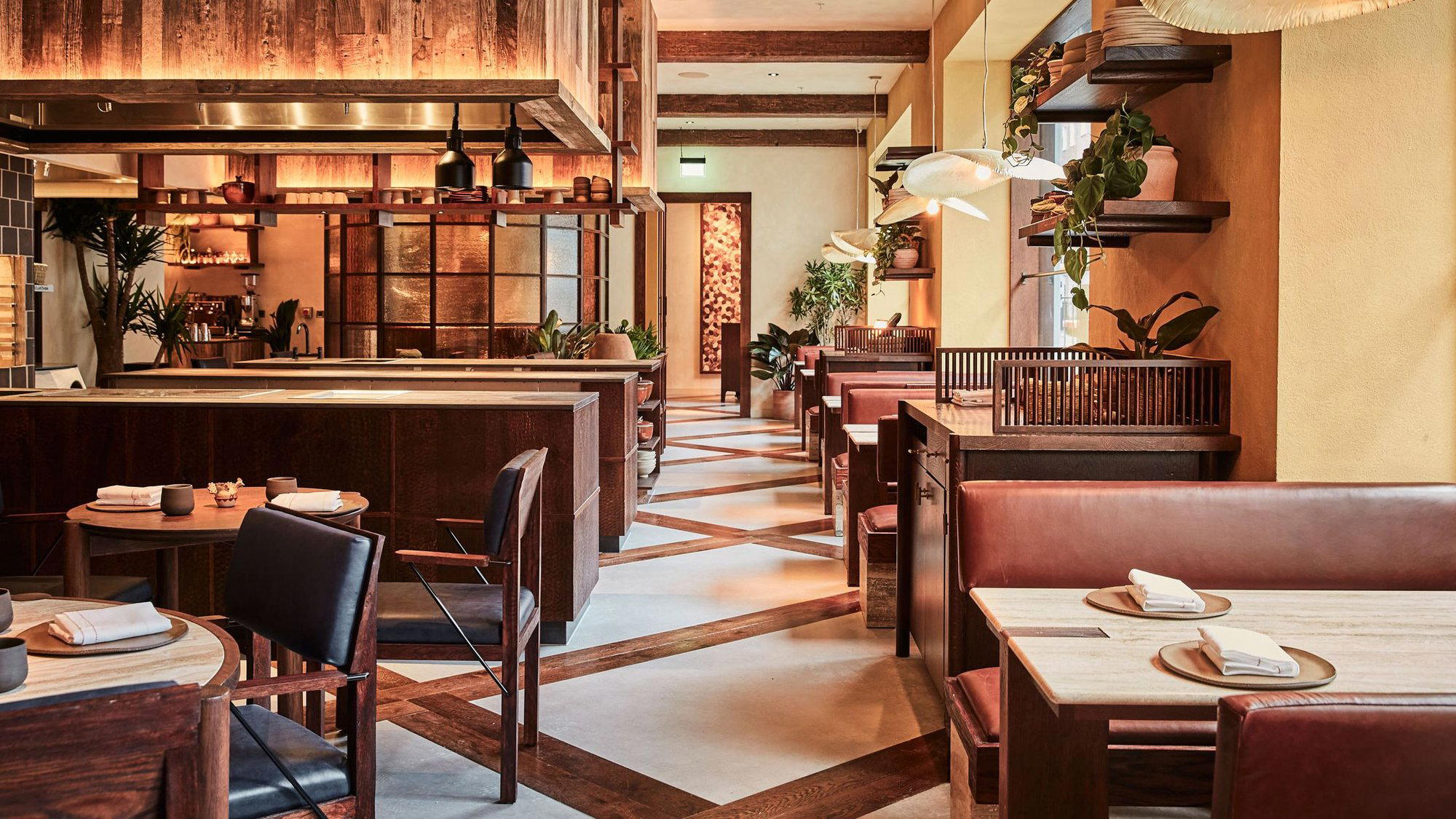
Details
- Cozy
- Family
- Casual Hangout
- Group Dining
- A La Carte
- Halal
Current opening hours
- Monday
- 12 PM–2 AM
- Tuesday
- 12 PM–2 AM
- Wednesday
- 12 PM–3 AM
- Thursday
- 12 PM–3 AM
- Friday
- 12:45 PM–2 AM
- Saturday
- 12:45 PM–2 AM
- Sunday
- 12 PM–2 AM
Hours can change for holidays and private events. Last verified .
Comfortable ambience suitable for families and groups.