
Michelin Plate
Our verdict
Asam Schlössl occupies a historic manor house in Munich's southern Thalkirchen district, carrying consecutive Michelin Plate recognition in 2024 and 2025 for its commitment to Bavarian cooking. At the €€€ price point, it sits in a distinct tier: more considered than the city's beer-hall staples, less austere than Munich's multi-starred creative houses.

Pearl is the En Primeur Club membership app, where members save venues, book tables and use the concierge.

The menu
What to order
- Roast pork with cracklings
- Schlössl Sharing Brettl
- Steaks from Big Green Egg
Where Bavarian Cooking Takes Its Own Time
Maria-Einsiedel-Straße runs south through Thalkirchen toward the Isar, and the rhythm of the neighbourhood changes noticeably as the density of central Munich gives way to older residential streets and riverside green space. Asam Schlössl sits within this quieter southern arc, a historic manor property whose architecture signals something different from the beer-hall tradition that dominates popular imagination of Bavarian dining. The approach alone frames the meal: this is a restaurant that asks you to travel to it, which tends to filter the room toward guests who have made a deliberate choice rather than a convenient one.
That deliberateness matters because the cuisine here operates within a tradition that Munich's dining scene handles unevenly. Bavarian cooking at its most considered is not simply roast meat and dumplings scaled up for volume service. It is a regional cuisine with specific seasonal logic, a dependence on the surrounding agricultural calendar, and a set of techniques that predate modern European gastronomy by several centuries. The challenge for any kitchen working seriously in this register is to make that tradition feel current without dissolving it into something unrecognisable.
Menu Architecture and What It Signals
Michelin's Plate designation, awarded consecutively in 2024 and 2025, does not indicate a star but it is not inconsequential either. Within Michelin's framework, the Plate signals cooking that inspires, prepared to a consistently good standard. For a Bavarian kitchen in the €€€ tier, consecutive Plate recognition positions Asam Schlössl in a specific competitive space: above the city's casual Bavarian staples, operating with a degree of culinary intent that the guide considers worth noting, but priced and styled differently from the starred creative houses that dominate Munich's fine dining conversation.
That conversation at the leading end runs through venues like Tohru in der Schreiberei (three Michelin stars, Modern German-Japanese at €€€€), Tantris (two stars, Modern French at €€€€), and Alois - Dallmayr Fine Dining (two stars, Creative at €€€€). Asam Schlössl is not competing with that tier on its own terms. It occupies a different position in Munich's dining structure: regionally rooted, Michelin-acknowledged, and priced at a point where the proposition is serious cooking without the ceremony-and-tasting-menu format that defines the starred bracket.
What Bavarian menu architecture reveals at this level is a seasonal sequencing logic that tracks more closely to the regional calendar than to international fine dining trends. The cuisine's building blocks, game from the surrounding Bavarian forests in autumn, freshwater fish from Bavarian lakes and rivers, white asparagus from the region in late spring and early summer, and root vegetables and cured products through winter, create a structure where the menu's character shifts materially across the year. Arriving at Asam Schlössl in October is a different experience from arriving in May, and that temporal range is part of the kitchen's identity in a way that more internationally oriented menus tend to resist.
Among Munich's Bavarian options, Beim Sedlmayr offers useful comparison on the traditional end of the register, while JAN works the creative end of the city's broader spectrum. Asam Schlössl holds a middle position: identifiably Bavarian in its source material and approach, but with a degree of kitchen craft that the Michelin Plate signals clearly.
Bavarian Cooking in a German Context
Germany's restaurant culture has produced serious fine dining well outside Munich, from Aqua in Wolfsburg to Schwarzwaldstube in Baiersbronn and Vendôme in Bergisch Gladbach, with distinct regional characters driving each. CODA Dessert Dining in Berlin and ES:SENZ in Grassau extend the picture further. Restaurant Haerlin in Hamburg represents the northern pole of Germany's Michelin geography. Within that national spread, Munich's Bavarian identity is one of the country's most legible regional food cultures, with neighbouring Bavaria offering further reference points through Bratwursthäusle in Nuremberg and Gaststube Zum Klosterbräu in Neuburg an der Donau.
What distinguishes the Bavarian tradition from other German regional cuisines is the density of its local sourcing network and the specificity of its techniques. The Isar valley, the Alpine foothills, and the lakes east of Munich create a catchment area with a distinctive seasonal profile. Kitchens that take this seriously tend to build menus that reflect it directly rather than treating regional identity as a decorative layer over a more generic European framework.
The 4.4 Rating and What It Represents
At that volume, the score reflects a broad and consistent pattern rather than a sample skewed by destination visitors or a single wave of enthusiasm. For a restaurant in Munich's southern residential belt, that volume also suggests a loyal local base rather than primarily tourist traffic, which in turn implies that the kitchen performs reliably across ordinary service rather than only for high-visibility occasions.
The combination of that rating profile and consecutive Michelin Plate recognition across two years creates a coherent picture of a kitchen operating with sustained consistency. Peer venues at comparable price points in Munich's Bavarian segment do not uniformly carry that combination, which positions Asam Schlössl as a meaningful data point in the category.
Planning the Visit
Asam Schlössl is located at Maria-Einsiedel-Straße 45 in Munich's 81379 postal district, in the Thalkirchen neighbourhood south of the city centre. The setting rewards planning: this is not a restaurant you walk past and decide to enter. The price range of €€€ sits between Munich's casual Bavarian options and the €€€€ tier of the city's starred creative kitchens, making it a considered evening choice rather than a quick lunch decision. Given the seasonal logic that defines Bavarian cooking at this level, timing the visit to a specific part of the agricultural year, late spring for asparagus season, autumn for game, adds a layer of intention that the menu structure rewards. Booking in advance is advisable given the 4.4 rating at high volume, which suggests steady demand from the local base. For broader context on Munich's dining options across all categories, see our full Munich restaurants guide, and for planning the wider trip, our Munich hotels guide, bars guide, wineries guide, and experiences guide cover the rest.
Frequently asked questions
What dish is Asam Schlössl famous for?
Asam Schlössl holds consecutive Michelin Plates for 2024 and 2025, a designation Michelin awards specifically for kitchens delivering quality cooking, which in this case means traditional Bavarian cuisine. The restaurant's reputation is built around its regional cooking rather than any single signature item, and the Michelin recognition supports that consistency. For specific current dishes, checking directly with the restaurant is advisable given seasonal Bavarian menus.
Is Asam Schlössl expensive?
Pricing at Asam Schlössl is listed as €€€.
City Peers
A quick snapshot of similar venues for side-by-side context.
| Venue | Cuisine | Price | Awards | Notes |
|---|---|---|---|---|
| Asam SchlösslThis venue (the venue you are viewing) | Modern Bavarian with Grill Specialties | $30–50 | Michelin Plate | Not listed |
| Tantris | Modern French Fine Dining | $300–500 | 2 Michelin Stars · World's 50 Best #73 | Modern French, French Contemporary |
| Tohru in der Schreiberei | Modern Japanese-European Fusion Fine Dining | $300–500 | Michelin Plate · La Liste Top Restaurants | Modern German - Japanese, Modern Cuisine |
| Alois - Dallmayr Fine Dining | Modern Bavarian Fine Dining with French and Nordic Influences | $300–500 | 2 Michelin Stars · La Liste Top Restaurants | Creative |
| Atelier | Charcoal-Grilled French Tasting Menu with Oita Wagyu | $100–150 | Tabelog 100 #51 | Creative French |
| Acquarello | Modern Italian Fine Dining | $100–150 | 1 Michelin Star | Italian - Mediterranean, Italian |
Recognition history
Dated appearances from independent guides and award organizations, with the underlying list record or original source where available.
Michelin Plate
Michelin · 2026 Michelin Plate
Full recognition history (3 entries)
Michelin Plate
Michelin
Michelin Plate
Michelin
Continue exploring
More in Munich
Restaurants in Munich
All restaurants in Munich →
Bars in Munich
All bars in Munich →
Details
- Rustic
- Cozy
- Romantic
- Historic
- Scenic
- Date Night
- Family
- Group Dining
- Celebration
- Garden
- Historic Building
- Open Kitchen
- Extensive Wine List
- Beer Program
- Garden
- A La Carte
- Family Style
- Small Plates
- Beer Program
- Wine Cellar
- Vegetarian Friendly
- Vegan Options
Current opening hours
- Monday
- 4:30–11 PM
- Tuesday
- 4:30–11 PM
- Wednesday
- 4:30–11 PM
- Thursday
- 4:30–11 PM
- Friday
- 11:30 AM–11 PM
- Saturday
- 11:30 AM–11 PM
- Sunday
- 11:30 AM–11 PM
Hours can change for holidays and private events. Hours as of .
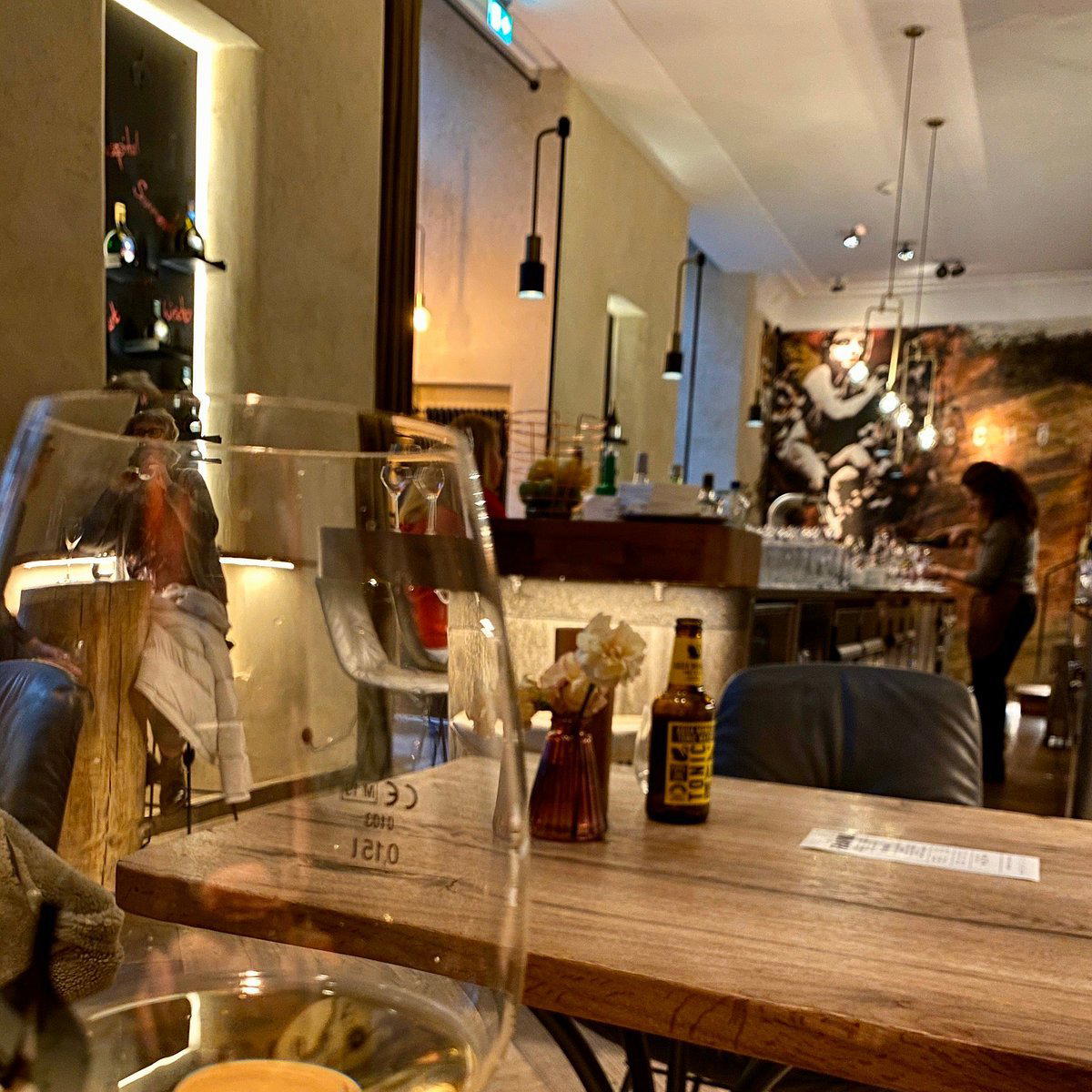
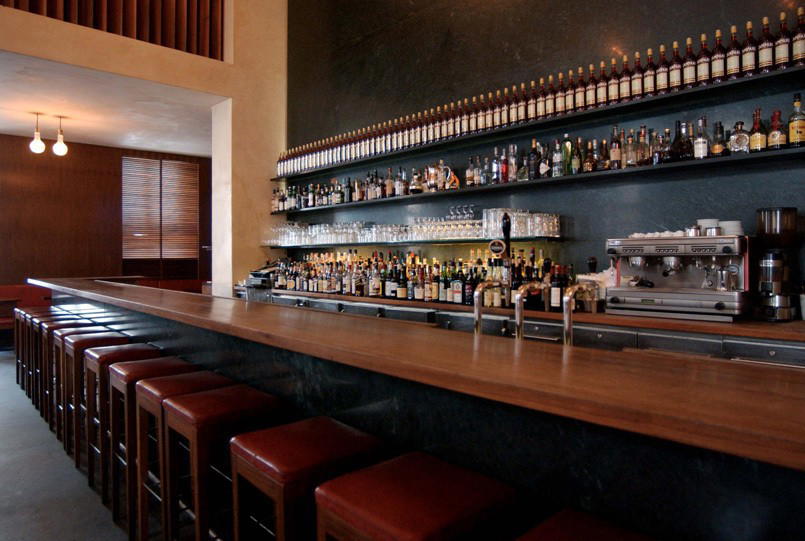
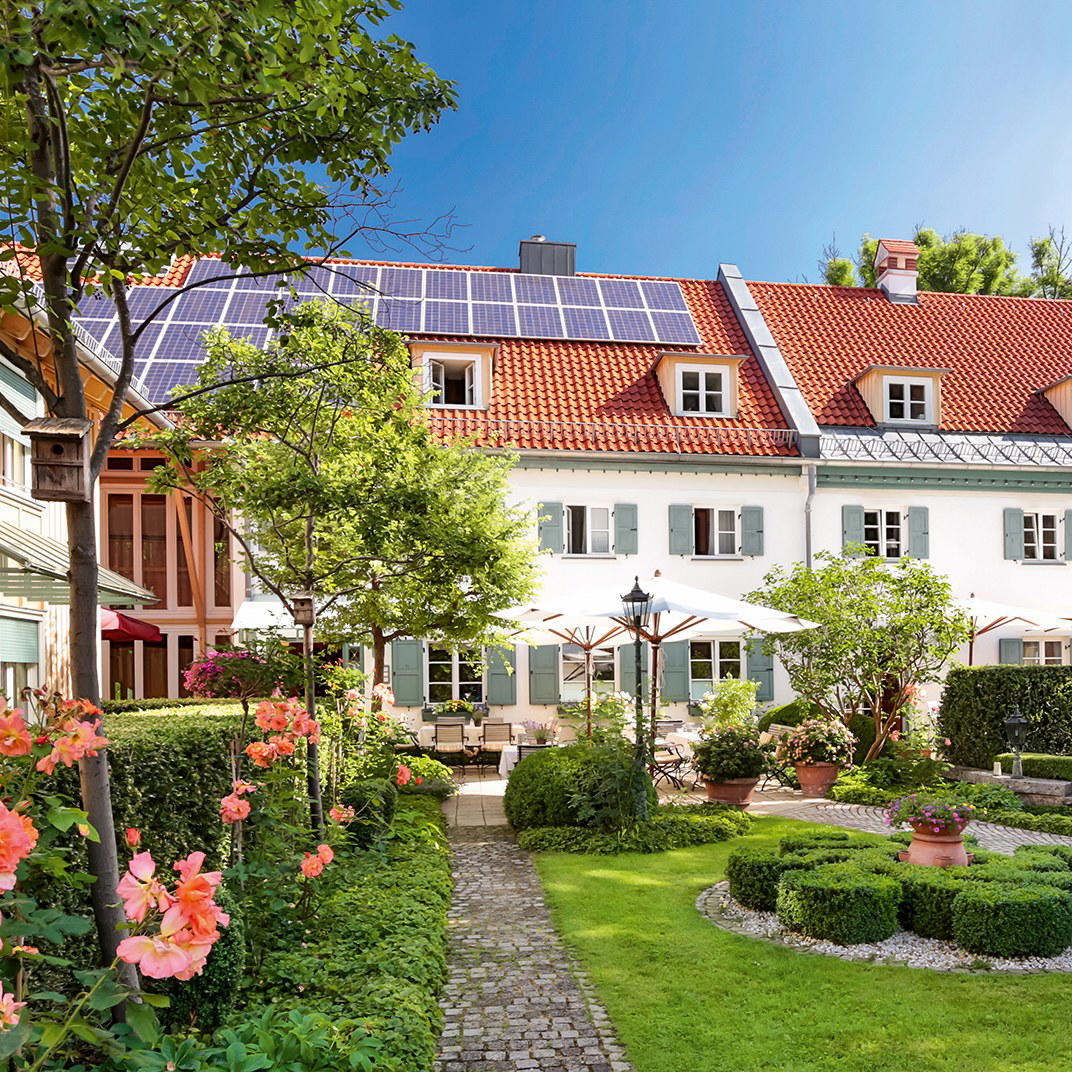
Atmospheric rustic Bavarian interior with cozy, historic charm and inviting shaded garden under trees.