Basalt
Our verdict
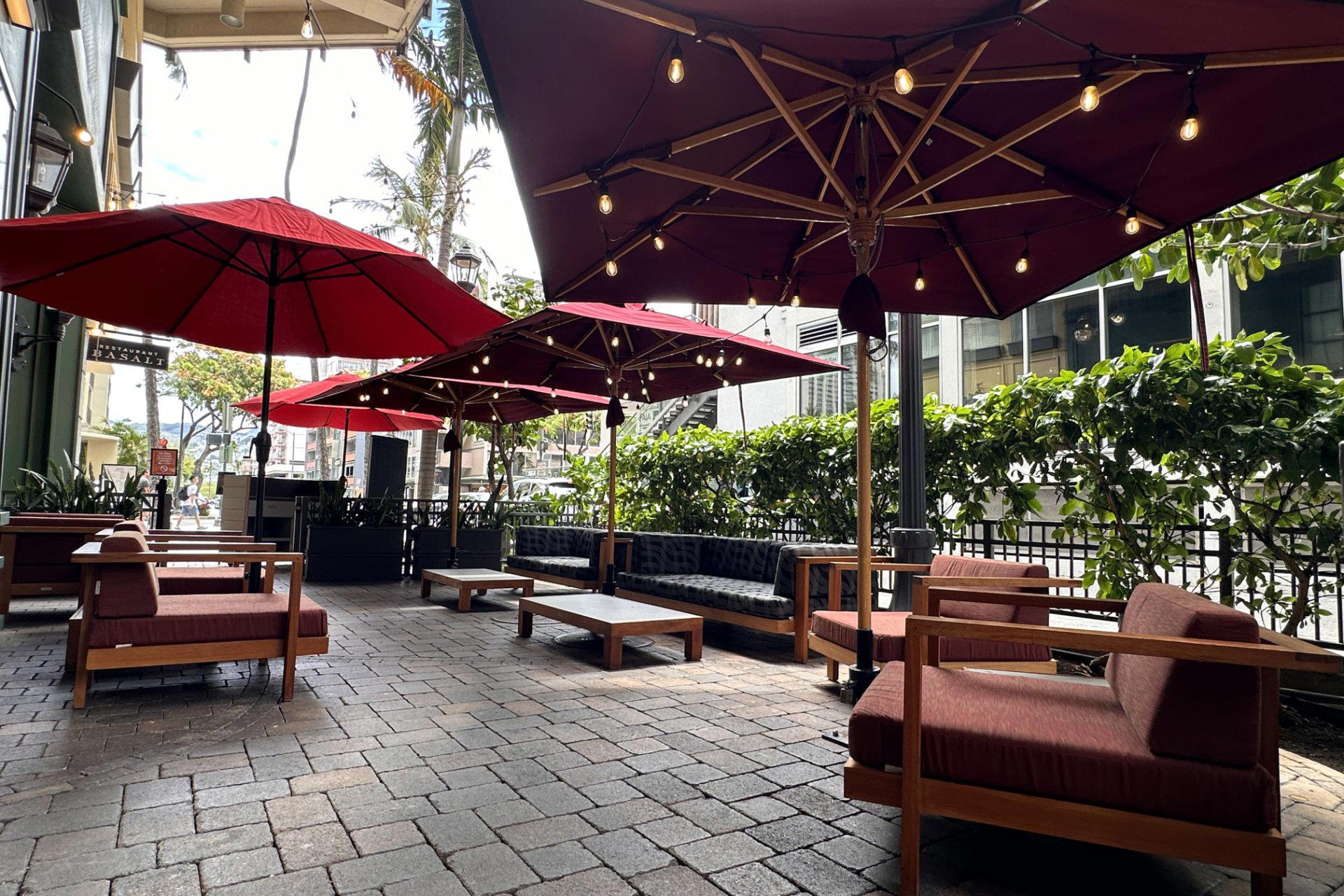
On Kūhiō Avenue in Waikīkī, Basalt occupies a quieter register than its neighbourhood suggests, with a kitchen that draws from Hawaiʻi's landscape of local producers and ethical sourcing. Positioned alongside Honolulu's emerging new-generation dining scene, it offers a contrast to the resort-circuit restaurants that dominate the area's table count. For travellers willing to look beyond the beachfront strip, it earns consideration.

Pearl is the En Primeur Club membership app — saves, bookings, and concierge access live there. Same editors, same standards.
- Address
- 2255 Kūhiō Ave., Honolulu, HI 96815
- Phone
- (808) 923-5689
- Hours
- Mon 7 AM–9 PMTue–Wed ClosedThu–Sun 7 AM–9 PM
- Website
- basaltwaikiki.com
- Directions
- Get directions
- Booking
- Book on OpenTable
The menu
What to order
- Charcoal Buttermilk Pancakes
- Vegetable Piele
- Seared Ahi and Farro
- Kalua Pork Quesadilla
Kūhiō Avenue and the Case for Staying Local
Waikīkī's dining scene has long been divided between resort-circuit operations built for scale and the smaller, neighbourhood-anchored rooms that serve a more local logic. The address at 2255 Kūhiō Ave. places Basalt squarely in that second category: a few blocks from the waterfront but outside the gravitational pull of the major hotel dining floors, in a stretch where the foot traffic skews residential rather than tourist. That positioning is not incidental. In Honolulu, where the distance between a hotel restaurant and a chef-driven independent can be measured less in geography than in sourcing philosophy, where a kitchen sits relative to the resort infrastructure often says something about what it's trying to do.
Waikīkī has changed in the past decade. The neighbourhood that once meant almost exclusively large-format hotel dining and chain outposts now includes a layer of independent rooms operating under a different set of priorities. Basalt belongs to that layer, and understanding it requires some sense of what that shift has meant for how Honolulu restaurants source, plate, and price their food.
Sourcing as Structure: The Sustainability Frame in Hawaiian Dining
Across the United States, the most credible sustainability programs in fine dining are built around constraint rather than addition. Venues like Single Thread Farm in Healdsburg and Blue Hill at Stone Barns in Tarrytown have made the sourcing calendar the menu's structural spine, refusing to import what isn't in season locally and building relationships with specific growers rather than buying from aggregate distributors. The discipline required to hold that position in a continental US context is significant. In Hawaii, the challenge compounds: the islands import roughly 85 to 90 percent of their food supply, a dependency that makes genuinely local sourcing both more urgent and more logistically demanding than it is anywhere on the mainland.
That context gives restaurants in Honolulu that commit to local and ethical sourcing a different weight than similar claims carry elsewhere. Sourcing from Oʻahu farms, working with Hawaiian fishing operations, or building a beverage program around local producers requires relationships and margin tolerance that the large resort kitchens, optimised for throughput, rarely sustain. The independent rooms that hold that line tend to be smaller, more dependent on regulars and word-of-mouth, and more directly accountable to the community they claim to serve.
Basalt operates within this broader commitment to place-based cooking that has been reshaping Honolulu's independent dining scene, positioning it alongside other city restaurants that treat Hawaii's agricultural and marine producers as the starting point rather than a marketing footnote.
Where Basalt Sits in the Honolulu Independent Scene
Honolulu's independent restaurant tier has developed a coherent identity over the past several years, with rooms like Fête and 3660 On the Rise anchoring a new-American and Pacific Rim conversation that takes local ingredients seriously without tipping into theme-restaurant territory. 53 By The Sea occupies a different register, leaning into occasion dining and view, while 855-ALOHA and Ahaaina Luau serve distinct cultural formats. Basalt's positioning on Kūhiō places it within the independent, chef-driven tier rather than the cultural-experience or occasion-view tier, which defines both its competitive set and the reader for whom it will make sense.
That tier is where Honolulu's most interesting sourcing conversations are happening. The kitchens in this bracket tend to run leaner operations, use shorter menus, and change their offerings more frequently in response to what's available from local producers. That responsiveness is a feature of the model rather than a compromise. It is also why these rooms reward repeat visits in a way that fixed hotel menus rarely do.
For international reference points, the ethos at work here is closer to what Atelier Moessmer Norbert Niederkofler in Brunico has formalised around Alpine ingredients, or what Addison in San Diego does with Southern California's agricultural abundance, than to the tasting-menu formalism of The French Laundry in Napa or the seafood precision of Le Bernardin in New York City. The ambition here is rooted in place rather than in technique as a primary value.
Planning a Visit
Basalt is located at 2255 Kūhiō Ave. Honolulu, HI 96815, in the mid-Waikīkī corridor that is walkable from most of the neighbourhood's major hotels but removed from the beachfront concentration. For visitors staying in Waikīkī, it is reachable without a car. For those coming from further east, the Kūhiō corridor is well-served by the TheBus network. Current hours, reservation requirements, and menu specifics are best confirmed directly with the restaurant, as independent rooms of this type adjust their schedules seasonally. Travellers planning around dietary restrictions should contact Basalt in advance; kitchens that build menus around local availability tend to have more flexibility than prix-fixe operations, but that flexibility requires advance notice to exercise properly.
For a fuller picture of where Basalt sits within the city's dining options, the EP Club Honolulu restaurants guide maps the independent scene against the hotel-dining and cultural-experience tiers, with context on neighbourhood character across the city. Readers cross-referencing the commitment to ethical sourcing with other markets may also find useful comparisons in EP Club's coverage of Lazy Bear in San Francisco, Emeril's in New Orleans, and Atomix in New York City, each of which operates in a similarly defined relationship between city identity and kitchen sourcing philosophy. For the high-formalism end of the sustainability conversation nationally, The Inn at Little Washington in Washington remains the most sustained example of a tasting-menu kitchen built explicitly around carbon and sourcing accountability.
Frequently asked questions
Where is Basalt in Honolulu?
Basalt is located at 2255 Kūhiō Ave. Honolulu, HI 96815, Honolulu.
How does Basalt fit into Waikīkī's neighbourhood dining scene compared to resort restaurants?
Basalt's location at 2255 Kūhiō Ave. places it in the mid-Waikīkī corridor, walkable from most of the neighbourhood's major hotels but operating outside the resort infrastructure that defines most dining in the area. Where resort operations are built for high volume and broad demographic reach, Basalt functions as a locally anchored independent, which means a smaller room, a sourcing-led menu, and a guest experience oriented around place rather than throughput.
What's the signature dish at Basalt?
What the kitchen is known for is a structural commitment to locally sourced Hawaiian ingredients, which shapes the menu at a foundational level rather than as a promotional add-on. Expect the selection to reflect what Hawaii's farms and waters are producing at any given time.
Is Basalt reservation-only?
At this address on Kūhiō Ave. independent rooms in Honolulu's chef-driven tier range from walk-in-friendly to advance-booking required, often depending on season and table size. check the venue's official channels to confirm before visiting.
What makes Basalt worth seeking out?
Honolulu's dining volume is dominated by resort operations that import the majority of their ingredients, which makes Basalt's position as a locally sourced independent on Kūhiō Ave. a meaningful point of difference. It sits alongside rooms like Fête and 3660 On the Rise in a tier of Honolulu independents that have built credibility through sourcing discipline rather than scale. For visitors staying in Waikīkī, it represents a neighbourhood-anchored alternative to the resort circuit.
Can Basalt accommodate dietary restrictions?
Given Basalt's locally sourced approach at 2255 Kūhiō Ave. the menu structure is likely to shift with seasonal availability, which can work in favour of guests with specific needs. The most reliable step is to check the venue's official channels ahead of your visit.
The Short List
Comparable venues nearby, for context on price, style, and recognition.
| Venue | Cuisine | Price | Notes |
|---|---|---|---|
| BasaltThis venue — the venue you are viewing | Local Hawaiian Fusion | $30–50 | Not listed |
| Makai Market | Hawaiian-Asian Food Court | $10–20 | Ala Moana, Hawaiian-Asian Food Court |
| 3660 On the Rise | Euro-Island Fusion | Not listed | Kaimuki, Euro-Island Fusion |
| Little Italy Hawaii | Authentic Home-Style Italian | $30–50 | Waikiki, Authentic Home-Style Italian |
| Sura Hawaii | All-You-Can-Eat Korean BBQ | $30–50 | Ala Moana, All-You-Can-Eat Korean BBQ |
| Chingu | Modern Korean Bar Food | Not listed | Kakaako, Modern Korean Bar Food |
Details
- Casual
- Modern
- Trendy
- Brunch
- Family
- Casual Hangout
- Group Dining
- Open Kitchen
- Local Sourcing
- A La Carte
- Vegetarian Friendly
- Vegan Options
- Gluten Free Options
Current opening hours
- Monday
- 7 AM–9 PM
- Tuesday
- Closed
- Wednesday
- Closed
- Thursday
- 7 AM–9 PM
- Friday
- 7 AM–9 PM
- Saturday
- 7 AM–9 PM
- Sunday
- 7 AM–9 PM
Hours can change for holidays and private events. Last verified .
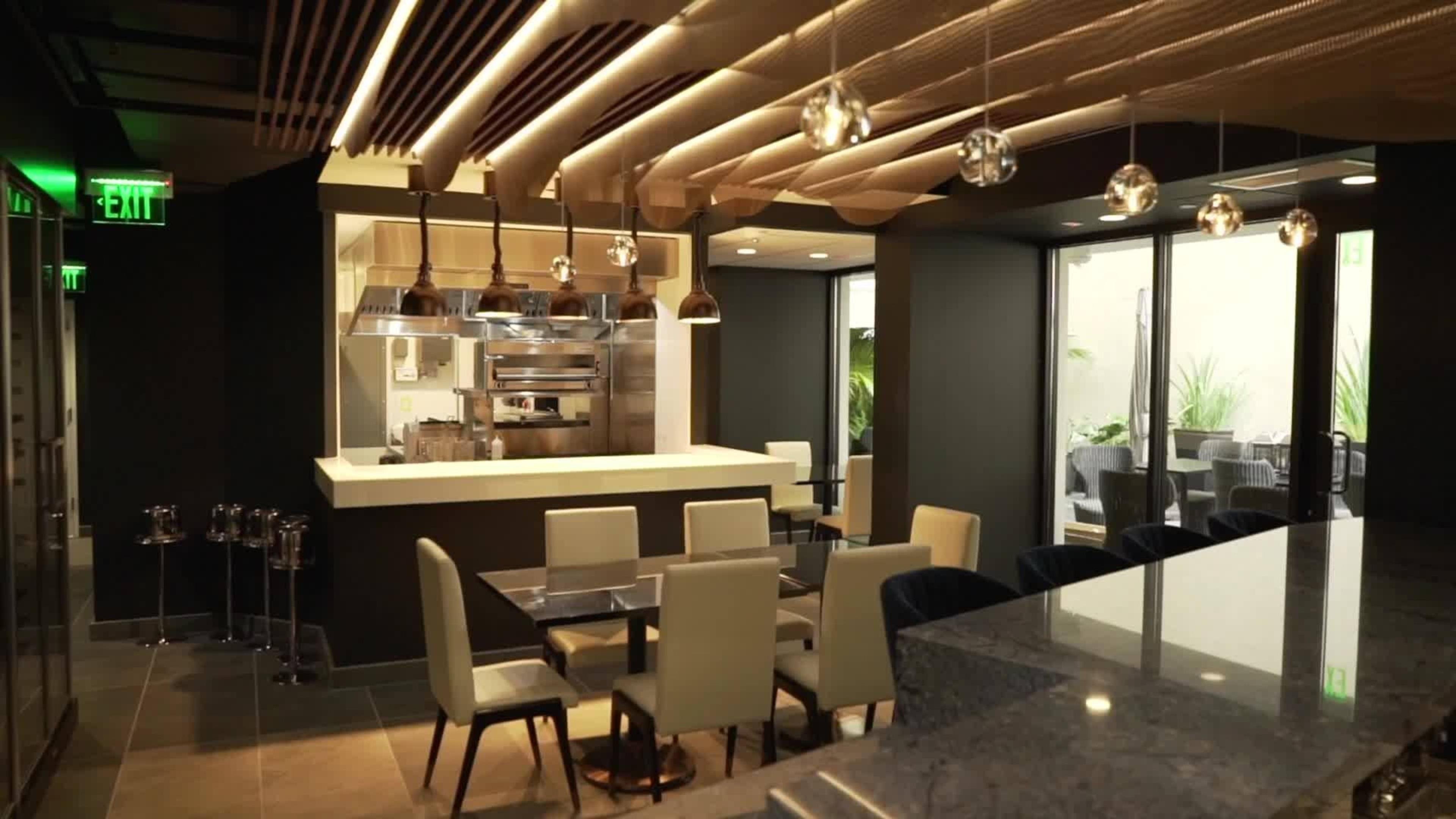
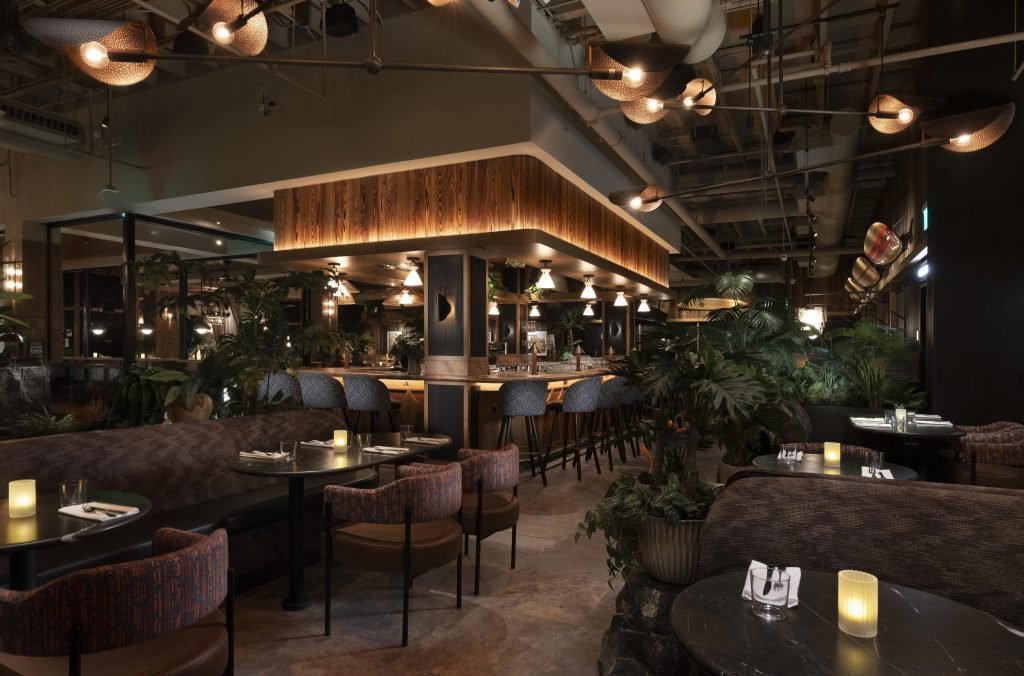
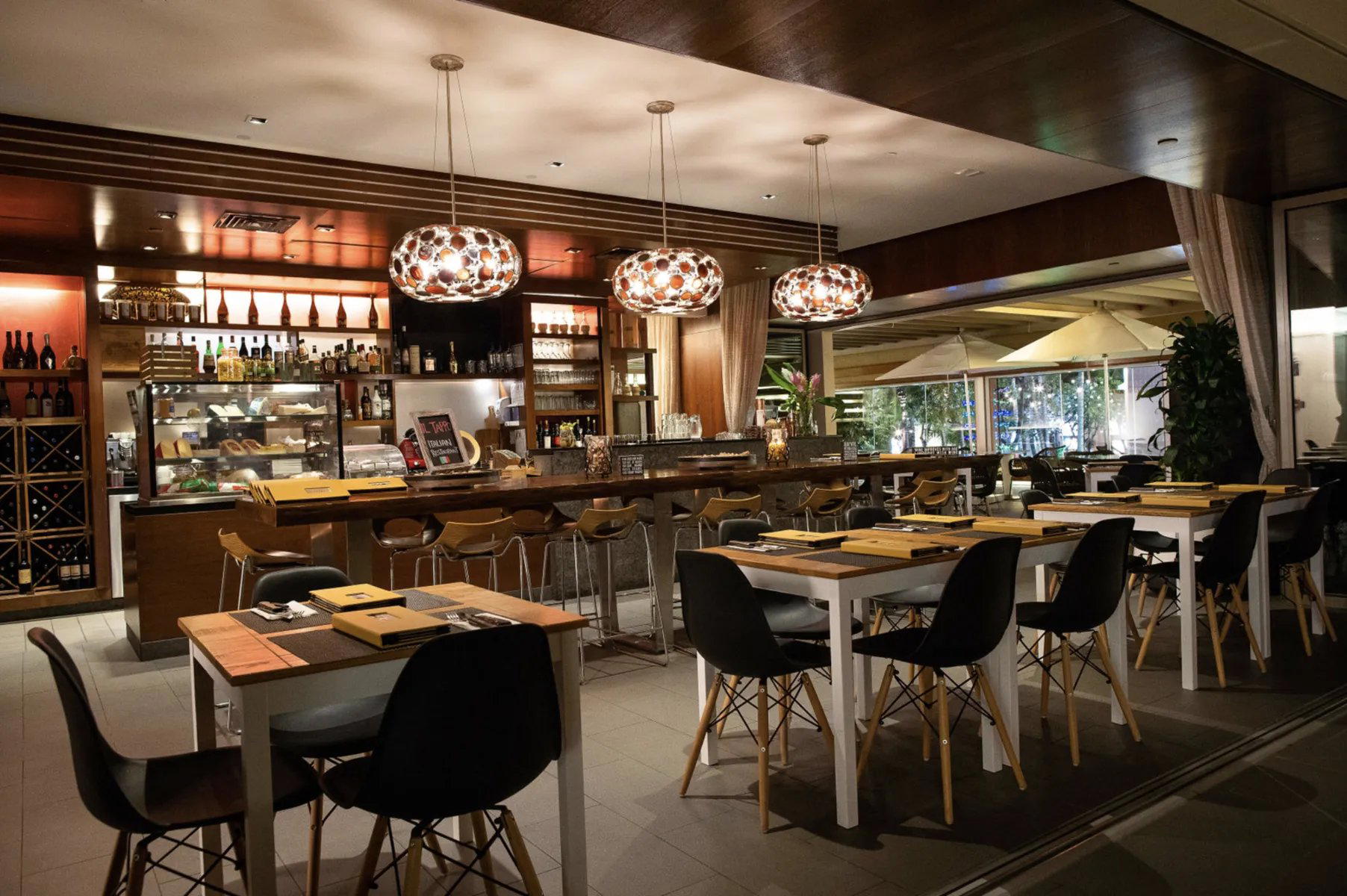
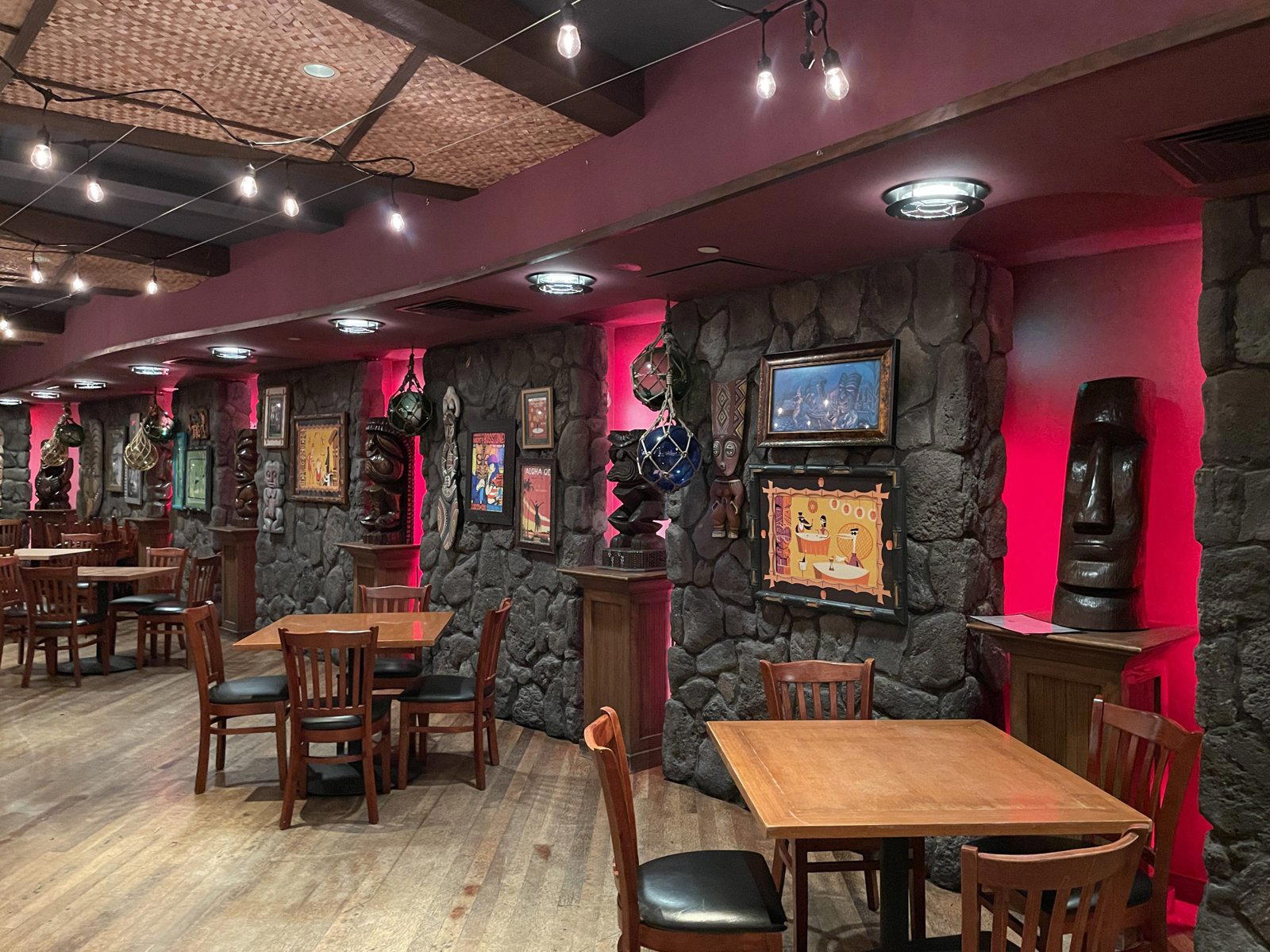
Contemporary and refined yet relaxed atmosphere with a fun and distinctive environment blending local comfort food with refined dining aesthetics.