BarDough
Located at 350 W 46th St in Midtown's Restaurant Row, BarDough sits in a stretch of Hell's Kitchen that has quietly absorbed some of New York's more ambitious casual-to-mid-tier openings. The address places it within walking distance of the Theater District, a fact that shapes its service rhythm as much as any kitchen philosophy. For context on how BarDough fits the broader Manhattan dining picture, see our full New York City restaurants guide.
Pearl is the En Primeur Club membership app — saves, bookings, and concierge access live there. Same editors, same standards.
- Address
- 350 W 46th St, New York, NY 10036
- Phone
- +19172620543
- Website
- bardoughnyc.com
- Directions
- Get directions
 Saves & bookings on Pearl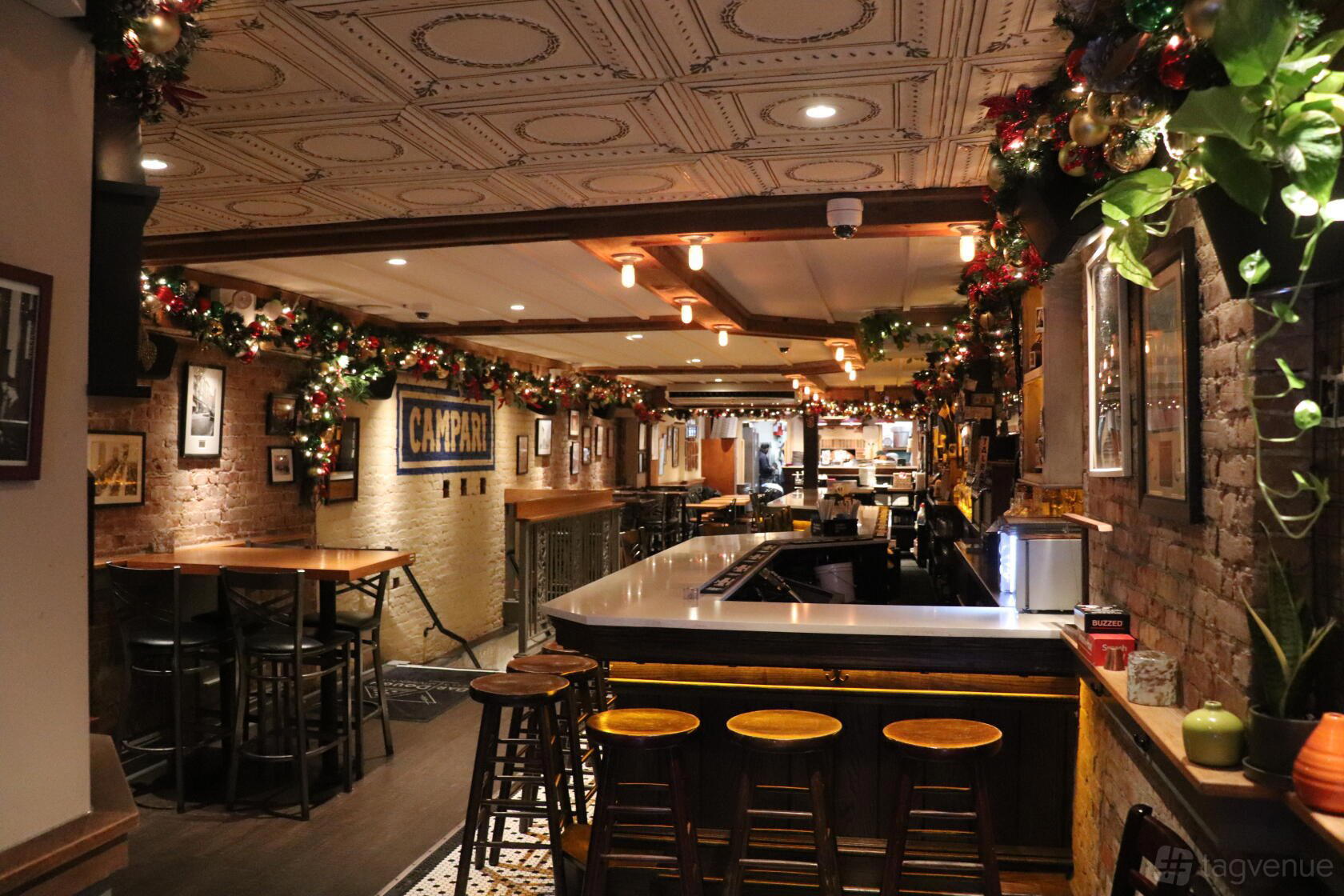
Restaurant Row and the Hell's Kitchen Shift
West 46th Street between Eighth and Ninth Avenues has carried the nickname Restaurant Row since at least the 1970s, when the block consolidated into a reliable pre-theater corridor. The stretch has changed considerably since then. What was once a line of red-sauce Italian rooms and French bistros catering almost exclusively to Broadway crowds has gradually absorbed a wider range of concepts, tracking the broader transformation of Hell's Kitchen from a working-class neighborhood into one of Manhattan's more active dining corridors. BarDough, at 350 W 46th St, occupies a position in that evolved version of the block, where the assumption that every table turns at 7:30 pm no longer holds as firmly as it once did.
The Theater District adjacency is a structural fact that shapes any restaurant on this block in ways that go beyond décor or menu length. Pre-curtain demand compresses into a narrow window, post-show demand arrives late and often briefly, and lunch service operates in a quieter register entirely. Understanding how a restaurant on W 46th St manages those competing pressures is, in many respects, the more interesting editorial question than any single dish or price point.
The Lunch vs. Dinner Divide on Restaurant Row
In New York's Theater District adjacencies, the gap between lunch and dinner service is more pronounced than in almost any other part of the city. At the high end of the midtown spectrum, restaurants like Le Bernardin and Per Se use lunch as a lower-price entry point into menus that cost significantly more after dark, a format that has become a recognizable strategy for three-star and four-star rooms across Manhattan. The calculation is direct: afternoon service fills seats that would otherwise sit empty and introduces the room to guests who might not book at dinner pricing.
For mid-tier and casual-leaning concepts in the same geography, the dynamic is different. Lunch on Restaurant Row tends to attract a mix of industry workers, tourists orienting around matinee schedules, and neighborhood regulars who treat the block as a practical rather than destination option. Dinner swings harder toward the pre-theater format: fixed-time bookings, abbreviated courses, and a room that empties and refills on a schedule dictated by curtain times at the nearby houses. The mood shift between a Tuesday lunch and a Friday pre-show dinner on this block is significant enough that the two services can feel like separate operations sharing a kitchen.
This split matters for how a diner should approach BarDough. The address at 350 W 46th St places it squarely within that rhythm. Arriving at lunch offers a lower-pressure version of the room; arriving for dinner, particularly Thursday through Saturday, means entering a service environment calibrated for speed and throughput. Neither is better in absolute terms, but they suit different intentions. Guests prioritizing conversation and a relaxed pace will find lunch the more accommodating choice. Those drawn by the energy of a full room before a show are better served by the evening slot, with the understanding that the pace will be set partly by the theater schedule rather than personal preference alone.
This kind of service bifurcation is common across the city's mid-market tier. Atomix in NoMad and Eleven Madison Park in the Flatiron operate in controlled-pace environments where the evening experience is tightly choreographed, but those are tasting-menu rooms where the kitchen, not the theater district, sets the clock. On Restaurant Row, the external pressure of curtain times is a real variable, and the better operations on the block have learned to absorb it rather than fight it.
Hell's Kitchen in the Broader New York Dining Map
Hell's Kitchen has developed a dining identity that sits between the expense-account formality of midtown proper and the more casual, neighborhood-first character of areas like the West Village or the Lower East Side. The corridor running up Ninth Avenue has been particularly active, with enough opening volume over the past decade to establish genuine competition for attention. That competitive density is useful context: a restaurant on W 46th St is not operating in a vacuum but in a neighborhood where the diner has real options within a short radius.
At the summit of the Manhattan market, the reference points are well established. Masa in the Time Warner Center, a short distance from Restaurant Row, operates at a price point that effectively sets the ceiling for the city. The rooms in that upper tier, whether Japanese, French, or Korean, share a common characteristic: the experience is controlled, paced, and priced to reflect that control. The contrast with a Theater District-adjacent casual concept is not a criticism of either format, but it does clarify the competitive set. BarDough is not competing with Masa or Per Se; it is competing with the wider field of accessible, neighborhood-anchored rooms that have made Hell's Kitchen a practical dining destination for New Yorkers who are not organizing their evening around a Michelin star.
For comparison with how other American cities handle the casual-to-mid-tier dining register, Smyth in Chicago and Lazy Bear in San Francisco represent markets where the mid-to-upper tier has developed distinct local identities. New York's version of that tier is more compressed geographically and more exposed to the pressures of high foot traffic and tourist volume, particularly in the Theater District corridor.
Nationally, the conversation around American dining at the higher end includes rooms like The French Laundry in Napa, Blue Hill at Stone Barns in Tarrytown, Providence in Los Angeles, Addison in San Diego, Single Thread Farm in Healdsburg, The Inn at Little Washington, Frasca Food and Wine in Boulder, and Emeril's in New Orleans. Internationally, rooms like Atelier Moessmer Norbert Niederkofler in Brunico and Dal Pescatore in Runate represent the European fine-dining tradition against which American casual concepts are sometimes measured, though the comparison is more instructive as a contrast than a benchmark.
Planning Your Visit
BarDough is located at 350 W 46th St, New York, NY 10036, on Restaurant Row in Hell's Kitchen. Timing: Lunch on weekdays offers a lower-pressure service environment; Thursday through Saturday dinners are shaped by pre-theater demand, with tables turning on a compressed schedule. Reservations: recommended. Dress: casual. Budget: about $35 per person.
Price Lens
Comparable venues nearby, for context on price, style, and recognition.
| Venue | Cuisine | Price | Notes |
|---|---|---|---|
| BarDoughThis venue — the venue you are viewing | Not listed | $$ | Not listed |
| Piccola Cucina Uptown | Not listed | $$ | Upper East Side-Carnegie Hill, Authentic Sicilian Italian |
| Daddies | Not listed | $$ | West Village, Neapolitan-Inspired Italian Pizza and Pasta |
| Gnocco | East Village, Authentic Northern Italian | $$ | Not listed |
| Giano | East Village, Modern Italian Trattoria | $$ | Not listed |
| Original Vincent's | Not listed | $$ | SoHo-Little Italy-Hudson Square, Classic Italian Seafood |
Continue exploring
More in New York City
Restaurants in New York City
Browse all →
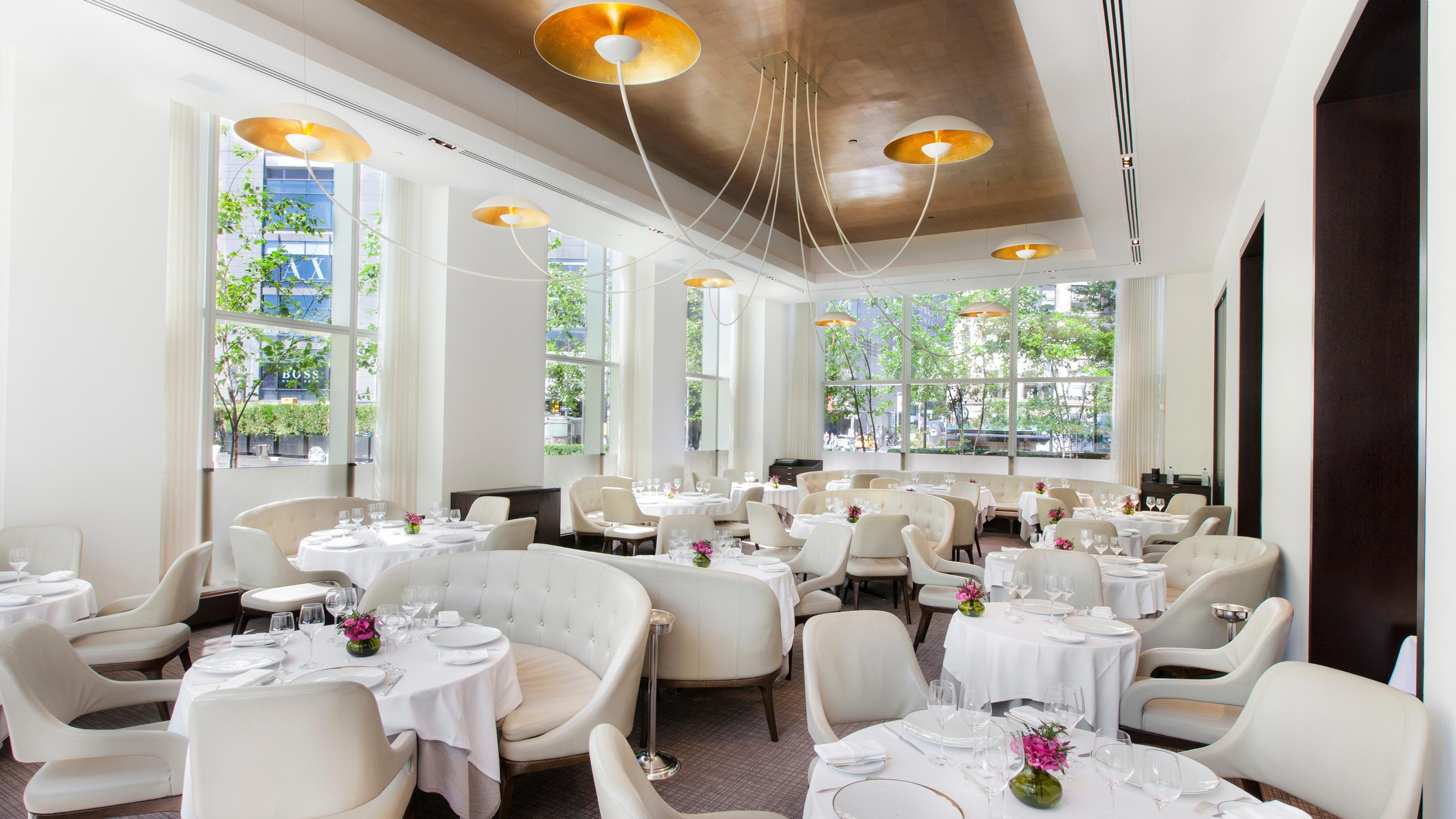
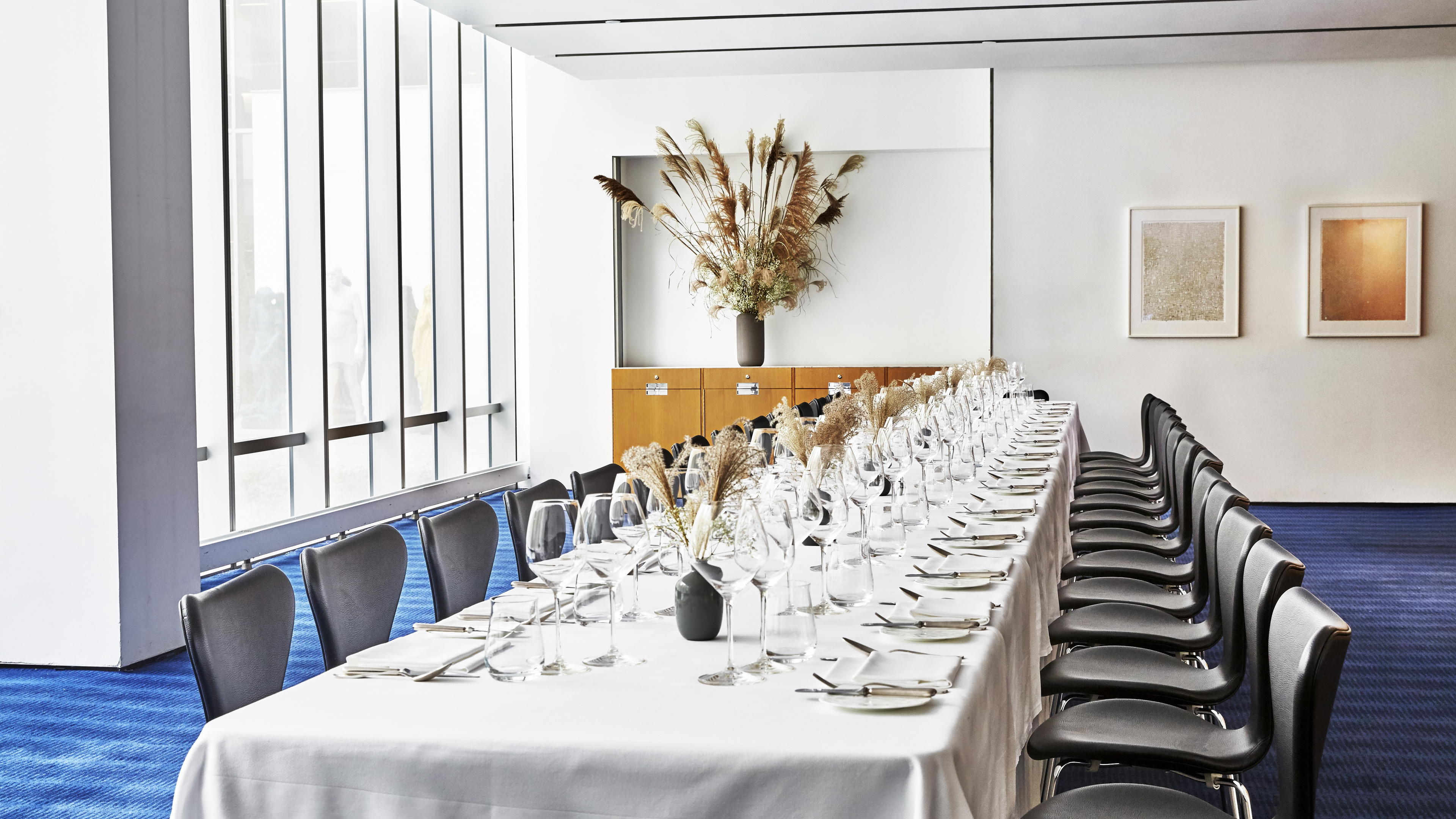
Bars in New York City
Browse all →
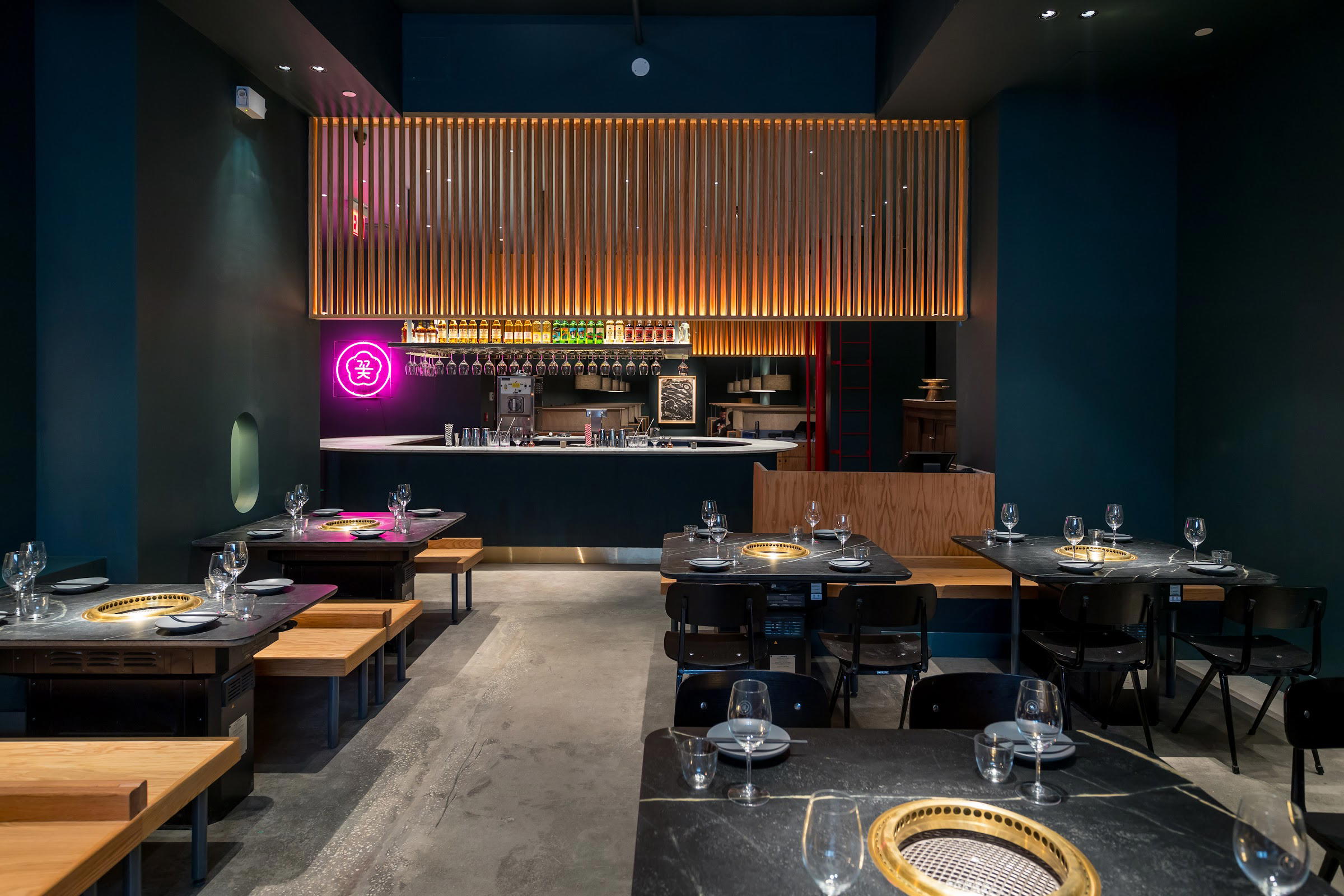
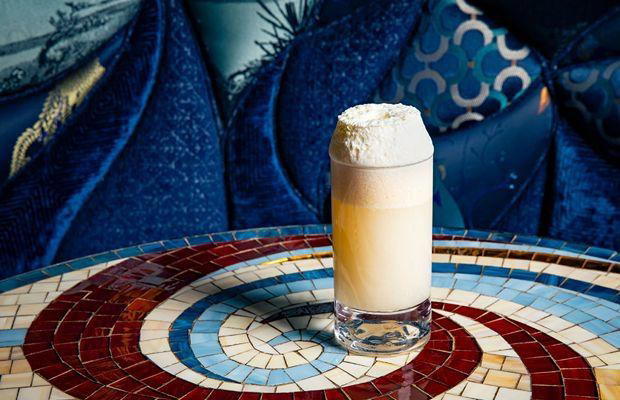

Hotels in New York City
Browse all →





At a Glance
- Cozy
- Energetic
- Lively
- Date Night
- Group Dining
- Casual Hangout
- After Work
- Late Night
- Open Kitchen
- Standalone
- Craft Cocktails
Current opening hours
- Monday
- 4 PM–12 AM
- Tuesday
- 4 PM–12 AM
- Wednesday
- 4 PM–12 AM
- Thursday
- 4 PM–12 AM
- Friday
- 4 PM–12 AM
- Saturday
- 11:30 AM–12 AM
- Sunday
- 11:30 AM–12 AM
Hours can change for holidays and private events. Last verified .
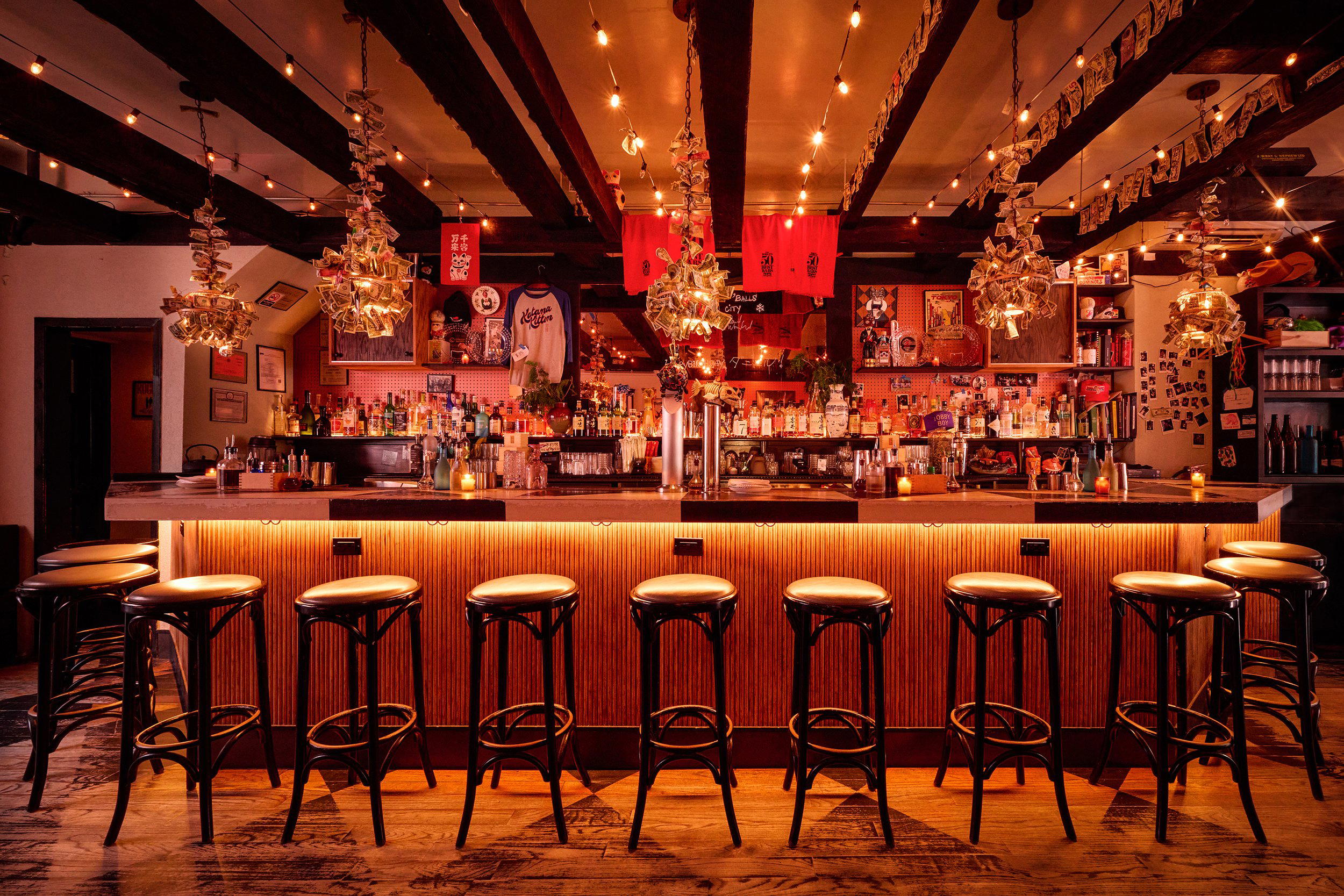
Warm and inviting space with exposed brick walls, a lively bar, and the glow of a brick oven creating an energetic yet cozy atmosphere.