Bar Terroir

Bar Terroir gives Tampa’s French dining conversation a provenance-led angle: not grand-room classicism, but the quieter question of where flavor comes from and how regional identity lands on the plate. With limited public detail on format, pricing, and chef leadership, the safer read is categorical: French technique filtered through a city better known for Gulf produce, Cuban history, and a fast-maturing restaurant scene.
Pearl is the En Primeur Club membership app — saves, bookings, and concierge access live there. Same editors, same standards.
- Address
- Tampa, United States
- Phone
- (813) 535-7922
- Website
- barterroir.co
 Saves & bookings on Pearl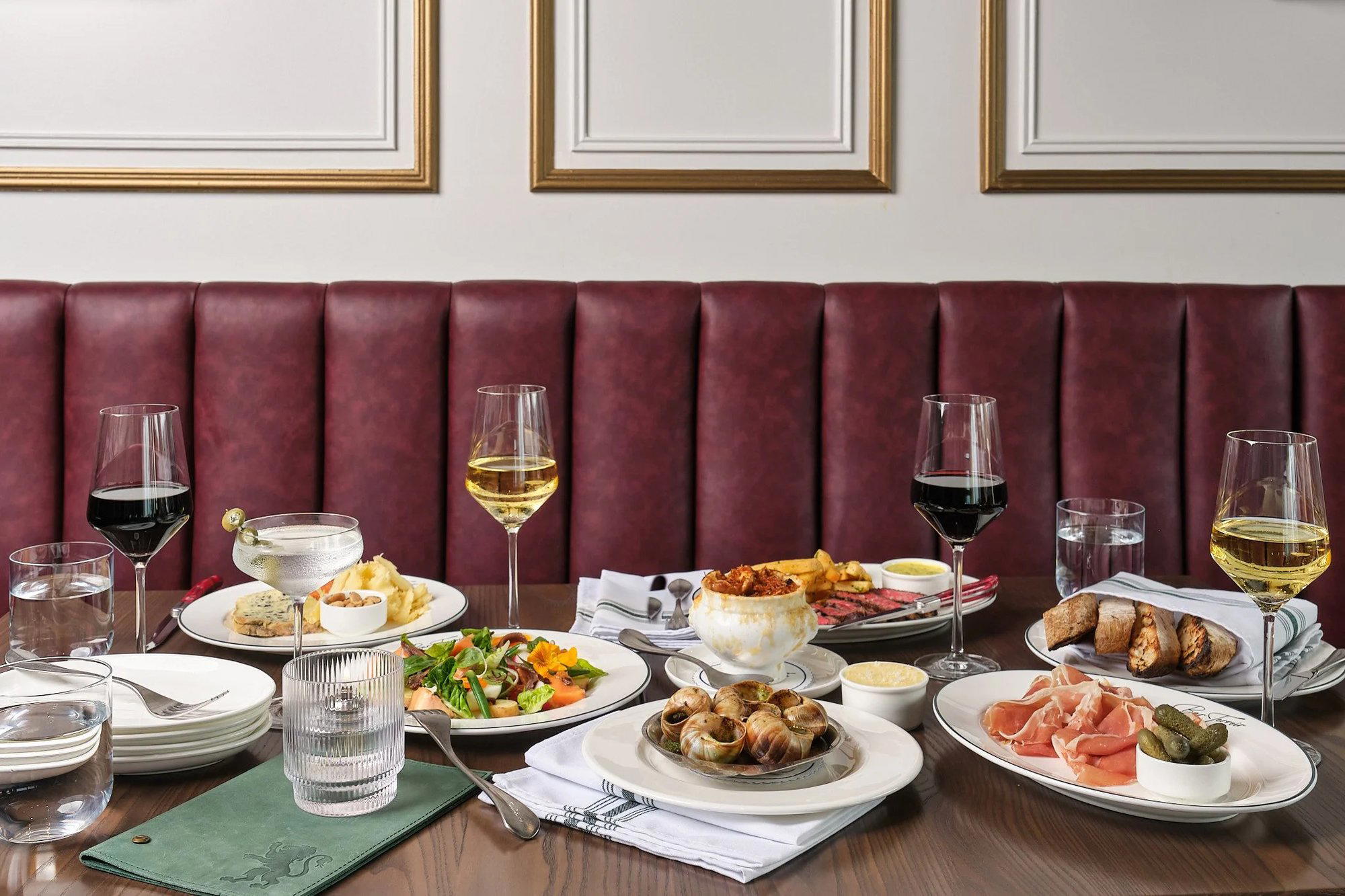
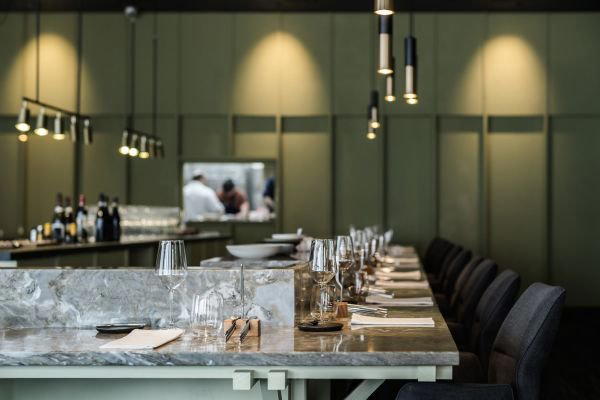
The first cue in a room like this is usually restraint: glassware, low conversation, a menu that asks diners to read place before flourish. In Tampa, that matters. The city’s dining identity has long been pulled between Gulf seafood, Cuban and Spanish inheritance, steakhouse appetite, and neighborhood casualness. A French restaurant built around terroir enters that mix with a different grammar, one that treats origin, season, and regional discipline as the point rather than decoration.
Bar Terroir belongs in that conversation because French cuisine has always been one of the clearest systems for turning geography into dining language. Burgundy reads differently from Provence; the Loire does not cook, drink, or season like the Rhône. Even when a restaurant is not reproducing those regions literally, the idea of terroir gives the kitchen a framework: acidity, fat, preservation, herbs, dairy, wine, and produce become evidence of place. In Tampa, that framework is especially useful because Florida ingredients can be vivid but unforgiving. Heat, humidity, citrus, seafood, and a long growing calendar reward kitchens that know when to simplify.
For a broader read on the city’s range, Our full Tampa restaurants guide maps the spread from casual institutions to more composed dining rooms. Travelers building a wider itinerary can also use Our full Tampa hotels guide, Our full Tampa bars guide, Our full Tampa wineries guide, and Our full Tampa experiences guide to understand how food, drink, and neighborhood planning fit together.
French terroir makes sense in a Gulf Coast city when the kitchen resists excess
French dining in American cities often splits into two habits: nostalgia for bistro comfort or luxury-coded tasting-room ceremony. The terroir model is more demanding because it depends on sourcing logic and restraint. It asks whether a dish tastes of climate, soil, coast, cellar, or market rather than whether it simply looks French. That distinction is useful in Tampa, where the stronger restaurants increasingly succeed by absorbing local conditions rather than importing a fixed template.
The key editorial question is not whether the room performs Frenchness through familiar signals. It is whether French structure gives Tampa ingredients sharper edges. A provenance-led menu can make citrus feel less like garnish, fish less like default, and vegetables less like an afterthought. It can also make wine service feel connected to the plate instead of parked beside it. The name Bar Terroir points toward that ambition, and the French classification places it inside a tradition where land and cellar have always mattered.
That is also why comparisons outside the city can be useful without pretending the formats are the same. A sake-led restaurant such as Jōdo Saké Bar in Los Angeles frames beverage through rice, region, and technique; Onigiri Time in Pasadena narrows attention to a compact Japanese staple; ¿Por Qué No? in Portland shows how casual formats can still carry regional identity. In Hawaii and California, 'Ai Love Nalo in Waimanalo Beach, 'āina in San Francisco, and 'Ama 'Ama in Kapolei all demonstrate, in different registers, how place can guide a meal without becoming a slogan. French examples abroad, including 3 Fils Counter, French in Dubai and 3G Trois Gourmands, French in Ho Chi Minh City, show how the cuisine travels when technique is adapted rather than copied.
Tampa's dining range makes a provenance-led French room feel less predictable
Tampa is not a single-lane restaurant city. A diner can move from polished downtown rooms to smokehouse counters, Greek-American tavernas, and long-running South Tampa addresses in the same weekend. That range is the useful context for Bar Terroir: French cooking here is not competing only with other French rooms, but with the city’s broader appetite for comfort, volume, and heat.
The contrast is clear when reading across local options. 1983 signals a different lane of contemporary dining; 4 Rivers Smokehouse reflects the region’s pull toward barbecue and casual abundance; 717 South sits in the South Tampa dining conversation; Acropolis Greek Taverna - New Tampa and Acropolis Greek Taverna - South Tampa show how Mediterranean comfort remains part of the city’s mainstream rhythm. Against that field, a French terroir concept reads as a more focused proposition: less about breadth, more about origin and proportion.
The practical conclusion is simple. Choose this kind of room when the meal’s organizing idea matters as much as the meal’s comfort. Tampa has plenty of places for abundance and speed; French terroir asks for more attention to sequence, sourcing, and the relationship between glass and plate. That makes it a better fit for diners who want a composed evening than for anyone treating dinner as a quick refuel between plans.
In Context
Comparable venues nearby, for context on price, style, and recognition.
| Venue | Cuisine | Price | Notes |
|---|---|---|---|
| Bar TerroirThis venue — the venue you are viewing | South Tampa, French Bistro | $$$ | Not listed |
| La Creperia Cafe @ Ybor City | Ybor City, French Creperie | $$ | Not listed |
| Rome + Fig | Old West Tampa, Global Bistro | $$$ | Not listed |
| Oxford Exchange | Not listed | $$$ | River Arts District, Contemporary American Bistro |
| Forbici Modern Italian | Not listed | $$$ | Historic Hyde Park, Modern Italian Roman-Style Pizza |
| Che Vita | Franklin Street, Southern Italian | $$$ | Not listed |
Recognition history
Dated appearances from independent guides and award organizations, with the underlying list record or original source where available.
Wine Spectator Award of Excellence
Wine Spectator
At a Glance
- Cozy
- Intimate
- Sophisticated
- Elegant
- Classic
- Date Night
- Business Dinner
- Group Dining
- Celebration
- Special Occasion
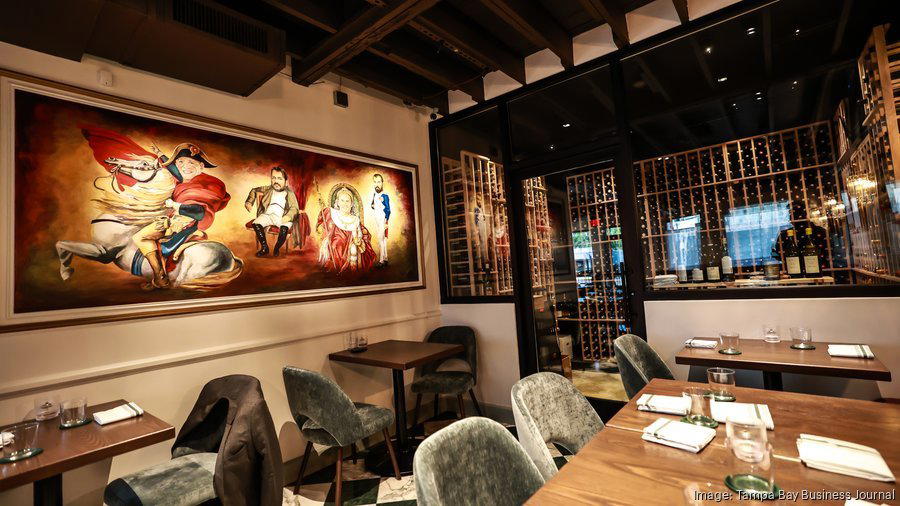
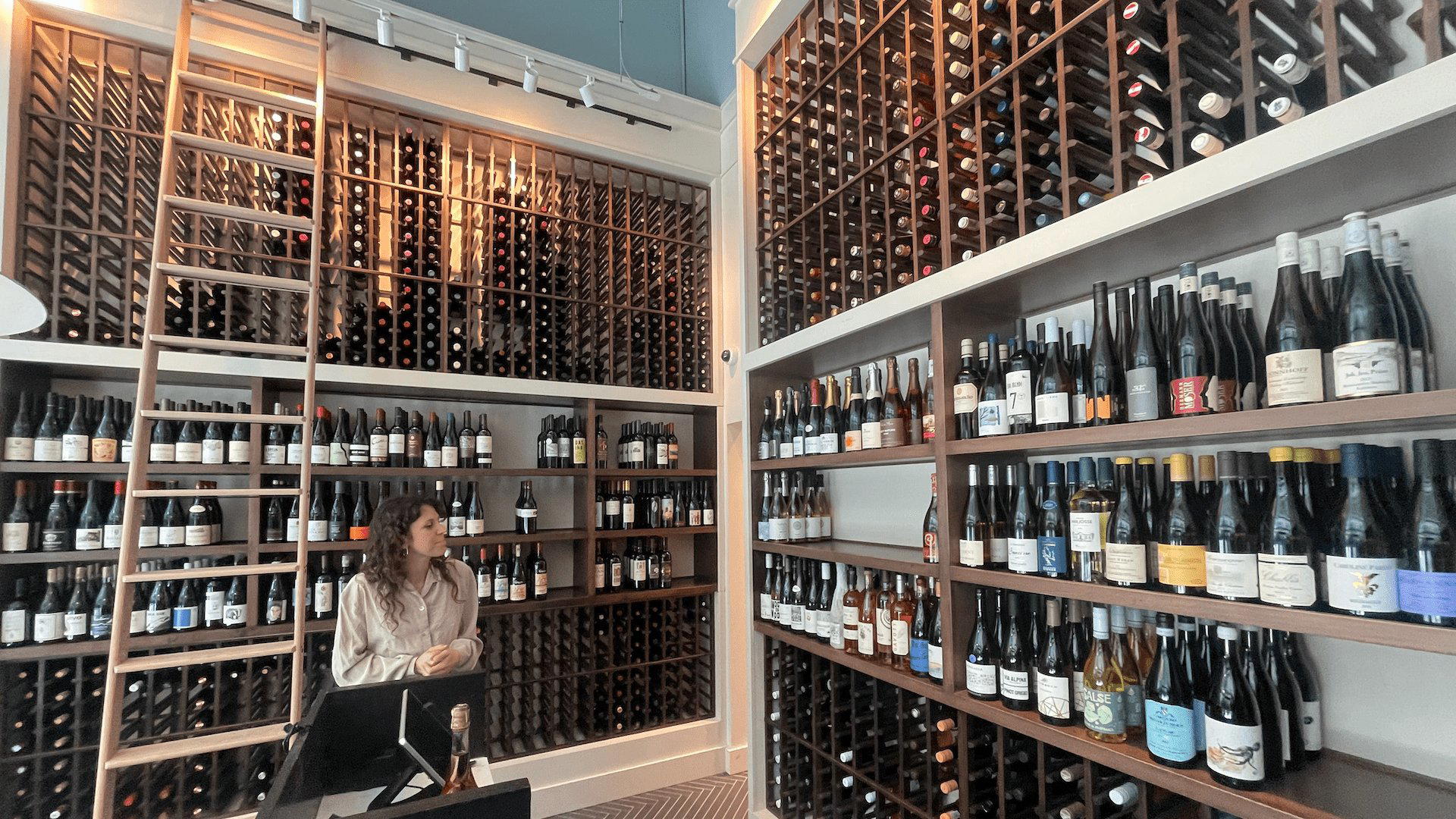
- Wine Cellar
- Design Destination
- Standalone
- Extensive Wine List
- Craft Cocktails
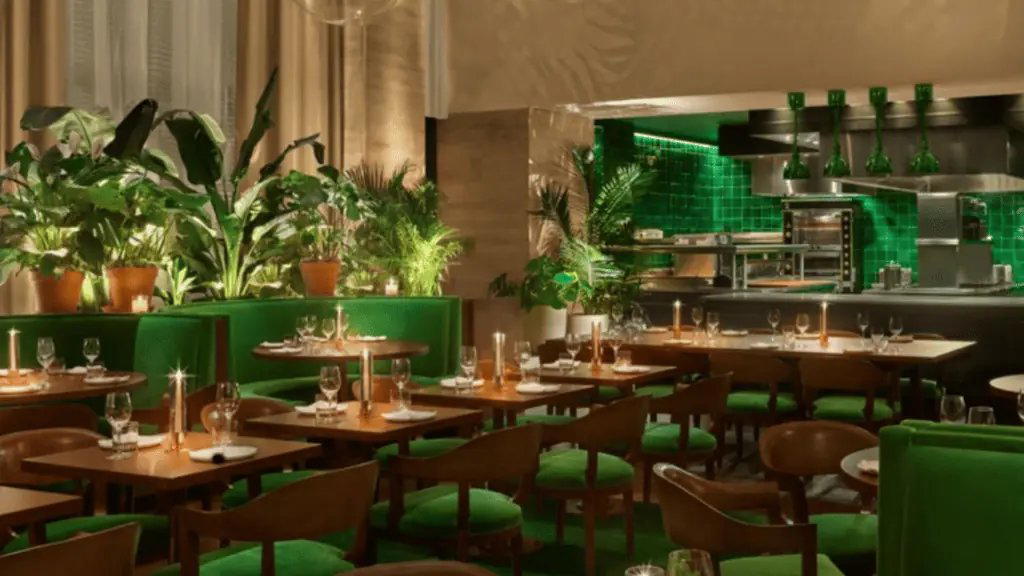
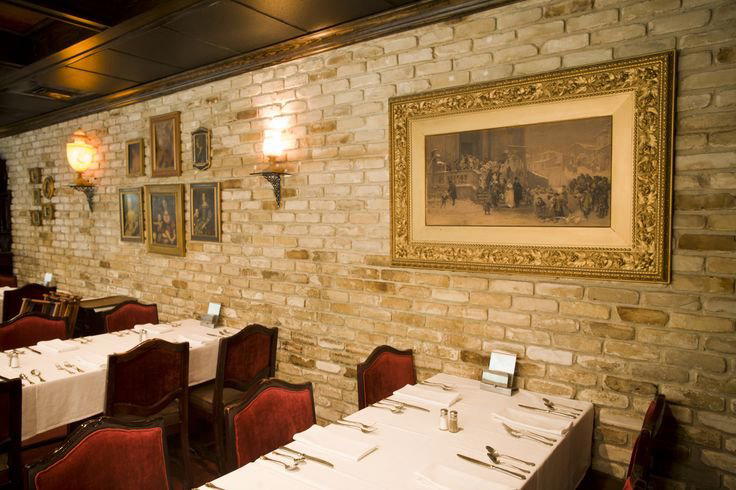
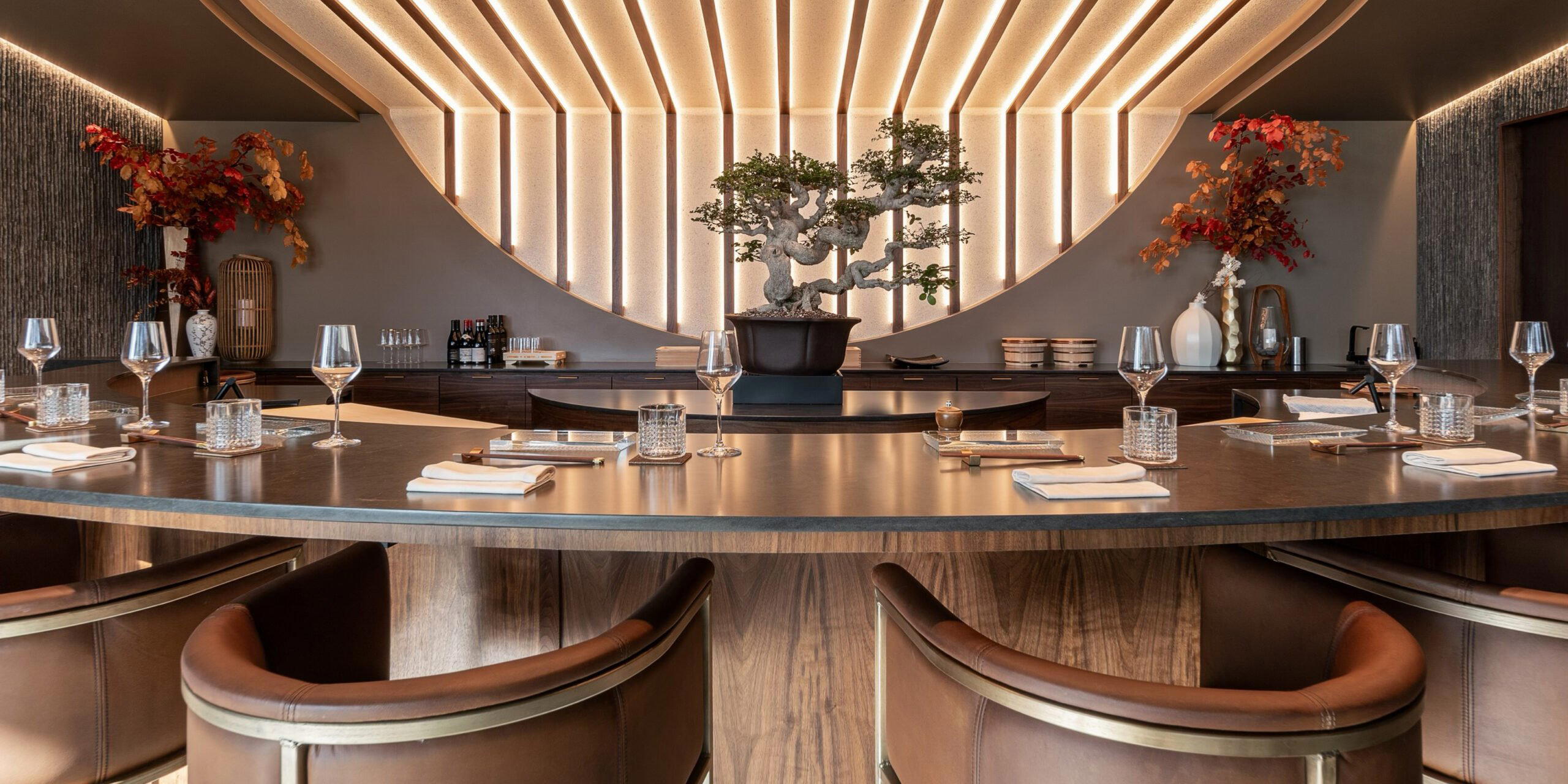
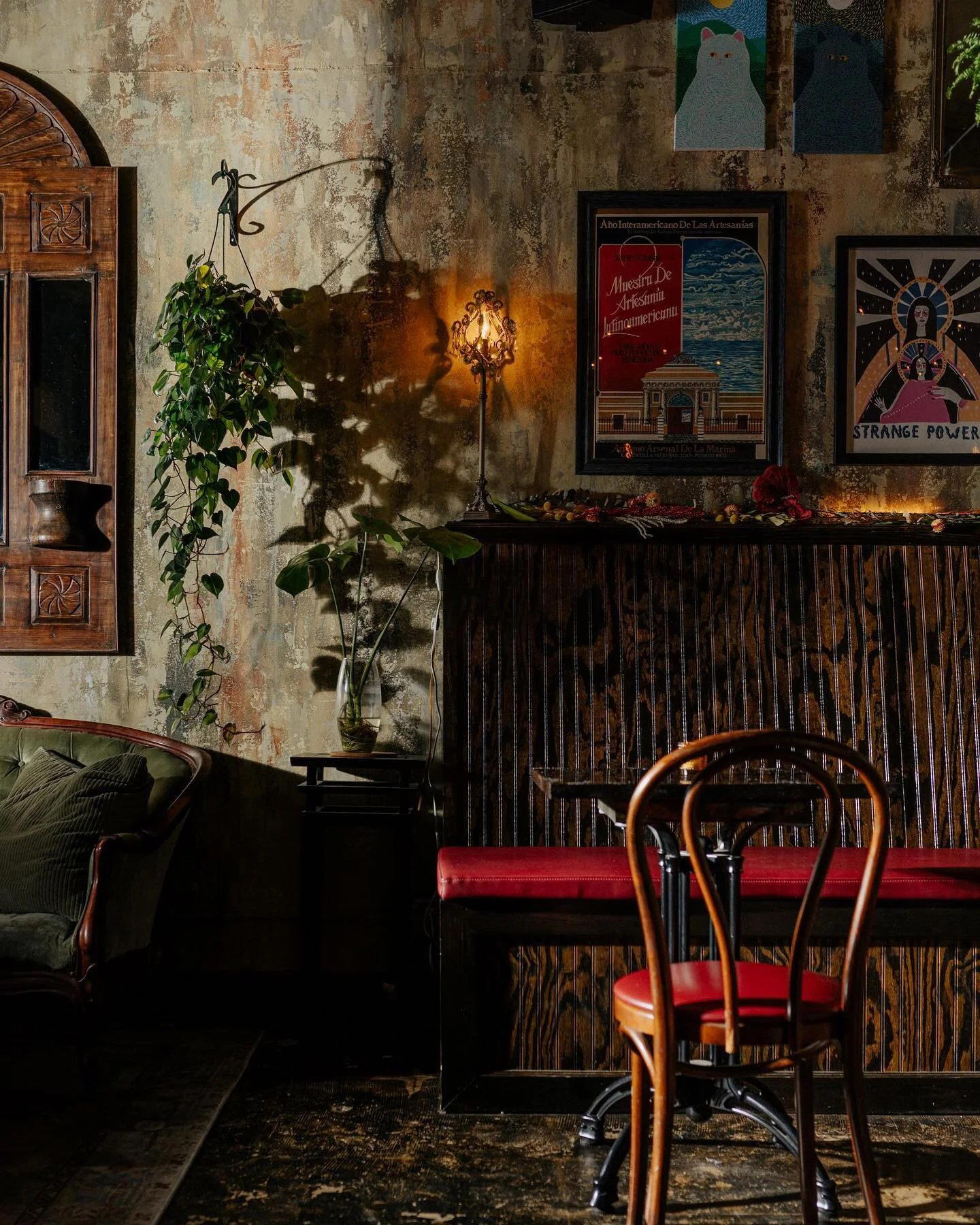
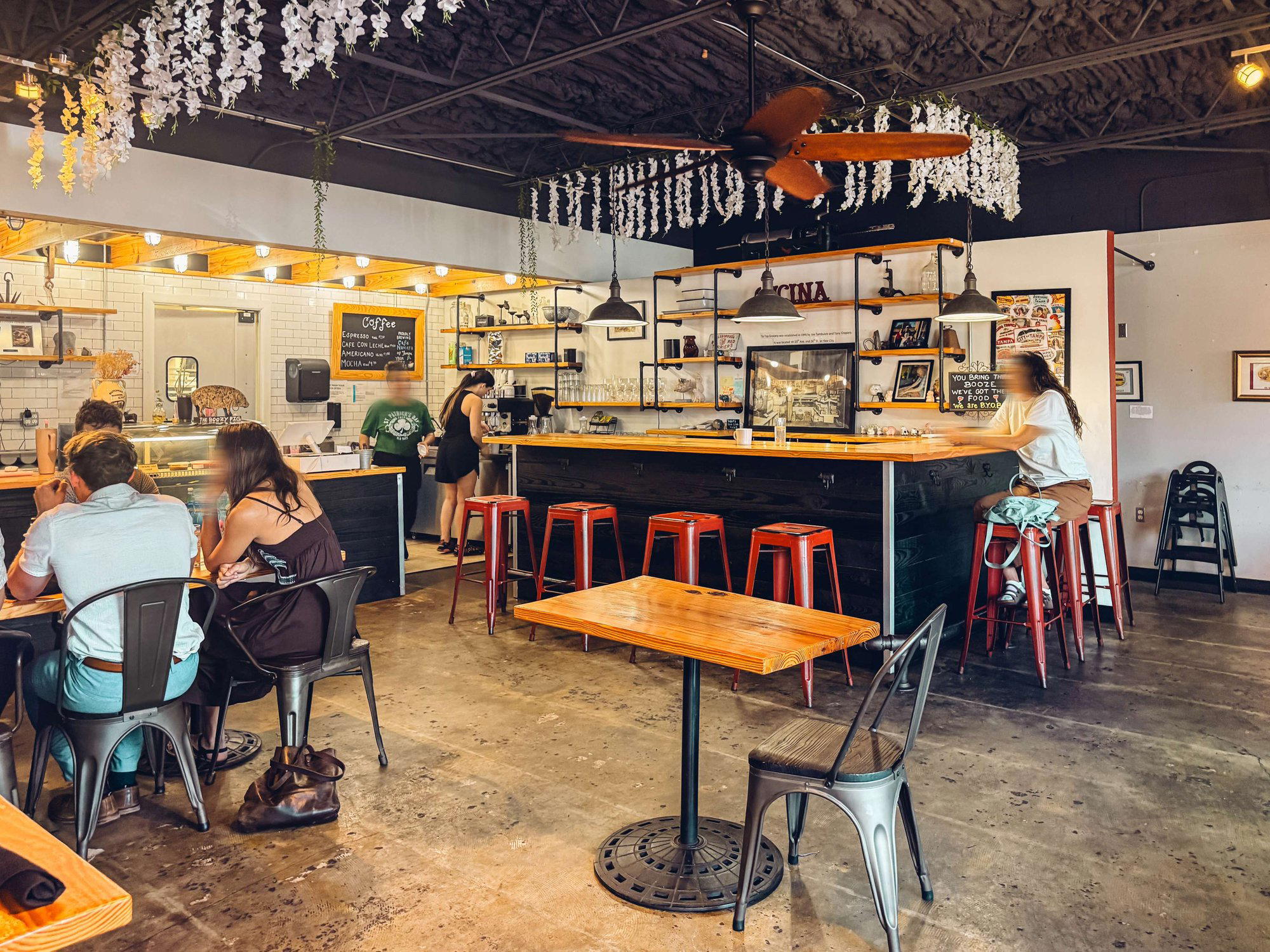
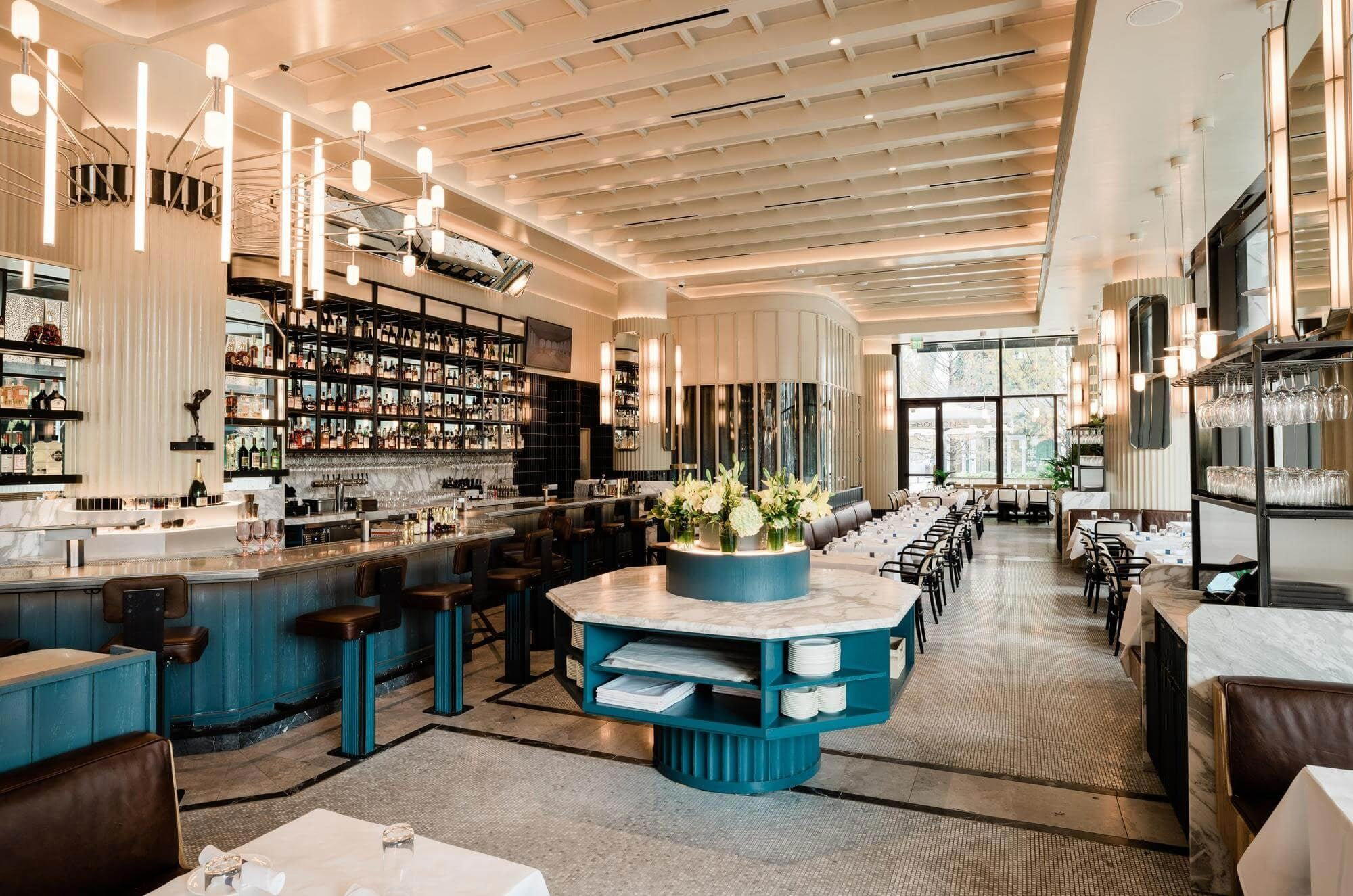
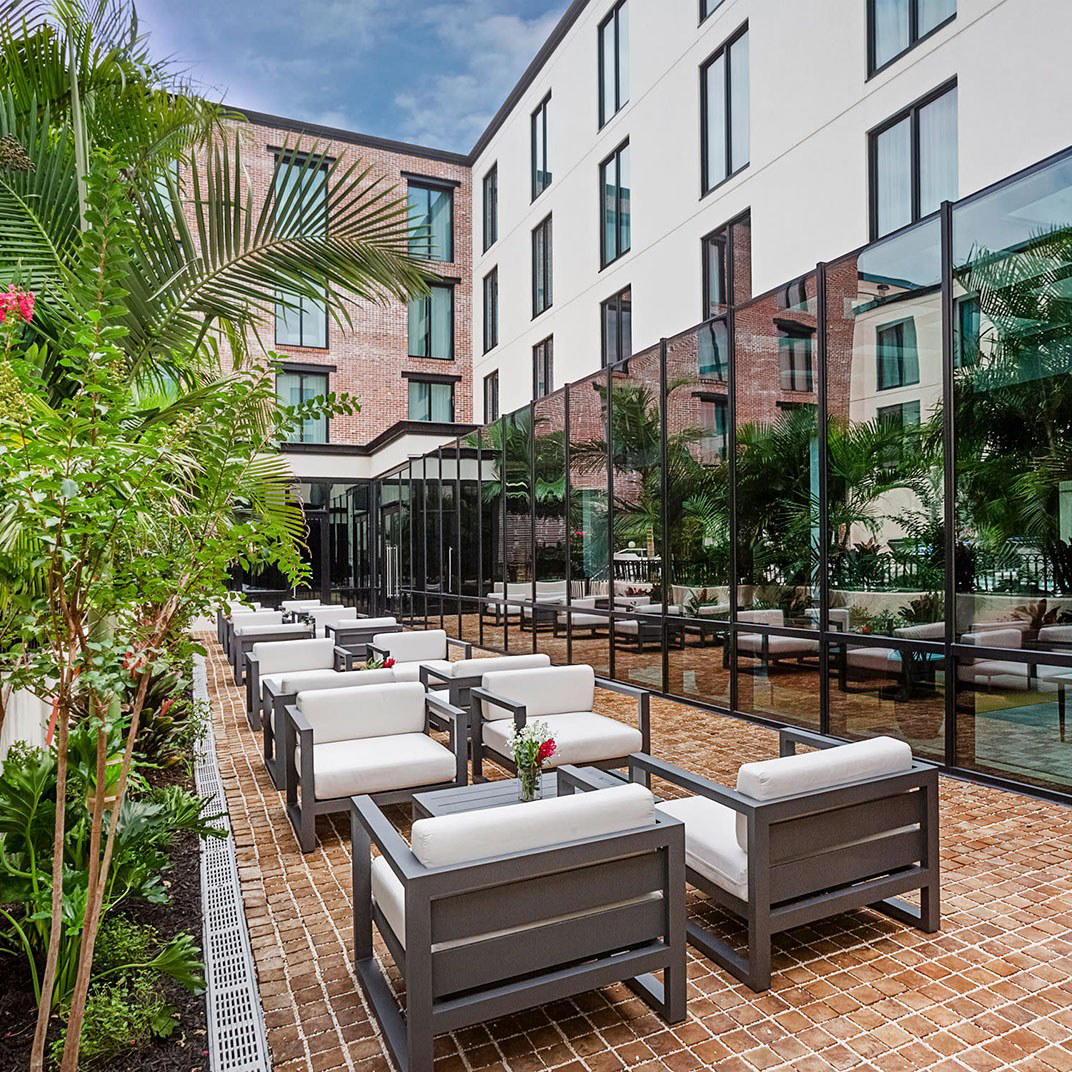
Cozy and intimate, with a lively but refined bistro feel that pairs French-inspired cooking with polished service.