Rome + Fig
Rome + Fig occupies a modest address on North Rome Avenue in Tampa's Hyde Park corridor, where the name alone signals a menu sensibility rooted in Mediterranean proportion and seasonal produce. The restaurant sits within a South Tampa dining scene that has grown increasingly confident in its range, from high-end Japanese omakase to contemporary tasting formats. For those drawn to ingredient-led cooking at a neighbourhood scale, it warrants attention.
Pearl is the En Primeur Club membership app — saves, bookings, and concierge access live there. Same editors, same standards.
- Address
- 317 N Rome Ave, Tampa, FL 33606
- Phone
- +18132533353
- Website
- romeandfigbistro.com
- Directions
- Get directions
 Saves & bookings on Pearl
A Street, a Name, and What the Menu Tells You
Rome + Fig is a restaurant at 317 N Rome Ave in Tampa, serving global bistro cooking. At 317, Rome + Fig occupies this context deliberately: the name itself is a menu statement. Rome references a culinary tradition built on restraint and repetition, on a short list of techniques applied to a long list of ingredients. The fig adds a seasonal, produce-forward signal. Together, they suggest a kitchen that has made decisions about what it will not do as much as what it will.
That kind of editorial clarity in a restaurant name is relatively rare. More often, Tampa's dining scene announces itself through format (the omakase counter, the steakhouse booth, the tasting menu progression) rather than through ingredient philosophy. Rome + Fig positions itself differently, closer to the neighbourhood trattoria model that Mediterranean cities built over generations: a tight menu, a defined pantry, and cooking that returns to the same raw materials across seasons.
How Menu Architecture Works in This Register
The Mediterranean-influenced, ingredient-led format that restaurant occupies is one of the more demanding to sustain at the neighbourhood level. Unlike the tasting menu format, where the kitchen controls every variable, or the steakhouse model, where protein selection does most of the editorial work, a produce-anchored menu requires constant re-editing. The dish list shifts as markets shift. The cook's judgment about what is ready, what pairs, and what proportion to use becomes the menu's primary logic.
This is the tradition that separates a place like Rome + Fig from higher-volume Mediterranean concepts operating across multiple cities. At restaurants with this orientation, the menu length is itself a signal: fewer options usually mean sharper sourcing. A five-section menu with four or five dishes per section reads differently than a twelve-page laminated list. The former implies a kitchen that has said no to things; the latter implies a kitchen that is trying to cover ground.
Within Tampa's current dining tier, this approach places the restaurant in a comparable set that includes Lilac, which operates in the Mediterranean cuisine category at the leading price tier, and Ebbe, which brings a contemporary tasting format to a similar neighbourhood audience. The comparison is useful not because these restaurants cook the same food, but because they share a commitment to a defined culinary point of view over broad accessibility.
South Tampa's Dining Position in the Broader Florida Conversation
Tampa's restaurant scene has spent the last decade building credibility outside Florida's more obvious dining corridors. Miami continues to attract international investment and marquee chef names. Orlando operates at tourist scale. Tampa has developed something different: a base of serious, locally rooted restaurants that compete on food quality rather than spectacle or volume.
The Hyde Park and South Tampa corridor, where the restaurant sits, has been part of that development. The neighbourhood's residential density gives it a reliable local dining audience, and that audience has proved willing to support restaurants that ask for repeat visits rather than one-time occasions. This is the condition under which ingredient-led cooking thrives: not the special-occasion diner looking for theatre, but the regular who comes back because the menu has changed and they want to see what the kitchen is doing this week.
Nationally, the restaurants that have built the strongest reputations in this register tend to be in cities with deep local dining cultures. Blue Hill at Stone Barns in Tarrytown built its identity around farm-to-table sourcing with rigorous discipline. Single Thread Farm in Healdsburg operates at the intersection of produce sourcing and Japanese kaiseki precision. Both demonstrate that ingredient-led cooking, executed with consistency, can generate the kind of recognition that tasting-menu formats have historically dominated. Lazy Bear in San Francisco and Addison in San Diego represent further points on this spectrum, where format discipline and sourcing clarity have translated into sustained critical attention.
The restaurant operates at a different scale than any of those references, but the underlying logic connects. A restaurant named for a city and a fruit is making a claim about what matters at the table.
Where Rome + Fig Sits in Tampa's Competitive Set
Tampa now has enough range at the serious dining level to allow meaningful comparisons within the city. Koya and Kōsen anchor the Japanese end of the spectrum, both operating with the kind of format precision that omakase requires. Rocca brings Italian cooking to a dining room that operates at the summit of the city's Italian tier. These are restaurants that have staked out clear identities within specific culinary traditions.
The restaurant belongs in that conversation. The Mediterranean reference point covers a broad geography, from the Ligurian coast through Southern Italy, across to the Eastern Mediterranean, and into North Africa, but the leading kitchens working in this mode are not trying to cover all of it simultaneously. They pick a lane: a particular relationship with olive oil and acid, a preference for wood fire or raw preparation, a reliance on dried legumes or fresh pasta. The name's combination of Rome and fig suggests a Southern Italian or Central Mediterranean frame rather than a pan-regional survey.
Planning a Visit
The restaurant is located at 317 N Rome Avenue in Tampa's Hyde Park area, accessible by car with street parking available in the surrounding residential blocks. The neighbourhood is walkable from parts of South Tampa, and the address sits close enough to the Hyde Park Village retail district that it works as an end-of-evening destination after time in the area. The restaurant is recommended for reservations and is open Wed: 4–11 PM; Thu: 4–11 PM; Fri: 4 PM–12 AM; Sat: 10 AM–12 AM; Sun: 10 AM–10 PM.
Cuisine-First Comparison
Comparable venues nearby, for context on price, style, and recognition.
| Venue | Cuisine | Price | Notes |
|---|---|---|---|
| Rome + FigThis venue — the venue you are viewing | Global Bistro | $$$ | Not listed |
| Bouzy | Modern New American with French Influences | $$$ | Historic Hyde Park |
| The Bricks | American Sandwiches & Bar Fare | $$ | Ybor City |
| Union New American | New American with Global Influences | $$ | WestShore District |
| Edison | Modern American Gastropub | $$$ | River Arts District |
| 1983 | Polished American Comfort Food | $$ | Palma Ceia |
At a Glance
- Modern
- Elegant
- Trendy
- Intimate
- Date Night
- Special Occasion
- Group Dining
- Open Kitchen
- Local Sourcing
Current opening hours
- Monday
- Closed
- Tuesday
- Closed
- Wednesday
- 4–11 PM
- Thursday
- 4–11 PM
- Friday
- 4 PM–12 AM
- Saturday
- 10 AM–12 AM
- Sunday
- 10 AM–10 PM
Hours can change for holidays and private events. Last verified .
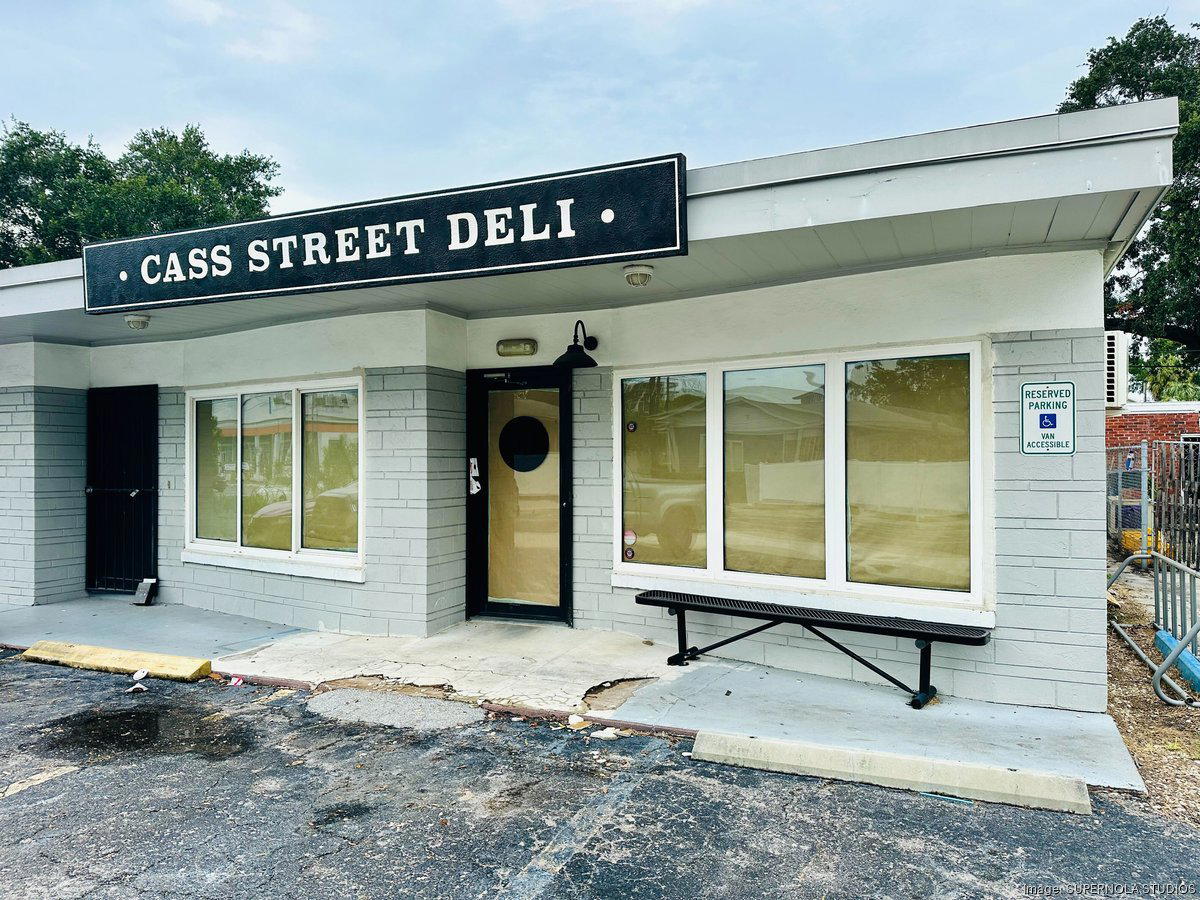
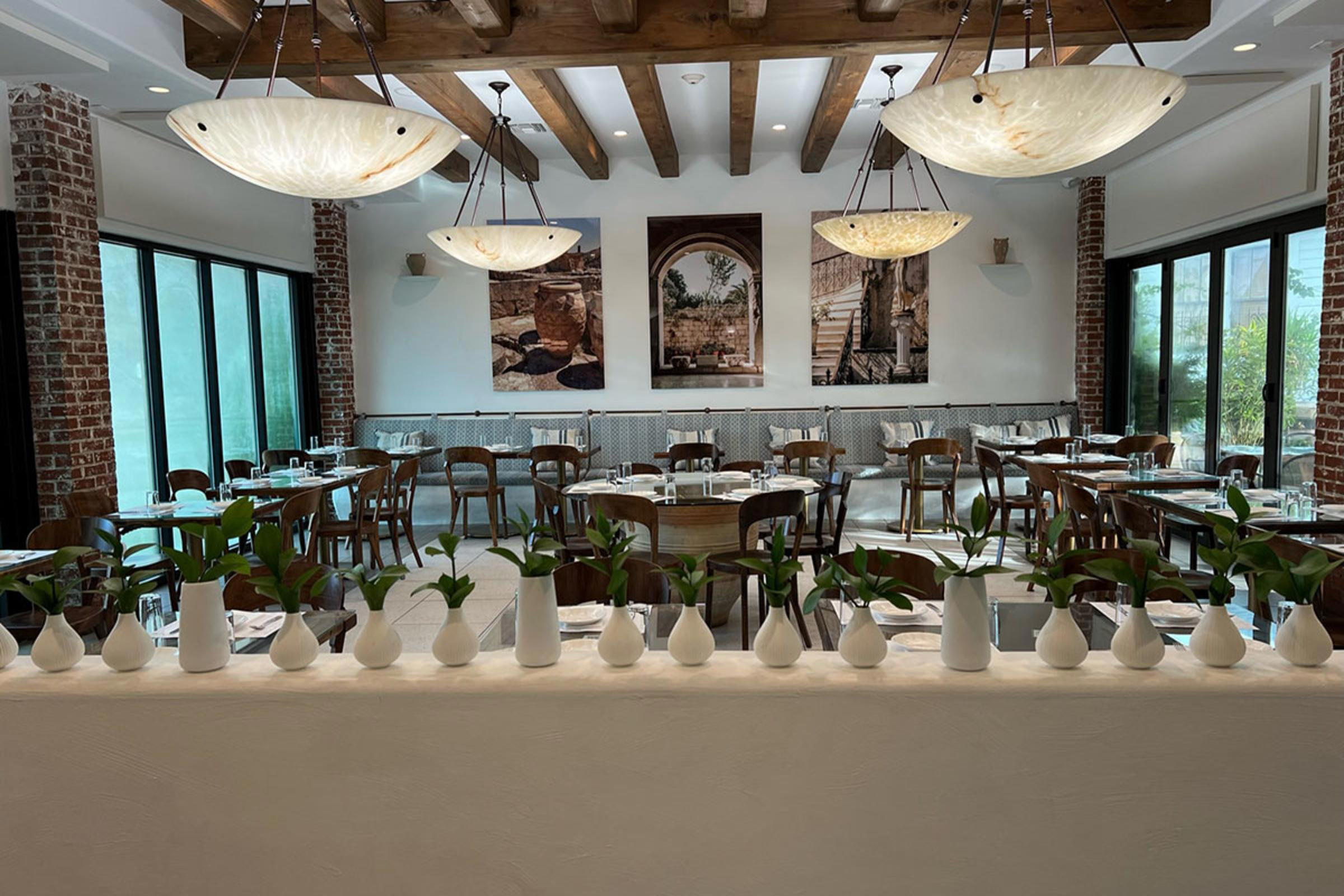
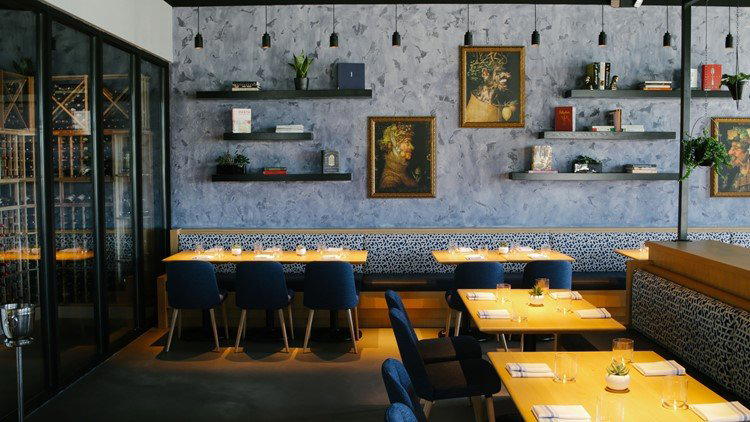
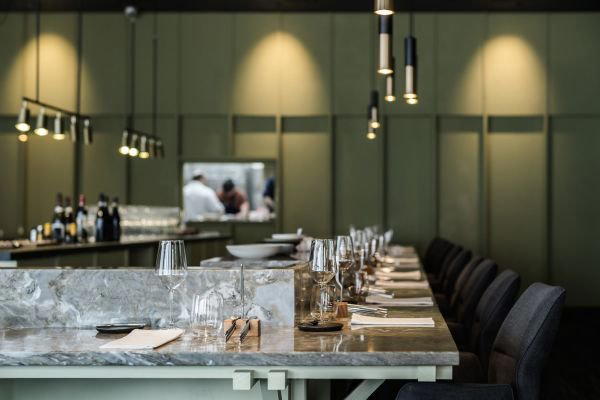
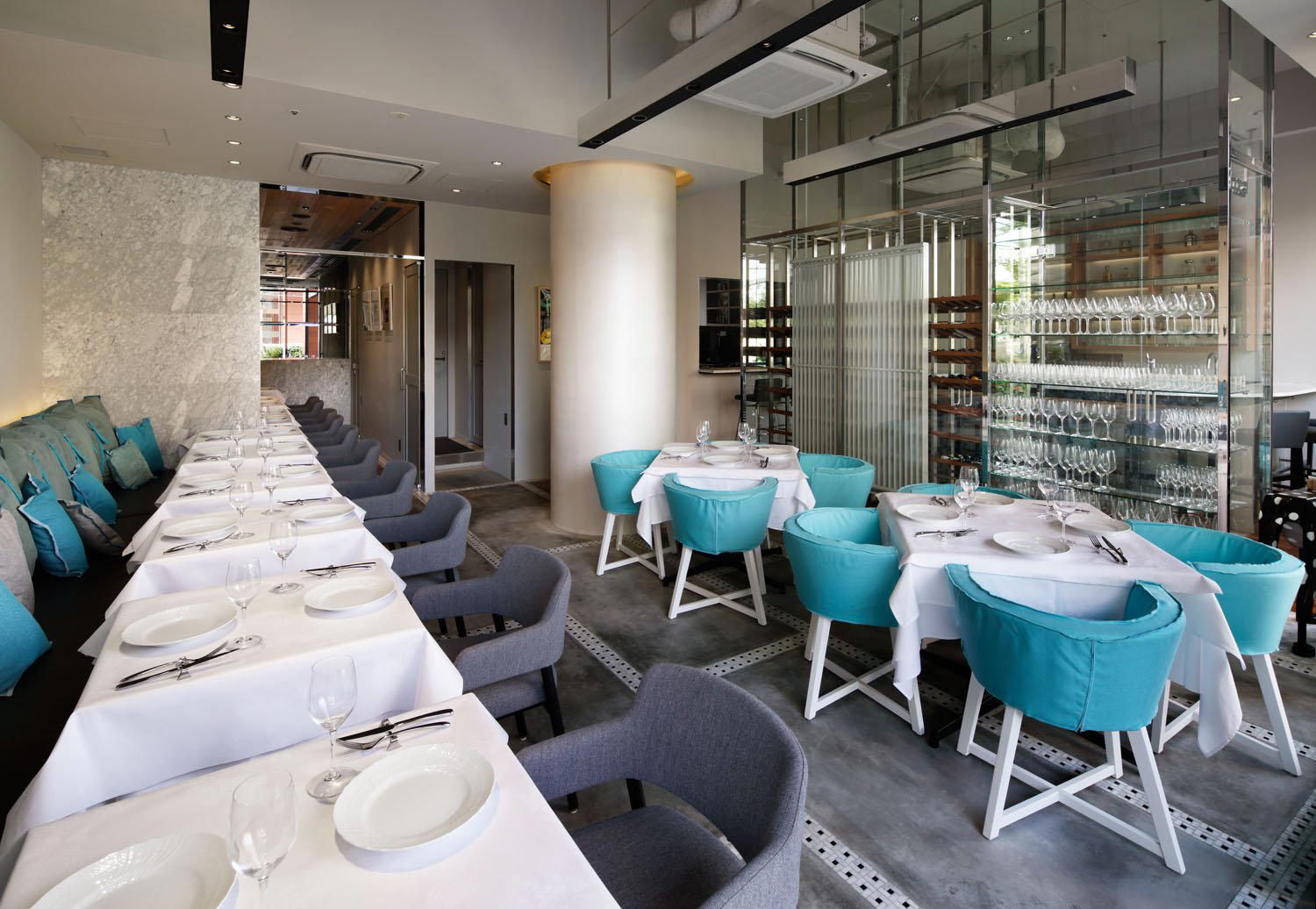
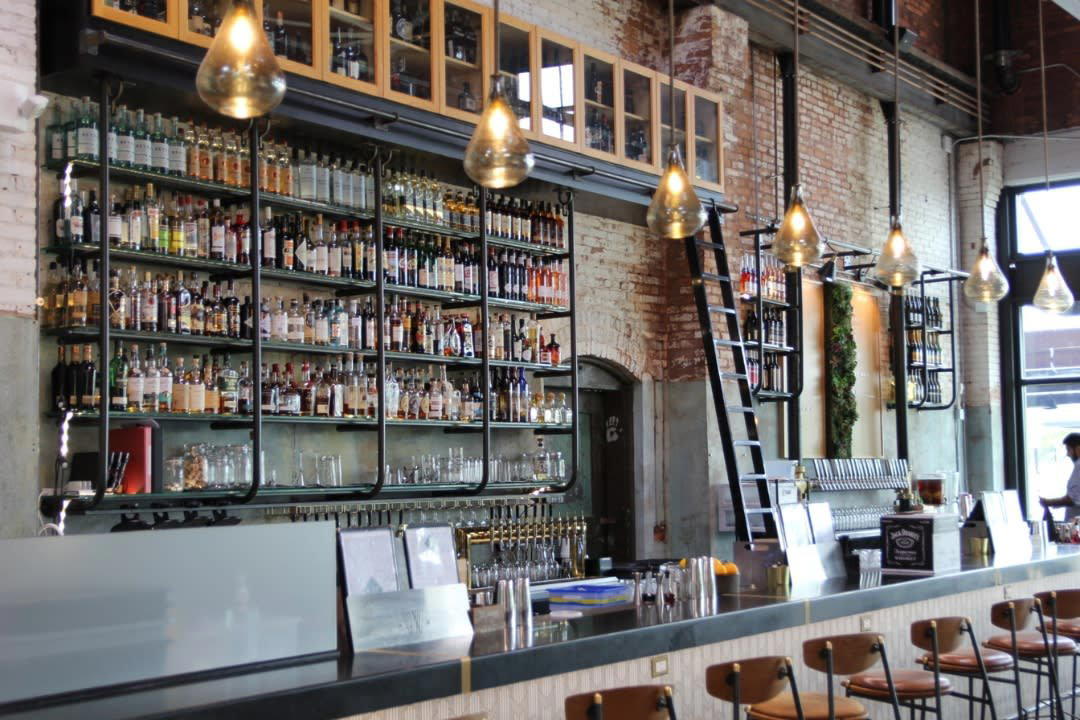
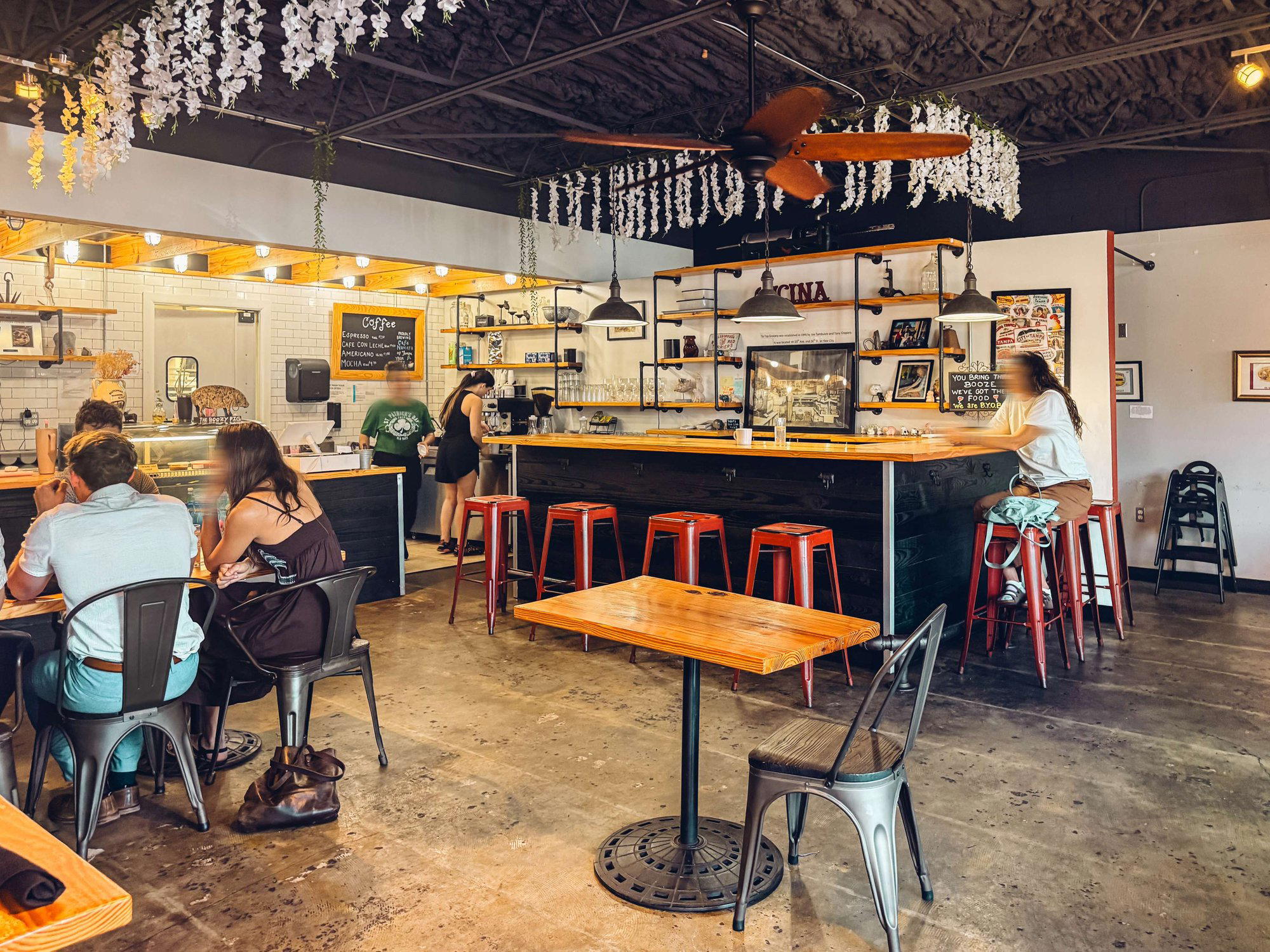
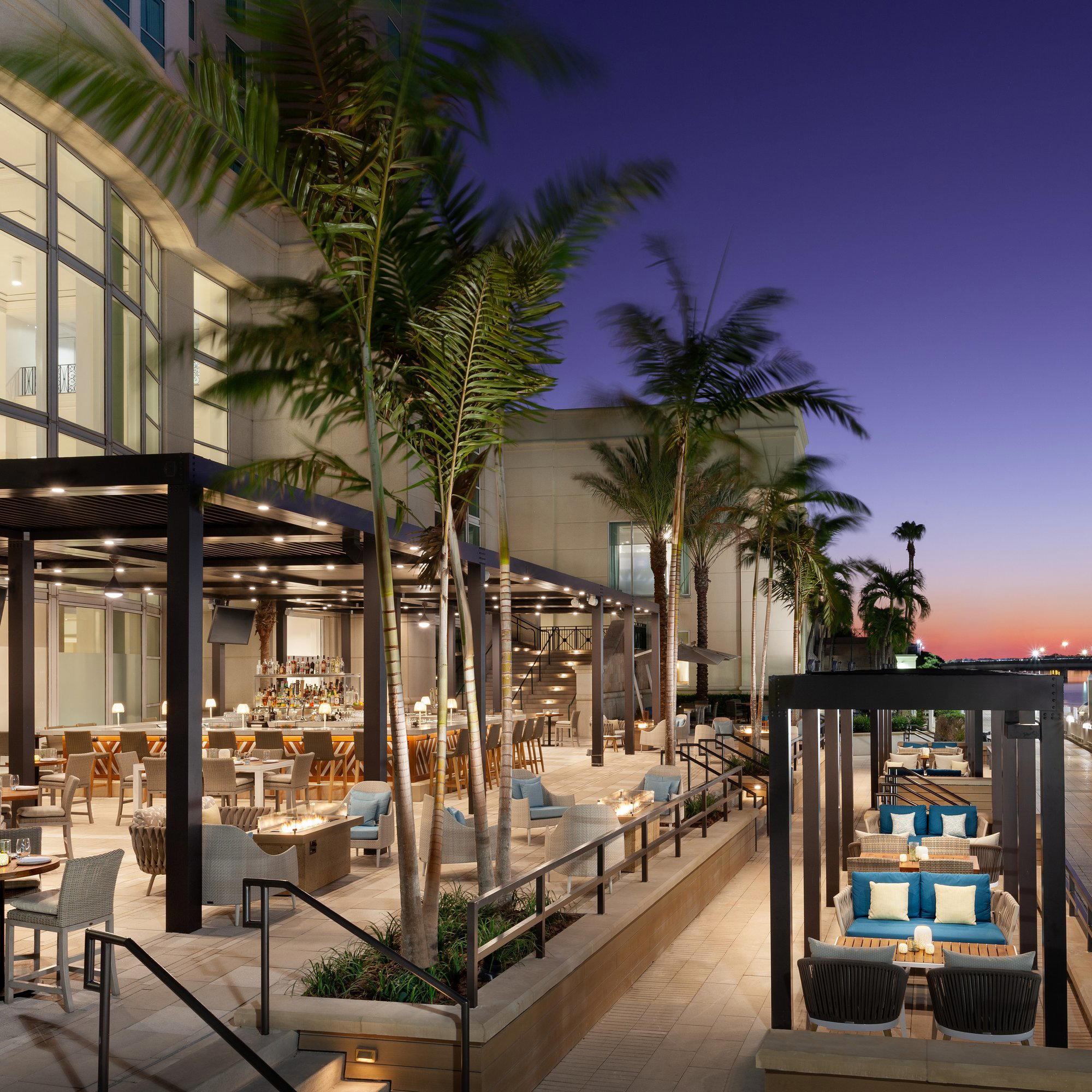
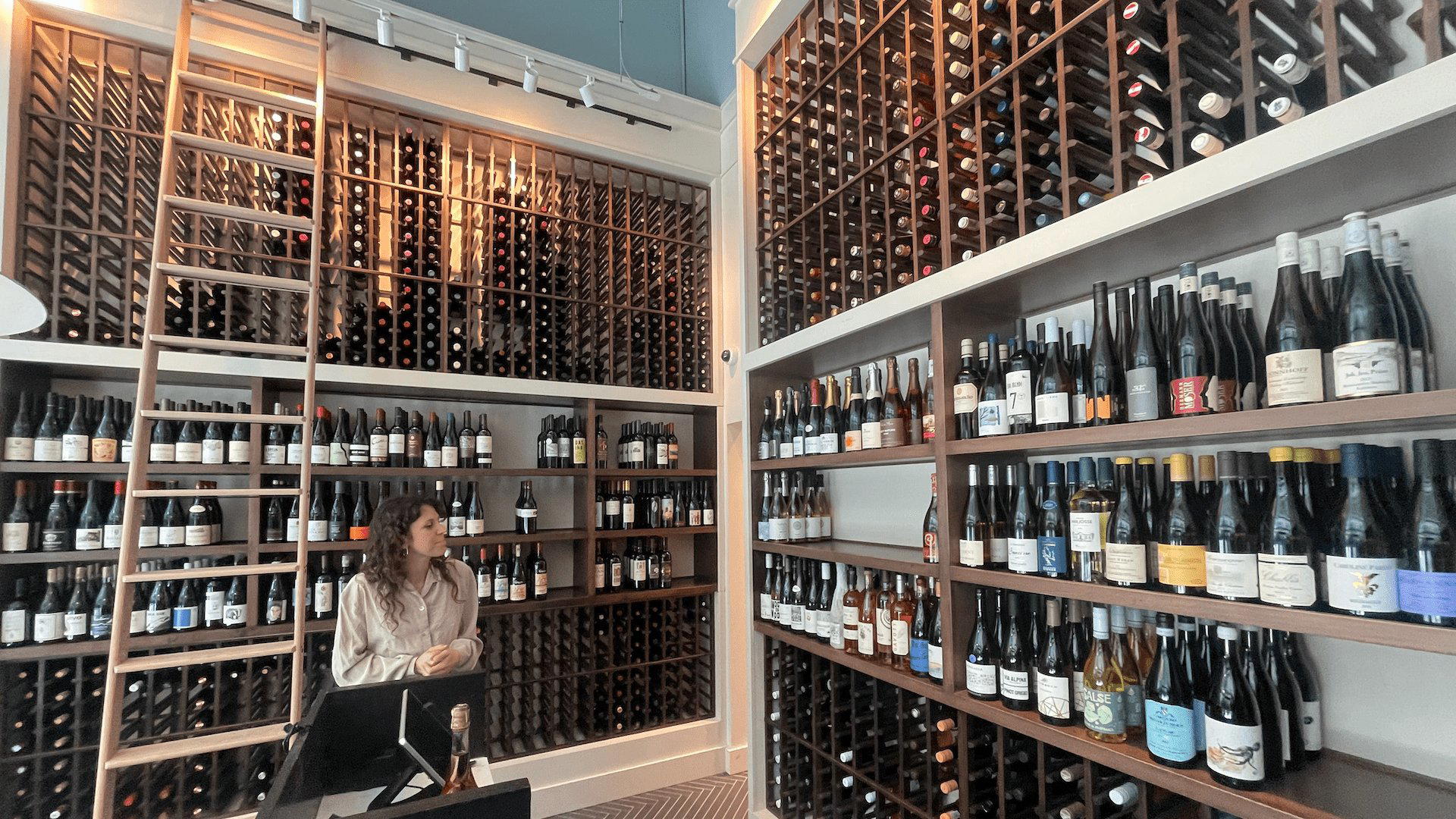
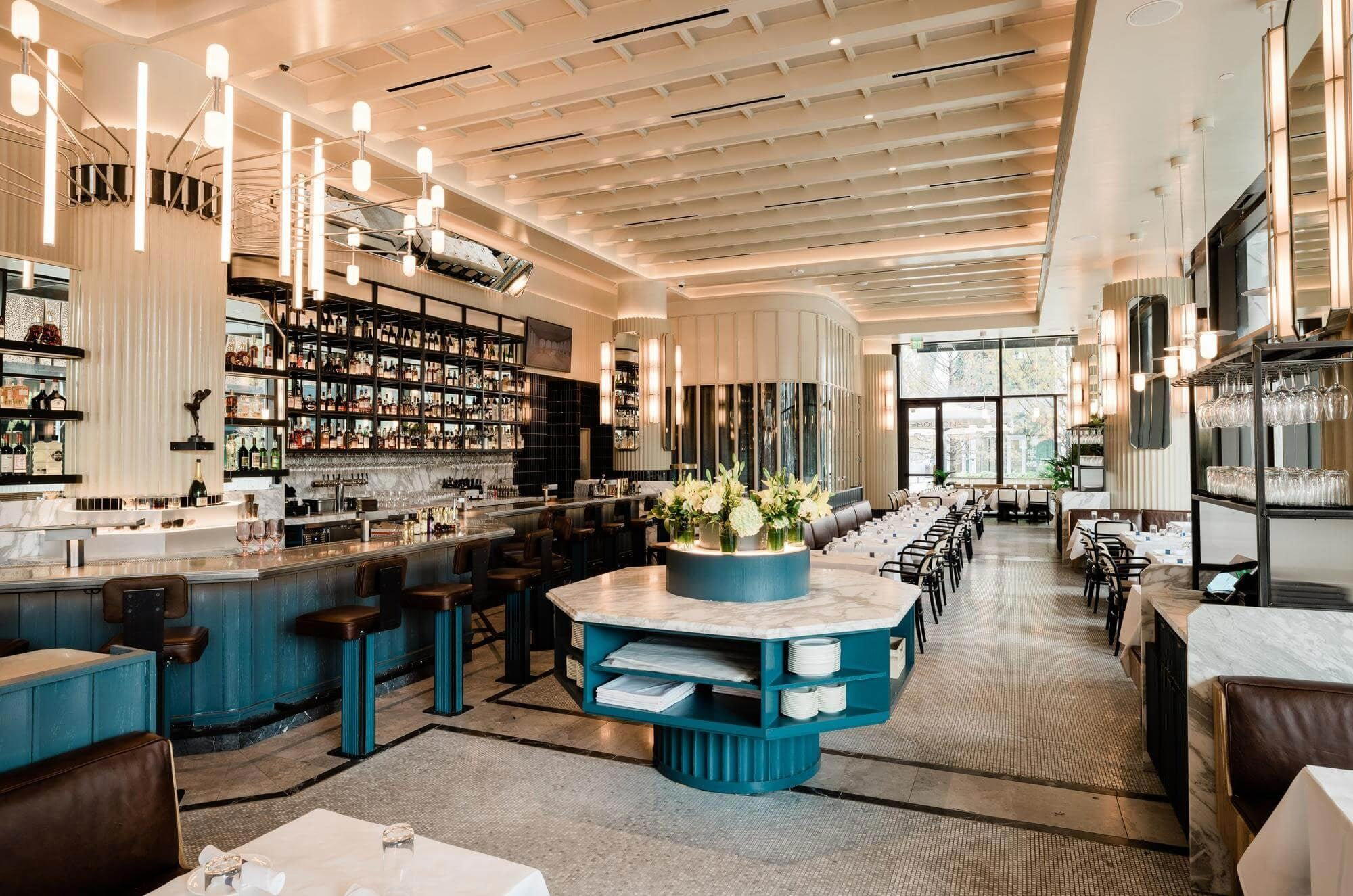
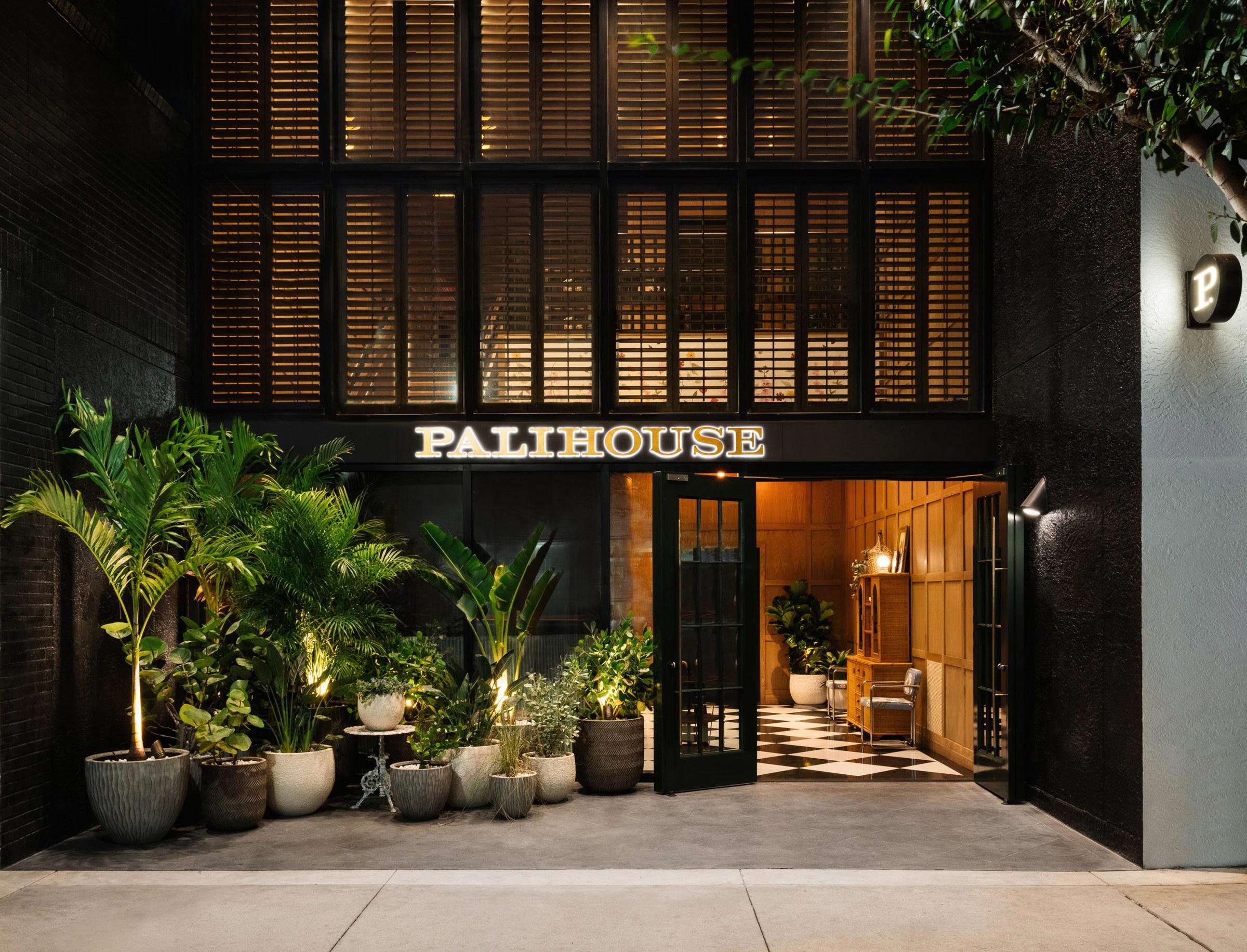
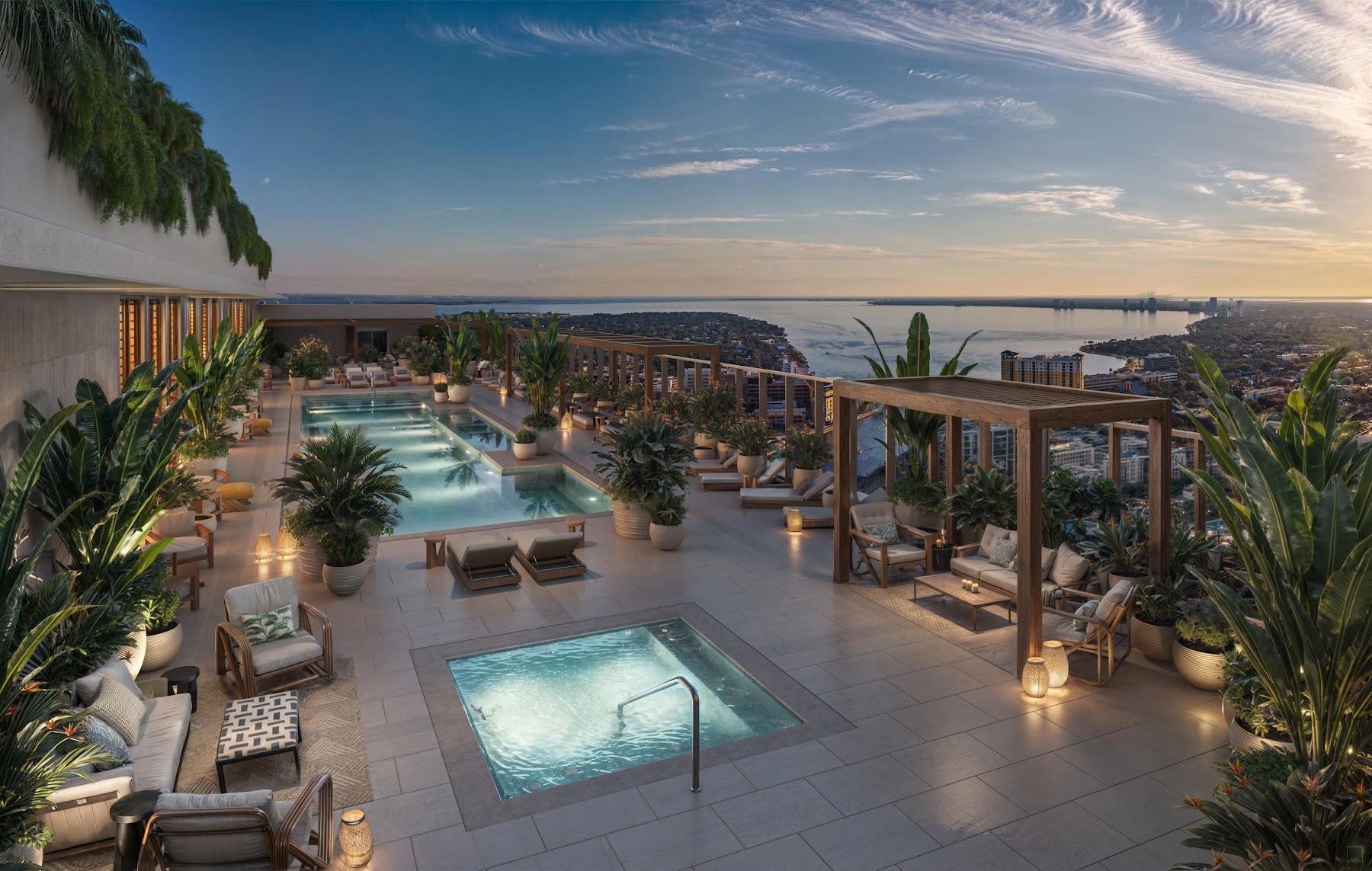
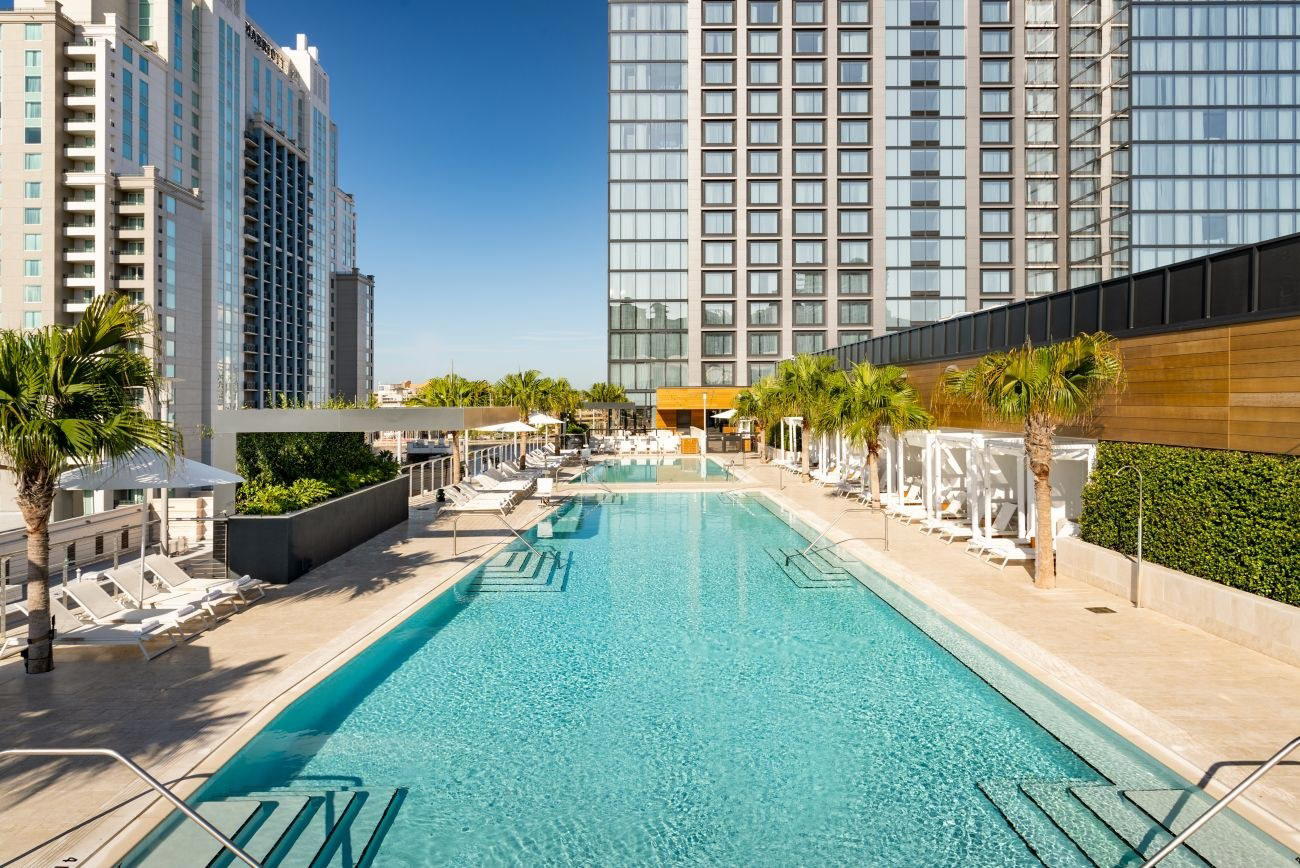
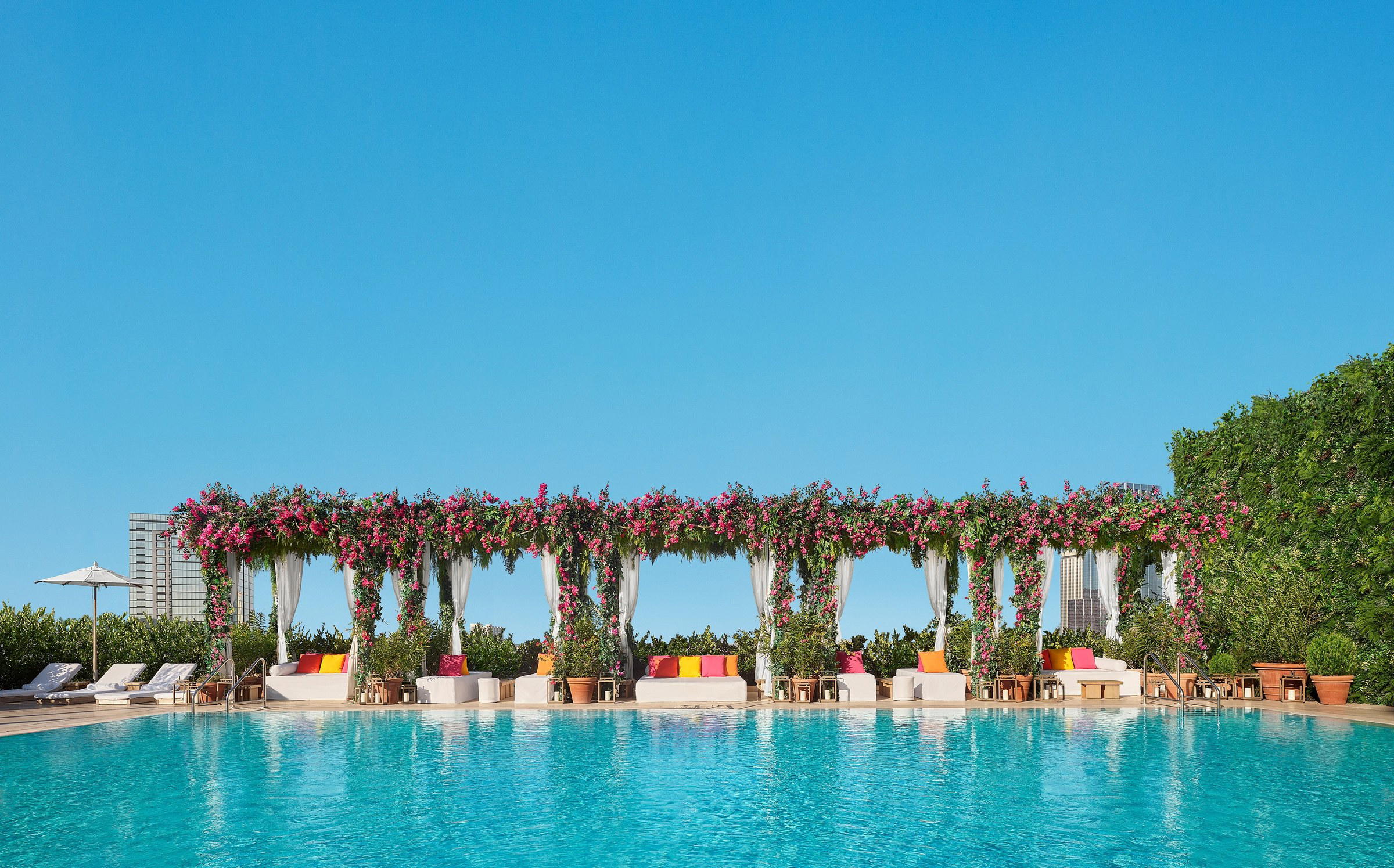
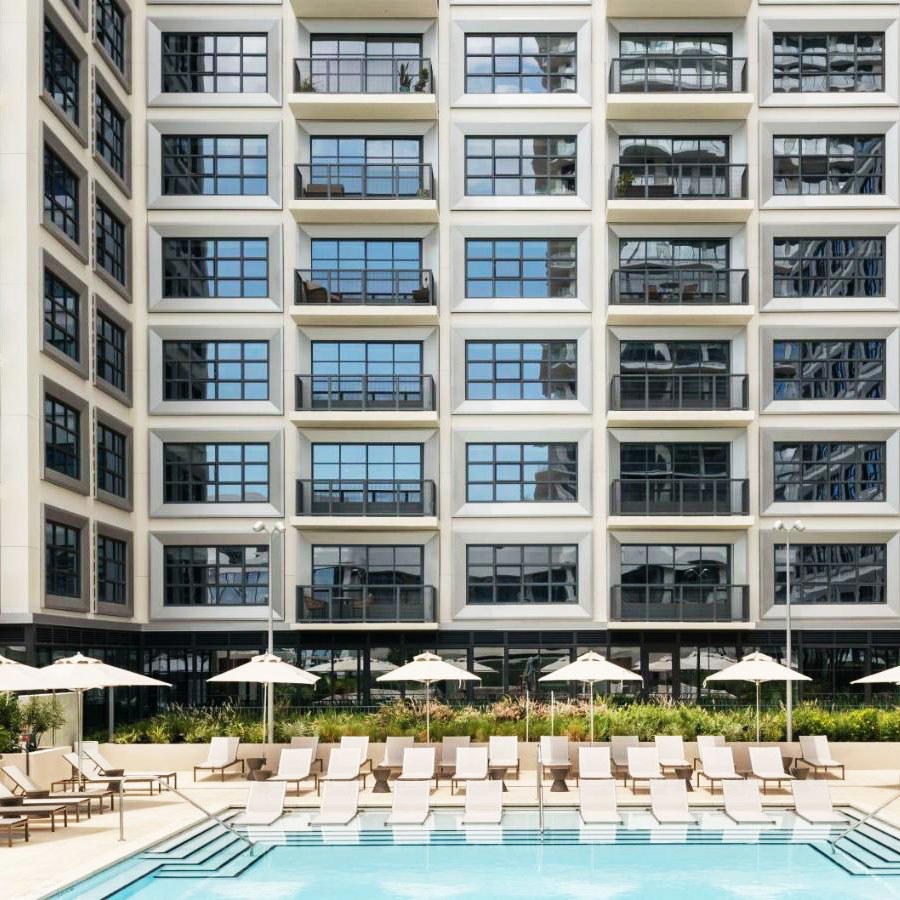
Chic and elegant atmosphere with modern coastal design, open kitchen for intimate views, and pleasant outdoor patio.