Che Vita
Located on North Tampa Street in downtown Tampa, Che Vita occupies a stretch of the city where Italian-inflected dining and sustainability-led sourcing increasingly define the conversation. The restaurant sits in a price tier and neighbourhood context that places it alongside Tampa's more considered dining options, where provenance and restraint carry more weight than spectacle.
Pearl is the En Primeur Club membership app — saves, bookings, and concierge access live there. Same editors, same standards.
- Address
- 211 N Tampa St, Tampa, FL 33602
- Phone
- +18132224975
- Website
- chevitatampa.com
- Directions
- Get directions
 Saves & bookings on Pearl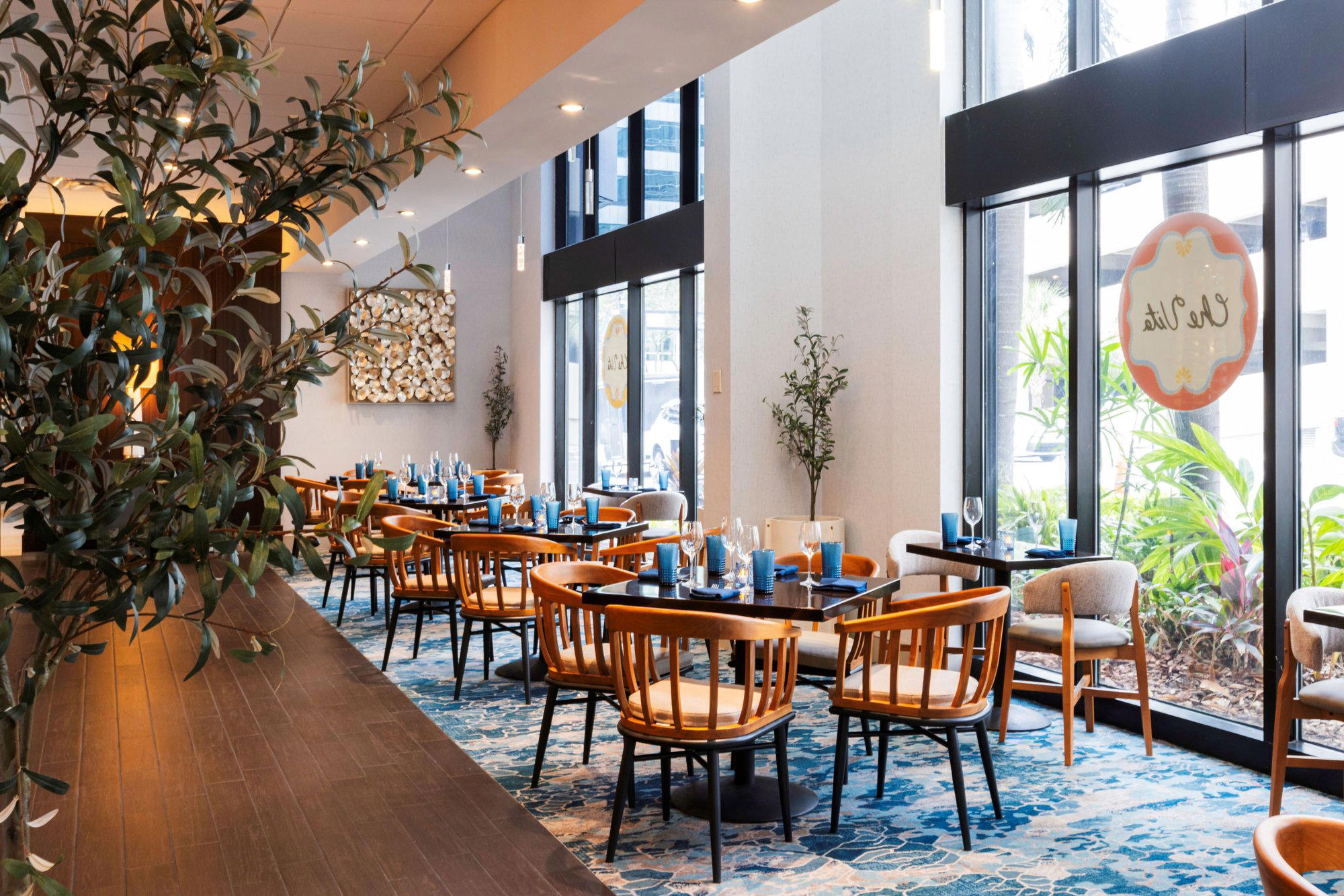
Downtown Tampa's Sustainability Turn
North Tampa Street has changed character faster than most of the city's dining corridors. What was once a lunch-and-lobby district has attracted a generation of restaurants more interested in where ingredients come from than in how many covers they can turn. Che Vita, at 211 N Tampa St, Tampa, is a Southern Italian restaurant that draws about $30 per person and recommends reservations.
Tampa's dining scene is still sorting itself into those two groups.
The Setting on North Tampa Street
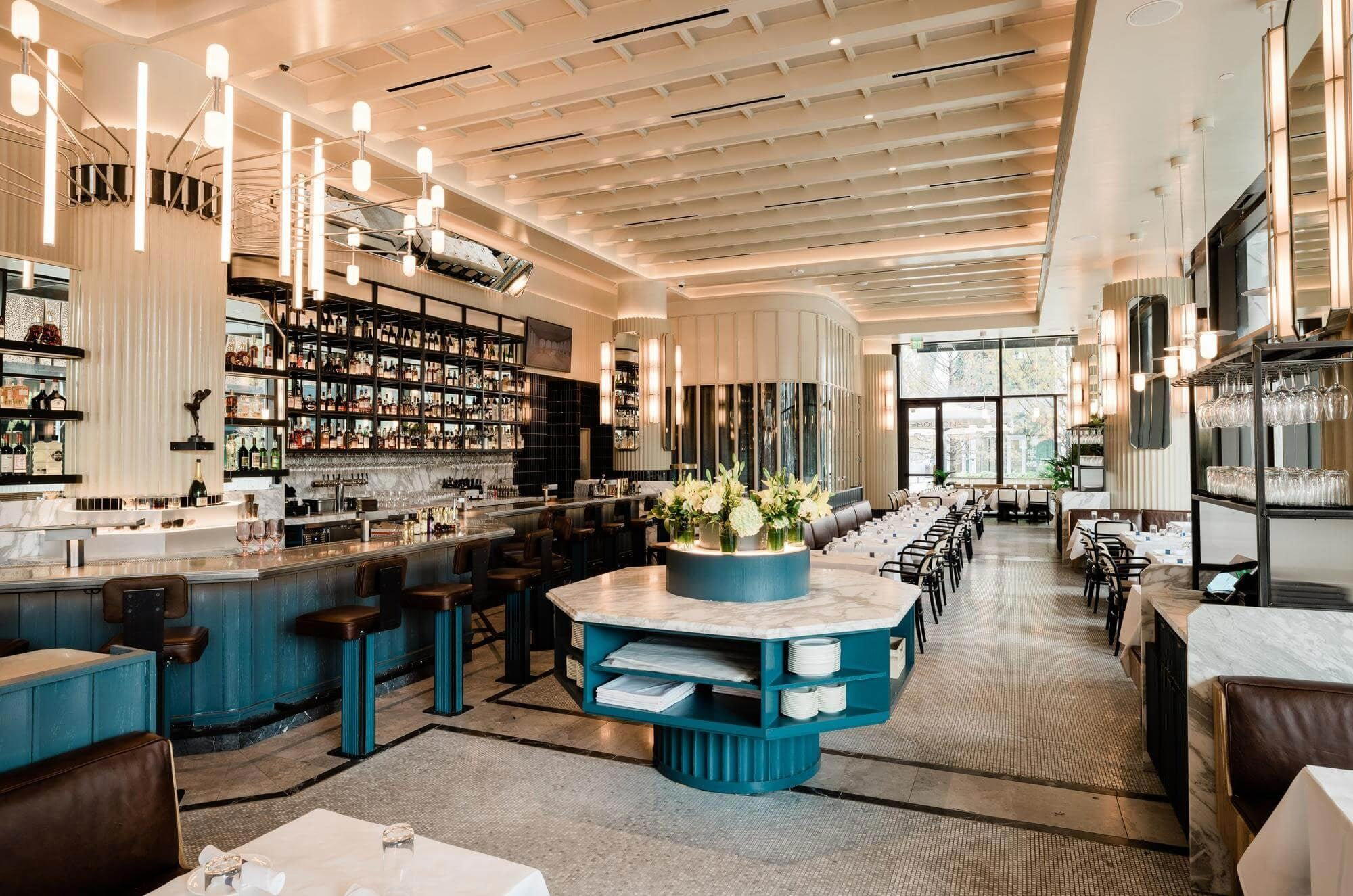
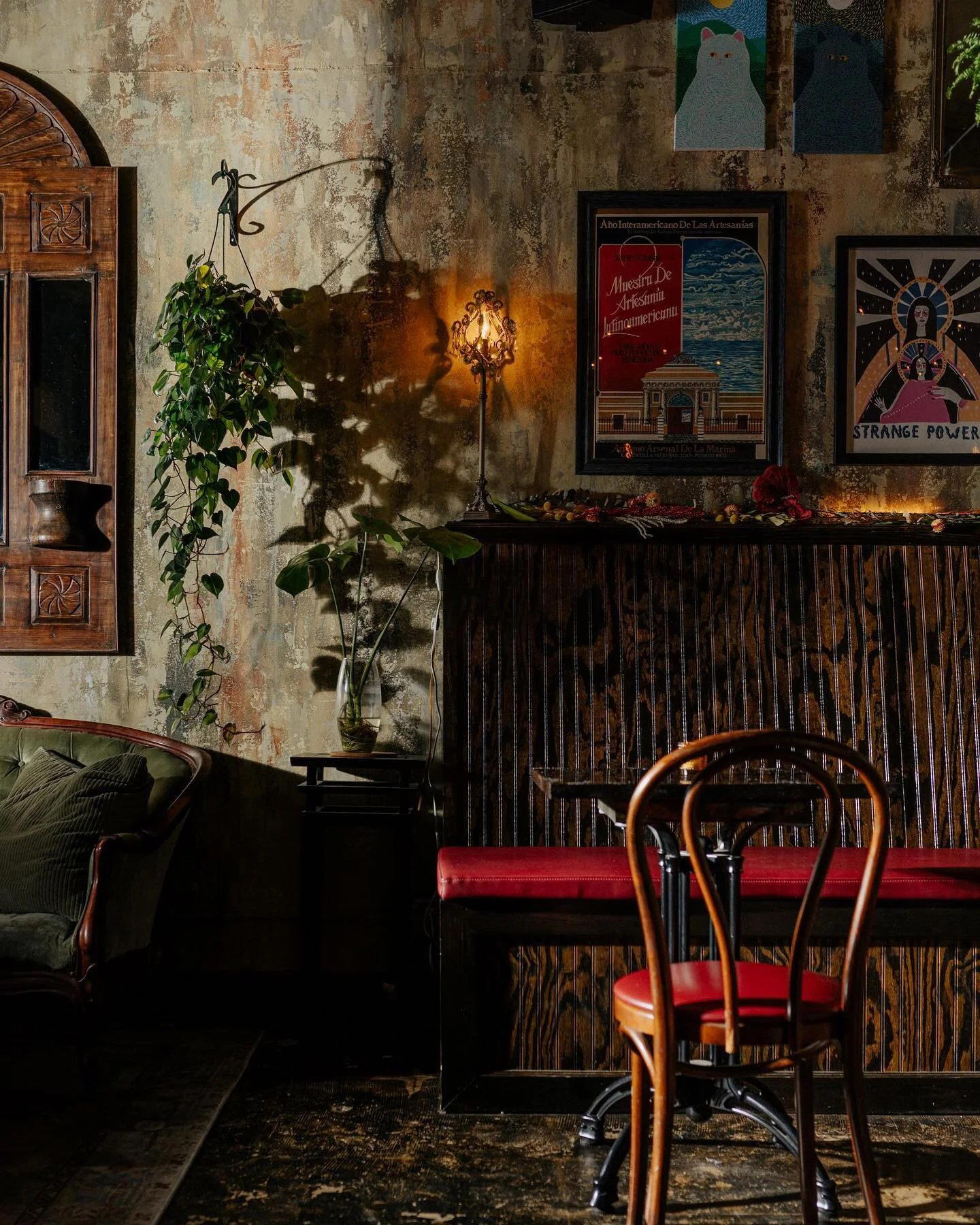
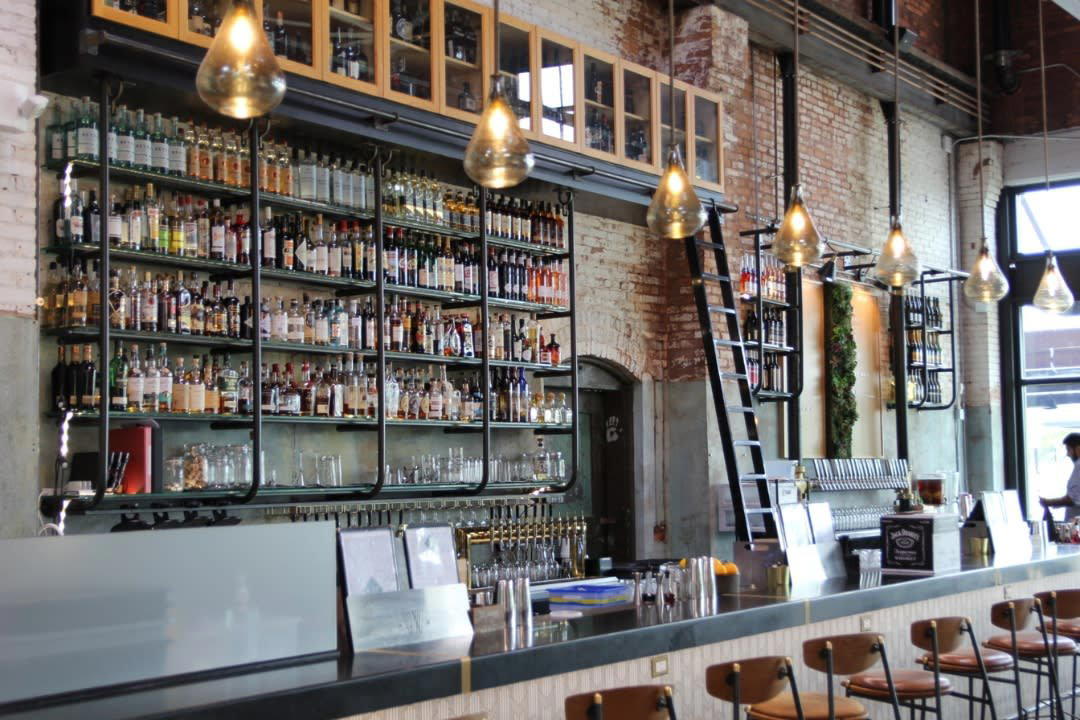
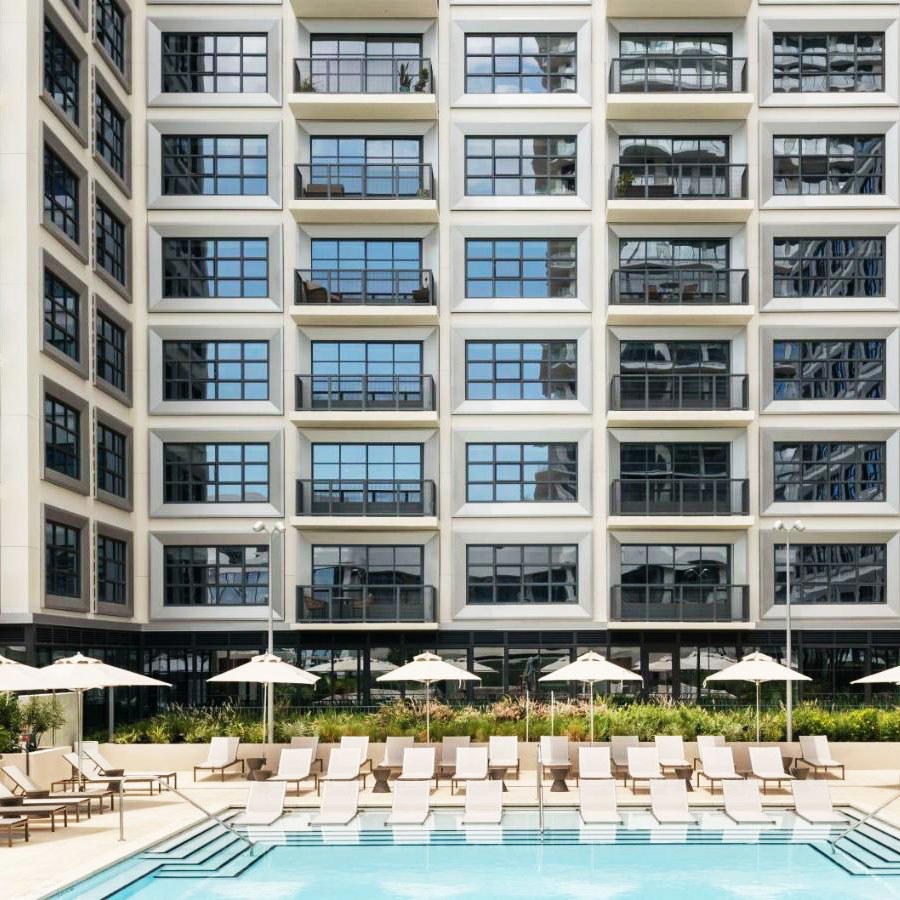
Walking this stretch of downtown Tampa, the city's commercial density gives way quickly to a quieter register. The building at 211 carries the particular quality of downtown Tampa blocks that have been repurposed rather than rebuilt: the bones of a working district reinterpreted for a different kind of use. Inside, the atmosphere at Che Vita reads as urban without being loud, the kind of room where the acoustics allow conversation rather than competing with it. That tonal restraint is increasingly a marker of the city's more deliberate dining rooms, distinguishing them from the louder, high-volume venues that dominated an earlier era of Tampa hospitality.
Che Vita occupies a space within that map where the Italian-American tradition is being re-read through a more source-conscious lens.
Sourcing as Structure, Not Garnish
The sustainability story in American fine dining has its most credible versions at places that let procurement discipline determine the menu's architecture. Blue Hill at Stone Barns in Tarrytown built its reputation on exactly that logic, where the farm's output dictates the plate rather than the reverse. Single Thread Farm in Healdsburg operates on a similarly integrated model. These are the reference points against which sustainability-led urban restaurants increasingly measure themselves.
In the Southeast, that conversation has moved more slowly, but Tampa's dining evolution has accelerated in the past several years. Ebbe represents one version of Tampa's contemporary ambition; the restaurant appears to be staking out another. The logic of sustainability in this context is not simply about organic certification or farm-name-dropping on a menu. It is about whether a kitchen's decisions around waste, seasonality, and supplier relationships have a structural effect on what appears on the plate and when.
Italian cuisine in particular offers a natural framework for this approach. The tradition of cucina povera, the cooking of scarcity and resourcefulness, is historically incompatible with waste. Offal, secondary cuts, vegetable tops, bread reuse: these are not sustainability gestures imported from Nordic fine dining but features of the Italian table that predate the term by centuries. A restaurant operating in that tradition with genuine commitment to its logic is doing something more coherent than a modern tasting menu that adds a composting note to its press materials.
Tampa in the National Sustainability Conversation
Florida's geography creates specific sourcing conditions. The state's agricultural output is substantial, with citrus, stone crab, grouper, and a range of sub-tropical produce that most of the continental United States cannot access locally. A restaurant in Tampa that builds genuine sourcing relationships within the state's supply chains is working with an unusually interesting raw material set, one that differentiates it from comparable programmes in, say, Chicago or New York, where the seasonal window is narrower and the distance to primary producers greater.
The comparison set for this kind of ambition extends nationally. Providence in Los Angeles has built a sustainable seafood programme with documented supplier relationships over many years. Addison in San Diego operates at the summit of the California farm-to-table tier. Further up the coast, Lazy Bear in San Francisco demonstrates how a collaborative, produce-led format can sustain critical attention over time. In the South, Emeril's in New Orleans established regional sourcing as a serious restaurant credential before the language of sustainability entered the mainstream dining conversation.
Tampa has not historically been part of that national dialogue, which is partly why the restaurants here that are taking sourcing seriously occupy an interesting position. The city's dining credibility is still being established at the national level, which means the decisions made now by the restaurants operating on North Tampa Street and in the surrounding districts will shape how the city is read from outside for the next decade.
Where Che Vita Sits in Tampa's Evolving Order
The question for any downtown Tampa restaurant operating in the sustainability tier is whether its commitments are visible in the experience or confined to the back of house. Particularly credible versions of this model, from Atelier Moessmer Norbert Niederkofler in Brunico to Atomix in New York City, make the sourcing logic legible to the guest without turning the menu into an annotated bibliography. The balance is a discipline, and it is one that separates the restaurants with genuine programme integrity from those trading on the language of sustainability without the operational substance.
The restaurant's address on North Tampa Street places it in a part of the city that is still defining what kind of dining neighbourhood it wants to be. That is an opportunity as much as a constraint. The restaurants in this corridor that commit to a clear editorial position, whether that is sustainability, regional Italian tradition, or the intersection of both, will be the ones that earn the kind of attention that brings Tampa into the national conversation.
Planning Your Visit
The restaurant is located at 211 N Tampa St, Tampa, FL 33602, in the heart of downtown. Given the venue's position in a neighbourhood that is drawing increasing dining interest, planning ahead is advisable, particularly for weekend sittings when the downtown corridor sees higher foot traffic from the surrounding hotel and office district. The restaurant is open Monday through Thursday from 7 AM to 2 PM and 5 to 10 PM, Friday and Saturday from 7 AM to 2 PM and 5 to 11 PM, and Sunday from 7 AM to 2 PM and 5 to 10 PM.
Cuisine and Recognition
Comparable venues nearby, for context on price, style, and recognition.
| Venue | Cuisine | Price | Notes |
|---|---|---|---|
| Che VitaThis venue — the venue you are viewing | Southern Italian | $$$ | Not listed |
| Ash | Contemporary Italian | $$ | Gilchrist's A W Oak Grove |
| BellaBrava Tampa | New World Trattoria | $$ | Midtown Tampa |
| Donatello | Authentic Northern Italian Fine Dining | $$$ | South Tampa |
| 717 South | American Steakhouse & Seafood | $$$ | Courier City-Oscawana |
| Oggi Italian | Modern Italian Pasta House | $$$ | Davis Islands |
At a Glance
- Elegant
- Modern
- Cozy
- Sophisticated
- Date Night
- Business Dinner
- Group Dining
- Special Occasion
- Brunch
- Hotel Restaurant
- Open Kitchen
- Private Dining
- Extensive Wine List
- Craft Cocktails
- Local Sourcing
Current opening hours
- Monday
- 7 AM–2 PM, 5–10 PM
- Tuesday
- 7 AM–2 PM, 5–10 PM
- Wednesday
- 7 AM–2 PM, 5–10 PM
- Thursday
- 7 AM–2 PM, 5–10 PM
- Friday
- 7 AM–2 PM, 5–11 PM
- Saturday
- 7 AM–2 PM, 5–11 PM
- Sunday
- 7 AM–2 PM, 5–10 PM
Hours can change for holidays and private events. Last verified .
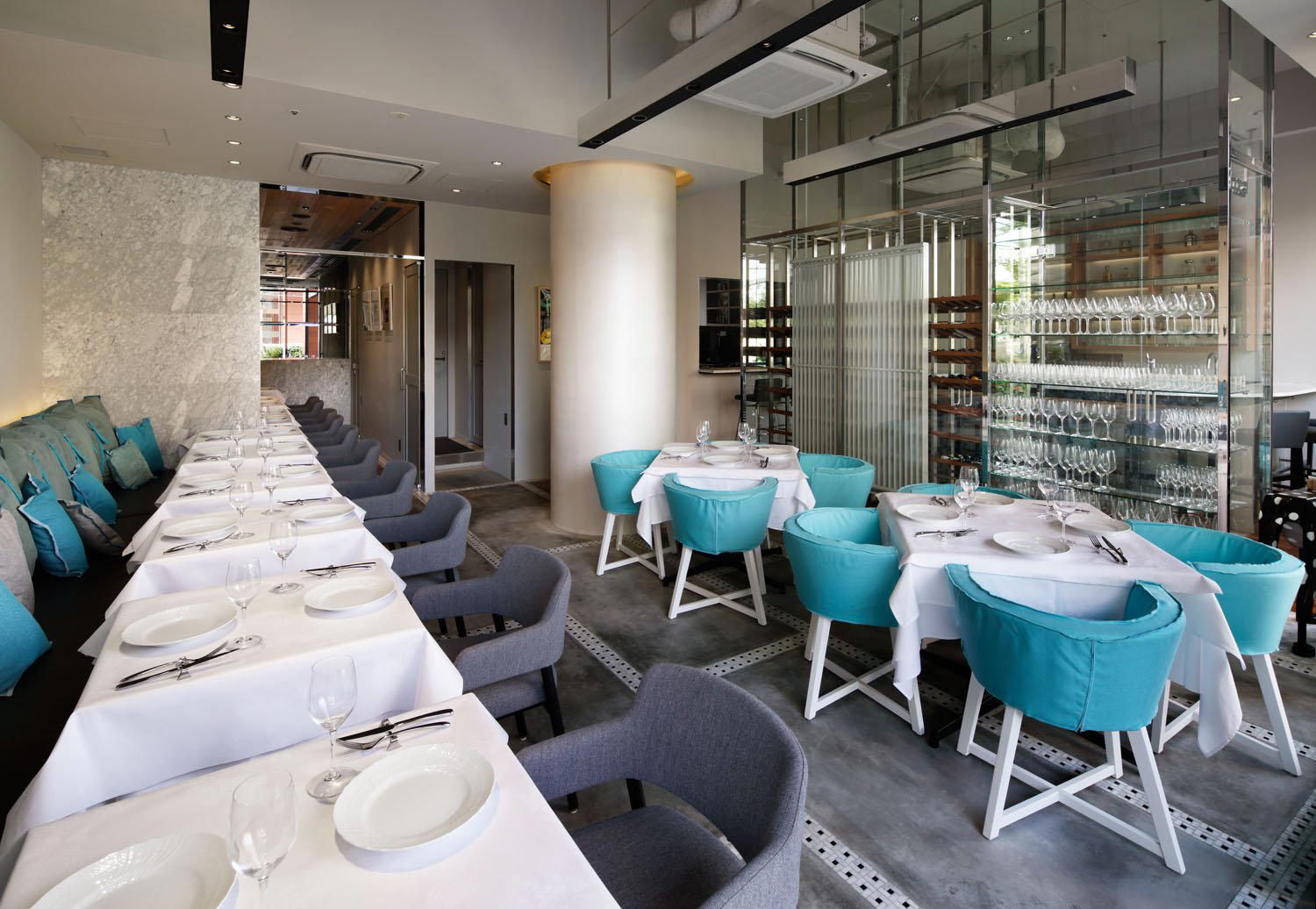
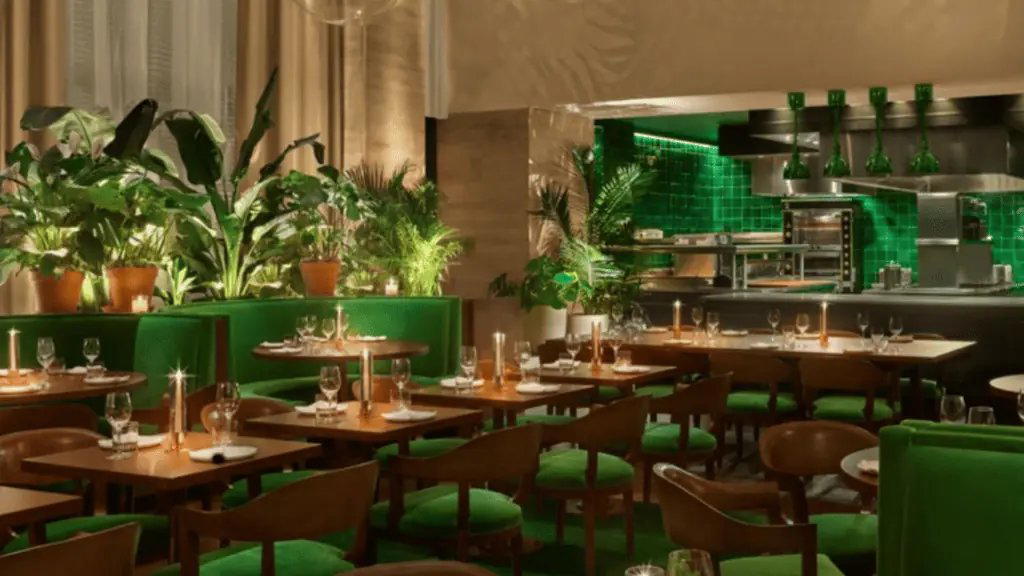
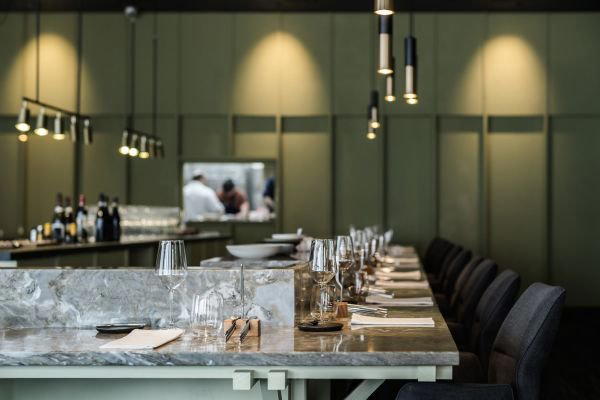
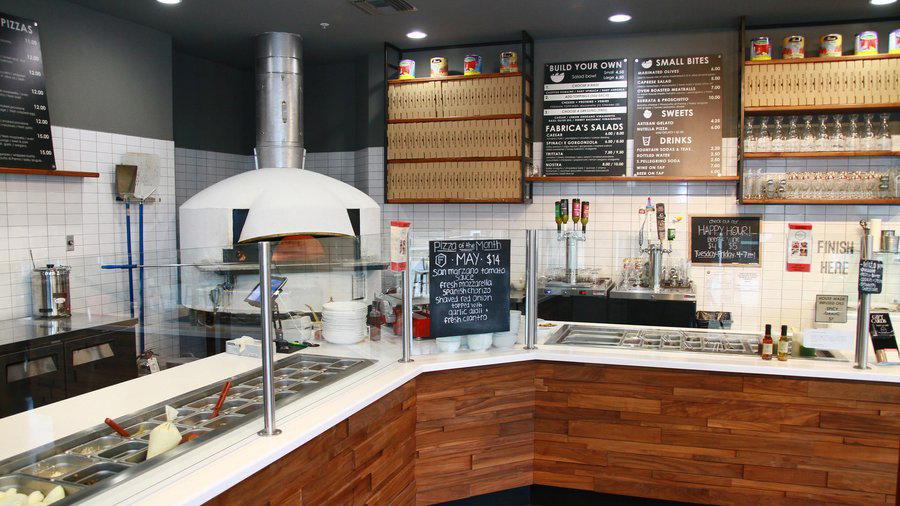
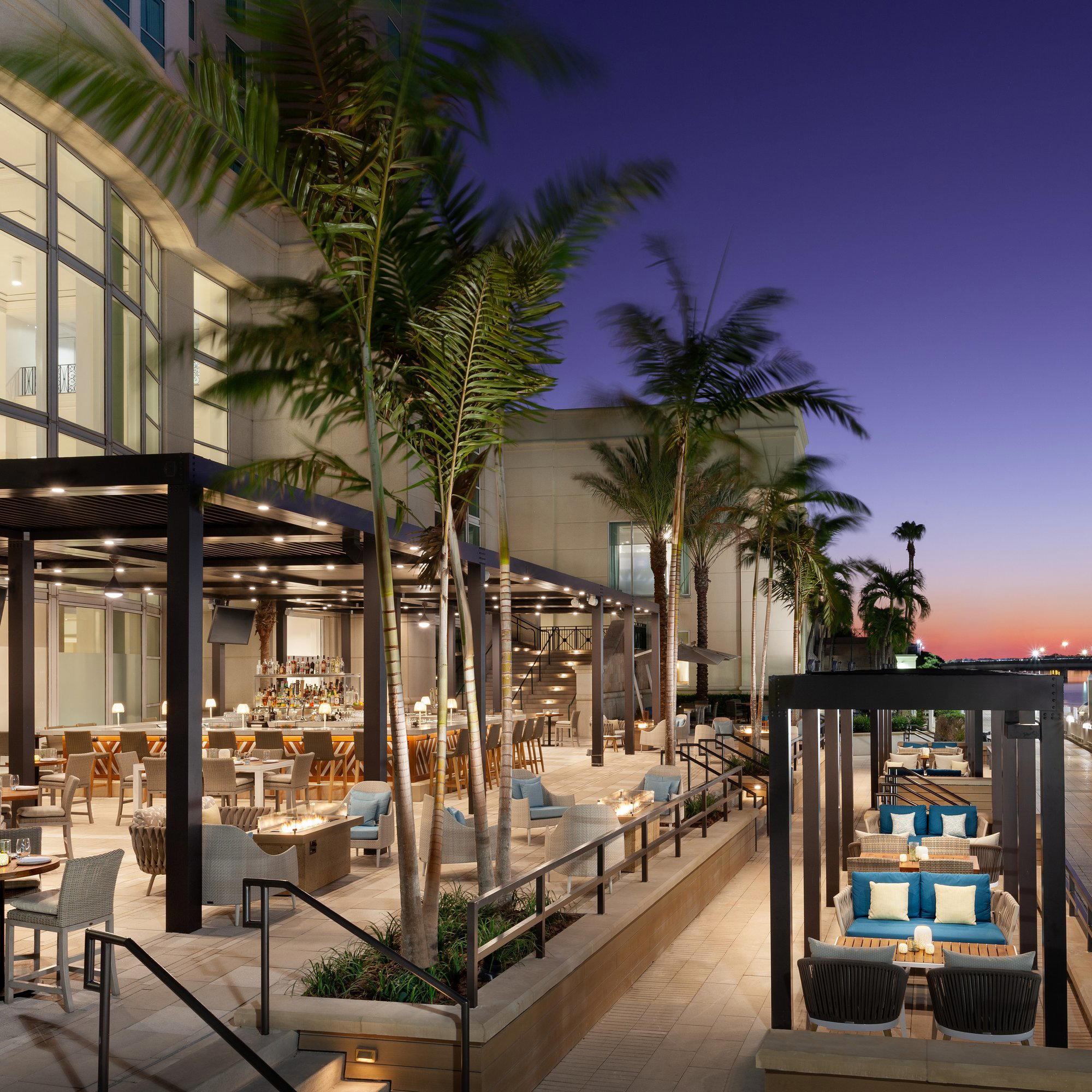
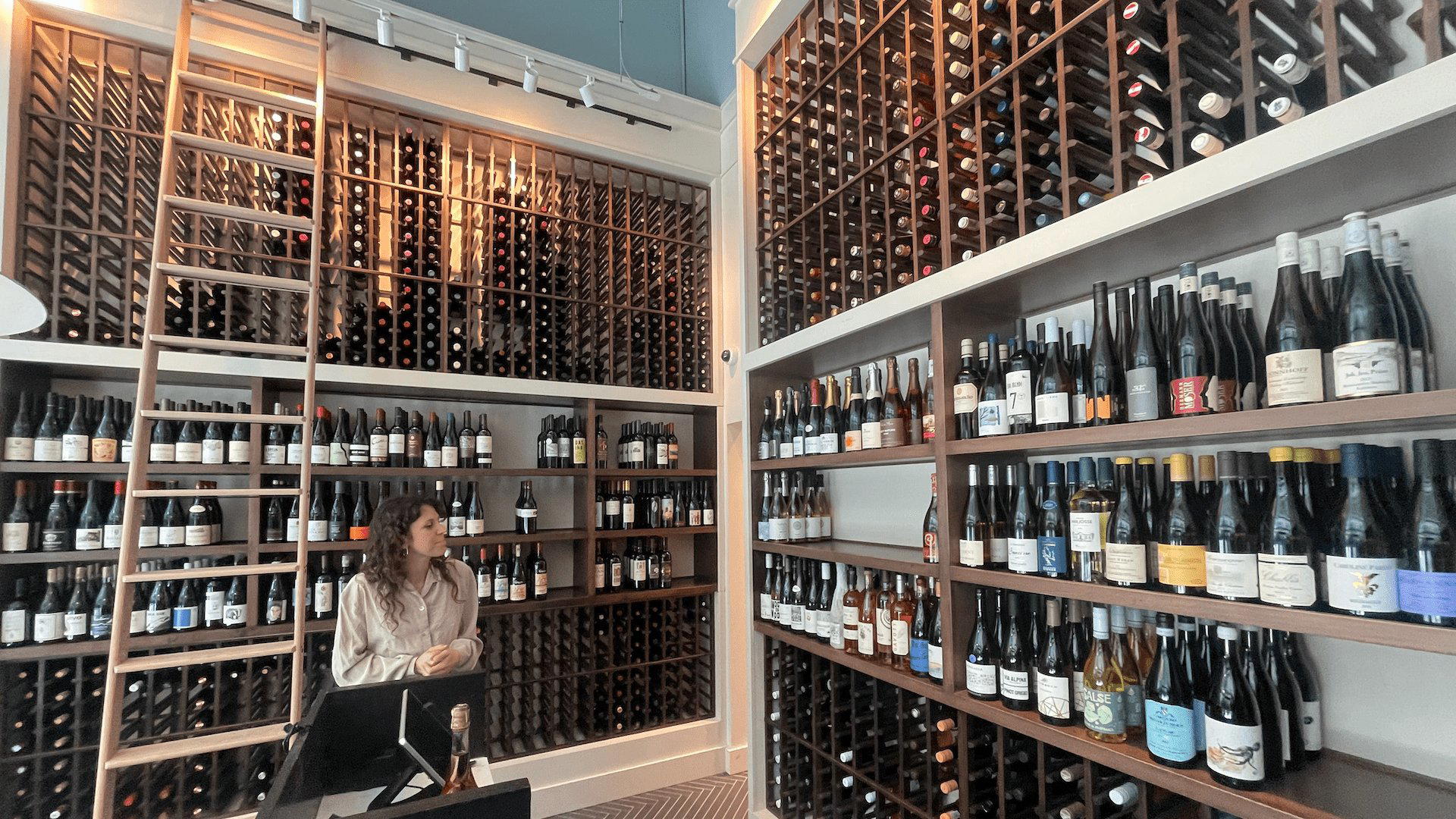
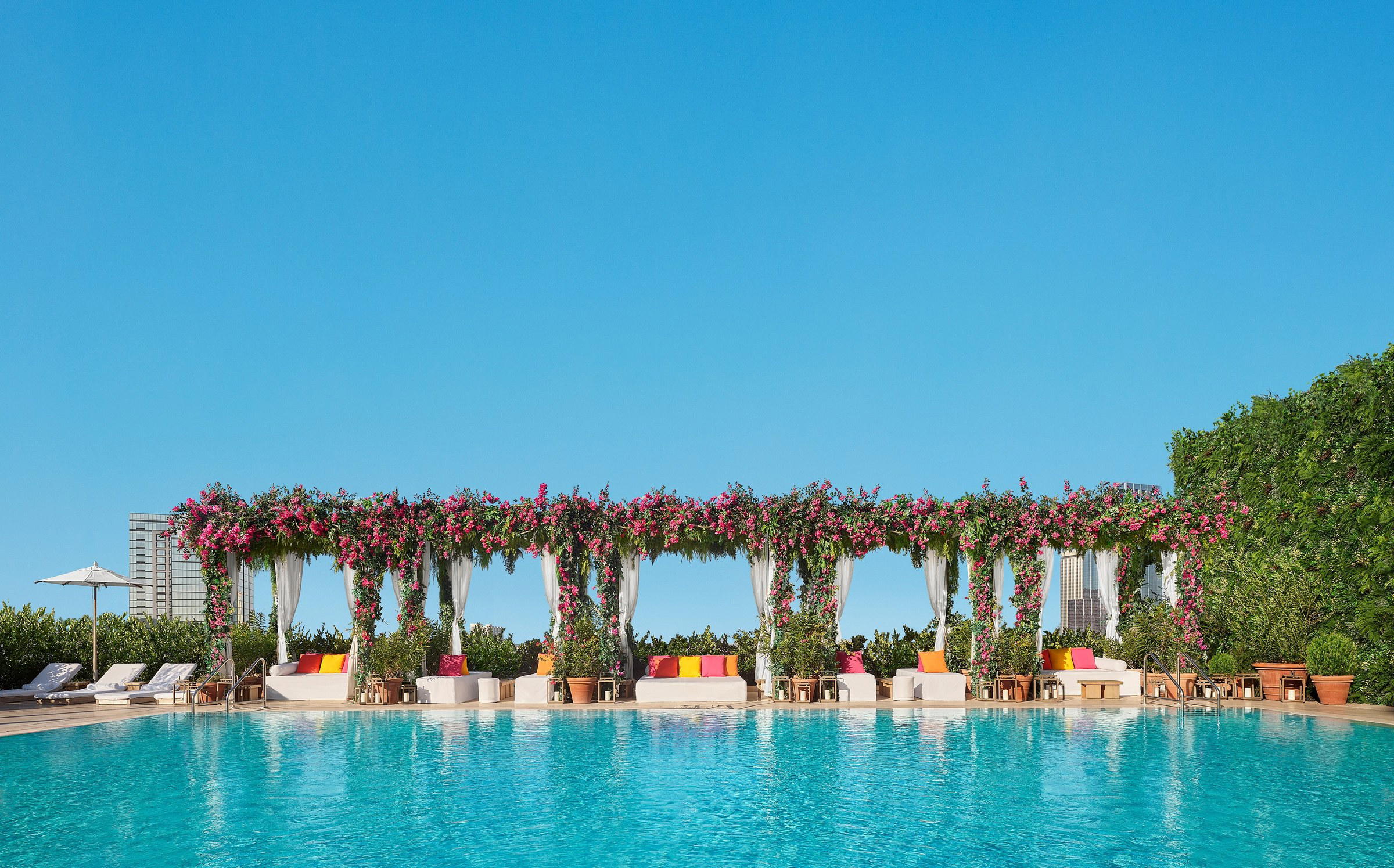
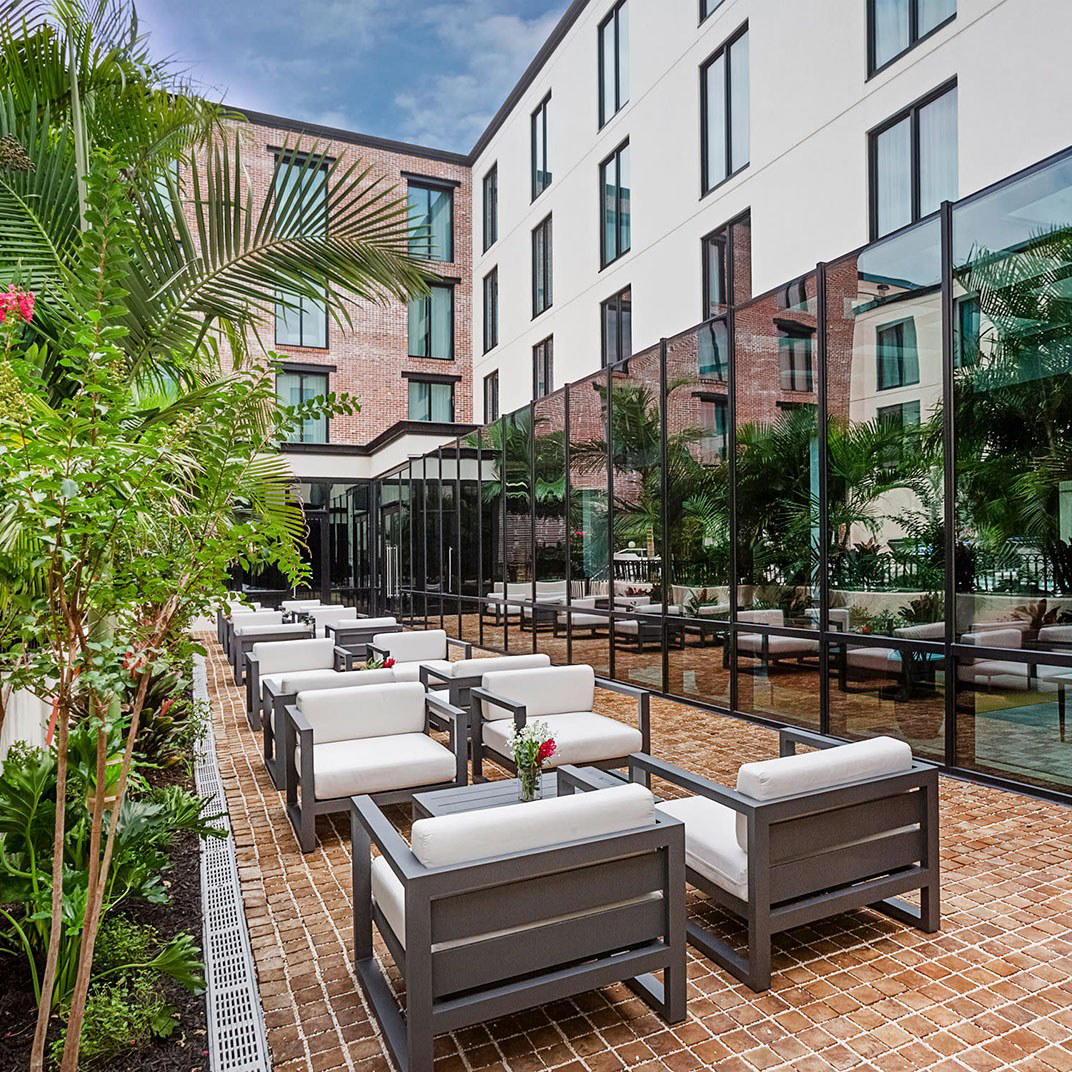
Blending rustic warmth with modern design in a welcoming atmosphere that captures the lively energy of Southern Italy.