Pendry Tampa
Pendry Tampa belongs to the next phase of Tampa hospitality, where design-led hotels are being read against Water Street, Hyde Park, and Ybor rather than only beach resorts across the bay.
Pearl is the En Primeur Club membership app — saves, bookings, and concierge access live there. Same editors, same standards.
- Address
- 100 Ashley Dr S UNIT 100, Tampa, FL 33602, USA
- Website
- pendryresidencestampa.com
- Directions
- Get directions
 Saves & bookings on Pearl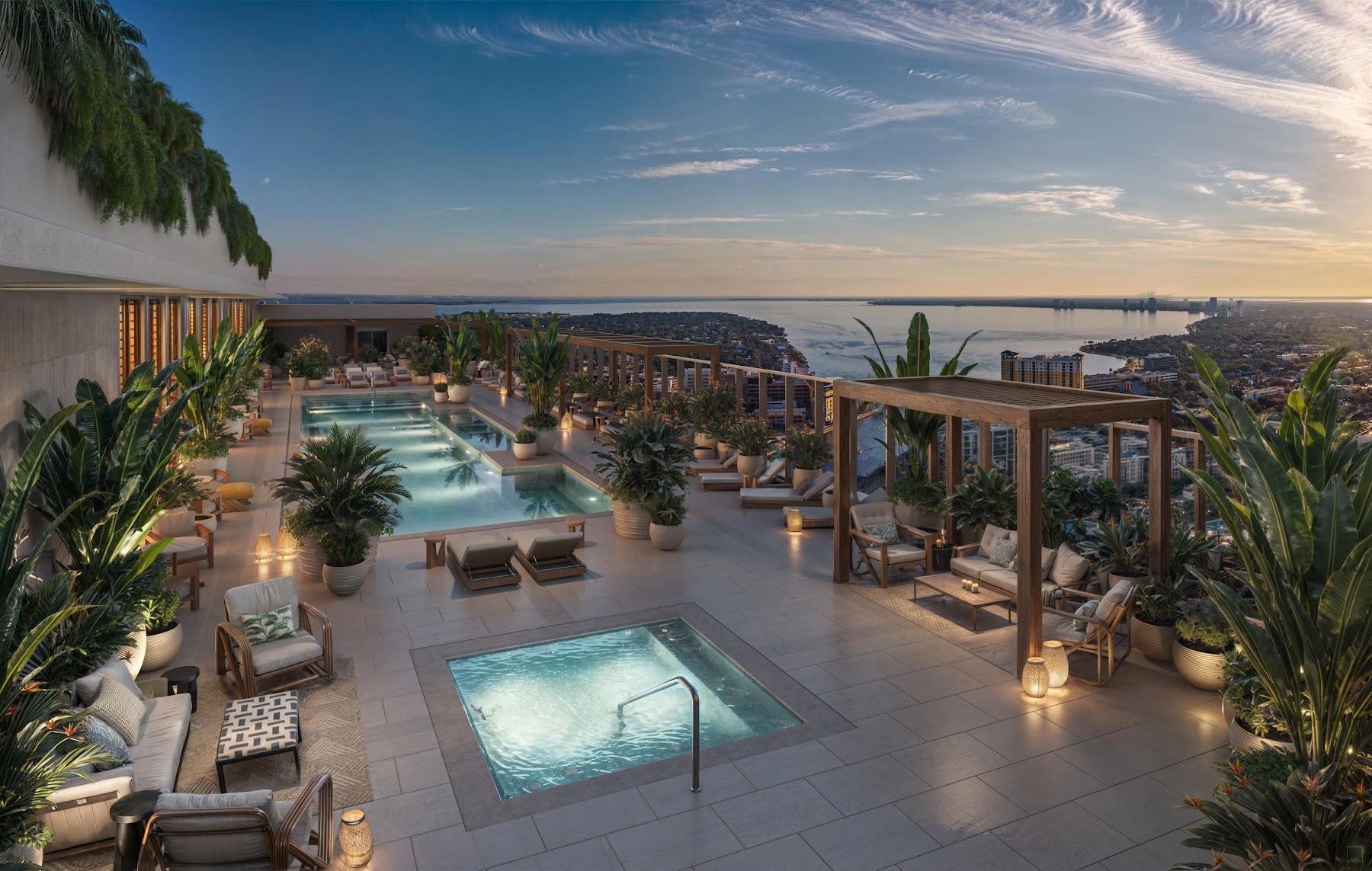
Approaching Tampa Through Its Hotel Architecture
Tampa’s hotel story is increasingly written at street level: polished lobbies opening onto new mixed-use districts, restored buildings carrying the mood of older neighborhoods, and residential-style rooms built for longer stays rather than quick convention nights. Pendry Tampa enters that conversation as a name attached to urban luxury rather than resort sprawl, and that distinction matters in a city whose hospitality identity has long been pulled between downtown business travel, Gulf Coast leisure, cruise traffic, and the social gravity of South Tampa.
The useful way to read Pendry Tampa is through the city around it. That information sharpens the editorial frame: Tampa is in the middle of a hotel-design recalibration, and a Pendry-branded project belongs to the group of properties being judged by architecture, public space, and neighborhood fit rather than by room product alone.
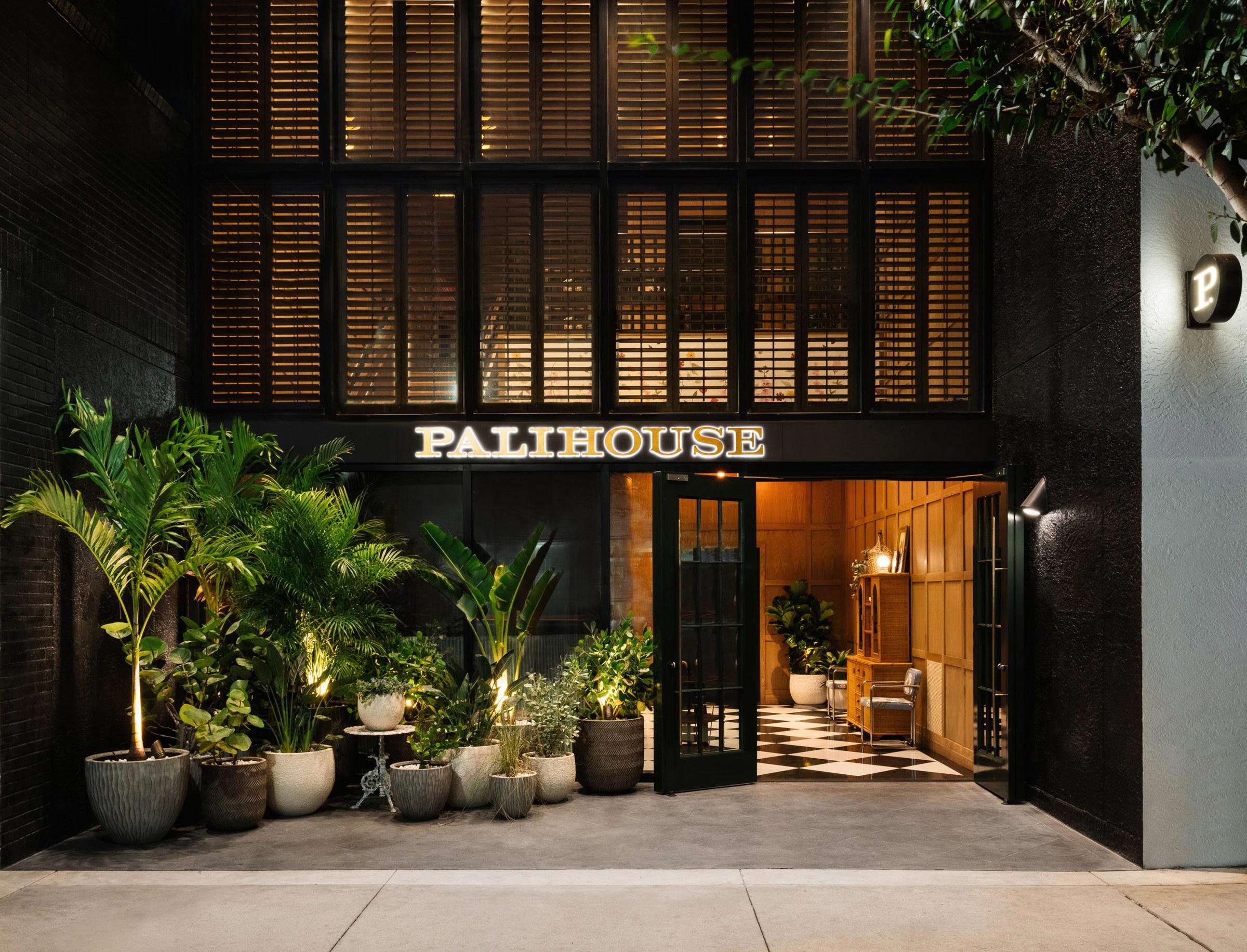
That shift is visible when set against nearby peer categories. The Tampa EDITION gave the city a more polished lifestyle-hotel vocabulary, while JW Marriott Tampa Water Street speaks to the scale and infrastructure of the Water Street district. Palihouse Hyde Park Village reads through a more residential South Tampa lens, and Hotel Haya is tied to Ybor City’s built history and street culture. Pendry Tampa should be understood in relation to those formats: not as an isolated hotel object, but as part of a city testing how much design specificity its urban hospitality market can sustain.
The Design Question Tampa Is Asking
For years, Tampa hotels were judged mainly by utility: proximity to meetings, waterfront access, airport convenience, or the ability to anchor a weekend around sports, dining, and nightlife. The newer question is more demanding. Can a hotel make a district feel legible? Can its lobby, food-and-beverage spaces, arrival sequence, and room language create a reason to stay in the city rather than commute from a beach resort or a suburban property?
The architectural angle is not decoration. In Tampa, design has become a sorting mechanism. Water Street uses scale, glass, walkability, and proximity to the waterfront to frame a newer downtown image. Hyde Park leans into village retail, softer streets, and a more local rhythm. Ybor City carries brick, cigar-industry history, and a nighttime edge that resists generic luxury language. A design-led hotel in Tampa has to decide which Tampa it wants to amplify. The strongest statement is comparative: it will be measured against a local field that now has clear design poles rather than a single downtown-hotel template.
This is where the Pendry name matters as a trust signal, but not as a substitute for the hotel’s confirmed details. Pendry is associated in the U.S. market with contemporary luxury hotels that usually emphasize restaurants, social lobbies, and a more fashion-conscious guest profile than traditional corporate hotels. That brand context helps place Pendry Tampa in a competitive set. The smart reader should treat confirmed specifics as pending and judge the project by what is verifiable when booking channels and property materials are available.
Where It Fits Among Tampa Hotels
Tampa no longer needs a single answer to the luxury question. The market has split into several usable formats. Large-format downtown hotels serve conventions, arena events, cruise-adjacent itineraries, and weekend visitors who want amenities within the building. Smaller neighborhood hotels trade on local street life and a sharper sense of place. Apartment-style hospitality, represented by ROOST Tampa, serves guests whose stay depends on space, kitchen function, and a less formal rhythm. Pendry Tampa belongs to the conversation about the first two categories: a premium urban hotel expected to carry design weight and social energy without losing the practical utility Tampa travelers require.
That positioning also explains why comparison shopping in Tampa has become more sophisticated. A guest looking at our full Tampa hotels guide is not merely choosing between nightly rates. The decision often turns on neighborhood appetite: Water Street for a planned urban district and event access, Hyde Park for retail and residential polish, Ybor for history and nightlife, downtown for business utility. The hotel’s eventual value will depend on how clearly it answers that neighborhood question. A hotel can be expensive and still feel generic if its architecture is dropped into any Sun Belt city. Tampa’s stronger recent properties work because they acknowledge the city’s fragments rather than smoothing them into a bland coastal fantasy.
There is also a national comparison worth making. The American luxury-hotel market has moved away from a single definition of grandeur. The Fifth Avenue Hotel in New York City uses maximal interiors and historic contrast; The Beverly Hills Hotel in Los Angeles relies on a deep social mythology; Amangiri in Canyon Point is defined by landscape integration in the literal desert sense; Troutbeck in Amenia works through estate scale and Hudson Valley restraint. Tampa’s next premium hotels are being evaluated against that broader design culture, even when the trip itself is a long weekend, a business stay, or a pre-cruise stop.
Food, Bars, and the Social Center of the Hotel
In contemporary city hotels, restaurants and bars are no longer side rooms built to feed captive guests. They are the public test of whether the property belongs to its city. Tampa is a useful case because the dining map is spread across neighborhoods rather than concentrated in a single formal restaurant quarter. Downtown and Water Street compete with South Tampa, Seminole Heights, and Ybor for attention, and the hotel restaurant has to earn local use rather than rely on visitors alone.
The current record does not name a cuisine type, chef, signature dishes, bar program, hours, or price range. Those omissions are important. The better assessment is structural: if the hotel follows the logic of premium urban hotels, its food-and-beverage spaces will likely be judged by whether residents have a reason to enter the building outside a room stay. That is a higher bar than breakfast service and lobby drinks. In Tampa, where independent restaurants and bars carry much of the city’s character, a hotel dining room needs a clear local argument.
The hotel may become part of that social circuit, but the evidence needs to come from confirmed concepts, not brand expectation.
The Broader Luxury comparable set
Design-led hotels are increasingly sorted by how convincingly they connect interior life with setting. Four Seasons at The Surf Club in Surfside trades on coastal club history; Raffles Boston in Boston reads through a vertical city-hotel model; SingleThread Farm Inn in Healdsburg is tied to a culinary destination format; Kona Village, A Rosewood Resort in Kailua Kona depends on resort geography and cultural sensitivity. Tampa’s hotel market is not trying to copy those places. Its opportunity is different: to make a Gulf Coast business city feel like a credible design destination without pretending it is a beach resort.
That difference matters for expectations. A Tampa hotel stay often has multiple purposes stitched together: a work meeting, dinner in another neighborhood, a game or concert, a family visit, a cruise departure, a night in Ybor, or a weekend built around new restaurants. A property like Sage Lodge in Pray can organize a trip around wilderness access; Auberge du Soleil in Napa around wine country; Post Ranch Inn in Big Sur around cliffside retreat; Canyon Ranch Tucson in Tucson around wellness programming. Tampa asks its hotels to be more flexible. Design has to serve movement through the city rather than withdrawal from it.
European grand hotels offer another contrast. Hôtel de Paris Monte-Carlo in Monte Carlo, Badrutt's Palace Hotel in St. Moritz, and Aman Venice in Venice operate in destinations where hotel heritage and civic image are tightly fused. Tampa is younger in that sense. Its premium hotel scene is being built in public, district by district, which makes the hotel interesting before the granular details are available. The question is not whether it can mimic old-world hotel theater. The question is whether it can help define an urban Florida luxury language that is neither Miami imitation nor convention-center anonymity.
Planning a Stay Around Pendry Tampa
Planning should stay practical and cautious. Treat the hotel as a property to verify directly through the hotel itself. For now, build the trip around Tampa’s known neighborhood structure: Water Street and downtown for event access and newer development, Hyde Park for a calmer retail-and-dining circuit, Ybor City for historic fabric and nightlife, and South Tampa for a more residential dining pattern.
Timing also matters. Tampa’s visitor rhythm changes with winter travel, spring training and major events in the region, cruise schedules, and conference calendars. Hotel rates and availability can move sharply around event weekends, even when a property is not attached to a convention center. Without a verified price range for the hotel, the sensible approach is comparative: check it against design-led and full-service hotels in the city rather than against airport or suburban inventory. If the stay depends on a specific restaurant, bar, spa, or event venue inside the hotel, confirm those components before committing, because none are listed in the available record.
The editorial stance is simple: the hotel is worth watching because Tampa is no longer content with generic rooms and functional lobbies. The city now has enough contrast among Water Street, Hyde Park, Ybor, and downtown to reward hotels with a point of view. Until verified property details arrive, the intelligent read is contextual rather than promotional. Judge it by architecture, neighborhood fit, public spaces, and the strength of any confirmed restaurant or bar program, not by brand halo alone.
How It Compares
Comparable venues nearby, for context on price, style, and recognition.
| Venue | Cuisine | Price | Awards | Notes |
|---|---|---|---|---|
| Pendry TampaThis venue — the venue you are viewing | modern luxury waterfront tower with hotel, residences, dining, and event space | $$$$ | 5-Star | Not listed |
| JW Marriott Tampa Water Street | Modern luxury urban resort | $$$$ | 5-Star | Garrison Channel District |
| Hotel Haya | Lifestyle boutique hotel celebrating local Ybor City culture | $$$$ | 4-Star | Ybor City |
| ROOST Tampa | Resort-style extended stay apartment hotel | $$$ | 4-Star | Gilchrist's A W Oak Grove |
| Palihouse Hyde Park Village | residential-inspired urban lodge | $$$ | Michelin 1 Key | Historic Hyde Park |
| The Tampa EDITION | stylishly modern lifestyle luxury hotel | $$$$ | Michelin 1 Key | Gilchrist's A W Oak Grove |
At a Glance
- Modern
- Elegant
- Sophisticated
- Scenic
- Ornate
- Business Trip
- Wellness Retreat
- Weekend Escape
- Group Retreat
- Waterfront
- Rooftop Pool
- Destination Spa
- Design Destination
- Panoramic View
- Wi Fi
- Pool
- Spa
- Fitness Center
- Room Service
- Concierge
- Valet Parking
- Waterfront
- Skyline
- Wi Fi
- Pool
- Spa
- Fitness Center
- Room Service
- Concierge
- Valet Parking
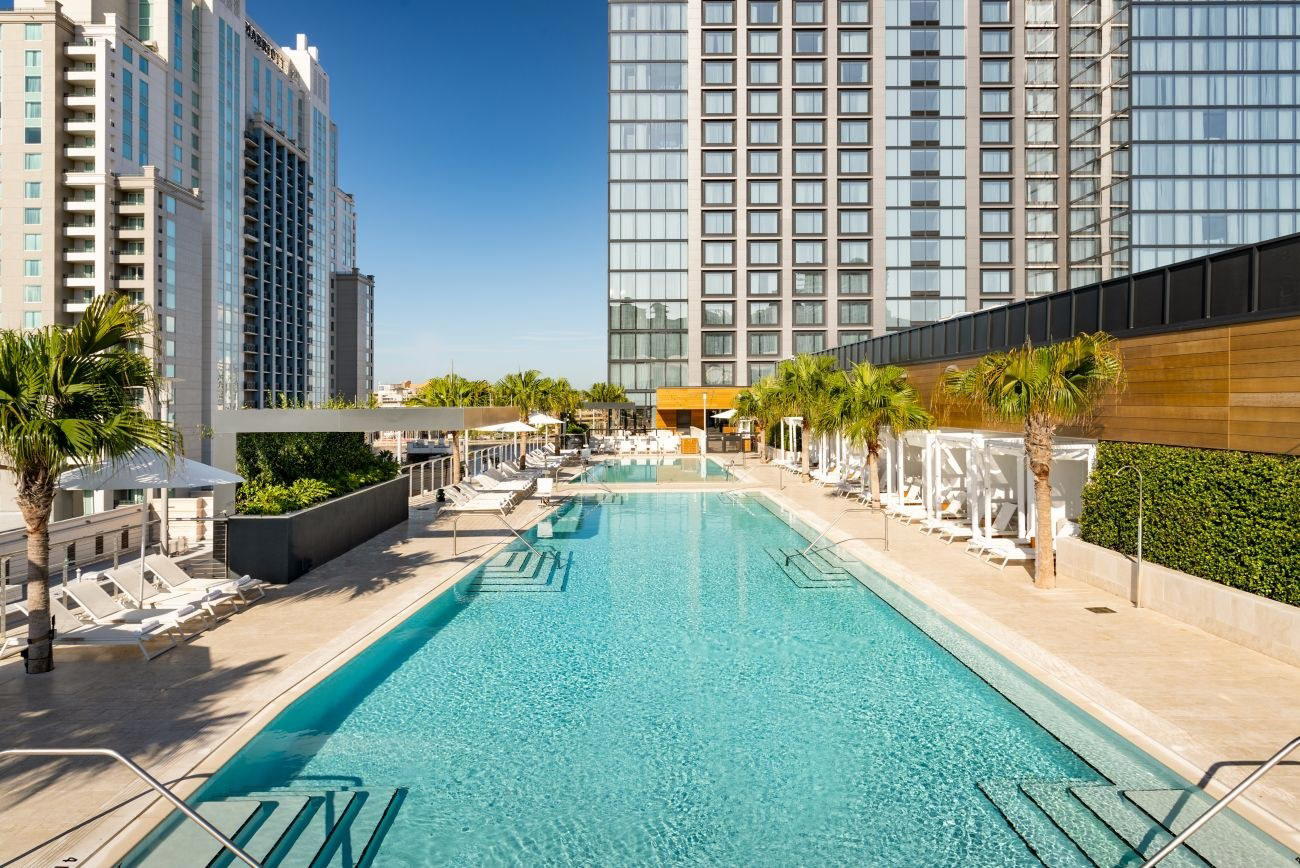
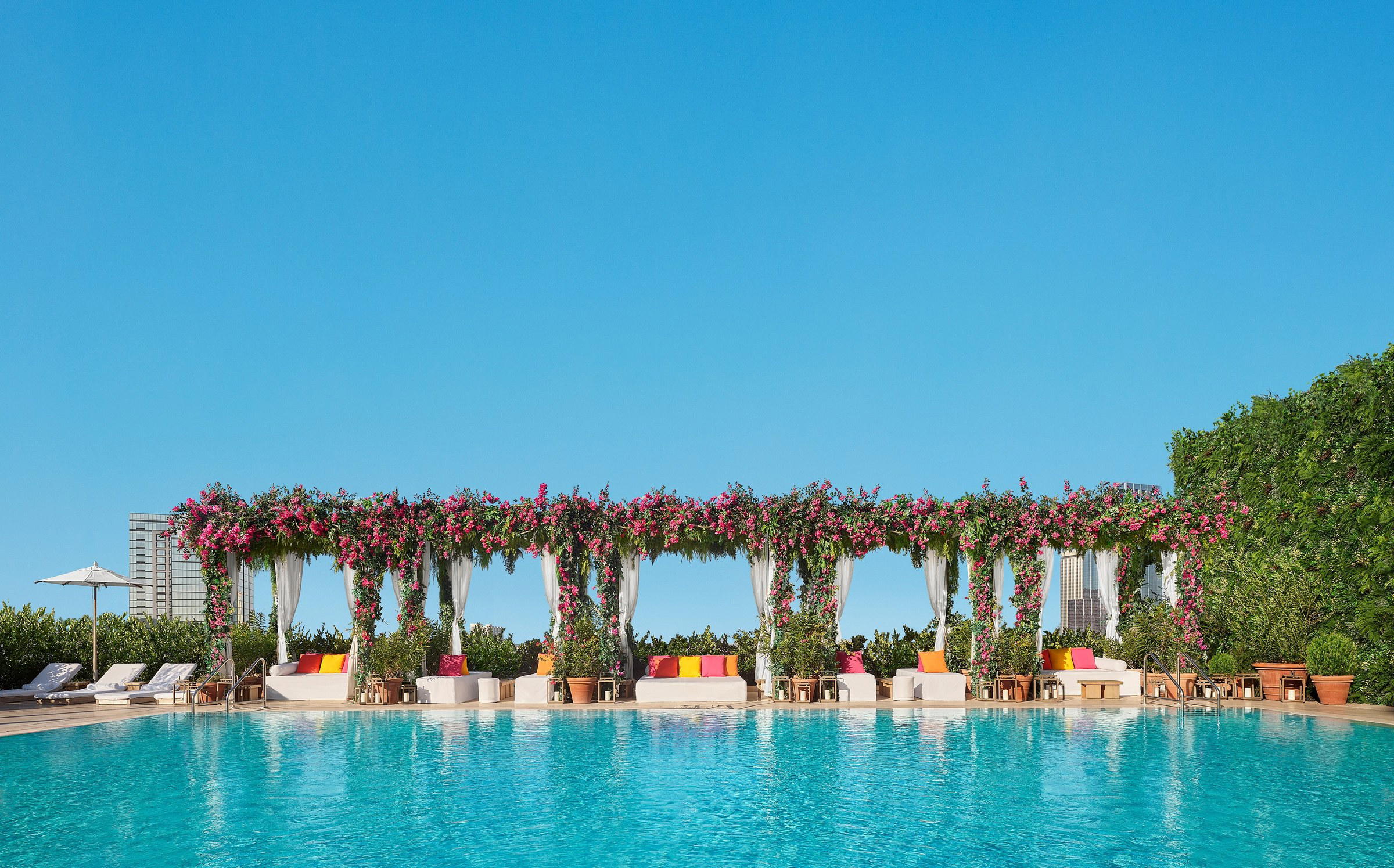
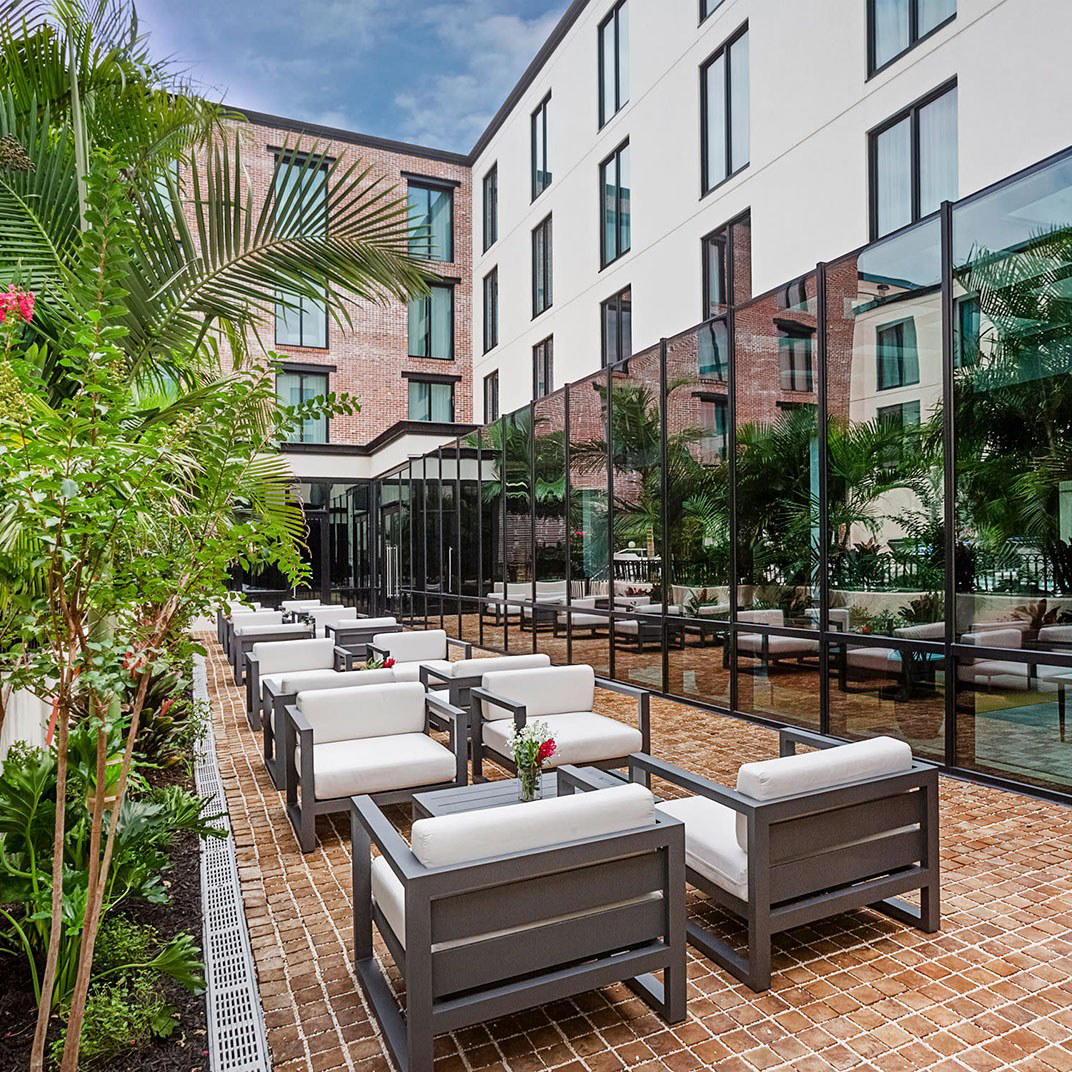
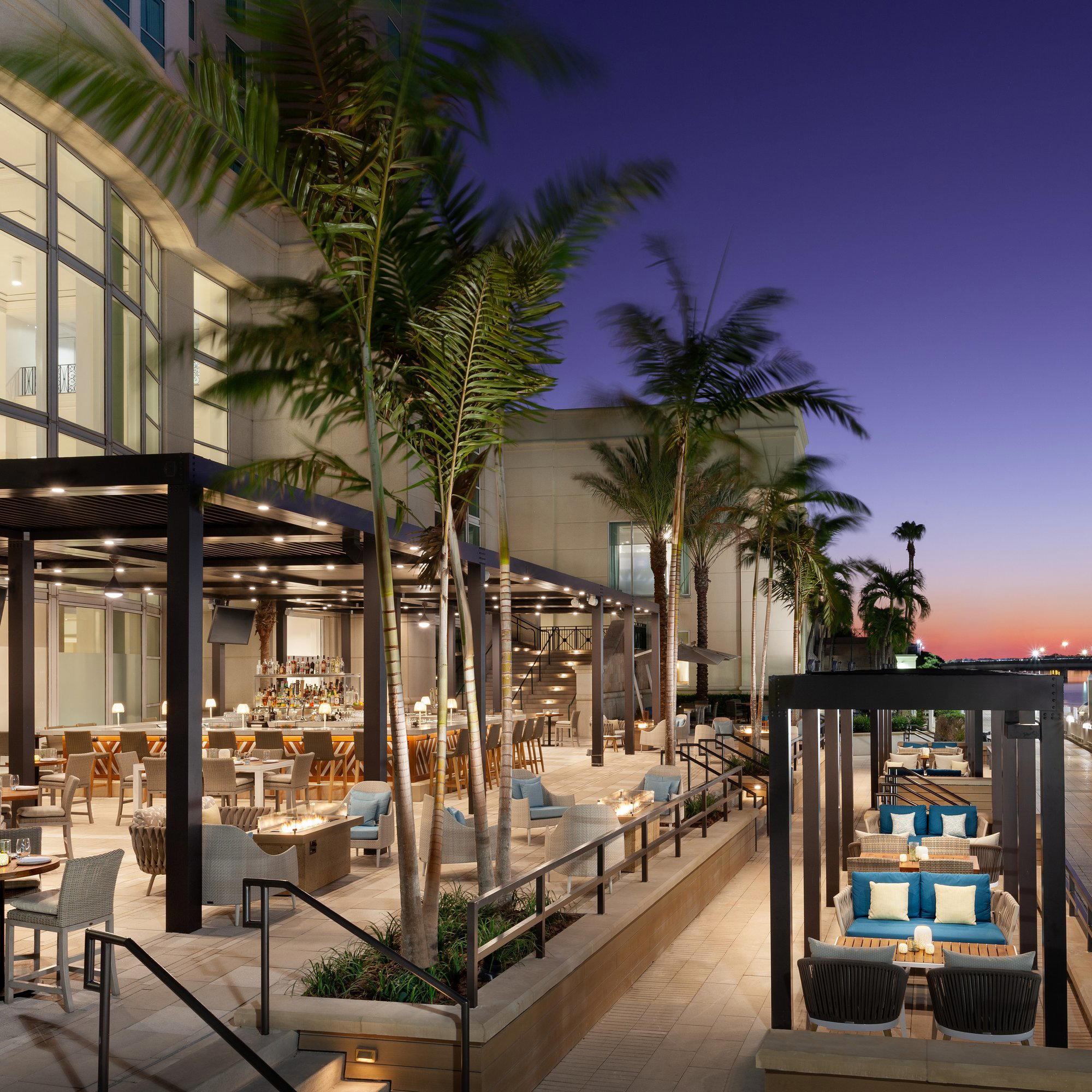
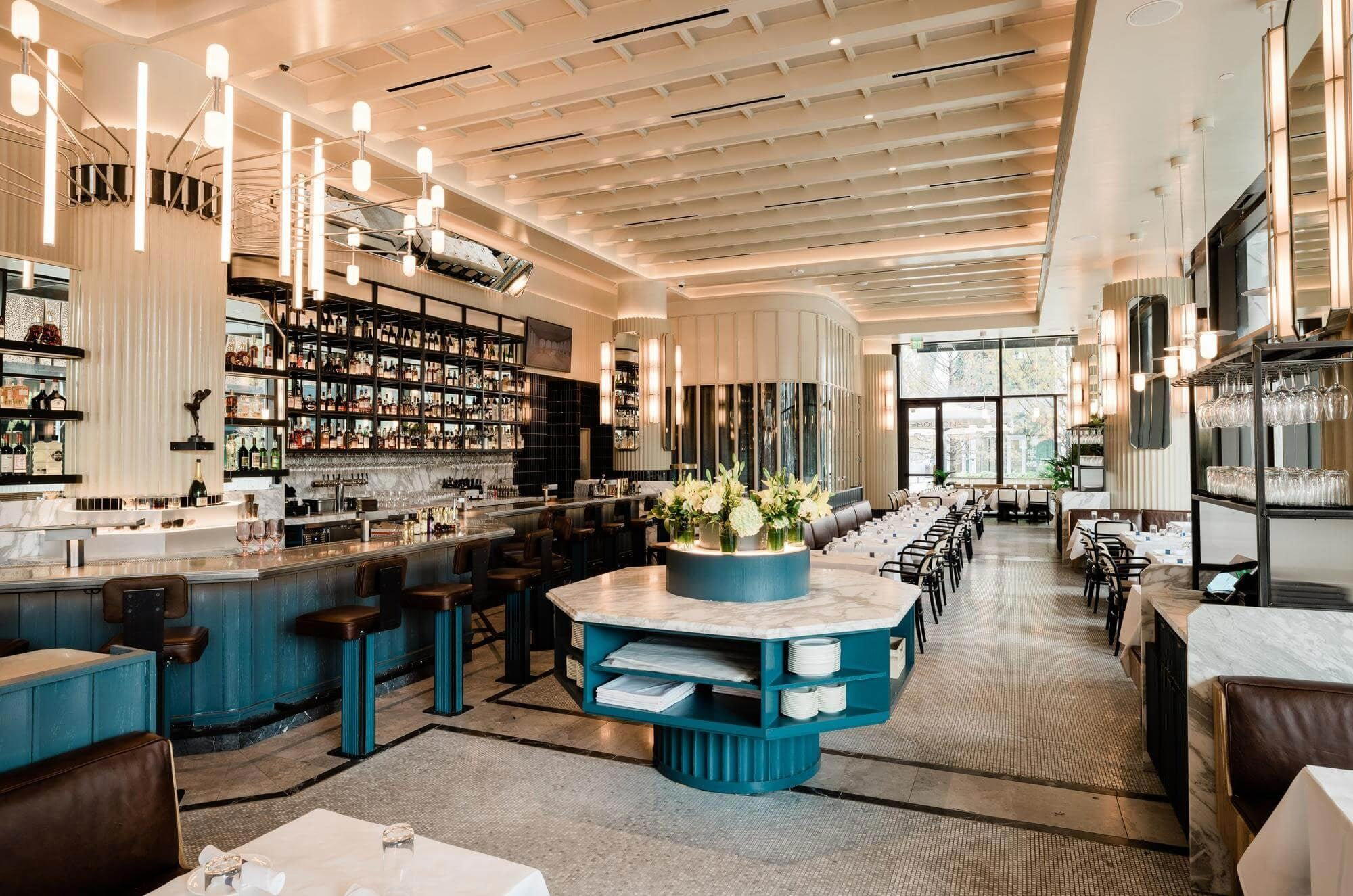
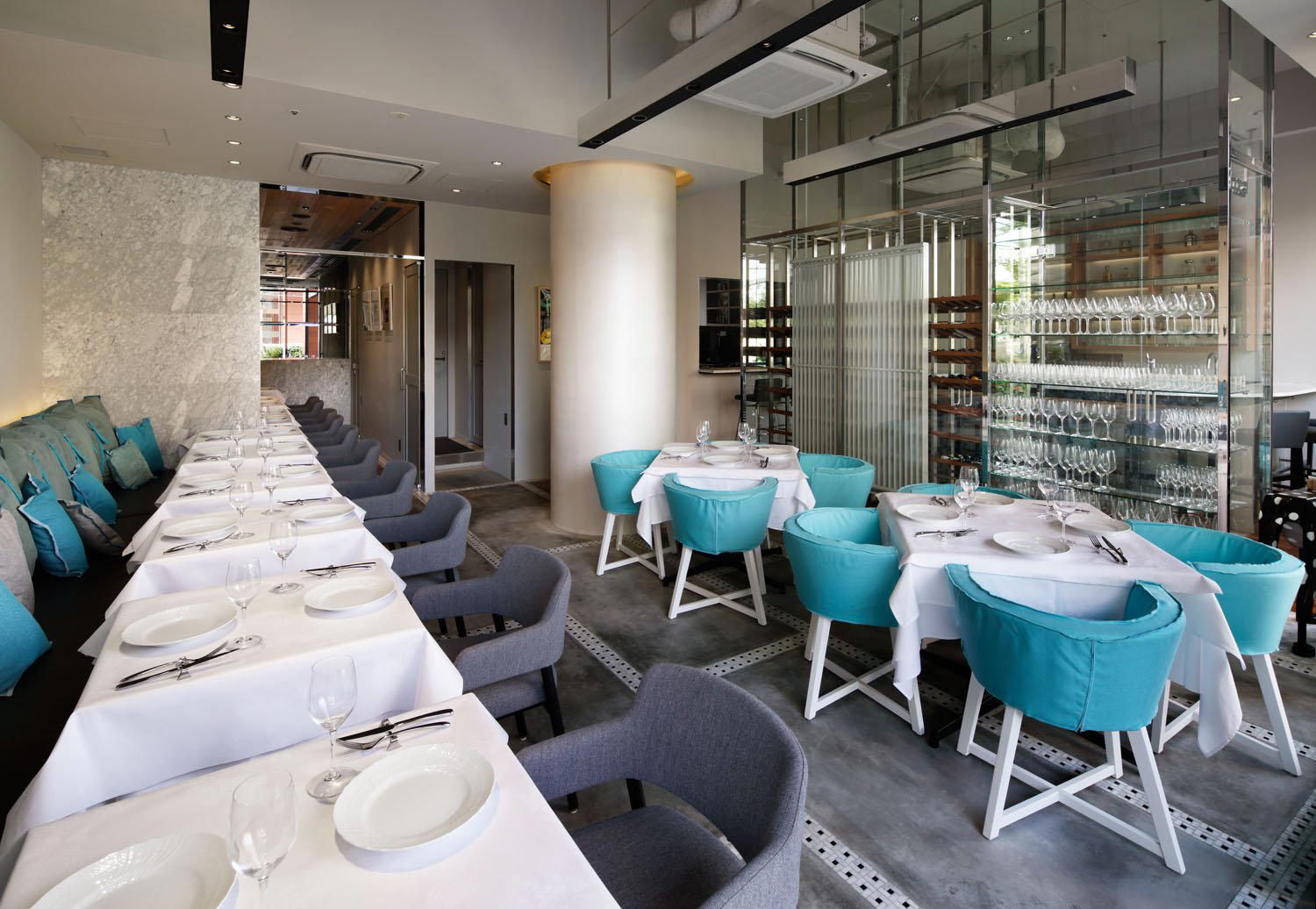
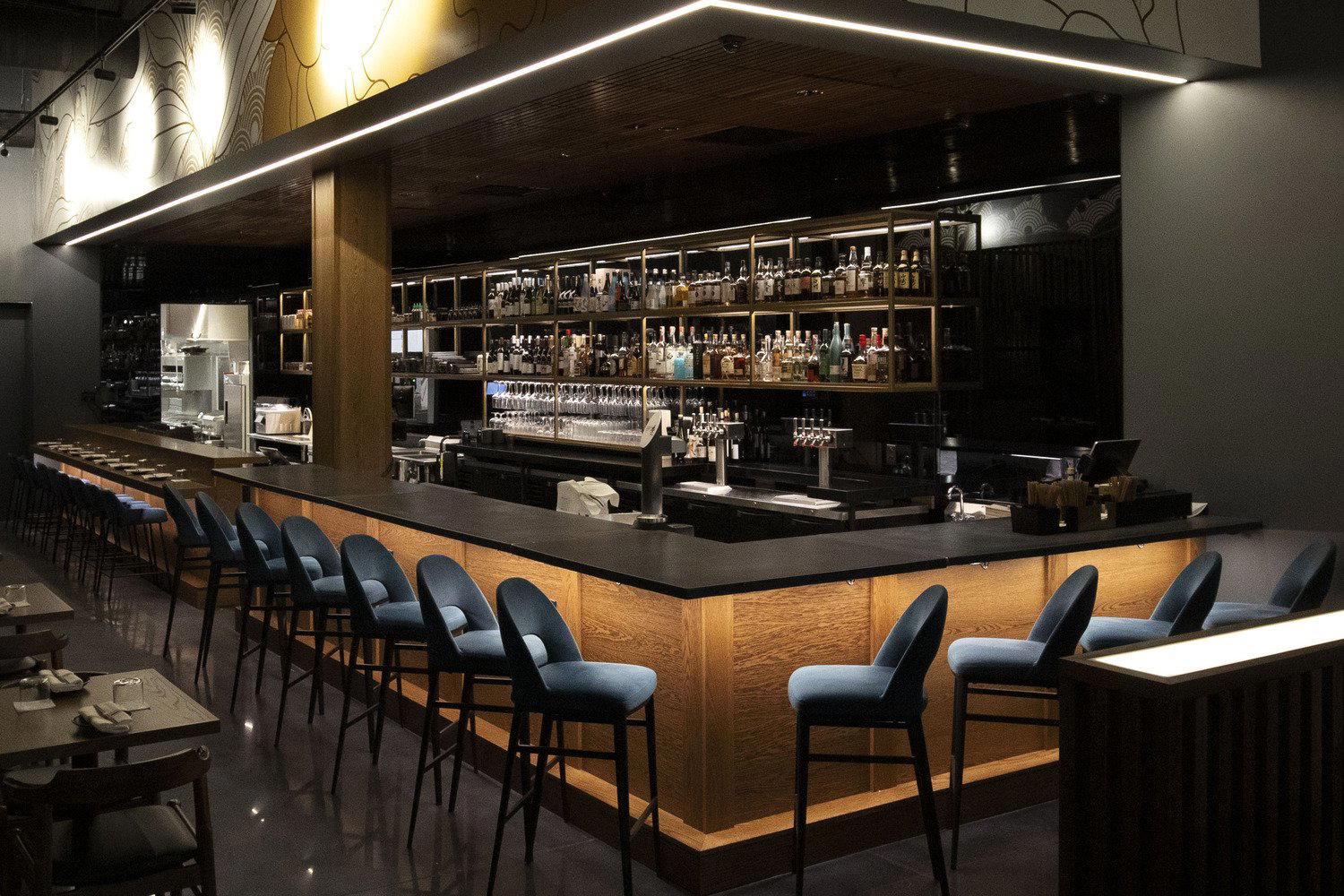
Contemporary luxury with warm coastal-Californian materials, intimate double-height lobby and library spaces, and panoramic waterfront and skyline views.