
Tabelog 100 #38
Our verdict
A hotel bar in Yokohama’s Yamashitacho district, Bar Sea Guardian Ⅱ belongs to the city’s old-school cocktail tradition rather than its louder nightlife circuit. Its Tabelog Bar 100 selection in 2022, sommelier availability, wine focus, and cocktail program place it in a category where sourcing and service discipline matter as much as the room.

Pearl is the En Primeur Club membership app, where members save venues, book tables and use the concierge.
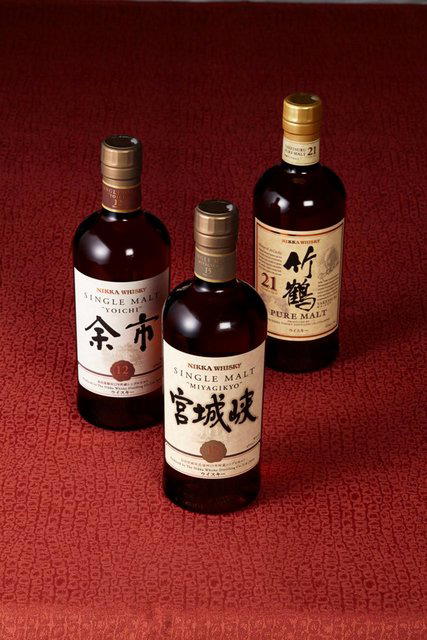
Yokohama’s grand-hotel bars run on a different clock from the city’s izakaya lanes and waterfront date-night rooms. The tempo is lower, the room language formal without theatre, and the drink order carries provenance: base spirit, glassware, garnish, wine storage, and staff judgment that separates a hotel bar from a casual cocktail stop. Bar Sea Guardian Ⅱ sits in that tradition inside the Hotel New Grand main building in Yamashitacho, with appeal rooted less in novelty than continuity.
That matters because Yokohama’s drinking culture has always been tied to port history. Imported spirits, hotel service, Western dining rooms, and Chinatown-adjacent traffic shaped a bar scene unlike Tokyo’s denser speakeasy circuit. Here, the serious room is often institutional, not hidden. The bar’s 2022 selection for Tabelog Bar 100 gives it a public marker within Japan’s quality-driven bar conversation, while its Tabelog score of 3.73 places it where consistency matters more than trend performance.
A grand-hotel bar where sourcing shows up in the glass
Ingredient sourcing in a cocktail bar rarely arrives with farm names or manifestos. It shows in the choice to treat wine as part of the program, staff the room with sommelier capability, and approach cocktails as built drinks rather than decorative objects. The available scope is telling: wine, cocktails, a stated emphasis on wine, and a stated emphasis on cocktails. In a city where many bars specialize narrowly, that dual focus suggests a room built for several drinking speeds: aperitif, digestif, bottle-led conversation, or one carefully made cocktail before dinner.
The Yokohama comparison point is not a loud high-volume bar but another disciplined counter such as BAR THREE MARTINI, where the spend bracket sits in the same general evening-drink range. The difference is context. A standalone cocktail bar competes on bartender identity and counter intimacy; a hotel bar competes on setting, stock, and the ability to receive guests with varied intent. Bar Sea Guardian Ⅱ belongs to the latter group, where sourcing means not only what bottle is on the back bar, but how the bar supports wine service, mixed drinks, and the social grammar of a hotel evening.
That makes it useful after dinner in the area. Yokohama’s dining map around Yamashitacho and Motomachi-Chukagai runs from Chinese dining rooms to European hotel restaurants and specialist Japanese counters. A bar with both wine and cocktail depth can absorb that range better than a narrowly themed room. For readers mapping a full night, Our full Yokohama restaurants guide is the broader dining frame, while Our full Yokohama bars guide gives category context around the city’s more serious drinking rooms.
Yamashitacho rewards formal rooms, not novelty chasing
Yamashitacho is one of Yokohama’s more layered districts: hotel heritage, waterfront walks, Chinatown energy, and port-city dining all sit within a short evening radius. That density shapes use. Guests do not need a full entertainment concept; they need a room that can hold the end of a meal, the beginning of a night, or a solo drink without forcing a mood. Counter seating and sofa seating matter because they indicate different use cases, not just furniture choices.
The 43-seat count is another signal. This is neither a tiny collector’s counter nor a large-format hotel lounge. That middle scale suits Yokohama’s older bar rhythm: enough capacity for hotel guests and local regulars, small enough for the service culture to remain legible. Private rooms and private use are unavailable, keeping the format aligned with public hotel-bar tradition rather than event hospitality.
Within the same hotel-and-dining orbit, Le Normandie and Il Giardino represent the European restaurant side of Yokohama’s grand-hotel grammar, while Yugyoan Tankuma points toward a more formal Japanese dining register. The bar is connective tissue between those modes. It does not try to replace dinner; it gives structure to the hour before or after it.
Readers building a Yokohama itinerary can cross-reference nearby and citywide dining styles through 1000 (Yakitori (Grilled chicken skewers)), Aichun, Ajowan, Alpenjiro Honten, and Anzen Shokudo. For wider trip architecture, use Our full Yokohama hotels guide, Our full Yokohama wineries guide, and Our full Yokohama experiences guide.
Who this room is for
This is a strong fit for travellers who value bar tradition over concept-driven nightlife. The strongest case is a calibrated evening: dinner nearby, then a seat in a room where wine and cocktails are both taken seriously, credit-card payment is accepted, and a non-smoking policy is supported by a smoking room near the entrance. The 10 percent service charge, with no additional charge listed, places the experience in a transparent hotel-bar framework rather than the looser cover-charge culture found in some Japanese drinking rooms.
The caveat is format. Reservations are unavailable, changing the planning logic. This is a room to work into an evening with flexibility, not a fixed anchor for an entire schedule. The bar opens daily in the evening and lists last order before closing, so it suits after-dinner timing better than an afternoon stop.
For travellers comparing Yokohama with broader Japan and overseas drinking or dining references, the useful exercise is category matching rather than cuisine matching. A sake-focused room such as Jōdo Saké Bar in Los Angeles tells a different sourcing story; a casual Japanese rice specialist such as Onigiri Time in Pasadena serves another purpose entirely. Regional comparison also clarifies itinerary priorities: -Grilled beef Sukiyaki- KAMAKURA TANUKIAN 鎌倉 たぬき庵 in Kamakura. 鮪と炭火焼き うお炭 秋葉原店 in Tokyo.cafe in Osaka.know in Kumamoto, (Shoku) Vietnam in Kawasaki, and [Curry Senmon Ten] Maruyama Kyoju. in Sapporo all sit outside this hotel-bar register. Bar Sea Guardian Ⅱ is for the drinker who wants Yokohama’s port-city polish in a glass, not a new concept to decode.
Frequently asked questions
Is Bar Sea Guardian Ⅱ suitable for children?
The venue is a bar in Hotel New Grand at 10 Yamashitacho, Yokohama, with evening service from 5 PM to 11 PM daily. It is geared more toward adults than family dining, though its 43-seat room and hotel setting make it less formal than a private club bar.
What is the atmosphere like at Bar Sea Guardian Ⅱ?
Expect a classic British-style hotel bar with counter seating, sofa seating, and a quieter room than the Chinatown streets outside. Tabelog selected it for the Bar 100 in 2022, which fits a place built around wine, cocktails, and sommelier-led service rather than spectacle.
How much does it cost to eat at Bar Sea Guardian Ⅱ?
Pricing at Bar Sea Guardian Ⅱ is listed as JPY 2,000 - JPY 2,999 JPY 4,000 - JPY 4,999 View spending breakdown.
What are the operating hours at Bar Sea Guardian Ⅱ?
Hours at Bar Sea Guardian Ⅱ: Mon: 5–11 PM; Tue: 5–11 PM; Wed: 5–11 PM; Thu: 5–11 PM; Fri: 5–11 PM; Sat: 5–11 PM; Sun: 5–11 PM.
Where exactly is Bar Sea Guardian Ⅱ?
Bar Sea Guardian Ⅱ is located in Yokohama.
Snapshot
Comparable venues by cuisine and category.
| Venue | Cuisine | Price | Awards | Notes |
|---|---|---|---|---|
| Bar Sea Guardian ⅡThis venue (the venue you are viewing) | British-Style Bar | $20–30 | Tabelog 100 #38 | Not listed |
| BAR THREE MARTINI | Classic Japanese cocktail bar | $30–50 | Tabelog 100 #69 | Naka |
| SONJIN | Cafe with specialty fluffy pancakes and omurice | $10–20 | Tabelog 100 #90 | Tsuzuki |
| VANILLABEANS Minatomirai honten | Chocolate café & dessert bar | $10–20 | Tabelog 100 #15 | Naka |
| Norizo | Japanese Bakery & Pâtisserie | $1–10 | Tabelog 100 #68 | Naka |
| Osteria Austro | Seasonal Italian Osteria | $50–100 | Tabelog 100 #26 | Naka |
Recognition history
Dated appearances from independent guides and award organizations, with the underlying list record or original source where available.
Tabelog 100 #38 · No. 38
Tabelog · Tabelog 100 - Bar - 2022
Continue exploring
More in Yokohama
Restaurants in Yokohama
All restaurants in Yokohama →

Bars in Yokohama
Browse all →


Details
- Classic
- Elegant
- Sophisticated
- Intimate
- Quiet
- Date Night
- After Work
- Special Occasion
- Solo
- Casual Hangout
- Hotel Restaurant
- Historic Building
- Design Destination
- Craft Cocktails
- Beer Program
- A La Carte
- Craft Cocktails
- Classic Cocktails
- Champagne
- Vegetarian Friendly
Current opening hours
- Monday
- 5–11 PM
- Tuesday
- 5–11 PM
- Wednesday
- 5–11 PM
- Thursday
- 5–11 PM
- Friday
- 5–11 PM
- Saturday
- 5–11 PM
- Sunday
- 5–11 PM
Hours can change for holidays and private events. Hours as of .
A stately, classic British bar with dim-but-not-dark lighting, classical interiors, and a calm, refined atmosphere that feels quietly luxurious.