Bar Charley
Our verdict
On 18th Street in Adams Morgan, Bar Charley occupies a position that the D.C. cocktail scene has quietly refined into a neighborhood reference point. The bar's design-forward interior and considered drink program place it closer to the serious cocktail tier than the casual dive, without the pretension that often comes with that territory. For visitors working through the District's bar circuit, it belongs on the shortlist.

Pearl is the En Primeur Club membership app — saves, bookings, and concierge access live there. Same editors, same standards.
- Address
- 1825 18th St NW, Washington, DC 20009
- Phone
- (202) 627-2183
- Hours
- Mon–Thu 5 PM–12 AMFri 4 PM–1 AMSat 10 AM–1 AMSun 10 AM–12 AM
- Website
- barcharley.com
- Directions
- Get directions
- Booking
- Book on Resy
The menu
What to order
- Steak Frites
- Chicken and Waffles
- Cheddar Biscuits
- Mussels Marinieres
- Brussels Sprouts
Adams Morgan's Cocktail Arithmetic
Washington, D.C.'s bar culture has undergone a quiet but meaningful reorganization over the past decade. The city that once lagged behind New York and Chicago in cocktail ambition has developed its own recognizable tier structure: high-volume hotel bars serving convention crowds, dive-adjacent neighborhood spots with no particular program, and a smaller middle layer where the drink list is taken seriously but the door policy isn't. Bar Charley, at 1825 18th Street NW, sits in that third category, and that positioning explains much of its appeal to the kind of drinker who reads menus carefully.
Adams Morgan has historically been D.C.'s most reliably mixed neighborhood by income, nationality, and intent. On 18th Street, Ethiopian restaurants share blocks with late-night clubs and wine bars, which means a serious cocktail bar here draws a different crowd than the same program would in Georgetown or Navy Yard. The demographic pressure of the street keeps things grounded, and the bars that thrive here tend to reward regulars without alienating newcomers.
What the Room Communicates
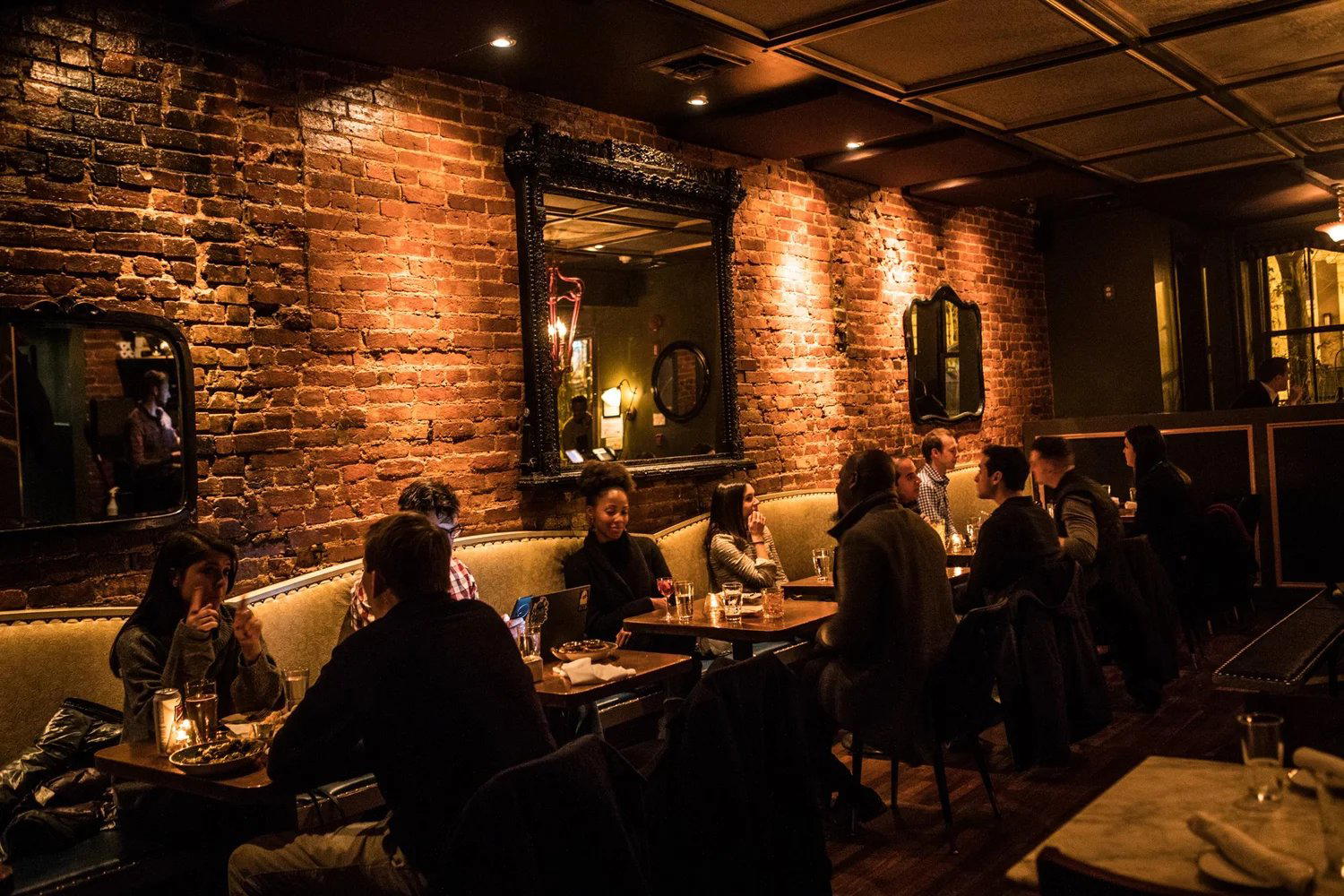
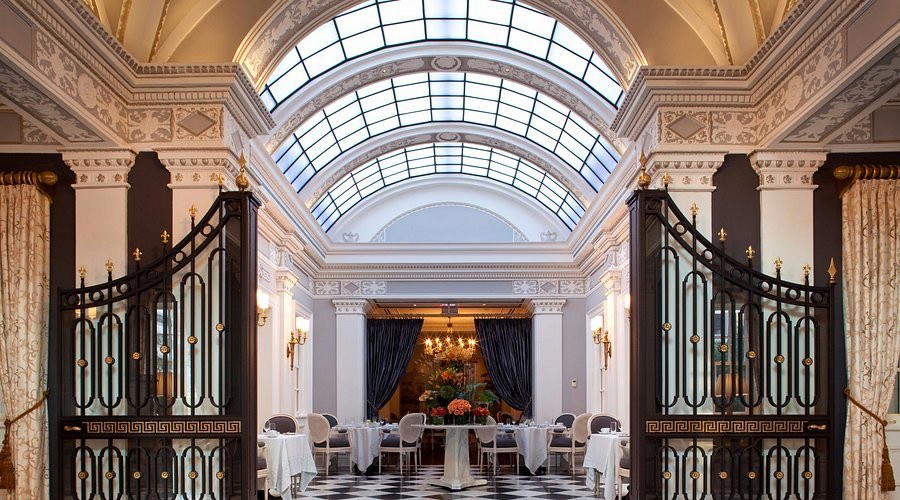
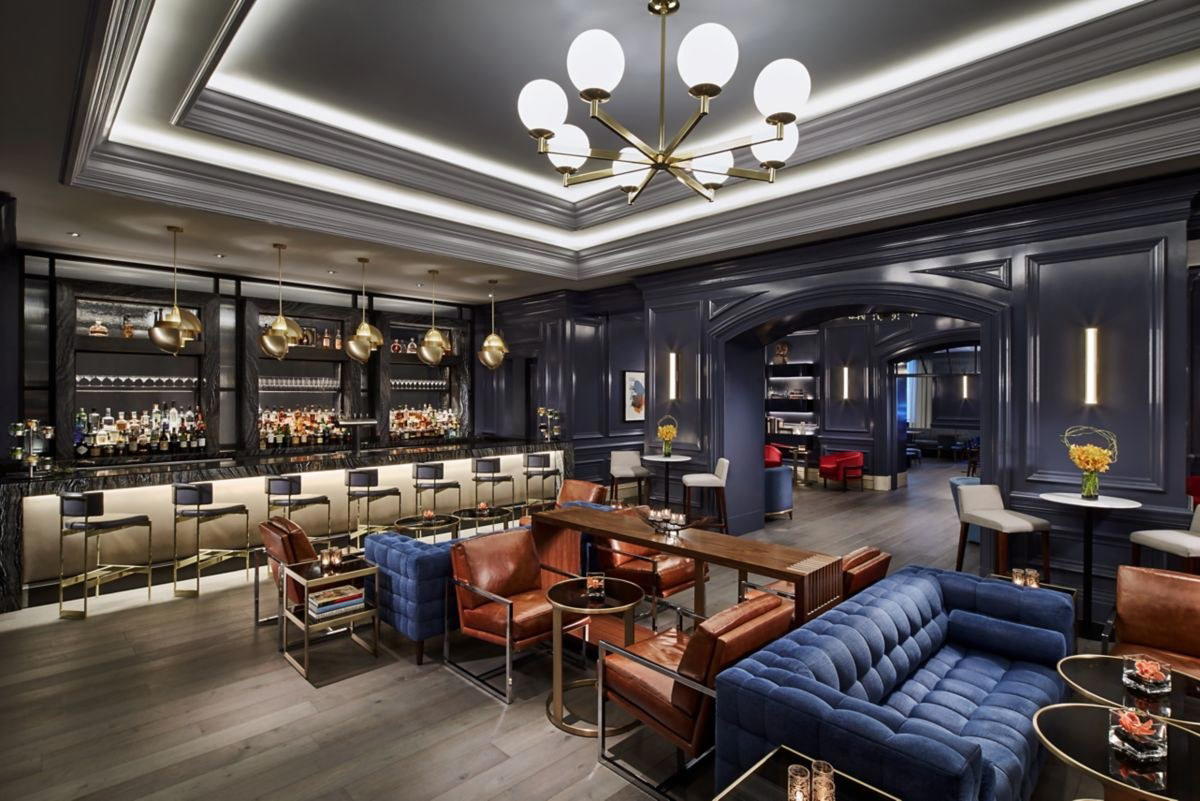
The physical space at Bar Charley does something that many D.C. bars fail to accomplish: it creates a sense of containment without feeling cramped, and openness without feeling exposed. The interior reads as considered rather than decorated, with the kind of material and lighting choices that suggest someone thought carefully about how the room would feel at 10pm on a Wednesday versus a Saturday. This is not accidental. Bars that get the physical container right tend to hold customers longer, and the room here clearly benefits from deliberate decisions about sightlines, surface materials, and the relationship between the bar counter and the seating beyond it.
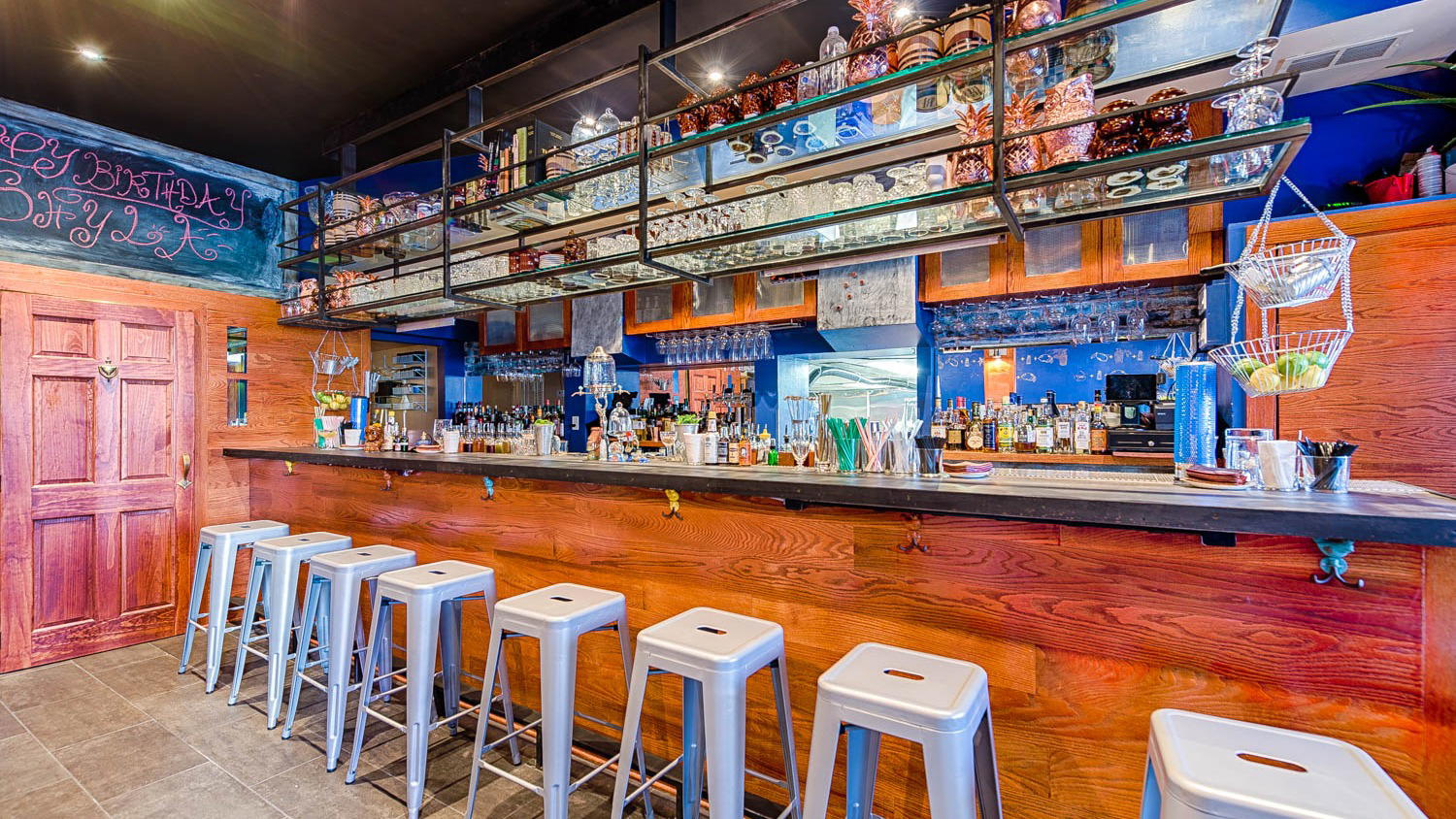
The bar counter itself functions as the room's organizing principle, which is true of most serious cocktail bars but worth noting here because the stools face toward the work rather than away from it. That orientation signals a program where the making of drinks is considered part of the experience, not a back-room process. Across the D.C. bar scene, this approach aligns Bar Charley more closely with the transparent technical programs that have displaced the hidden-door speakeasy format as the dominant serious-bar model, a shift visible nationally at venues like Lazy Bear in San Francisco and in the broader movement toward legibility over mystique.
The Drink Program in Context
Without access to current menu specifics, the clearest way to characterize Bar Charley's program is by category position. The bar operates in the same D.C. tier as venues with structured seasonal menus and house-made components, but it doesn't price or position itself against the cocktail programs attached to tasting-menu restaurants. That's a meaningful distinction. The cocktail lists at places like Jônt or minibar serve as supporting acts for elaborate food programs and price accordingly. Bar Charley's program is the main event, which changes both what the menu tries to accomplish and what a visitor should expect from the bill.
That independence from a food program gives the bar more latitude in its drink construction. Neighborhood cocktail bars at this tier typically maintain a tighter edit, rotating selections seasonally and using local or regional spirits where the argument for doing so is stronger than the cost premium.
For context on what the D.C. dining and drinking scene looks like around it: Oyster Oyster operates in the sustainable New American register at the $$$ price point; Albi anchors the Middle Eastern end of the city's ambitious dining at $$$$; and Causa represents the high-end Peruvian corner at the same tier. Bar Charley isn't competing with those restaurants, but it draws from the same pool of D.C. residents who treat eating and drinking as overlapping rather than sequential decisions.
The Neighborhood Circuit
18th Street NW in Adams Morgan gives Bar Charley a specific geographic advantage that indoor design alone can't replicate: it's walkable from a cluster of serious restaurants, which means it functions naturally as either a pre-dinner aperitif stop or a destination in its own right after eating elsewhere. This dual-use position is valuable in a city where cab and rideshare distances can compress an evening into a single neighborhood by default.
For visitors building a D.C. itinerary that extends beyond the obvious, Adams Morgan rewards a longer look. The neighborhood's dining and drinking circuit is less curated than the Penn Quarter cluster around minibar but more consistently interesting than the hotel-bar circuit. Our full Washington, D.C. restaurants guide maps the broader picture across neighborhoods and price tiers.
By national standards, D.C.'s serious cocktail bars remain less documented than those in New York, where venues like Atomix and Le Bernardin attract continuous critical attention, or in Chicago, where Smyth keeps the conversation anchored to the restaurant side. That relative under-coverage works in the favor of bars like Bar Charley: less hype, steadier clientele, and a program that doesn't need to perform for out-of-town reviewers on a single visit.
Planning the Visit
Bar Charley's address at 1825 18th Street NW puts it in the heart of Adams Morgan's pedestrian stretch, accessible from the Woodley Park or Columbia Heights Metro stations with a short walk north or south respectively. The neighborhood is most active from Thursday through Saturday, when 18th Street draws the kind of mixed crowd that makes the area feel genuinely urban rather than curated. Weeknight visits tend to be calmer and arguably better for actually tasting what the bar is doing without ambient noise as a variable.
Frequently asked questions
What part of town is Bar Charley in?
Bar Charley is located at 1825 18th St NW, Washington, DC 20009, Washington, D.C..
Is Bar Charley a good option for a first night out in Washington, D.C.?
For visitors staying near the Adams Morgan or Dupont Circle corridors, Bar Charley's address at 1825 18th Street NW makes it a practical and well-positioned starting point: it sits within walking distance of multiple neighborhoods and connects naturally to the broader 18th Street circuit. The room is described as contained without being cramped, which works well for a first-night orientation. Washington, D.C.'s cocktail culture has matured considerably over the past decade, and Adams Morgan is one of the neighborhoods where that shift is most legible at street level.
What should I eat at Bar Charley?
What the bar's position on 18th Street NW in Adams Morgan does suggest is that it operates within a neighborhood circuit where drinks are the primary draw. Plan around the cocktail program rather than a full dining agenda.
Can I walk in to Bar Charley?
Bar Charley at 1825 18th Street NW sits on Adams Morgan's main pedestrian corridor, accessible on foot from both the Woodley Park and Columbia Heights Metro stations. The neighborhood's density means foot traffic on 18th Street is high, particularly on evenings and weekends.
What do critics highlight about Bar Charley?
What the bar's sustained presence in Adams Morgan does indicate is a reputation built through repeat patronage rather than press cycles. Its position in D.C.'s reorganized bar culture over the past decade places it among the neighborhood's reliable anchor venues.
The Essentials
Comparable venues nearby, for context on price, style, and recognition.
| Venue | Cuisine | Price | Awards | Notes |
|---|---|---|---|---|
| Bar CharleyThis venue — the venue you are viewing | American Gastropub | $30–50 | Not listed | Not listed |
| The Delegate | New American | $30–50 | Not listed | Shaw, New American |
| Call Your Mother Deli - Park View | Jew-ish Deli Bagels | $10–20 | Not listed | Park View, Jew-ish Deli Bagels |
| L'Enfant Plaza SW | American Food Court | $10–20 | Not listed | Southwest Federal Center, American Food Court |
| Buck's Fishing & Camping | Seasonal American Bistro | Not listed | Washingtonian 100 Very Best Restaurants #100 | Chevy Chase, Seasonal American Bistro |
| Founding Farmers | Farm-to-Table American Comfort Food | $30–50 | Not listed | Foggy Bottom, Farm-to-Table American Comfort Food |
Continue exploring
More in Washington DC
Restaurants in Washington DC
Browse all →
Bars in Washington DC
Browse all →
Hotels in Washington DC
Browse all →
Details
- Cozy
- Lively
- Classic
- Rustic
- Brunch
- Casual Hangout
- After Work
- Group Dining
- Date Night
- Standalone
- Craft Cocktails
- Beer Program
- A La Carte
- Small Plates
- Craft Cocktails
- Tiki Drinks
- Steaks
- Gluten Free Options
- Vegetarian Friendly
- Allergy Accommodating
Current opening hours
- Monday
- 5 PM–12 AM
- Tuesday
- 5 PM–12 AM
- Wednesday
- 5 PM–12 AM
- Thursday
- 5 PM–12 AM
- Friday
- 4 PM–1 AM
- Saturday
- 10 AM–1 AM
- Sunday
- 10 AM–12 AM
Hours can change for holidays and private events. Last verified .
Cozy cellar gathering spot with a classic, inviting feel; dimly lit with vintage cocktail glassware and a tiki bar theme that creates a warm, nostalgic atmosphere.