Bao Zai operates from a hawker stall inside ABC Brickworks Market and Food Centre in Bukit Merah, placing it within Singapore's densest tier of neighbourhood-rooted, no-frills eating. Where fine-dining rooms in Orchard or the CBD command three-figure covers, this format delivers its cooking inside a shared open-air structure designed entirely around access and volume, making it a reliable reference point for understanding how the city's hawker infrastructure actually functions.
Pearl is the En Primeur Club membership app — saves, bookings, and concierge access live there. Same editors, same standards.
- Address
- 6 Jalan Bukit Merah, #01-135 ABC Brickworks Market & Food Centre, Singapore 150006
- Phone
- +65 8163 3384
- Directions
- Get directions
 Saves & bookings on Pearl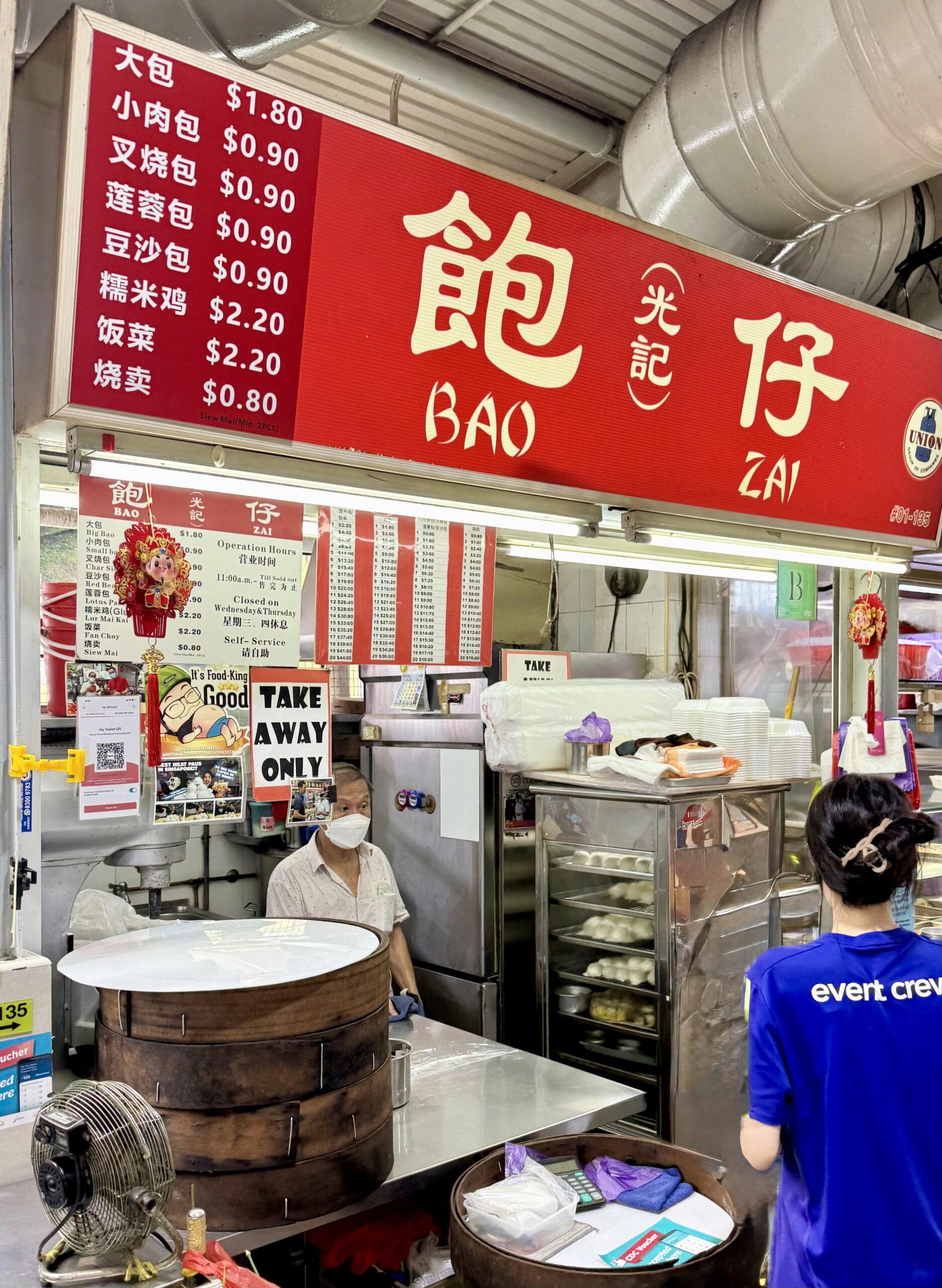
The Physical Logic of the Hawker Centre Stall
ABC Brickworks Market and Food Centre on Jalan Bukit Merah operates under the same architectural grammar as dozens of hawker centres across Singapore: a sheltered open-air structure, communal tables arranged in long rows under fluorescent strip lighting, and individual stalls occupying fixed units behind counter windows. The design is entirely functional. There is no threshold moment, no dimming of lights, no acoustic shift as you move from street to seat. The transition from pavement to meal happens in seconds, and that immediacy is itself the defining spatial quality of this format.
Bao Zai sits within unit #01-135 of that centre, one stall among many inside a building that draws from the surrounding Bukit Merah residential catchment rather than from tourist circuits or corporate lunch trade. The seating is communal by default. You choose an empty chair at whichever table has space, and the people beside you are as likely to be retired residents finishing a morning coffee as working adults grabbing a quick meal. That demographic mix is not incidental to the experience, it is the experience, and it reflects a spatial design philosophy that treats shared eating as infrastructure rather than theatre.
Bukit Merah and the Hawker Geography of Singapore
Singapore's hawker centres are not evenly distributed across the island. The highest concentrations cluster around mature residential towns: Toa Payoh, Bedok, Clementi, and the Bukit Merah belt. These are areas where the Housing Development Board (HDB) built at scale in the 1970s and 1980s, and where hawker centres were planned as part of the neighbourhood unit rather than as standalone attractions. ABC Brickworks, which takes its name from the former Alexandra Brickworks site nearby, follows that pattern. It serves a local population with specific, repeated expectations, which means the stalls operating there are tested daily against a highly consistent and demanding customer base.
That accountability structure is different from what operates in tourist-facing food courts or airport food halls. A stall in a neighbourhood hawker centre survives on repeat custom. The person eating at Bao Zai on a Tuesday morning is often the same person who ate there the previous week. This repetition creates a quality feedback loop that high-volume tourist venues rarely experience in the same way. It also means that longevity inside a neighbourhood hawker centre carries a specific kind of credibility that awards programmes don't always capture.
Where This Format Sits Relative to the City's Dining Range
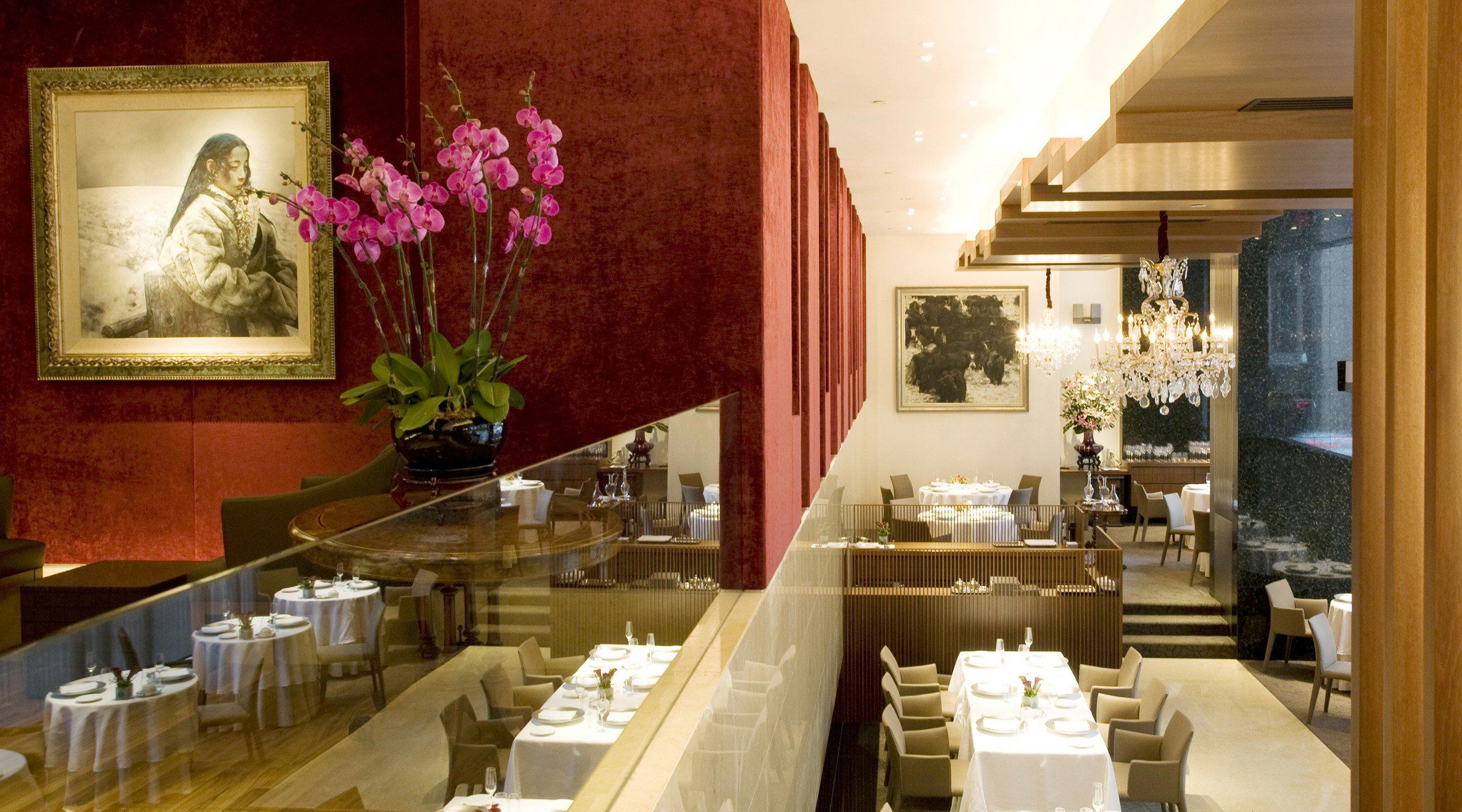
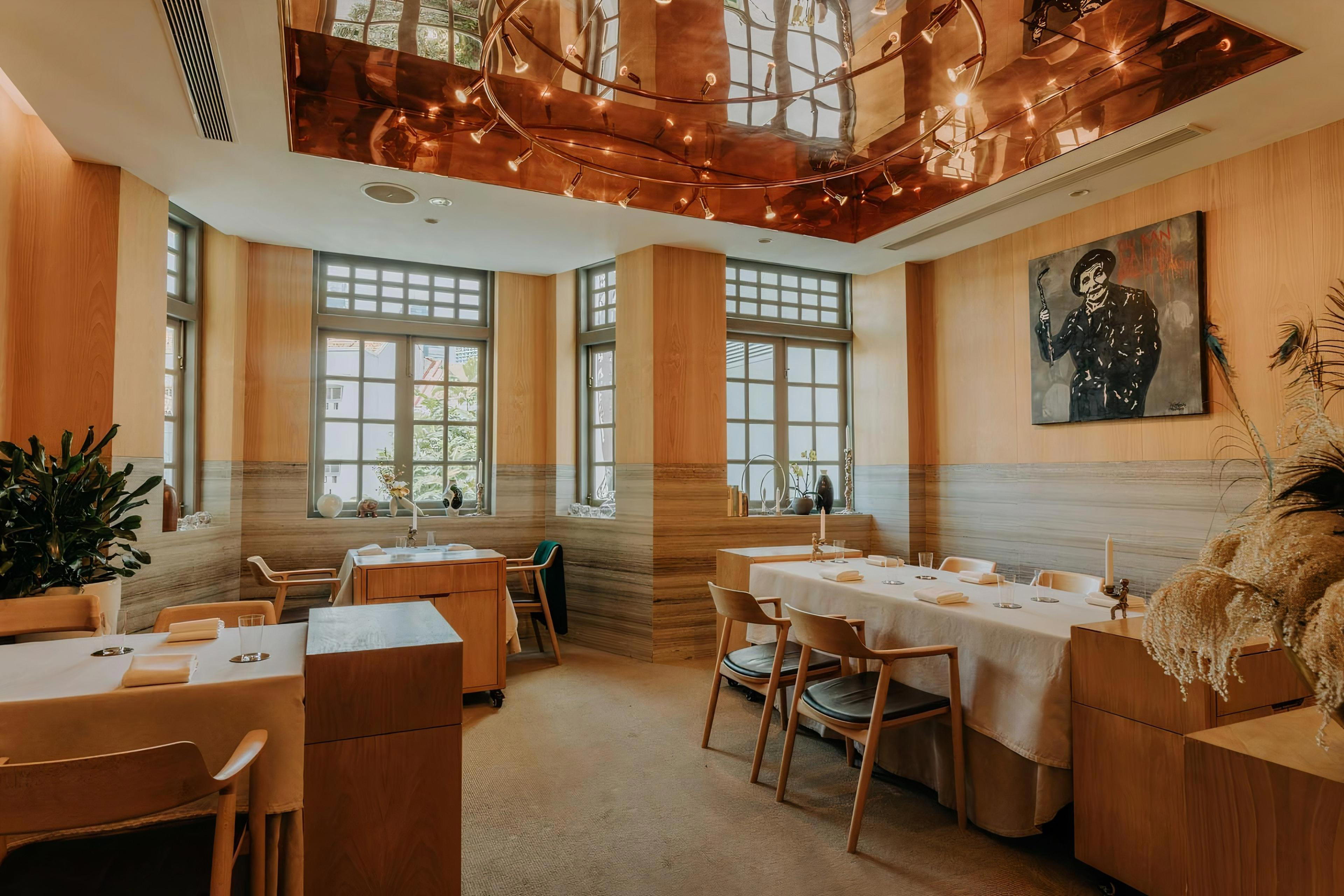
Singapore's dining infrastructure spans a wider price and format range than most cities its size. At one end, venues like Odette and Zén operate inside purpose-designed rooms where the spatial experience is as considered as the cooking, with tasting menus priced at several hundred Singapore dollars per head. At the other, hawker stalls deliver cooking at a fraction of that cost inside shared spaces with no reservations, no table service, and no dress code. Jaan by Kirk Westaway and Les Amis occupy similar high-end territory, with polished rooms and wine programmes that place them closer to Paris or Tokyo fine dining than to the neighbourhood eating hall.
Bao Zai sits at the opposite end of that range, operating in the format that UNESCO recognised in 2020 when it inscribed Singapore's hawker culture on its Intangible Cultural Heritage list. That inscription acknowledged not just the food but the social function of hawker centres: their role as democratic, multi-ethnic spaces where different communities eat alongside each other within a shared physical structure. ABC Brickworks is a working example of that function, not a heritage reconstruction of it.
Other neighbourhood-rooted formats across the city operate with similar logic. Ah Ter Teochew Fishball Noodles in Downtown Core and KTMW chicken rice tea-cafe in Bedok represent comparable stall-format operations in different parts of the city, each shaped by the residential character of their immediate surroundings. Bugis Street Ah Huat Hainanese Chicken Rice at Changi Airport shows what happens when the hawker format is transplanted into a transit environment, where the customer base is transient rather than repeat. The contrast with a neighbourhood centre like ABC Brickworks is significant.
At a Glance
Comparable venues nearby, for context on price, style, and recognition.
| Venue | Cuisine | Price | Notes |
|---|---|---|---|
| Bao ZaiThis venue — the venue you are viewing | Not listed | $ | Not listed |
| Wanton Seng's Noodle Bar | Chinatown, Modern Wonton Noodle Bar | $$ | Not listed |
| Kampong Chicken Eating House | Not listed | $ | TIONG BAHRU, Traditional Hainanese Kampong Chicken Rice |
| Zhen Zhen Porridge 中国街真真粥品 | Chinatown, Cantonese Porridge | $ | Not listed |
| Teochew Restaurant Huat Kee | NASSIM, Authentic Teochew | $$ | Not listed |
| Lor 29 Geylang | ALJUNIED, Singaporean Fried Hokkien Mee | $ | Not listed |
Continue exploring
More in Singapore
Restaurants in Singapore
Browse all →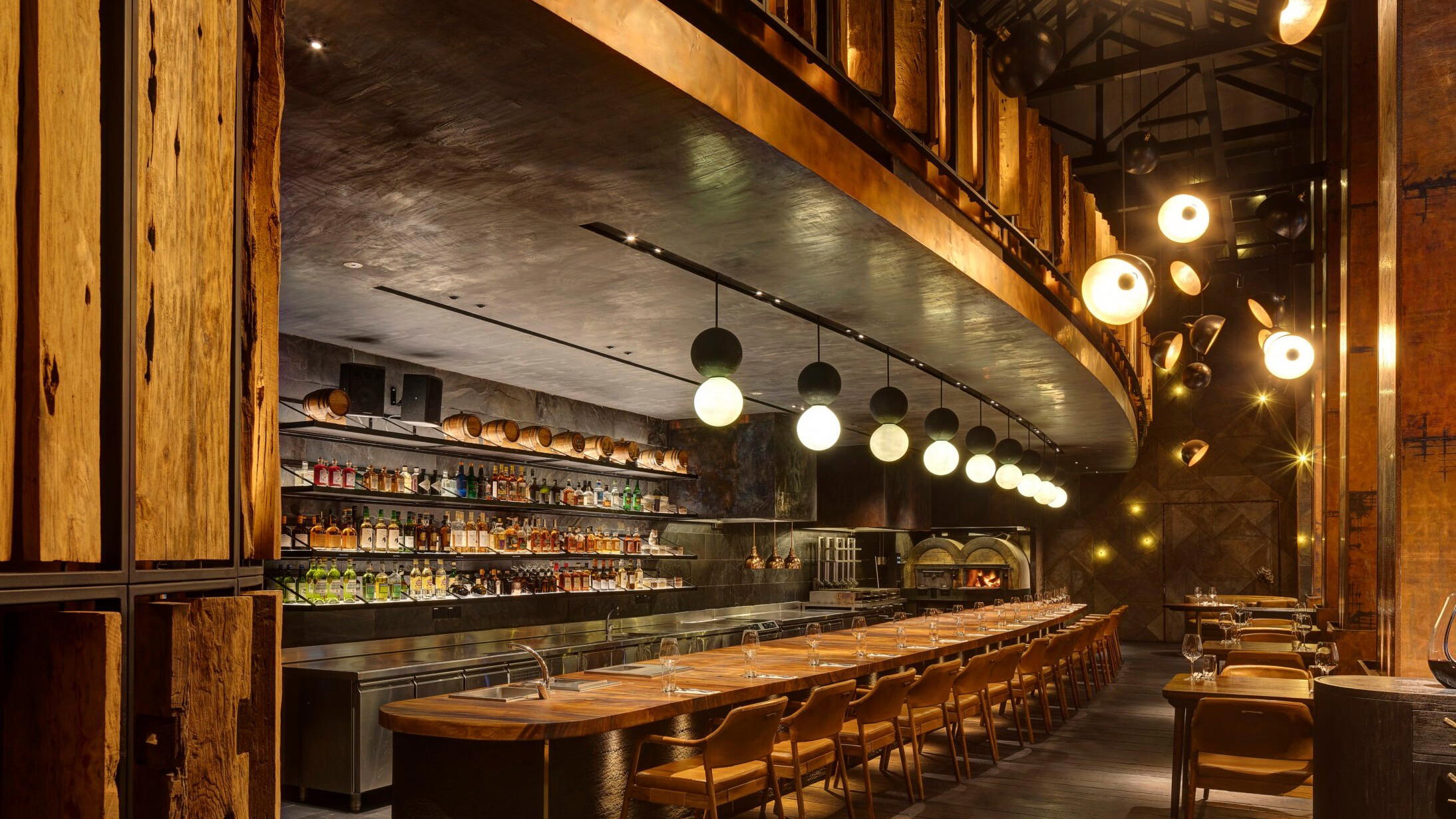
Bars in Singapore
Browse all →
At a Glance
- Rustic
- Classic
- Casual Hangout
- Solo
- Family
Current opening hours
- Monday
- 11 AM–7 PM
- Tuesday
- 11 AM–7 PM
- Wednesday
- Closed
- Thursday
- Closed
- Friday
- 11 AM–7 PM
- Saturday
- 11 AM–7 PM
- Sunday
- 11 AM–7 PM
Hours can change for holidays and private events. Last verified .
Casual hawker stall atmosphere with old-school charm and authentic local dining experience.