On Outram Road, Kampong Chicken Eating House occupies a corner of Singapore's hawker tradition where the emphasis falls on the bird rather than the setting. The name signals exactly what you're getting: kampong-style chicken, prepared along the lines that shaped generations of Singaporean home cooking. It sits in a neighbourhood dense with competing lunch options, and holds its own on the strength of the food alone.
Pearl is the En Primeur Club membership app — saves, bookings, and concierge access live there. Same editors, same standards.
- Address
- 247 Outram Rd, Singapore 169047
- Phone
- +65 6221 2522
- Website
- ordinarypatrons.com
- Directions
- Get directions
 Saves & bookings on Pearl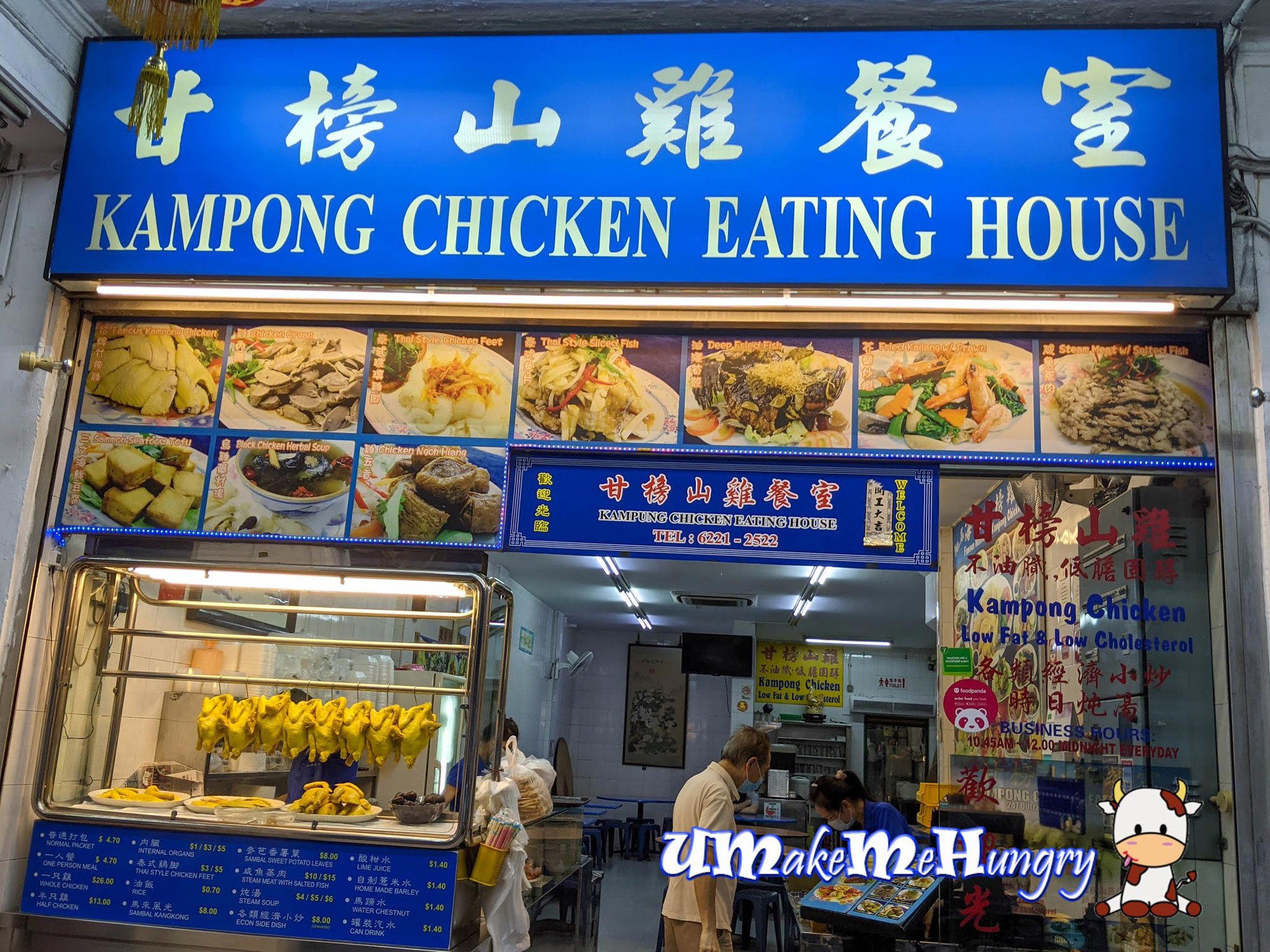
Outram Road and the Chicken Rice Corridor
Outram Road carries a specific texture that separates it from Singapore's more curated dining districts. The stretch running southwest from Outram Park MRT sits at the edge of what was historically a working-class residential quarter, and the food culture here has always been shaped by accessibility and repetition rather than occasion dining. Regulars return on weekday schedules, not special-night calendars. In that context, a name like Kampong Chicken Eating House communicates a deliberate positioning: this is food rooted in the kampong tradition, the village-style chicken-rearing practice that once defined poultry quality across the Malay Peninsula, and the cooking that grew from it.
Singapore's chicken rice culture operates across several distinct tiers, from hawker stalls to mid-range eating houses that serve a broader menu around the same centrepiece. Kampong Chicken Eating House, at 247 Outram Road, belongs to the eating house category: a format that typically combines a fixed menu anchor with the kind of volume and pace that makes it a neighbourhood fixture rather than a dining destination for tourists.
What the Kampong Tradition Actually Means on the Plate
The term kampong chicken has a specific meaning in Singapore and Malaysia. Kampong birds, raised free-range in village conditions rather than commercial farms, develop a firmer, leaner flesh with more pronounced flavour than the mass-market broiler alternatives. The texture is more resistant to the bite, the fat distribution is different, and the skin, particularly in a poached preparation, carries a tighter, more gelatinous quality. For chicken rice, where the bird is the point and the rice is cooked in the stock that comes from it, that starting-material difference matters across every component of the dish.
Eating houses built around kampong chicken tend to serve a narrower menu than casual Chinese restaurants, concentrating on preparations that show the bird clearly: poached versions with ginger-scallion oil, roasted versions with darker, crisper skin, and steamed presentations that carry one direct read on the underlying ingredient quality. The accompanying rice, cooked in chicken fat and stock with pandan leaf, is the secondary indicator of kitchen care. When it clumps without glueing, carries fragrance without heaviness, and arrives at the right temperature, it confirms that the kitchen is managing the basics with attention. The dipping sauces, typically a bright ginger paste, a dark soy reduction, and a chilli sauce that should carry heat and acidity in proportion, complete the picture without masking it.
The Outram Neighbourhood as Context
The broader Outram area supports a range of dining formats that illustrate how Singapore's food culture layers across a single district. At one end of the spectrum, Tiong Bahru's gentrified blocks a short distance north carry café culture and independent restaurants alongside legacy hawker stalls. On Outram Road itself, the competition for the lunch trade is direct and practical. Eating houses here compete on consistency, price-to-portion ratios, and the speed of service for the office and hospital worker crowds that define the daytime foot traffic.
That context places Kampong Chicken Eating House in a specific competitive frame. It is not operating in the same register as, say, Imperial Treasure Fine Chinese Cuisine in the Downtown Core, where Cantonese cooking is presented in a formal setting with banquet-tier execution. Nor does it share ground with the European contemporary category, where Singapore's fine dining scene has concentrated considerable international attention. Restaurants like Odette, Les Amis, Zén, and Jaan by Kirk Westaway represent the upper tier of Singapore's dining identity as it presents to international visitors. The eating house format operates on an entirely different axis, one defined by daily relevance rather than occasion value.
How This Format Fits Singapore's Broader Hawker and Eating House Continuum
Singapore's food identity is built substantially on the hawker centre model, where individual stallholders specialise in a single dish family and compete within a shared space on quality and consistency. The eating house is a related but distinct format: typically shophouse or purpose-built, with table service or counter ordering, and a menu that may extend the anchor dish across multiple preparations and add supporting items. The restaurant model fits neatly into this second category.
Across Singapore, comparable formats have built loyal followings. KTMW chicken rice tea-cafe in Bedok represents one version of the format in the east; 大巴窑93茶粿 in Kallang approaches a related niche from a different angle. Each operates within the broader continuum that makes hawker and eating house culture the functional backbone of everyday dining in Singapore, well below the price tier occupied by Meta or the innovative cooking formats that attract international media attention.
The eating house format doesn't need fine dining as a reference point; it competes on its own terms, and those terms reward daily customers rather than first-time visitors.
Planning a Visit
The restaurant sits at 247 Outram Road, accessible from Outram Park MRT on the East-West, North-East, and Thomson-East Coast lines, making it one of the better-connected addresses in the area. The eating house format means arrival timing matters: lunch service at places of this type typically moves quickly, and the peak window between 12pm and 1:30pm on weekdays is when most of the day's volume passes through. Arriving before noon or after the main lunch rush is the practical way to avoid the longest waits. The restaurant is open daily from 10:45am to 10pm, with walk-in service and casual dress.
Those building a broader Outram and Tiong Bahru itinerary can pair a visit here with exploration of the surrounding neighbourhood's other eating options, from the shophouse restaurants along Tanjong Pagar Road to the Béni in Orchard for a sharply different register, or Asian Twist by 365 Food in Queenstown for a nearby mid-range alternative.
City Peers
Comparable venues nearby, for context on price, style, and recognition.
| Venue | Cuisine | Price | Notes |
|---|---|---|---|
| Kampong Chicken Eating HouseThis venue — the venue you are viewing | Traditional Hainanese Kampong Chicken Rice | $ | Not listed |
| Fatty Cheong Roast Meat | Singaporean Roast Meats | $ | ABC Brickworks |
| Bao Zai | Traditional Handmade Bao & Dim Sum | $ | ALEXANDRA HILL |
| Kim Heng (HK) Roasted Delights | Hong Kong Roasted Meats | $ | Serangoon |
| Ah Ter Authentic Teochew Fish Ball Noodles | Teochew Fish Ball Noodles | $ | CHENG SAN |
| Loong Kee Yong Tau Fu | Yong Tau Fu | $ | HONG KAH |
Continue exploring
More in Singapore
Restaurants in Singapore
Browse all →
Bars in Singapore
Browse all →
At a Glance
- Rustic
- Classic
- Casual Hangout
- Family
- Group Dining
- Standalone
- Local Sourcing
Current opening hours
- Monday
- 10:45 AM–10 PM
- Tuesday
- 10:45 AM–10 PM
- Wednesday
- 10:45 AM–10 PM
- Thursday
- 10:45 AM–10 PM
- Friday
- 10:45 AM–10 PM
- Saturday
- 10:45 AM–10 PM
- Sunday
- 10:45 AM–10 PM
Hours can change for holidays and private events. Last verified .
Simple, casual shophouse setting with nostalgic, old-school atmosphere reminiscent of traditional Malaysian village dining.